
Luke Cashmore retweetledi
Luke Cashmore
18.1K posts


Luke Cashmore
@___Cashy
“It’s all in the land”… 18.6 year real estate cycle … Gann student … EV Lithium … Carlton FC …Tweets are my own opinion and not advice
Katılım Nisan 2012
3.2K Takip Edilen1.6K Takipçiler

Luke Cashmore retweetledi

There's an UNBELIEVABLE use case for regional trips in the US that will decimate air travel and buses.
Fully autonomous Tesla Robovans outfitted as long-haul first-class "buses".
These would run routes similar to Amtrak or Greyhounds, but with First-Class-like comfort, amenities, and space.
The price per seat of these can be the same as a bus, but FAR more comfortable and FAR more luxurious.
Can obviously optimize the interior for the best configuration but MAN. This would absolutely KILL.

English
Luke Cashmore retweetledi
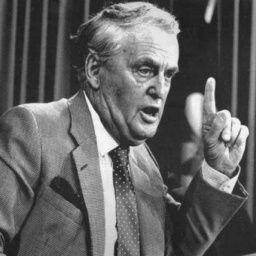
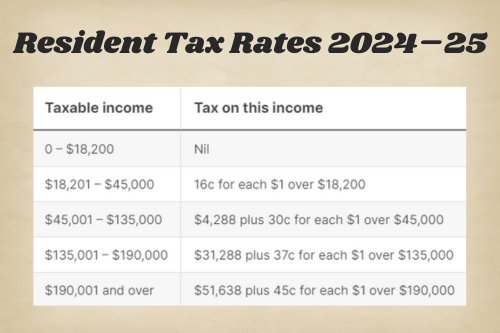
Under the new CGT , if Gran wants to sell a few shares to pay some bills, she will be taxed at the same rate as someone earning $145,000 a year. I love how Labor looks after the battlers.
English
The recession is here
Geoff Wilson@GeoffWilsonWAM
This is before the new CGT. Good luck Australia
English


#Lithium 40 to 50% increase in supply needed yr on yr just to keep up with demand 💥💥🤯
WALL STREET- ASX CRUSADER@Sw197843
A great watch for all investors to get real facts from an expert analyst. 40 to 50% growth yr on yr for lithium supply required....💥💥🤯 #lithium #auspol #ausbiz
English
@setc24242 The REC will be the only thing that will slow it down
English
Luke Cashmore retweetledi
Full respect to Benchmark Minerals and the work they do, but I'm not convinced by the 2027 surplus narrative.
I think the market is still underestimating the demand side. China's NEV penetration is already above 60%, battery pack sizes keep rising, and now the Iran oil crisis is adding another layer of wallet pain to the equation. Throughout history, few catalysts have accelerated behavioural change faster than higher energy costs.
What feels different today is the convergence. Demand isn't coming from one direction anymore. It's coming from EVs, BESS, behind-the-meter storage, solar, wind, trucks, trains, shipping, boats, eVTOLs, robotics and AI infrastructure all at once.
The supply response may well arrive. The question is whether it can outrun demand. Personally, I think the industry is still underestimating just how many batteries the world is about to need.
English
Luke Cashmore retweetledi

"Cheating: The Human Project and Its Betrayal" by Fred Harrison (@geophilos) is out now!
Order now at shepheardwalwyn.com/product/cheati…

English
Luke Cashmore retweetledi

It’s 30% minimum on capital gains and on Trust Distributions with the Trust tax being paid at the Trustee level with non refundable credits passed to beneficiaries.
One of the effects of this is that franked dividends passing through Trusts will have the franking credits first used to meet Trust tax obligations. This will have the effect of converting refundable franking credits to non refundable trust distribution credits.
It’s an entirely awful policy and at the core of structuring issues it creates for SME’s
Hope that helps
English
Luke Cashmore retweetledi

Every Australian who owns shares, runs a business, invests for retirement or hopes to build wealth should be paying attention. It’s about the future of investment, productivity and aspiration in Australia. Sign the petition.👇
#CGT #auspol wilsonassetmanagement.com.au/capitalgainsta…
English
Luke Cashmore retweetledi

What's interesting about this backlash is that Albo & Chalmers do appear to be genuinely surprised by it.
Which tells you that very few people in their circles come from private industry-- a massive self-sealing bubble.
x.com/SkyNewsAust/st…
Sky News Australia@SkyNewsAust
The Albanese government has been trolled by a business founder who bought 18 inescapable billboards at Canberra Airport protesting Labor’s capital gains tax grab. skynews.com.au/australia-news…
English
@Sw197843 @lithiumboom That’s a huge amount of lithium
And yet most are concerned of another over supply around the corner 🤦♂️😆
English

A great watch for all investors to get real facts from an expert analyst.
40 to 50% growth yr on yr for lithium supply required....💥💥🤯
#lithium #auspol #ausbiz
Energy Transition Investor@usuallyYJLee
Hi friends, I gave a full-length presentation on #lithium at the Ignite Conference in Singapore last month. #Electric cars, trucks, BESS, mining equipment, ships, eVTOLs, drones, aircraft, etc. Enjoy! youtu.be/BLpgyuaQwQE?t=1
English

First half changing angles, attacking I50 a different way 🔥
English
Luke Cashmore retweetledi

Gina Rinehart says the Albanese government’s capital gains tax changes will ultimately hurt the federal budget bottom line as mining and other business investment moves offshore.
Mrs Rinehart said the tax changes were ill considered and left wage earners facing a double whammy if they chose to invest in mining to boost their wealth in what was already one of the highest taxing jurisdictions in the world.
Australia's richest person spoke out as her early stage investment in Arafura Rare Earths appears set to deliver a new mine near Alice Springs, and help Australia and its allies loosen China's grip on critical minerals supply chains.
“These CGT changes will make it even harder for junior and medium explorers to raise the money needed to search for and develop new projects,” she told The Australian.
“Smaller and medium mining companies rely heavily on investors willing to back high-risk exploration years before there is any return. If you reduce the incentive and ability for people to invest, you reduce future discoveries, future mines, future jobs, future revenue and future growth for Australia at a time when our country sure needs it.
“Additionally, what is also being missed in the CGT increase is that people are investing money they have already paid tax on through PAYG and other taxes, and yet any profits they make on that reinvestment is now going to be subject to even higher taxes.”
Her comments came as Wesfarmers chair and fellow West Australian Michael Chaney gave his qualified support to the tax changes. “(The) capital gains tax concession and negative gearing have been prime factors in house prices being as high as they are in Australia, which is completely out of kilter with most similar sized economies – and so I think change was inevitable,” he said.
“The problem is that we need wholesale, not piecemeal, tax reform that includes lowering personal and corporate tax rates.”
Mrs Rinehart said other countries were competing hard for investment yet Labor’s tax changes compounded other unhelpful policy settings in Australia.
“Unfortunately, the proposed changes to capital gains tax don’t recognise how widespread their effect is, given CGT was initially brought in in 1985, affecting all assets and projects since,” she said.
theaustralian.com.au/business/minin…

English
Luke Cashmore retweetledi

David 'Kochie' Koch unloads on Labor tax shake-up: 'Why would Australians work harder?' trib.al/pSD9zg2
English
Luke Cashmore retweetledi


I am signing the Wilson Asset Management petition to call upon the Senate to reject the Government’s proposed capital gains tax changes.
We need to preserve a tax system that encourages investment in Australian businesses, innovation and productive assets.
Petition below 👇
wilsonassetmanagement.com.au/capitalgainsta…
English