
Sabitlenmiş Tweet
Hustler D
1.5K posts


Hustler D
@_hustlerdoc
MD + investör | retweets better than my own tweets
Europe Katılım Temmuz 2023
117 Takip Edilen356 Takipçiler

Wow what a find @alexdbanks, didn't know about this find $SHMD
Alex@alexdbanks
$SHMD finally seeing some nice momentum here. Christian and Anette have less than a year left to hit their $15 and $18 earnout targets (5 million shares at risk of getting cancelled). Got to move quick
English

SILEX Microsystem IPOed yesterday $SILEX
Beyond the stock’s rocket performance yesterday, this IPO uncovers far more. It’s a story about re-shoring of critical MEMS foundry capacity used in various AI and Quantum apps.
Who ever is interested in Silex: I used the word Silex 16 times in my article “The Glass Substrate Reality Check: Organic’s Reign, TSMC’s Bottleneck and the True AI Niche”, linked below, and outlined the Mission Apollo supply chain.
There are very strong connections for Silex with Optical Circuit Switching (OCS), Lumentum, PlanOptik and many more.
It’s not just another fab; it’s the biggest pure play MEMS foundry worldwide and is sitting basically on a goldmine right now.

ma26nu@man26uel
The Glass Substrate Reality Check: Organic’s Reign, TSMC’s Bottleneck and the True AI Niche ⬇️ bit.ly/4b1m6Mc
English
@Sol_Sponge The SMART Modular memory business is proprietary they manufacture DDR5 RDIMMs and MRDIMMs. That is IP owning manufacturing. The AMD CPU server business is a deep strategic partnership with a decade of history, direct pull-through from AMD's own sales motion.
English
@Sol_Sponge Bro there is so much more here, this makes it look like PENG has thin integrator margins, no proprietary IP, follow ALAB instead. Whilst it has a second revenue engine that doesn't depend on ALAB at all.
English

AI has a memory problem. $PENG has the solution. And it’s only a matter of time before the price reflects that.
Every long AI conversation builds a “KV cache” inside the GPU. Long docs, agent tasks, big context windows — the cache overflows fast.
When it overflows, GPUs recompute, stall, or refuse the request. That’s why inference is so expensive.🧵

English
A lot of clever people have been posting on this, so I'm just piecing together educational stuff formyself as I dig in
Sponge@Sol_Sponge
AI has a memory problem. $PENG has the solution. And it’s only a matter of time before the price reflects that. Every long AI conversation builds a “KV cache” inside the GPU. Long docs, agent tasks, big context windows — the cache overflows fast. When it overflows, GPUs recompute, stall, or refuse the request. That’s why inference is so expensive.🧵
English
Hustler D retweetledi

$AMPX
Small miss on EPS not concerning revenue beat was the key for me
Will have thoughts after tomorrow AM earnings call
What i personally will be looking for on the call.
Most important for me commentary on demand and mix of biz from US drone primes.
Color on timeline of moving the NDAA compliant components into production at scale.
Also curious if any update on the Amazon accelerator program + if their ramping production of their with a certain unnamed leading EVTol company in California.

English
Hustler D retweetledi

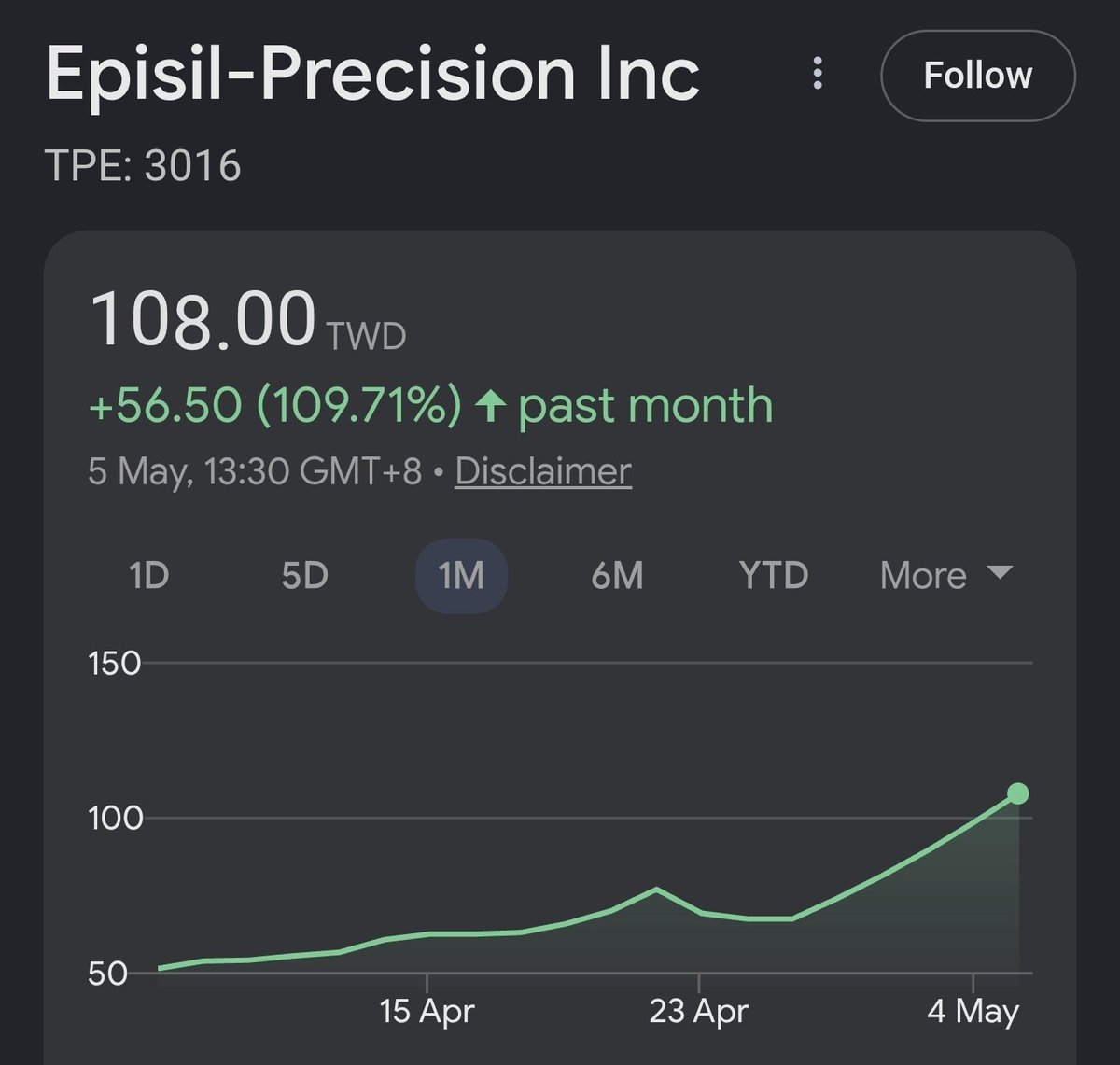
Glass substrate stocks hit limit-up across the board on news that Intel, considered a leader in glass substrate technology standardization, is holding cooperation discussions with Apple.
One of the reasons Apple is said to have chosen Intel as a partner is Intel’s next-generation glass substrate packaging technology, “EMIB.”
hankyung.com/article/202605…
English
Hustler D retweetledi


@ParadisLabs Nice to know not everyone who has edge alpha is in New york/ the states or Korea. I’m based in London too!
English


Hustler D retweetledi

$XRX 3 holla+ premarket!
nice gap!
HODOR@Maximus_Holla
$XRX 26% short interest and bottom chart! had Er yesterday!
Français
youtu.be/zdbVtZIn9IM?si… This last segment he just goes beserk and drops absolute pearls so casually. Reflection is 20/20 but still, incredible.

YouTube
English