
Sabitlenmiş Tweet
Abtin
2.5K posts


Abtin
@_one334
I’m just abtin. building super cars for a post-autonomy world.
sf + toronto Katılım Şubat 2020
1.1K Takip Edilen811 Takipçiler

@ericbahn @andresmtzc you should test drive an ND3 touring. the soft top is incredibly civil even at highway speeds. IMO that is the spec to have.
RF isn't sufficiently open-top, more of a targa (lame)
English

@andresmtzc Miata is highest values smiles per dollar/mile. Awesome shifter.
English
Becoming a middle-aged man means spending an absurd amount of time researching whether I should get an ND3 Miata or a Ranger Raptor as my next car...

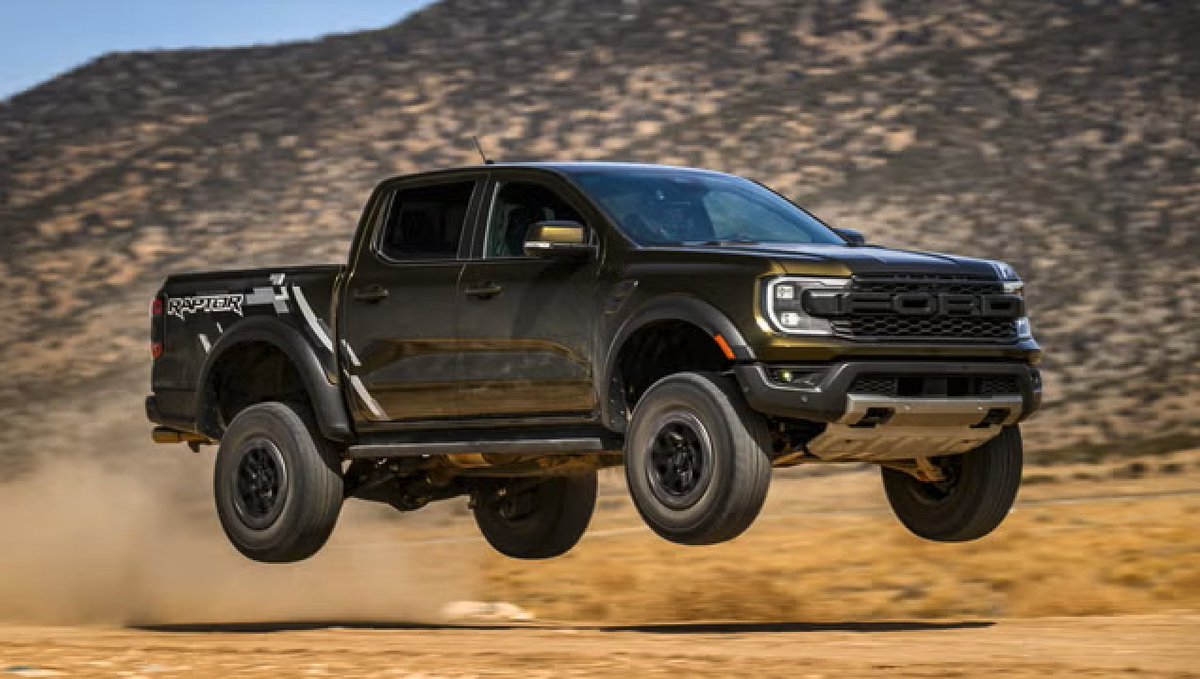
English

Tiny sculpted fans with that deliver air in style.
Tortoiseshell accents.
We were never given the future we were promised.


English


Contemplating putting this F136 engine on the shop floor into a Lexus in front of a CD009 sequential before the 2027 rally season.
It’s the crossplane Mas version as opposed to the one in the Ferrari 458, otherwise identical
Dry sump, 400 hp, fits in O2WD rules no restrictor

English

The pic this toll plaza got of my C7 is hard as fuck lol

English

A new machine shop is born in Emeryville! Got the very first part off this brand new Datron. Order your aluminum parts here: arthan.com

English
@Rashomon2 Maintaining optimism that more OEMs take this direction with EV “sports cars”.
Caterham teaser from a few years ago was exciting but not sure if they’ve closed the funds needed to pull it off.
English

Now this looks like an interesting EV . . .
evo magazine@evomagazine
Alpine's CEO isn't afraid the A110 EV will fail: ‘We’re not Porsche'
English
@kentmakishima 6spds are <$3k on eBay, could probably have a swap done for <$10k. +$6k would have all the bushes refreshed along the way. Definitely tempting.
Had I known there would be a model Y in the stable I would have opted for an E85 Z4 over the E90.
English

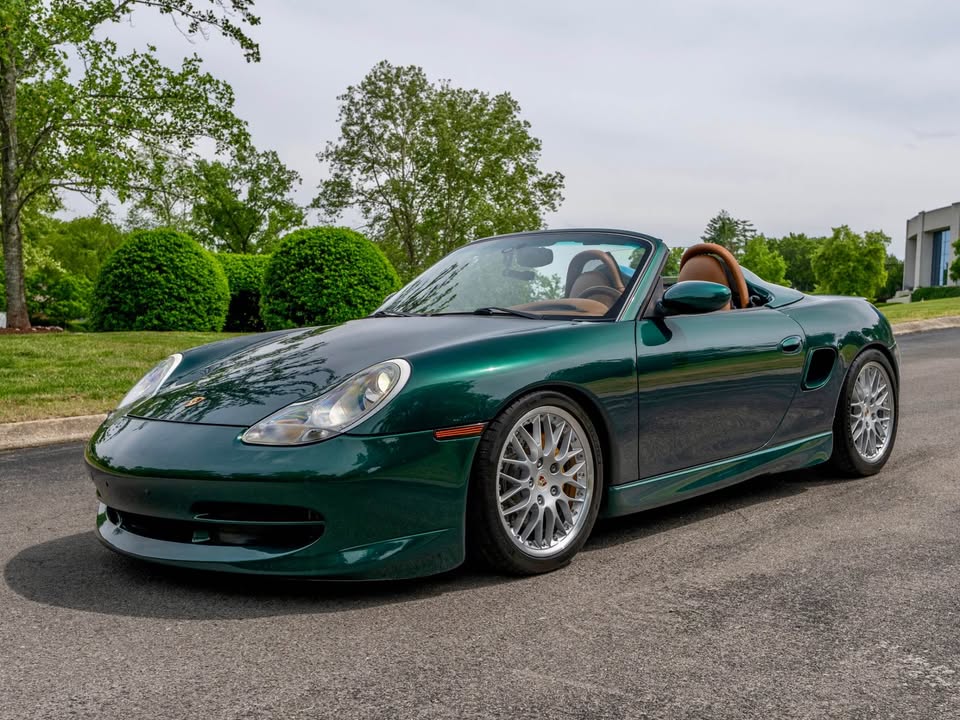
@_one334 After looking at this one, 986 is tempting with the speedster hump. I miss having a convertible in SF
English
Came across this 2002 Boxster S. $112k MSRP. Nothing like Porsche options to double the price of a car

English


