Abbie Aryan

4K posts

Abbie Aryan banner
Abbie Aryan

Abbie Aryan

@abbiearyan

Afghan: Revenge, envy, avarice, rapacity,& obstinacy,≠ fond of liberty, faithful to friends, kind to dependents, hospitable, brave, hardy, frugal, & prudent

JalalAbad Katılım Aralık 2009
1.8K Takip Edilen385 Takipçiler
Abbie Aryan
Abbie Aryan@abbiearyan·
@arefyaqubi درست است، اما الان اصلاً وقتش نیست. مثل این است که کون کسی در آتش باشد و به او بگویی باید ناخن‌هایت را کوتاه کنی.
فارسی
0
0
0
8
Aref Yaqubi
Aref Yaqubi@arefyaqubi·
افغانستان بدون پذیرش تنوع دینی و مذهبی به صلح نمی‌رسد. هرگز. این تنوع یک زینت حاشیه‌ای نیست، بلکه بخش اصلی زندگی مشترک مردم است و با امنیت و آسایش رابطه دارد. شیعه، سنی، اسماعیلیه، هندو، سیک و دیگر گروه‌ها همه در این سرزمین زندگی کرده‌ و ریشه دارند. این تنوع نه خطر است و نه آشوب، بلکه یک فرصت برای بقا و آرامش جامعه است. پلی برای گفت‌وگو است و زمینه فهم و همدلی را بیشتر می‌کند. آدم‌ها بعد از آزمون و خطاهای زیاد یاد گرفته ‌اند که تنوع زمینه نوآوری است. زندگی بدون تنوع خشک و بی‌روح می‌شود. حذف آن آسیب‌زا است و به روح جامعه ضربه می‌زند. وقتی یک دیدگاه واحد بر همه تحمیل شود، صلح پایدار نمی‌ماند. چون انسان تحت فشار در درون خود واکنش نشان می‌دهد و این واکنش می‌تواند به خشم و خشونت تبدیل شود. این موضوع در «گفت‌وگوهای واشنگتن» از افغانستان اینترنشنال به بحث گرفته شده. حسن اخلاق، استاد دانشگاه در حوزه فلسفه و اخلاق، لینا روزبه، نویسنده و فعال حقوق زنان و محمد عثمان طارق، دانش‌آموخته علوم دینی، از جمله میهمان‌ها هستند. این برنامه هفته آینده نشر می‌شود. @AFIntlBrk
Aref Yaqubi tweet media
فارسی
3
3
32
1.9K
Abbie Aryan
Abbie Aryan@abbiearyan·
@ASiddiqua773 @djdegaf No one saying Arabic is inferior, in fact I like Arabic, but my point is on preserving his indigenous language
English
0
0
0
6
Student of knowledge
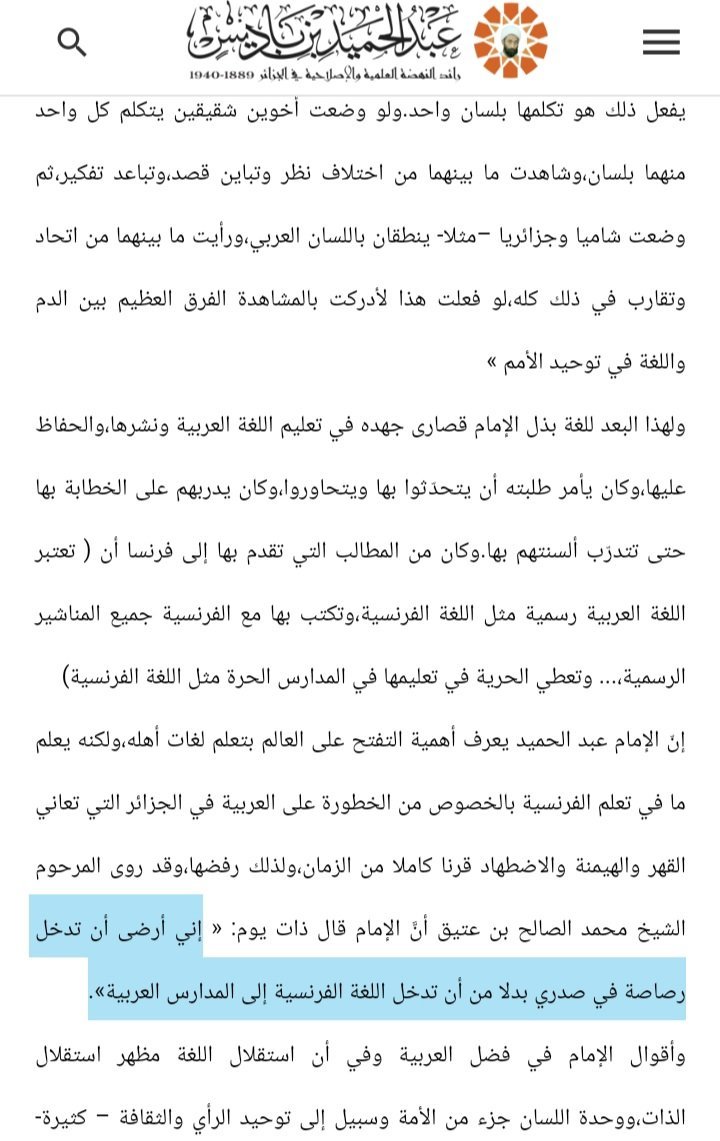
“I would rather take a bullet to my chest than for the French language to enter into the Arabic schools.” Ibn Badis.
Student of knowledge tweet mediaStudent of knowledge tweet media
English
55
813
6.6K
117.1K
Abbie Aryan
Abbie Aryan@abbiearyan·
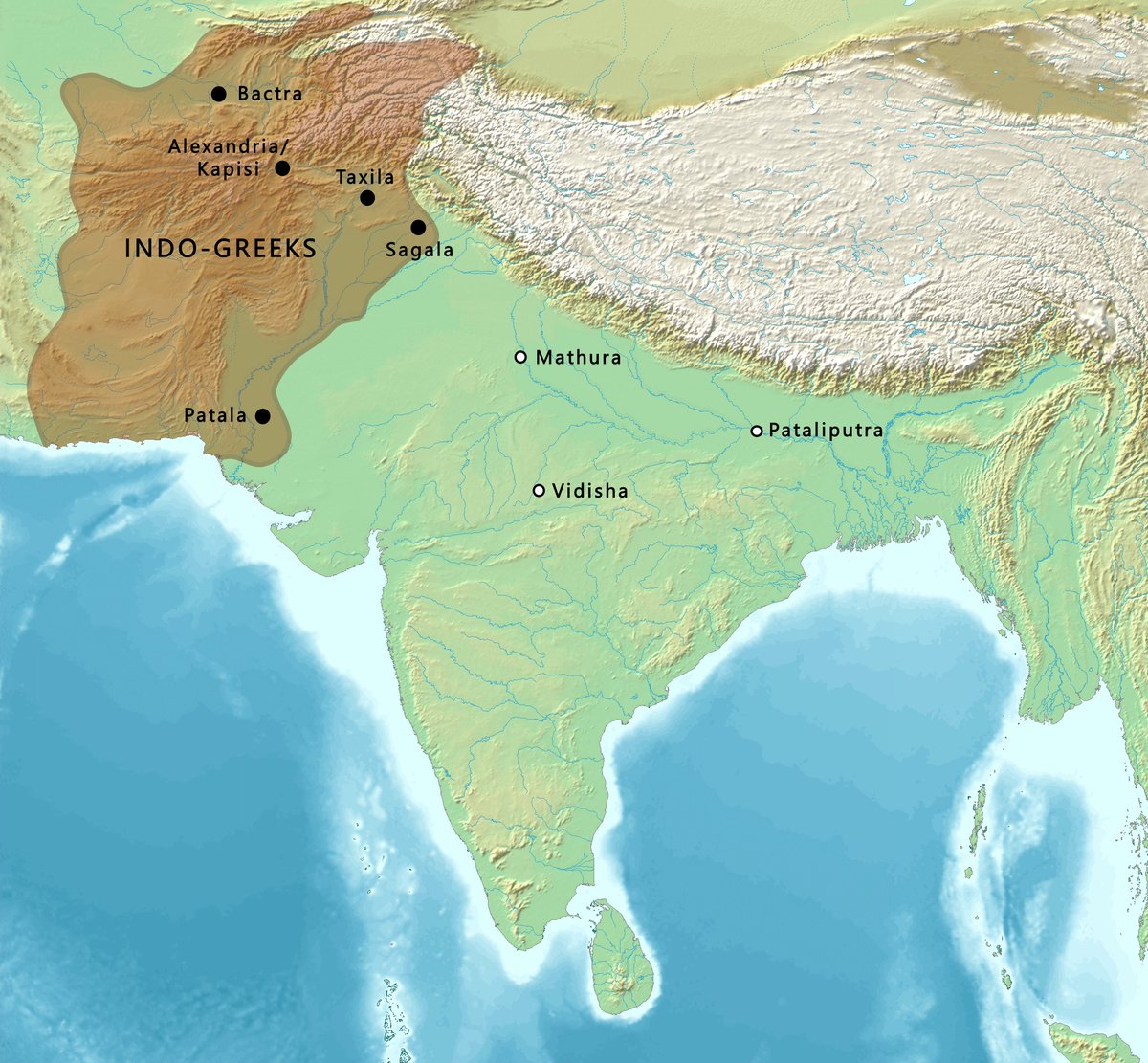
@mattyglesias 2000 years of civilisation and you still can't read a map. Ptolemy roll in his grave...
English
0
0
0
1.3K
Matthew Yglesias
Matthew Yglesias@mattyglesias·
There was a Greek kingdom for roughly 200 years in what is now Pakistan.
Matthew Yglesias tweet media
English
346
627
8.5K
839K
Abbie Aryan
Abbie Aryan@abbiearyan·
@djdegaf A slave is still a slave, whether bound to one master or many. This is an apologist and propaganda spreader dressed up as scholarship, using knowledge as cover.
English
0
0
0
5
Student of knowledge
Student of knowledge@djdegaf·
"Tawheed makes me a slave to God alone, I am not a slave to any human being. Monotheism in Islam liberates man and makes him not subject to any human being, and that is the true freedom." Former Pastor, Ibrahim Khalil.
Student of knowledge tweet mediaStudent of knowledge tweet media
English
22
233
991
0
Abbie Aryan
Abbie Aryan@abbiearyan·
@Lookrioo @djdegaf you should read the history of Arab conquest, you talk like someone who has never read a book.
English
1
0
0
86
lookrio
lookrio@Lookrioo·
@abbiearyan @djdegaf And I wonder what pre-Afro Asiatic people of North Africa thought when their language got replaced, Arabs never wanted to erase Berber culture and language, it’s simply that Berbers adopted it on their behalf and also a lot of Arab and Andalusian migrations carried it
English
1
0
7
118
Dr. Abdullah Ali
Dr. Abdullah Ali@BinhamidAli·
ISLAM’S INFLUENCE ON ADAM SMITH “There was a particular hostility to anything that smacked of price-fixing. One much-repeated story held that the Prophet himself had refused to force merchants to lower prices during a shortage in the city of Medina, on the grounds that doing so would be sacrilegious, since, in a free-market situation, "prices depend on the will of God." Most legal scholars interpreted Mohammed's decision to mean that any government interference in market mechanisms should be considered similarly sacrilegious, since markets were designed by God to regulate themselves. If all this bears a striking resemblance to Adam Smith's "invisible hand" (which was also the hand of Divine Providence), it might not be a complete coincidence. In fact, many of the specific arguments and examples that Smith uses appear to trace back directly to economic tracts written in medieval Persia. For instance, not only does his argument that exchange is a natural outgrowth of human rationality and speech already appear both in both Ghazali (1058-IIII AD) and Tusi (1201-1274 AD); both use exactly the same illustration: that no one has ever observed two dogs exchanging bones. Even more dramatically, Smith’s most famous example of division of labor, the pin factory, where it takes eighteen separate operations to produce one pin, already appears in Ghazali's Ihya, in which he describes a needle factory, where it takes twenty-five different operations to produce a needle. The differences, however, are just as significant as the similarities. One telling example: like Smith, Tusi begins his treatise on economics with a discussion of the division of labor; but where for Smith, the with a discussion of the division of labor; but where for Smith, the division of labor is actually an outgrowth of our "natural propensity to truck and barter" in pursuit of individual advantage, for Tusi, it was an extension of mutual aid…” David Graeber, Economist Debt:The First 5000 Years, p. 279
English
5
9
55
11.9K
Abbie Aryan
Abbie Aryan@abbiearyan·
@Fahdhusain @IftikharFirdous @Express247PK For 20 years we asked you the same question to stop funding, feeding, arming suicide bombers, terrorists and jihadies. you watch us burn. now the favours is turned, enjoy the taste of your own medicine. if Taliban are terrorist, Pakistan military dict. is the father of terrorism
English
0
0
0
118
Fahd Husain
Fahd Husain@Fahdhusain·
The terrorist attack in Bannu has once again focused attention on Afghanistan as the source of terror into Pakistan. Here expert @IftikharFirdous explains with maps and data how this is happening.
English
103
136
549
49.8K
Abbie Aryan
Abbie Aryan@abbiearyan·
@Afghanintel1 @pashtonzoy 😂I am not a pajeet and do not call our Indian brothers either. I am probably more Pashtun than you are and your name makes me laugh. It shouldn't make any difference where he was born if you really like him as a human and a ruler.
English
0
0
0
20
Sardar Wali
Sardar Wali@pashtonzoy·
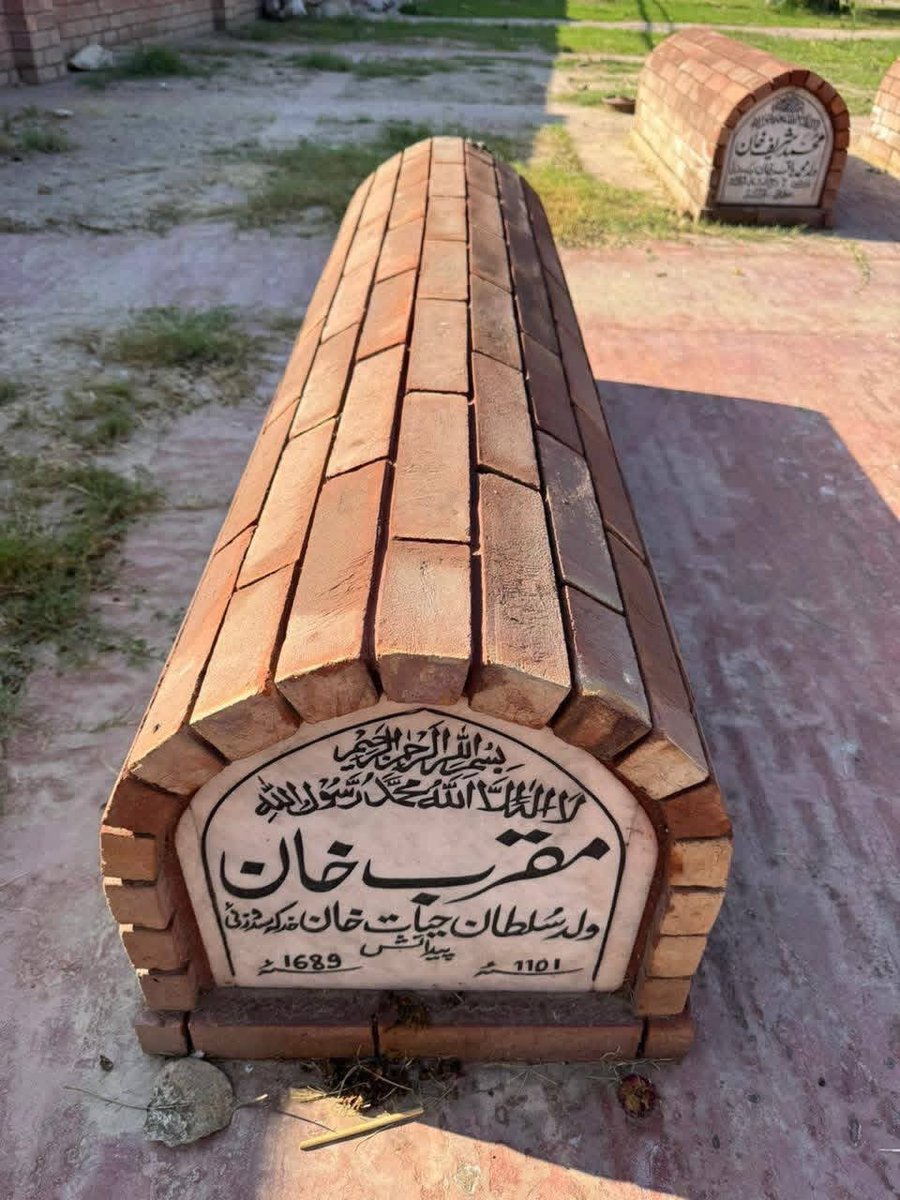
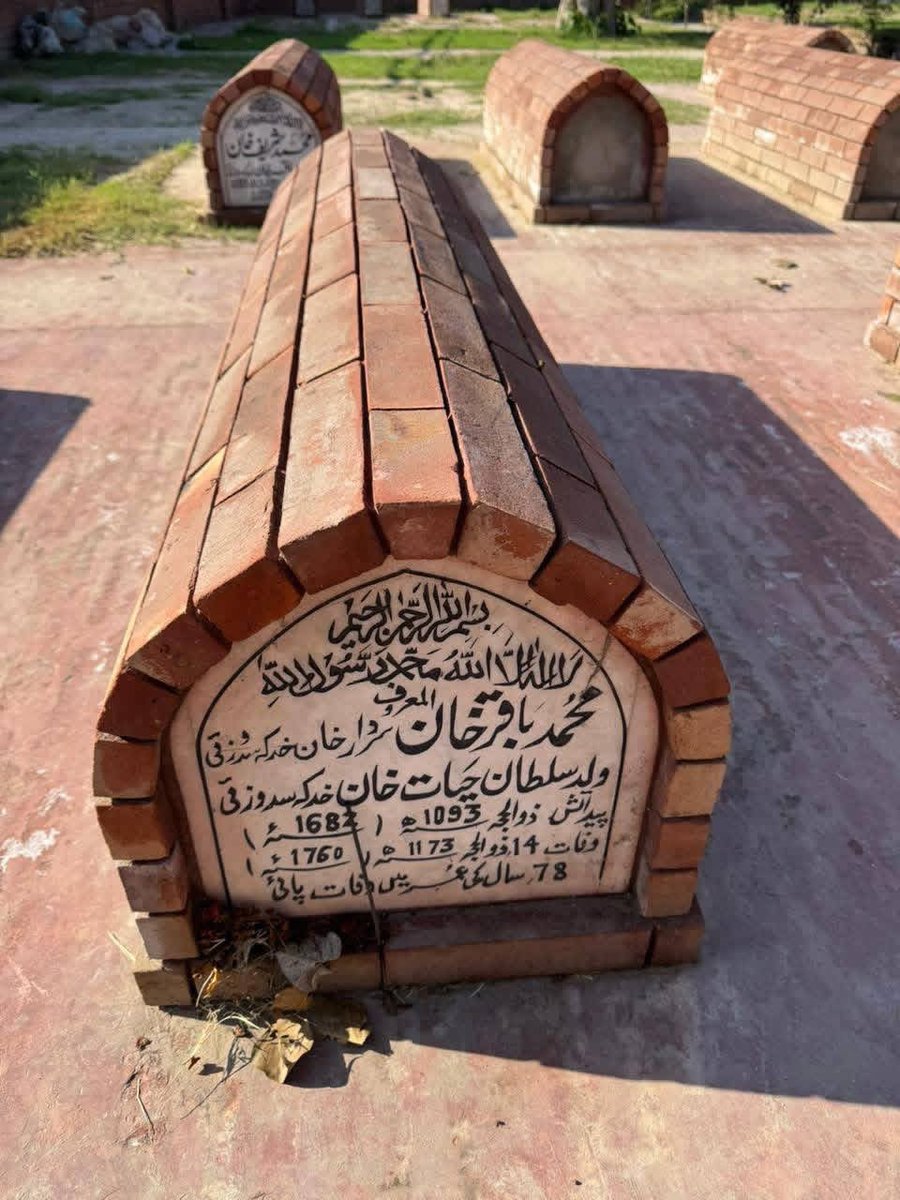
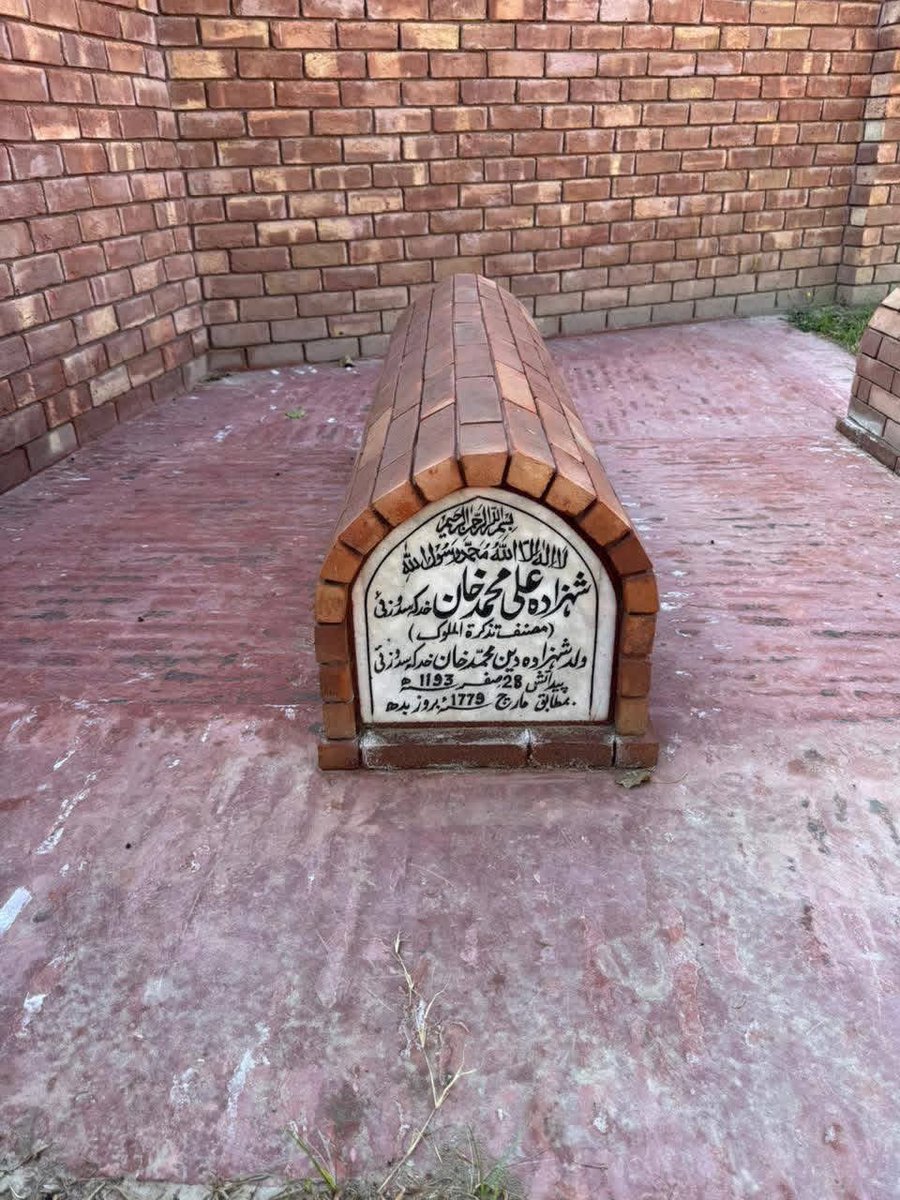
د افغانانو یوه تاریخي هدیره: د ملتان پر ابدالي سړک، د پټرولو پمپ تر څنګ، یوه پاکه او په سر خښتو منظمه هدیره پرته ده. دا د سدوزي کورنۍ شخصي هدیره ده چي د تېر تاریخ ګڼي کیسې پکښې خاورې سوي دي. د یوې محتاطي اندازې له مخه، د افغان سدوزي کورنۍ تر پنځوسو کلونو زیات پر ملتان واکمني وکړه او ګڼ واکمنان ئې دې ښار ته ورکړل. په ملتان کي د سدوزي کورنۍ راتګ او واکمني له ګڼو اړخونو تاریخي او یادګاري ارزښت لري. دې کورنۍ د ملتان پر سیاسي او تاریخي ژوند ژور اغېز پرې ایښی چي نخښي ئې تر نن ورځي لیدل کېږي.
Sardar Wali tweet mediaSardar Wali tweet mediaSardar Wali tweet mediaSardar Wali tweet media
PS
4
15
192
14.6K
Abbie Aryan
Abbie Aryan@abbiearyan·
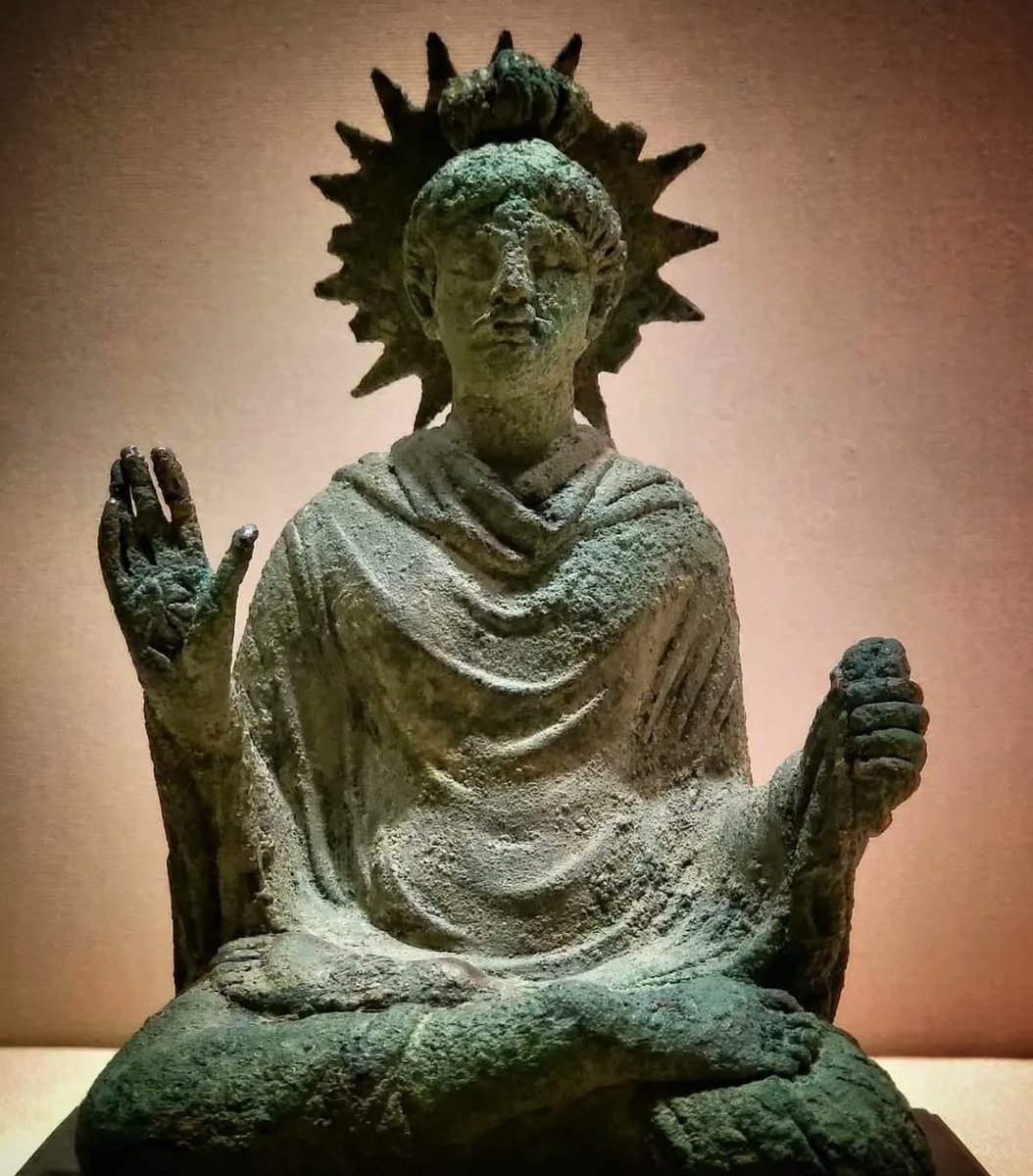
@SamDalrymple123 Spiked halo is a rarity in Buddhist art. I think it was influenced by depictions of the sun god Helios. Frederic Auguste, the sculptor of the Statue of Liberty used the radiate crown of Helios/Sol Invictus as his primary inspiration. Both drawing from the same Greco-Roman visual
English
0
0
2
240
Sam Dalrymple
Sam Dalrymple@SamDalrymple123·
The Pakistani Buddha of Liberty In the collection of the MET in New York, there is a Gandharan Buddhist sculpture from present-day Pakistan that bears an uncanny resemblance to the Statue of Liberty.
Sam Dalrymple tweet media
English
25
170
613
22.2K
Abbie Aryan
Abbie Aryan@abbiearyan·
@s_m_marandi You fucking psycho and brainwashed traitor, confusing Great Persia with some Iron Age warlord. Iran can't even feed its own people today and you're worried about Palestine. There is an old Persian saying : گرسنه که ، داکونی تشنه، دریاد، هر دو می‌میرند
English
0
0
0
40
Seyed Mohammad Marandi
Seyed Mohammad Marandi@s_m_marandi·
We are the nation of martyrdom. We are the nation of Imam Hussain, and we will never forsake the children of Palestine.
English
222
1.6K
6.2K
48.6K
Abbie Aryan
Abbie Aryan@abbiearyan·
@AFIntlBrk چرا نمی‌فهمی که طالبان لولاک‌دوانی می‌کنند و تو از آنها شطرنج بازی می‌خواهی ؟ این ناتوانی شماست که تفاوت بین یک حکومت وحشیانه وفاشیستی قرن هفتمی و دموکراسی امروزی را نمی‌فهمید.
فارسی
0
0
0
10
افغانستان اینترنشنال
جمشید رسولی، سخنگوی پیشین لوی سارنوالی، می‌گوید قدرت بدون نظارت فسادآور است. به گفته او، در ساختار طالبان نهادهای ناظر بر قدرت وجود ندارد و همین موضوع باعث افزایش فساد می‌شود.
فارسی
8
1
35
4.4K
Abbie Aryan
Abbie Aryan@abbiearyan·
@AFGDefense People are starving, the cavemen from 7th century are celebrating the import of high-end iPhones. iTaliban the genetically modified but are still operating under 7th century code
English
0
1
4
291
Afghanistan Defense
Afghanistan Defense@AFGDefense·
🚨📈Afghanistan Moving Toward Progress! For the first time, an Afghan businessman has opened an official dealership for advanced iPhone mobile phones in Afghanistan.
English
26
117
2.3K
113.2K
Abbie Aryan
Abbie Aryan@abbiearyan·
@MoeedNj No, just these non-Persian savages from 7th century. Relax.
Abbie Aryan tweet media
English
0
0
1
52
Moeed Pirzada
Moeed Pirzada@MoeedNj·
Civilization Trump wants to Destroy?
English
93
1.3K
5.4K
67.2K
Abbie Aryan
Abbie Aryan@abbiearyan·
@MuzlimsPostingW Yes, he had a great traveller's mind, it is not easy to write a fictional story that long
English
0
0
0
2
Muslims Posting Their W's
Muslims Posting Their W's@MuzlimsPostingW·
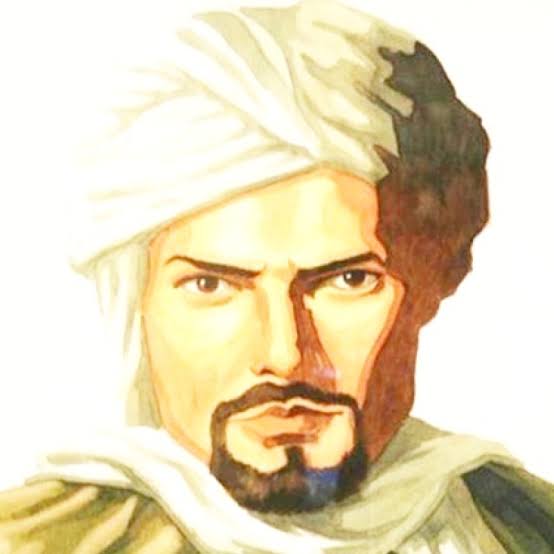
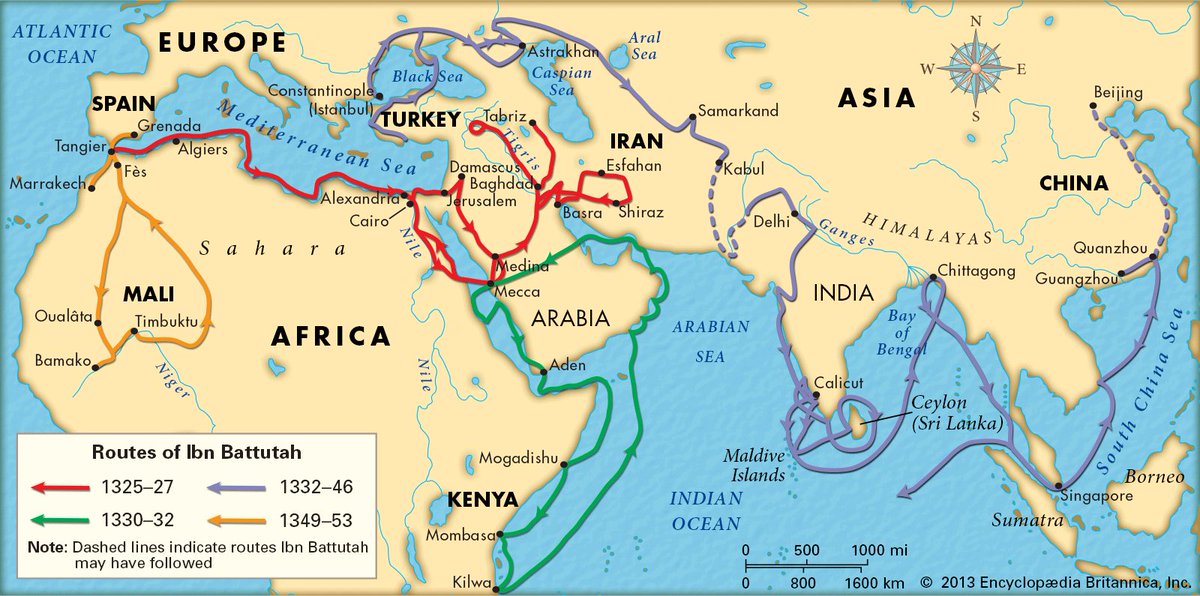
Travel map of Ibn Battuta, the greatest traveler in human history.
Muslims Posting Their W's tweet mediaMuslims Posting Their W's tweet media
English
19
131
2K
68.5K
Islamic Scientific Heritage
Islamic Scientific Heritage@IslamicSH_·
‘Traveling leaves you speechless, then turns you into a storyteller.’ — Ibn Battuta
Islamic Scientific Heritage@IslamicSH_

In 1325, a young Moroccan judge left his parents for the Hajj. He wouldn't return for 24 years. He was born in 1304 in Tangier, into a family of legal scholars. Ibn Battuta traveled 117,000 km — more than Marco Polo (24k) & Zheng He (50k) combined. In the summer of 1325, a 21-year-old Maliki judge from Tangier named Ibn Battuta left his parents for the pilgrimage to Mecca. He would not see Morocco again for 24 years. By the time he returned, he had walked, sailed, and ridden some 117,000 km, farther than any premodern explorer in history, surpassing Zheng He's fleet (50,000 km) and Marco Polo's Silk Road (24,000 km) combined. But Ibn Battuta was neither a merchant nor an admiral. He was a (faqīh) jurist trained in Islamic law, and his journey was shaped by two classical Islamic traditions: the hajj (pilgrimage) and the riḥla (travel in search of knowledge). He was born in 1304 in Tangier, into a family of legal scholars. Cairo, Damascus, Medina, Baghdad. Then beyond: the Golden Horde's Volga steppes, the courts of the Delhi Sultanate (where he was employed as a judge), the Maldives (where he was half-kidnapped, half-bribed into staying as chief judge), and further still, Sumatra, Vietnam, and the Yuan Dynasty's China. In Hangzhou, he marveled at Chinese craftsmanship and noted the presence of Muslim merchants who had made the Silk Road a highway of faith as much as commerce. "The city is very large and well built," he wrote. "The buildings are tall, and there are many merchants and people of various trades". Unlike Marco Polo, whose travelogue reads like an inventory of distances and commodities, Ibn Battuta's Rihla, formally titled "A Gift to Those Who Contemplate the Wonders of Cities and the Marvels of Travelling". He tells us what he felt: the weight of parting from living parents, the terror of shipwrecks, the humiliation of being robbed, the loneliness of a traveler without companion. As he wrote of his departure: "I set out alone, having neither fellow traveller. My parents being yet in the bonds of life, it weighed sorely upon me to part from them". That emotional honesty is what distinguishes the Rihla from mere geography. Dictated to the Andalusian poet Ibn Juzayy at the request of the Marinid sultan Abu 'Inan, the text belongs to a sophisticated literary genre that blended autobiography, sacred geography, and administrative intelligence. It is not always precise; chronologies blur, place-names shift, but modern scholars, including the Moroccan editor Abd al-Hādī al-Tāzī, have affirmed its essential authenticity as a historical source. The Rihla offers us a vivid testimony of the 14th-century world: the decline of Muslim Al-Andalus, the Mongol successor states tearing across Central Asia, the prosperity of the Swahili coast, and, poignantly, the arrival of the Black Death in Damascus and Palestine as Ibn Battuta himself was present. And yet, in the Western imagination, Marco Polo remains the emblem of medieval travel, despite having covered less than a third of Ibn Battuta's mileage and left behind none of his emotional richness. One literary critic observed: "When Marco Polo describes his arrival somewhere: he mentions the height of objects, the distance between them, the length of travel... He never includes himself, and his personality is an utter mystery. Ibn Battuta mentions his emotions in his first paragraph... and his individuality permeates every sentence". The question of why Polo became famous while Ibn Battuta languished in relative obscurity is not a question about distance traveled. It is a question about which stories the West chose to tell about itself. Ibn Battuta died around 1368 or 1377, likely buried somewhere in Morocco. The Rihla survived in manuscript, copied and preserved in the great libraries of the Islamic world, but it was not widely known in Europe until the 19th century. As the editors of a recent scholarly volume put it, his journey "documents his personal experiences but also serves as a lens through which we can examine the complex interrelations of faith, commerce, and cultural exchange that shaped the medieval world.

English
2
63
314
7.3K
Abbie Aryan
Abbie Aryan@abbiearyan·
@MoorishMovement You do know his journey and account is entirely fictional. There is not even an ounce of truth in it. Though a beautiful story.
English
0
0
0
10
MM ۞
MM ۞@MoorishMovement·
🇲🇦 | Le périple d’Ibn Battuta, le plus grand voyageur de l’Histoire.
Français
13
187
875
29.3K
Abbie Aryan
Abbie Aryan@abbiearyan·
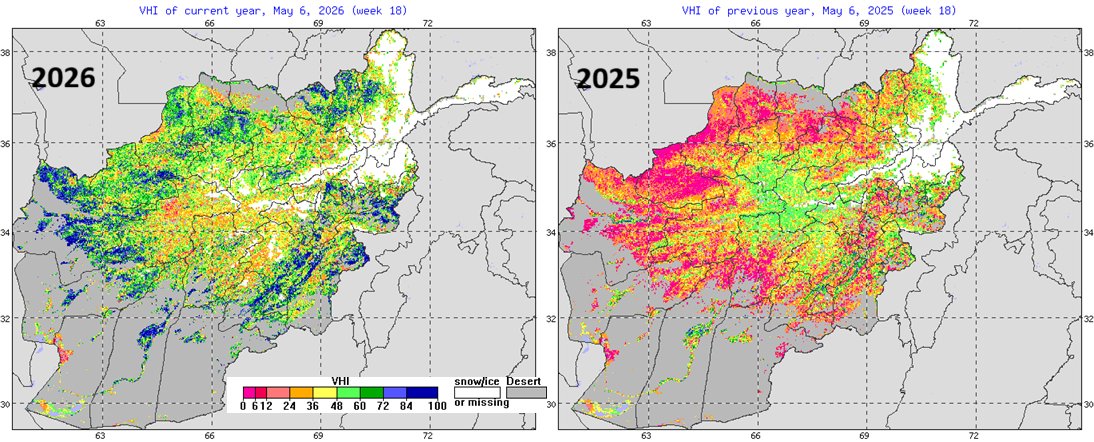
@assemmayar1 Central Afghanistan seems to be experiencing drought this year, though I’m not sure why. Reduced winter snowfall in the central highlands is one possibility. Still, the data is very interesting, and the rest of the country seems to be booming.
English
1
0
0
43
M. Assem Mayar
M. Assem Mayar@assemmayar1·
Vegetation health across #Afghanistan is favorable this year, meaning ample animal feed. Herders are likely to keep livestock longer, supporting higher market prices — including for meat — and boosting economic benefits. Meanwhile, much of the world faces intense heat.
M. Assem Mayar tweet media
M. Assem Mayar@assemmayar1

Afghanistan’s vegetation is in good condition this year, and the country is expected to harvest its largest #wheat crop in several years due to the absence of #drought and the replacement of #poppy cultivation with wheat.

English
1
11
84
4.2K