Sabitlenmiş Tweet

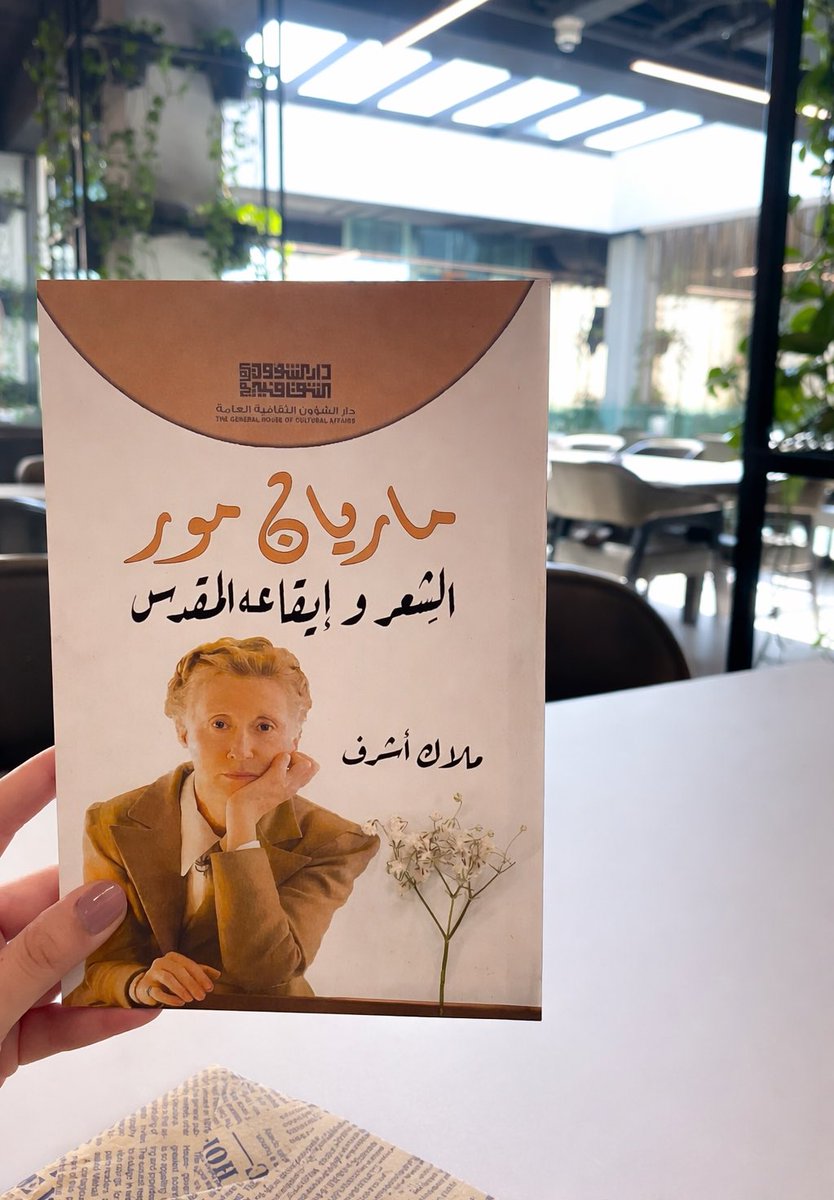
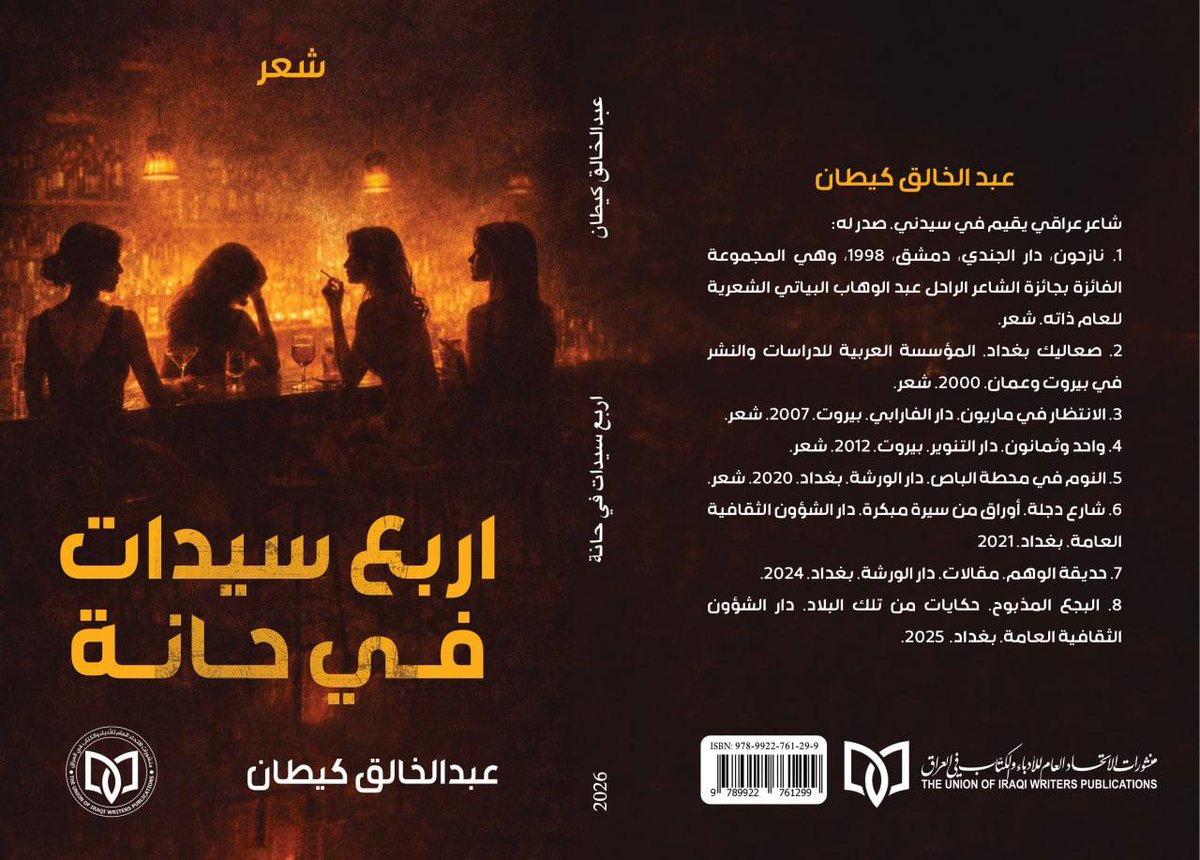
ثمانية كتب هي حصيلتي حتى الآن. ولولا ظروفي الشخصية التي اضطرتني للتنقل بين البلاد لكان الرصيد أعلى..
ولكن: هل هي جديرة بالصمود في رفوف القراء؟
#عبدالخالق_كيطان

العربية
A. B. Kitan عبد الخالق كيطان
35.2K posts
@abdelkiten


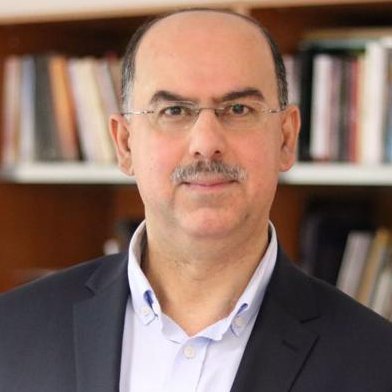
"To understand why some Iraqis today defend the Islamic Republic of Iran with a fervor that borders on devotion, one must return to the 1980s—specifically to the eight brutal years of the Iran–Iraq War. The answer begins there, in the trenches, before it is distorted by the post‑2003 political order that built what I call “the fabricated Iraq,” where nationalism was redefined along sectarian lines rather than civic ones. If one were to take the most zealous Iraqi defender of the Iranian regime today—someone who speaks in the language of “we and they are one”—and trace the history of his father, grandfather, uncle, or brother during the Iran–Iraq War, one would likely find a man who fought bravely against Iran’s revolutionary project. Many of the families whose sons now mourn Qassem Soleimani or Ali Khamenei on social media lost relatives fighting the very system they now glorify. How does a legacy shift so dramatically—from a grandfather who died resisting Khomeini’s expansionist slogan “The road to Jerusalem passes through Karbala,” to a grandson who weeps over the death of the men who built that project? Is this a belated admission of the success of Iran’s sectarian strategy in crushing Iraqi nationalism? Or is it simply the natural outcome of the political and social illiteracy that has dominated Iraq since 2003, producing citizens who defend Iran’s theocracy even when they are its victims? Part of the answer lies in the structure of Iraqi society, as described by the sociologist Ali al‑Wardi: a personality split between tribal conservatism and urban modernity, a tendency toward superficial religiosity, and a readiness to dissolve into collective emotion whenever sectarian or tribal rhetoric is invoked. But al‑Wardi alone cannot explain today’s phenomenon. For that, we must also turn to Gustave Le Bon’s The Crowd: A Study of the Popular Mind, written more than a century ago yet eerily applicable to Iraq today." #Opinion by Karam Nama middleeastmonitor.com/20260331-why-d…