
Friendly reminder to always use fresh Clethodim 👌🏻
Herbicide resistance lab at UWA@resistance_test
Side-by-side 1 year old Clethodim360 vs 3 year old Clethodim360 applied to FOP resistant wild oats at 100ml/ha + oil.
English
Monica Field
1.5K posts

@agromons
Agronomist working in Esperance, Western Australia. Views are my own
Side-by-side 1 year old Clethodim360 vs 3 year old Clethodim360 applied to FOP resistant wild oats at 100ml/ha + oil.



"I just want to shout out the Dawson family, and Elijah Hollands last night ... hopefully the AFL community wraps their arms around them. "Speak to your mates, put your arm around your loved ones. You never know who might need it." - Bailey Smith

Australia is about to plant less wheat than any time in 7 years 🌾⚠️ And this could quietly tighten the global wheat balance. A Bloomberg survey shows: 📉 Wheat planting area in Australia is heading toward a multi-year low — a sharp shift after several strong production seasons At first glance, this might not look dramatic. But in global markets, Australia matters a lot 👇 🇦🇺 It’s one of the key wheat exporters to Asia Especially important for markets like Indonesia, Vietnam, and even parts of the Middle East So when acreage drops… 👉 exportable surplus drops 👉 global supply cushion shrinks Now connect this with what’s already happening: 🌍 Black Sea supplies remain uncertain 🇮🇳 India is not aggressively exporting 🇪🇺 Europe facing mixed crop signals And now… 🇦🇺 Australia potentially producing less 💡 This is how tight markets are built — not by one shock, but by multiple small reductions across regions Why are Australian farmers cutting wheat area? 👉 Likely shifting to more profitable crops 👉 Weather risks still a factor 👉 Cost dynamics (fuel, inputs) influencing decisions So what’s the market signal? Right now, wheat prices may not react immediately. But structurally 👇 📊 The global buffer is getting thinner 📈 Any weather issue anywhere = amplified price reaction Australia reducing wheat plantings is not a headline yet — but it’s a slow-burning bullish factor for global wheat. Keep this on your radar. #Wheat #Australia #AgriMarkets #Commodities #GlobalTrade #India

Agricultural businesses in the northern Ag region of WA are under serious threat. In my experience, label rates of registered baits are not enough to control a population that has gone exponential. Recent inspections of baited paddocks show significant removal of planted seeds despite recent baiting after seeding - in fine weather. Growers will need to apply baits more than once, which is costly. The common sense approach would be to have registered mouse baiting products that have a rate range on the label, where higher rates can be used for higher pressure. Emergency permits required asap. @APVMA @GRDCWest @theGRDC


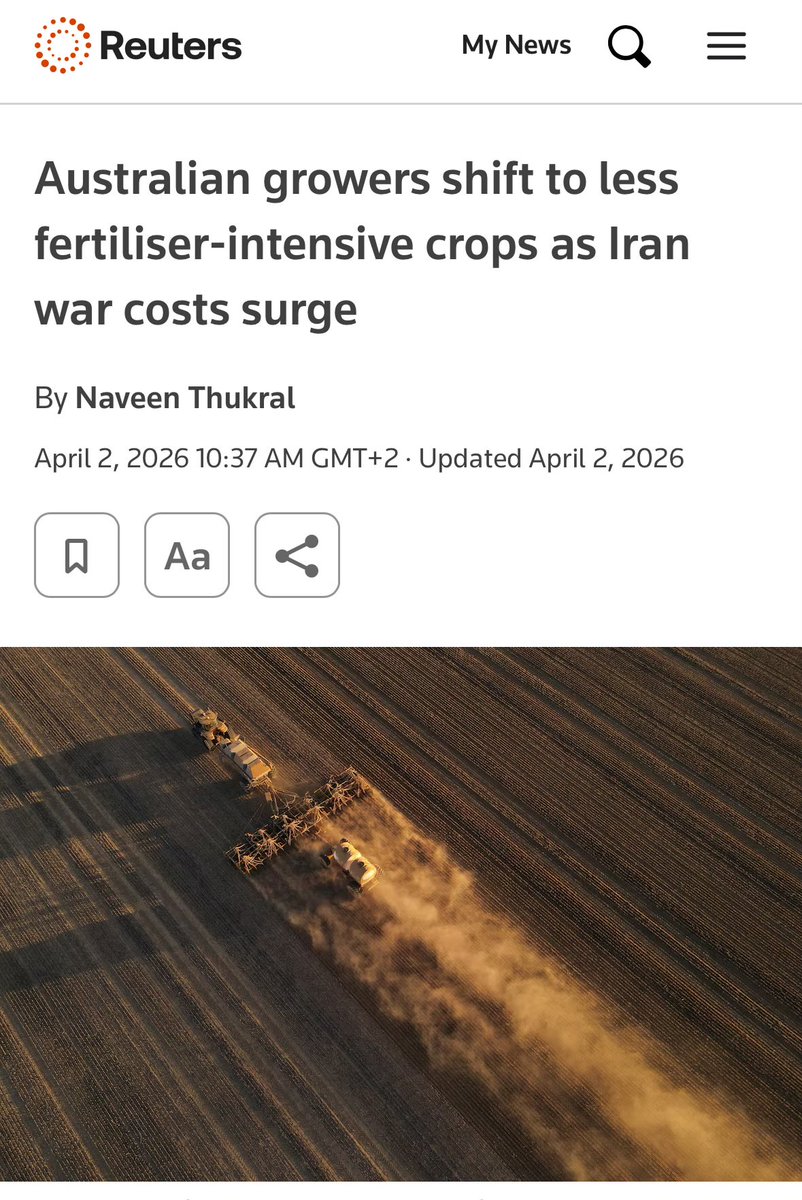






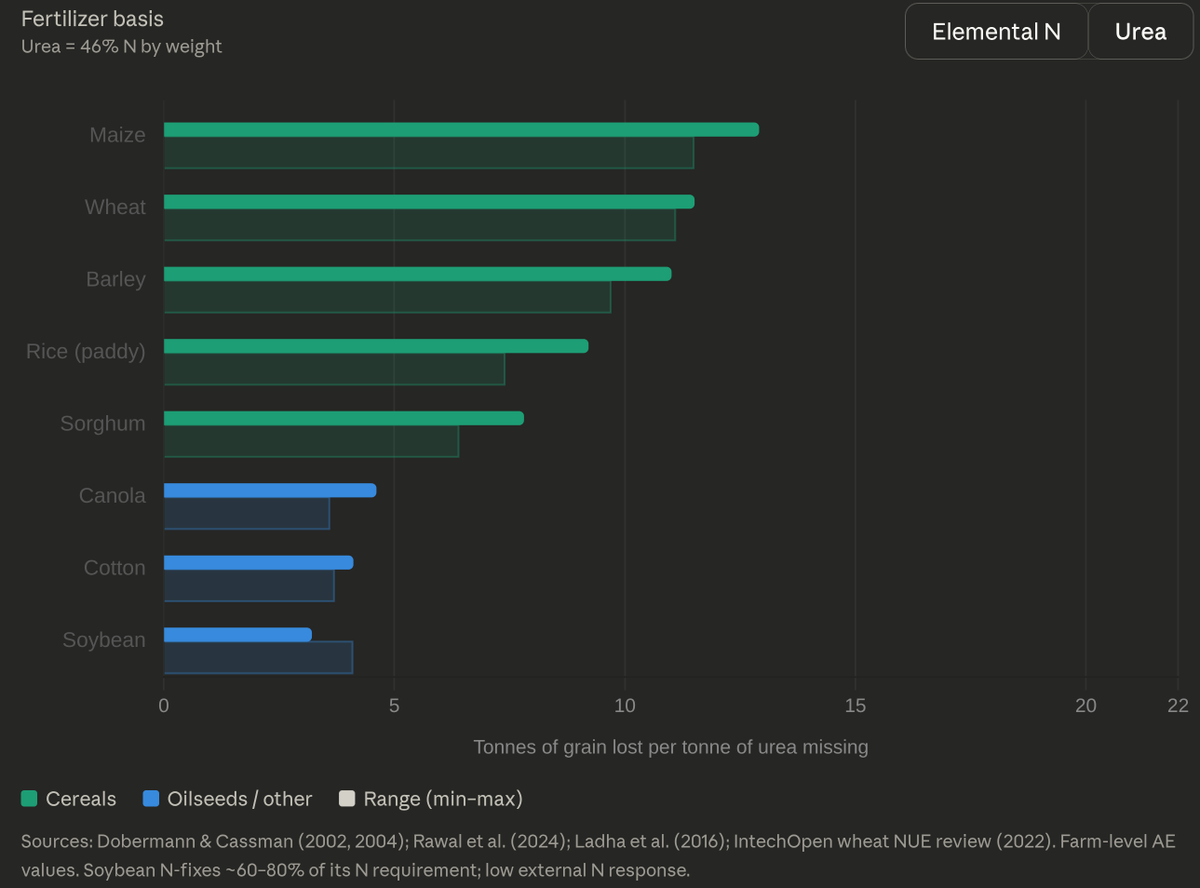
China has restricted fertiliser exports, per Reuters
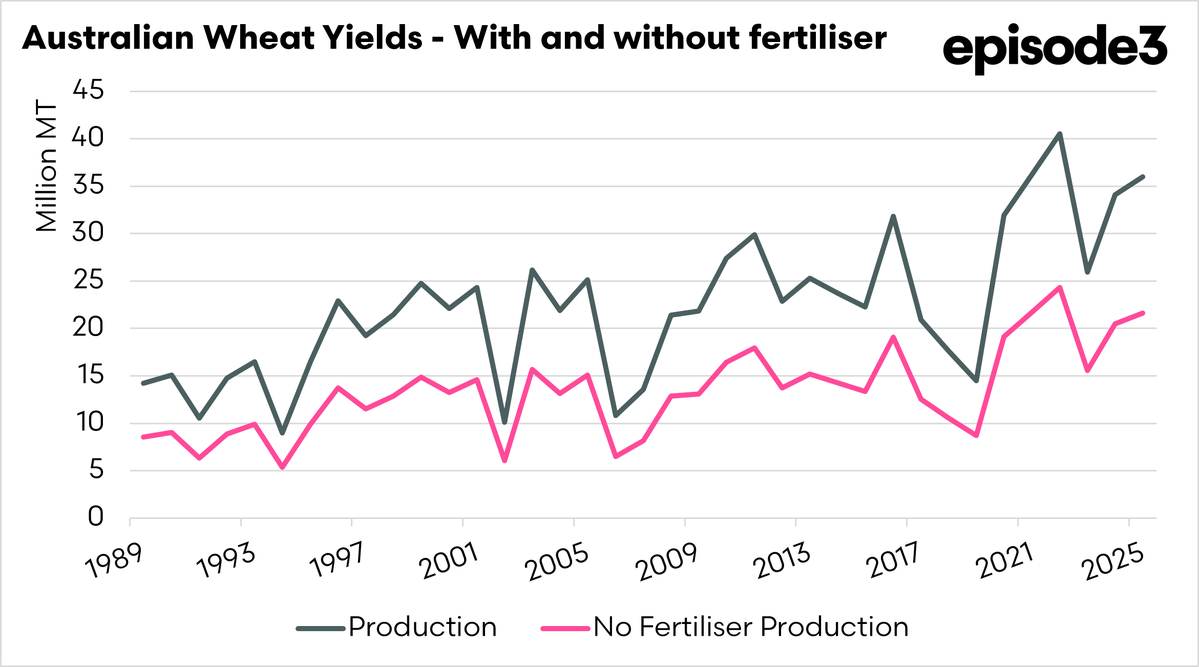
"Clearly we can plant crops without fertiliser, but the yield and the productivity of those crops is somewhat diminished." -Ag Minister Julie Collins. What do you think? theland.com.au/story/9202514/…