
alex_s168
464 posts


Linux AF_ALG Crypto Code Removing Zero-Copy Support Out Of Security Concerns
Uh oh...
phoronix.com/news/Linux-AF-…
English
@BrodieOnLinux that was the whole point of wayland
this is why it takes so long to get any proposal merged
English

A Wayland compositor in Minecraft works far better than it has any right to
English

It is a shame that the simple act of transferring a large block of data as fast as possible over the internet is not handled effectively by the primitive operating system calls. You either multiplex over parallel persistent TCP connections to combat head-of-line blocking and slow starts, or reinvent reliable delivery and flow control over UDP.
QUIC has a lot going for it, but it is a large library (six figure LoC!) and conflates security and performance in a way I don’t love. There is also fundamental information about competition with other processes and link layer congestion that should be useful, but is unavailable to user libraries.
You should be able to just write(really_big_buffer) and it is all taken care of for you.
English


@__tinygrad__ @opdroid1234 gpus are cheaper than ddr5 ram these days...
English

@opdroid1234 Would you actually pay that? I was thinking cheaper than $12k.
English
@marty188586 you could probably fit the whole manual and header files into dsv4 flash context
English

Both GPT 5.5 and Opus 4.7 are hilariously bad at using libawaita and GTK4 :(
English
@HSVSphere this is why I don't use hyprland. don't have time to deal with this shit
English

I can smell the next config breakage, can't wait for hyprlua
vaxry@vaxryy
it is indeed quite fun, and it works
English
@lauriewired huge win for Uiua
except there is probably no uiua in the training data at all
English

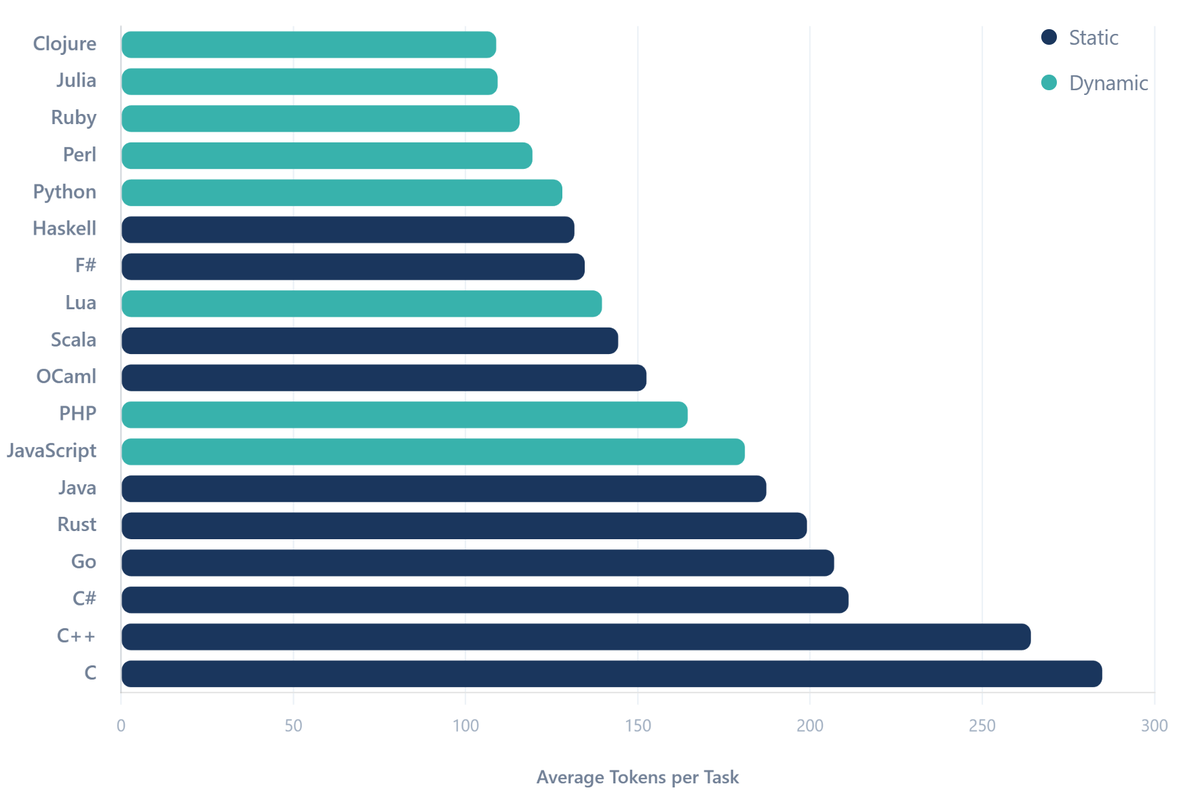
this got me thinking, what’s the most token-dense programming language?
One that could fit the most program flow into the smallest context window?
The winner, by a lot, is Array-Based Languages. J, K, that sort of thing.
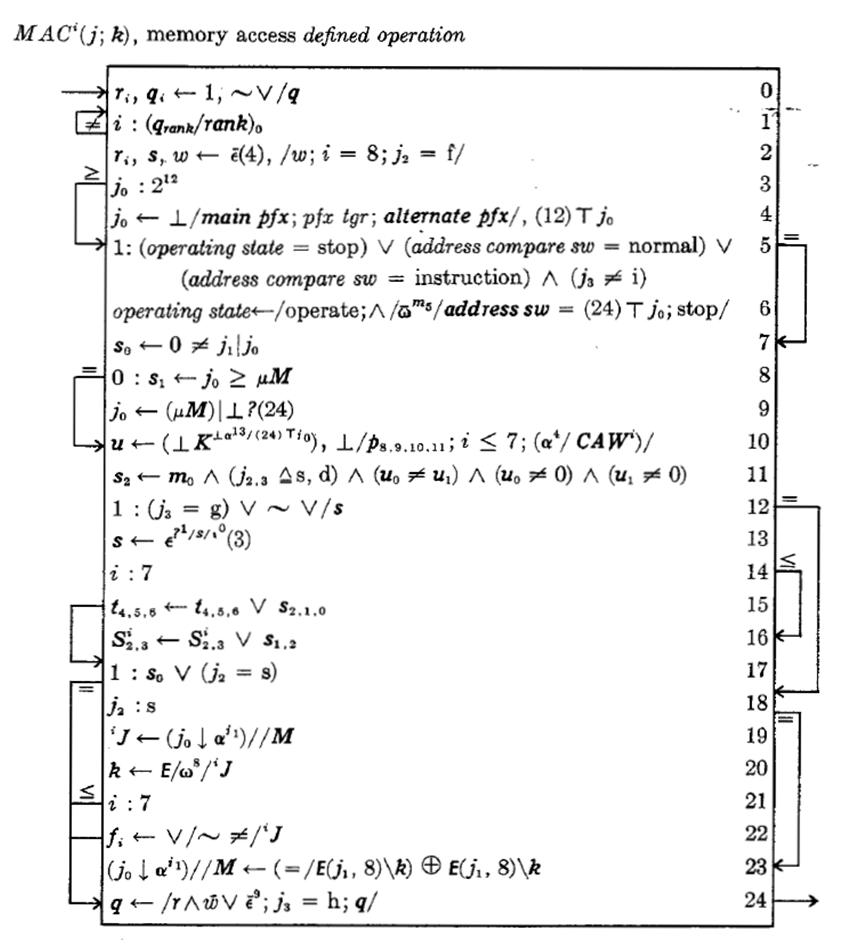
It’s actually a two-part problem, because you need something that is logically dense (saves length), but symbolically simple. Most tokenizers are optimized for standard text, so if you get *too* fancy with rare mathematical symbols like APL, token usage actually blows up!
Python scores pretty well actually, but whitespace hurts you a bit. Haskell is an interesting outlier; it’s likely the most token-efficient statically typed language.
Now, if you were to extend the problem assuming you’re making your own tokenizer and training a model to *specifically* be as efficient with program writing as possible…
…you probably wouldn’t even use text. Just train/produce Abstract-Syntax-Trees directly, which would eventually start to look like compiler IRs / bytecode, which could eventually start looking like an ISA…
and with hardware/software co-design we’d end up with CPUs where we don’t understand the execution at all ;)
snwy@snwy_me
if it still looks like a language for humans then it isn’t enough of a language for agents
English
@iBostonBoston @yutongwu111140 sure, except they probably did grammar changes in C++17 anyways, and also, what do you mean they can't Remove something after having it Deprecated for years
English

@alexn168 @yutongwu111140 Also changing the grammar of the language standard it means that every tool that parses the language is now wrong
English

@iBostonBoston @yutongwu111140 the whole point of deprecating something is that you can Remove it in the future...
English
@alexn168 @yutongwu111140 If you switch your pre cpp17 project to 17 or greater you get the error telling you it doesn't do what you think it does, if you compile a file (let's say a library) that was written after 17 you can back port it to pre 17 projects without issue
English
@iBostonBoston @yutongwu111140 no I know. but since c++17, it's unused and reserved, so it will cause an error I guess. But then why even is it still reserved
English
@alexn168 @yutongwu111140 It used to do something as a compiler hint, and now that it's deprecated old code that still uses it needs to avoid name collisions.
English


you know what's intimidating?
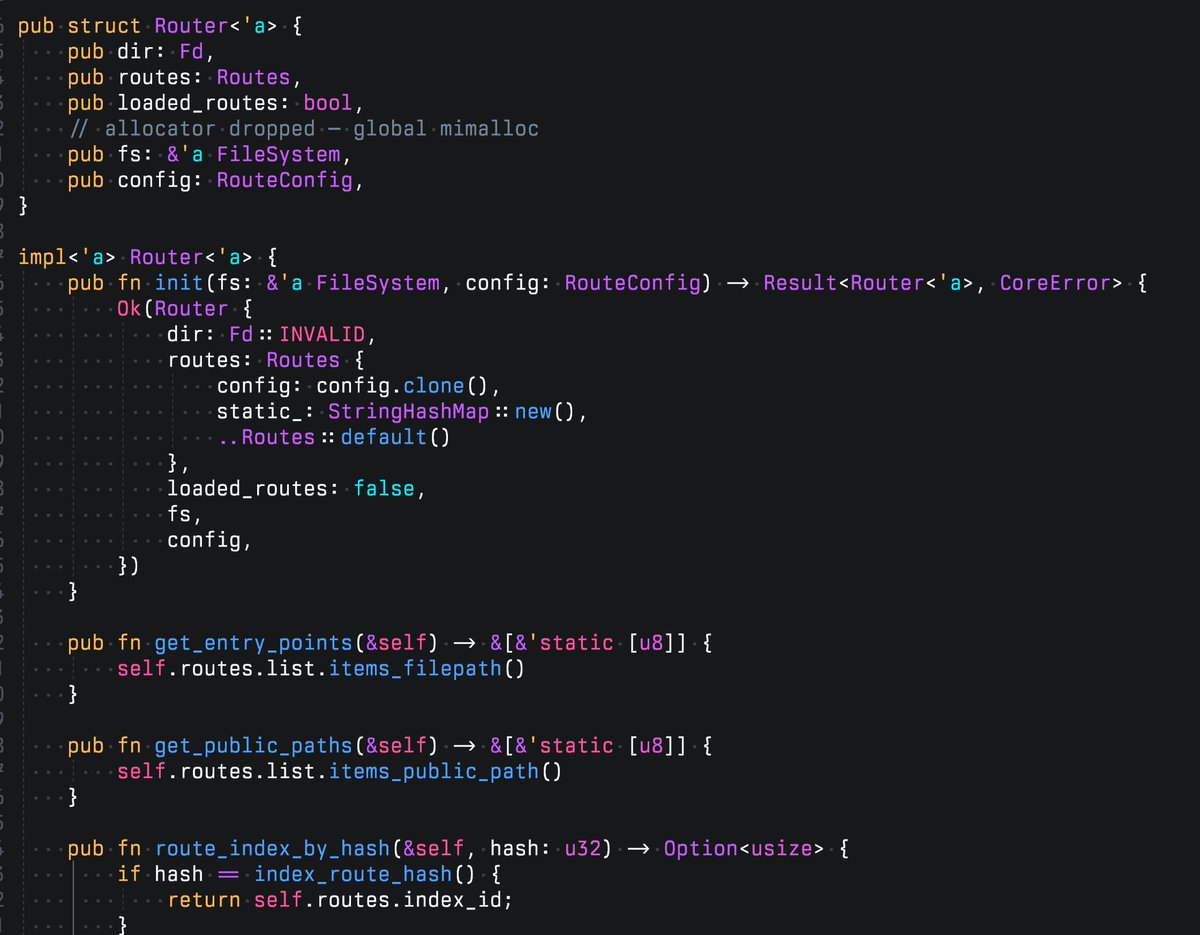
I've seen way worse rust code than whatever is inside bun right now...
English



holy shit. this is literally the perfect esp32 dev board:
olimex.com/Products/IoT/E…
English
alex_s168 retweetledi


English