algernon79

3K posts

algernon79 banner
algernon79

algernon79

@algern0n79

Watching life become multiplanetary 🚀

Earth Katılım Mayıs 2023
269 Takip Edilen122 Takipçiler
Sabitlenmiş Tweet
algernon79
algernon79@algern0n79·
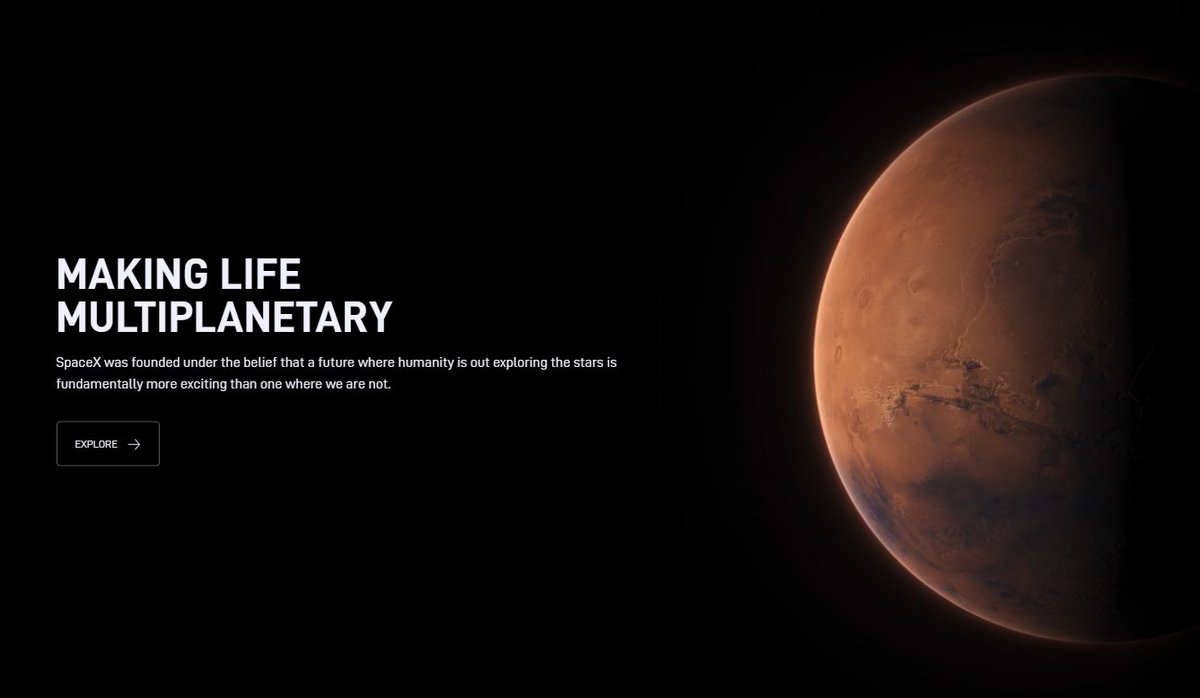
Just a friendly reminder that the goal of "making life multiplanetary" means having humans forever living on multiple planets, fully independently from Earth. It does not mean AI satellites & robots, nor "attracting investments", nor people in space tied to Earth's resources.
algernon79 tweet media
English
2
1
9
472
Benjamin De Kraker
Benjamin De Kraker@BenjaminDEKR·
I received a hand-mailed letter in response to an X post a few days ago. That's definitely a first!
English
3
0
3
283
Ryan Caton
Ryan Caton@dpoddolphinpro·
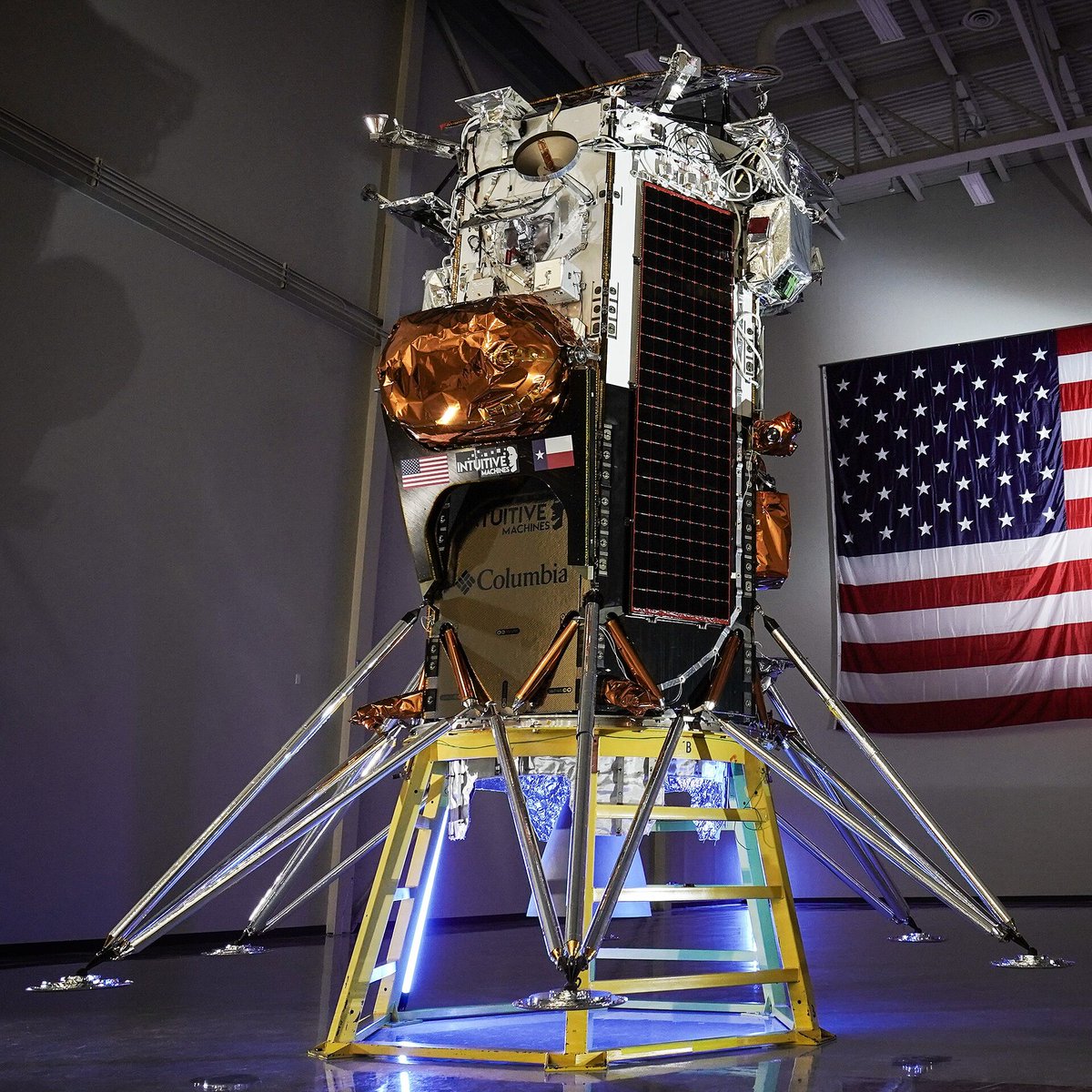
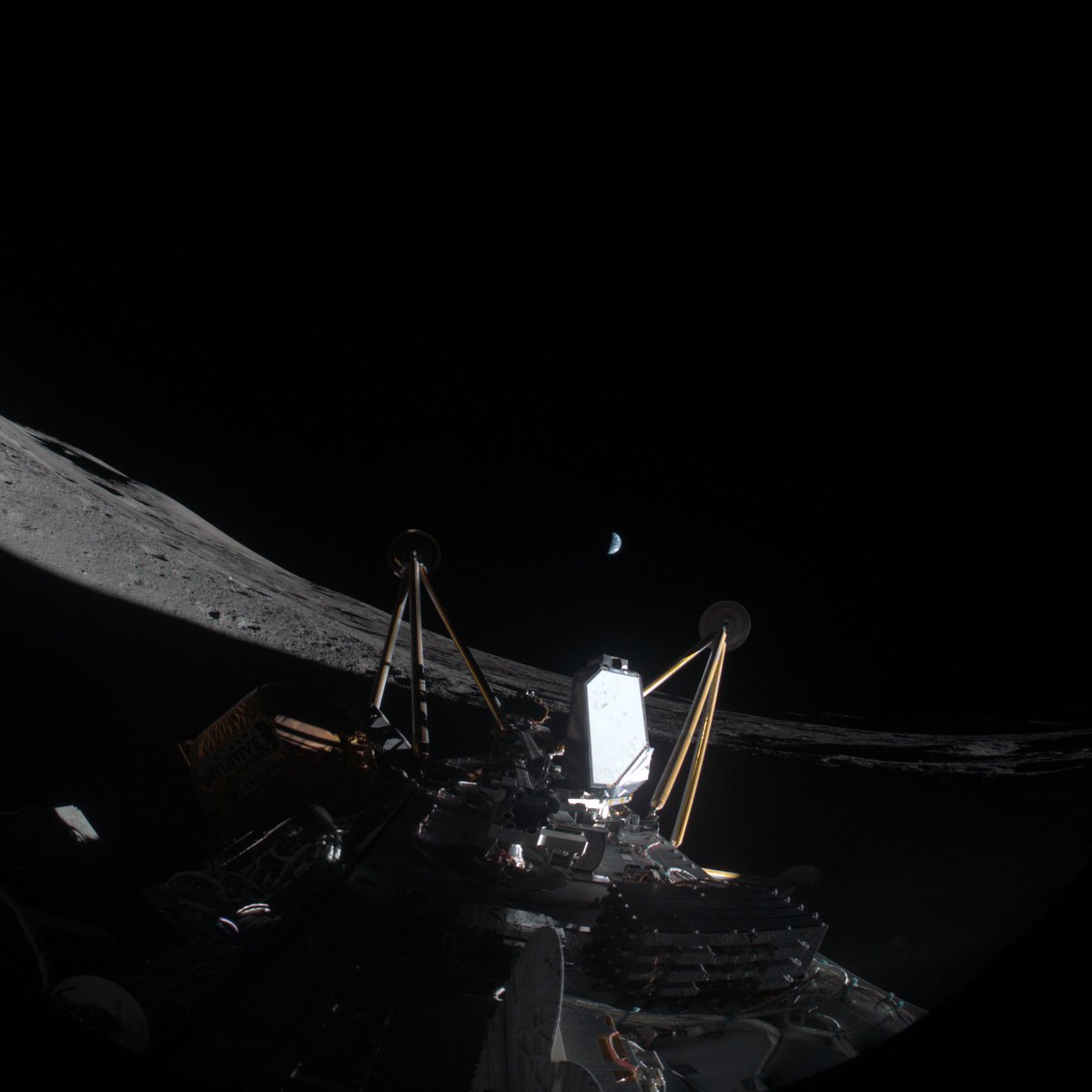
BREAKING: @NASA has selected @Int_Machines for the next Commercial Lunar Payloads Services mission. This is IM's 5th CLPS contract. Their first two flights, IM-1 and IM-2, both tipped over after landing. Their third flight, IM-3, is scheduled for later this year. 📷 @NASA_Marshall | @Int_Machines
Ryan Caton tweet mediaRyan Caton tweet media
English
20
37
396
15.8K
algernon79
algernon79@algern0n79·
@DibzNr @NASASpaceflight I'm sure a 15-ton truck, which weighs 2.5 tons on the Moon, can do 8-10 km/h when the conditions allow. Currently that rover's slower than walking speed...
English
0
0
1
16
DibzNr
DibzNr@DibzNr·
@algern0n79 @NASASpaceflight Well lunar terrain is unpredictable and difficult to gauge due to limited depth perception with no atmosphere, remember they're not just rolling down flat highways up there lol, plus terrain can also be unstable and in the low gravity traction is limited
English
1
0
1
22
algernon79
algernon79@algern0n79·
@chan_lambda @NASASpaceflight It's also dangerous to go "too far" in terms of how much time it takes you to get back to the base, not just distance. Think of an air leak or a medical issue onboard.
English
1
0
0
21
Serial experiments Luna
Serial experiments Luna@chan_lambda·
@algern0n79 @NASASpaceflight You'll still be able to go much farther than you can in an open rover as there you are limited by the 8 hour endurance of an EVA suit and how far you can walk before the O2 and CO2 scrubber run out.
English
1
0
1
32
DibzNr
DibzNr@DibzNr·
@algern0n79 @NASASpaceflight I imagine it's moreso about safety than anything else, going so slow gives them plenty of time to react to anything unexpected
English
1
0
2
58
algernon79
algernon79@algern0n79·
@brickmack @NASASpaceflight Good point, but you can choose to go slower than max on difficult terrain. A lot of the "work area" around a growing base would be reasonably flat for maybe a mile of radius or so, and the shorter the transfer, the lesser the risk. There might be emergency situations too.
English
0
0
0
20
Mack Crawford
Mack Crawford@brickmack·
@algern0n79 @NASASpaceflight Its easy to tip over in low g, especially climbing steep hills covered in rocks Maybe they'll build a faster version once some actual flat roads are built
English
1
0
2
32
algernon79
algernon79@algern0n79·
@peterrhague The real novelty here being that SpaceX put in large amounts of its own money as well, unlike traditional aerospace contractors that don't lift a finger until they have a cost-plus contract that covers _all_ of their expenses (+ whatever they *pretend* to have spent, too)
English
0
0
7
162
Peter Hague
Peter Hague@peterrhague·
Europe has a lead - in fact a monopoly - in the production, storage and transport of antimatter. This can in principle be used for spacecraft propulsion. Even now, production is still at least 3 orders of magnitude off the minimum quantities needed - but maybe this is a technology we should be investing in now. Increasing production, mastering long term storage, and building more efficient engines would all be hugely expensive. But the end product would be the ultimate form of space propulsion. home.cern/news/news/expe…
English
29
35
386
21.2K
algernon79
algernon79@algern0n79·
@NASAAdmin What's the meaning of that "300" at the end? Are we sending Spartans to the Moon?
English
0
0
15
468
NASA Administrator Jared Isaacman
NASA is leading the greatest adventure in human history, and it has only just begun.   On Tuesday, we’ll share our plans for the future of NASA across many of our programs.   We’ll see you tomorrow morning for Ignition.
English
820
2.5K
13.1K
1.4M
Elisar Priel
Elisar Priel@ENNEPS·
"Gateway to Mars" returns. Workers have begun to hang the sign at Starbase Pad 2, another sign that the new pad is getting closer to becoming operational. Follow along Live on @NASASpaceflight Starbase Live nsf.live/starbase
English
13
71
855
56.2K
Mookafish
Mookafish@Mookafish·
These mass drivers are going to be very, very long. I've graphed out the required length of a mass driver depending on the acceleration, assuming they will reach lunar escape velocity (~2,400m/s) Even if the mass driver could reach 50m/s^2 of acceleration (~5G), the mass driver would have to be about 58km long.
Mookafish tweet media
SpaceX@SpaceX

Electromagnetic mass drivers on the Moon

English
179
54
1.1K
205.9K
algernon79
algernon79@algern0n79·
@Mookafish @elonmusk How much acceleration can a deployable, ultralight solar array withstand on launch? Intuitively, this seems like one of the most fragile parts of the spacecraft
English
1
0
2
901
algernon79
algernon79@algern0n79·
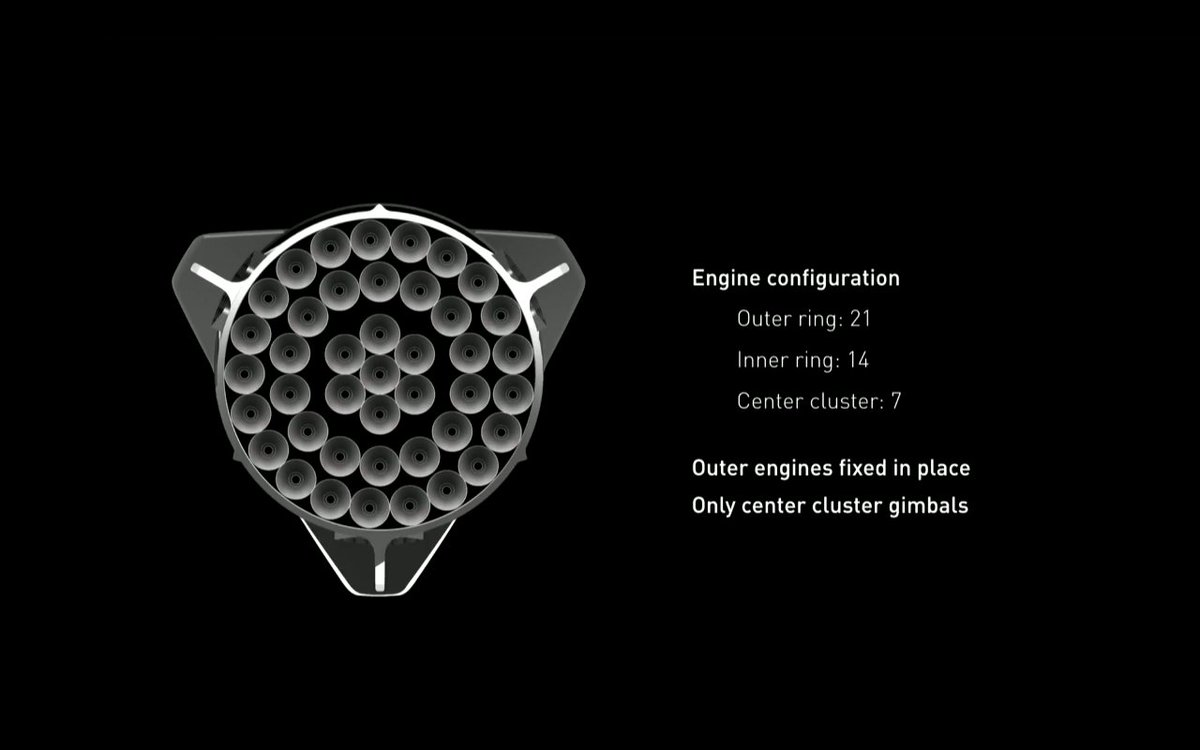
@Mookafish Went back to rewatching Flight 7 and I can ballpark estimate up to ~7G right before (partial) shutdown. You can likely do quite a bit better, but not sure what the most delicate part of an AI satellite would be, considering they'd carry very light deployable structures.
English
0
0
7
190
Mookafish
Mookafish@Mookafish·
@algern0n79 Something like 20Gs. Most computer parts could probably handle much higher accelerations though.
English
4
0
13
693
Mookafish
Mookafish@Mookafish·
I have updated the graph with higher maximum acceleration because my initial estimates for acceleration were probably way too low. Still, even at 500m/s^2 of acceleration, where the mass driver would release the satellite after 4.8 seconds, it would be 5.76km long. These things will be quite long even with some wild acceleration.
Mookafish tweet media
Mookafish@Mookafish

These mass drivers are going to be very, very long. I've graphed out the required length of a mass driver depending on the acceleration, assuming they will reach lunar escape velocity (~2,400m/s) Even if the mass driver could reach 50m/s^2 of acceleration (~5G), the mass driver would have to be about 58km long.

English
17
9
84
24.2K
algernon79
algernon79@algern0n79·
@BellikOzan Could a second Ship (a normal one, not HLS) parked in LLO/NRHO handle the entire return trip to Earth after docking with HLS in LLO/NRHO? That'd erase the need for Orion (or anything else, Dragon, a third Ship etc.) altogether, no water landing required either.
English
1
0
2
121