@AfricanArchives Can white and black people get together against jews? I think all of us hate jews, First they killed jesus, second they are the problem of the world.
@advocatemahere@veli_moyo Matebeles have suffered much & have no future under Zimbabwe & Demand to break away & create The Republic of Matebeleland and Zimbabwe government pay US$100billion reparations for Matebele genocide 1981-1987.
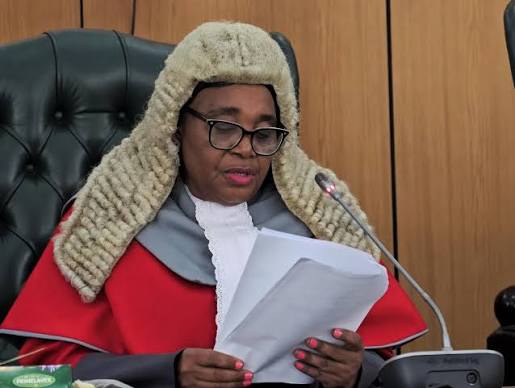
It is with regret that the Chief Justice refused a live broadcast of the CAB3 case. In South Africa almost all court proceedings are broadcast on live TV.
Bad start by the CJ Gwaunza
@edmnangagwa Fuseg, you are exhausted go away and die people don't like you and you know that
Am surr even your family members hate you, you are a traitor
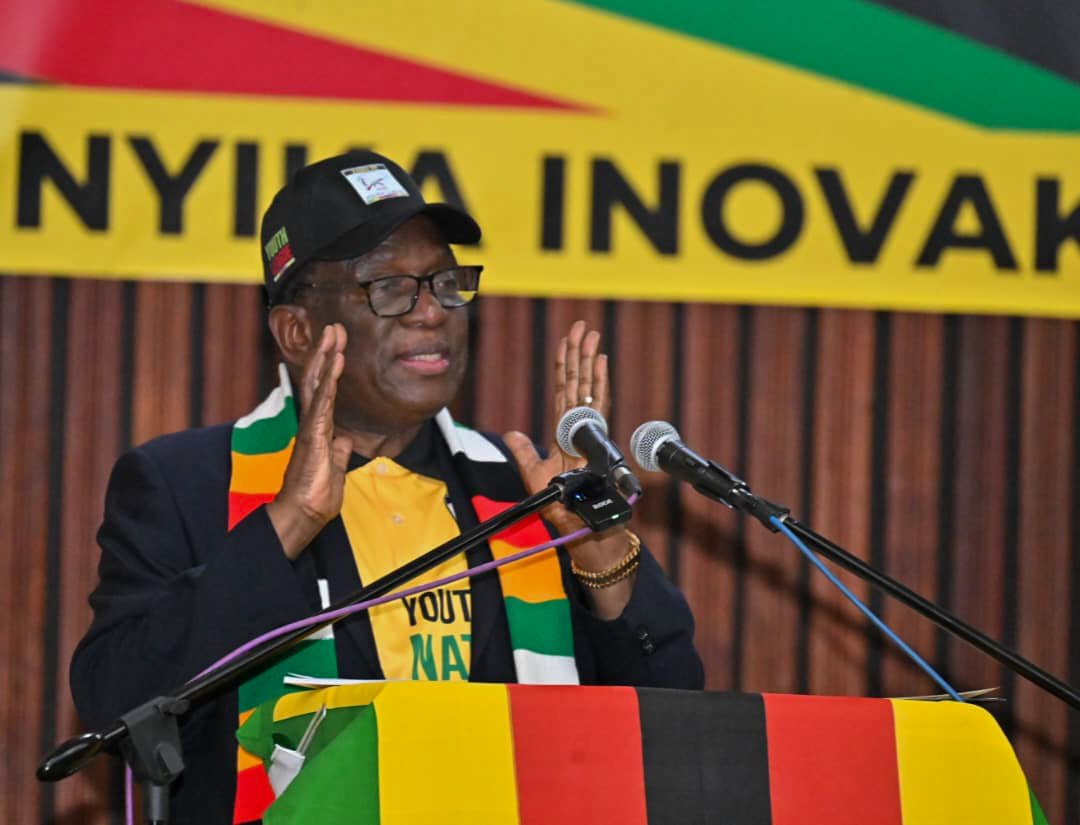
This afternoon, I presided over the ZANU PF Youth League National Assembly.
The youth are the modernisers of our economy and the inheritors of the Fourth Chimurenga. The future is yours. ZANU PF is not a club of talkers; we demand meticulous thinkers and action.
I have directed the Youth League to report on tangible economic and tax contributions. Let us reject division, embrace new technology, and drive Zimbabwe’s modernisation agenda forward in unity.
Being multilingual is a strength. Here is our Vice President, Cde KCD Mohadi, speaking in Tswana as he was being interviewed by journalists from Botswana on the sidelines of the funeral of the former President of Botswana, Festus Mogae. He speaks more than six local languages and Russian.
A potentially far reaching constitutional case linked to Zimbabwe’s controversial Constitutional Amendment Bill No. 3 (CAB 3) is being heard this morning at the Constitutional Court in Harare, in a matter that could shape the future of presidential term limits, judicial independence and constitutional governance in Zimbabwe.
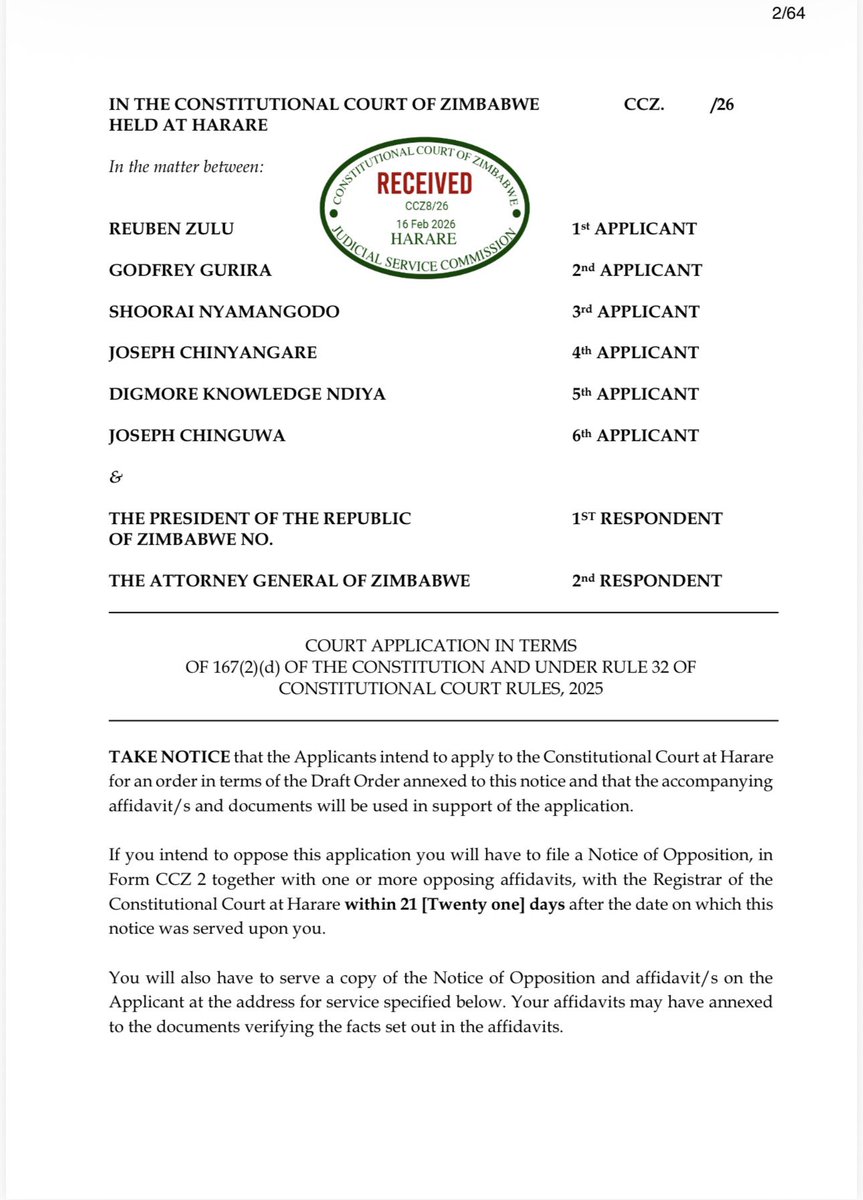
The case was brought by Zimbabwean war veterans and civic actors Reuben Zulu, Godfrey Gurira, Shoorai Nyamagodo, Joseph Chinyangare, Digmore Ndiya and Joseph Chinguwa against President Emmerson Mnangagwa and the Attorney-General of Zimbabwe, Virginia Mabiza.
At the centre of the dispute is CAB 3, a proposed law that critics say seeks to fundamentally alter key democratic safeguards in Zimbabwe’s Constitution. Among other things, it seeks to extend President Emmerson Mnangagwa’s term of office by an extra two years and take away the direct election of the president from the citizens, handing it over to Parliament.
The applicants argue that the bill violates constitutional principles and that the President failed in his constitutional obligation to protect and uphold the Constitution when Cabinet approved the bill.
In documents filed before the Constitutional Court, the government is opposing the application and argues that the case is premature because the bill has not yet completed the legislative process in Parliament.
The Attorney-General’s Office says the court should not interfere with Parliament’s law making process before the bill becomes law.
The state further argues that the Constitution itself allows amendments and that there is “nothing in the Constitution which prevents its amendment.”
However, opponents of CAB 3 say the matter goes beyond ordinary constitutional amendments. They argue that the proposed changes threaten constitutionalism itself by potentially weakening democratic checks and balances and altering protections designed to prevent abuse of power.
The government seeks to avoid a required prerequisite for such changes, a referendum. The litigants also argue that President Mnangagwa erred by presiding over a Cabinet meeting where his fate was being decided.
The applicants are also seeking an order barring President Emmerson Mnangagwa from signing, assenting to, promulgating or advancing CAB 3 or any similar measure. Beyond extending presidential and parliamentary terms, the proposed amendments would dramatically reshape Zimbabwe’s constitutional architecture by increasing presidentially appointed senators from 10 to 90, transferring voter registration from the Zimbabwe Electoral Commission to the Registrar-General, creating a new Zimbabwe Electoral Delimitation Commission, removing judicial interview procedures for some judges, and abolishing or merging constitutional commissions, including the Gender Commission and the National Peace and Reconciliation Commission.
The court papers also attach Mnangagwa’s own previous public statements in which he said he would not seek a term extension, which the applicants argue directly contradicts the current constitutional push.
The case is important to Zimbabweans because it touches directly on how power is exercised and limited in the country. Constitutional amendments affect citizens far beyond politicians, determining how long leaders can remain in office, how independent institutions function and whether constitutional safeguards can be changed to benefit those in power.
For many Zimbabweans, today’s hearing is therefore not just a legal battle but a broader test of whether the Constitution can effectively restrain executive power and whether the courts are prepared to intervene in politically sensitive constitutional disputes.
The matter also comes at a time of heightened political tension over CAB 3, with growing public debate around transparency, governance and the future direction of Zimbabwe’s democracy, as well as a vicious power struggle between Mnangagwa and his deputy, General Constantino Chiwenga.
Why are you tagging me like I denied this?
You know mathematics.
You went to school.
You spend a lot of time at the University of Cape Town.
Many of our black countrymen have those opportunities today. The problem is that when they come out on the other side, there are no jobs.
I wasn't there for Verwoerd.
I know a South Africa that racially discriminates against me, because you're upset about some things that other people did to other people, and you believe I should carry that burden because my skin is white? 😂
People who look like you will blow your head off for your cellphone without even thinking twice about it, bro. There's no "racial" circle jerks in Africa.
@Joe__Bassey South Africans are tolerable, no people or a country will accept this nonsense of people doing willy-nilly in their country
And why does their government always fight those who try to speak up, for sure the politician is captured
@nickmangwana Zimbabwe has 16 official languages but when it comes to equal rights Shonas are more equal than others.Denying other tribes opportunities is the new gukurahundi.
Former Chief Justice Malaba says the most difficult case was the Nelson Chamisa presidential court challenge, he says it was not legally difficult but had caused polarization hence he got the proper involved by live streaming the procession.
Chipfumbi (also referred to as Chibvumbi or Vhambvumbi) is a blended dialect and ethnolinguistic group in southern Zimbabwe. It is a unique linguistic blend of Karanga (a Shona dialect), Venda, and occasionally Kalanga or Shangani/Tsonga, spoken primarily by the Pfumbi and Nyubi peoples.
@Am_Blujay Troll him all you want, it changes nothing. This movement is bigger than one person, and that’s what scares you. He can even stay home and the march will still happen. Your constant attacks only show how shaken you are. While you troll online, we organize on the ground.
Phakel’umthakathi says people should not be surprised that South Africans are divided when it comes to the issue of foreign nationals.
He says he once dated a Zimbabwean woman but insists he first ascertained that the woman was in the country legally.
He also says he has never married a Zimbabwean woman and never will!
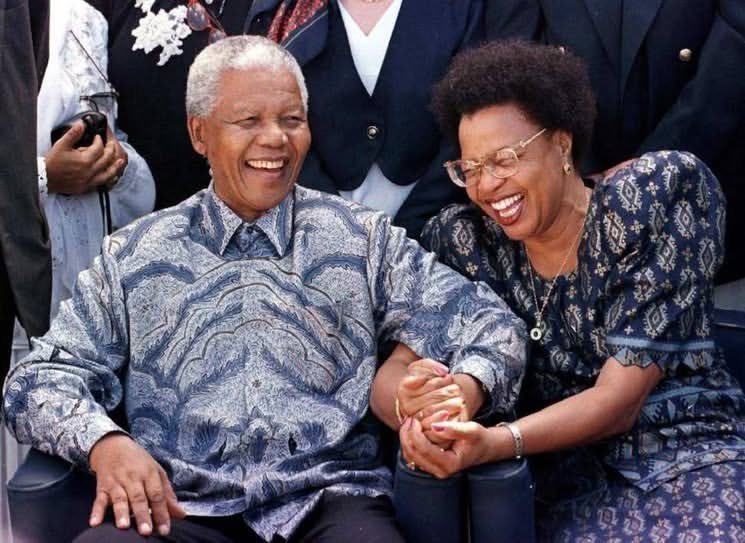
When Nelson Mandela married Graça Machel, he did not move to Mozambique. ⛔
He brought his wife to South Africa. In the same way, Nigerians, and other nationals who marry South African women should also be willing to settle in their own countries not in South Africa in our country culture doesn't allow "Brother Makoti".
#changeyourmindset#changeyourlife