
Ni para eso sirven, son una bola de inutiles de cuarta...
vampipe ⍨@vampipe
Mándenle a @infodemiaMex a la presidenta. x.com/latinus_us/sta…
Español
Alfonso Marquez
2.5K posts

@amq1966
Creo firmemente en la dignidad de la persona, la familia como núcleo de la sociedad y en el poder transformador de la iniciativa privada.
Mándenle a @infodemiaMex a la presidenta. x.com/latinus_us/sta…

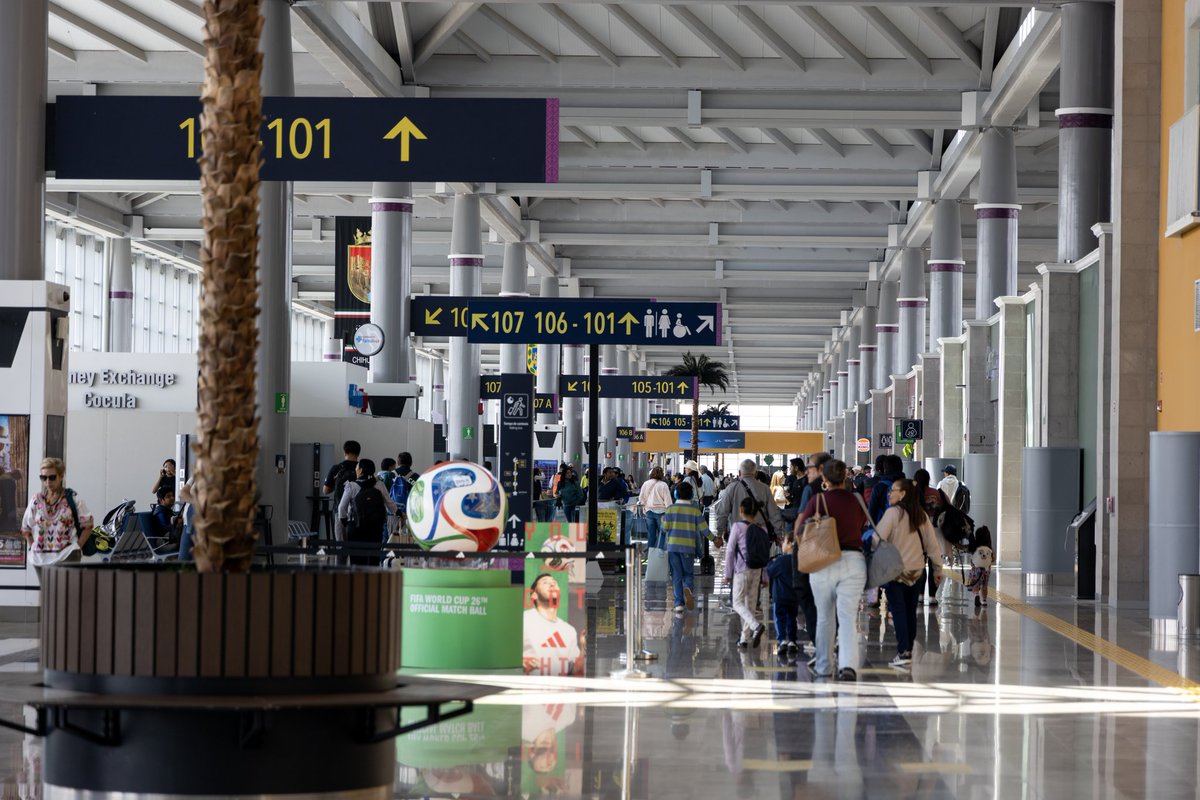


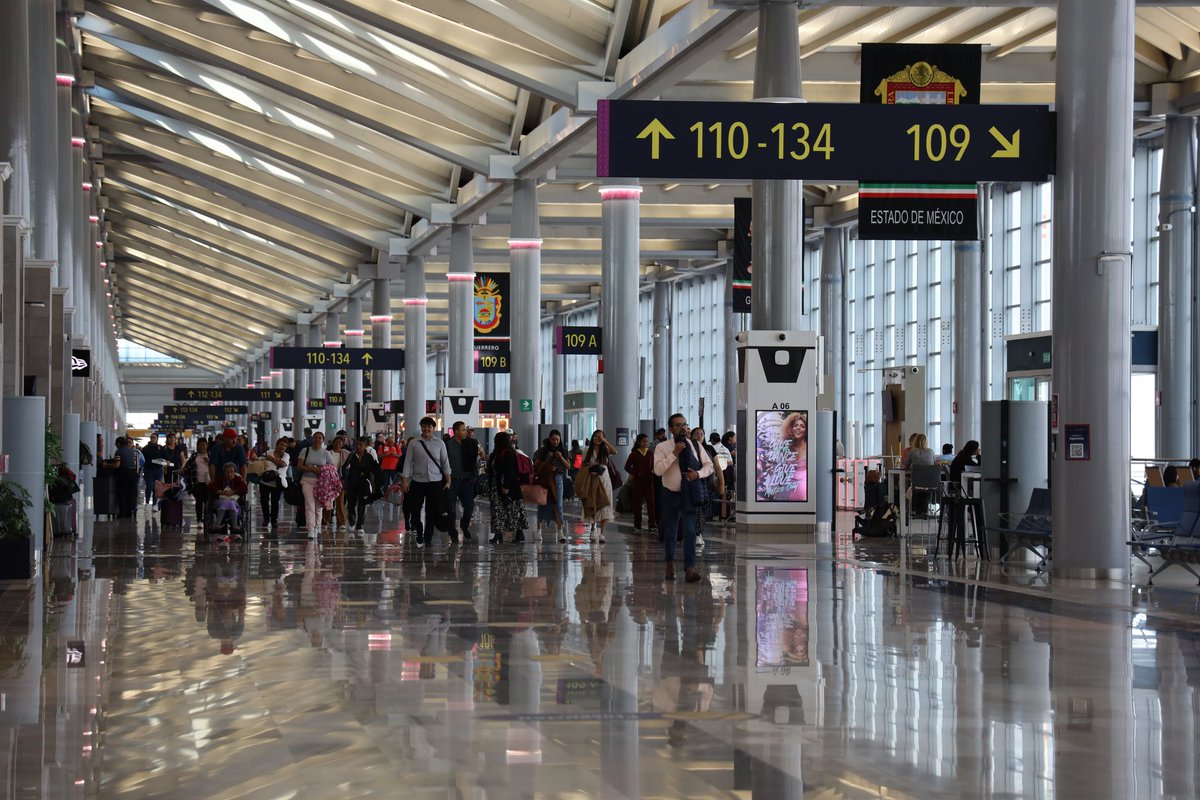


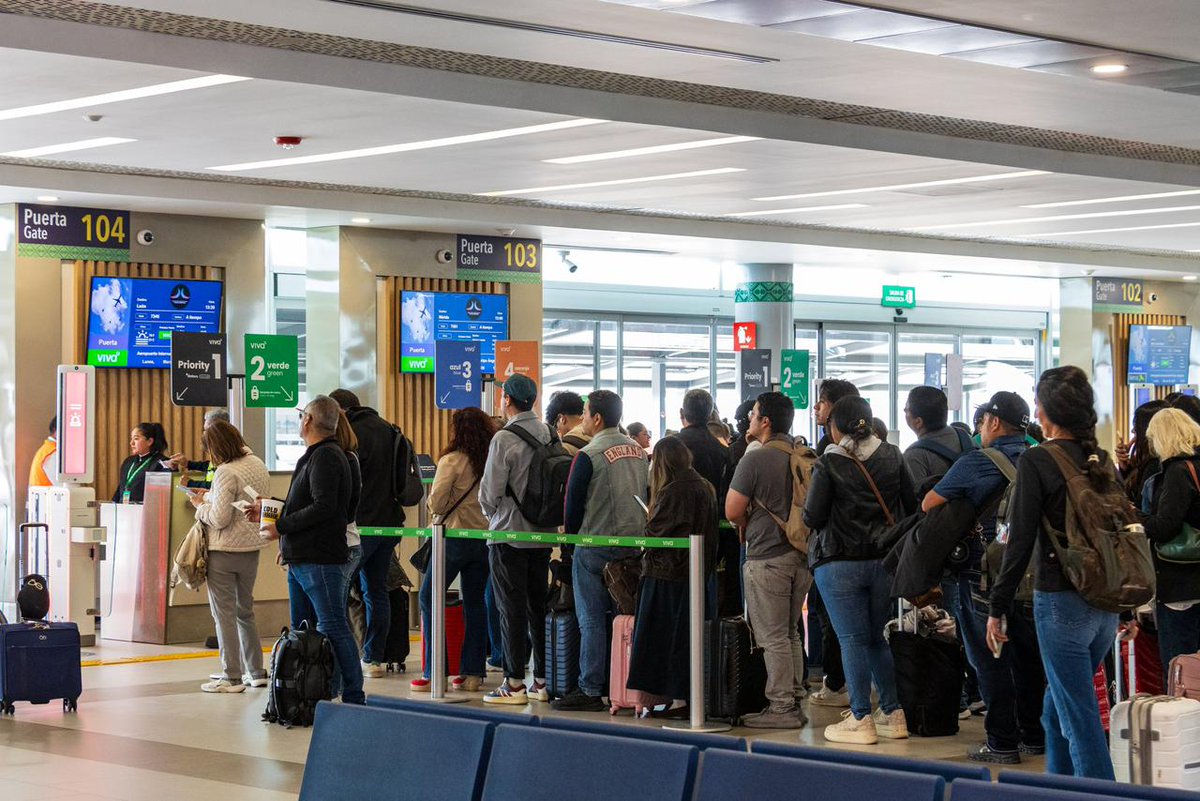
Hoy @Claudiashein se suma a la desinformación de @infodemiaMex y se convierte en #LadyMontajes al compartir fotos alteradas del @aifaaero para intentar convencer a las benditas redes sociales de que sí hay gente en la central avionera.








A prolonged shutdown of the Strait of Hormuz combined with a direct U.S.–Iran war would transmit a strategic shock into Mexico through energy markets, trade flows, and security dynamics rather than through direct military exposure. The Strait is the single most critical energy chokepoint in the global system, handling roughly 20% of the world’s oil supply and large volumes of LNG. Any disruption rapidly spikes global energy prices and destabilizes markets. The early signals are already visible: oil, gas, and shipping prices have surged as tankers halt transit and insurers withdraw coverage from the region. For Mexico, the immediate economic effect would be contradictory. Higher oil prices would boost fiscal revenue for the government and strengthen export earnings from crude, but the energy system underneath the economy is vulnerable. Mexico’s electricity grid, particularly through the state utility CFE, depends heavily on natural gas imported from Texas via pipelines. Even if the U.S. remains energy secure, a Hormuz-driven oil spike typically raises global gas benchmarks and transportation costs, increasing the price of the gas feeding Mexico’s power generation and industrial sector. The result is inflation pressure across manufacturing, electricity, fertilizers, and food production. Agriculture would feel the shock quickly because fuel, fertilizer, and transport are all energy-sensitive inputs. The geopolitical implications run deeper than energy prices. If the United States becomes fully engaged in a Middle East theater, strategic attention and military assets would inevitably shift away from the Western Hemisphere. That redistribution creates temporary strategic slack in North America, which historically increases activity by non-state actors and transnational criminal networks. Cartels, already operating as hybrid criminal-insurgent organizations, would test the boundaries of that distraction. A second layer of concern lies in asymmetric retaliation. Iranian-linked or proxy networks could attempt influence or disruption operations globally, including the activation of sleeper cells or covert networks in regions where Iranian diplomacy and commercial activity have historically existed. Mexico’s mineral position introduces a separate strategic dimension. Modern precision weapons and cruise missiles require large quantities of specialized materials. Silver is one example. A single Tomahawk missile contains hundreds of ounces of silver in its electronics and guidance systems. Mexico is the world’s largest silver producer, and in a prolonged conflict this supply chain becomes strategically significant for U.S. defense production. That positions Mexico not only as an industrial partner but as a critical materials supplier in wartime manufacturing. Financial spillover would also be significant. U.S. markets are already stretched by elevated valuations and geopolitical risk. Energy shocks historically tighten financial conditions, raise inflation expectations, and reduce investor risk tolerance. Because Mexico is tightly integrated with U.S. capital markets and trade cycles, any sustained volatility on Wall Street would transmit rapidly through currency pressure, investment delays, and export demand fluctuations. The net result is a paradox. Mexico would not be a battlefield in a U.S.–Iran war, but it would become strategically entangled in the conflict’s second-order effects. Energy inflation, trade volatility, supply-chain realignment, and security distractions would all converge simultaneously. At the same time, Mexico’s role inside North American industrial production and its control of key minerals like silver would increase its importance to the U.S. war economy. In geopolitical terms, a Hormuz shutdown would push Mexico further into the strategic core of the North American system precisely as global instability expands beyond the Middle East.


De no ser por la compra de Deer Park, la construcción de Dos Bocas y la conversión y recuperación de las refinerías abandonadas, que permitieron disminuir la dependencia de gasolinas importadas del 75% al 50%, el combustible estaría en este momento al menos en 30 pesos en México, como consecuencia de la guerra en Irán


Brillante discurso de Marco Rubio en Münich. Estados Unidos es hijo de Europa y los caminos de ambos pueblos están profundamente unidos por una civilización compartida.
WATCH: Secretary Rubio Delivers Remarks to the Munich Security Conference in Munich, Germany. twitter.com/i/broadcasts/1…

Si sabía que Viri Ríos era bruta pero no tanto como para defender al crimen organizado. Y estudió en Harvard, ¿Le creen?