Anant Narayanan

3.4K posts

Anant Narayanan banner
Anant Narayanan

Anant Narayanan

@anantn

Engineering Director @Meta. Previously: Ozlo, @Firebase, @Mozilla.

Silicon Valley Katılım Aralık 2007
1.7K Takip Edilen1.4K Takipçiler
Anant Narayanan retweetledi
Chamath Palihapitiya
This is the way. The past 50 years of computing was about inventing form factors to interact with information. Retrieve information. Search for information. Edit information. Save information. AI is about interacting with knowledge. It's completely different. Agents and models are there to do the dirty work aka interact with information). We need a new layer - more executive function, less tactical tools. So instead of trying to jam AI into old form factors, its time to imagine a new form factor. From scratch. From first principles. It's probably not a phone tbh, but what it is, I have not a clue. That said, like most breakthroughs we'll know it when we see it though. Good luck to the teams building this.
NoLimit@NoLimitGains

🚨 OpenAI is reportedly building a phone designed to replace the iPhone. And it’s further along than anyone realized. Analyst Ming-Chi Kuo, the same man who predicted every major Apple product cycle for 20 years, just dropped this. Important details: 1: OpenAI is partnering with Qualcomm AND MediaTek to develop custom smartphone processors, not one chip partner, but two competing giants simultaneously 2: Luxshare has been named the exclusive system co-design and manufacturing partner, the same company that assembles Apple products 3: Mass production is targeted for 2028, the hardware roadmap is already in motion 4: The phone will run OpenAI’s own OS, replacing traditional apps entirely with AI agents that complete tasks autonomously, without you ever opening a single app 5: The processor is being designed around on-device AI performance, with complex tasks offloaded to OpenAI’s cloud infrastructure for seamless integration 6: OpenAI’s core thesis: users don’t want apps, they want results. The phone will continuously understand context, habits, and preferences in real time This isn’t a gadget. It’s a direct attempt to replace the operating system layer that Apple and Google have owned for 20 years. I’m doing more research, and what I’m about to post will blow your mind. You’ll wish you followed me sooner, trust me.


English
202
100
1.4K
584.1K
Anant Narayanan retweetledi
signüll
signüll@signulll·
the future interface is probably three layers: 1. ambient intent capture voice, location, calendar, screen context, messages, habits, biometrics, etc. the system understands what you’re trying to do before you explicitly “open” anything or augments your intent deeply. 2. agentic execution the actual work happens through agents operating software, apis, browsers, documents, email, calendars, workflows, payments, support systems, whatever. most “computer use” becomes machine to machine clerical labor. 3. ephemeral verification ux humans still need to inspect, compare, approve, edit, reject, or enjoy things. that’s where gui survives but as disposable, task specific surfaces generated for the moment.
English
131
197
2K
130.6K
Anant Narayanan retweetledi
signüll
signüll@signulll·
the craziest part now is that the modern computer probably has to be entirely reinvented, from scratch. pretty much like how jobs & co brought apple ii to market. like not improved. not given a chatbot sidebar or something but really from the ground up like the iphone redefined what it meant to be a pocket computer. the current paradigm for computers was built around a human staring at a screen, moving a cursor, opening apps, managing windows, naming files, remembering where things live, & manually translating intent into interface actions. that made sense when the human was the runtime. but in an ai native world, it starts to look kinda ridiculous. you can see this ridiculousness when you use computer use agents… they are useful sure, but they’re also obviously transitional. they’re teaching ai to operate machines designed for humans, which is clever, but also kind of absurd. it’s like making a robot hand so it can use a doorknob instead of asking why the door needs a knob at all. yes i know humans also need to use a door knob, but maybe in the future humans don’t need to use a computer, or at least what we think of a computer today at all. this all leads to some interesting questions: - what is a file when the system understands context? - what is an app when intent can route itself? - what is a desktop when work can be decomposed, executed, monitored, & summarized by agents? - what is a browser when the agent can retrieve, compare, transact, & remember? - what is an operating system when the primary user is no longer just a person, but a person plus a swarm of delegated intelligences? or no person at all. the old computer assumed navigation. the new computer has to assume a new kind of intention. the old computer organized information. the new computer has to try to organize agency. we’re still in the hacky middle stage at the moment with sidebars, copilots, agents clicking through legacy ui, & automation layers sitting on top of 40 year old metaphors. the new computer is likely one where memory, context, identity, permissions, tools, agents, & interfaces are native primitives. this means desktop, mobile, browser, apps, files, folders deserves another first principles look.
English
372
676
6.6K
572.5K
Anant Narayanan retweetledi
Vu Tran
Vu Tran@vu0tran·
Crazy to see the positive response to Muse Spark. I joined Meta in Dec and was surprised how startup-y MSL feels. Dec through now, through the holidays was literally nonstop building for me. Everyone on the team cares. People want to do great work
English
4
4
165
113.6K
Anant Narayanan retweetledi
Andrej Karpathy
Andrej Karpathy@karpathy·
Judging by my tl there is a growing gap in understanding of AI capability. The first issue I think is around recency and tier of use. I think a lot of people tried the free tier of ChatGPT somewhere last year and allowed it to inform their views on AI a little too much. This is a group of reactions laughing at various quirks of the models, hallucinations, etc. Yes I also saw the viral videos of OpenAI's Advanced Voice mode fumbling simple queries like "should I drive or walk to the carwash". The thing is that these free and old/deprecated models don't reflect the capability in the latest round of state of the art agentic models of this year, especially OpenAI Codex and Claude Code. But that brings me to the second issue. Even if people paid $200/month to use the state of the art models, a lot of the capabilities are relatively "peaky" in highly technical areas. Typical queries around search, writing, advice, etc. are *not* the domain that has made the most noticeable and dramatic strides in capability. Partly, this is due to the technical details of reinforcement learning and its use of verifiable rewards. But partly, it's also because these use cases are not sufficiently prioritized by the companies in their hillclimbing because they don't lead to as much $$$ value. The goldmines are elsewhere, and the focus comes along. So that brings me to the second group of people, who *both* 1) pay for and use the state of the art frontier agentic models (OpenAI Codex / Claude Code) and 2) do so professionally in technical domains like programming, math and research. This group of people is subject to the highest amount of "AI Psychosis" because the recent improvements in these domains as of this year have been nothing short of staggering. When you hand a computer terminal to one of these models, you can now watch them melt programming problems that you'd normally expect to take days/weeks of work. It's this second group of people that assigns a much greater gravity to the capabilities, their slope, and various cyber-related repercussions. TLDR the people in these two groups are speaking past each other. It really is simultaneously the case that OpenAI's free and I think slightly orphaned (?) "Advanced Voice Mode" will fumble the dumbest questions in your Instagram's reels and *at the same time*, OpenAI's highest-tier and paid Codex model will go off for 1 hour to coherently restructure an entire code base, or find and exploit vulnerabilities in computer systems. This part really works and has made dramatic strides because 2 properties: 1) these domains offer explicit reward functions that are verifiable meaning they are easily amenable to reinforcement learning training (e.g. unit tests passed yes or no, in contrast to writing, which is much harder to explicitly judge), but also 2) they are a lot more valuable in b2b settings, meaning that the biggest fraction of the team is focused on improving them. So here we are.
staysaasy@staysaasy

The degree to which you are awed by AI is perfectly correlated with how much you use AI to code.

English
1.2K
2.5K
20.6K
4.3M
Anant Narayanan retweetledi
staysaasy
staysaasy@staysaasy·
The degree to which you are awed by AI is perfectly correlated with how much you use AI to code.
English
81
178
1.7K
2M
Anant Narayanan retweetledi
Marc Andreessen 🇺🇸
Magical OpenClaw experiences that use frontier models cost $300-1,000/day today, heading to $10,000/day and more. The future shape of the entire technology industry will be how to drive that to $20/month.
English
625
518
7.7K
1.7M
Anant Narayanan retweetledi
Boris Cherny
Boris Cherny@bcherny·
Mistakes happen. As a team, the important thing is to recognize it’s never an individuals’s fault — it’s the process, the culture, or the infra. In this case, there was a manual deploy step that should have been better automated. Our team has made a few improvements to the automation for next time, a couple more on the way.
English
321
838
11K
1.4M
Anant Narayanan retweetledi
Tasklet
Tasklet@TaskletAI·
Introducing Instant Apps — your Tasklet agent can now build live, interactive apps for you on-demand. Describe what you need & get the perfect custom UI in seconds — connected to your real, live data. 🧵
English
22
58
707
12.6M
Anant Narayanan retweetledi
Aaron Slodov
Aaron Slodov@aphysicist·
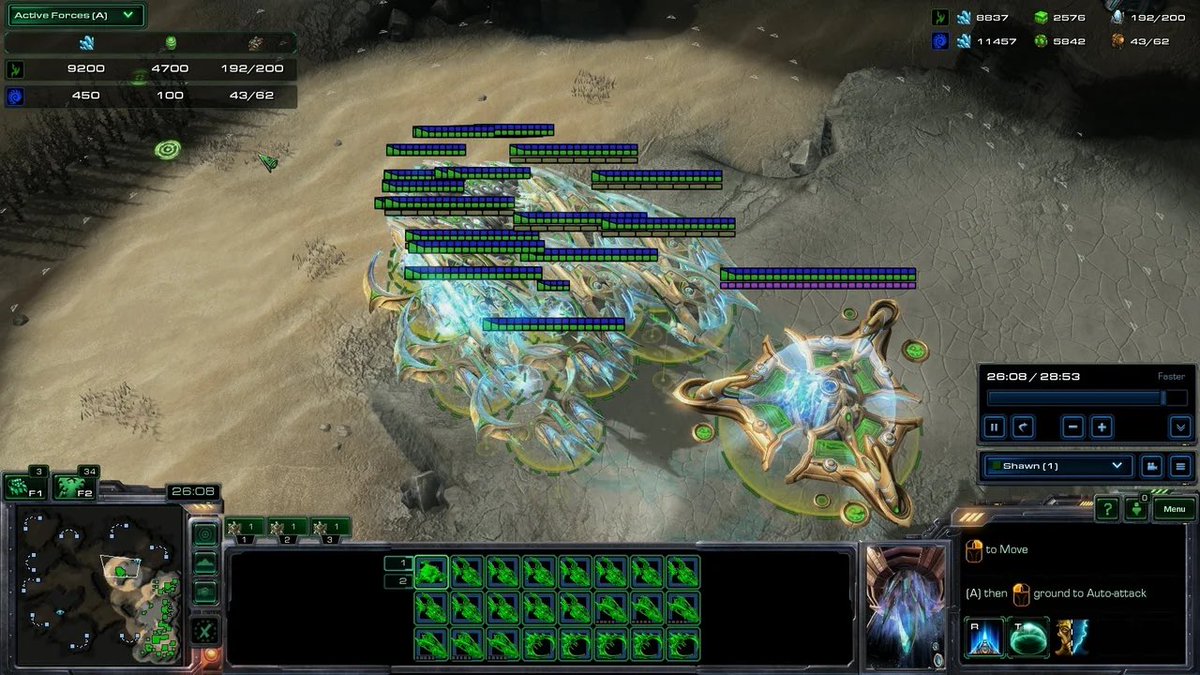
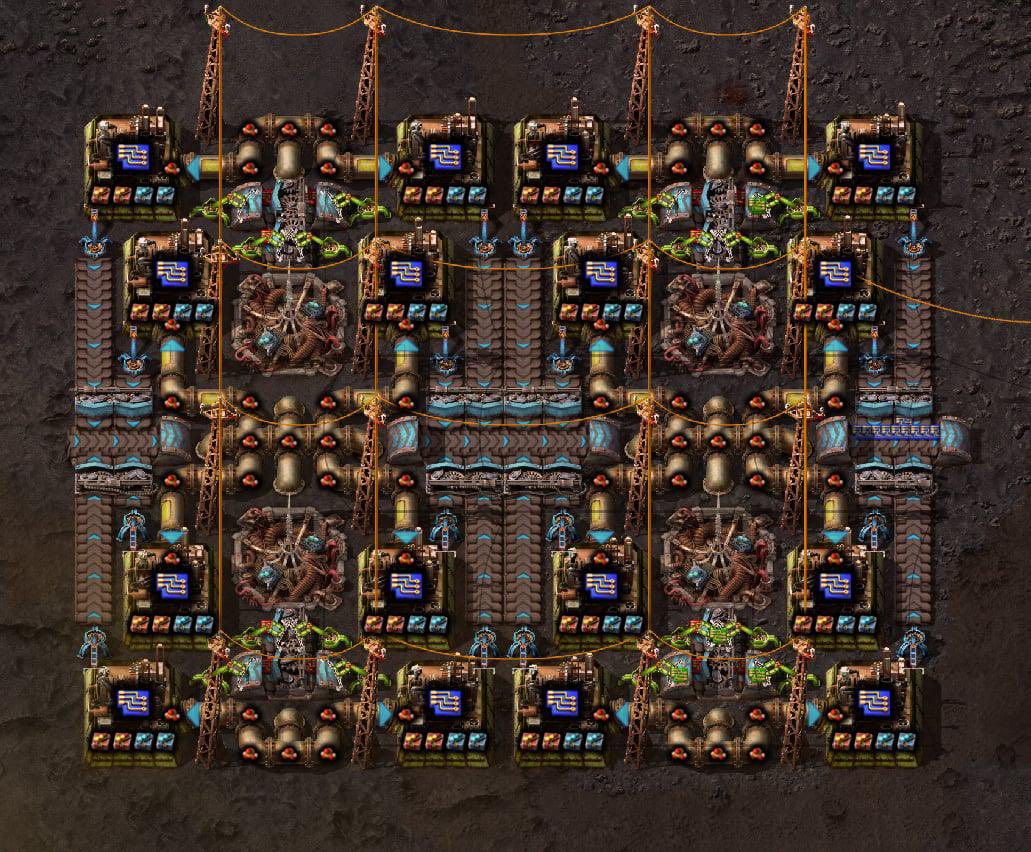
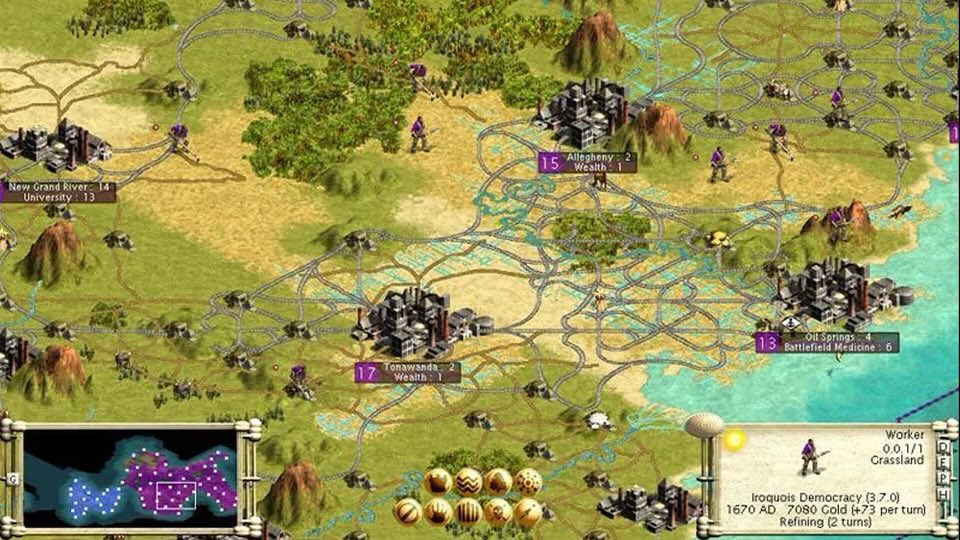
millennial gamers are the best prepared generation for agentic work, they've been training for 25 years
Aaron Slodov tweet mediaAaron Slodov tweet mediaAaron Slodov tweet mediaAaron Slodov tweet media
English
276
650
7.5K
1.5M
Anant Narayanan retweetledi
Tasklet
Tasklet@TaskletAI·
Introducing the Tasklet sandbox VM. Every agent now gets its own Linux environment with Python, ffmpeg, imagemagick, and a persistent filesystem. Create, process & transfer files, use code to analyze data, make network requests, install packages & more.
English
7
17
51
23.8K
Anant Narayanan
Anant Narayanan@anantn·
So did Netflix become HBO faster than HBO could become Netflix after all?
English
0
0
0
36
Anant Narayanan retweetledi
Dan Siroker
Dan Siroker@dsiroker·
I'm excited to share that Limitless has been acquired by Meta! Here’s why we joined forces, what this means for customers, and what comes next.
English
250
41
851
536.4K
Anant Narayanan retweetledi
Boz
Boz@boztank·
Alan Dye is one of our industry’s great design leaders and I'm so excited he’s joining Meta to help build the future of computing at the intersection of AI, wearables and spatial computing. As if that weren't enough we are also going to be joined by top design leader @billysorrentino. Over the last decade at Apple they have defined the design of some of the most iconic products of our times and now at Reality Labs they will help shape what comes next. We’re at a historic inflection point where the AI devices we’re building are poised to fundamentally reshape the way we interact with technology. Excited to see what this team can do!
Mark Gurman@markgurman

BREAKING: Apple interface design chief Alan Dye is leaving the iPhone maker to become the Chief Design Officer at Meta in a blockbuster coup for the social networking giant. bloomberg.com/news/articles/…

English
24
32
452
146.3K
Anant Narayanan
Anant Narayanan@anantn·
@nateparrott Cool feature! Would love to customize the key, and also get rid of the final return - I already ended the transcription manually by toggling the button - would be nice if the processing started instantly.
English
0
0
1
209
nate parrott
nate parrott@nateparrott·
Two new cool interactions in Claude for Mac today: #1: CAPS LOCK to TALK. Enable it, then press caps lock from any app to talk to Claude. Sends to your most recent chat, so you can carry on a conversation. Voice in, text out...
English
36
27
740
109.9K
Anant Narayanan
Anant Narayanan@anantn·
The Thrall cameo sold me :) Excited for this!
United Airlines@united

Lightning-fast @Starlink Wi-Fi is now on board our first mainline aircraft. 🛰️ Stay connected from gate to gate on allllll your devices just like you’re at home. That means live streaming, live sports, live gaming, even live watching your pet cam. 😉 Starlink Wi-Fi is already available on more than half of our regional fleet, and it’s rolling out on more planes every day. Free for MileagePlus members.

English
0
0
1
163
Anant Narayanan retweetledi
Yogesh Darji
Yogesh Darji@realYogeshDarji·
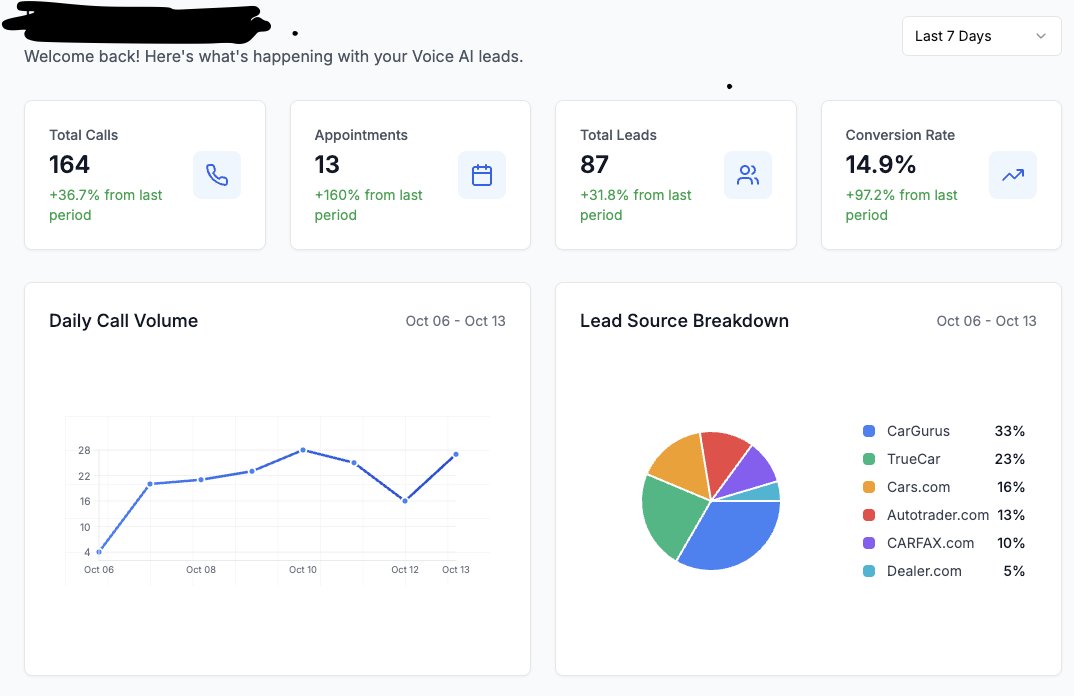
I visited 300+ car dealerships and found the same problem everywhere: 60% of leads die before anyone calls them back. So I built an AI to fix it. Today, I'm launching @AgentDynamics 🚀
Yogesh Darji tweet media
English
7
14
45
4K
Anant Narayanan retweetledi
Mitchell Hashimoto
Mitchell Hashimoto@mitchellh·
I've shared the full transcript of every agentic coding session from implementing the unobtrusive Ghostty updates and provided commentary alongside about my thinking and process. Total cost: $15.98 over 16 sessions. "Vibing a Non-Trivial Ghostty Feature" mitchellh.com/writing/non-tr…
English
57
193
2.3K
486.7K