
Papá retweetledi
Papá
26.4K posts

Papá
@andresval
Pretty much a bunch of R’s Religious (Catholic), Restauranteur, Realtor, Raiders, Real Madrid , Republican. Married father of 4
408 Katılım Haziran 2009
580 Takip Edilen728 Takipçiler

Papá retweetledi
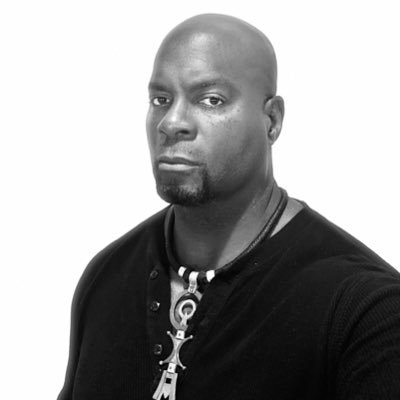
White supremacy was orchestrated. Much of why you hate your fellow Americans was staged folks. Completely funded.
English
Papá retweetledi

Papá retweetledi

LOL, what a plot twist that SPLC was funding the KKK… as Democrats always have. Another “conspiracy theory” coming true in real time.
U.S. Department of Justice@TheJusticeDept
🚨HAPPENING NOW: Justice Department announces indictment against Southern Poverty Law Center ("SPLC"). Our indictment alleges SPLC secretly funneled MORE THAN $3 MILLION in funds to members of white supremacist and extremist groups.
English
Papá retweetledi

Waters hasn’t been present in Congress for months but Raskin has continued to cast her votes. This is similar to Kay Granger a Texas congresswoman that for 5 months was absent from Congress before being found living in a senior facility with memory care for dementia. Her votes had not stopped either. Term limits would eliminate this corrupt system.
English

New - California Governor poll
🔵 Becerra 23%
🔴 Hilton 20%
🔴 Bianco 17%
🔵 Steyer 14%
🔵 Porter 11%
IVN #C - LV - 4/20

English
Papá retweetledi

Fetterman vs Obama
Senator John Fetterman revealed that he directly told former President Barack Obama he does not work for him. Obama had been visiting Capitol Hill regularly to deliver policy guidance to Democrats according to Fetterman. The Pennsylvania senator expressed that he found these sessions offensive because his loyalty belongs to the voters who elected him.
Fetterman noted that Obama has conducted these weekly meetings since he joined the Senate. He argued that such influence from a former president does not align with how a constitutional republic should function. Fetterman emphasized that elected officials must answer to their constituents rather than any past leader or party network.
Do you think Fetterman should switch parties, already? Or can’t be trusted?

English
Papá retweetledi

Let's be clear why @CoryMillsFL has a problem with me.
I called him out for preventing Ilhan Omar from censure. I asked why he converted to Islam and got married in the Muslim mosque where 9/11 was planned. He lied about his military service. He's been accused of beating women. A woman has a restraining order against him. And he's allegedly stuffing his pockets with federal contracts while sitting in Congress.
He's only coming after me because I exposed him.
Bring it on, Cory. I was built for this fight.

English
Papá retweetledi

RFK Jr says it wasn’t 400 hospices they shut down in Los Angeles, it was 500
He confirms not a single one has called to complain, 100% were fraud
These fake California hospices made fake addresses, then would go to poor neighborhoods and buy residents $600 flat screen TVs, in exchange they would give them their patient identification
These fraudulent hospice companies would then bill thousands of dollars to taxpayers for each one
They would also pay for lists of patients too and begin billing for them
Not a single California Democrat has been held accountable
English
The owner of Atlantic has Steve Job’s money so she isn’t going bankrupt any time soon….

Nick Sortor@nicksortor
🚨 JUST IN: FBI Director Kash Patel has filed a $250 MILLION defamation lawsuit against The Atlantic after they published a story claiming Patel is regularly too drunk to go to go to work Good. Force that leftist rag into bankruptcy. “We HAVE to fight back against the fake news,” Patel said. “If the fake news mafia isn't hitting you with baseless info, you're not doing your job!”
English
Papá retweetledi

Ilhan Omar’s net worth went from 30 million to $110,000 due to an accounting mistake.
Thats a PRETTY BIG mistake. Thats like “marrying your brother” kind of mistake.
English

Last night, Shamim Mafi, 44, of Woodland Hills, was arrested at Los Angeles International Airport for trafficking arms on behalf of the government of Iran. She is charged with a violation of 50 U.S.C. § 1705 for brokering the sale of drones, bombs, bomb fuses, and millions of rounds of ammunition manufactured by Iran and sold to Sudan.
If convicted, she faces a statutory maximum sentence of 20 years in federal prison.
Mafi is an Iranian national who became a lawful permanent resident of the United States in 2016.
She is expected to make her initial appearance on Monday afternoon in U.S. District Court in downtown L.A. She is presumed innocent until proven guilty in court.




English
Papá retweetledi

I still can’t believe that this didn’t win the election for Kamala 🤦♂️
English
Papá retweetledi

Ro Khanna: You're saying to me… with a 1% tax on wealth that people are going to leave? Come on, have some more patriotism.
Shawn Ryan: Scott Bessent said yesterday there's $600 billion in fraud … Don't you think we might want to get a handle on that before we tax everybody more?
English
Papá retweetledi

Very brave of @TomSteyer to spend 40 years moving his billions to offshore tax shelters before deciding billionaires should be taxed more.
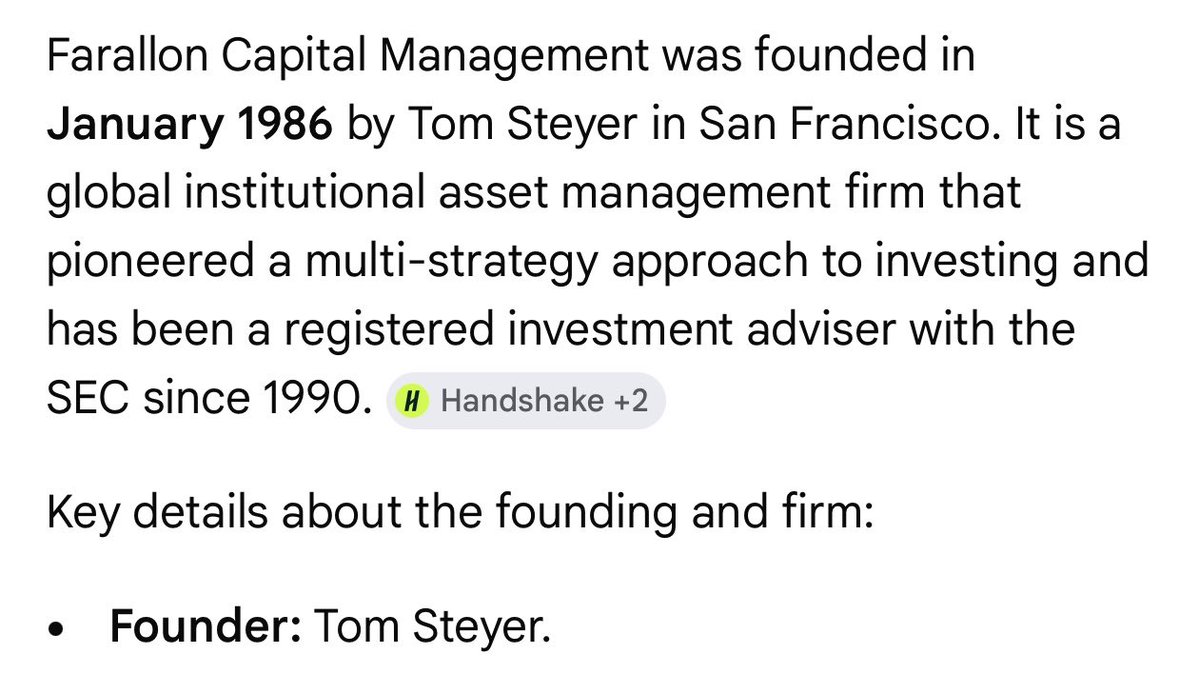

Tom Steyer@TomSteyer
I'll tell you what I tell everyone on the Shared Prosperity tour: 1. I'm the billionaire who will tax the billionaires. 2. I'm the guy who will close corporate tax loopholes. 3. I'm the guy who will insist on single payer health care. Please join us at our next stop in San Diego! tomsteyer.com/san-diego-town…
English

Finally, an explanation that cuts through the noise: California isn't actually taxing its residents at the highest rates in the country, despite what you've heard. This is a perfect example to set the record straight. Stay informed. #DemsUnited
English
Papá retweetledi

𝐆𝐖𝐔 𝐆𝐑𝐀𝐃𝐔𝐀𝐓𝐄 𝐖𝐇𝐎 𝐇𝐈𝐉𝐀𝐂𝐊𝐄𝐃 𝐂𝐎𝐌𝐌𝐄𝐍𝐂𝐄𝐌𝐄𝐍𝐓 𝐓𝐎 𝐂𝐀𝐋𝐋 𝐈𝐒𝐑𝐀𝐄𝐋 𝐀𝐍 “𝐀𝐏𝐀𝐑𝐓𝐇𝐄𝐈𝐃 𝐒𝐓𝐀𝐓𝐄” 𝐇𝐀𝐒 𝐁𝐄𝐄𝐍 𝐅𝐈𝐑𝐄𝐃 𝐁𝐘 𝐄𝐑𝐍𝐒𝐓 & 𝐘𝐎𝐔𝐍𝐆
Cecilia Culver used her George Washington University commencement speech to accuse the school of profiting from a “genocide” in Gaza and demanded the university “divest from the apartheid state of Israel.”
There’s just one problem: she 𝐬𝐮𝐛𝐦𝐢𝐭𝐭𝐞𝐝 𝐚 𝐜𝐨𝐦𝐩𝐥𝐞𝐭𝐞𝐥𝐲 𝐝𝐢𝐟𝐟𝐞𝐫𝐞𝐧𝐭 𝐬𝐩𝐞𝐞𝐜𝐡 to the university beforehand and then swapped it out on stage. GWU called her conduct “𝐢𝐧𝐚𝐩𝐩𝐫𝐨𝐩𝐫𝐢𝐚𝐭𝐞 𝐚𝐧𝐝 𝐝𝐢𝐬𝐡𝐨𝐧𝐞𝐬𝐭” and banned her from all campuses.
Then Ernst & Young—her employer—locked her out of her email within 𝟐𝟒 𝐡𝐨𝐮𝐫𝐬 and fired her four days later. Now she’s suing GWU, EY, and a dozen officials for $𝟓 𝐦𝐢𝐥𝐥𝐢𝐨𝐧, claiming she’s a victim of discrimination for being called antisemitic.
She went from a 𝐬𝐢𝐱-𝐟𝐢𝐠𝐮𝐫𝐞 𝐜𝐨𝐧𝐬𝐮𝐥𝐭𝐢𝐧𝐠 𝐣𝐨𝐛 at one of the Big Four to a lawsuit claiming she’s only worth $18,000—all because she couldn’t resist turning someone else’s graduation into her personal propaganda moment.
𝐏𝐥𝐚𝐲 𝐬𝐭𝐮𝐩𝐢𝐝 𝐠𝐚𝐦𝐞𝐬, 𝐰𝐢𝐧 𝐬𝐭𝐮𝐩𝐢𝐝 𝐩𝐫𝐢𝐳𝐞𝐬. 𝐇𝐢𝐣𝐚𝐜𝐤 𝐚 𝐜𝐨𝐦𝐦𝐞𝐧𝐜𝐞𝐦𝐞𝐧𝐭 𝐭𝐨 𝐬𝐩𝐫𝐞𝐚𝐝 𝐡𝐚𝐭𝐞, 𝐥𝐨𝐬𝐞 𝐲𝐨𝐮𝐫 𝐜𝐚𝐫𝐞𝐞𝐫 𝐭𝐡𝐞 𝐬𝐚𝐦𝐞 𝐰𝐞𝐞𝐤.
𝘝𝘪𝘥𝘦𝘰 𝘧𝘳𝘰𝘮 @𝘚𝘵𝘰𝘱𝘈𝘯𝘵𝘪𝘴𝘦𝘮𝘪𝘵𝘦𝘴
English
Papá retweetledi

Rahm Emanuel throws Democrats under the bus for three minutes straight—then casually walks off with a sip of coffee.
Watch this guy closely. He clearly wants to be president.
“The Democratic Party… invited a bunch of culture wars into our kids’ schools, and we lost that war.”
“Up in San Francisco, [Democrats] were arguing and voted to take Abraham Lincoln’s name off of a high school. Not whether they were worried about whether the kids knew why Abraham Lincoln was such an icon, and the school was named after him. They lost the plot.”
“The American people… want us to show up and help them. Not argue about Latinx as a term. Not argue about defunding the police… or letting the border get out of control.”
“We actually have to show respect for the American people, their primary concerns, and help them.”
“Went down to Mississippi. They went from 49th to 9th in reading. A lot of interest groups don’t want to talk about it. We messed this up in our party.”
“We used to be really great about education. We’ve lost it… We’re worried about names of schools, bathrooms, locker room access. Get back to what matters.”
“Why do parents move to a neighborhood? Because that’s a good school for their kid. If you focus on that, guess what? People are going to support you. If you don’t focus on it, they’re going to walk away from you.”
[Sips coffee while the audience applauds]
English