AL retweetledi

I keep hearing people refer to Marco Rubio as a millennial and I just want to note he was born in 1971 so he is clearly Gen X. LET US HAVE THIS.
English
AL
710 posts



We just got a 7-seat model Y, and we're gonna make that itty bitty third row work for us by hook or by crook because **** I love this car Full self-driving is the first real life changing quality of life improvement I've gotten from a product in as long as I can remember

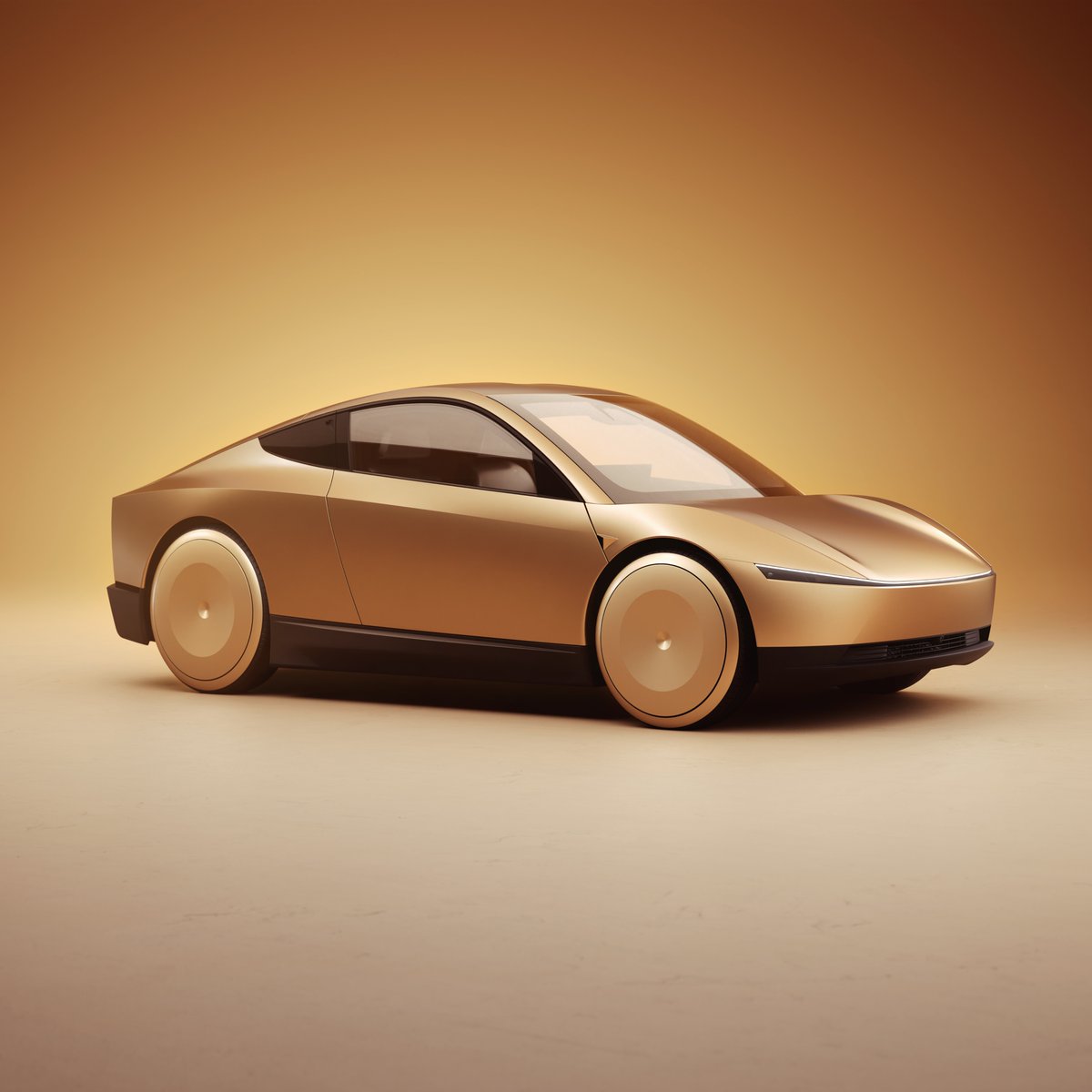
I plan on owning my own Tesla Robotaxi fleet one day. And the more I run the numbers, the more I realize this new business could become one of the most powerful income opportunities I've ever seen. This is how I'm thinking about it. Based on many analyst models and Tesla’s long-term vision, a reasonable base case assumption is about ~$30,000 per year in net profit per Robotaxi to the owner. This is after things like Tesla’s platform fee, charging, tires, maintenance, insurance, and cleaning. Of course, the network is still early and Tesla is just beginning to roll this out in pilot programs in a few cities, so there’s no official real-world owner earnings yet... but using reasonable assumptions around utilization, pricing per mile, and operating costs, the math starts to get really interesting. If one Robotaxi can earn around $30,000 per year, here’s what a fleet might look like: • $100,000 per year → about 4 Robotaxis • $500,000 per year → about 17 Robotaxis • $1,000,000 per year → about 34 Robotaxis It may sound a bit crazy at first, but when you break it down, it starts to make more sense. These vehicles could potentially drive 50,000 to 100,000+ miles per year in high demand areas. If the economics land somewhere around $0.25-$0.50 profit per mile after all costs, you end up right around that ~$30k per vehicle per year range. And remember, the Tesla’s Robotaxi network is going to work a lot like Airbnb for cars. You add your vehicle to the network, Tesla handles the software, routing, payments, and rider experience, and they take a platform fee (often modeled around 25-35%). The owner keeps the rest after operating costs. Another thing that makes this interesting is the expected cost of the vehicles themselves. Tesla has talked about the purpose-built Cybercabs costing roughly $25k-$30k and Elon told me production is starting in 1 month! If that’s even close to reality, a fleet capable of generating around $1 million per year could theoretically cost somewhere around $850k-$1M in vehicles. That ROI is pretty freakin good! Now to be clear, none of this is guaranteed. I'm just thinking out loud and sharing it with you... a lot still depends on regulations, how fast unsupervised FSD scales, demand in each city, insurance costs, and how Tesla structures the network. But if the system works the way Elon has described it for years, owning a Robotaxi fleet could become one of the most powerful forms of passive income I've ever seen. And I plan on sharing the numbers with everyone on 𝕏 when the day comes. Personally, that’s why I’m paying such close attention. Bc one day, owning a fleet of autonomous Teslas working for me 24/7 might be the modern version of owning a rental property, except instead of tenants, you’ve got robots driving people around all day while you sleep. This next book of Tesla is going to be so exciting!



JUST IN: Petri dish of human brain cells grown on a microchip has learned to play DOOM.






Brian Kelly's lawsuit against LSU states that LSU offered him a $25/30 million payment instead of $53m buyout w/ offset. He didn't accept but was open to more offers. Then LSU said they didn't actually fire him but could for cause. Our updated story: nytimes.com/athletic/67968…

In a legal filing obtained by ESPN, Brian Kelly’s lawyers state that LSU is saying it never “formally terminated” Kelly and are now seeking to fire him “for cause” which could impact his near $54 million buyout. Kelly is seeking a declaratory judgement that LSU did fire him and he is entitled to “full liquidated damages.” LSU declined comment. For @espn espn.com/college-footba…