
Arpit Agarwal
6K posts

@arpitagarwal1
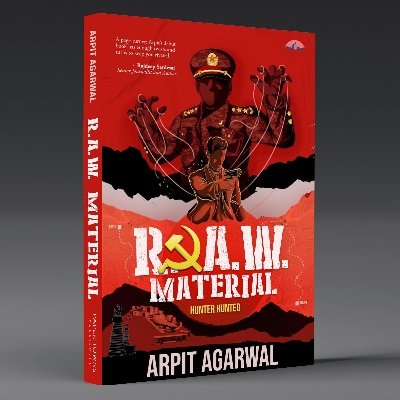
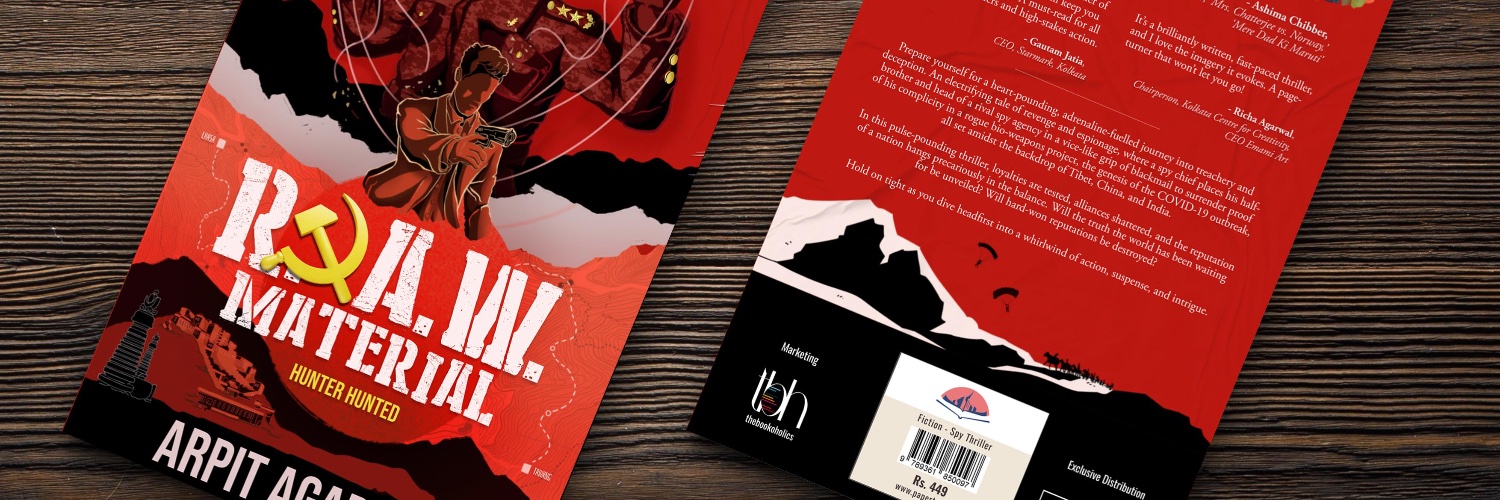
Ex NDTV, Fremantle, Former India Head of Keshet Int. Media Pro. Founder & MD Imprimis Media. Reluctant Iconoclast. Novelist, Author 'RAW Material'


The Sheep Detectives might not get nominated for any big awards but it’s the best film you’ll see this year. One that is a must must watch in cinemas. A genre breaker. A murder mystery comedy disguised as a Pixar Life lesson Movie. Craig Mazin you beauty!!! #Sheepdetectives

What if the absence of evidence is not evidence of absence? What if the story you're too afraid to write is exactly the one the world needs to read? Two longlisted authors walked into this conversation carrying 17 years of publishing and one debut novel between them and somehow, both felt like impostors. @ashwinsanghi (The Ayodhya Alliance) and @arpitagarwal1 (Raw Material) write in completely different worlds, one weaving ancient civilisational mystery into a present-day thriller, the other reversing the Western spy genre lens to put India at the centre. But they arrive at the same place: Indian storytelling has always had the content. What it needs now is the franchise. From the discipline of writing around a career, to the confidence of an unapologetically Indian voice, to a civilisational archive that was shaping global narratives 2,000 years ago, this conversation covers a lot of ground. This conversation comes as a part of the IGF Archer Amish Award for Storytellers (Second Edition), a $25,000 literary prize judged by celebrated authors Jeffrey Archer (@Jeffrey_Archer) and Amish Tripathi (@authoramish), to celebrate talent and the evolution of modern Indian voices. More conversations with the longlisted authors coming soon. #IGFArcherAmishAward #IndianFiction #IndianAuthors #TheIndiaStory #ModernIndianVoices #AshwinSanghi #ArpitAgarwal


When I joined TV, I had to unlearn the language of academia. TV news had to fight to be heard back then, with the pressure cooker in the kitchen, the landline ringing, and low-quality speakers on TV sets. You couldn't watch it 'on demand' using a pair of headphones. So, our scripts had to be in the lowest common denominator English - something you could grasp with the least available attention. Yet, the average English news watcher - admittedly, a very small number in those days - was probably better read than today. They understood nuances, a pun, or an occasional turn of phrase. And these included people with heavy accents, who mostly spoke in their mother tongue, and their English had been gleaned from books and cinema. Today, we have a larger population of English speakers: Many young people speak English at home, even when their parents are not necessarily fluent. But their vocabulary is much narrower than the previous generation's. They are unable to understand metaphors, allusions, or any of the standard devices of better speech. This is the fruit of decades of disdain that we have nurtured towards good literature, and an overwhelming turn towards Managementspeak ('revert', 'noted', 'circle back', 'basis this'). I find this not just in English, but among Hindi speakers too. The Hindi journalists I first encountered in NDTV fascinated me with the breadth of their language, all that it could capture and describe. The younger breed speak a cross between street lingo and officialese. This corrosive decline is a symptom of a deeper malaise in our society, and there is no immediate cure in sight.