baipaoyimo

1.4K posts

baipaoyimo banner
baipaoyimo

baipaoyimo

@baipaoyimo

I do DeFi | i love sui🦭/acc 「🦑」 @SuiNetwork & @WalrusProtocol Maxi | Building

Katılım Ekim 2022
3K Takip Edilen435 Takipçiler
baipaoyimo retweetledi

硅谷王川 Chuan
硅谷王川 Chuan@Svwang1·
“电灯不是因为蜡烛的技术持续精进而出现的。”
中文
0
82
310
32K
jasonleo
jasonleo@Jason60704294·
损位67000~68000左右,不破不损,拿着
中文
23
0
103
69.5K
jasonleo
jasonleo@Jason60704294·
试试
jasonleo tweet media
中文
396
20
619
572.7K
justin james yang 佳佳
justin james yang 佳佳@JYtopfloorboss·
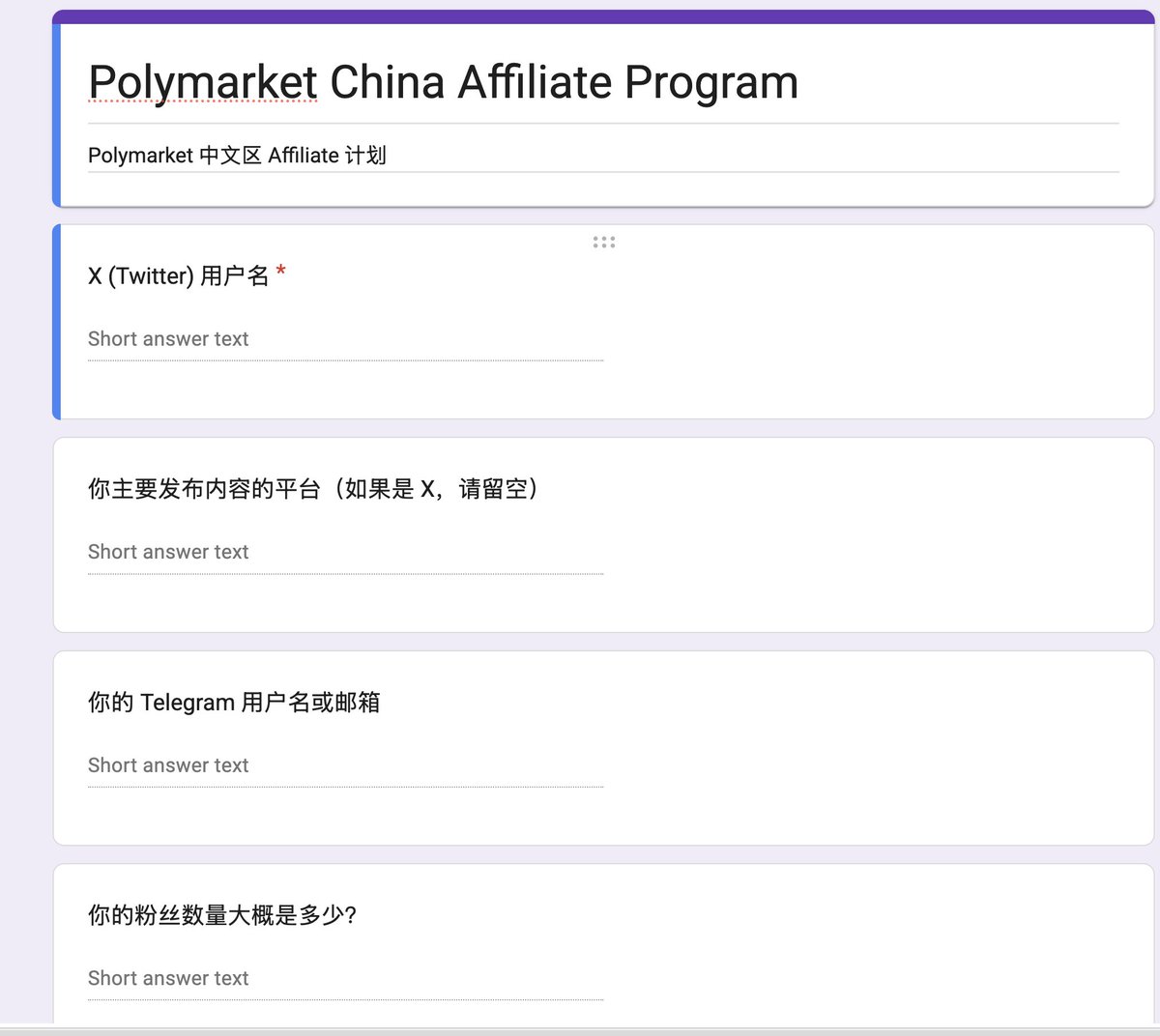
Polymarket 的 Affiliate 计划是我们增长的核心驱动力。 我们希望能为更多中文圈的创作者提供加入这个计划的机会!我在 Bio 里放了申请表单的链接,感兴趣的朋友请直接填写。 如果你身边有朋友可能对这个机会感兴趣,也欢迎在评论区 @ 他们 :)))
justin james yang 佳佳 tweet media
中文
85
9
173
79.7K
baipaoyimo retweetledi
战斗室
战斗室@7warroom·
斯坦利·德鲁肯米勒。 身家87亿美元。 他说自己过去因为投资焦虑,每周会吐一两次。 你没听错,呕吐。 他最著名的一战是什么? 1999年,纳斯达克泡沫。 他在一月份完美逃顶。 全部卖出。 然后呢? 又在最高点精准地买了回来。 有人问他从这次灾难中学到了什么? 他说:“什么都没学到。” 为什么? 因为不该追高的道理,他20年前就懂了。 但还是被情绪控制了。 这就是人性的战场。 更惊人的是什么? 他说自己有长达15年的“冒名顶替综合症”。 一个管理着千亿资金的传奇,内心深处却觉得自己是个骗子,成功全靠运气。 这说明了什么? 财富解决不了内心的煎熬。 市场专治各种不服,不管你是谁。 他最后的建议很简单: “克服它,然后继续前行。” 说得轻巧。 这背后是多少个呕吐的夜晚? 多少次自我怀疑? 真正的护城河,从来不是技术,而是强大的内心。
中文
18
121
568
112K
baipaoyimo retweetledi
Parker
Parker@TheOtherParker_·
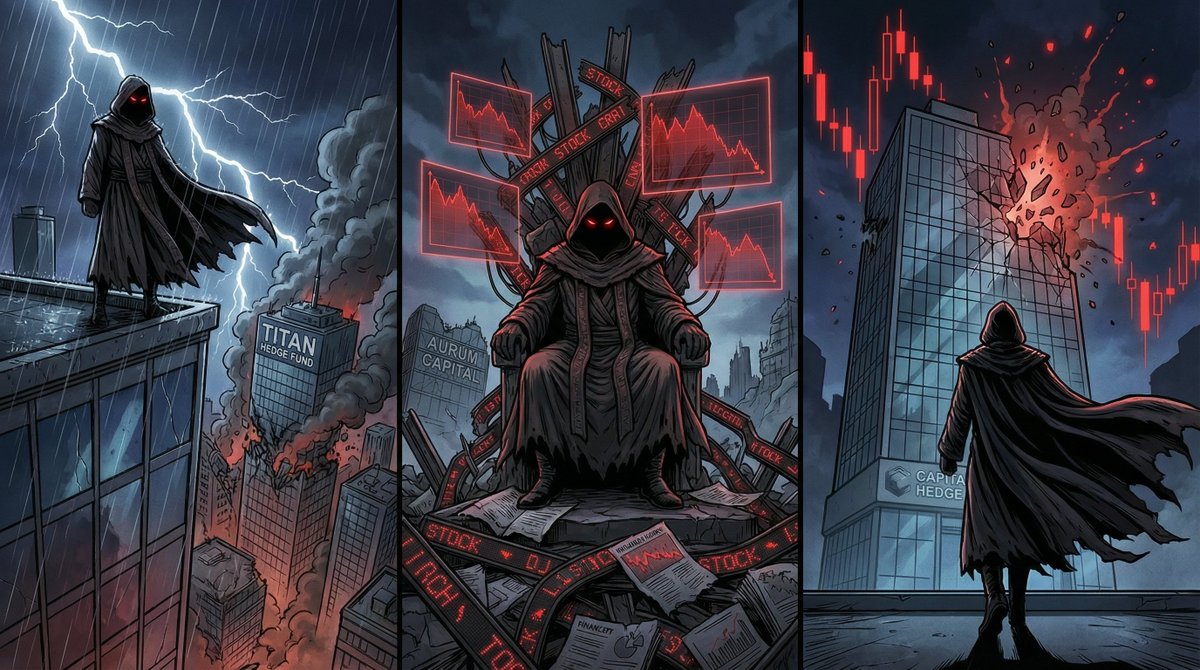
WTF happened October 10 to February 5?! Part 2 of the HK Fund Blow up. This is the other side of the story. BTC (-48.38%) underperformed the S&P 500 (+0.53%) by a whopping 49.05% in 118 days!! What the actual fuck. BTC was supposed to be rapidly institutionalizing, but this is the largest multi-quarter depeg from the S&P 500 ever. And all with ZERO explanation. No cause, only effect. There is always a cause though, we just have to find it. Typically, when a hedge fund blows up in catastrophic fashion, “the market” isn’t the killer, it’s something - or someone - specific, an actual killer. Amaranth Advisors didn’t lose $6B and blow up in a week due to “the market”, John Arnold’s (legendary Enron trader) Centaurus Advisors killed them and John personally made $1B that week. The Bank of England didn’t break due to “the market”, Soros killed them. John Paulson made $15B in 2007 when subprime CDS blew out and kicked off the GFC, killing some big banks in the process. Paul Tudor Jones made his entire career on Black Monday, 1987, when the Dow dropped 22% and he was massively short, killing a number of funds along the way. Behind most deaths is a killer. I believe there is a killer here too. Let’s look at the evidence. This will be a long read. First, we need to look at the environment leading up to 10/10. A few big things were at play here. First, realized volatility massively tapered over the summer. On August 11, 30-day realized vol hit 11.83%. That is comically low for Bitcoin, which normally sits in the 30-60% range. Implied vol fell off a cliff as well, hitting a low of 34.49% on September 18. This made buying calls and puts incredibly cheap. We also know that shorting vol on Bitcoin has historically been a pretty successful trade most of the time. Bitcoin vol has been in secular decline, so as long as you didn’t get blown out in one of the random spikes in vol, you are printing cash. In many ways, shorting vol on BTC is like shorting the VIX itself. 95% of the time, you make money, and then you just have to avoid blowing up in the 5%. You’re the market insurance provider when you’re shorting vol. Now, on July 29, the single entity cap on IBIT options was increased to 250k contracts (Jan 21 was for a bunch of other crypto ETFs, not IBIT). This allowed anyone running a short vol trade to increase exposure; however, it also allowed anyone wanting to build a long vol position to increase leverage. As an aside, the IBIT contract limits aren’t particularly restricting, because (1) Market Makers can be exempt, (2) waivers can be received, and (3) OTC derivatives exist with no limits. #3 is the biggest problem, because the OTC market is entirely opaque. No one has ANY idea how much aggregate delta exposure is in the market. We’ll come back to this. On October 2, CME announced that they were going to launch 24/7 trading on crypto contracts sometime in early 2026. This is relevant, because we know that large crypto funds like to fuck around, especially on Saturdays and over holidays. This is where the famous CME gaps come from. Once 24/7 CME futures trading is turned on, bye bye CME gaps. Weekends have served as an artificially low-cost time for large funds to push the price in a direction they need the price to go. Without this window, the cost to push the price would just be too high, which is why you don’t see these same scam wicks outside of crypto. So, on October 2, the clock started ticking on one last epic push. This timing coincides with the rough timeline for passage of the CLARITY Act as well, which will likely make it harder for some of these shenanigans. So, what does a fund do when vol is the cheapest in history, there’s significant size available to buy, it’s common knowledge that lots of funds are shorting vol, and there’s a ticking clock on the opportunity to artificially push prices around? Go big. In the thread, I put together a quick example showing how a $50M long position (775k contracts) opened on 10/03 in $60 strike, 11/07 IBIT puts would have materialized into a total of $4B of sales by the dealers needing to delta hedge the position, because of the way gamma works. This is using all real numbers from that period. During the week of 11/07, the daily delta swings would have resulted in the dealer trading 25-30% of the volume on IBIT each day to hedge. This $50M position would have become 80x levered by expiration and the fund would have made $168M in profit on the trade (335%). This position isn’t even the most leverage you can get playing high gamma games. And you thought perps on Binance were crazy. You might rightfully note that the contract limit on IBIT options at this point was 250k contracts. The counter to that is that dealers have different restrictions that allow for netting either on a contract or delta basis. If you look at the largest MMs on IBIT options, some names become immediately familiar to anyone in crypto. Maybe more importantly though, a burgeoning OTC market has emerged around IBIT to bypass the 250k limit. This is why on November 23, Nasdaq asked the SEC to allow them to increase the limit to 1M contracts, citing concerns about the opaque OTC market growing, potentially adding risk to the system. I think Nasdaq knew something was afoot in the OTC market. You might also argue that no single contract ever has this much open interest, which is true. But this size of a position can be spread around the book, both with different strikes and different tenors, and further built in the OTC market. There’s an interesting opportunity here to build a gamma cascade where one gamma squeeze pushes the price into the next gamma squeeze. So let’s say that a giant hedge fund put on a $50M position (or why not more) in IBIT puts and/or OTC derivatives tracking IBIT in early October, hoping for vol to mean revert. Then, 10/10 happens, causing vol to MASSIVELY revert (60% spike in BTC ivol intraday) creating the perfect storm to REALLY push this trade. In the following 4 weeks, BTC spot bid liquidity fell by 25-50% (depending on depth measure). The cost to push the price around just then got much cheaper. So now this fund starts pushing the price using large amounts of leverage. We see this over and over in crypto, nothing particularly novel here and there are a number of strategies available to move the price with significant leverage and modest risk, i.e. liquidity arb where you short spot long futures or vis versa to capitalize on the liquidity differential between the two. These strategies, coupled with the massively increased liquidity in IBIT options and related OTC derivatives, and the sudden drop in liquidity created the perfect storm. What was originally just an opportunity to Go big became an opportunity to GO FUCKING BIG. If you look at the activity in Q4, a pretty obvious pattern emerges. The BTC price often drifted lower overnight (NY time) and on the weekends, all when liquidity was thinnest. Then, at the NY open, the options dealers were forced to dump to rebalance the delta they had accumulated while the market was closed, printing large selloff candles on many of the opens in Q4. It would be pretty easy to create this trade. Imagine on Wednesday, the killer would buy some OTM puts expiring on Friday. They could be very cheap with very low delta, but high gamma potential (the greek here is called speed - so high speed put options). Then, overnight on Wednesday, the killer would push the spot price down. At the Thursday open, the dealers are forced to immediately hedge by dumping IBIT, because they now have positive delta due to the overnight move. As the dealers dump, this increases the delta as the gamma increases due to the high speed and high charm (change in gamma due to change in ivol). Remember, high gamma options are those that are really close to expiry and right at the money, so as the price goes down and approaches the strike on the OTM puts, the delta rapidly increases, forcing the dealers to sell more. This pattern could be repeated each week with a new set of weekly options to push the price further and further down. Over the following months, this fund continued to push the trade, racking up hundreds of millions to billions in profits, which could be recycled into further pushing the trade. The massive amount of retail perps leverage on the offshore exchanges (crypto was supposed to have a supercycle, all the influencers said so) was an additional accelerant. Adding to that, the basis trade began to unwind, both on the CME and in crypto, with Ethena processing $7B in redemptions in a month. These basis trade unwinds put a lot of pressure on a thinning spot book. I believe the first leg of the trade was wrapped up in late December, because a trader of this size would want to close their position by year end to avoid 13F filing requirements (although 13F requirements don’t apply to OTC derivatives). Looking at the chart, it also seems obvious that the trade was closed out in December. By mid January however, implied vol had subsided to levels below 10/10, meaning restarting the trade wasn’t going to be too expensive. Coupled with the giant profits this fund was sitting on and the somewhat tepid environment for tech (AI P/Es stretched, Fed nominee fears, etc), there appeared to be another opportunity to squeeze in one last push right before CLARITY and the CME 24/7 futures. Double or nothing, bitches. So, over the latter half of January, a new high-gamma-potential (high speed) put ladder was built. Then, on Jan 26, Nasdaq greenlit Monday, Wednesday, and Friday options, so now triple the gamma available!! The killer could basically roll the trade every 2 days instead of once a week now. So, on January 29, with Silver and Gold retracing significantly, with bags loaded, and a machine gun instead of a bolt action rifle, the killer started the push, getting the price to the support level for the range. Below this range, there would be a lot of leverage as retail traders banked on the support holding. On Saturday, when the CME was closed, BAM, support was blasted with BTC down 6.5% on the day, kicking off >$2.5B in liquidations, more than any day since 10/10 and the 2nd highest of this cycle. This created the largest CME gap of this cycle and the largest gap in $ terms in history (~$6k). After this push, it was straight carnage. The put ladder worked perfectly, creating cascading delta hedging by the dealers. Any stalls in collapse could be followed up with new high-speed puts on one of the new M/W/F tenors. Silver and Gold continued to puke and risk assets took it on the chin across the board. In exactly 1 week (29th to 5th), BTC was down 30%, one of the largest % weekly moves in history, and by far the largest $ move ever (-$26,500). This culminated in the HK-based fund(s) completely blowing up on Thursday (02/05), and everyone panic-closing positions, giving this new legendary billionaire crypto trader his exit liquidity. Whoever the killer is, I would expect them to have some or all of the following traits: Have been in crypto for 5+ years, with a deep understanding of how liquidity dynamics work over weekends and how liquidity arbitrage between spot, perps, and IBIT work. Have been in tradfi for a long time as well, deeply understanding options trading, vol surfaces, liquidity dynamics within ETFs, ETF options, CME futures, and options position limits. Have been a market maker in IBIT, IBIT Options, and likely OTC options. This would have allowed them to increase their position size above the 250k limit and source meaningful amounts of gamma in the OTC market. Their Authorized Participant status probably also tipped them off to the fact that someone big was on the other side of the trade in either/both IBIT options and OTC options. Being a dealer could have also allowed them to build a large position more quietly, potentially by simply providing liquidity to the victim(s) on the other side. Have a history of past manipulation in other markets or strong accusations of manipulation, either in crypto or equities. Additionally, you might expect to see former trader(s) who left and went on to take some huge bets (bordering on or full blown manipulation) that either blew up catastrophically or printed bigly. This point is admittedly total speculation, but could illuminate a culture of pushing huge bets into deeply grey areas. Given how privacy-oriented hedge funds and crypto can be, we may never know who the killer is. There may have also been a few tag along accomplices on the second push over the last week. Make no mistake though, there was absolutely a new billionaire crypto trader minted this week. This is my hypothesis on what happened between October 10th and February 5th, based on bread crumbs and circumstantial evidence. This move had nothing to do with the fundamentals of Bitcoin or Solana, and everything to do with technical market microstructure dynamics. CLARITY should help fix some of this, because the root problem is that the spot BTC market is not nearly liquid enough to support all these derivatives. BTC spot is supporting perps, CME futures, ETFs, derivatives on the ETFs, derivatives on the CME futures, and a host of OTC products. We need all of the world's largest market makers active in spot BTC to help solve this problem. Additionally, we need more flows to move onshore, on exchange, and ultimately on chain. On chain is the objectively best solution here as net and gross positioning cannot be hidden. We need to see reduced opaque OTC and offshore activity that creates the opportunity for these issues. There are some other easy fixes as well, e.g. CME futures going 24/7, better risk management at funds in trading vol, more spot liquidity overall, increased IBIT options position sizing (as Nasdaq has requested), etc. Most importantly though, market participants learned another great crypto lesson this week/quarter that must be applied. Be VERY VERY careful trading on leverage. Live by the leverage, die by the leverage.
Parker tweet media
Parker@TheOtherParker_

This was the highest volume day on $IBIT, ever, by a factor of nearly 2x, trading $10.7B today. Additionally, roughly $900M in options premiums were traded today, also the highest ever for IBIT. Given these facts and the way $BTC and $SOL traded down in lockstep today (normally SOL trades with beta) + the relatively lower liquidations on CeFi exchanges, this leads me to believe that the nexus of the problem lies with a large IBIT holder. IBIT has become the #1 venue for BTC options trading, so my guess is that a hedge fund trading IBIT options is the culprit. If you look at the 13F filings for IBIT (I like whalewisdom dot com), you'll find a number of interesting names that have the majority of their fund in IBIT. In fact, there are a few in there (not naming names) that have 100% of their fund in IBIT, which likely means no cross margin. In fact, the biggest reason to set up a fund to hold a single asset would be to isolate margin, so that if the trade blew up, the brokers wouldn't have claim to any other assets. Interestingly, most of these giant, single asset funds are based in HK. We know that Asian traders, particularly in China, have been deeply involved in the Silver and Gold trade. Silver was down 20% today, which was the 2nd largest 1 day move in a very long time (largest on Jan 30). We also know that the JPY carry trade has been unwinding at an increasingly rapid pace. This leads me to think that the culprit for the IBIT blowup today was 1 or more HK-based non-crypto hedge funds. As @FranklinBi pointed out, the fund(s) being non-crypto would explain why no one sniffed them out. They would likely have few/no crypto counterparties, meaning complete isolation from CT. The last small piece of evidence I have is that I personally know a number of HK-based hedge funds that are holders of $DFDV, which had the worst single down day ever, with a meaningful mNAV decline. The mNAV had been holding steady surprisingly well throughout this pull back until today. One of these fund(s) could have been connected to the IBIT culprit, as I highly doubt a fund taking that large of a position in IBIT and using a single entity structure would only have the one fund. Now, I could easily see how the fund(s) could have been running a levered options trade on IBIT (think way OTM calls = ultra high gamma) with borrowed capital in JPY. Oct 10th could very well have blown a hole in their balance sheet, that they tried to win back by adding leverage waiting for the "obvious" rebound. As that led to increased losses, coupled with increased funding costs in JPY, I could see how the fund(s) would have gotten more desperate and hopped on the Silver trade. When that blew up, things got dire and this last push in BTC finished them off. I have no hard evidence here, just some hunches and bread crumbs, but it does seem very plausible. Let's see if some more concrete evidence floats to the surface here soon. The smoking gun will be a large fund fitting this profile filing a 13F showing a giant IBIT holding going to zero. Unfortunately, if a fund had their IBIT position liquidated today, they wouldn't have to disclose the position change until 45 days after the quarter end, so we'd be looking at mid May for the smoking gun from 13F filings most likely. Hopefully some of you out there with too much time on your hands this weekend can snoop around more. My guess is that word will start to get out, because something of this size is just too hard to hide. Additionally, if the broker was not able to liquidate the fund in time, the broker may have a hole in their balance sheet, which would be even more difficult to hide.

English
54
85
493
244.5K
Kostas Kryptos
Kostas Kryptos@kostascrypto·
I’m following one person per day until 2030. Starting tomorrow
Kostas Kryptos tweet media
English
205
12
565
35.3K
数字游民Jarod
数字游民Jarod@jarodise·
这可能是今年最重要的AI新闻,但中文互联网还没什么人聊。 昨天,一家成立不到三年的多伦多芯片公司扔下了一颗核弹。他们不是做大模型的,不是做应用的,而是做了一件听起来很复古的事:把AI模型直接刻在芯片里。 这家公司叫 Taalas。他们做的芯片 HC1,运行 Llama 3.1 8B的速度是 17000 tokens/秒。作为对比,目前业界最快的 GPU 也就 2000 左右。十倍差距。 但这还不是最疯狂的。最疯狂的是,这块芯片只能跑这一个模型。不能换,不能改,不能升级。你买回家,它就永远只会做这一件事:以光速运行 Llama 3.1 8B。 Taalas 的赌注很简单:在这个所有人都追求灵活性的时代,他们选择了绝对的不灵活,换取绝对的效率。 要说清楚这件事为什么重要,得先理解过去几十年芯片发展的主线。从 CPU 到 GPU,再到各种 AI 加速器,所有人都在做同一件事:造一个通用的计算平台,然后用软件在上面跑各种模型。 这条路走到今天,遇到了一个硬边界。模型越来越大,内存带宽成了瓶颈。你把几百亿参数从显存搬到计算单元,这个过程消耗的能量和时间,已经比计算本身还要多了。 Taalas 的思路是:既然你每次都算同样的东西,为什么还要搬来搬去?直接把权重存在晶体管里不行吗? 他们真的这么做了。HC1 芯片里没有显存,没有 HBM,没有复杂的缓存层级。模型的每一个权重都对应着芯片上的特定晶体管,矩阵乘法通过电路的物理连接直接完成。你输入一个 token,电流流过这些预先设计好的路径,输出就是下一个 token 的预测。 这就像录音带和现场演奏的区别。传统芯片是每次都要重新演奏,Taalas 是把演奏录在磁带里,播放就行了。 这种设计带来了几个惊人的结果。 第一是速度。17000 tokens/秒意味着什么?你几乎感受不到延迟。不是"很快",是"瞬间"。有测试者说,按回车的瞬间,答案就已经完整出现在屏幕上,甚至看起来像是预先准备好的。 第二是功耗。传统 GPU 运行 AI 推理需要液冷,一个机柜动辄几十千瓦。Taalas 的芯片只要空气冷却,十张卡加起来才 2.5 千瓦。他们号称能效是 GPU 的十倍。 第三是成本。制造这样的芯片,他们说是传统方案的十分之一到二十分之一。 但代价也是真实的。这块芯片出厂那一刻,它的命运就已经注定。Llama 3.1 8B,就是这个芯片这辈子唯一能做的事。如果明年 Meta 发布了 Llama 4,这块芯片就变成了电子垃圾。如果你发现这个模型有偏见,或者在你的应用场景里效果不好,你不能微调它,不能换别的模型,只能再买一块新芯片。 Taalas 的解决方案是:把定制芯片的周期从一年压缩到两个月。他们和台积电合作,只改变两层金属掩膜,就能为不同的模型生产新芯片。他们声称训练一个模型要花十亿美元,而定制一块这样的芯片只要花一千万。 说到这个团队的背景,确实豪华得有点过分。CEO Ljubisa Bajic 是 Tenstorrent 的创始人,之前在 AMD 和 NVIDIA 都做过架构师。COO Lejla Bajic 是他的妻子,同样是 AMD 和 Tenstorrent 的资深工程师。CTO Drago Ignjatovic 是前 AMD 的 ASIC 设计总监。这三个人加起来,可能设计了过去十年里你用过的一些最重要的芯片。 2022 年,当 Jim Keller 加入 Tenstorrent 并接管公司后,Ljubisa 选择了离开。六个月后,他创立了 Taalas。显然,他和 Keller 对 AI 芯片的未来有不同的看法。Keller 想做一个通用的、可编程的、软件友好的平台,而 Ljubisa 走向了另一个极端:彻底的专用化。 他们刚刚完成了 1.69 亿美元的融资,总融资额 2.19 亿。投资人里有个名字值得注意:Pierre Lamond。这位老爷子是 Fairchild Semiconductor 的元老,红杉资本的前合伙人,被公认为半导体行业的奠基人之一。这样的大佬背书,说明这件事至少在技术逻辑上是成立的。 现在的问题是:市场会买单吗? Taalas 需要找到那些愿意为了效率和成本,牺牲灵活性的场景。比如语音助手,需要毫秒级响应,而且模型不需要经常换。比如数据标注,需要处理海量文本,用的是固定模型。比如一些垂直领域的专用模型,训练好了就不动了。 但也有人不看好。芯片制造是有污染的,如果每两年就要换一批芯片,这比 GPU 的更新换代更频繁,环保问题怎么算?还有人质疑,AI 模型进化这么快,两个月流片时间还是太长,等你做出来,模型可能已经过时了。 更根本的问题是:当 OpenAI、Google、Anthropic 都在拼命证明他们的新模型比旧模型好得多的时候,谁会愿意把自己锁死在一个固定的模型上? Taalas 的反驳是:模型迭代的周期正在变长,人们开始依恋特定的版本。OpenAI 把用户从 GPT-4.5 迁移到 GPT-5 的时候,很多人抱怨新版本太谄媚了。也许未来我们会像对待手机型号一样对待 AI 模型:iPhone 15 出来后,还是有人用 iPhone 14,因为它们各有各的好。 我不知道 Taalas 会不会成功。这可能是一家改变行业的公司,也可能是一个技术史上有趣的注脚。 感兴趣的朋友可以去他们的demo站点体验一下什么是光速级别的inference: chatjimmy.ai
Taalas Inc.@taalas_inc

24 dedicated people. $30M spent on development. Extreme specialization, speed, and power efficiency. Today we launch Taalas’ first product. Check it out: Details: taalas.com/the-path-to-ub… Demo chatbot: chatjimmy.ai API: taalas.com/api-request-fo…

中文
213
371
2.1K
589.5K
baipaoyimo retweetledi
Sui
Sui@SuiNetwork·
Custom PCR verification is now live on Sui mainnet. Marlin Nautilus enclaves can attest onchain, letting apps prove their TEE code is untampered and secure. Verifiable confidential compute, without trust assumptions.
Marlin@MarlinProtocol

.@SuiNetwork now supports custom PCR verification on mainnet enabling Marlin enclaves deployed via it's Nautilus framework to verify attestations directly onchain. Devs building confidential apps on Sui can now easily prove the code running in TEEs is untampered & secure.

English
27
68
386
33.6K
pika
pika@pikapikasui·
Today’s my birthday. I decided on a whim to set up a clawdbot, but had to delay it since I don’t have an external mouse or keyboard. I have a feeling many people will use clawdbot to launch assets — might also put together some open-source templates to help them launch on #Sui.
English
27
0
56
1.8K
baipaoyimo retweetledi
pika
pika@pikapikasui·
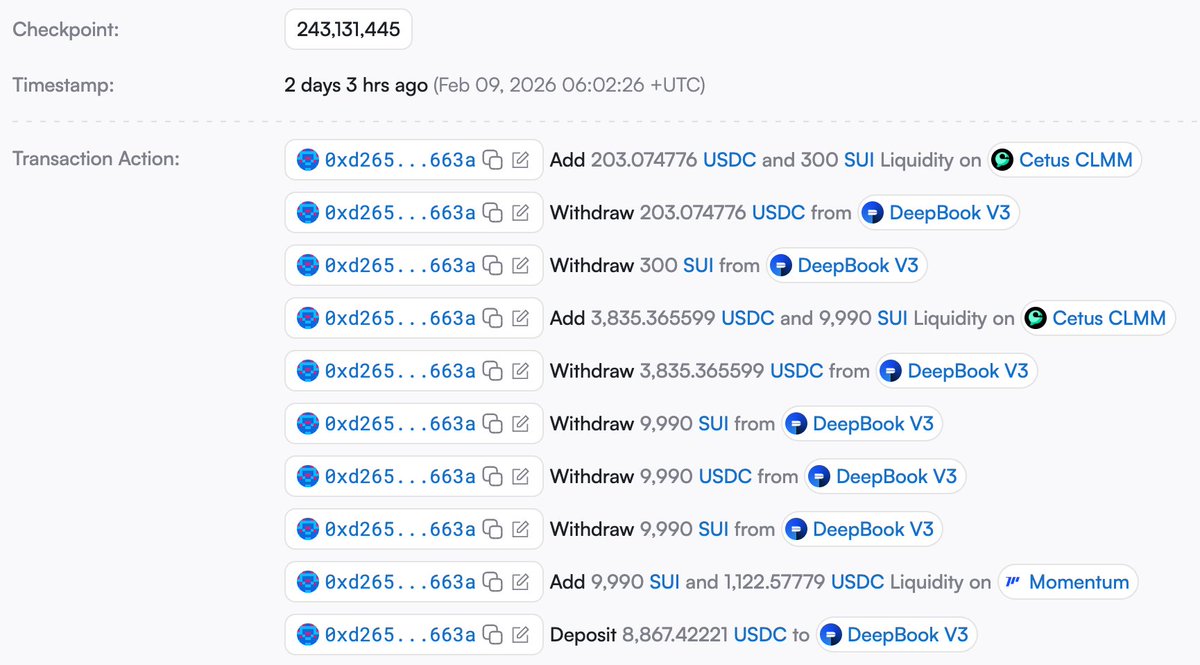
Case study: I came across a particularly interesting address on-chain that adds or removes liquidity across multiple DEXs all within a single PTB — it looks incredibly professional and advanced.
pika tweet media
English
3
2
31
2.8K
baipaoyimo retweetledi
Crypto_Painter
Crypto_Painter@CryptoPainter·
既然你想辩论,我可以很好的反驳你: 1. 技术分析本质上就是迷信,它的信念来自于人们认为历史上重复出现的价格行为规律会再次发生,所以以此进行推论,但事实上,充分博弈的市场就是不可预知的。 所以我倒是没有双标,那些画几张乱七八糟图表就想预测价格的分析师确实和算命的没有区别… 这也是为什么我总是避免任何确定性的市场分析结论,总是考虑所有可能的原因,因为我坚信未来不可预测,只做对策不做预测才是正道。 2. 关于你说的实战预测记录,我没有精力去验证,既然你想要证明自己精确预测价格行为的实力,完全可以在这里告诉我你通过星象或者其他预测手段预测出来的结果? 比如,未来3天BTC的日线收盘价是多少?时间以UTC+8时区早8点日线收盘为准,同时你提到ETH的预测精确到了只差2美元,那么按照基数扩增误差增加的比例计算,BTC的预测误差理论上应该小于67美元,不知道你是否有信心成功预测? 3. 关于你找来的论据,恰好就是搬起石头砸自己脚的的行为,这个法兰西统计局前局长Michel Gauquelin的“火星效应”,但凡你用科学方法进行分析,或者干脆点,直接去问AI,火星效应是真的吗? 就能知道,这是一个典型的统计学样本筛选反面案例,他统计的样本是顶级运动员,而不是平均人群样本,这种统计方法离谱到什么程度? 当中国互联网在7-8年前BAT三足鼎立的时候,我只需要做一个统计,分析头部前三互联网行业创始人的姓氏与其企业市值的关系,就能轻易得出一个搞笑的结论:姓马的人天生适合互联网创业… 这正如你举的例子一样,只是稍微极端了一点,说的更合理一些,挑选全球富豪前500名的人,然后尝试总结他们的一些小习惯,比如爱吃甜还是爱吃咸,这些小细节因为样本群体的特殊,必然不会分布均匀,但你真的会认为,爱吃甜的人更容易成为顶级富豪吗? 最后:你说作为交易员要尊重高维参数…… 真心的,参数这个词不是这么用的,维度也不是用在讨论玄学上的… 参数一定是基于固定方程式下的可变量,就像你调整一个指标的参数,你调整多少,指标的计算结果就会偏移多少,而你说的玄学(高维)参数,是否可以给出具体的实践指导? 假设今天你有 bad luck ,然后呢? 具体该怎么做,做到什么程度,会有什么影响,影响具体会有多少变化? 这些都是不可知的…而是模糊的… 所以你尝试用高维来掩饰“模糊”,恰好就是封建迷信们的常用伎俩… 用模糊但看似确定的结论提供情绪价值,如果猜对了,就把确定的部分作为自我验证实现的依据,如果猜错了,那就利用模糊的描述来自圆其说。 玄学之所以是玄学,问题就出来在了你无法证伪,这种模糊又确定的思维逻辑满足了人类面对未知时的安全感… 科学之所以是科学,恰好就是因为我们的所有结论从诞生的那一刻,就在等待着被证伪,并且还很期待… 这个辩论我很喜欢👍
中文
9
4
34
11.5K
Crypto_Painter
Crypto_Painter@CryptoPainter·
哎,就挺无语的… 老婆原定后天催产,所有计划都安排妥当了,结果我妈非要查什么黄道吉日,结果说什么日子不好… 本来开开心心的,就被这些封建迷信给弄的有心理暗示了,我现在是真的好恨这些文化糟粕,为什么中国人到现在整天喊着科技超越,而精神世界还停留在中医与农历时代? 这就好像之前那个 人生K线爆火的现象一样,最新的大模型没有用来普及科学的世界观,反而是算命大行其道… 我用一个最简单的例子反驳了: 如果你相信黄道吉日、农历忌讳,那么你能否通过这些知识,让一粒种子在没水的土壤里发芽? 毕竟农历本就是古人种植庄稼时总结出来的日历… 如果一粒种子在土壤、湿度、温度、种子状态等及其他条件都符合发芽条件的情况下,你刻意选择一个不吉利日子去播种,那么它能发芽么? 答案显而易见… 人之所以追求封建迷信,本质上是出于对于未来不可控的恐惧,而这些恐惧催生了对于确定性预知理论的依赖与迷信。 拥抱这个世界的不确定性,相信一切皆有可能,才是真正的唯物主义。
中文
139
3
133
32.7K
孟岩-Mike Meng
孟岩-Mike Meng@myanTokenGeek·
仅从 AI 我其实看不到高速增长的机会,原因是这样的:AI 目前主要的能力是内容生产,而权威内容的生产其实是统治阶级的特权,如果他们感受到自己的特权被冲击,一定会像金融当局限制 crypto 一样限制 AI,进而拖慢 AI 应用发展的速度。他们现在还没做这件事情,恰恰说明现在 AI 产生出的东西在他们看来还是玩具,或者是半成品,还需要他们审批、授权,威胁不了他们的权利。 但是如果 AI 能顺利跟机器人结合起来,这个高速增长就能想象了,因为高智能机器人侵犯的是劳动阶层的利益,提高的是统治阶层的收益,这是统治阶级喜闻乐见的事情。 但从我所见所闻来看,似乎能剪草、修房子、做园艺、做家务、辅导健身的机器人,现在好像离得还挺远。
中文
3
1
21
3.1K
孟岩-Mike Meng
孟岩-Mike Meng@myanTokenGeek·
最近看到很多行业领军人物都在讨论未来几年经济的高速增长,比如马斯克说美国经济很快会见到两位数、几年内会见到 3 位数、也就是一年翻一番的经济增长。 但与此同时 AI 几个大模型公司的收入增速是逐年下降的,连最风光的 Anthropic 也不例外。
大宇@BTCdayu

警告:忽略短期波动,AI投资将100倍增长 经历过至少一个市场周期的人,都会本能地对远超历史平均水平的价格上涨保持警惕。目睹过互联网泡沫、2008年全球金融危机以及加密货币的兴衰更替,会在你的大脑中建立起模式识别的警报机制。 很多人会警惕现在AI泡沫是不是太大,价格太高了? 你不想因为价格过高而贸然入市,也不想因为价格过高而抛售手中的资产。 但我们必须认识到,我们正处于历史上最独特的不对称时期之一。现在唯一应该做的就是延长投资期限,彻底摒弃短期主义。 过度担忧泡沫是愚蠢的。试图择时入市也是愚蠢的。短期波动和调整总是会发生,但由于我们距离奇点如此之近,这些波动完全是噪音。 人工智能、机器人、能源和创新领域将迎来爆发式增长。未来十年内,我们将拥有数十亿(甚至更多)人工智能代理工人、人形机器人、太空数据中心、多行星殖民、大幅改进的医疗技术,并从根本上改变所有领域技术突破的发展速度和数量。 未来二十年,我们将取得比整个人类文明史总和还要多的技术进步和经济增长。 我们已经进入了J型曲线的陡峭阶段,但如果放大到每天或每周的进度,就很难察觉到这一点。 Anthropic公司100%的产品代码现在都由Claude编写。产品经理们拥有一支虚拟软件工程师团队,几乎可以改变时间。高效利用人工智能的公司,其产品迭代速度的提升幅度不是个位数,也不是两位数,而是三位数。 而且这些工具的功能还在以更快的速度提升。我们究竟是在2027年还是2029年正式达到人工智能时代(ASI)其实并不重要。它终将到来。到那时,你想要拥有的资产价格将会翻好几倍。 未来3-10年的实际经济增长很可能在任何历史分布中都达到20个标准差的水平。这种增长此前被认为几乎不可能实现,而是由前所未有的二阶和三阶变化驱动的。传统的估值模型无法对这些变化进行定价。潜在的增长空间如此巨大,以至于很难用传统的现值计算方法来捕捉。 财富增长的速度将极其惊人,就像加密货币最初在短时间内造就众多亿万富翁和千万富翁时一样,但规模要大得多。如果不加以重视,很难把握如此快速上涨的价格,但与以往的泡沫不同,实际经济价值的创造将能够更好地跟上资产垂直增长的步伐。过去三年中,那些理解指数增长规律并进行投资的人已经获益匪浅。如果你还没有意识到这一点,现在还不算晚。 时刻关注下行风险固然重要,但这是世界历史上最大的上行风险。要学会承受更长时间的风险。现在不是交易的好时机。对绝大多数人来说,投资通常比交易收益更高,但交易和投资的预期收益之间的差距将会比以往任何时候都更大。 奇点事件中蕴含的看涨期权价值几何?


中文
6
2
23
16.1K
H.E. Justin Sun 👨‍🚀 🌞
H.E. Justin Sun 👨‍🚀 🌞@justinsuntron·
我是中国最早关注五代十国的博主,原因无他,就是中国人最应该有一部属于自己的权力的游戏,可惜这戏最终没有选择从中晚唐的摇摇欲坠讲起,可惜了
中文
244
33
790
251.5K
陳威廉
陳威廉@williamlab·
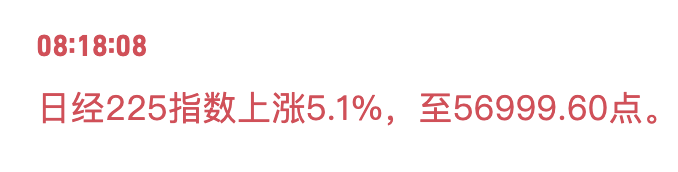
市场果然买单,看来搞事早苗这波胜选奠定了日本再一轮超级大放水的基础,未来起码不用考虑日元再出现黑天鹅之类的鬼故事了。 其实利好全球,毕竟全球印钞机的发动机。
陳威廉 tweet media
中文
40
9
295
92.1K
baipaoyimo
baipaoyimo@baipaoyimo·
@_FORAB 这个时候巴菲特和查理芒格就会出来告诉你 可乐和粮食更加重要
中文
0
0
1
670
AB Kuai.Dong
AB Kuai.Dong@_FORAB·
这篇帖子,能解释为何几大巨头,都在不惜一切烧钱。 马斯克认为,一旦以下模式: 太阳能发电 → 机器人制造 → 芯片制造 → 人工智能 这个闭环真正跑通,传统货币只会成为阻碍。 到那时,真正重要的只有功率和产能,而不是美元。因为人们对于智能的需求是无限的。 谁能控制更多的能源、产能,谁就控制真实世界的增长,而不是谁账上美元多。 所以 2026 年,大家所看到的,美股各家巨头都在不惜一切,扩展更多的数据中心,砸钱上强度。 军备竞赛已正式开启。
Elon Musk@elonmusk

True. Once the solar energy generation to robot manufacturing to chip fabrication to AI loop is closed, conventional currency will just get in the way. Just wattage and tonnage will matter, not dollars.

中文
83
49
335
87.8K