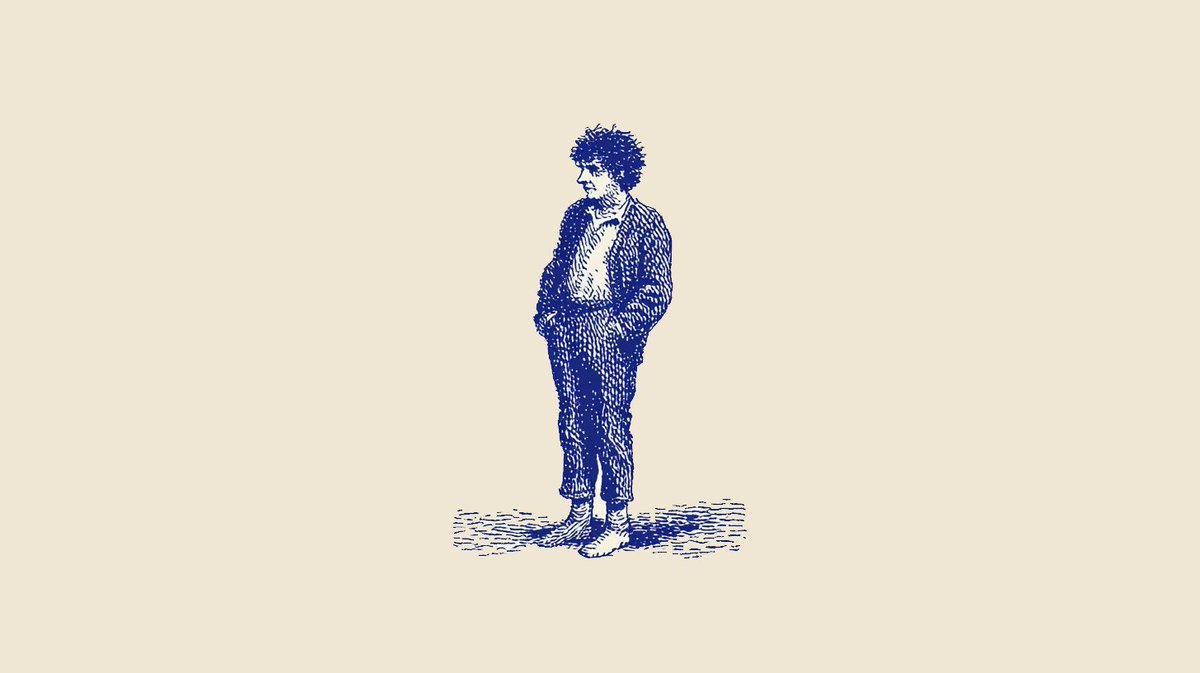
@venturetwins @krea_ai Team did such a good job creating an app interface that didnt feel like everything else
English
Chase
105 posts






We’re publishing a new constitution for Claude. The constitution is a detailed description of our vision for Claude’s behavior and values. It’s written primarily for Claude, and used directly in our training process. anthropic.com/news/claude-ne…


I read every one of Anthropic’s job openings so you don’t have to. Turns out they’re working on way more than code. Here are the 5 biggest new surprises (ABCDE): — Audio: even though they’ve focused primarily on text, there’s a new role to work on “understanding and generating speech and audio” including speech language models and audio diffusion models — Biology: accelerate progress in life sciences by 10x — Cybersecurity: they have a data, RL and engg to make “AI powered products for cybersecurity” — Discovery: build an AI Scientist that solves “scientific Artificial General Intelligence” — Eyes / Vision: improve Claude’s vision and spatial capabilities

File over app File over app is a philosophy: if you want to create digital artifacts that last, they must be files you can control, in formats that are easy to retrieve and read. Use tools that give you this freedom. File over app is an appeal to tool makers: accept that all software is ephemeral, and give people ownership over their data. In the fullness of time, the files you create are more important than the tools you use to create them. Apps are ephemeral, but your files have a chance to last. The pyramids of Egypt contain hieroglyphs that were chiseled in stone thousands of years ago. The ideas hieroglyphs convey are more important than the type of chisel that was used to carve them. The world is filled with ideas from generations past, transmitted through many mediums, from clay tablets to manuscripts, paintings, sculptures, and tapestries. These artifacts are objects that you can touch, hold, own, store, preserve, and look at. To read something written on paper all you need is eyeballs. Today, we are creating innumerable digital artifacts, but most of these artifacts are out of our control. They are stored on servers, in databases, gated behind an internet connection, and login to a cloud service. Even the files on your hard drive use proprietary formats that make them incompatible with older systems. Paraphrasing something I wrote recently: > If you want your writing to still be readable on a computer from the 2060s or 2160s, it’s important that your notes can be read on a computer from the 1960s. You should want the files you create to be durable, not only for posterity, but also for your future self. You never know when you might want to go back to something you created years or decades ago. Don’t lock your data into a format you can’t retrieve. These days I write using an app I help make called Obsidian (@obsdmd), but it’s a delusion to think it will last forever. The app will eventually become obsolete. It’s the plain text files I create that are designed to last. Who knows if anyone will want to read them besides me, but future me is enough of an audience to make it worthwhile.
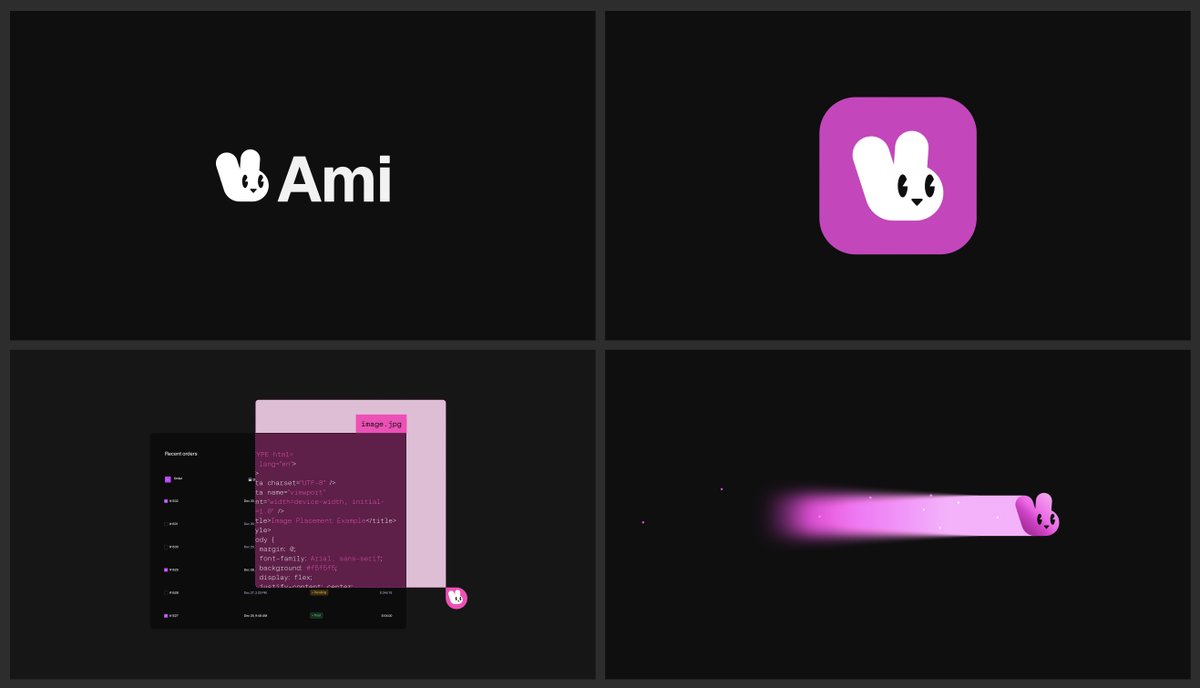
introducing Ami comment on the page → make a change to your app