Ben Hale

115 posts

Ben Hale

Ben Hale

@BenHalePhD

Professor of Medical Virology @UZH_Virology @UZH_en. Interested in interferons & causes of severe viral disease.

Zurich, Switzerland Katılım Mayıs 2018
189 Takip Edilen3.3K Takipçiler
Ben Hale
Ben Hale@BenHalePhD·
In a new article with Kevin Groen, we review the most recent scientific developments relating to autoantibodies targeting type I interferons and their impacts on severe viral disease: doi.org/10.1016/j.covi…
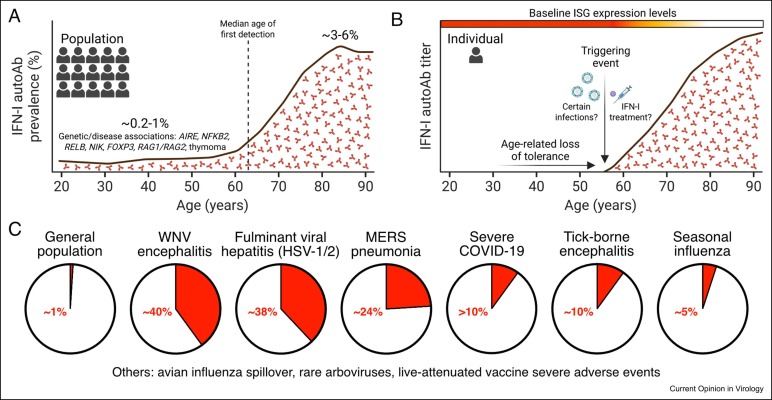
Ben Hale tweet media
English
7
8
21
3.5K
Ben Hale
Ben Hale@BenHalePhD·
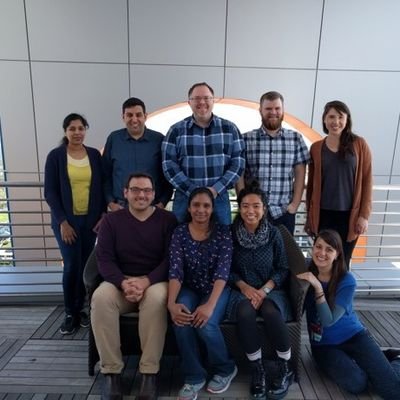
Thank-you @casanova_lab for the invitation to be a participant at your celebratory Novo Nordisk Prize Symposium. I appreciated being able to present alongside an array of leading researchers, & to meet many welcoming people in the field of Inborn Errors of Immunity! Congrats!
Casanova Lab@casanova_lab

1/ We are celebrating the Novo Nordisk Prize Symposium: Inborn Errors of Immunity – a huge success yesterday at the @InstitutImagine in Paris featuring talks by 19 leading European researchers on human IEI

English
1
0
11
1.4K
Ben Hale
Ben Hale@BenHalePhD·
'TRIM28 is a target for paramyxovirus V proteins'. Work by Gauthier Lieber addresses whether host endogenous retroelements contribute to antiviral defence. As evidence, he describes a viral mechanism that might limit this response. @PLOSPathogens doi.org/10.1371/journa…
English
0
2
17
1K
Ben Hale
Ben Hale@BenHalePhD·
Now in press: Marie Lork et al studied host transposable elements during influenza A virus infection. We found evidence that some produce dsRNA, but that these host dsRNAs are limited from reaching the cytosol by the viral NS1 protein. @emboreports embopress.org/doi/full/10.10…
English
0
2
14
841
Ben Hale
Ben Hale@BenHalePhD·
'TRIM28 is a target for paramyxovirus V proteins' - the major project from Gauthier Lieber while he was a PhD student in my lab is now available as a preprint: biorxiv.org/content/10.110…
English
0
2
16
1.1K
Ben Hale retweetledi
University of Zurich
University of Zurich@UZH_en·
An immune system defect makes affected individuals vulnerable to severe viral diseases such as influenza or COVID-19. It is caused by the body's own antibodies. UZH researchers have now generated “decoy molecules” that restore the immune defense – the foundation for a possible new therapy. news.uzh.ch/en/articles/me…
University of Zurich tweet media
English
0
11
22
2K
Ben Hale retweetledi
Journal of Experimental Medicine
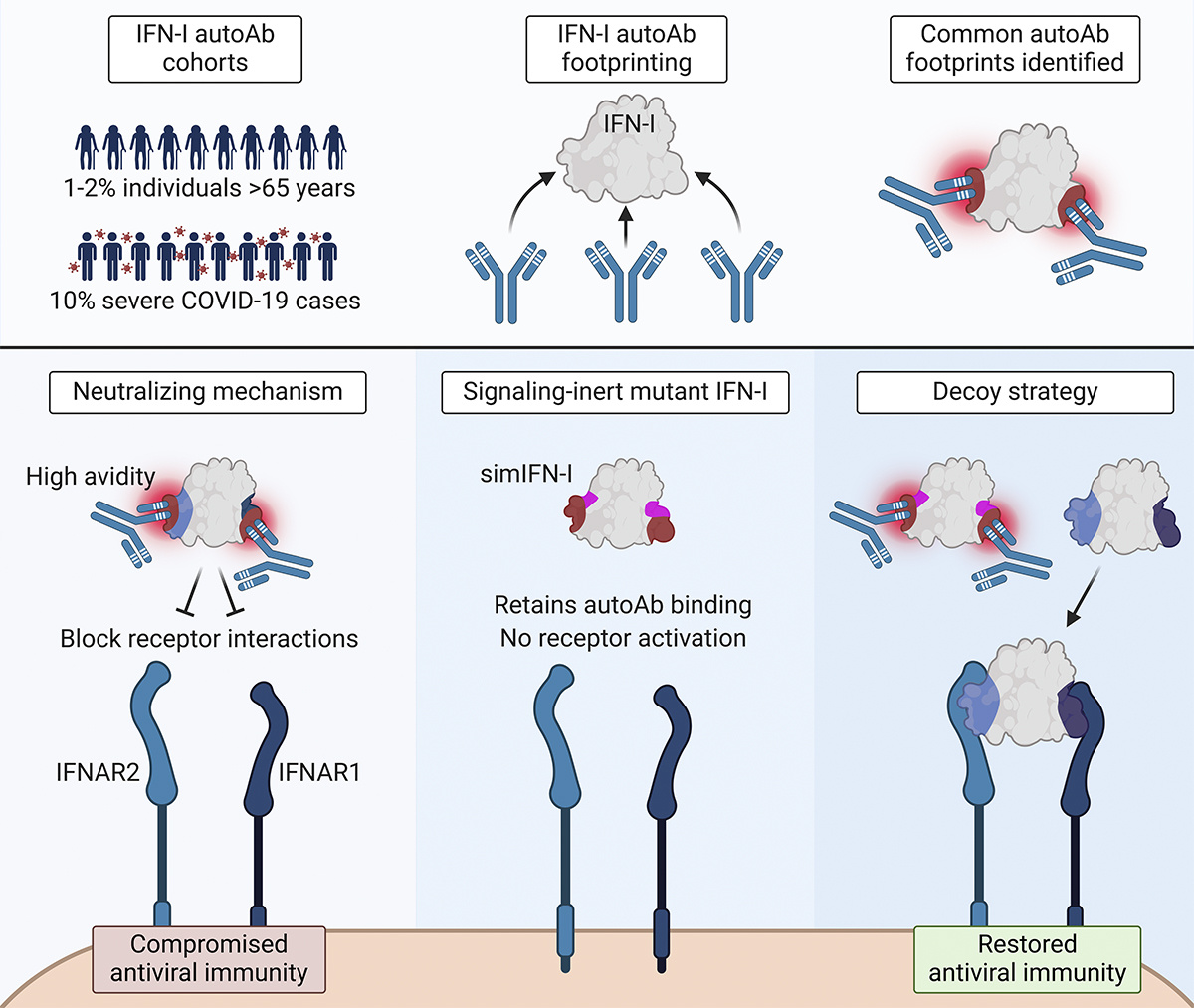
AutoAbs neutralizing IFN-Is exacerbate severe viral diseases. Groen et al. @BenHalePhD @UZH_en identify IFN-I regions commonly targeted by these autoAbs and develop a proof-of-concept decoy strategy to alleviate pathogenic effects. hubs.la/Q03cMHp90
Journal of Experimental Medicine tweet media
English
0
15
58
6.4K
Ben Hale retweetledi
ESID
ESID@ESIDsociety·
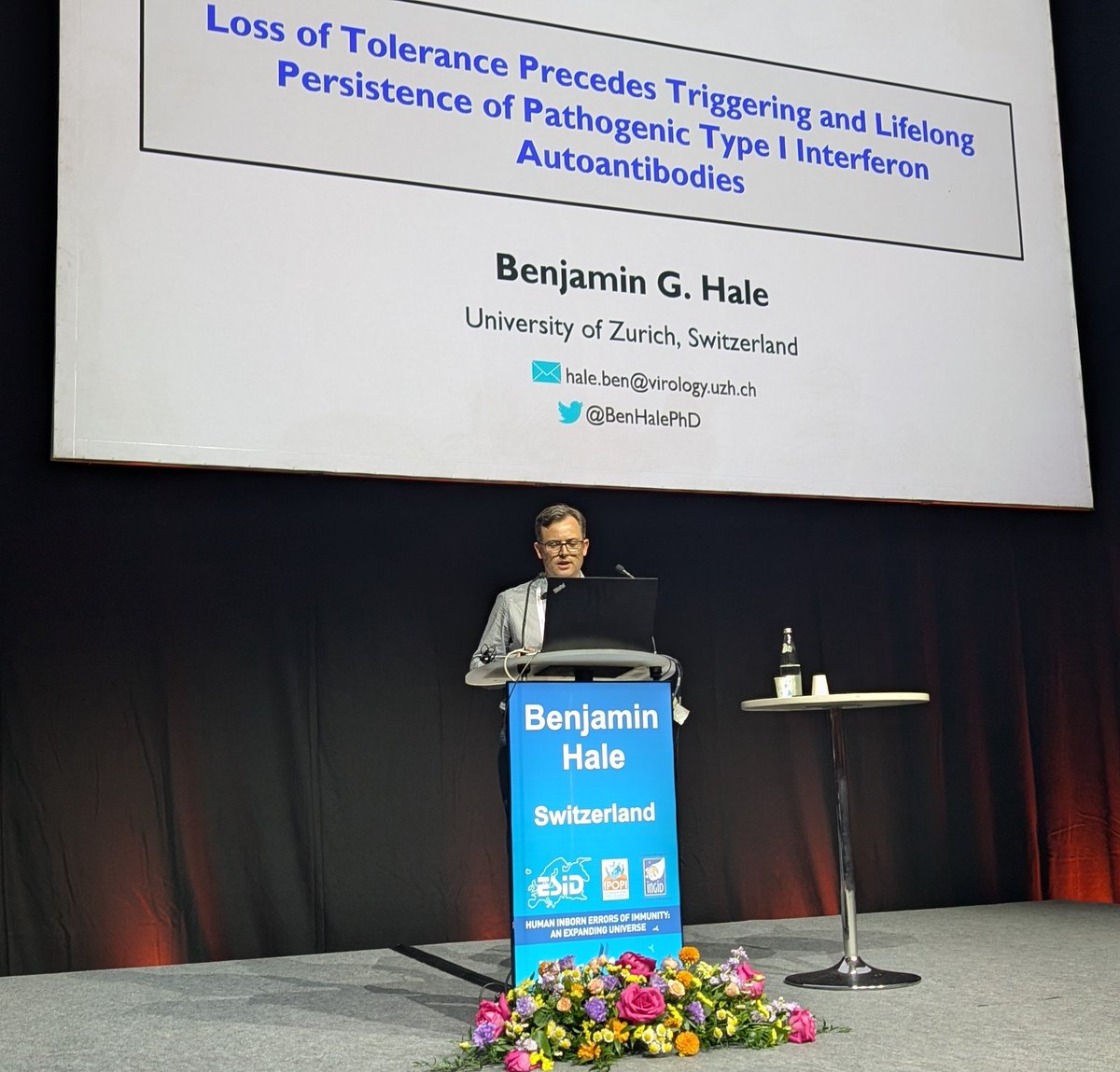
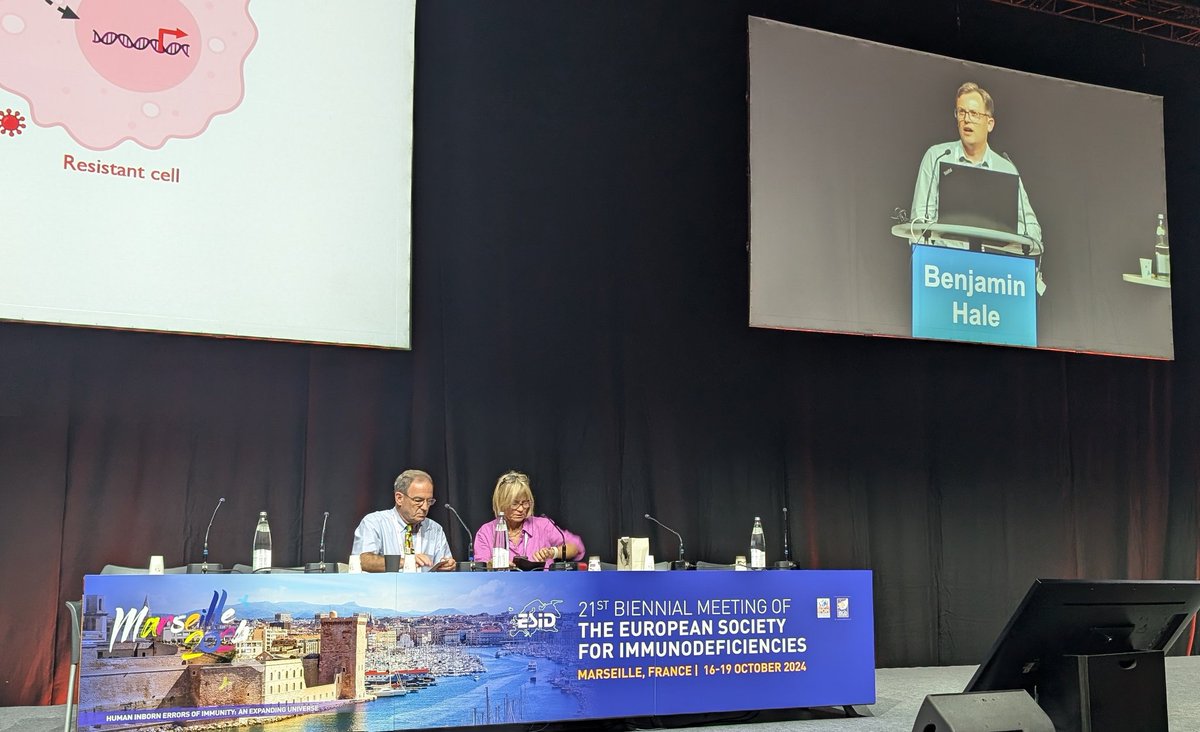
The Phenocopies of IEI session at #ESID2024 features experts Steve Holland, @anne_puel, @BenHalePhD, Aude Magerus, Sophie Hambleton, and @grvsadrian exploring how similar phenotypes emerge from different genetic causes. #IEI #ESID
ESID tweet mediaESID tweet media
English
0
2
18
1.1K
Ben Hale retweetledi
Journal of Experimental Medicine
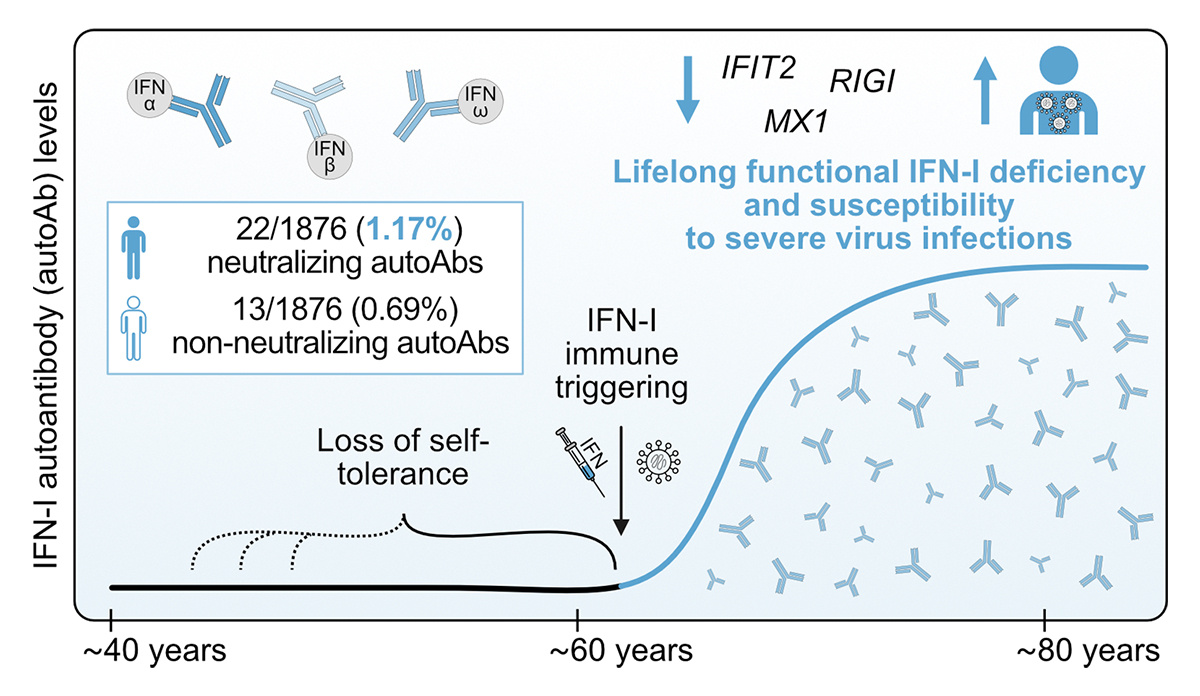
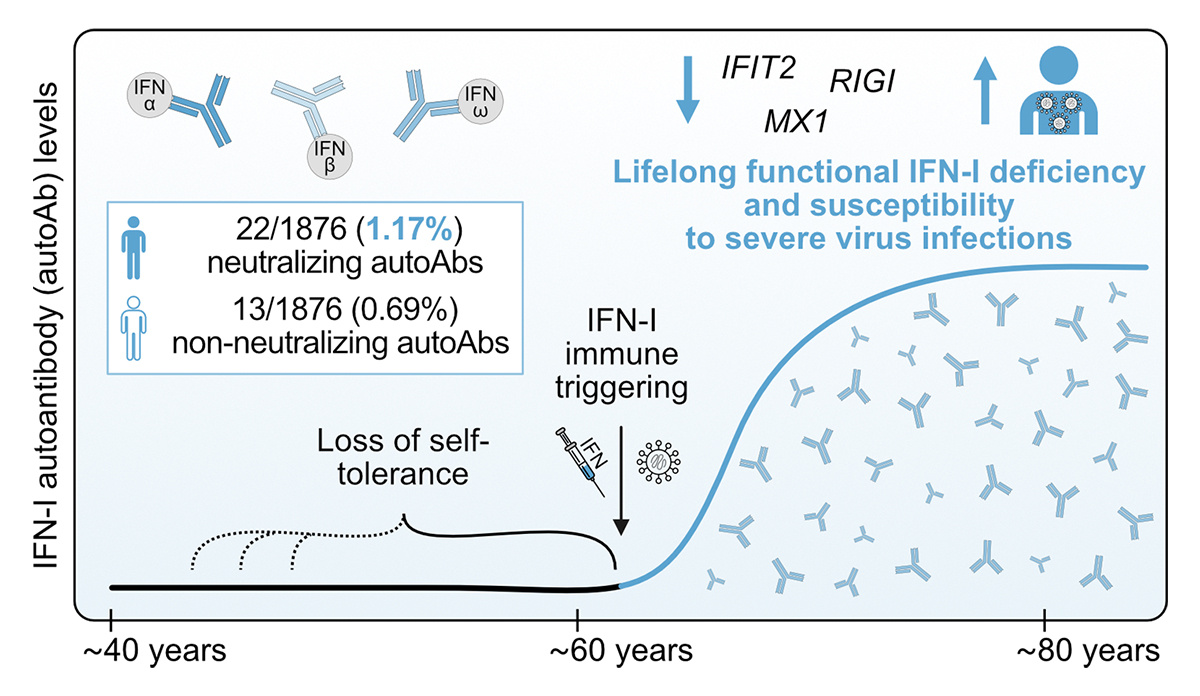
By tracing development of anti-IFN-I autoantibodies in individuals over a 35 year period, @BenHalePhD et al suggest that loss of self-tolerance prior to immune-triggering poses a risk for lifelong autoantibody-mediated functional IFN-I deficiency. hubs.la/Q02H59Hq0
Journal of Experimental Medicine tweet media
English
1
17
64
4.9K