Ethan Sacoransky

8.6K posts

Ethan Sacoransky banner
Ethan Sacoransky

Ethan Sacoransky

@blizzardof96

Diagnostic Radiology Resident @usask | Physician & Meteorologist

Saskatoon, SK Katılım Haziran 2012
577 Takip Edilen6.7K Takipçiler
Ethan Sacoransky
Ethan Sacoransky@blizzardof96·
@TrackerSacker A moderate event is possible, though I think a strong event is more likely given current data
English
0
0
1
21
Ethan Sacoransky
Ethan Sacoransky@blizzardof96·
La Niña is over, as a strong El Niño takes shape in the tropical Pacific.
Ethan Sacoransky tweet media
Español
10
47
217
14.7K
Ethan Sacoransky
Ethan Sacoransky@blizzardof96·
There is no need for a paper here. You cite the rONI index for December–February at −0.9°C; however, when looking at current ENSO anomalies, you will not find values that remotely resemble that, as surface warming has occurred since the Dec–Feb period and is expected to continue through the spring.
English
1
0
5
337
Franklin Isaac Ormaza
Franklin Isaac Ormaza@FranklinOrmaza1·
Dear Ethan. So, please write a paper (for Nature Journal) showing RONI, SOI, etc definitions are "lagging" metric. All oceanographic literature about these events/phenomena use these indexes. The tendency exists, the possibilities of a El Niño event is consistente, wait for it.
Ethan Sacoransky@blizzardof96

rONI is an important metric, but as a three-month average (December–February), it does not accurately reflect the current state of the tropical Pacific given the large temporal changes we’ve been seeing. This averaging introduces a lag, particularly when conditions are transitioning from a previous base state.
English
1
2
5
906
Ethan Sacoransky
Ethan Sacoransky@blizzardof96·
While there is still debate among meteorologists regarding the progression of El Niño—particularly in terms of its strength (ranging from moderate to strong to super El Niño), the rate at which it develops, and the position of the warmest anomalies (east-based versus basin-wide)—climate models are increasingly pointing toward a strong east-based event, which is associated with some of the warmest winters across much of Canada and the northern United States.
English
5
1
37
2.7K
Ethan Sacoransky
Ethan Sacoransky@blizzardof96·
rONI is an important metric, but as a three-month average (December–February), it does not accurately reflect the current state of the tropical Pacific given the large temporal changes we’ve been seeing. This averaging introduces a lag, particularly when conditions are transitioning from a previous base state.
English
0
0
1
1.1K
Ethan Sacoransky
Ethan Sacoransky@blizzardof96·
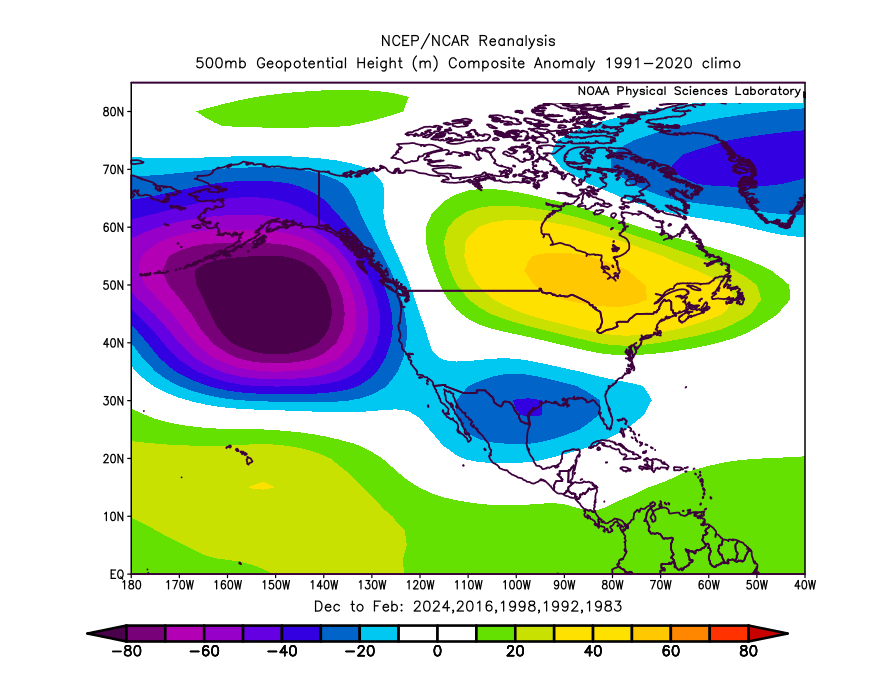
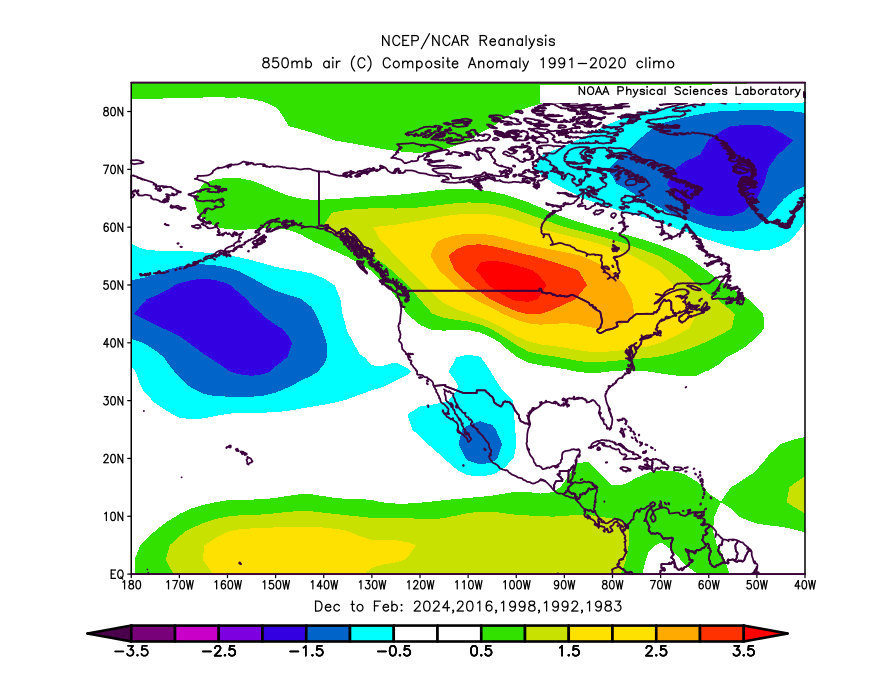
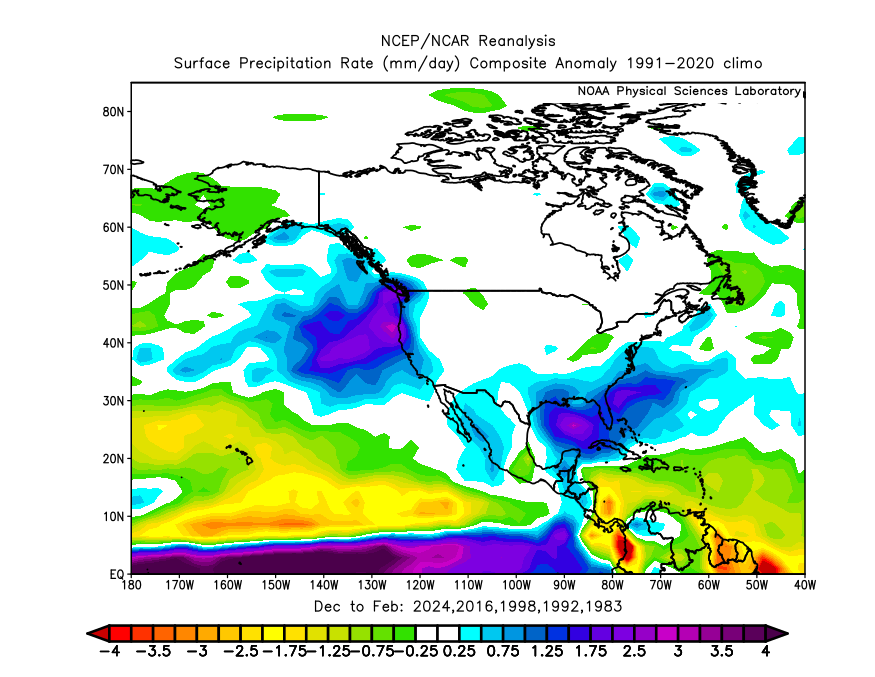
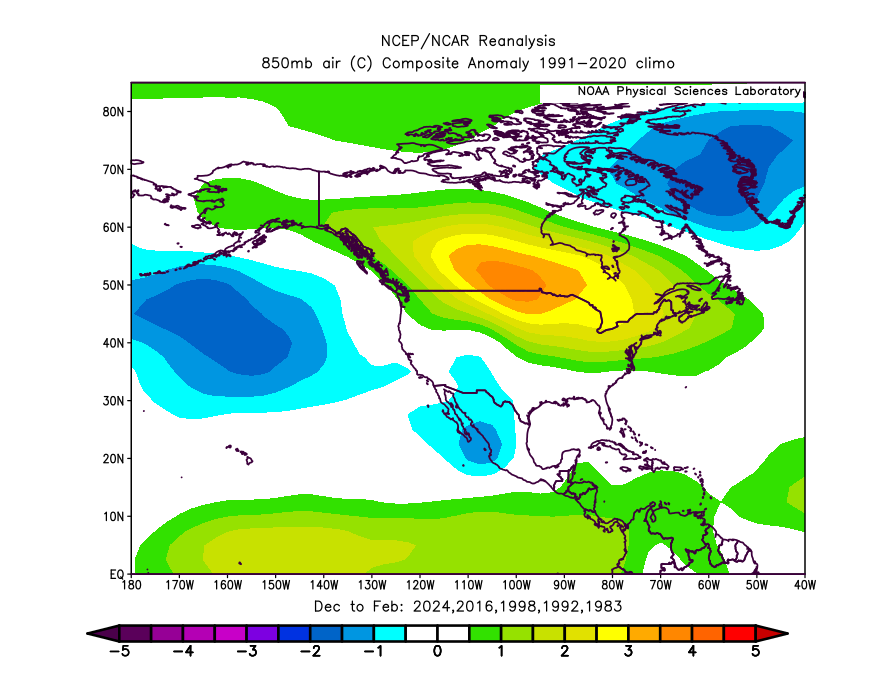
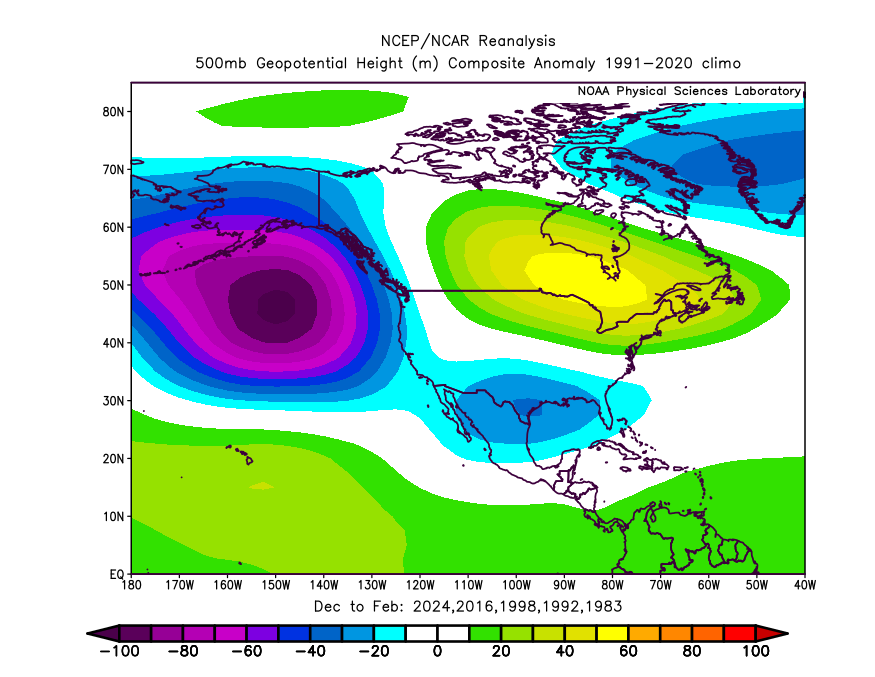
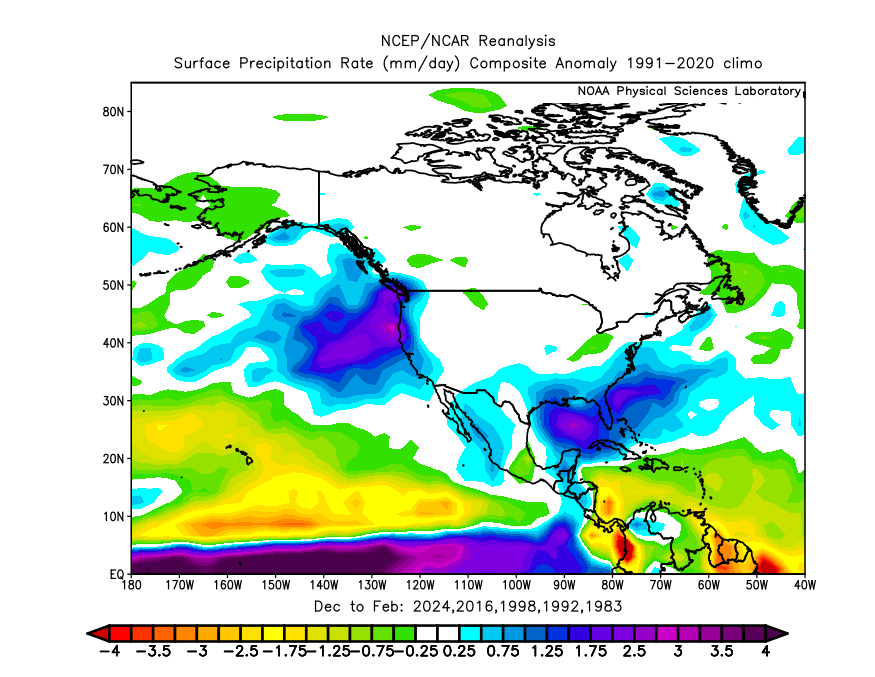
A composite of the last five strong El Niño winters looked like this across North America.
Ethan Sacoransky tweet mediaEthan Sacoransky tweet mediaEthan Sacoransky tweet media
English
3
1
72
3.6K
Ethan Sacoransky
Ethan Sacoransky@blizzardof96·
Strong El Niño events, as forecast for next winter, are consistently associated with the warmest and least snowy winters in Canada. However, they have also been linked to unusual events, such as the January 1998 ice storm, which occurred during the 1997–1998 super El Niño.
English
3
6
55
4.7K
Ethan Sacoransky
Ethan Sacoransky@blizzardof96·
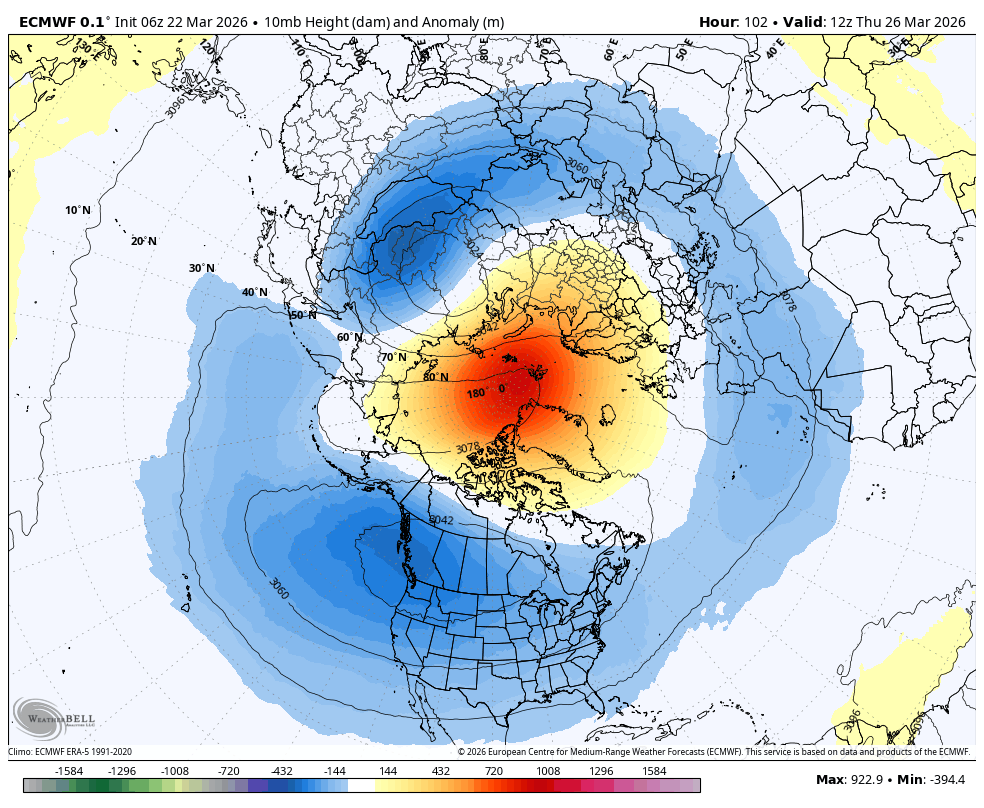
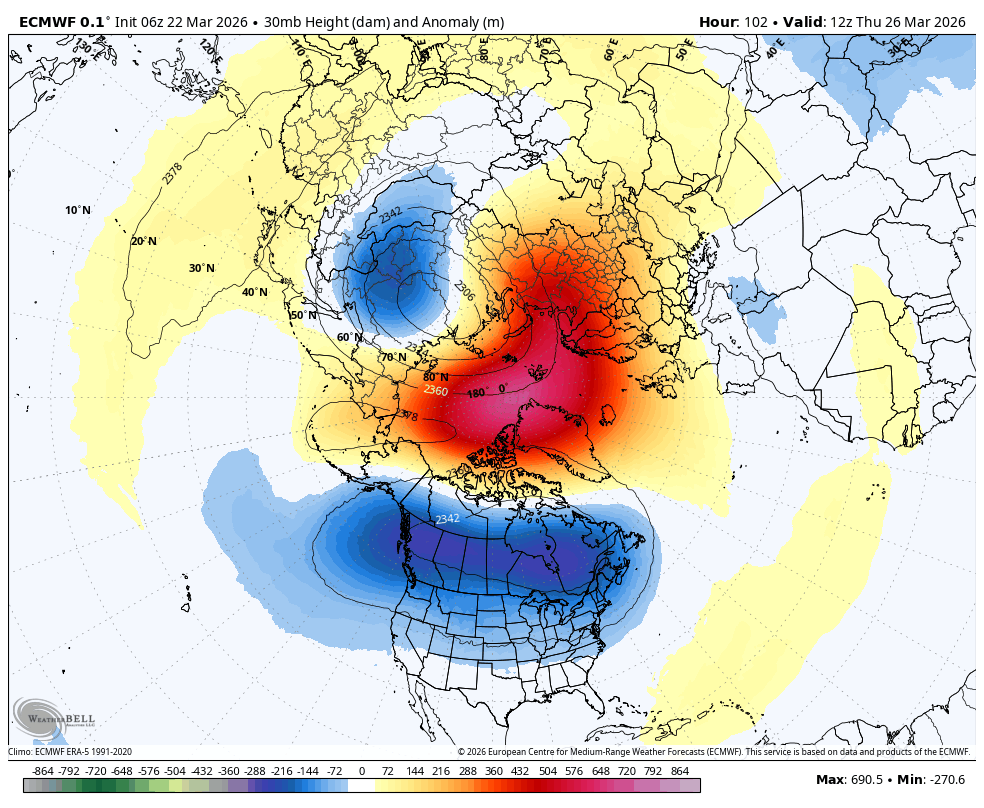
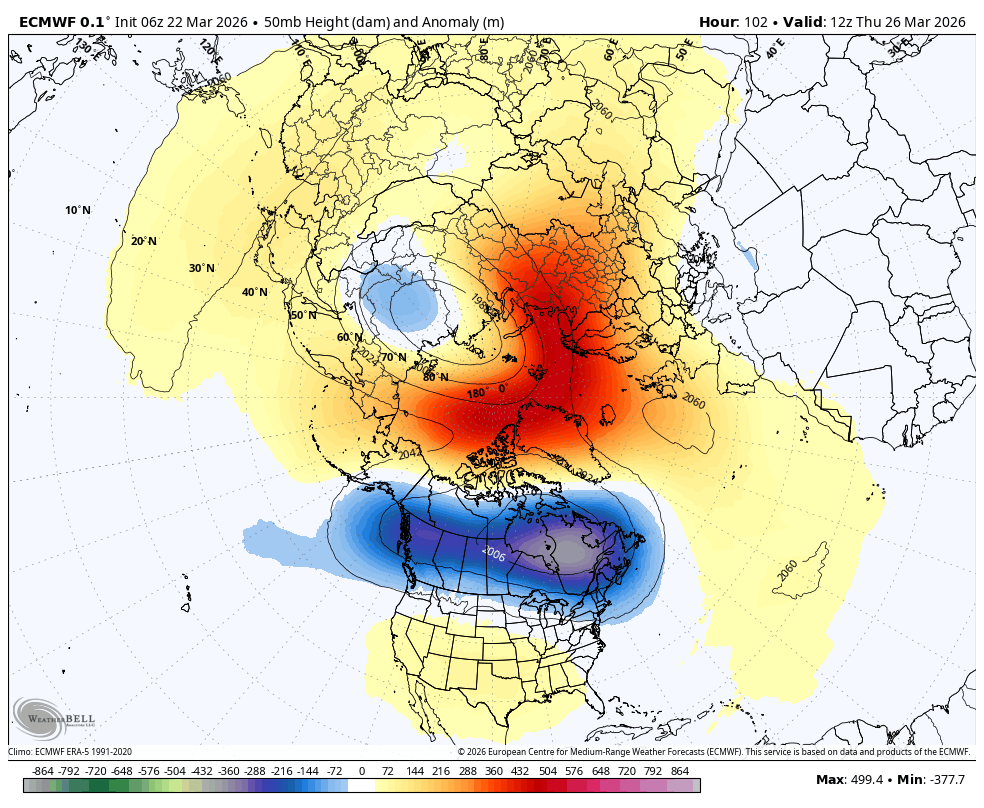
The ECMWF forecast for March 26th shows a polar vortex split extending from 10hPa down to 50hPa.
Ethan Sacoransky tweet mediaEthan Sacoransky tweet mediaEthan Sacoransky tweet media
English
0
0
8
639
Ethan Sacoransky
Ethan Sacoransky@blizzardof96·
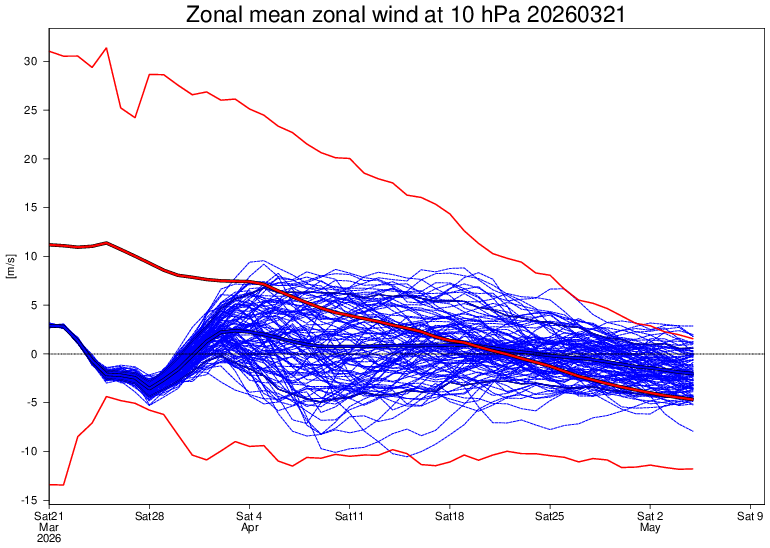
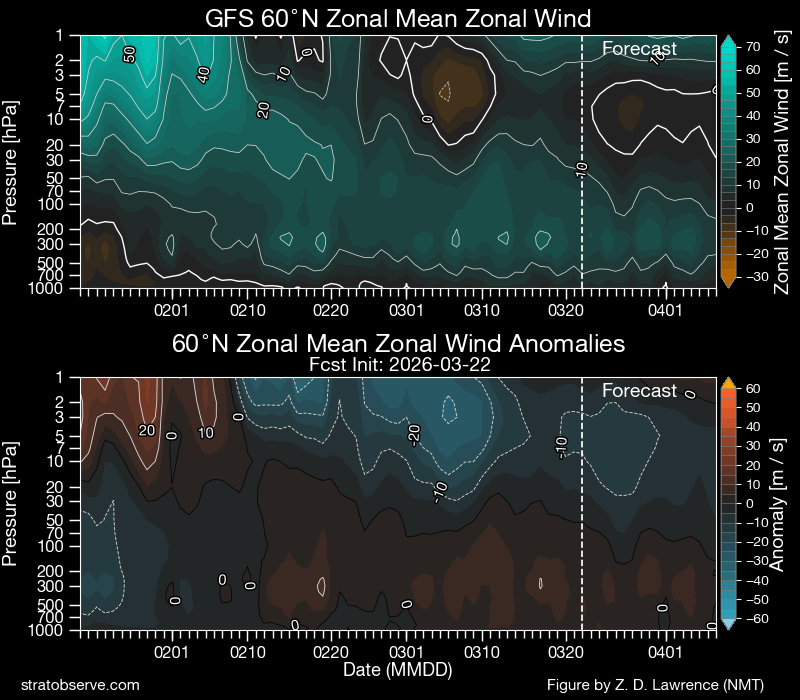
This March we saw a major sudden stratospheric warming (SSW) centered around March 5, and forecast guidance now suggests renewed stratospheric warming and further polar-vortex disruption around March 26–28. SSW criteria require (i) winds to return to westerly for 20 consecutive days between separate events, and (ii) winds to return to westerly for at least 10 consecutive days before 30 April, otherwise the event is considered a final warming and is excluded from “midwinter major SSW” catalogs. In the first event, we did not see easterly wind anomalies clearly propagate downward from the stratosphere into the troposphere. However, forecasts for the upcoming event place the wind reversal lower in the stratosphere, and subsequent guidance suggests at least the possibility of downward propagation into the troposphere. If that occurs, it would increase the likelihood of more high-latitude blocking in April, although that connection remains uncertain at this lead time.
Ethan Sacoransky tweet mediaEthan Sacoransky tweet media
English
6
4
60
4.9K
Ethan Sacoransky
Ethan Sacoransky@blizzardof96·
@alluringstorms I am using beginning of November through end of April, which aligns with local range of snowfall climatology.
English
1
0
2
79
alluringstorms 🇨🇦
alluringstorms 🇨🇦@alluringstorms·
@blizzardof96 When does Winter end in these totals? Like what's the range in which the cm's of snow received can't be added to this current seasons's Winter?
English
1
0
1
139
Ethan Sacoransky
Ethan Sacoransky@blizzardof96·
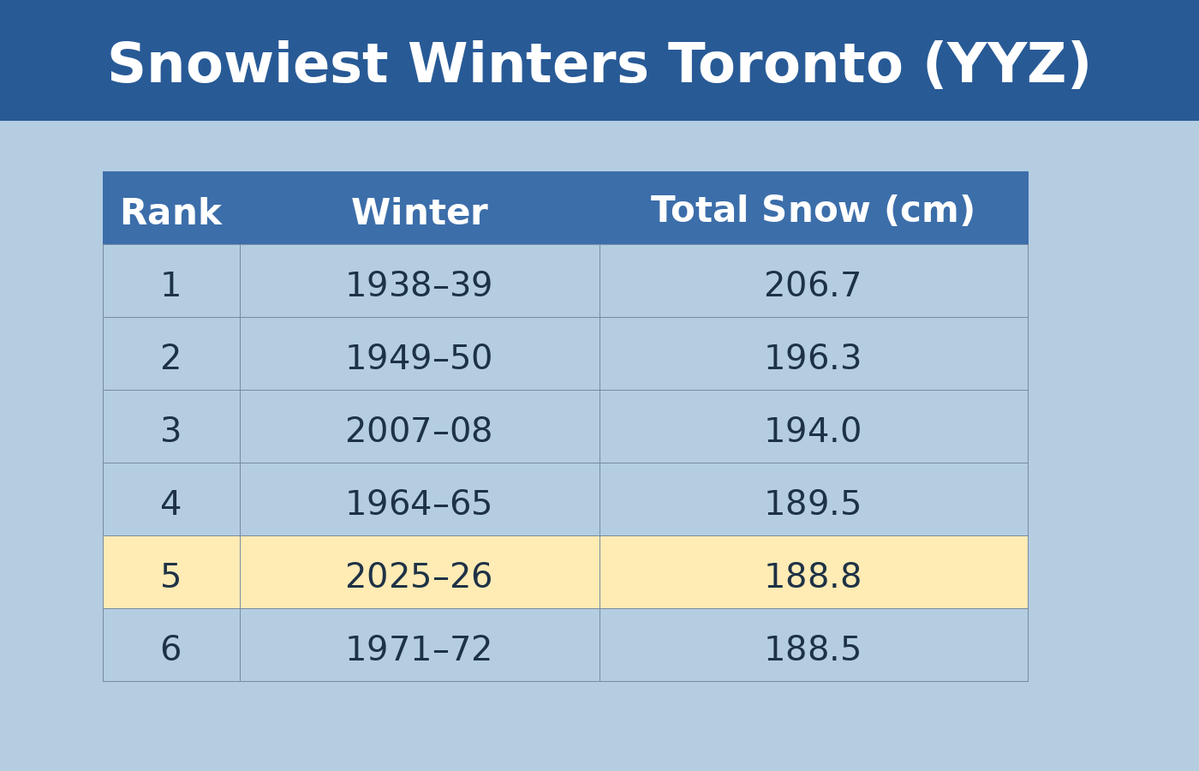
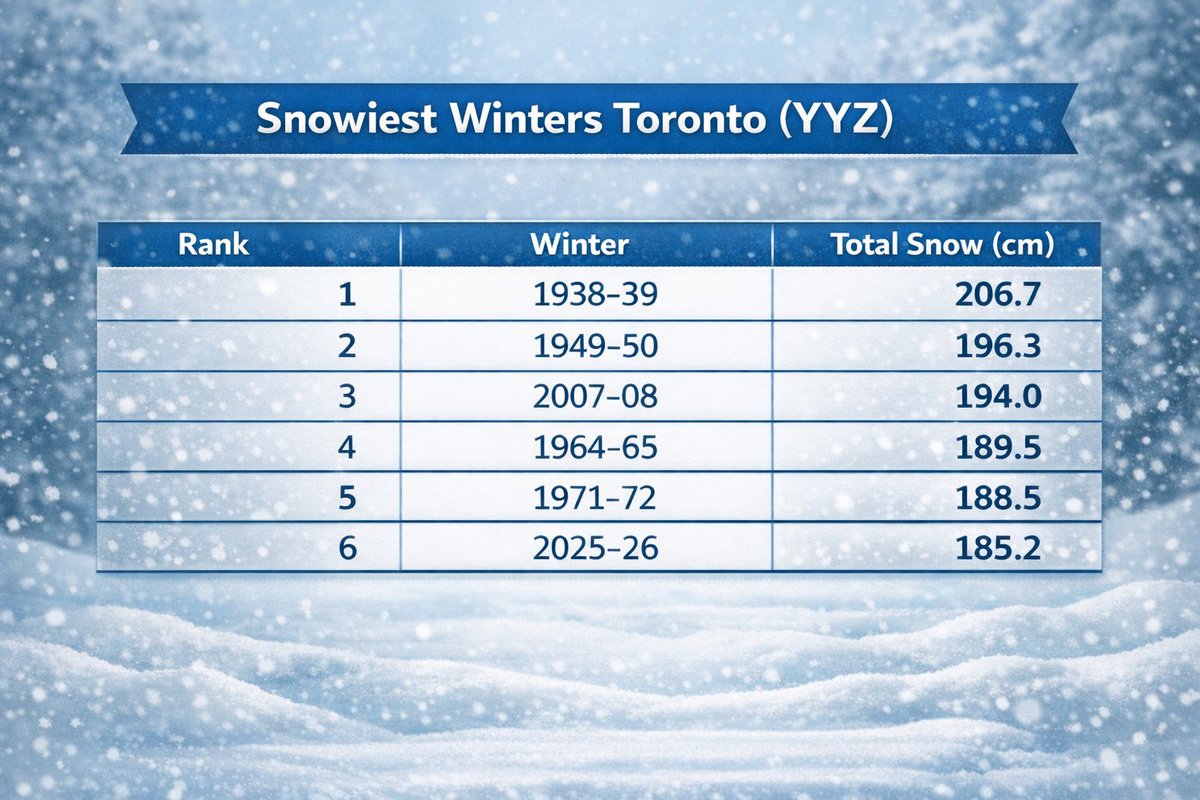
Yesterday’s 5.6cm snowfall brings Toronto to 6th snowiest winter on record with 185.2cm. Another 2-6cm of snow is expected tomorrow morning, special weather statement issued by Environment Canada.
Ethan Sacoransky tweet media
English
3
7
46
4.2K
Ethan Sacoransky
Ethan Sacoransky@blizzardof96·
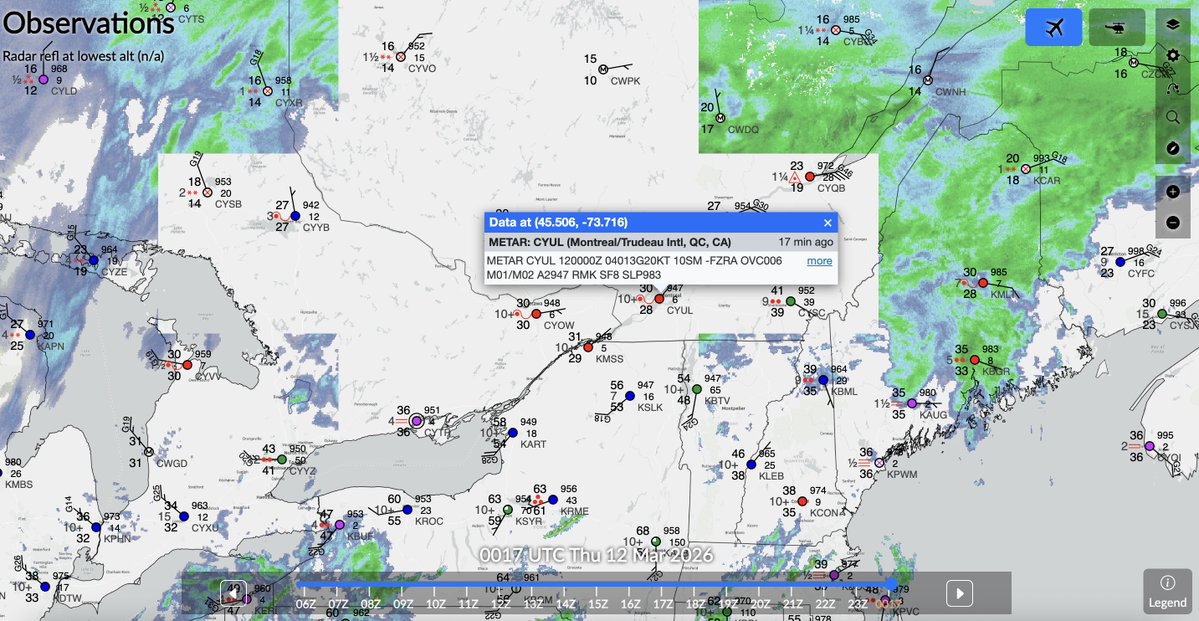
Freezing rain being reported in MTL and Ottawa
Ethan Sacoransky tweet media
English
0
0
1
577
Ethan Sacoransky
Ethan Sacoransky@blizzardof96·
This is a textbook synoptic setup for freezing rain along the St. Lawrence Valley: cold air becomes trapped in the valley with northeasterly flow aligned along the valley axis, while a warm tongue aloft advects in from the southwest.
Ethan Sacoransky tweet mediaEthan Sacoransky tweet media
English
1
0
16
1.5K
Ethan Sacoransky
Ethan Sacoransky@blizzardof96·
There have been several notable late-season freezing rain / ice storms in Ontario and Québec over the last decade, including some in March and especially April, which is a climatologically favoured time because shallow cold air can remain near the surface while warm air overruns aloft. Mar 28–31, 2025 — Large ice storm in Ontario & Québec (hundreds of thousands without power). Apr 5–6, 2023 — Major eastern Ontario–southern Québec ice storm Apr 14–16, 2018 — Prolonged freezing rain across southern Ontario & Québec Mar 23–26, 2016 — Southern Ontario ice storm (~$25M damage)
English
0
3
31
2.9K
Ethan Sacoransky
Ethan Sacoransky@blizzardof96·
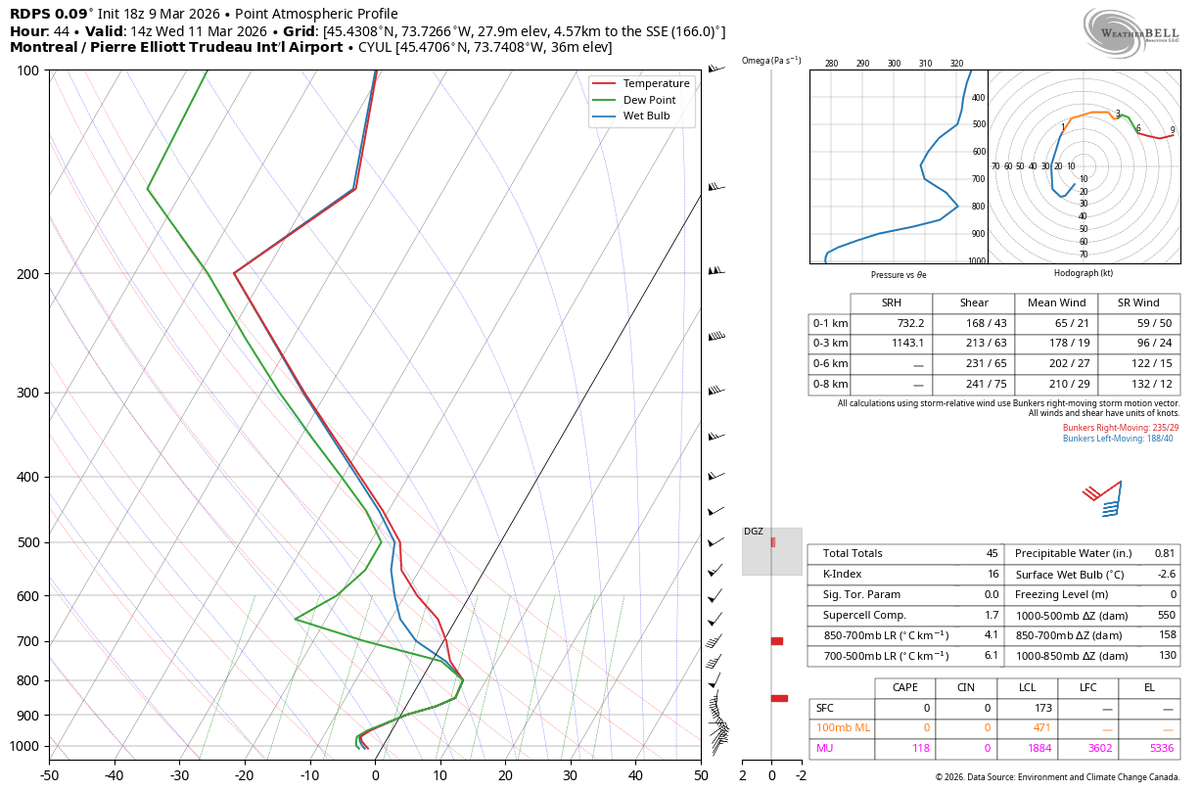
Textbook freezing rain profile for Montreal on Wednesday
Ethan Sacoransky tweet media
English
0
1
20
1.4K
Ethan Sacoransky
Ethan Sacoransky@blizzardof96·
RGEM model depicting a major ice storm for the Montreal area on Wednesday. Ice extends west to the Ottawa Valley and central Ontario.
Ethan Sacoransky tweet media
English
0
4
41
3.1K
Chris Murphy TWN
Chris Murphy TWN@MurphTWN·
Meteorological Spring arrived March 1st. Astronomical Spring arrives March 20th this year. Do you consider #March to be a winter month or a spring month? Your location will certainly influence your answer:
English
19
1
12
2.4K