Sabitlenmiş Tweet
区块马
2.2K posts
@blockma
Solidity & Python Developer; Onchain Scientist; GenZ, Investor; Researcher @KernelVentures; Welcome DM.

去年参加的BILL 打新,打新价格0.01,但要等半年后才解锁 当时打了7000U,算上送的25%代币,目前价值12.8万U 纸面财富,好烦 评论区随机抽10名,解锁后每人送1000枚代币,目前价值140U。 明天用Grok开奖,让你们跟我一起烦恼





[ 账户里还有100万u,被 onchain dex 锁了 ] 认真地提问: 你们都知道我是做套利的,从来不搞什么歪门斜道,也没有能力去搞那些只有故事里听到过的有的没的。就是看交易所订单簿上自己标的价,我看有利可图就下单。 今天有个做市商说他们不小心标错了价格,找平台锁了我的账户,账户里还有100万u,让我把利润归还就给解锁,我该给吗? 如果你觉得要给的话,给百分之多少合理呢? 过来人有什么建议? 项目方和做市商也都还在和我积极沟通,所以这篇推文不去谴责任何人也不做任何定性,就是想看看大家是怎么想的。

Blockwaver is live on Pharos 🌊 Every 1024 blocks, one block gets selected — and every transaction inside it earns rewards. 🧩 80 $PROS per round ⚡ Split between regular + special transactions 🎯 Just transact on Pharos with your wallet to participate Every 1024 blocks: • 1 winning block • 80 $PROS distributed • All txs in that block share rewards 🔹 40 $PROS → regular txs 🔹 40 $PROS → special txs This week's special transaction is powered by: @FaroSwap @prospixels No quests. No farming tricks—just real on-chain activity. Starts Apr 30, 20:00 → Jun 14, 20:00 (UTC+8) → until 100,000 $PROS is distributed. Let the chain decide. Ride the wave. port.pharos.xyz/blockwaver


신규 디지털 자산 파로스(PROS) 거래지원 안내 ✅ 지원 마켓: KRW, BTC, USDT 마켓 📅 거래지원 개시 시점 : 2026-05-08 20:30 KST 예정 🔗공지 바로가기: upbit.com/service_center… #Upbit #PROS @pharos_network
谢谢你们,小马我终于赚钱了。其实 @pharos_network 给散户的机会一直挺多的。 前几天对赌交割条件达成,52M 美元融资款到账之后,币价居然还一直没什么动静,我当时就感觉项目方估计在憋大的。结果今天 Upbit + Bithumb 真来了。 其实一直都在参与,手里也买了 + 撸了一篮子 PROS。原因很简单:当时已经跌破对赌协议里最低 FDV 的 8 折,也就是 7.6 亿美金附近了,性价比还行。另外我也一直在撸,比如和 @prospixels 搞的画图活动,还有抢奖励区块这些。整体体验下来,我觉得算是比较散户友好的那种:阳光普照、没什么老鼠仓,基本人人动动手都能撸一点。 现在韩所也达成了,接下来是不是该冲击一下“大满贯”了?OKX、BN?期待一下宇宙所上线 😂 另外最近链上热钱确实很多,但大部分都在 ETH 链各种小玩意里卷。我反而觉得可以看看 Pharos 这边的一些活动,虽然不像 meme 那样一夜几十倍,但撸几顿猪脚饭问题还是不大的。像 BlockWave,还有和 OKX Boost 联动的活动,奖励其实都给得挺大方。 DYOR,本人纯看好+胆子大才买的,我目前还没跑,不炒币的就去看看参加些活动吧,也都是 0 撸的。
谢谢你们,小马我终于赚钱了。其实 @pharos_network 给散户的机会一直挺多的。 前几天对赌交割条件达成,52M 美元融资款到账之后,币价居然还一直没什么动静,我当时就感觉项目方估计在憋大的。结果今天 Upbit + Bithumb 真来了。 其实一直都在参与,手里也买了 + 撸了一篮子 PROS。原因很简单:当时已经跌破对赌协议里最低 FDV 的 8 折,也就是 7.6 亿美金附近了,性价比还行。另外我也一直在撸,比如和 @prospixels 搞的画图活动,还有抢奖励区块这些。整体体验下来,我觉得算是比较散户友好的那种:阳光普照、没什么老鼠仓,基本人人动动手都能撸一点。 现在韩所也达成了,接下来是不是该冲击一下“大满贯”了?OKX、BN?期待一下宇宙所上线 😂 另外最近链上热钱确实很多,但大部分都在 ETH 链各种小玩意里卷。我反而觉得可以看看 Pharos 这边的一些活动,虽然不像 meme 那样一夜几十倍,但撸几顿猪脚饭问题还是不大的。像 BlockWave,还有和 OKX Boost 联动的活动,奖励其实都给得挺大方。 DYOR,本人纯看好+胆子大才买的,我目前还没跑,不炒币的就去看看参加些活动吧,也都是 0 撸的。
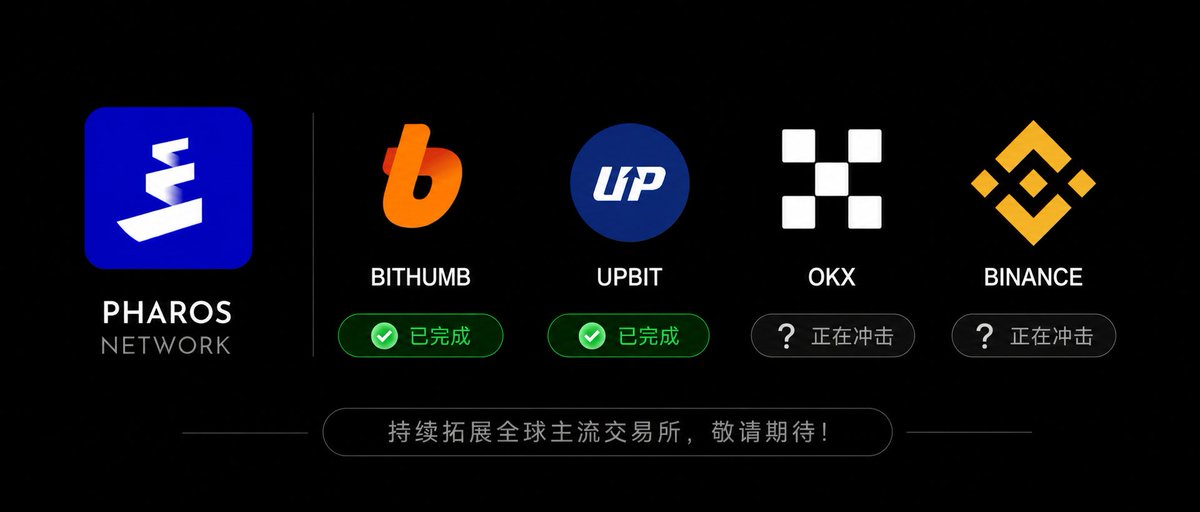
신규 디지털 자산 파로스(PROS) 거래지원 안내 ✅ 지원 마켓: KRW, BTC, USDT 마켓 📅 거래지원 개시 시점 : 2026-05-08 20:30 KST 예정 🔗공지 바로가기: upbit.com/service_center… #Upbit #PROS @pharos_network
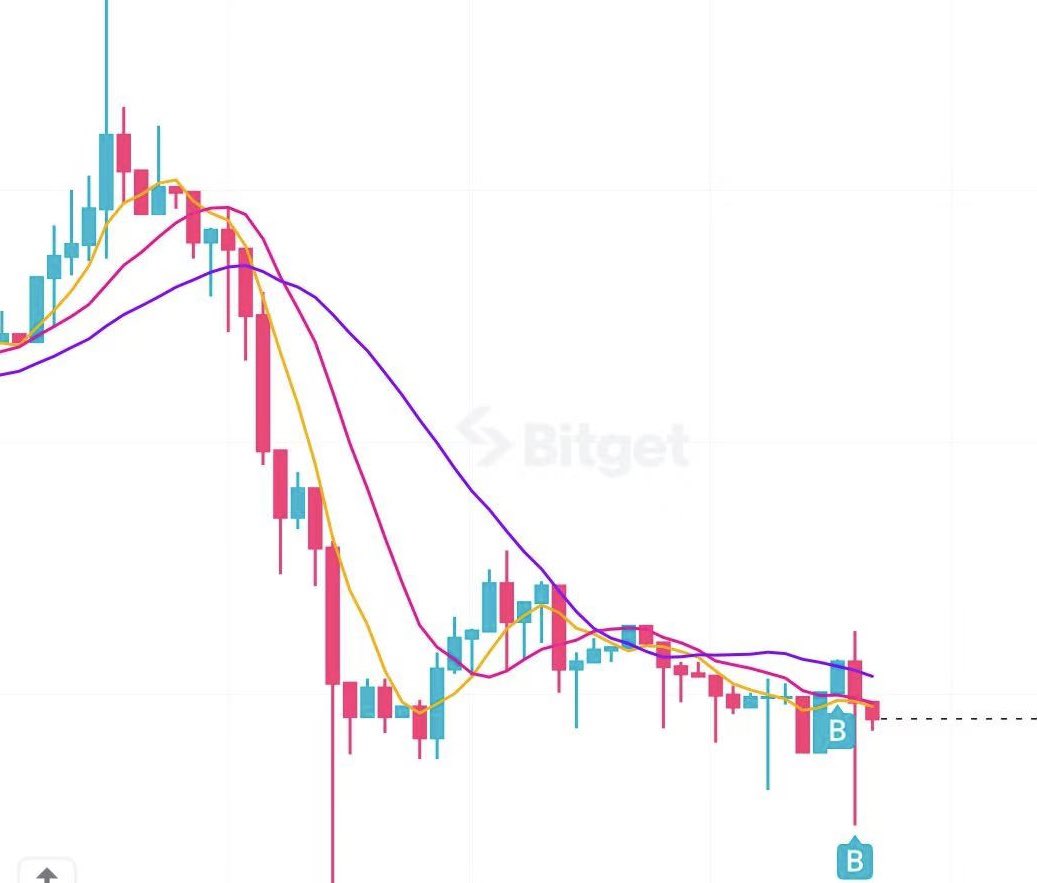
$PROS Launched, Now the Next Phase Starts Pharos is excited to announce that following the $PROS launch, Pharos has met the investment benchmark set during the strategic agreement with GCL new energy! Soon the two parties will start the first phase of the equitity-to-token swap. Final regulatory procedures are currently being executed Based on this milestone, Pharos and GCL New Energy will extend the partnership through: - Deep Integration of web2 industrial assets and web3 Infrastructure - A2A Marketplace: Deployment of decentralized trading for global energy and AI compute assets - Quantum Security: Implementation of post-quantum cryptography to secure large-scale industrial on-chain migration Dividends from this strategic investment will be dedicated to $PROS buybacks and will be shared with $PROS holders 🌊


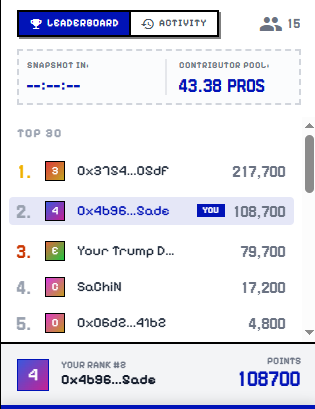
The canvas opens. The competition begins. PROS Pixel is Live on @pharos_network . We are running a two-week campaign with $2,000 in prizes across 4 leaderboard settlements. Paint pixels, hold territory, create art, and compete for rewards. Here's everything you need to know. 🧵👇