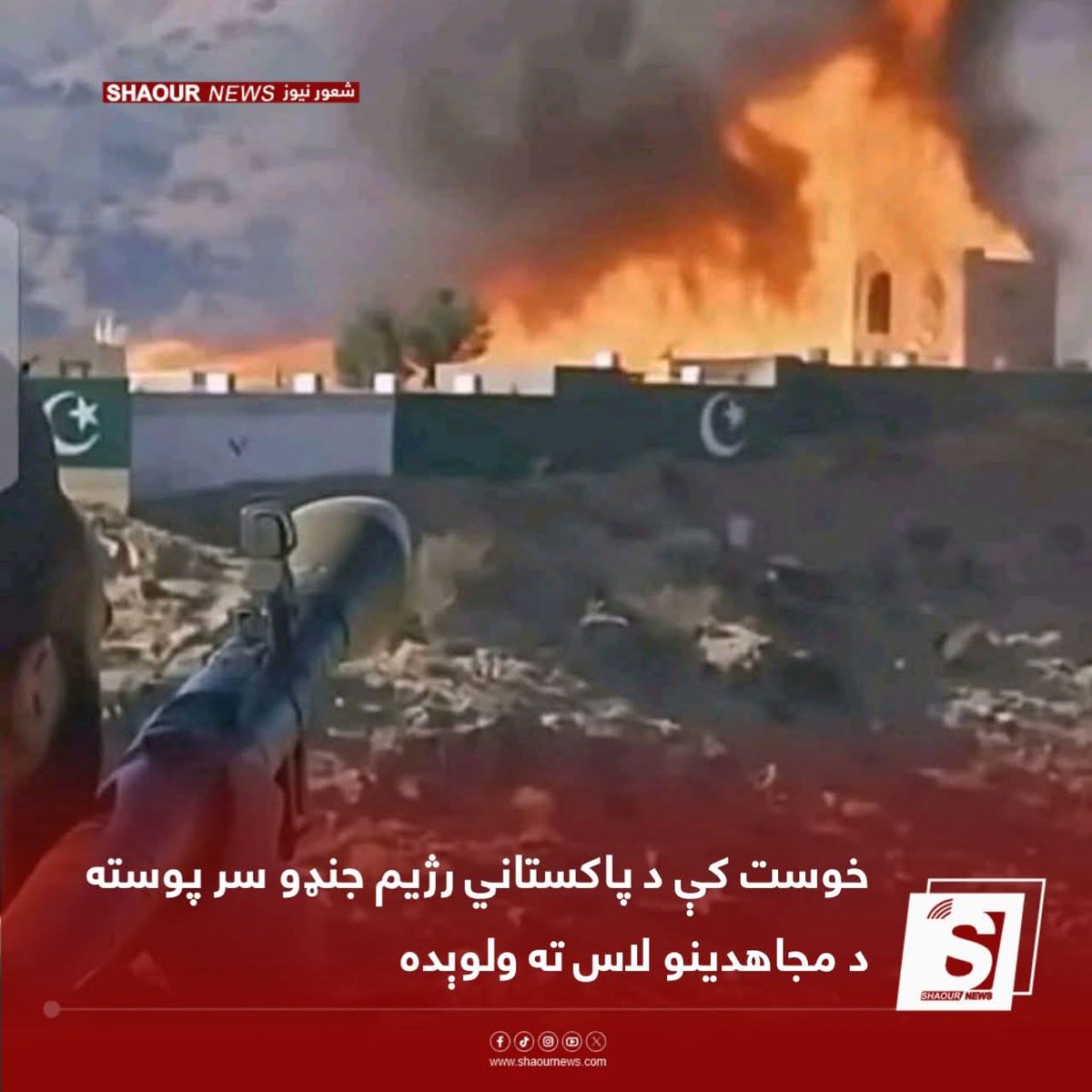
@PLA_MilitaryUpd Even scene lacks consistency, the gentleman is wearing headphones 🎧 from front angle an not from the back angle.
Also Tejas can only fly in CGIs.
English
Boota
2.6K posts




#BREAKING: 𝕏 officially allows users to ‘region block’ replies.


India made a movie trying to aura farm their war with Pakistan and I’m sorry but I can’t stop laughing 🤣
The rise and rise of Asim Munir: *Thrashed India. *Ended the 'good/bad' Taliban strategy. *Challenged sectarian radicals across the board. *And now, brokering a US-Iran ceasefire with the PM. Clear-headed and decisive. A man who faced outright hatred by the usual idiots.

Chinese naval vessel arrives for bilateral maritime exercise in Karachi dawn.com/news/1985323/c…




🚨🚨بڑی خبر افغانڈو ڈیورنڈ لائن کو نہی مانتے تھے اب پاکستان آرمی نے افغانی طالبان سے لیا گیا 32 سکوئر کلومیٹر زمین کا حصہ سرحدی باڑ لگا کر ہمیشہ کے لیے بند کر دیا پانچ ہزار سال کی تاریخ میں یہ بھی لکھ مورخا

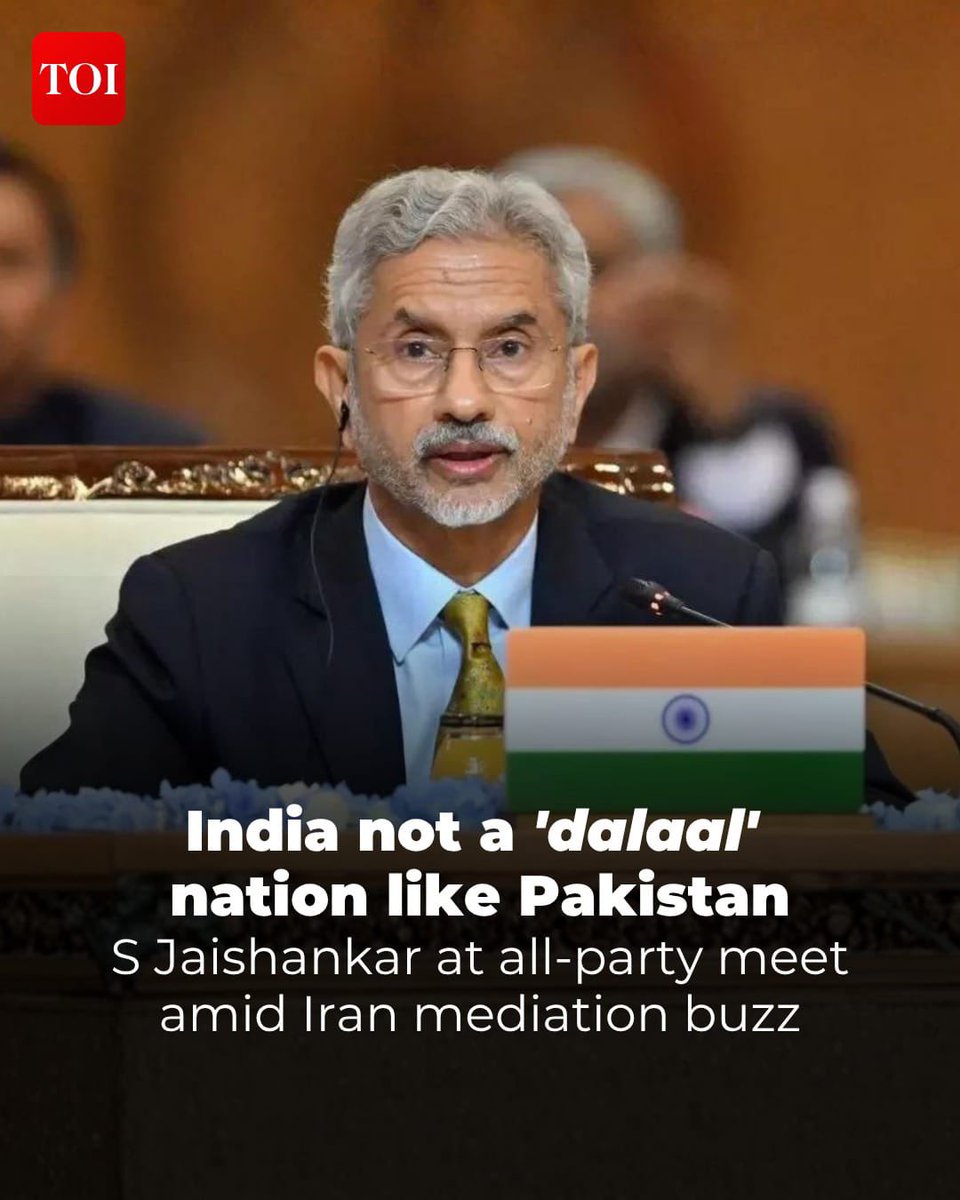
🚨 "India can play big role in ending war. India is trusted as a mediator" - Iran Ambassador Dr Mohammad Fathali



What the Pakistani state refuses to accept is that no ‘strategic partnership’ can compensate for - or make Bangladeshis forget - the historical memory of genocidal violence that the people of Bangladesh suffered when the military operation was launched on 25 March 1971. This memory is sacred - not just for those who suffered directly or bore witness, but it is built into the very fabric of Bangladesh as a country forged in the blood of its people. This is not an Awami League agenda. It is a Bangladesh agenda. And regardless of how Bangladeshis feel about India - the anger over its regional bullying, its hegemonic ambitions - and despite Bangladesh’s own recent tilt toward Pakistan, the scars of 1971 will continue to define them as a people and haunt their relationship with Pakistan. The people of Bangladesh need closure. And that closure can only come through a formal, sincere, and unconditional apology from Pakistan. Only then does the possibility of genuine rapprochement and reconciliation open up - and with it, space for other long-overdue conversations: the Bihari massacres, their statelessness, and the wounds that remain unacknowledged on all sides. The first step, however, belongs to Rawalpindi.

Within a month of the Taliban’s return to power in Kabul, scenes like this were already signaling the future of Islamabad–Kabul relations.