Dustin Ashe@DustinAshWrites
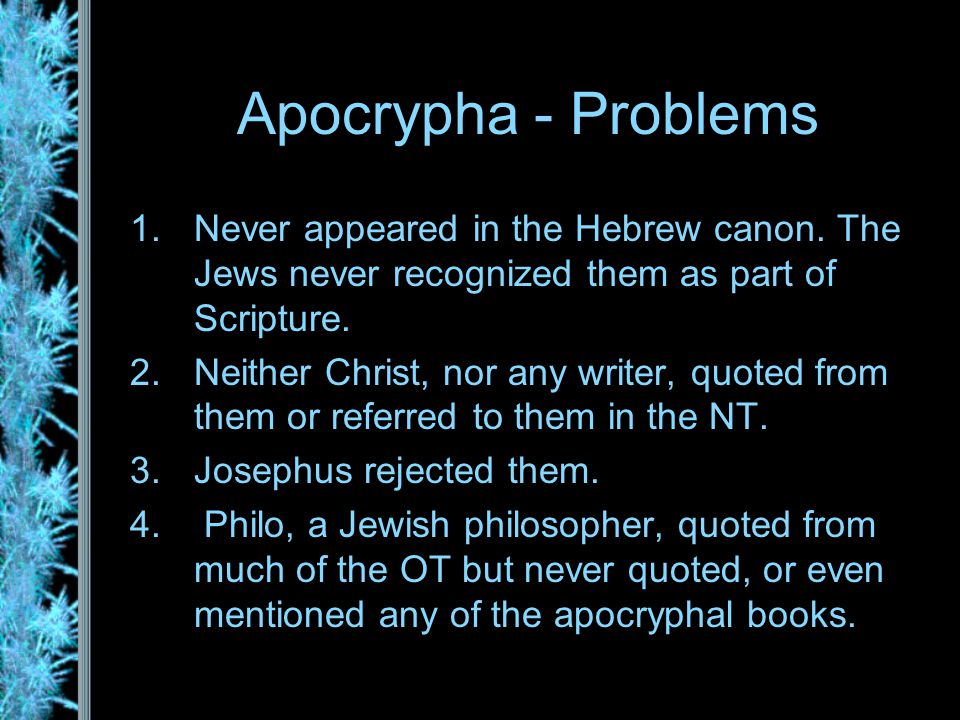
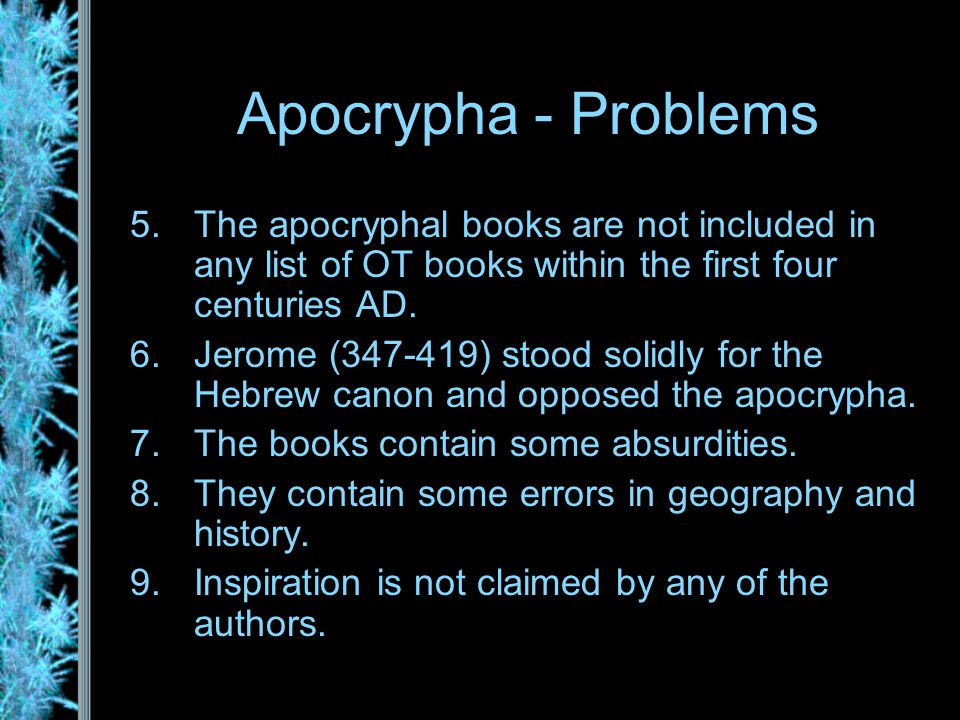
In 1534 Martin Luther cut seven books out of the Bible. They had been Christian scripture for over a thousand years. This is the part Protestants are never told.
The strongest objection runs like this. The Catholic Bible just absorbed the Septuagint, the Greek Old Testament. But the Septuagint manuscripts also contain 3 and 4 Maccabees, Psalm 151, and the Odes, which the Catholic canon does not include.
So if the Septuagint sets the canon, Catholics are inconsistent for leaving those out.
That objection is correct, and it misses the point entirely.
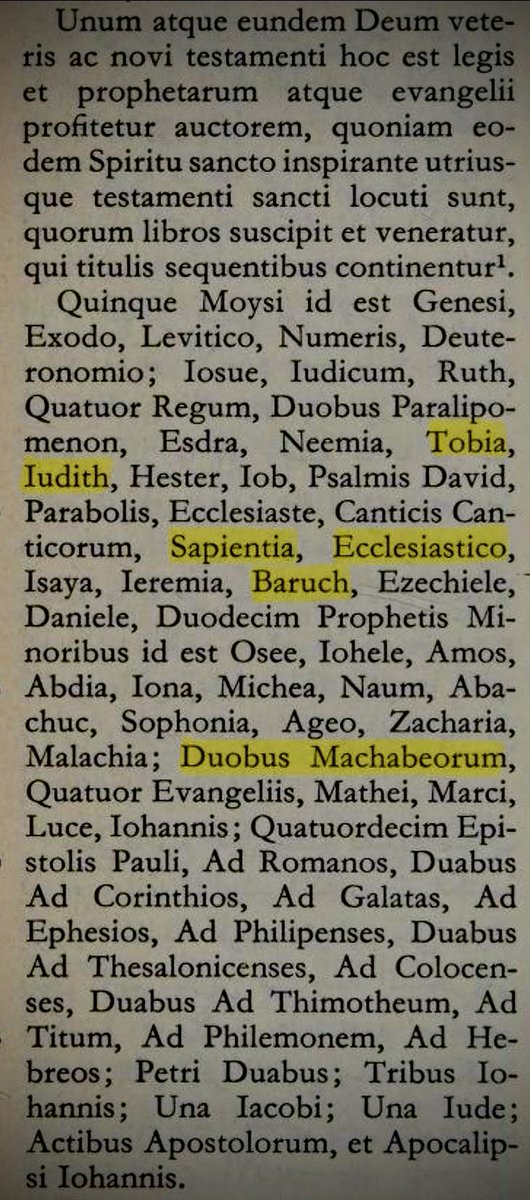
The Catholic claim was never “the canon is whatever the Septuagint contained.” The claim is that the Church, with the authority Christ gave her, discerned and defined which books are scripture. The councils of Rome in 382, Hippo in 393, and Carthage in 397 and 419 produced the exact canon the Catholic Church holds today. Deuterocanon in. 3 and 4 Maccabees out.
The Church judged. She did not inherit a library mechanically. The exclusion of 3 and 4 Maccabees is not an embarrassment for the Catholic position. It is the proof of it. The Church had the authority to draw the line, and she drew it.
Now the concession Protestants will reach for. The Catholic Church only defined the canon as dogma at the Council of Trent in 1546, after the Reformation. That is true. It is also not the rescue it appears to be.
Both formal definitions are 16th century. Trent in 1546 and the various Protestant confessional definitions in the same era.
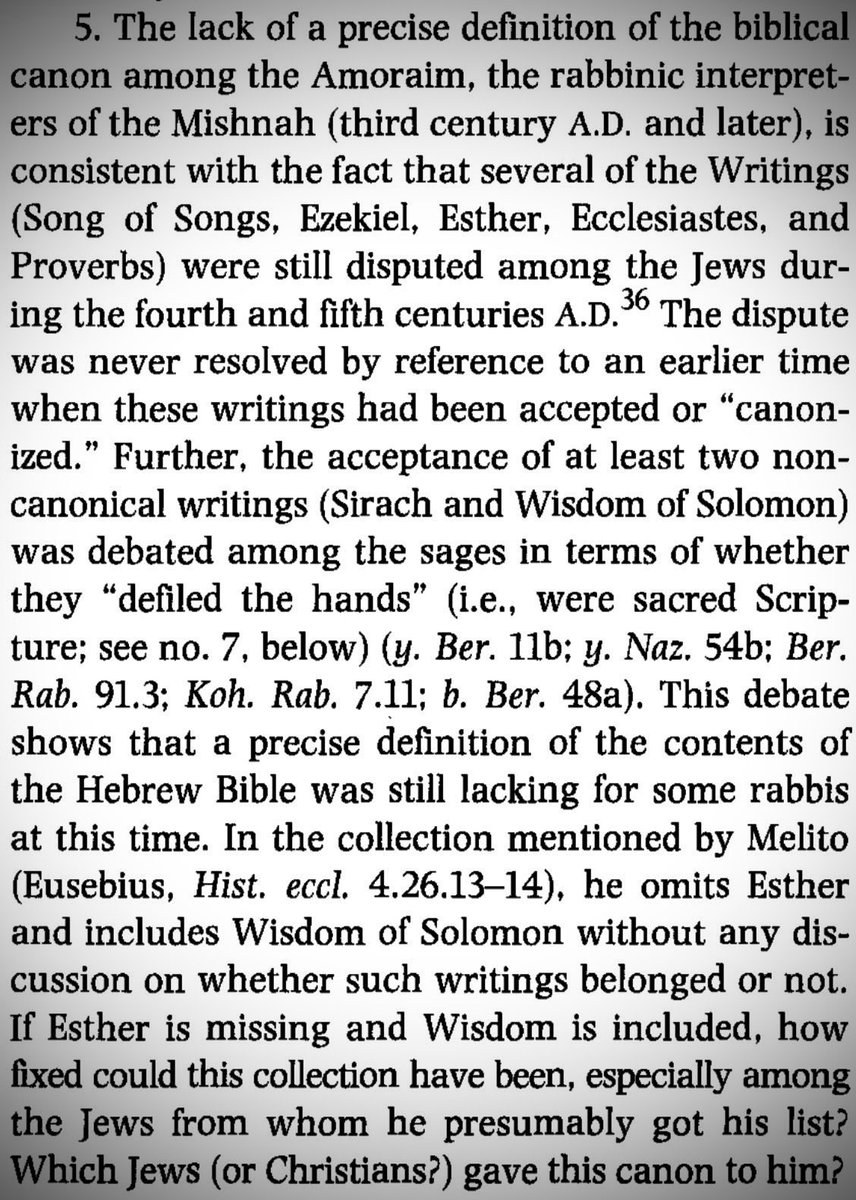
The difference is what each one did. Trent reaffirmed the canon the Christian Church had used continuously since the fourth century. The Reformers broke with that continuous practice and adopted instead the rabbinic Jewish canon, which was finalized by Jewish authorities after the time of Christ, partly in distinction from the Christian movement that was using the wider Greek scriptures.
Trent reaffirmed. The Reformers innovated. The “addition” people accuse Rome of was actually a subtraction, made in 1534, from a canon that had stood for more than a thousand years.
On the Orthodox and Oriental Churches, yes, their canons differ from the Catholic one. But they differ at the margins. 3 Maccabees, Psalm 151, 1 Esdras. All the ancient apostolic Churches share the core deuterocanon that the Protestant canon removes entirely. The variation among the apostolic Churches is the outer boundary of a shared body of books. The Protestant canon is the only one that made the radical cut.
The Reformation answer is that a faithful remnant preserved the true gospel inside a corrupted visible church. Grant it for the sake of argument.
Name the continuous body of Christians who held the 66-book canon before 1534. I have asked this for years and never received an answer.
Bookmark this for the next time someone tells you Rome added books. Serious questions welcome in the replies.