Caiti Wade

211 posts

Caiti Wade banner
Caiti Wade

Caiti Wade

@caiti_wade

I teach maths, implement research and sometimes give my opinion on things - so long as it’s evidence-based. Writer of The Disruptive Educator. Views are my own.

Australia Katılım Mart 2009
217 Takip Edilen4.1K Takipçiler
Caiti Wade retweetledi

Nidhi Sachdeva, PhD
Nidhi Sachdeva, PhD@nsachdeva2019·
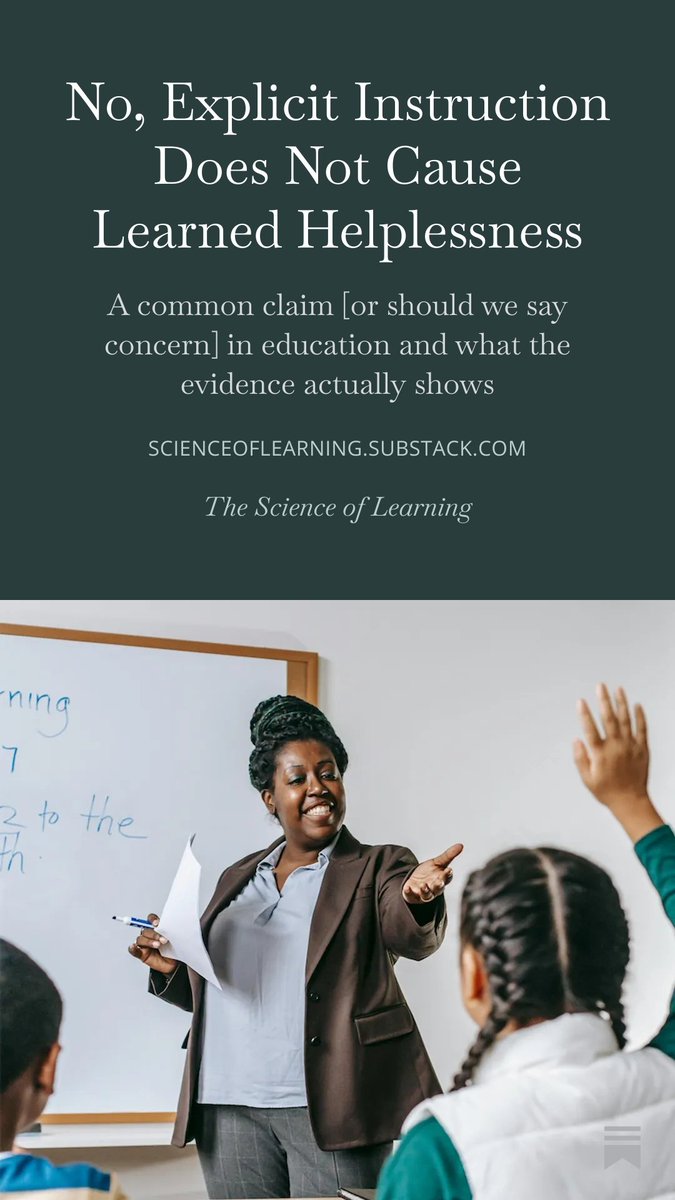
No, explicit instruction does not cause Learned Helplessness. *New Post*
Nidhi Sachdeva, PhD tweet media
English
3
10
46
2.3K
Caiti Wade retweetledi
Anna Stokke
Anna Stokke@rastokke·
Does ability grouping only help top students? 📚 We talk about how the framing around ability grouping needs to change. It can help all students, not just a select few. 🔗 Link below
English
5
9
44
3.5K
Caiti Wade retweetledi
Greg Ashman
Greg Ashman@greg_ashman·
NEW FREE POST The curse of conceptual understanding A response to Bill McCallum Link 👇 👇 👇
Greg Ashman tweet media
English
3
6
20
4K
Caiti Wade retweetledi
EducationHQ AU
EducationHQ AU@EducationHQ_AU·
Fads, influential academics with misguided ideas, and poor standards around what constitutes ‘evidence-based’ maths teaching have derailed student outcomes for years, leading expert in maths education @rastokke says. educationhq.com/news/maths-tea…
English
2
9
19
3.4K
Caiti Wade retweetledi
Greg Ashman
Greg Ashman@greg_ashman·
NEW POST Conceptual understanding is a myth Transfer is a better focus Link 👇👇👇
Greg Ashman tweet media
English
9
21
59
17.8K
Caiti Wade retweetledi
Pamela Snow
Pamela Snow@PCSnow1604·
"Politically motivated" is a tired trope in education debates and it's also an own-goal. "Political" comes from the Greek {polis} meaning "a city or the overarching community of citizens". Everyone in education has an ethical responsibility to endorse practices that optimise outcomes for the overarching community of students. Personal ideology and political allegiances need to be called out and take a back seat. @rastokke does a great job of addressing this here.
Anna Stokke@rastokke

⚠️ Instead of responding to the arguments, critics sometimes label concerns as politically motivated—changing the subject instead of addressing the evidence. I talk to David Shuck about why this happens. 🔗 Link below
English
3
6
33
3.1K
Caiti Wade
Caiti Wade@caiti_wade·
Students should not experience fundamentally different chances of success simply because they were allocated to different classrooms. That’s why low-variance matters.
Caiti Wade tweet media
English
1
8
12
2.2K
Caiti Wade retweetledi
Greg Ashman
Greg Ashman@greg_ashman·
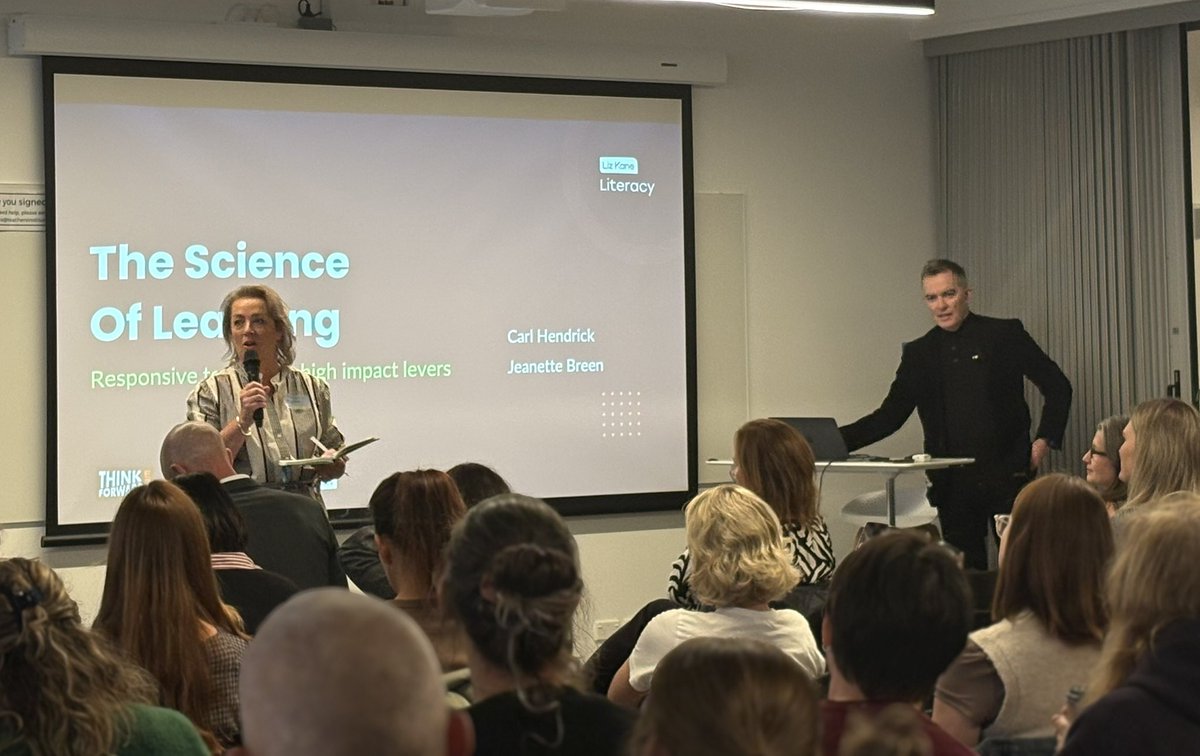
Anything you want @caiti_wade and me to talk about on the next When Will They Learn? Recording next week.
English
2
1
1
429
Caiti Wade retweetledi
Pamela Snow
Pamela Snow@PCSnow1604·
It's pleasing to see the affirming reactions (via the comments) from teachers on this new blogpost, that brings together cognitive load theory and trauma-informed practice. Teachers don't always know which children are facing adversities that make learning hard, but all children have fragile executive function skills, so teaching that aligns with CLT is the rising tide that lifts all boats. #c7030752390466458101" target="_blank" rel="nofollow noopener">pamelasnow.blogspot.com/2026/05/cognit…
English
0
10
60
2.7K
Caiti Wade retweetledi
Anna Stokke
Anna Stokke@rastokke·
Three things that seem to be contributing to poor math achievement: 1. Multiple strategies for novice learners. Recommendation: Choose an efficient strategy that generalizes easily to (e.g.) larger numbers, teach it well, give lots of practice on it. 2. Too much focus on manipulatives & pictures. Recommendation: Fluency with abstract symbols sets kids up for later success. Move quickly to the abstract - that's where the majority of practice should be. 3. Not enough practice. Recommendation: Give lots of practice and then give more. It's how we get good at math.
English
33
84
358
25.1K
Caiti Wade retweetledi
Adam Boxer
Adam Boxer@adamboxer1·
Why are so few people interested in doing retrieval practice properly? I had a Friday thought: doing retrieval properly is fundamentally a technocratic process. It involves systems, policies, processes and relentless accountability for relatively boring things (both staff and students). Its benefits cannot be seen immediately, and take months and years to manifest. It doesn't lend itself to quick things or resources you can post and get a million likes and requests for downloads. Also, it's especially important for the students who are targeted by the "inclusion" agenda, but particularly hard to implement properly for those students. It's much easier to land on less effective approaches for them. There is less resistance. And, therefore, it isn't exciting or fashionable or sexy. It's hard work. It's dry. It's technocratic. So people scroll on by, and focus on something else instead.
English
13
17
101
14.8K
Greg Ashman
Greg Ashman@greg_ashman·
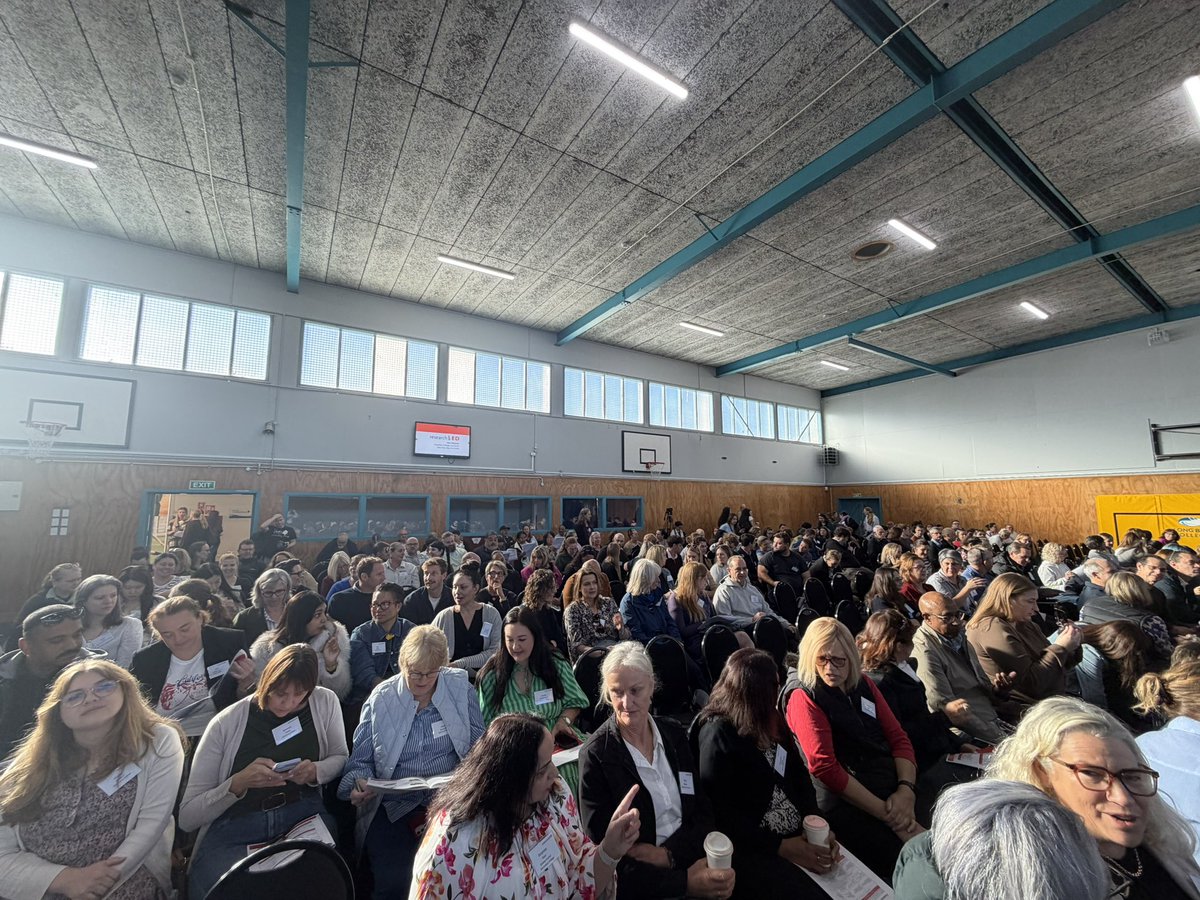
Packed house at rED NZ
Greg Ashman tweet media
English
1
3
18
1.7K
Caiti Wade
Caiti Wade@caiti_wade·
@mathillustrated @karenvaites This ^^ takings the findings alone without context or even just the security ratings that EEF and UCL themselves assign is a dangerous step to over-generalising or misapplying them
English
0
0
1
11
Karen Vaites
Karen Vaites@karenvaites·
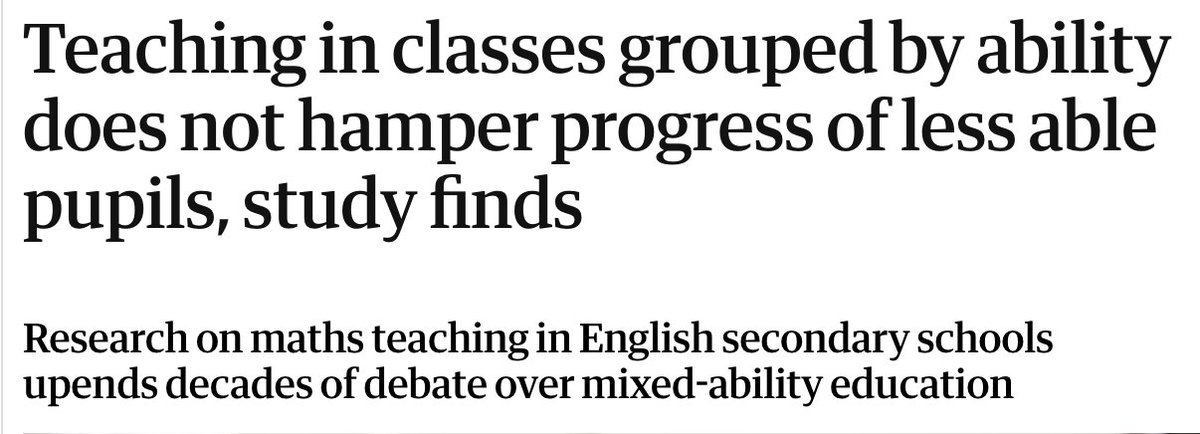
New British study validates math tracking in upper grades: "Teaching pupils in classes grouped by ability improves the results of high-flyers but does not affect the progress of less able children, according to a study that upends decades of debate over mixed-ability education. The research by University College London’s Institute of Education found that secondary school pupils in England with previously strong maths performances made slower progress in mixed-attainment classes than when they were taught alongside children with similarly high ability."
Karen Vaites tweet media
English
6
6
43
3.5K