
Clara DNW

11.7K posts

Clara DNW banner
Clara DNW

Clara DNW

@clara_dnw

🧠 Neuroscience researcher 🚀 Space Physiology explorer 🔬 Human Factors challenger ☁️ Clouds spotter — Founder & CEO @NeurAstra Science Communicator at P/Twain

Alps Katılım Kasım 2010
235 Takip Edilen402 Takipçiler
Sabitlenmiş Tweet
Clara DNW
Clara DNW@clara_dnw·
Applications are now open for the new NeurAstra Educational Programme: The Ramón y Cajal Promotion. If you’re passionate about science, nature, and space, this is a great opportunity to join our programme! forms.gle/iLaNoiubUMV9va…
English
0
0
3
29
Clara DNW retweetledi
Art Encyclopedia
Art Encyclopedia@artenpedia·
Astronomical observations: The Moon (detail, 1711) Donato Creti
Art Encyclopedia tweet media
English
2
237
906
19.9K
Clara DNW retweetledi
Aerospace Medicine
Aerospace Medicine@AeroMedicine·
Orion’s journey around the moon on Artemis II. 🌖🚀
English
0
2
4
97
Clara DNW retweetledi
Brain
Brain@Brain1878·
Kwan et al. characterise a genetic form of ALS caused by a missense mutation in CHCHD10, showing a stereotyped flail arm syndrome phenotype and a likely toxic gain-of-function mechanism. The findings set the stage for future gene-directed clinical trials. shorturl.at/aPEx8
Brain tweet media
English
3
5
32
2.2K
Clara DNW retweetledi
Melaine Le Roy
Melaine Le Roy@subfossilguy·
Benchmark glaciers are dying drop by drop! 🧊💧🔥 One of the three canadian glaciers with a mass balance record > 40 yrs is projected to vanish within less than a decade! ✝️ researchgate.net/publication/40…
Melaine Le Roy tweet media
English
0
11
36
1.2K
Clara DNW retweetledi
Antarctic Heritage
Antarctic Heritage@InspireExplore·
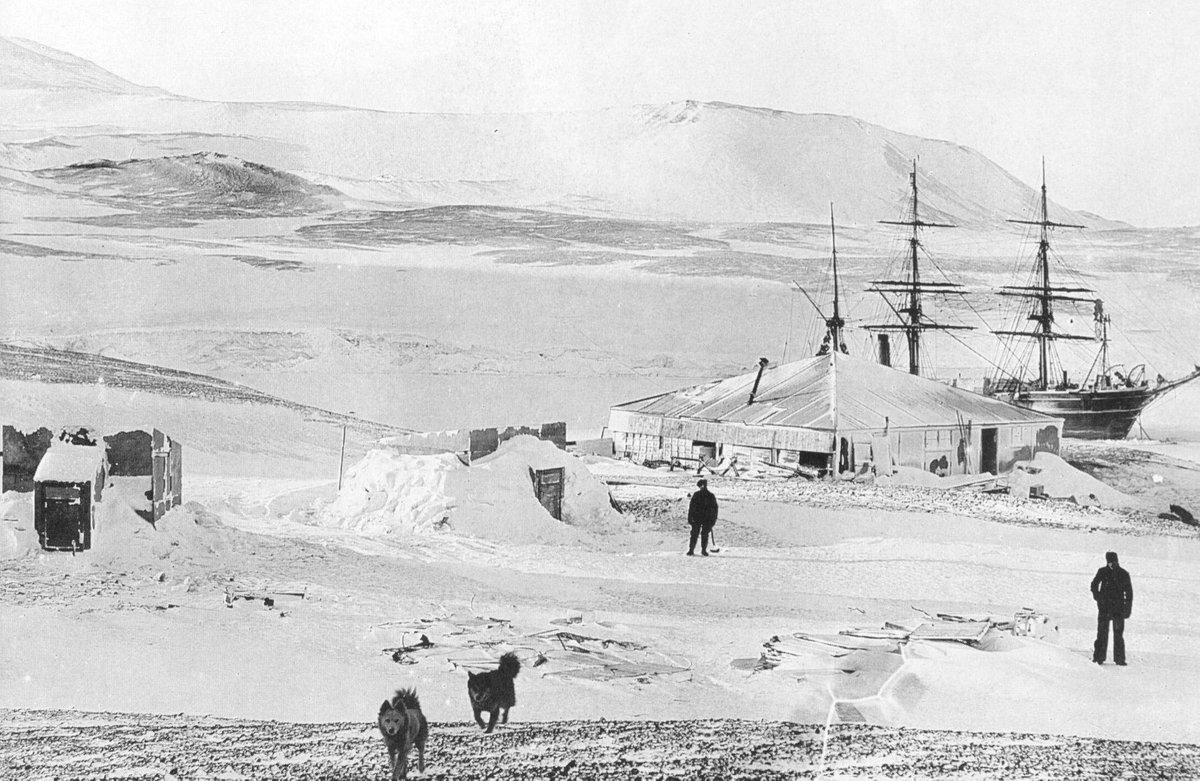
#OnThisDay in 1904, Captain Robert Falcon Scott's first Antarctic expedition ship 'Discovery' arrived back in Lyttelton Harbour, Christchurch, New Zealand. Scott's National Antarctic 'Discovery' Expedition 1901-04 was sponsored by the Royal Geographical Society, the British Government and a London businessman, Llewellyn Longstaff. There were also donations from officers of the Royal Society and other private individuals. Sir Clements Markham launched the appeal that eventually raised £90,000 for the expedition – sufficient to pay for a new ship, provisions, wages and other costs. It was the second expedition to winter over on the Antarctic continent, following Carston Borchgrevink's 'Southern Cross' Expedition 1899-1900. The men carried out significant exploration of the continent, including a ‘furthest south’ record of 82º16’S, and comprehensive scientific observations in the fields of meteorology, geology, glaciology, botany, marine biology and cartography. At the end of the expedition, Scott and his men worked to saw a channel in the ice, freeing 'Discovery' from her berth of two years. On 5 January 1904, the relief ships 'Morning' and 'Terra Nova' were sighted. Efforts were then made to free 'Discovery' with explosives, but this did not achieve the desired effect and Scott made plans to abandon the ship. Then, on 14 February, the sea-ice began to break up and with the aid of a final explosive charge and some assistance from the wind and currents, 'Discovery' was free. After stopping briefly in Robertson Bay at Cape Adare to replace the rudder, the 'Discovery' proceeded to Lyttelton. 📸 'Discovery' Hut, the expedition base located at Hut Point, with the ship 'Discovery' in the background. Canterbury Museum. #OTD #inspire #explore #discover #conserve #Antarctica #Scott #RobertFalconScott #discovery
Antarctic Heritage tweet media
English
0
6
28
511
Clara DNW retweetledi
John Lukens
John Lukens@LukensJohnR·
Evolving brain-immunity: From Ramón y Cajal’s mysterious butterflies to a garden sustained by immune cells as their nectar 🦋🌹 cell.com/neuron/fulltex…
John Lukens tweet media
English
1
64
228
9.6K
Clara DNW retweetledi
Antarctic Heritage
Antarctic Heritage@InspireExplore·
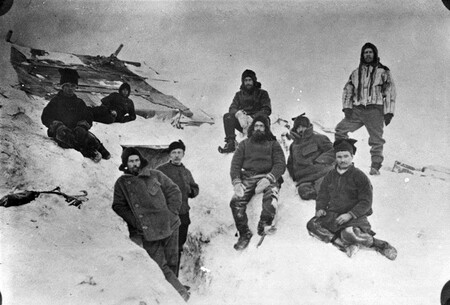
#OnThisDay in 1900, Borchgrevink's British Antarctic 'Southern Cross' Expedition party arrived in New Zealand after being in Antarctica for two years. Borchgrevink’s party of 10 men was funded by magazine magnate Sir George Newnes. The aim of the expedition was to collect scientific data and study wildlife, be the first team to intentionally overwinter on the continent, and explore the continent’s interior. Borchgrevink also wanted to investigate the commercial possibilities of the region, focusing on whaling, mineral prospecting and the mining of penguin guano for fertiliser. Many of the expedition’s scientific records were lost but they did achieve some exceptional ‘firsts’, for example, they were the first to erect a building in Antarctica at Cape Adare. This hut still exists today as the only example left of humanity's first building on any continent. Antarctic Heritage Trust is proud to care Borchgrevink's legacy at Cape Adare on behalf of the international community. They were also the first team to winter over, and use dogs, sledges and skis to travel over land and sea ice. Expedition members Bernacchi and Colbeck produced a detailed map of the area that was used by later expeditions. Finally, under Bernacchi’s leadership, the first full year of weather readings was recorded. Their data set the baseline for Antarctic climate science. 📸 The Southern Cross expedition members pictured just before spending the first winter on the Antarctic continent, 1899. Canterbury Museum #inspire #explore #discover #conserve #Antarctica #borchgrevink #capeadare
Antarctic Heritage tweet media
English
0
5
26
428
Clara DNW retweetledi
Melaine Le Roy
Melaine Le Roy@subfossilguy·
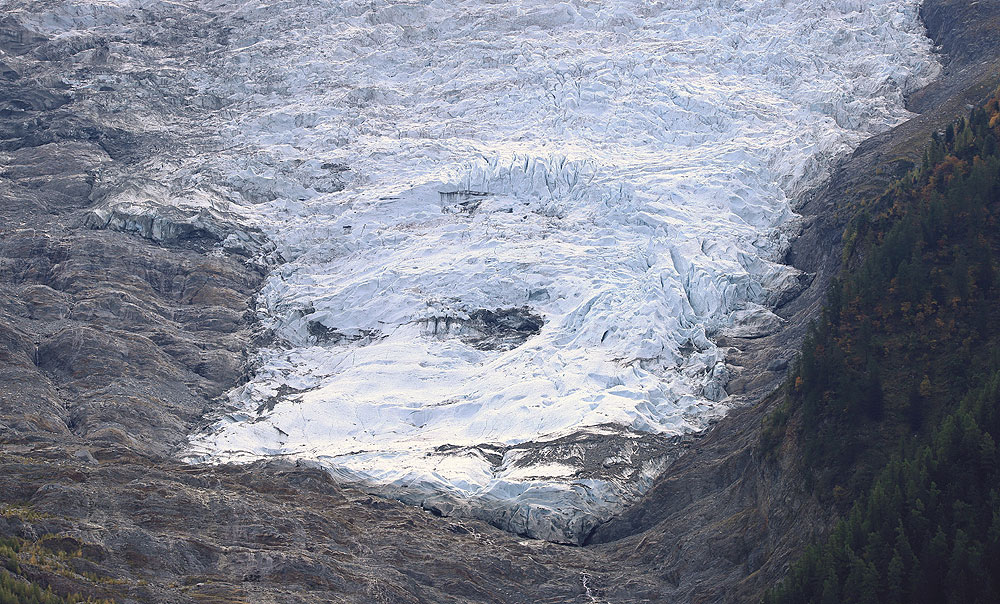
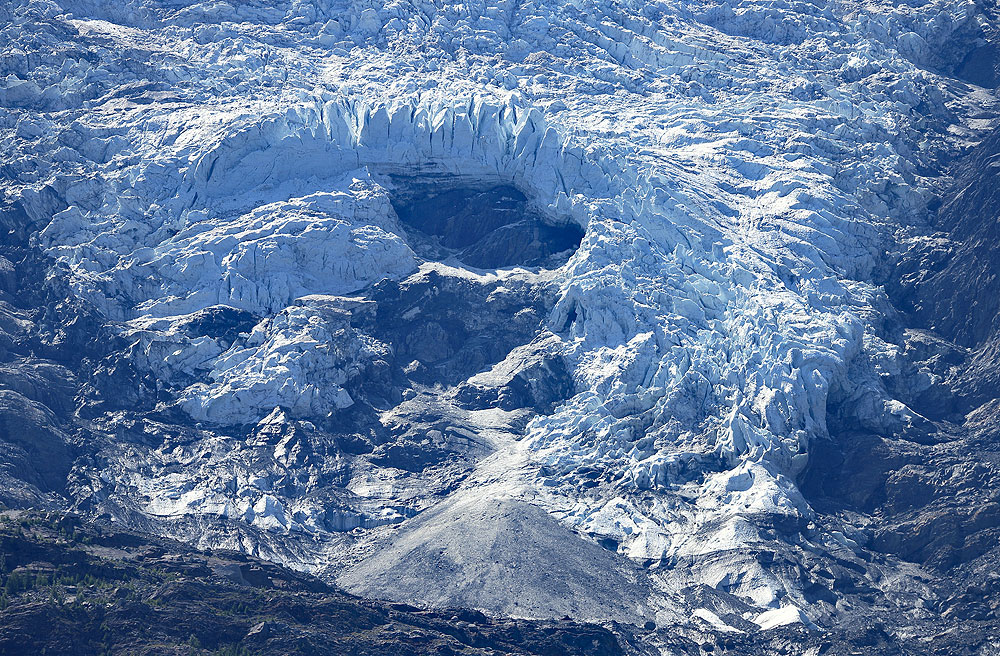
Bossons Glacier Oct. 2023 | July 2025 A two-year collapse story... 🧊🔥😭 📷 @lomdumtblanc.bsky.social
Melaine Le Roy tweet mediaMelaine Le Roy tweet media
English
1
9
71
2.1K
Clara DNW retweetledi
National Air and Space Museum
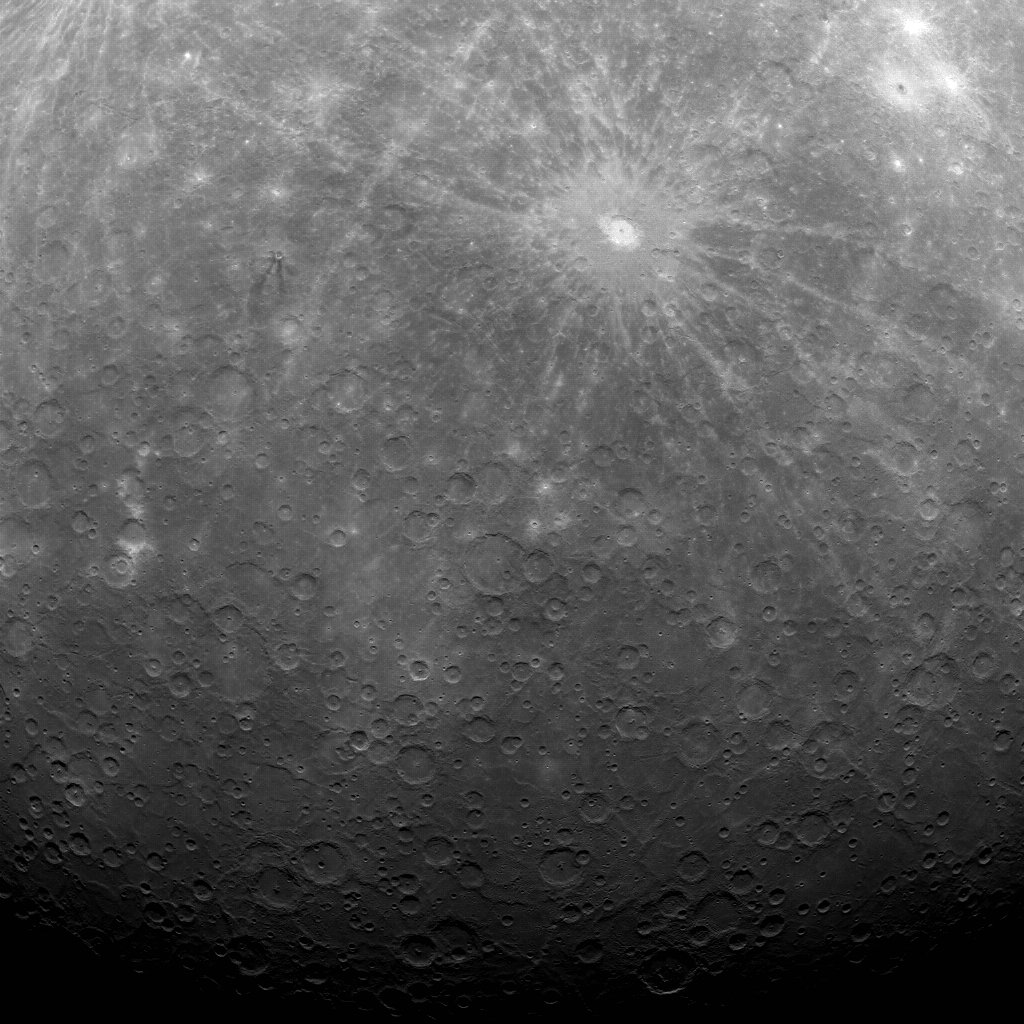
15 years ago today, MESSENGER captured the first image of Mercury ever obtained from a spacecraft in orbit around the planet. The prominent rayed crater seen in the upper half of the photo is the Debussy crater, named after French composer Claude Debussy.
National Air and Space Museum tweet media
English
1
44
233
6.5K
Clara DNW retweetledi
Brain
Brain@Brain1878·
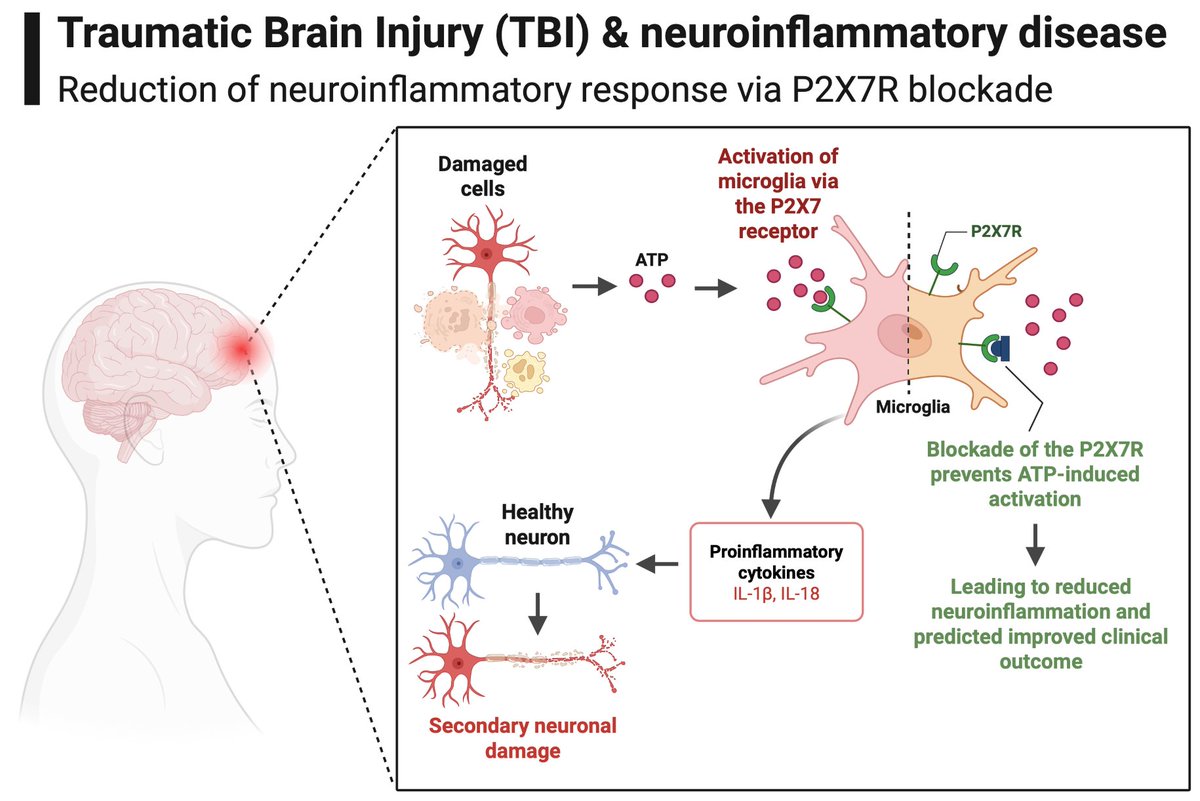
Cowley et al. show that selective P2X7 receptor antagonists reduce the release of pro-inflammatory cytokines from human microglia and brain tissue. The findings support P2X7 receptor antagonism as a potential way to improve outcomes following TBI. shorturl.at/u8z43
Brain tweet media
English
0
23
61
3.6K
Clara DNW retweetledi
Brain
Brain@Brain1878·
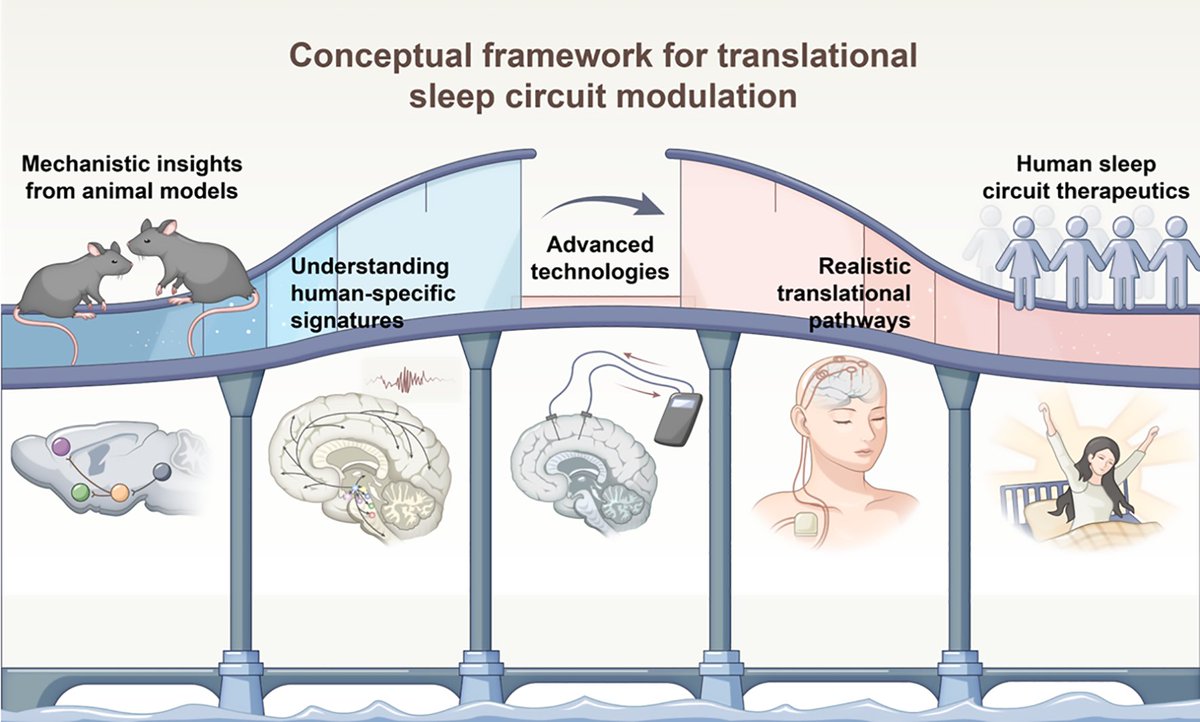
Yin et al. review advances in the control of sleep circuits in animal models, as well as the effects of direct brain stimulation on sleep in humans. They propose new strategies to bridge the translational gap and improve sleep disorder treatment. shorturl.at/qauC2
Brain tweet media
English
0
5
32
2.5K
Clara DNW retweetledi
Philosophy Of Physics
Philosophy Of Physics@PhilosophyOfPhy·
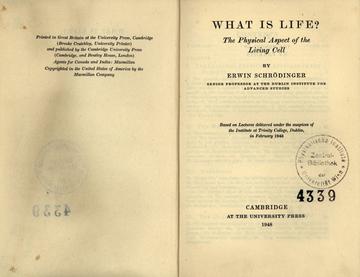
In 1943, physicist Erwin Schrödinger delivered a remarkable series of public lectures, asking a question few physicists had seriously considered: What is life? At a time when biology and physics were largely separate, he attempted to bridge them. His lectures, published in 1944 as What Is Life?, Introduced a bold idea: genetic information must be stored in what he called an “aperiodic crystal,” a structure stable enough to preserve order yet complex enough to encode life itself. The book did more than speculate; it inspired. A generation of young scientists found in it a new direction. Among them were Francis Crick and James Watson, who would go on to uncover the double helix structure of DNA. Both later acknowledged that Schrödinger’s ideas guided them toward the emerging field of molecular biology. A decade later, in 1953, just months after that discovery, Crick wrote to Schrödinger, expressing deep gratitude. He noted that What Is Life? had sparked both his and Watson’s interest in genetics. Even more striking was how close Schrödinger’s intuition had come: the “aperiodic crystal” was no longer a hypothesis, but a reality. Today, What Is Life? remains a rare kind of scientific work, one that did not solve a problem directly, but changed the direction of those who would.
Philosophy Of Physics tweet media
English
25
283
921
46.7K
Clara DNW retweetledi
Masud Husain
Masud Husain@MasudHusain·
What is the relationship of apathy to depression and anhedonia? @sijiazhao92 led our newly published work on this to show that although many individuals qualify for the diagnostic criteria of 2 or even 3 of these clinical syndromes, some people suffer from only pure apathy, or pure depression or pure anhedonia. Furthermore, factor analysis reveals that these syndromes are highly dissociable suggesting there are separate mechanisms underlying each of them. jnnp.bmj.com/content/early/…
Masud Husain tweet media
English
6
39
123
7.1K
Clara DNW retweetledi
Science Magazine
Science Magazine@ScienceMagazine·
A newly discovered fossil ape from northern Egypt is reshaping the understanding of early hominoid evolution, researchers report in Science. The fossil finding suggests that the closest ancestors to modern apes may have emerged in northern Africa, outside the traditionally studied regions of East Africa. scim.ag/4szvRIS
Science Magazine tweet media
English
51
678
2.3K
164.3K
Clara DNW retweetledi
Abakcus
Abakcus@abakcus·
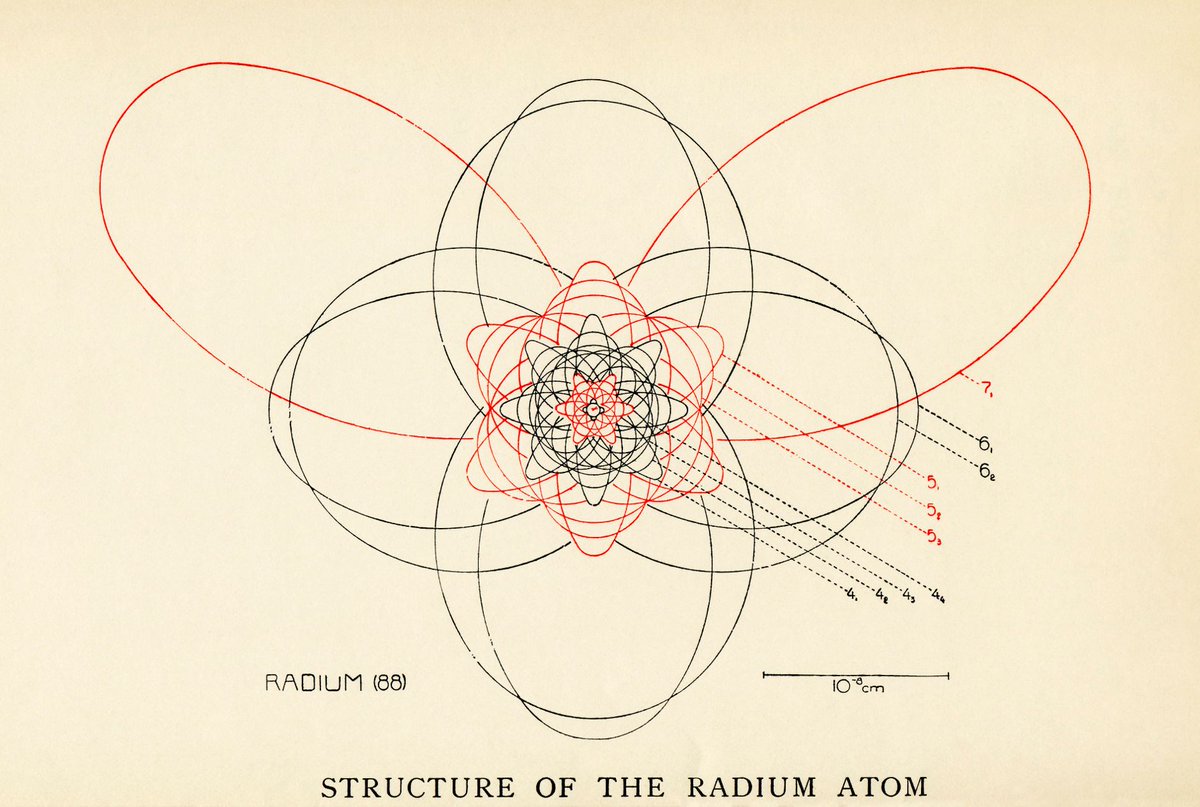
Original sketch of the Radium atom by Niels Bohr (1922).
Abakcus tweet media
English
15
313
2K
52.9K
Clara DNW retweetledi
Chris Hadfield
Chris Hadfield@Cmdr_Hadfield·
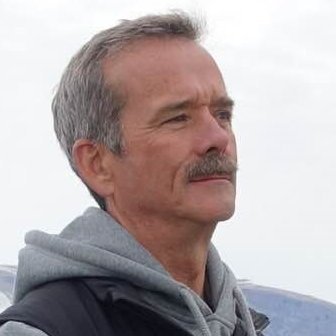
The crazy, beautiful thin line of air between us and space. Living in orbit I would often look to Earth's horizon, marvelling at how bizarrely thin our atmosphere is. Half of all air is in the first 3 mi/5 km. A common running distance. Sometimes big thunderheads were visible, pushing to the edge of the stratosphere. Above that, the coloured aura of the mesosphere, and then eternal empty blackness. Lit by an occasional star, like a small lightbulb in a vast darkened hall. Let's appreciate and take responsibility for our planet.
Chris Hadfield tweet media
English
47
560
2.8K
50.4K
Clara DNW retweetledi
Andrew Zalesky
Andrew Zalesky@AndrewZalesky·
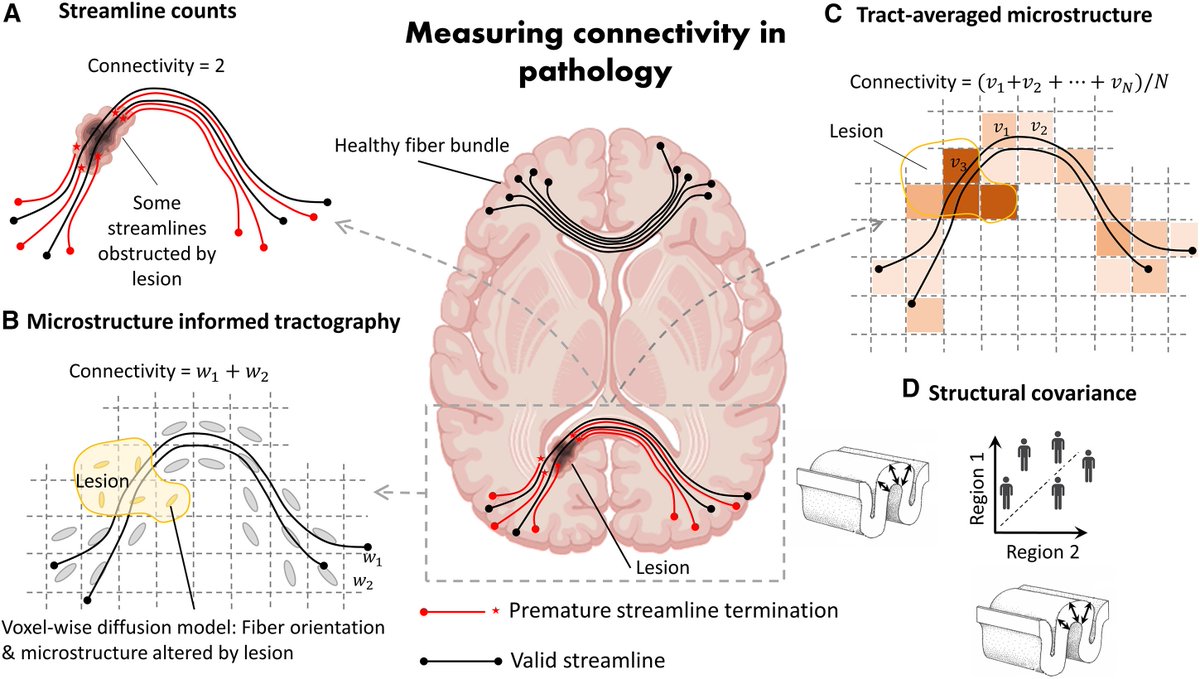
Mapping connectomes in disease? Check out our article on clinical connectomics in @NeuroCellPress - Tractography behavior in disease - How to measure connectivity - How pathology impacts each stage of connectome mapping - Multiscale connectomics cell.com/neuron/fulltex…
Andrew Zalesky tweet media
English
3
50
176
8K