Tim Davidson

34 posts

Tim Davidson banner
Tim Davidson

Tim Davidson

@cleancommit

Conversion rate growth of 5-20% in 90 days | activate growth mode

Canberra Katılım Şubat 2021
27 Takip Edilen19 Takipçiler
Tim Davidson
Tim Davidson@cleancommit·
LinkedIn's corporate warriors keep announcing they've solved the world with AI. For me it's done something less heroic. It's let me stay lazy and still do a better job. Here's what I mean. I run a CRO agency. Five of us, a pile of clients, and we're always running experiments. At the start of every period we set a few big themes we're chasing. Simplify the educational content when a product is too complex for people to get. Strip the friction out of a mobile experience so nobody has to stop and think. At the end of each experiment I run a retrospective. Did it move the needle, and what did we learn. The problem is scale. We're a small team, everyone wears five hats, and a lot of the analysis lands on me. Picking apart 15 to 20 experiments a week used to eat a huge chunk of my time. I pride myself on being lazy. I'll always take the shortest path that still clears a decent bar. So I'd go through the heatmaps and session recordings, look at the test, draw my conclusions and move on. Quick. Honestly, sometimes not as thorough as it should have been. These days I can be just as lazy and get a much clearer result. Here's how it works. I've got skills that pull the data straight from the Intelligems API, or scrape Shoplift with a little tool and hand me clean JSON to read. The metrics are already sitting there. I do the part that can't be automated: watch the heatmaps and recordings, talk out what I think customers are doing as a voice note, give the test a heuristic once-over. Fifteen minutes, maybe less. Then I chuck the lot into Claude and let it compile the write-up. My Obsidian vault holds how I speak and write, so it spits the doc out in plain Australian English that's easy to read and doesn't sound like a robot. We work out what the experiment actually taught us. Sometimes it nails it. Sometimes it's wrong and I set it straight. The difference is I can now clear 20 experiments in a few hours instead of half my week. I can even hand it to the guys on my team without it turning into a time sink. So no, AI hasn't made me better or fixed the world. It's just let me stay lazy. Which, if you know me, is the highest praise I've got.
Tim Davidson tweet media
English
0
0
1
61
Tim Davidson
Tim Davidson@cleancommit·
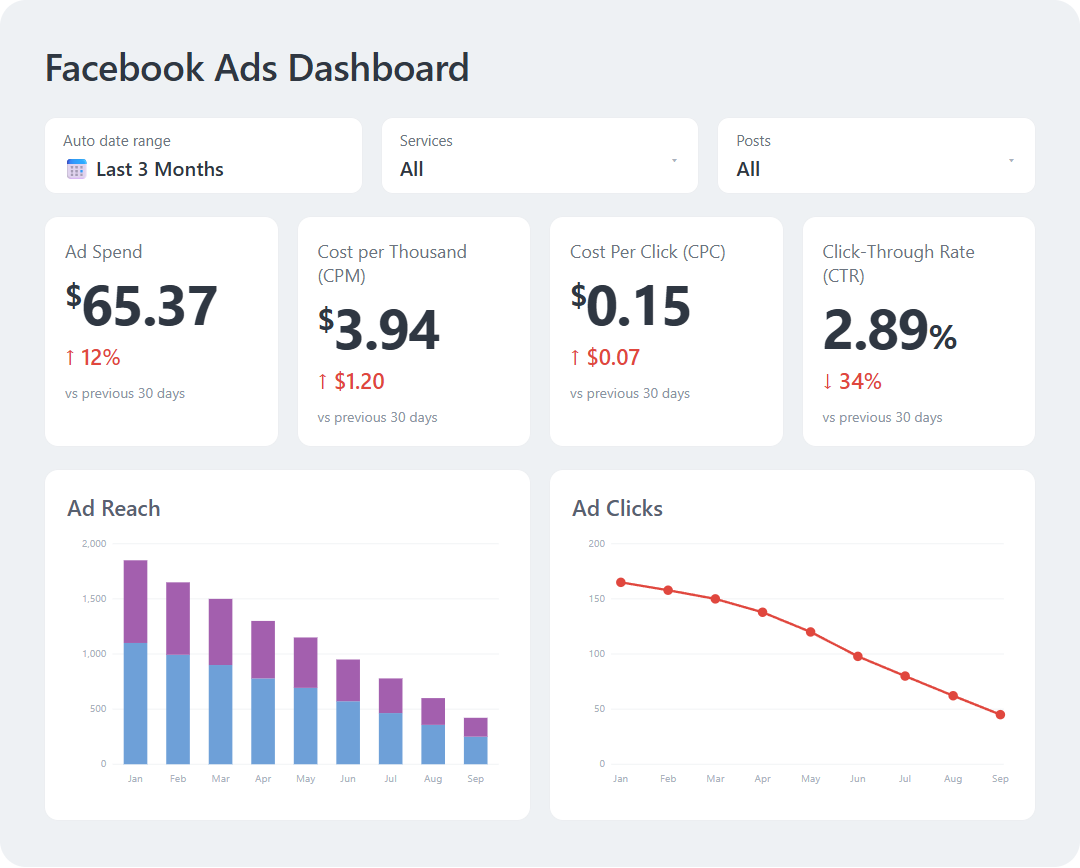
One of the biggest problems we're solving at Clean Commit this year: how to A/B test a landing page without wrecking your ad metrics. Here's the thing most people miss. When Meta learns your landing page, it optimises for how customers react to it and drives traffic accordingly. Then you run a test. You change a bunch of variables and the algorithm gets confused. Your cost per impression and cost per click climb. Even if the page itself performs fine, the ad metrics behind it usually tank. There's no real way around that on a traditional testing platform. The only workaround we've found: spin up one landing page per variant and marry each to its own campaign. Control page, one campaign. Variant page, another campaign. Want more variants? More campaigns. Then you pull the numbers from each and work out the result by hand. It's not apples to apples. Different visitor counts, different impressions. But it's the closest thing to a fair test, because the algorithm gets to optimise for each page on its own. The bonus is you see how the page performs and how the campaign performs. That matters, because CRO doesn't happen in a vacuum. We rarely work with a growing brand that gets less than 50-60% of its traffic from paid. Paid is the way forward whether we like it or not. So if you're only testing page performance and ignoring what happens to your campaigns, you're looking at half the equation. It's a big problem. We're building a process around it now, and at some point we'll probably turn it into a product. How are you handling this? Curious how others are combining their testing tools to solve it.
Tim Davidson tweet media
English
0
1
1
33
Tim Davidson
Tim Davidson@cleancommit·
Last year our average A/B win rate was >20%. This year one AI workflow has pushed us to >30% We started scraping every piece of public data we could find about our clients and their customers to build a full psychographic model. Once we laid out customer motivations into twelve buckets, the random patterns we'd been analysing suddenly made sense. I honestly think this is the biggest unlock for any team doing CRO that's trying to get into the mind of their customers. The best part is that it's fully automated. All you need is an Apify account and one Claude Skill. I've built a full step-by-step guide that anyone can work through in 3 minutes. Want a copy? DM me "Customer Research".
English
0
0
1
16
Tim Davidson
Tim Davidson@cleancommit·
@mrkaluzny Only the elite that watch movies at IMAX deserve to see the whole thing😆
English
0
0
1
18
Tim Davidson
Tim Davidson@cleancommit·
I used to love writing about how we made our clients $150,000+ in additional revenue from one test. As far as I knew, this was true. But as I've read deeper into revenue projections from people who know more than I do, I realise that some of these numbers were just wrong. My calculations were based on the revenue gain numbers in @shoplift and @intelligems. If the winning experiment ran for a month, hit significance and reported a revenue gain of $20,000, I'd simply multiply this by 12 months in the year and declare that I'd added an extra $240,000. But every store we worked with has ups and downs to their performance. Maybe we had a big win during an "up" month and the rest of the year would be down. Or maybe the effect of the changes would diminish over time. There's too many variables to draw a clear correlation. Here's a good example. One of our client's Meta account was compromised which cost them months of algorithm optimization. We'd recently run a great experiment for them that increased their PDP conversion rate by 22%. According to the metrics, this would have been over $300k in additional revenue. But their Shopify account told a very different story. Their sales dropped by more than $300k within 6 months. That's why these days I'm more reserved about making big dollar amount claims. To be safe, I'll usually just declare how much revenue was made by the experiment during the time it was running, because that's the only number we have confidence in... even if it doesn't look as good on social media.
English
1
0
1
31
Tim Davidson
Tim Davidson@cleancommit·
My team's BIG goal for 2026 is terminal A/B testing velocity. We get paid for winning tests, so running as many as possible makes sense. The concept: run as many experiments as our client's stores can support. But there's a ceiling because of Shopify's architecture. A store can only support a single theme and each page can only run one template at a time. Tools like Intelligems and Shoplift let you run multiple themes or templates as tests, but each parallel test dilutes the traffic, reduces the experiment's power and threatens its chance to reach statistical significance. Our solution is two parts: 1. Schedule tests with extreme precision 2. Pick an A/B testing tool that supports randomized participation so we can run parallel tests Point #2 took me a really long time to figure out. The idea is that a single visitor can be part of multiple experiments at the same time — and as long as they're not influencing each other (like nested components), the interaction rate between experiments won't cause inaccuracy. Since implementing this approach, we've gone from running 4-5 tests a month to 12+. My personal goal is to run >200 experiments per client, per year. Why bother running so many? Apart from the fact that CRO is ultimately a numbers game, we work with some clients on a pure performance basis. We only get paid when experiments win. Super high velocity is also one of those things that's easy to point to when clients ask "what makes you different?" Would love to hear from anyone else running a CRO program that's been down this path.
English
0
0
0
28
Tim Davidson
Tim Davidson@cleancommit·
Every time someone posts "here's a mistake most agencies make," they're telling on themselves. That's a mistake they were making. They just assume everyone else was too. You can talk about your screw-ups in public. People respect that. What they don't respect is pretending you've always had it figured out and everyone else is behind.
English
0
0
0
14
Tim Davidson
Tim Davidson@cleancommit·
I spent last week deep in Sephora's $16.8B funnel Here's what smaller brands can steal right now Sephora dominates the beauty industry. Their app has over 18 million actively monthly users. Their loyalty program is industry-leading. and their landing pages are a masterclass in CRO tactics that: - Fuel desire - Drive conversion - Encourage upsells Once you know how Sephora makes it work, the formula is simple. In this breakdown, I analyse: - Meta ads - SEO/GEO - Tech stack - Checkout flow - Website funnel - Digital strategy - Homepage audit - Product page audit - Collection page audit - and more BONUS: I've recorded a 10-minute video to explain some of the more complex techniques. Want the breakdown? Reply and I'll send it over
Tim Davidson tweet media
English
0
0
1
63
Tim Davidson
Tim Davidson@cleancommit·
Unpopular fact: 4 of 5 website changes hurt your store and only the top 5% of brands do anything about it. 80% of A/B experiments fail to increase revenue. There's only 5% of online brands actively running A/B tests. Which means everyone else is losing. Just because you're not measuring changes doesn't mean your store is magically immune. The thing is that it's not a sexy topic so it's easy to ignore. Conversion rate people love to talk about the big wins. "We added a trillion dollars with this one test". And this is great, but the REAL value in a CRO program is loss prevention. To keep ahead of competition, every growing brand: - Add products - Update offers - Publish content - Refresh designs - Try out new plugins - Expand navigation items - Introduce loyalty programs Most change are likely to hurt more than they help. If your store has more than 50,000 monthly sessions This is your sign to implement a CRO system. The first step is to audit your store to make sure you've handled the easy stuff first. Get my 148-audit CRO checklist here: cleancommit.io/resources/shop…
Tim Davidson tweet media
English
0
0
0
19
Tim Davidson
Tim Davidson@cleancommit·
I spent over two weeks breaking down a conversion funnel worth $13B+ Nike earns more than entire countries. But how do they actually convert customers? I went deep on figuring out Nike's CRO secrets. In this breakdown, I analyse: - SEO - Meta ads - Tech stack - Checkout flow - Website funnel - Digital strategy - Homepage audit - Membership flow - Product page audit - Collection page audit - and more Want the breakdown? Reply "Nike" and I'll send it over
Tim Davidson tweet media
English
0
0
0
36
Tim Davidson
Tim Davidson@cleancommit·
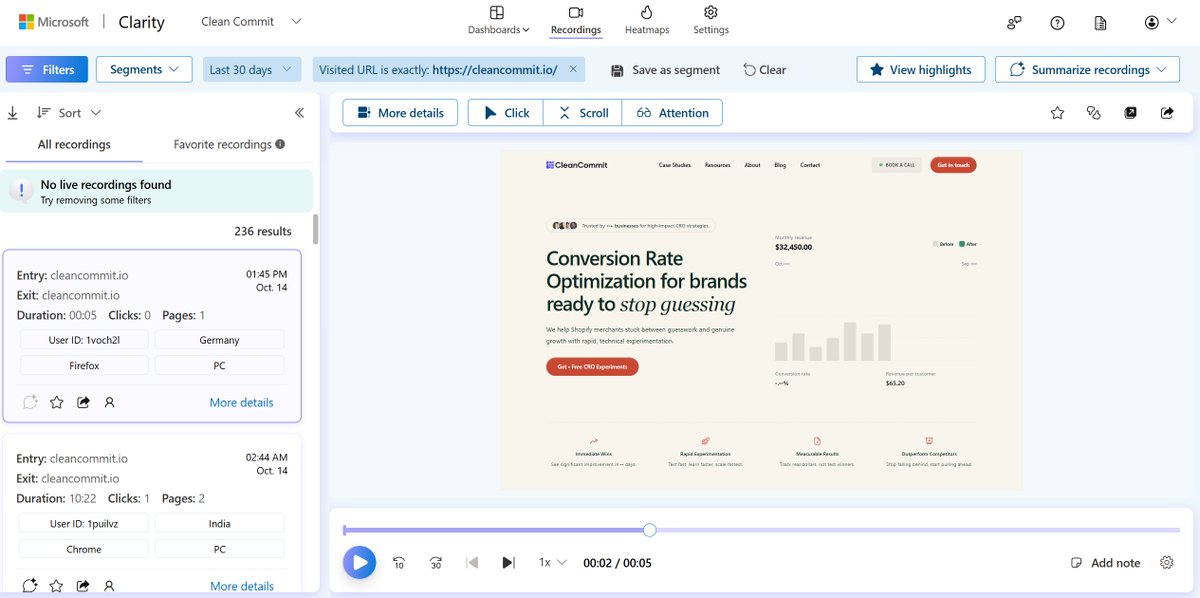
I made a client $65k from session recordings with these 6 steps. Step 1 - Install Microsoft Clarity (free) Step 2 - Watch ~20 session recordings from visitors who didn't buy Step 3 - Assume something got in the customer's way Step 4 - Build a list of guesses for each recording Step 5 - Pick the guess that came up the most Step 6 - Fix the issue & A/B test with Shoplift The secret is assuming something is preventing customers from purchasing. Most of the time there is and if you're looking for it, you'll find it. P.S. Anyone else find session recordings a challenge to sit through?
Tim Davidson tweet media
English
0
0
0
17
Tim Davidson
Tim Davidson@cleancommit·
3 ways to kill your conversion rate and waste a ton of money on paid ads 1) Assume new customers know your brand/product USP. 2) Make your ad creative and landing page different so customers aren't sure they're in the right place. 3) Ramp up traffic to a landing page without first measuring how well it converts. What would you add?
English
0
0
0
16
Tim Davidson
Tim Davidson@cleancommit·
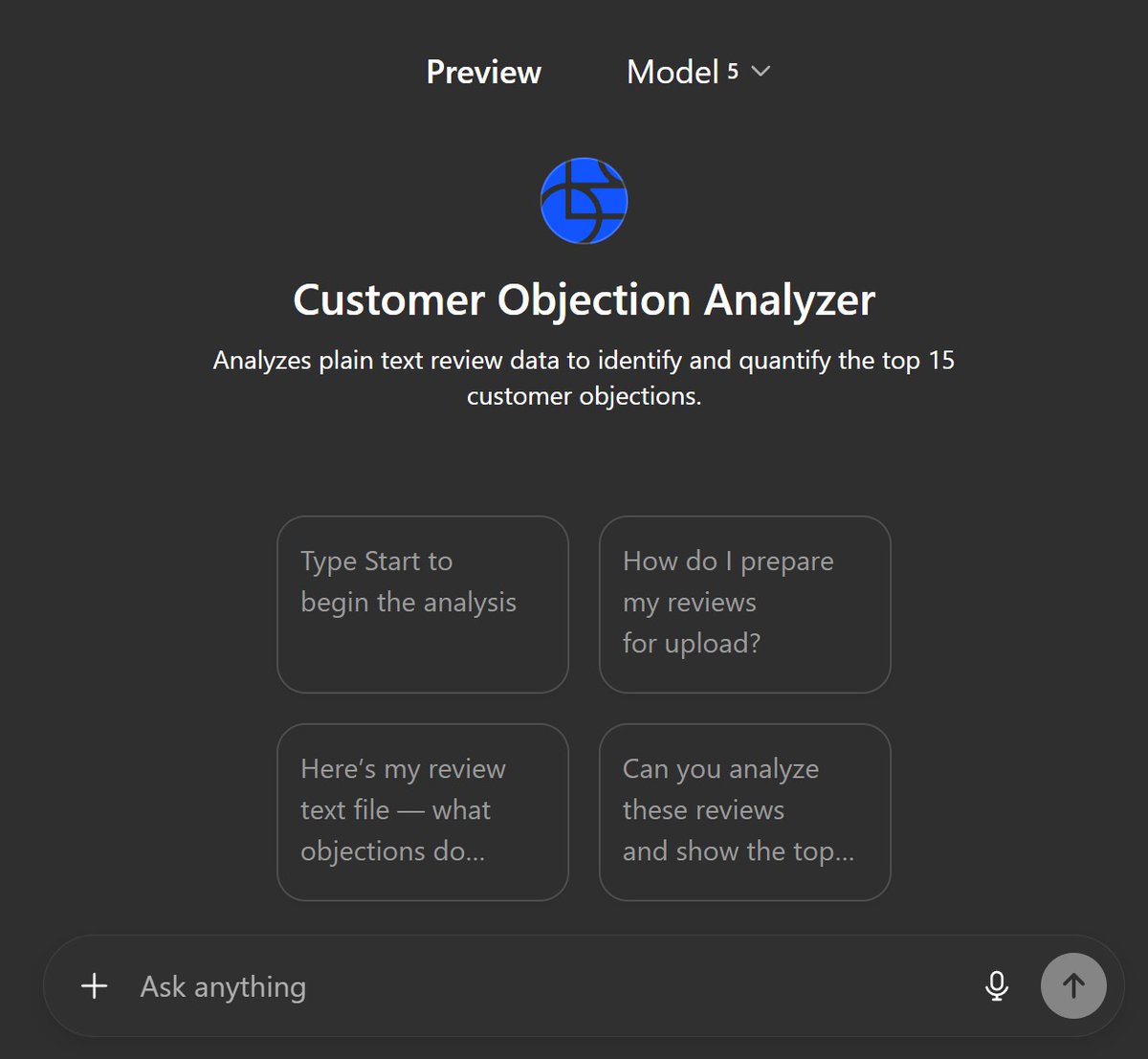
Find the 10 reasons your ROAS is dropping in 2 minutes with this FREE custom GPT The answers are hiding in plain sight. Your customers know subconsciously why your CVR sucks and your ROAS is dropping. They leave clues in product reviews. Even 5-star reviews can hold insights about where customers are dealing with friction. This custom GPT extracts sales-killing objections from your reviews. How it works: 1. Download your store's reviews 2. Convert the file to .txt 3. Upload into the GPT What it returns: - Crystal clear reasons why customers aren't buying - Objections ranked from top to bottom - Insights a human couldn't spot Want the GPT? I'm not doing the "comment for access" thing. Get it here: cleancommit.io/resources/shop… All I ask is that: 1) You like this post to tell me that you've got it 2) Comment your coolest finding P.S. Let me know if you don't have enough reviews - there's a workaround.
Tim Davidson tweet media
English
0
0
0
16
Ayman Arab
Ayman Arab@theaymanarab·
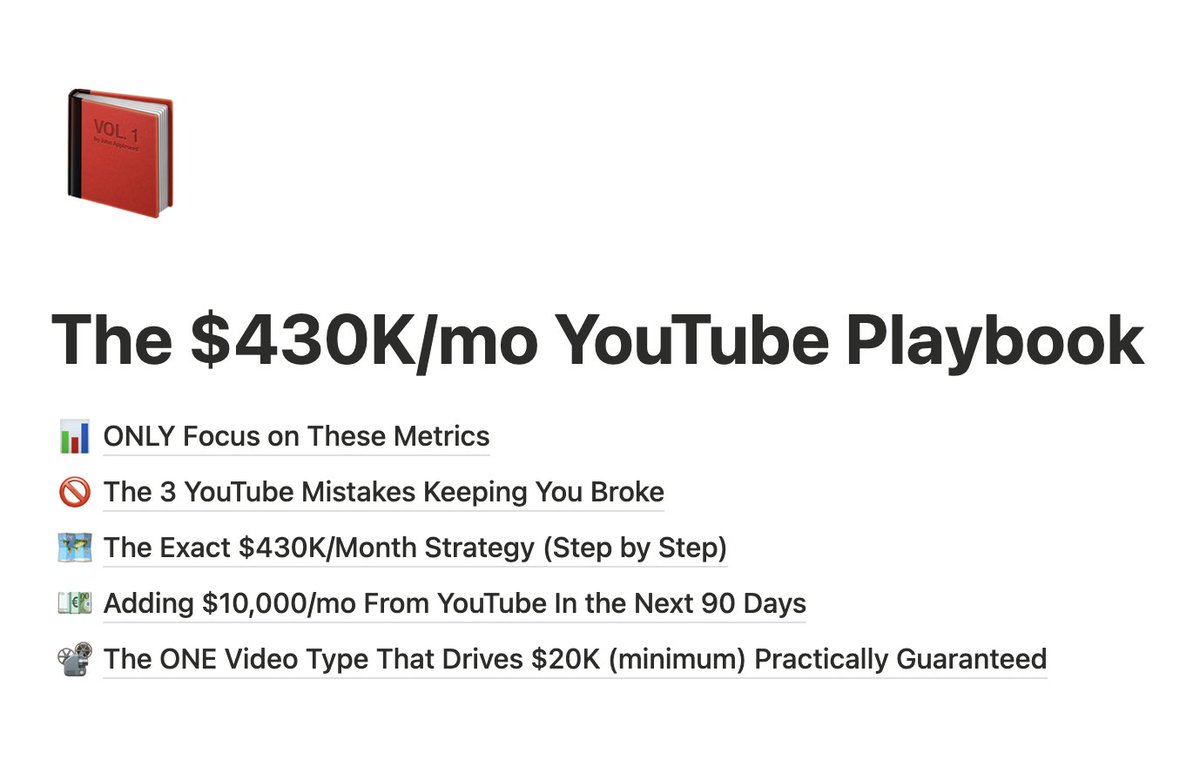
We scaled our client to $426K/mo through YouTube… (without viral videos or 1M+ subscribers) Because revenue on YouTube has nothing to do with follower counts or fancy gear. It comes down to one simple thing: A funnel that brings in qualified leads, consistently. And a proper funnel doesn’t depend on gimmicks and tricks. I documented the exact system that 8x’d my client's revenue in just 90 days. Inside the guide, you'll discover: - The 3 costly mistakes killing your YouTube lead flow - How to position yourself as THE number one authority - The exact 90-day content strategy we implemented for him - The exact CTAs we used to convert regular viewers to booked calls His growth wasn’t luck, but an actual process. And that same process is laid out step-by-step inside for you inside the document. Reply "YOUTUBE" and I'll DM you access (must be following so I can DM)
Ayman Arab tweet media
English
288
20
293
39.4K
Tim Davidson
Tim Davidson@cleancommit·
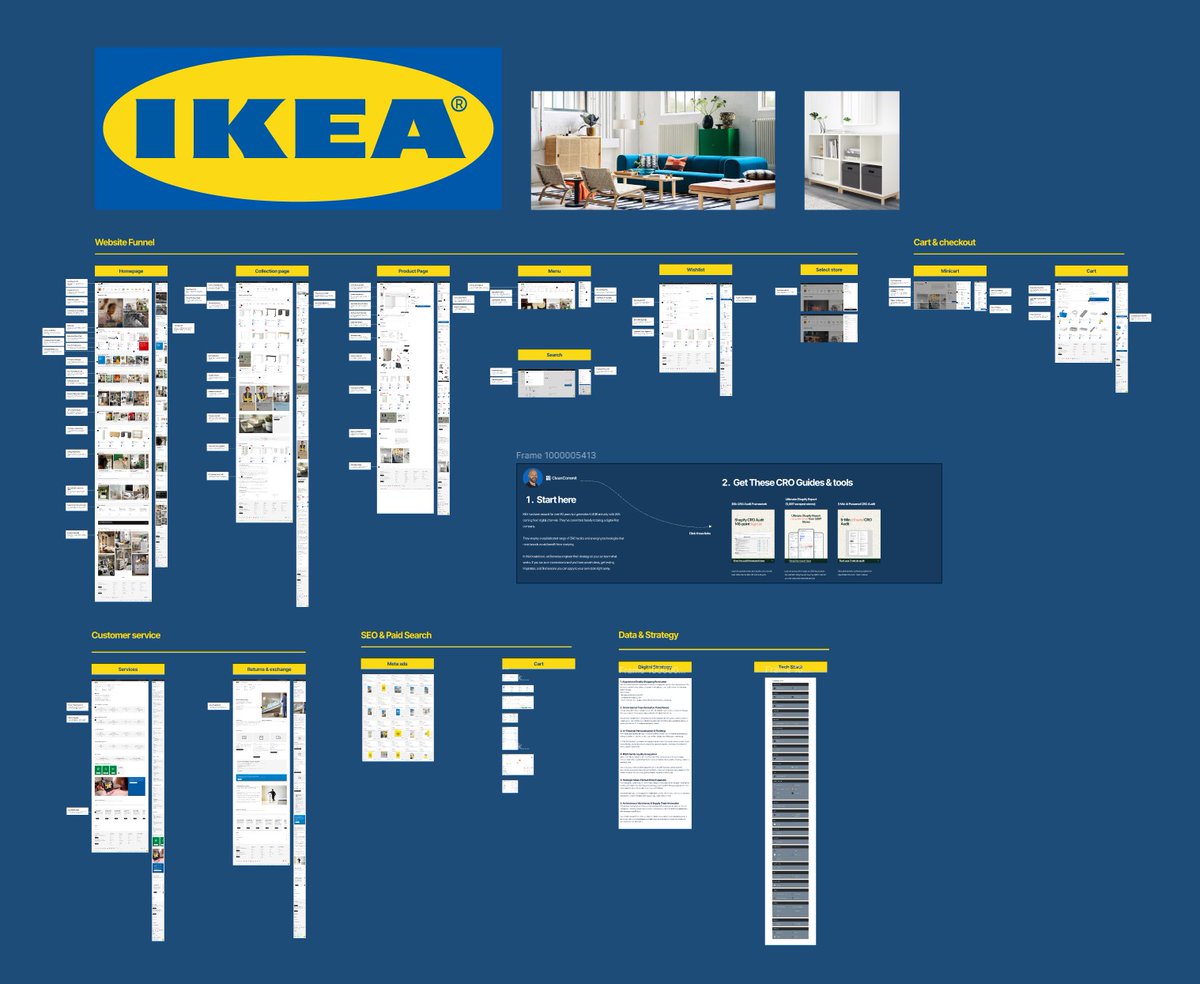
I spent 2 weeks deep in IKEA's $12.5B funnel IKEA are Swedish GODS at turning paid traffic into sales. Once you know how they make it work, the formula is simple. Like and reply, and I'll DM you the breakdown.
Tim Davidson tweet media
English
0
0
0
23
Tim Davidson
Tim Davidson@cleancommit·
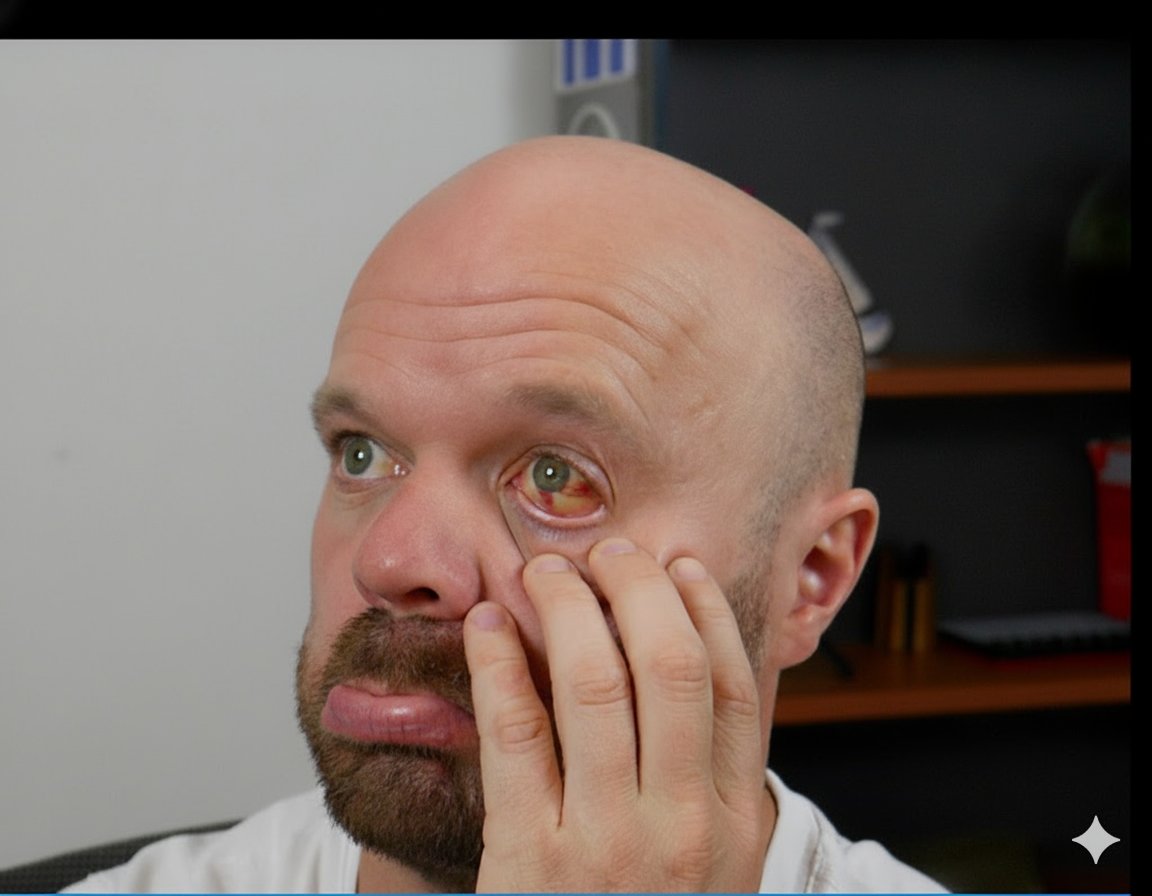
How to ruin your second ever YouTube video before turning on your camera. Step 1 - Get really sick on the weekend Step 2 - Throw up a bunch Step 3 - Look like your eyes are going to fall out True story. I ended up recording it anyway. And yes, I could have postponed for 2 or 3 days. But as soon as one thing gets postponed it's a domino effect. All of a sudden it's 3 weeks later and still not done. Anyone else with me on this? If it's on the list, it must get done. Anyhow, the video this week is about using AI + customer reviews to write high converting copy. Check it out if you're in the Shopify space: youtu.be/XEfyNefXKbE
YouTube video
YouTube
Tim Davidson tweet media
English
0
0
0
7
Tim Davidson
Tim Davidson@cleancommit·
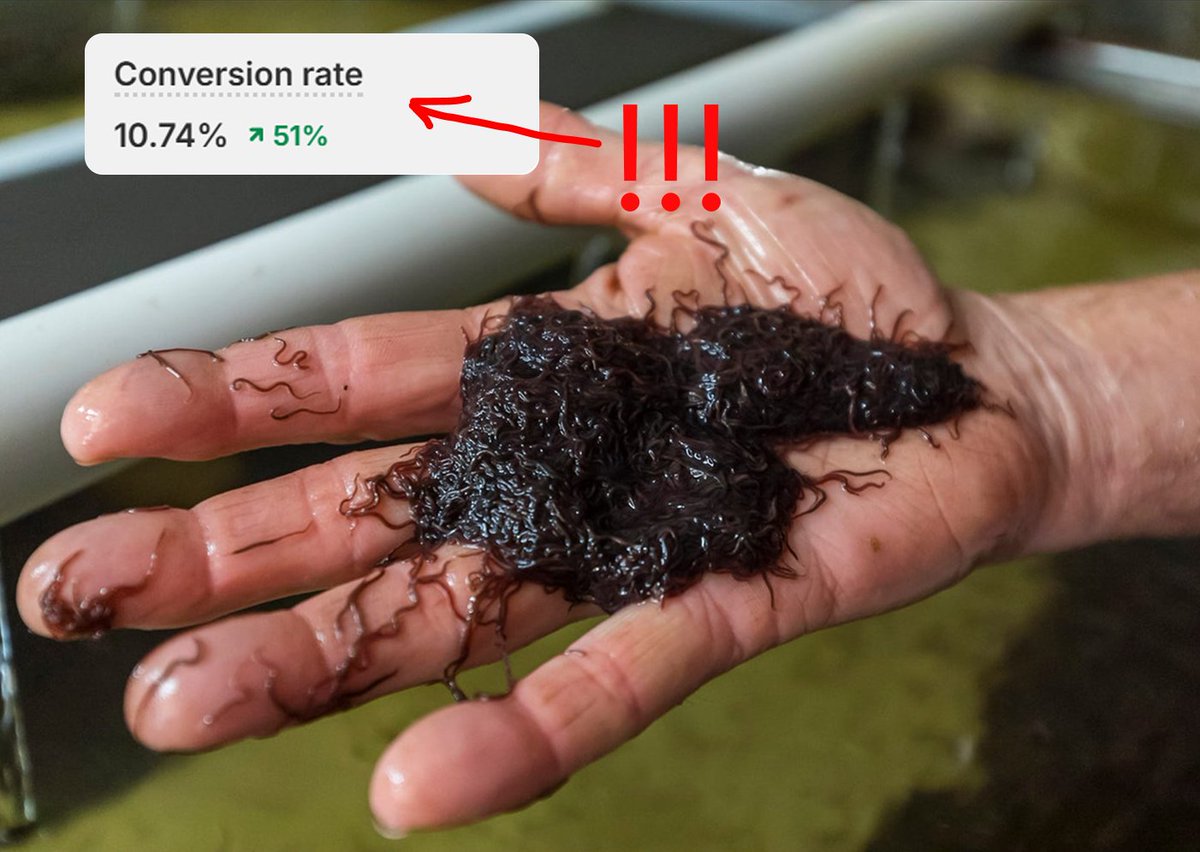
My Mum's store converts higher than Nike but there's a reason I never write about it. I'm not above a humble brag. I've added over $20M in topline revenue for my clients in the past 18 months. But there's one thing I'll never ever do. And that's claim results that I didn't achieve. My mum and dad started the family business over 40 years ago. It's one of only two aquatic worm farms in the world. The product is in super high demand by zoo's, pet stores and aquariums all around the world. Four years ago they asked me to update their old website. I spent a couple of months carefully rebuilding and optimizing the store. It made an immediate impact: - Subscriptions rose by 19% - Online revenue jumped by 27% - Conversion rate averages >10% Incredible results, right? Here's what would make this the most dishonest case study ever: - The old site barely worked - They only receive 1,500 sessions a month - 90% of sales come from returning customers The truth? That 10% conversion rate has very little nothing to do with my work. It's the result of my parents spending 40 years building a monopoly in the world's most niche market. I might be able to claim 1%. The other 9% was already there, built on being irreplaceable. Some businesses succeed because of fundamentals so strong that even a broken website couldn't stop them. And that's not something any consultant can take credit for. P.S. What's the most misleading metric you see people bragging about in your industry?
Tim Davidson tweet media
English
0
0
0
15
Tim Davidson
Tim Davidson@cleancommit·
@rachael__nelson I saw a Shopify store setup without a purchase button last week. They routed 100% of their traffic to Amazon...!?
English
0
0
0
16
Rachael Nelson
Rachael Nelson@rachael__nelson·
Never seen this before… I’m in the adidas native app and there are Amazon prime options available on some of the products. I love adidas but I don’t think this is the move tbh.
Rachael Nelson tweet media
English
2
0
3
1.3K