UBS raising $MU pt to... $1,625
Code to Compound
5K posts

@codetocompound
Stock enthusiast 📊| Compounding Ambassador | Valuation over hype & noise | Sharing insights from 🇲🇾

UBS raising $MU pt to... $1,625


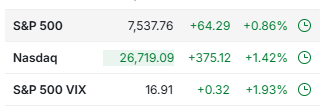
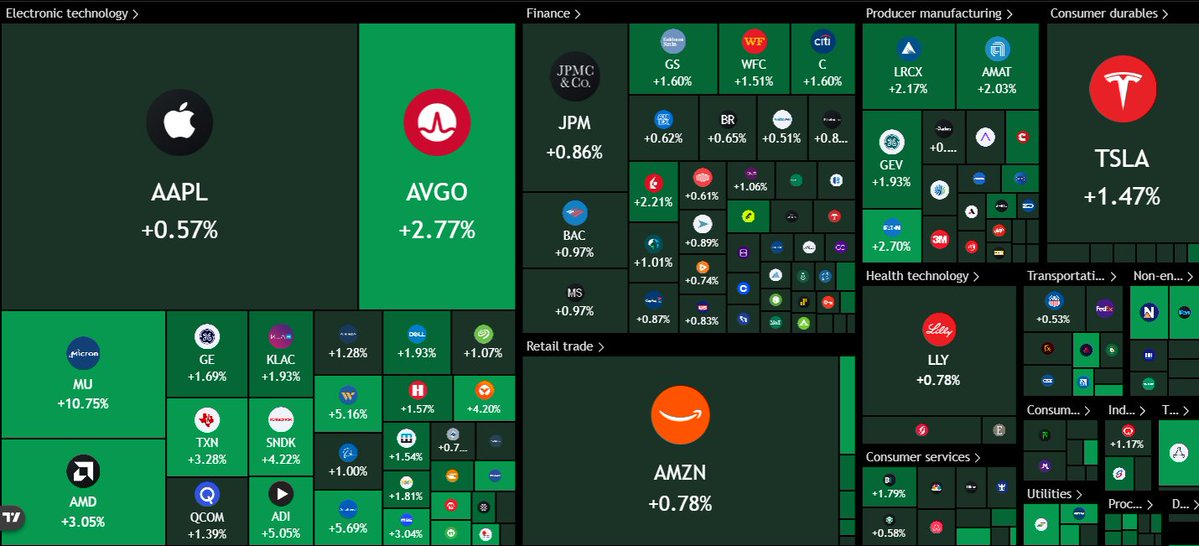
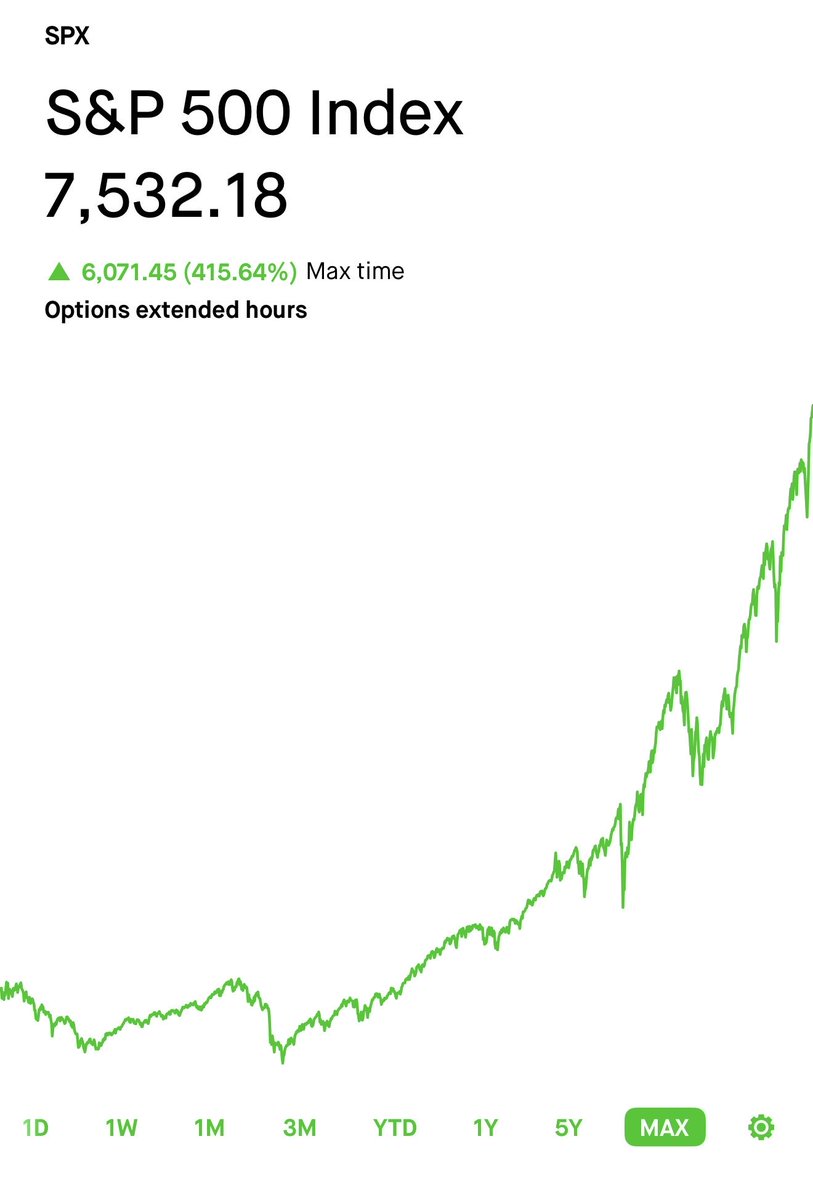
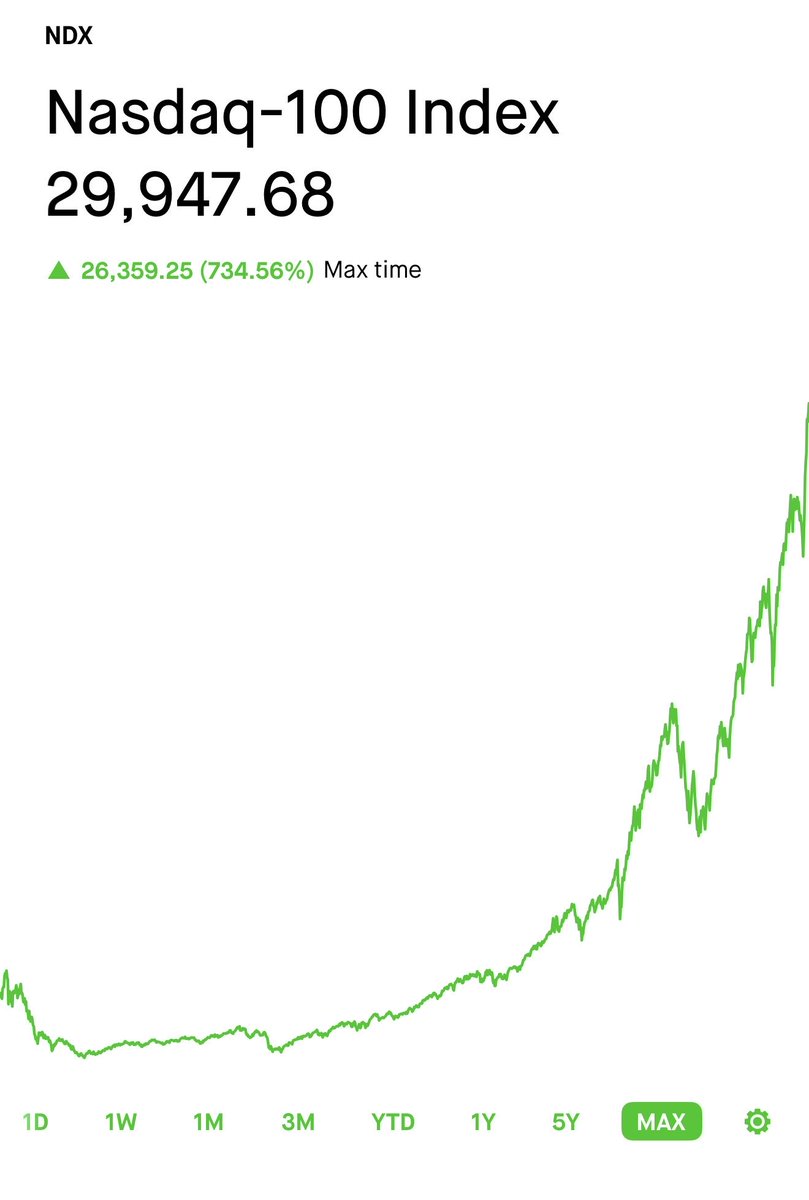
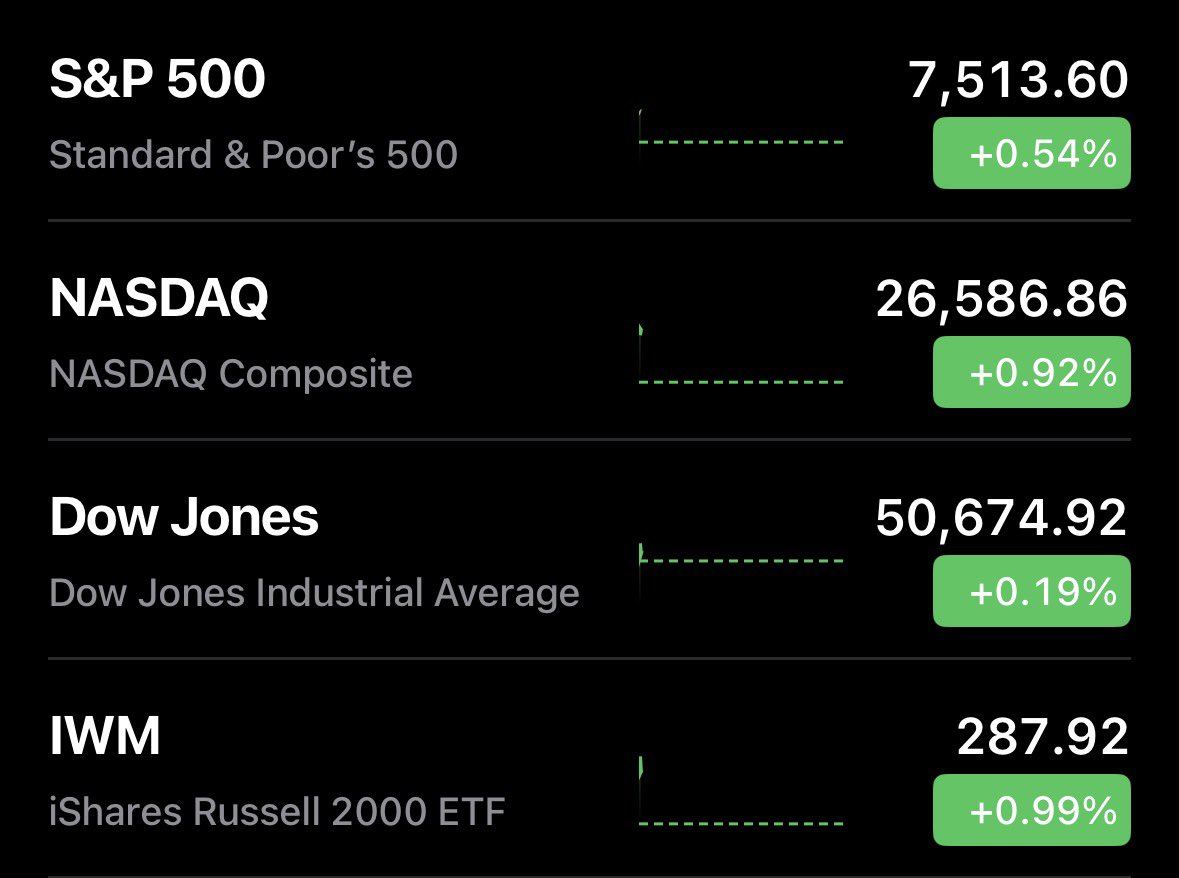
The S&P 500 keeps pushing new all-time highs with no clear signs of slowing down. Tech stocks are leading the charge, but it’s not just momentum, earnings and demand are actually holding up. The real question is: what breaks this cycle and when? $VOO $SPY $SPX

The S&P 500 keeps pushing new all-time highs with no clear signs of slowing down. Tech stocks are leading the charge, but it’s not just momentum, earnings and demand are actually holding up. The real question is: what breaks this cycle and when? $VOO $SPY $SPX

The S&P 500 keeps pushing new all-time highs with no clear signs of slowing down. Tech stocks are leading the charge, but it’s not just momentum, earnings and demand are actually holding up. The real question is: what breaks this cycle and when? $VOO $SPY $SPX

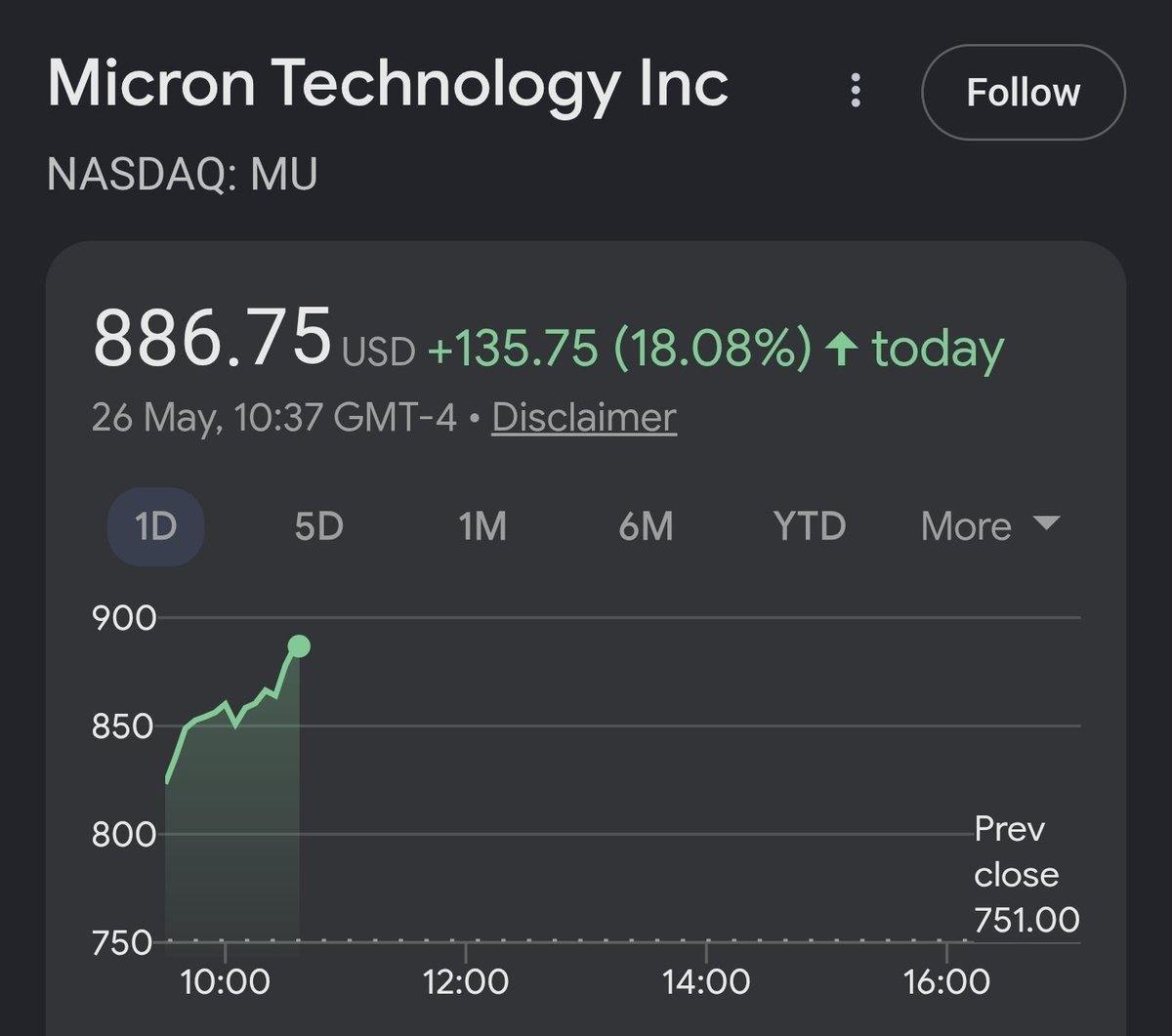
What’s happening with $MU is actually pretty crazy if you think about it. For years, the market treated memory companies as purely cyclical commodity businesses. Now AI is potentially changing the structure of the entire industry. If hyperscalers are already locking up 60-70% of server DDR5 supply years in advance, this is no longer just “normal memory demand.” The interesting part is not even the upgraded price target. It’s the idea that DRAM shortages could persist into 2028 because AI demand is consuming supply so aggressively. That completely changes how investors may eventually value Micron. The market still views memory through old cycle logic: oversupply → price crash → earnings collapse. But if AI permanently tightens high bandwidth memory and server DRAM supply, Micron could become structurally more profitable than investors expect. Not saying memory cycles disappear completely. But the AI era may have fundamentally raised the floor for demand.

What’s happening with $MU is actually pretty crazy if you think about it. For years, the market treated memory companies as purely cyclical commodity businesses. Now AI is potentially changing the structure of the entire industry. If hyperscalers are already locking up 60-70% of server DDR5 supply years in advance, this is no longer just “normal memory demand.” The interesting part is not even the upgraded price target. It’s the idea that DRAM shortages could persist into 2028 because AI demand is consuming supply so aggressively. That completely changes how investors may eventually value Micron. The market still views memory through old cycle logic: oversupply → price crash → earnings collapse. But if AI permanently tightens high bandwidth memory and server DRAM supply, Micron could become structurally more profitable than investors expect. Not saying memory cycles disappear completely. But the AI era may have fundamentally raised the floor for demand.

UBS on $MU: Our supply chain work on Long Term Agreements (LTAs) across the memory industry suggests that up to 30% of DDR volumes industry-wide will be soon locked in at pricing that is just slightly below current levels we now expect the DRAM industry to remain undersupplied until at least C2Q28 (vs. 4Q27 prior), and NAND undersupply to last until 4Q27 (was 3Q27). At this point, we believe hyperscalers alone to have currently secured ~60-70% of the industry Server DDR5 volumes under 'enhanced' LTAs - in other words, guaranteeing MU and others offtake for this volum Even more important, this scenario yields MU EPS of >$100 even out in C2029E when we do believe DRAM pricing will undergo a fairly significant correction. In other words, we think MU still earns >$100 even if pricing for the floating portion of DDR declines by ~50%.

The S&P 500 keeps pushing new all-time highs with no clear signs of slowing down. Tech stocks are leading the charge, but it’s not just momentum, earnings and demand are actually holding up. The real question is: what breaks this cycle and when? $VOO $SPY $SPX

What’s happening with $MU is actually pretty crazy if you think about it. For years, the market treated memory companies as purely cyclical commodity businesses. Now AI is potentially changing the structure of the entire industry. If hyperscalers are already locking up 60-70% of server DDR5 supply years in advance, this is no longer just “normal memory demand.” The interesting part is not even the upgraded price target. It’s the idea that DRAM shortages could persist into 2028 because AI demand is consuming supply so aggressively. That completely changes how investors may eventually value Micron. The market still views memory through old cycle logic: oversupply → price crash → earnings collapse. But if AI permanently tightens high bandwidth memory and server DRAM supply, Micron could become structurally more profitable than investors expect. Not saying memory cycles disappear completely. But the AI era may have fundamentally raised the floor for demand.

The S&P 500 keeps pushing new all-time highs with no clear signs of slowing down. Tech stocks are leading the charge, but it’s not just momentum, earnings and demand are actually holding up. The real question is: what breaks this cycle and when? $VOO $SPY $SPX

The S&P 500 keeps pushing new all-time highs with no clear signs of slowing down. Tech stocks are leading the charge, but it’s not just momentum, earnings and demand are actually holding up. The real question is: what breaks this cycle and when? $VOO $SPY $SPX


What’s happening with $MU is actually pretty crazy if you think about it. For years, the market treated memory companies as purely cyclical commodity businesses. Now AI is potentially changing the structure of the entire industry. If hyperscalers are already locking up 60-70% of server DDR5 supply years in advance, this is no longer just “normal memory demand.” The interesting part is not even the upgraded price target. It’s the idea that DRAM shortages could persist into 2028 because AI demand is consuming supply so aggressively. That completely changes how investors may eventually value Micron. The market still views memory through old cycle logic: oversupply → price crash → earnings collapse. But if AI permanently tightens high bandwidth memory and server DRAM supply, Micron could become structurally more profitable than investors expect. Not saying memory cycles disappear completely. But the AI era may have fundamentally raised the floor for demand.

Trump is literally giving us free money by telling us to buy $MU Not only is this for bullish for $MU but also $SNDK and $DRAM $MU $715 —> $2,000 by 2030 $SNDK $1,381 —> $3,000 by 2030 $DRAM $50 —> $200 by 2030 Are you in or out?
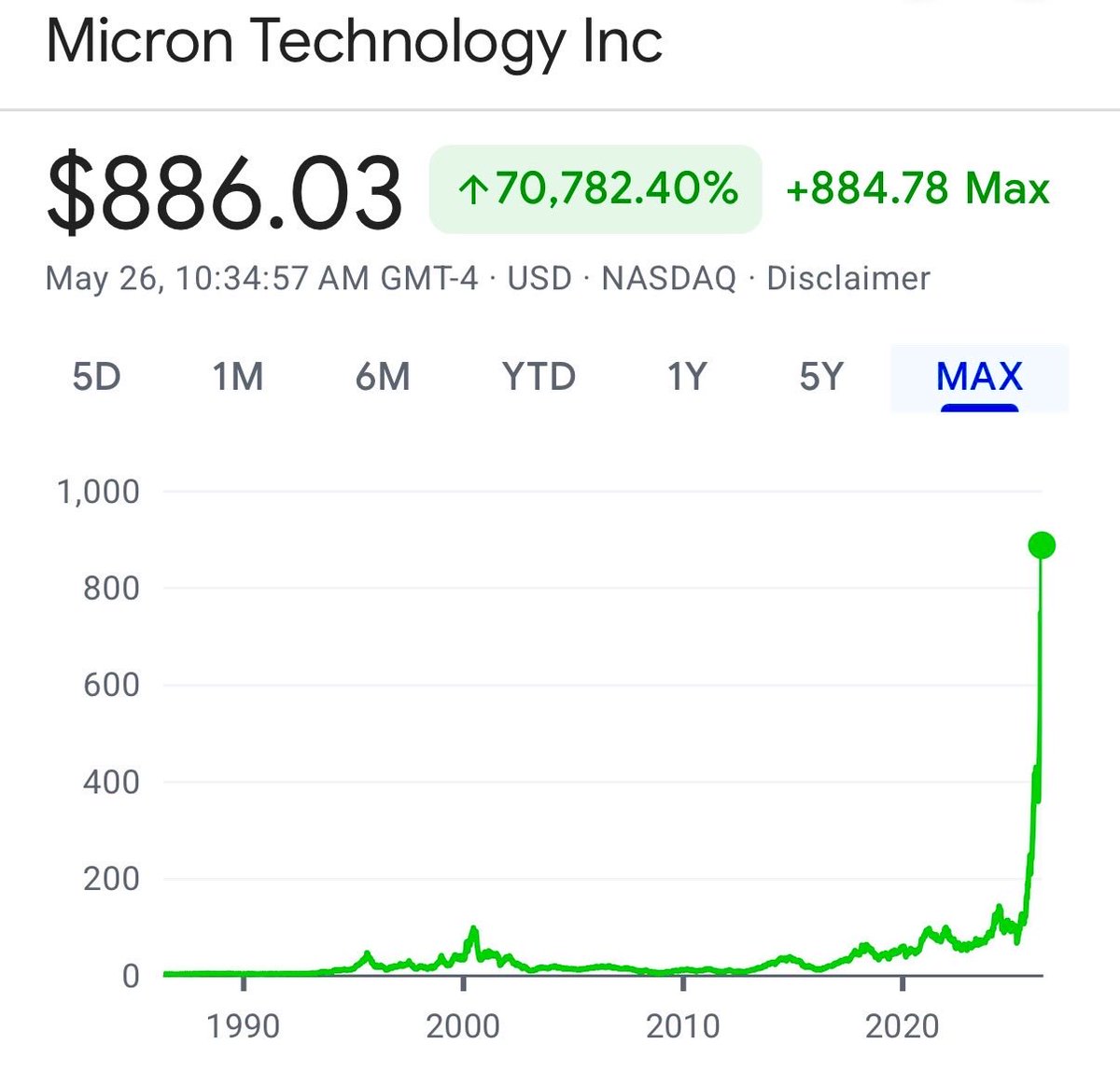
What’s happening with $MU is actually pretty crazy if you think about it. For years, the market treated memory companies as purely cyclical commodity businesses. Now AI is potentially changing the structure of the entire industry. If hyperscalers are already locking up 60-70% of server DDR5 supply years in advance, this is no longer just “normal memory demand.” The interesting part is not even the upgraded price target. It’s the idea that DRAM shortages could persist into 2028 because AI demand is consuming supply so aggressively. That completely changes how investors may eventually value Micron. The market still views memory through old cycle logic: oversupply → price crash → earnings collapse. But if AI permanently tightens high bandwidth memory and server DRAM supply, Micron could become structurally more profitable than investors expect. Not saying memory cycles disappear completely. But the AI era may have fundamentally raised the floor for demand.


$MU Memory stocks are and will continue to be the hottest theme of 2026 Hoping to see mid 600s again before we continue higher to $1,000+ in the summer Deeper pullbacks create larger opportunities

The S&P 500 keeps pushing new all-time highs with no clear signs of slowing down. Tech stocks are leading the charge, but it’s not just momentum, earnings and demand are actually holding up. The real question is: what breaks this cycle and when? $VOO $SPY $SPX

What’s happening with $MU is actually pretty crazy if you think about it. For years, the market treated memory companies as purely cyclical commodity businesses. Now AI is potentially changing the structure of the entire industry. If hyperscalers are already locking up 60-70% of server DDR5 supply years in advance, this is no longer just “normal memory demand.” The interesting part is not even the upgraded price target. It’s the idea that DRAM shortages could persist into 2028 because AI demand is consuming supply so aggressively. That completely changes how investors may eventually value Micron. The market still views memory through old cycle logic: oversupply → price crash → earnings collapse. But if AI permanently tightens high bandwidth memory and server DRAM supply, Micron could become structurally more profitable than investors expect. Not saying memory cycles disappear completely. But the AI era may have fundamentally raised the floor for demand.

The S&P 500 keeps pushing new all-time highs with no clear signs of slowing down. Tech stocks are leading the charge, but it’s not just momentum, earnings and demand are actually holding up. The real question is: what breaks this cycle and when? $VOO $SPY $SPX

What’s happening with $MU is actually pretty crazy if you think about it. For years, the market treated memory companies as purely cyclical commodity businesses. Now AI is potentially changing the structure of the entire industry. If hyperscalers are already locking up 60-70% of server DDR5 supply years in advance, this is no longer just “normal memory demand.” The interesting part is not even the upgraded price target. It’s the idea that DRAM shortages could persist into 2028 because AI demand is consuming supply so aggressively. That completely changes how investors may eventually value Micron. The market still views memory through old cycle logic: oversupply → price crash → earnings collapse. But if AI permanently tightens high bandwidth memory and server DRAM supply, Micron could become structurally more profitable than investors expect. Not saying memory cycles disappear completely. But the AI era may have fundamentally raised the floor for demand.


Memory Companies Forward P/E Estimates [May 2026]: Sandisk ( $SNDK ): ~22.9x [2026] ~7.4x [2027] Micron ( $MU ): ~12.9x [2026] ~7.5x [2027] SK hynix: ~6.9x [2026] ~5.5x [2027] Samsung Electronics: ~6.8x [2026] ~5.0x [2027] Data sources: Sandisk: Bernstein (1 May) Micron: BofA (13 May) SK Hynix & Samsung: JP Morgan (18 May) LTAs extending through to 2030 from hyperscalers have effectively transformed memory companies to have predictable SaaS-style revenue streams. A paradigm shift to reliable earnings where suppliers hold all the pricing power. Yet forward P/E multiples remain paradoxically compressed.

What’s happening with $MU is actually pretty crazy if you think about it. For years, the market treated memory companies as purely cyclical commodity businesses. Now AI is potentially changing the structure of the entire industry. If hyperscalers are already locking up 60-70% of server DDR5 supply years in advance, this is no longer just “normal memory demand.” The interesting part is not even the upgraded price target. It’s the idea that DRAM shortages could persist into 2028 because AI demand is consuming supply so aggressively. That completely changes how investors may eventually value Micron. The market still views memory through old cycle logic: oversupply → price crash → earnings collapse. But if AI permanently tightens high bandwidth memory and server DRAM supply, Micron could become structurally more profitable than investors expect. Not saying memory cycles disappear completely. But the AI era may have fundamentally raised the floor for demand.