Sheldoon_cooper retweetledi

SOMETHING CLEARLY CHANGED IN THE CRYPTO MARKET AFTER OCTOBER 10TH.
And the data supports it.
On that single day, the market saw the largest liquidation event in crypto history, nearly $20B wiped out in less than 24 hours.
When we add everything from October 1st to today, the total liquidation figure crosses $41B, which is an unusually high number for a period without major macro shocks, protocol failures, exchange collapses, or black-swan headlines.
What makes this even more unusual is that equities recovered, the S&P 500 made new highs, and NVIDIA delivered strong earnings, yet crypto never stabilized.
There has been no meaningful bounce, no relief rally, and no rotation. The market has moved in a straight down line: forced selling, minor pauses, and more selling.
If you look at the daily liquidation data, the pattern is consistent.
Every attempt at recovery gets taken out by another wave of long liquidations.
Even on days when global markets remain stable or even green, crypto experiences sudden, concentrated flushes where $100M-$1B in leveraged positions get liquidated in hours.
This kind of repeated behaviour usually points toward one of three possibilities: a major entity unwinding positions, structural deleveraging inside large trading firms, or a series of systematic liquidity gaps triggered by thin order books.
But the core point is that none of this has been officially confirmed. Despite the scale of the event, there has been no clear explanation from any market participant, no statement from large funds, and no evidence released showing what started the chain reaction.
The strange part is that nothing in the macro environment on October 10th justified a liquidation wave of this magnitude.
There was no ETF rejection or approval, no regulatory shock, no significant economic data, and no on chain failure.
Yet the sell off created a structural shift in market behaviour that has continued for 45 days.
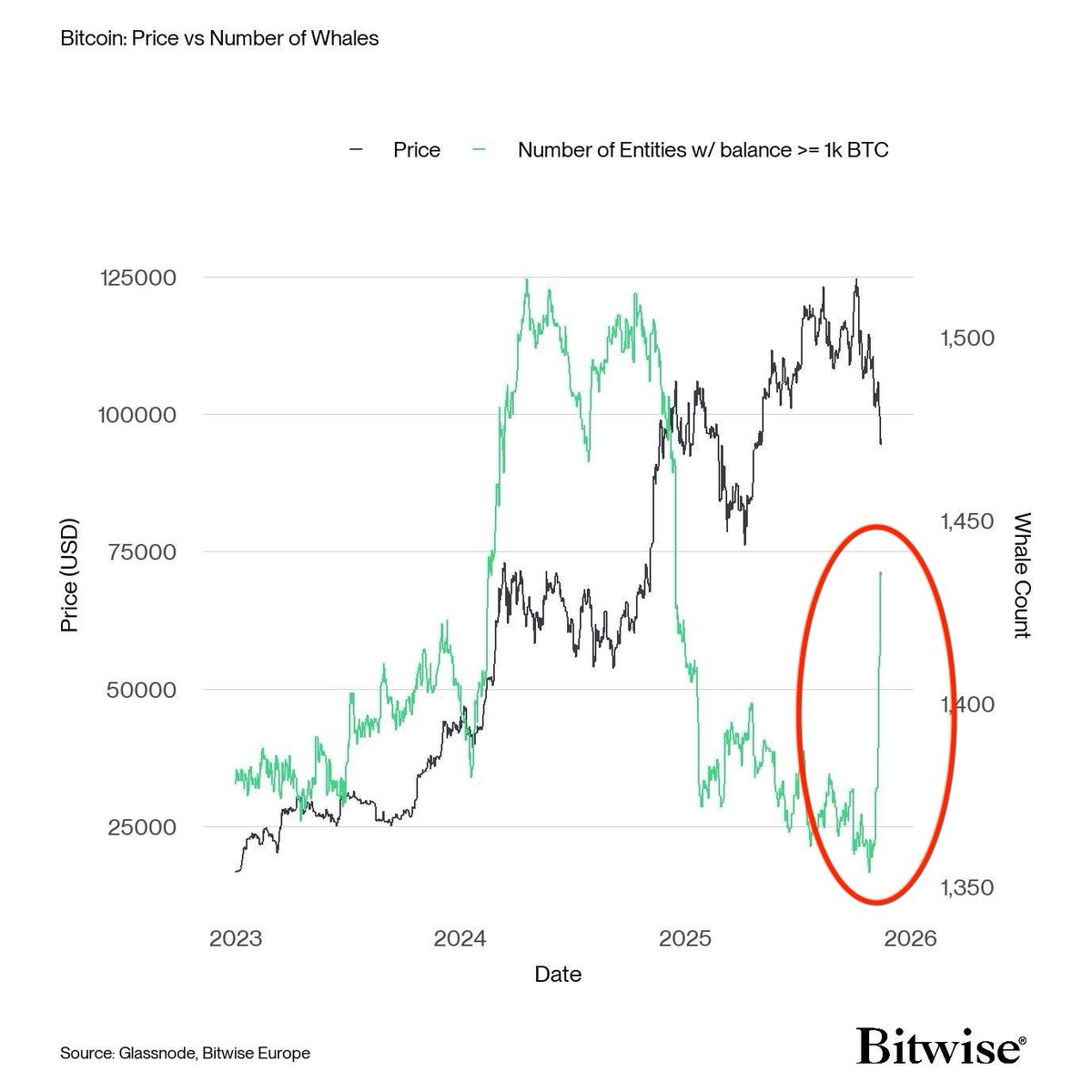
Traders were wiped out, open interest collapsed, and liquidity thinned across major pairs.
Even now, the market continues to respond to small moves with outsized liquidations. This suggests that the initial event on October 10th did more damage beneath the surface than the market has understood.
After such a large liquidation event, markets typically retrace or consolidate to rebalance positions.
But we’ve had none of that. Instead, the selling has looked systematic and controlled, almost as if a single large entity or a small group is still in the process of reducing exposure.
That is the part the industry still has no clarity on.
Billions were liquidated, liquidity conditions changed, retail was heavily impacted, and yet we still do not know who absorbed the losses or who benefited from the unwind.
With over $41B liquidated since October 1st and $20B in one day, the market deserves transparency about what led to this sustained breakdown in market structure.
And this is exactly where the Digital Asset Market Clarity Act matters.
Because when $41B gets liquidated in six weeks with no confirmed trigger, the real issue is the lack of clear rules around market behaviour.
The CLARITY Act directly targets the loopholes that allow this kind of unexplained move:
• Bans wash-trading
• Gives the CFTC real-time monitoring to flag abuse
• Criminalizes spoofing and front-running
• Requires proof-of-reserves and monthly audits for all US-facing exchanges
If these standards were active today, we would at least know who was behind the October 10th liquidation wave and what actually triggered it.
The market doesn’t just need stability, it needs clarity.

English