Crypto Sec

490 posts

Crypto Sec

Crypto Sec

@crypto_sec

Security researcher wonk, community-based geekery, rockin' IoT, fan of things that fly more than once.

@laptop Katılım Eylül 2009
400 Takip Edilen180 Takipçiler
Michael Knowles
Michael Knowles@michaeljknowles·
This video made me pro-AI.
English
623
3K
27.7K
1.1M
Crypto Sec
Crypto Sec@crypto_sec·
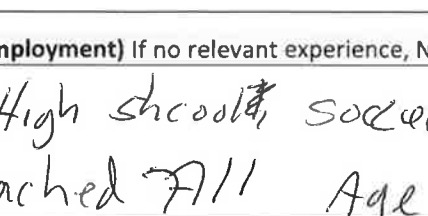
Local guy running for School Board can't spell school on the application, even after deleting the second 'L' :)
Crypto Sec tweet media
English
0
0
1
41
Crypto Sec
Crypto Sec@crypto_sec·
Good simple explanation of the foundation of power supplies and rectifiers.
ElectronicsNotes by Ian Poole@ElecNotes

Diode Rectifier Circuits Infographic I've updated this infographic a bit. In it I've shown the common types of diode rectifier circuits that are used within linear power supplies and many other circuits, and the output waveforms are shown. There are several different rectifier circuits that are in common use and each has its own properties, characteristics and capabilities. Some are applicable to some situations, whereas other circuits to different situations. To select the best circuit for the particular circuit and situation, it helps to have a quick summary of the various common rectifier circuit configurations: - No rectifier:   For this circuit, the output from the transformer is applied directly to the load which sees a full wave alternating voltage. - Half wave rectifier:   This is the simplest rectifier circuit and it uses a single diode to provide half wave rectification. Half the waveform is passed through the diode leaving the remaining half blocked. The peak of the waveform of 1.414 times the RMS value of the transformer output less a single diode drop. - Full wave rectifier using a centre tapped transformer:   This circuit uses two diodes to provide full wave rectification utilising both halves of the waveform. The peak voltage output is 1.414 times the RMS voltage from the transformer less a single diode drop. The disadvantage is that this requires a more expensive transformer and each half of the winding is only used for half the cycle. - Full wave rectifier using bridge rectifier:   This circuit uses a transformer with a single winding and no centre tap on the output to provide full wave rectification. The peak output voltage is 1.1414 times the RMS voltage of the transformer output less two diode drops. - Full wave bridge rectifier with smoothing:   This circuit uses a full wave bridge rectifier with a capacitor to provide smoothing. Some ripple remains as can be seen, but it is much better than if a half wave rectifier had been used. A voltage regulator may be used to provide a fully regulated output. I havent shown the full wave rectifier with a pi circuit including an inductor as these are less widely used now.

English
0
0
0
33
Crypto Sec retweetledi
Sara Fischer
Sara Fischer@sarafischer·
.@nytimes sues @OpenAI and @Microsoft for copyright infringement — This is a big deal because it could set a precedent for 1. How courts define the value of news content in training large language models and 2. What the damages are for previous use @axios axios.com/2023/12/27/nyt…
English
32
497
1K
293.9K
Crypto Sec retweetledi
Proton
Proton@ProtonPrivacy·
As the #OnlineSafetyAct becomes law in the #UK without critical legal safeguards to end-to-end encryption,  the internet as we know it faces a very real threat: proton.me/blog/online-sa… The Act could give the UK government the power to access, collect, and read anyone’s private conversations at any time. The UK Government has previously admitted that the proposals are "technically unfeasible," and we hope @Ofcom keeps this front of mind during the implementation process. European lawmakers also need to acknowledge this when considering similar legislation in the EU. It's not too late to stop #chatcontrol, and we encourage all of our EU-based users to contact their MEPs about this. Proton will not comply with any measures to weaken encryption for our UK users. While no one objects to increased online safety, we believe that it shouldn't come at the expense of the fundamental right to privacy. We don't believe that the majority of Proton's services will fall under the scope of the OSA; however, should we receive any requests under the Act to alter our encryption, we will be prepared to fight through legal means.
English
26
186
581
65.3K
Crypto Sec
Crypto Sec@crypto_sec·
I'm still on numbers and counting, at least there's a future for me in spreadsheets :)
English
0
0
0
49
Crypto Sec retweetledi
Linuxopsys
Linuxopsys@linuxopsys·
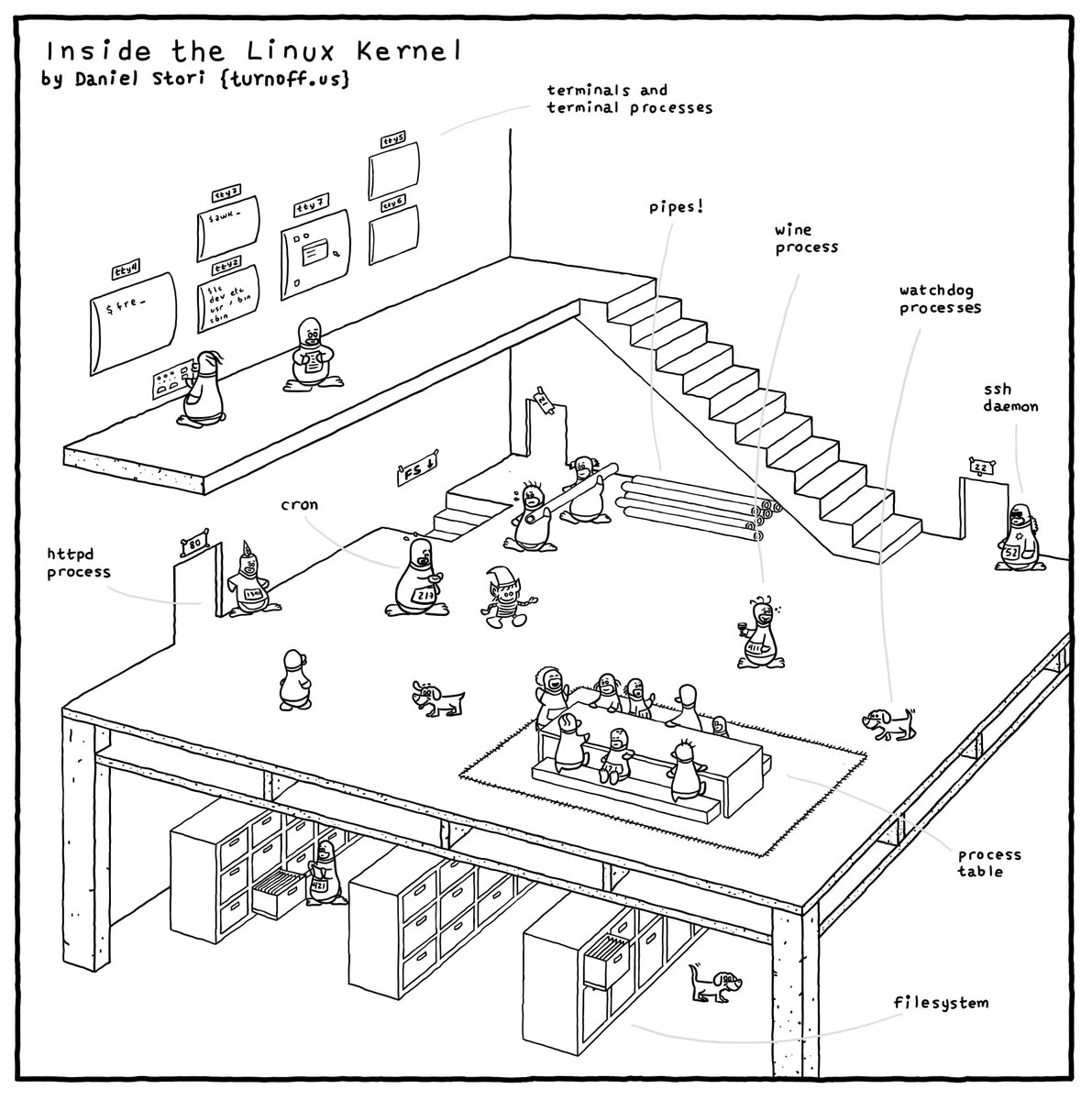
The Linux kernel, this is really cute!
Linuxopsys tweet media
English
13
605
3.1K
300.4K