Centre For Social Research

32.3K posts

Centre For Social Research banner
Centre For Social Research

Centre For Social Research

@CSR_India

Committed to building an #equitable, #sustainable, and #gender-just society.

Delhi, India Katılım Temmuz 2010
9.3K Takip Edilen34.8K Takipçiler
Centre For Social Research
Centre For Social Research@CSR_India·
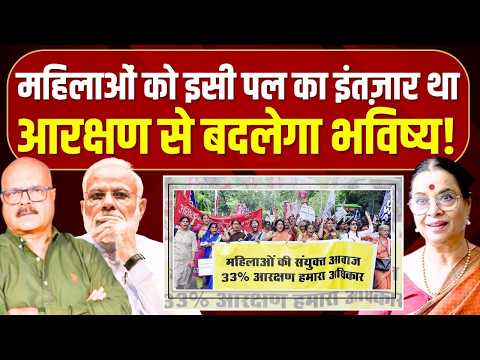
Did women lose out again in political crossfire? Dr. Ranjana points out that reserving 1/3rd seats for women never required delimitation, it could have been done immediately. Instead, the debate shifted, raising a key question: was this about empowerment or political strategy? Watch the full podcast for the complete perspective. @ranjanakumari @htTweets @kumkumchadha 🔗 Link: youtu.be/Zc5zX-9CC-E
YouTube video
YouTube
English
0
4
7
362
Centre For Social Research
Centre For Social Research@CSR_India·
Young people are growing up in a digital landscape that's changing faster than ever. We are gathering the experiences of youth across the globe, and what we're hearing is shaping the path ahead. At @CSR_India we believe real solutions to the challenges of Al start with listening to and learning from those experiencing it firsthand. what it means to them, how it's shaping their lives, and what they think needs to change. Our goal is simple: to co-create solutions with youth, not for them. If you're a young person who wants to make your voice heard, or want to partner with us, reach out. Let's take this conversation across the country and around the world. A special thank you to @childnet and Gabrielle for helping us curate these experiences.
English
0
0
2
75
Centre For Social Research
Centre For Social Research@CSR_India·
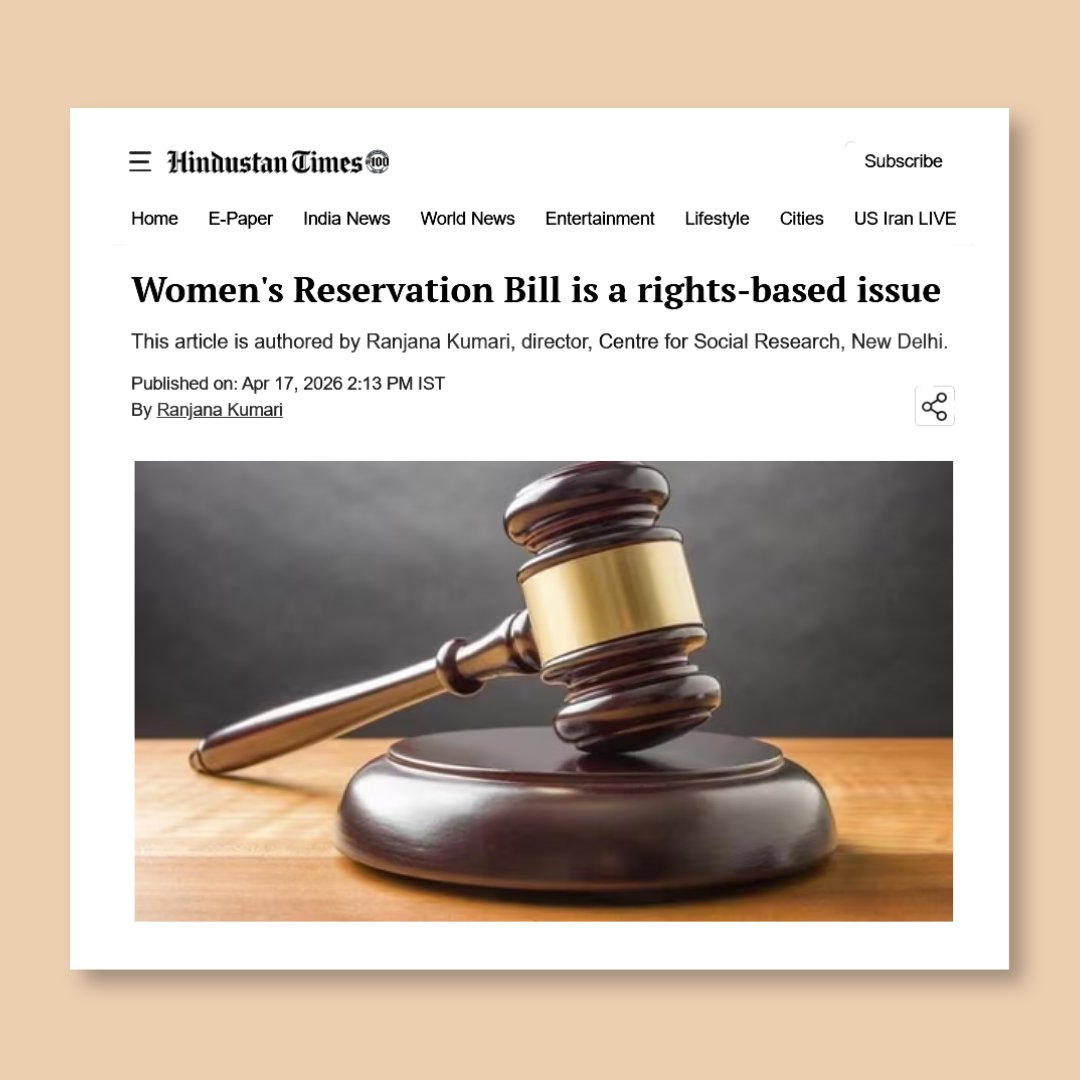
Published today in Hindustan Times, Dr. Ranjana Kumari presents a sharp political analysis of the Women’s Reservation Bill and the debates surrounding it. The article challenges the intellectual inconsistencies in arguments against expanding seats for women’s representation and highlights how concerns around delimitation, federal balance, and sub-quotas are repeatedly invoked to delay meaningful reform. It makes a compelling case that the issue is not legislative complexity, but a systemic reluctance across political parties to redistribute power. When voluntary reform has consistently failed, structural intervention is not just necessary, it is overdue. An important read for those working at the intersection of gender, governance, and democratic accountability. Link: hindustantimes.com/ht-insight/gov… @ranjanakumari @htTweets @HindustanTimes
Centre For Social Research tweet media
English
0
0
3
125
Centre For Social Research
Centre For Social Research@CSR_India·
Women are no longer waiting, they are shaping India’s democracy. In this conversation with Abhay Dubey, @ranjanakumari explains why women’s reservation is not a question of “why now,” but a long overdue step. With rising independent voting and strong grassroots leadership, women’s political agency is already transforming the system. 🎥 Watch the full conversation: youtu.be/RvBvVSDjvJs?si…
YouTube video
YouTube
English
1
1
4
125
Centre For Social Research
Centre For Social Research@CSR_India·
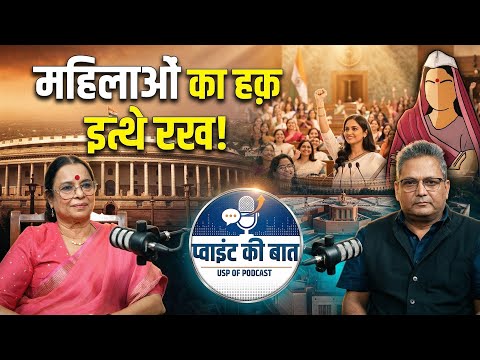
When women are dismissed as “powerless,” they don’t retreat, they rise stronger. In this compelling episode of the @umashankarsingh Point Podcast, @ranjanakumari unpacks the realities behind the Women’s Reservation Bill and what it truly means for women’s political participation in India. Watch the full podcast to understand what true political empowerment looks like. Link: youtu.be/1iXh288r9gg?si…
YouTube video
YouTube
English
0
3
17
2.5K
Centre For Social Research
Centre For Social Research@CSR_India·
As the national conversation intensifies around the implementation of the Nari Shakti Vandan Adhiniyam, it is critical to move beyond headlines and focus on what meaningful political representation will actually require. While the legislation marks a historic step, its impact will depend on timely implementation, institutional support, and ensuring that representation is truly inclusive. Questions of intersectionality, including the need for a quota within a quota, remain central to this discourse. Drawing on decades of work in advancing women’s political participation, Dr. Ranjana Kumari shares key insights on the structural and social barriers that must be addressed to translate this reform into real change. In this conversation with Mojo Story and Barkha Dutt, she reflects on the road ahead for building a more representative democracy. Watch the full discussion: youtube.com/watch?v=MI_QX9… #WomensReservation #NariShaktiVandanAdhiniyam #PoliticalRepresentation #GenderEquality
YouTube video
YouTube
English
0
0
1
131
Centre For Social Research
Centre For Social Research@CSR_India·
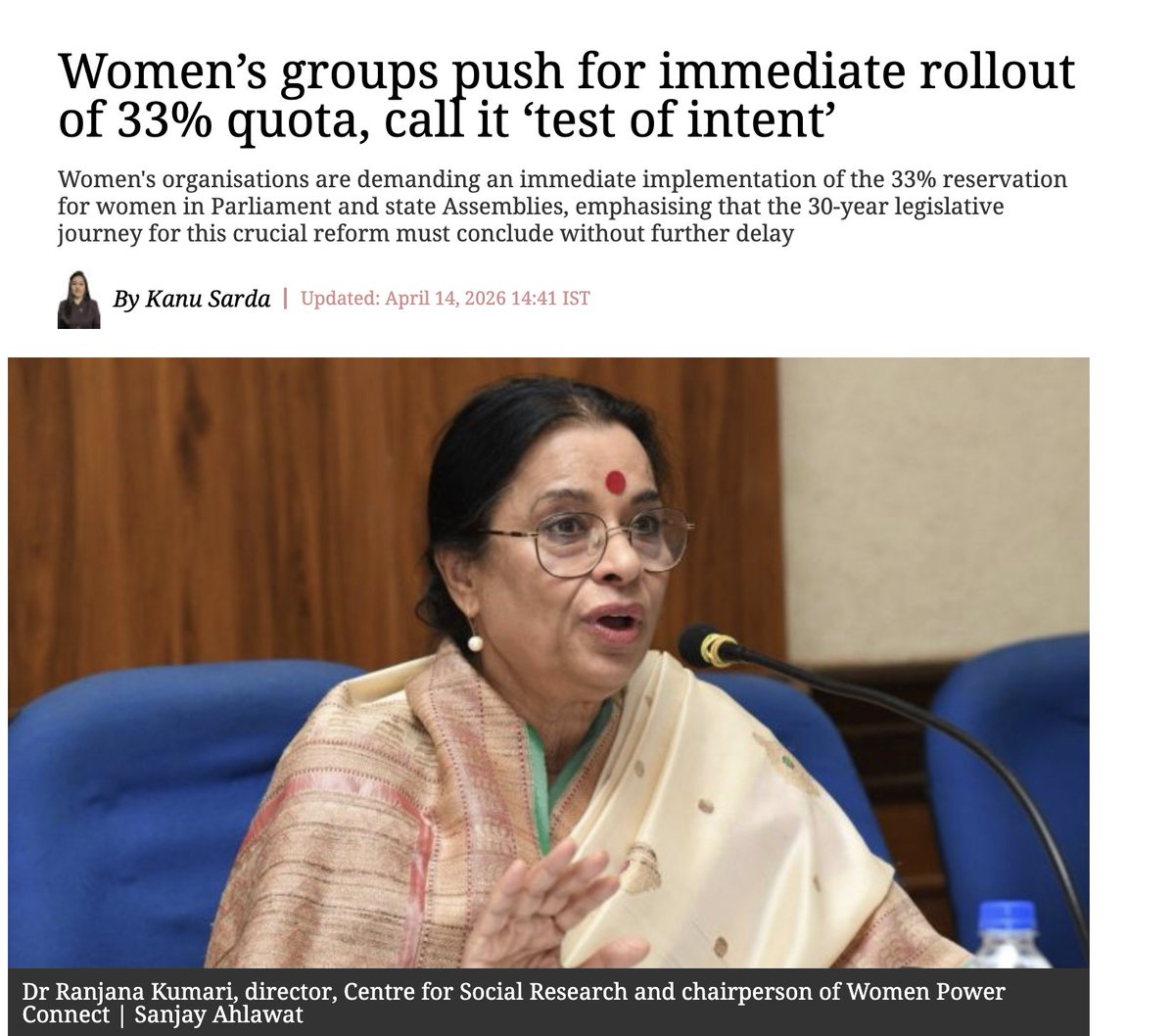
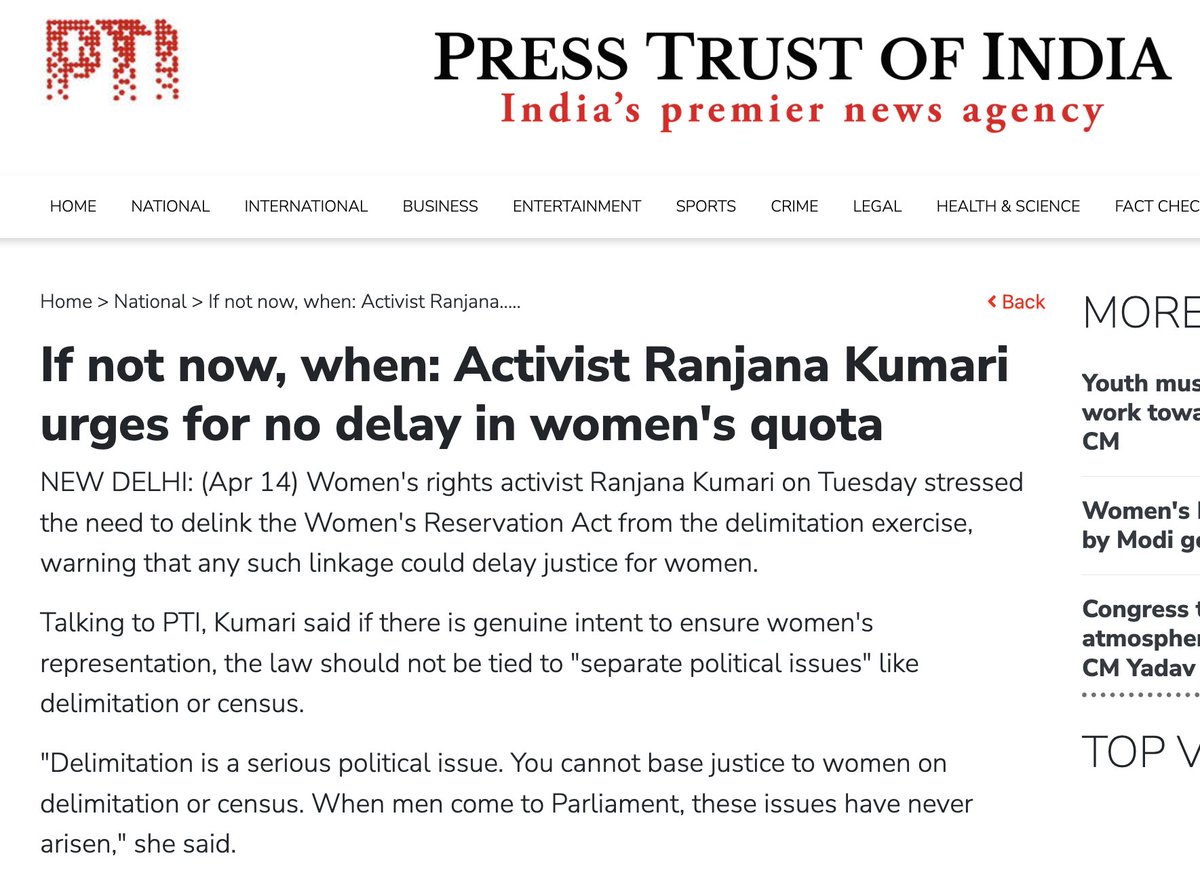
After a three-decade-long journey of sustained advocacy by women’s movements and civil society, the Nari Shakti Vandan Adhiniyam marks a historic step toward ensuring 33% reservation for women in India’s legislatures. This reform goes beyond representation—it signals a structural shift toward a more inclusive, participatory, and representative democracy. Ahead of the Special Parliamentary Session, a press conference held on April 14 at the Press Club of India brought together key voices from across the women’s movement. Dr. Ranjana Kumari, along with Women Power Connect and the Joint Women Programme—supported by a collective of 1,500+ women’s organisations—highlighted the urgent need to translate this legislative milestone into meaningful and time-bound implementation. The presence of organisations such as CEQUIN and Action India reflected the breadth of support and the continued momentum behind this long-standing demand. The way forward is clear: • Build cross-party consensus on implementation in the lead-up to 2029 • Prioritise national interest over partisan positions • Ensure timely operationalisation of the Act • Advance the mainstreaming of women’s political participation across party structures and electoral processes • Strengthen the pipeline of women leaders and equip them with the necessary resources to lead effectively Women in India have already waited decades for equitable political representation. As the focus shifts from passage to implementation, this moment calls for sustained political will, institutional commitment, and collective action to ensure that the promise of this reform translates into real change on the ground. #NariShaktiVandanAdhiniyam #WomensReservation #33PercentReservation #WomenInPolitics #GenderEquality #PoliticalReform #IndianDemocracy #WomenLeadership #InclusiveGovernance #CivilSociety #WomenPowerConnect #CSRIndia #JointWomenProgramme #PressConference #NewDelhi
Centre For Social Research tweet mediaCentre For Social Research tweet mediaCentre For Social Research tweet media
English
1
2
6
229
Centre For Social Research
Centre For Social Research@CSR_India·
The passage of the historic Women's Reservation Bill marks the culmination of a long and arduous journey —one paved with decades of advocacy, resilience, and unwavering hope. While the legislative victory is a milestone, our work does not end with a signature. The focus must now shift toward timely and transparent implementation. We cannot afford further delays if we are to truly transform the landscape of Indian democracy and ensure women take their rightful place in the halls of power. Watch the full discussion here: youtube.com/watch?v=1iXh28… #WomensReservationBill #NariShaktiVandanAdhiniyam #GenderEquality #DrRanjanaKumari #WomenInPolitics
YouTube video
YouTube
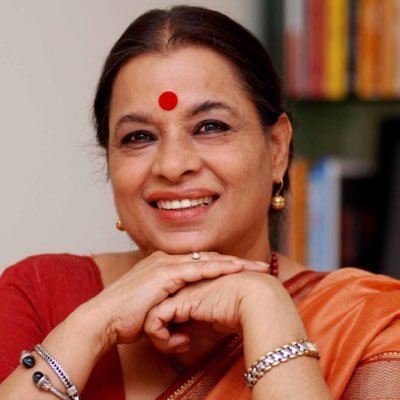
Umashankar Singh उमाशंकर सिंह@umashankarsingh

Women Reservation : उन्होंने कहा ‘पर-कटी महिलाएँ’ आ जाएँगी संसद में… पर डटीं रहीं महिलाओं अपने हक़ की ख़ातिर। अब इसे लागू होने की उम्मीद है। 16-17-18 अप्रैल को संसद में विशेष चर्चा के मौक़े पर इस लड़ाई की दास्तान @ranjanakumari के साथ #प्वाइंट_की_बात youtu.be/1iXh288r9gg?si…

English
0
6
12
4.5K
Centre For Social Research
Centre For Social Research@CSR_India·
After a three-decade-long journey of sustained advocacy and legislative effort, the Nari Shakti Vandan Adhiniyam marks a historic step toward ensuring 33% reservation for women in India’s legislatures. Organisations such as the Centre for Social Research (CSR) and members of Women Power Connect have been closely engaged in advancing this issue over the years, contributing to the broader momentum for reform. As the focus now shifts from enactment to implementation, the moment carries particular significance. Ensuring that this constitutional mandate translates into meaningful, inclusive participation will be critical to strengthening the depth and responsiveness of democratic institutions. A press conference convened by Dr. Ranjana Kumari will take place on April 14, 11:30 AM – 2:30 PM at the Press Club of India, New Delhi, to address the implementation of the Nari Shakti Vandan Adhiniyam and the way forward for advancing women’s political representation. #NariShaktiVandanAdhiniyam #WomensReservation #33PercentReservation #WomenInPolitics #PoliticalRepresentation #GenderEquality #IndiaDemocracy #CSRIndia #WomenPowerConnect
Centre For Social Research tweet media
English
0
0
3
134
Centre For Social Research retweetledi
Dr. Ranjana Kumari
Dr. Ranjana Kumari@ranjanakumari·
We appeal to all political Parties to pass it with consensus.@INCIndia @TMC_Supporters @BJP4India @samajwadiparty @priyankagandhi @bspindia @supriya_sule @SupriyaShrinate
ANI@ANI

#WATCH | Delhi | On the Women's Reservation Bill, Centre For Social Research Director Ranjana Kumari says, "This is a very special moment in India's history... It was our Constitution makers' wish to give equality to women. Babasaheb Bhimrao Ambedkar was the one who really talked about women's participation... The PM is very right in saying that more women should participate in our nation-building process.... There is a little bit of news that some parties are trying to block this in the Parliament. This is totally unjust to the women of India..."
English
1
3
5
489
Centre For Social Research
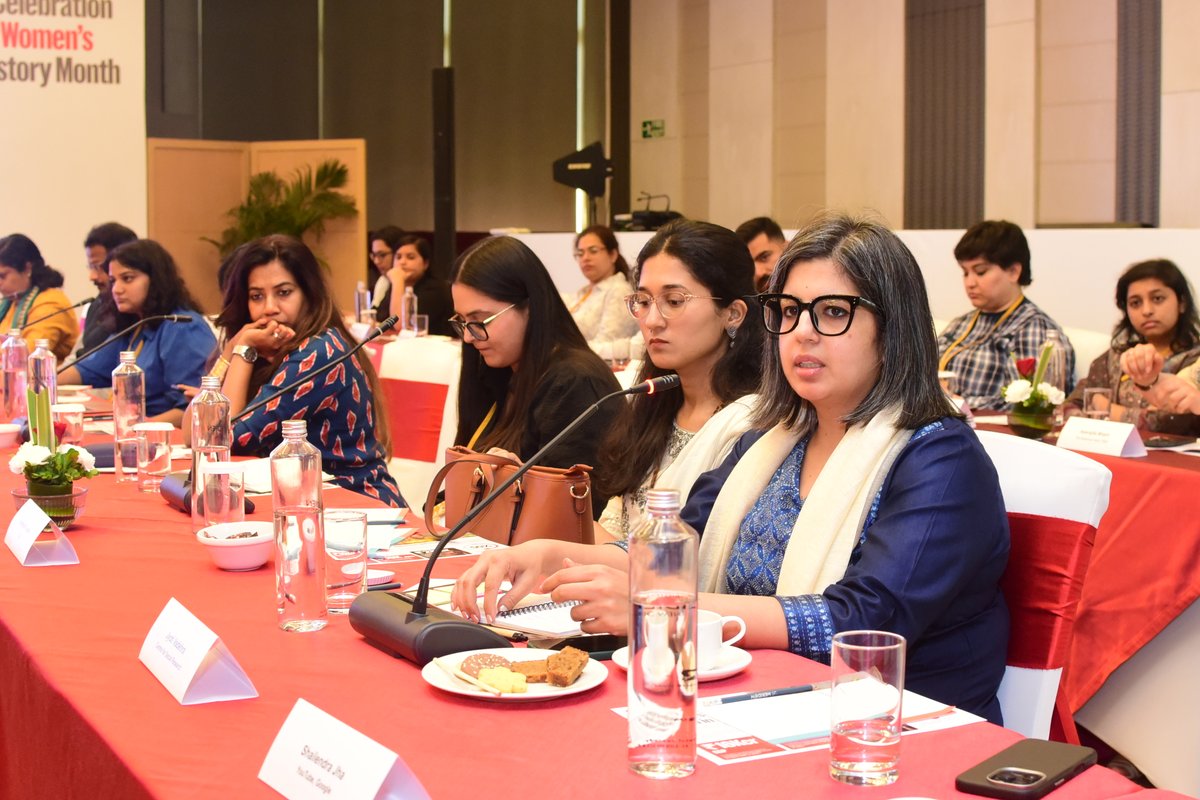
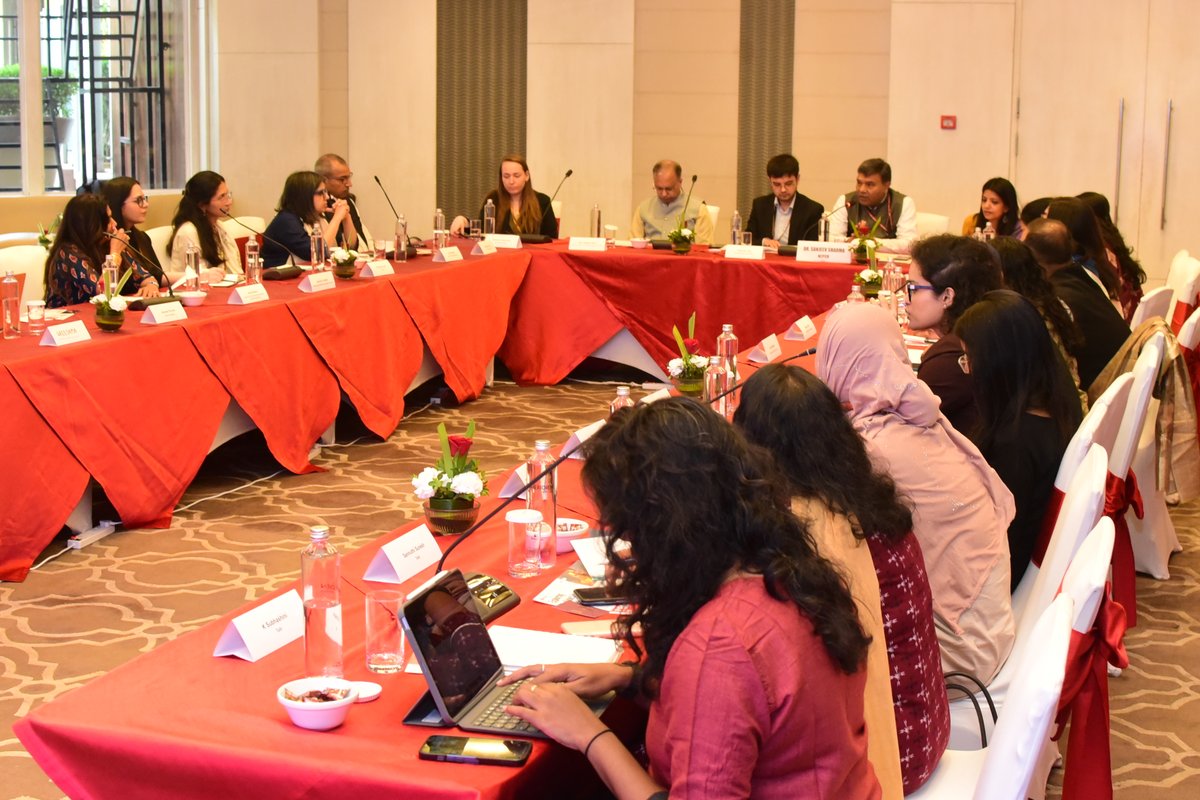
Women’s History Month led us to a long-standing conversation we’ve been pushing. Jyoti Vadehra, Lead – Digital Trust and Safety at the Centre for Social Research, joined TQH’s convening of women creators, policymakers, and civil society working on online harms. The discussion brought together MPs, NCPCR, MeitY, and organisations supporting survivors of NCII and CSAM. Jyoti highlighted a consistent message from survivors: platforms must move beyond generic responses. What’s needed are time-bound updates, clear communication, and predictable escalation pathways. Reporting harm is emotional and often retraumatizing—systems must reflect that. There is also a need for stronger links between platforms and civil society to provide counselling, legal support, and sustained care. In urgent cases, coordinated systems—like standardized escalation protocols and trusted flagger channels—are critical. This conversation, under the WiDEN banner, is a first of its kind—and we’re glad to be part of building it. #WomensHistoryMonth #TrustAndSafety #DigitalRights #OnlineSafety
Centre For Social Research tweet mediaCentre For Social Research tweet media
English
0
0
2
102
Centre For Social Research retweetledi
ANI
ANI@ANI·
#WATCH | Delhi | On the Women's Reservation Bill, Centre For Social Research Director Ranjana Kumari says, "This is a very special moment in India's history... It was our Constitution makers' wish to give equality to women. Babasaheb Bhimrao Ambedkar was the one who really talked about women's participation... The PM is very right in saying that more women should participate in our nation-building process.... There is a little bit of news that some parties are trying to block this in the Parliament. This is totally unjust to the women of India..."
English
2
29
64
10.9K
Centre For Social Research
From Margins to Leadership, but does representation mean real power? At the report launch of "From Margins to Leadership: Women, Power and the Future of Democratic Representation in India" by Policy and Development Advisory Group, Dr. Ranjana Kumari reflected on a critical reality: nearly 46% women in Panchayati Raj, yet authority is still shaped by caste, patriarchy, and structural barriers. Representation is not enough. Power needs pathways. @pdag_india @ranjanakumari
Centre For Social Research tweet mediaCentre For Social Research tweet mediaCentre For Social Research tweet media
English
0
3
7
211
Centre For Social Research
35 young learners. One step towards a safer digital future. At CSR Gurugram, our team led a session on online safety, wellbeing and AI tools for productivity. The 6th batch concluded with certificates awarded by Dr. Manasi Mishra marking an important milestone in their learning journey. @ranjanakumari @manasimishra333
Centre For Social Research tweet mediaCentre For Social Research tweet mediaCentre For Social Research tweet mediaCentre For Social Research tweet media
English
0
1
5
82
Centre For Social Research
Centre For Social Research@CSR_India·
Dr. Ranjana Kumari honoured with The Phenomenal SHE Award by the Indian National Bar Association. Her message: Recognition is not just personal, it reflects sustained work for gender justice, inspires future women leaders, and reminds us that social change is always collective. @ranjanakumari @Indianbarassoci
Centre For Social Research tweet media
English
2
2
6
217
Centre For Social Research
Centre For Social Research@CSR_India·
Event Highlights | CSW70 In our session “Trust and Safety in 2026: New Risks, New Responsibilities,” Yun Choi highlighted how AI is amplifying online harms, making abuse faster, more scalable, and more complex, especially for women and vulnerable users. Key takeaway: Building safer digital spaces requires going beyond policy to strong operational systems, context-aware responses, and effective implementation across platforms. @wearetpgroup @UN_CSW
English
0
0
2
58
Centre For Social Research
Centre For Social Research@CSR_India·
Event Highlights | CSW70 In our session “Trust and Safety in 2026: New Risks, New Responsibilities,” Ashwini Natesan brought a Global South perspective to the conversation, highlighting how digital safety frameworks often fail to reflect local realities. Key takeaway: Access alone is not enough. Building safer digital spaces requires context-aware policies, stronger safeguards, and centering women’s lived experiences in digital governance. @UN_CSW @UN_Women @LIRNEasia
English
0
0
1
104