Kuba

3.4K posts

Kuba banner
Kuba

Kuba

@cuubeson

co-founder https://t.co/IhZo7FuqhI

Poland Katılım Eylül 2014
2.8K Takip Edilen428 Takipçiler
Kuba
Kuba@cuubeson·
@celestepoasts @TheWhiteTower16 yeah it feels like almost nobody here wants anything to change. and the moment you try to do something new or ambitious, people treat you like an enemy because you’re disturbing their peace
English
0
0
0
167
Celeste
Celeste@celestepoasts·
@TheWhiteTower16 THIS IS LITERALLY WHAT THIS CONTINENT FEELS LIKE I'M SO SERIOUS
English
3
0
185
37.6K
Kuba retweetledi
Palantir
Palantir@PalantirTech·
Because we get asked a lot. The Technological Republic, in brief. 1. Silicon Valley owes a moral debt to the country that made its rise possible. The engineering elite of Silicon Valley has an affirmative obligation to participate in the defense of the nation. 2. We must rebel against the tyranny of the apps. Is the iPhone our greatest creative if not crowning achievement as a civilization? The object has changed our lives, but it may also now be limiting and constraining our sense of the possible. 3. Free email is not enough. The decadence of a culture or civilization, and indeed its ruling class, will be forgiven only if that culture is capable of delivering economic growth and security for the public. 4. The limits of soft power, of soaring rhetoric alone, have been exposed. The ability of free and democratic societies to prevail requires something more than moral appeal. It requires hard power, and hard power in this century will be built on software. 5. The question is not whether A.I. weapons will be built; it is who will build them and for what purpose. Our adversaries will not pause to indulge in theatrical debates about the merits of developing technologies with critical military and national security applications. They will proceed. 6. National service should be a universal duty. We should, as a society, seriously consider moving away from an all-volunteer force and only fight the next war if everyone shares in the risk and the cost. 7. If a U.S. Marine asks for a better rifle, we should build it; and the same goes for software. We should as a country be capable of continuing a debate about the appropriateness of military action abroad while remaining unflinching in our commitment to those we have asked to step into harm’s way. 8. Public servants need not be our priests. Any business that compensated its employees in the way that the federal government compensates public servants would struggle to survive. 9. We should show far more grace towards those who have subjected themselves to public life. The eradication of any space for forgiveness—a jettisoning of any tolerance for the complexities and contradictions of the human psyche—may leave us with a cast of characters at the helm we will grow to regret. 10. The psychologization of modern politics is leading us astray. Those who look to the political arena to nourish their soul and sense of self, who rely too heavily on their internal life finding expression in people they may never meet, will be left disappointed. 11. Our society has grown too eager to hasten, and is often gleeful at, the demise of its enemies. The vanquishing of an opponent is a moment to pause, not rejoice. 12. The atomic age is ending. One age of deterrence, the atomic age, is ending, and a new era of deterrence built on A.I. is set to begin. 13. No other country in the history of the world has advanced progressive values more than this one. The United States is far from perfect. But it is easy to forget how much more opportunity exists in this country for those who are not hereditary elites than in any other nation on the planet. 14. American power has made possible an extraordinarily long peace. Too many have forgotten or perhaps take for granted that nearly a century of some version of peace has prevailed in the world without a great power military conflict. At least three generations — billions of people and their children and now grandchildren — have never known a world war. 15. The postwar neutering of Germany and Japan must be undone. The defanging of Germany was an overcorrection for which Europe is now paying a heavy price. A similar and highly theatrical commitment to Japanese pacifism will, if maintained, also threaten to shift the balance of power in Asia. 16. We should applaud those who attempt to build where the market has failed to act. The culture almost snickers at Musk’s interest in grand narrative, as if billionaires ought to simply stay in their lane of enriching themselves . . . . Any curiosity or genuine interest in the value of what he has created is essentially dismissed, or perhaps lurks from beneath a thinly veiled scorn. 17. Silicon Valley must play a role in addressing violent crime. Many politicians across the United States have essentially shrugged when it comes to violent crime, abandoning any serious efforts to address the problem or take on any risk with their constituencies or donors in coming up with solutions and experiments in what should be a desperate bid to save lives. 18. The ruthless exposure of the private lives of public figures drives far too much talent away from government service. The public arena—and the shallow and petty assaults against those who dare to do something other than enrich themselves—has become so unforgiving that the republic is left with a significant roster of ineffectual, empty vessels whose ambition one would forgive if there were any genuine belief structure lurking within. 19. The caution in public life that we unwittingly encourage is corrosive. Those who say nothing wrong often say nothing much at all. 20. The pervasive intolerance of religious belief in certain circles must be resisted. The elite’s intolerance of religious belief is perhaps one of the most telling signs that its political project constitutes a less open intellectual movement than many within it would claim. 21. Some cultures have produced vital advances; others remain dysfunctional and regressive. All cultures are now equal. Criticism and value judgments are forbidden. Yet this new dogma glosses over the fact that certain cultures and indeed subcultures . . . have produced wonders. Others have proven middling, and worse, regressive and harmful. 22. We must resist the shallow temptation of a vacant and hollow pluralism. We, in America and more broadly the West, have for the past half century resisted defining national cultures in the name of inclusivity. But inclusion into what? Excerpts from the #1 New York Times Bestseller The Technological Republic: Hard Power, Soft Belief, and the Future of the West, by Alexander C. Karp & Nicholas W. Zamiska techrepublicbook.com
English
8.7K
7.2K
34K
35.8M
Marek Fanatyk
Marek Fanatyk@MarekFanatyk·
@Galluswen Poważnie zapytam jako fan automatu. Co Cię skłania żeby jeździć manualem? Miałem kiedyś M2 w manuału z własnego wyboru. Głupia decyzja.
Polski
20
0
69
7.3K
GallusWen
GallusWen@Galluswen·
Co was skłania do tego żeby jeździć automatami?
GallusWen tweet media
Polski
226
1
61
40.8K
Kuba retweetledi
Felix Lee
Felix Lee@felixleezd·
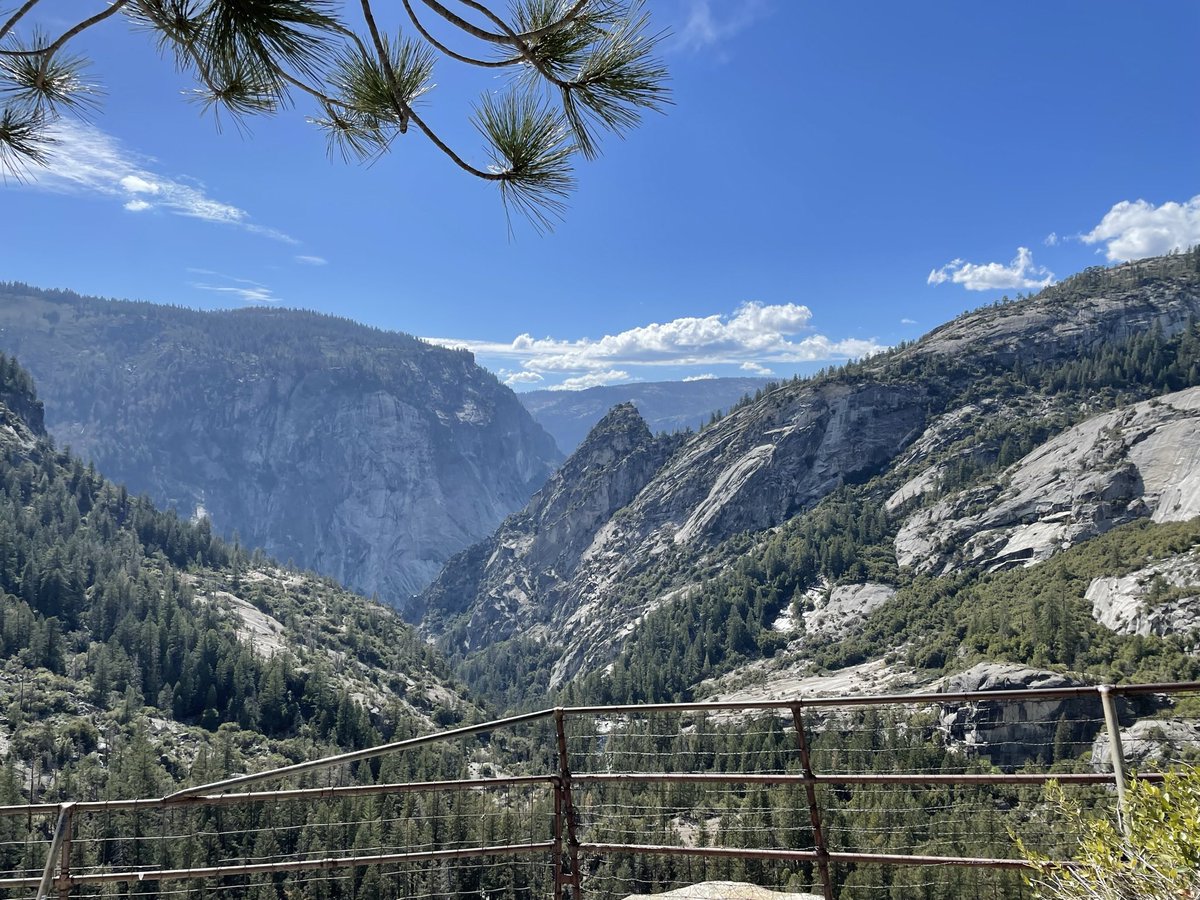
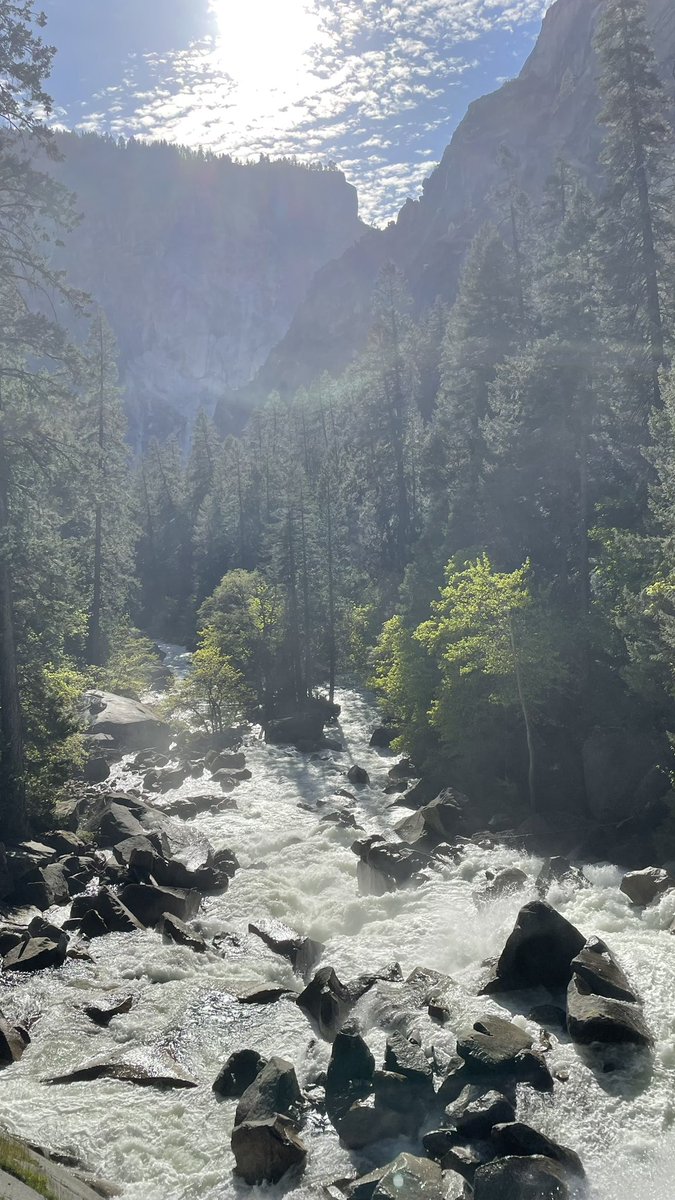
Claude Code is absolutely incredible but have you tried going outside?
Felix Lee tweet mediaFelix Lee tweet mediaFelix Lee tweet mediaFelix Lee tweet media
English
473
1.5K
18.8K
614.1K
Miles Dyson
Miles Dyson@n3li5·
@FilippDM Czekamy wszyscy na komentarz @KWojczal - jak to rozumiec? Co sie kryje za tym tweetem? Dlaczego to wszystko doskonale przeslane szachy i slowa godne wybitnego stratega? Prosimy!
Polski
1
0
6
491
Filip Dąb-Mirowski
Filip Dąb-Mirowski@FilippDM·
Prezydent Trump grozi Iranowi zniszczeniem elektrowni i mostów jeśli blokada Ormuzu zostanie utrzymana. Forma groźby? Totalna szajba. Tutaj nie ma czego tłumaczyć, amerykański prezydent zachowuje się jak człowiek niezrównoważony psychicznie, szantażujacy zbrodniami wojennymi.
Filip Dąb-Mirowski tweet media
Polski
45
51
461
16.1K
Kuba
Kuba@cuubeson·
@CKeruac hej, mogę prosić o dm?
Polski
0
0
0
9
Christopher Keruac
Christopher Keruac@CKeruac·
Era dronów sterowanych z fotela kończy się na naszych oczach. Obecne systemy „autonomiczne” to często w praktyce ciężkie platformy zależne od chmury i stałego linku radiowego. W czwartek pokażemy projekt, który redefiniuje podejście do Defense AI. Nie budujemy kolejnego drona. Budujemy Apsion Node - autonomiczną warstwę decyzyjną działającą bezpośrednio na krawędzi (Edge AI). – operacyjna autonomia w środowisku silnie zakłócanym (EW) – brak zależności od GPS i ciągłej łączności – lokalne modele decyzyjne działające w czasie rzeczywistym – kompatybilność z istniejącymi platformami bezzałogowymi Nasze założenie jest proste: system, który potrzebuje linku, nie jest naprawdę autonomiczny. Więcej szczegółów - w czwartek. #DefenseTech #EdgeAI #AutonomousSystems #CounterUAS #AgenticAI #FPV #Robotics #Innovation #ApsionNode
Polski
7
2
36
3.2K
Kuba
Kuba@cuubeson·
@NazwaOne tak abstrakcyjny scenariusz, ze chyba nawet nie warto rozważać
Polski
0
0
2
81
kokosanka ♡ 🌱
kokosanka ♡ 🌱@NazwaOne·
czysto hipotetycznie, podchodze do kogoś się poznać, wymieniany się ig i co dalej? jak zacząć później rozmowe czy to na żywo czy przez wiadomosc?? tylko nie jakieś co hej co tam bo to chyba najgorsze co istnieje
Polski
43
2
485
109.1K
Kuba
Kuba@cuubeson·
@MarcinMJK @AlexObuchowski nie wiem kto twierdzi, ze skalowanie parametrów to pewna droga do agi. owszem, w fine-tuningu jakość zbiorów jest kluczowa, ale masywny pre-trening to podstawa
Polski
1
0
0
62
MarcinJ
MarcinJ@MarcinMJK·
@cuubeson @AlexObuchowski To czemu jest wyścig kto wytrenuje na większej ilości danych? Im masz lepsze dane w wąskiej specjalizacji tym model lepiej działa, ale to nadal specjalizacja. To głupie wmawianie że im więcej parametrów tym bliżej AGI.
Polski
1
0
0
185
Aleksander Obuchowski
Aleksander Obuchowski@AlexObuchowski·
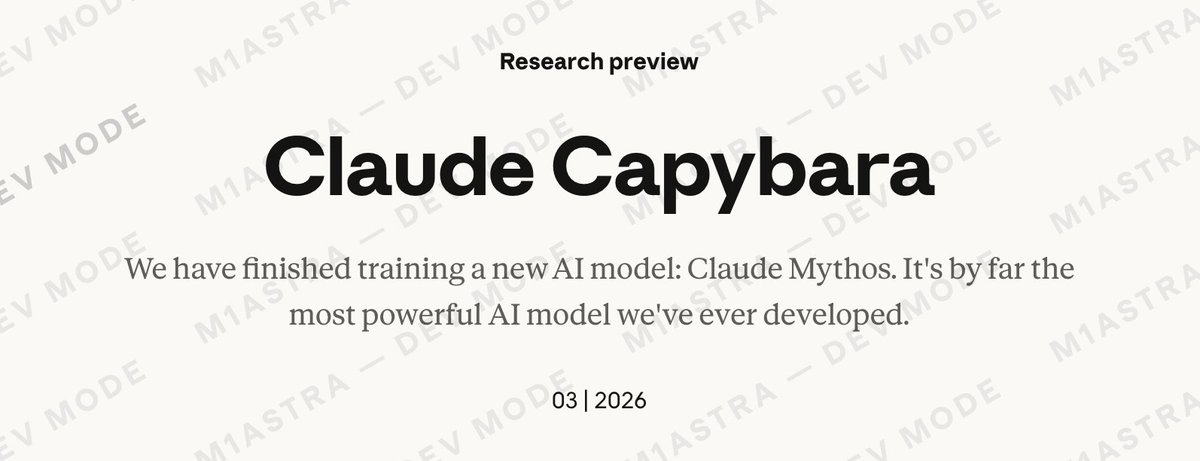
Wygląda na to, że Anthropic szykuje coś poważnego. Z wycieku (szybko usuniętego, ale zachowanego przez społeczność) wynika, że nad Opusem pojawi się model: o kryptonimine Capybara. Model ma być większy i znacząco lepszy od Claude Opus 4.6, szczególnie w programowaniu, rozumowaniu i cyberbezpieczeństwie. Rozmiar to podobno~10T parametrów.
Aleksander Obuchowski tweet media
Polski
28
10
191
46.1K
Kuba
Kuba@cuubeson·
@MarcinMJK @AlexObuchowski parametry to wagi i połączenia wewnątrz modelu, a nie ilość danych użytych do trenowania. w praktyce można trenować wielokrotnie na tych samych, ale lepiej wyselekcjonowanych setach, ale faktycznie używa się też w jakimś stopniu syntetycznych danych.
Polski
1
0
0
188
MarcinJ
MarcinJ@MarcinMJK·
@AlexObuchowski Skąd oni wzięli 10T parametrów? Nie ma tyle textu na świecie. To jak by robić usługę dla 20 miliardów ludzi :D No chyba że najpierw naprodukowali sobie Slopu a potem na tym uczyli ...
Polski
3
0
3
1.8K
Kuba retweetledi
Palantir
Palantir@PalantirTech·
Dołącz do nas.
Palantir tweet media
Polski
197
66
1.2K
369.9K
Kuba retweetledi
Maciej z Bogdańca
Maciej z Bogdańca@MaciejIdzikows2·
@Karol1669024 Zgadzam się to jest patola co się dzieje na tinderze. Nie należę do najprzystojniejszych mężczyzn ale myślę że tak 5, 6,7 na 10.(oczywiście wszystko kwestią gustu) Przez miesiąc czasu tylko 3 osoby mnie polubiły. Jakbym wgle nie byl wyświetlany kobietom.
Polski
2
0
10
4.1K
MindVoyager
MindVoyager@Karol1669024·
Ważny Temat Warto poczytać Algorytmy randkowe niszczą relacje w Polsce. Tinder i Badoo tworzą nową klasowość singli Aplikacje randkowe w Polsce stały się cyfrowym rynkiem, który coraz mniej przypomina miejsce do poznawania ludzi, a coraz bardziej system selekcji społecznej. Algorytmy Tindera i Badoo wpływają na samoocenę, relacje i demografię, szczególnie dotkliwie uderzając w kobiety. Algorytmiczne getta i cyfrowa selekcja W Polsce z aplikacji randkowych korzysta ponad 3,5 mln osób, a Tinder ma globalnie 75 mln aktywnych użytkowników miesięcznie. Algorytmy tworzą „cyfrowe klasy atrakcyjności”, w których użytkownicy widzą jedynie osoby o podobnym rankingu. Badania pokazują, że 80% polskich kobiet dostaje 60–70% wszystkich polubień, co powoduje silną presję i selekcję. Jednocześnie ponad 40% kobiet deklaruje spadek samooceny po kilku miesiącach korzystania z aplikacji. System premiuje wąską grupę profili, a resztę spycha do niewidzialności, co prowadzi do frustracji i poczucia, że znalezienie partnera poza własną „klasą algorytmiczną” jest praktycznie niemożliwe. Aplikacje nie łączą ludzi — one ich sortują. Monetyzacja samotności kobiet i presja subskrypcji Najbardziej kontrowersyjnym elementem rynku randkowego w Polsce jest agresywna monetyzacja. Aplikacje celowo ograniczają zasięgi darmowych kont, by wywołać frustrację i skłonić do zakupu subskrypcji. Ceny sięgają 200–500 zł miesięcznie, a płatne pakiety obiecują „odblokowanie widoczności”, „więcej dopasowań” i „priorytet w algorytmie”. To szczególnie dotyka kobiet po 35. roku życia, które według analiz dostają nawet 70% mniej wyświetleń niż młodsze użytkowniczki. W efekcie rośnie presja, by płacić za utrzymanie widoczności w systemie. Jednocześnie 52% Polek doświadcza natarczywych wiadomości, a 45% deklaruje pogorszenie zdrowia psychicznego przez aplikacje. Rynek randkowy staje się więc nie tylko miejscem poszukiwania relacji, ale także przestrzenią, w której samotność jest produktem, a nadzieja towarem premium.
MindVoyager tweet mediaMindVoyager tweet mediaMindVoyager tweet mediaMindVoyager tweet media
Polski
100
18
434
269.4K
Kuba retweetledi
Rapid Response 47
Rapid Response 47@RapidResponse47·
.@SecRubio: "Let me explain to you guys this in simple English, ok? Iran is run by lunatics — religious fanatic lunatics. They have an ambition to have nuclear weapons. They intend to develop those nuclear weapons behind a program of missiles and drones and terrorism that the world will not be able to touch them for fear of those things. And this is the weakest they've ever been. Now is the time to go after them. The President made the decision to go after them, take away their missiles, take away their navy, take away their drones, take away their ability to make those things, so that they can never have a nuclear weapon... That's why the President made this decision. It was the right decision — and the world will be a safer place when these radical clerics no longer have access to these weapons. You see how they're using them now. Imagine how they would use them a year from now if they had more of these."
English
2.3K
6.7K
31.6K
1.7M
Kuba
Kuba@cuubeson·
@rottenpieceofme ale cechy umysłowe są wrodzone, a nad ciałem trzeba nieustannie pracować, więc ostatecznie to nie jest łatwiejsze
Polski
1
0
0
364
.
.@coffeepufff·
Jestem podłamana randkowaniem przez aplikacje randkowe. Na żywo też nikogo nie ma gdzie poznać. Zostane wiecznie sama.
Polski
50
7
347
41.3K
Kapitan Lisowski🇵🇱
Kapitan Lisowski🇵🇱@KapitanLisowski·
Pamiętacie radary chińskie w Wenezueli? Te co miały wykrywać samoloty stealth? No to nowsza ich generacja dotarła do Iranu…. Iran 🇮🇷 wykorzystywał radar obserwacyjny 🇨🇳 YLC-8B, nazywany „radarem antystealth”, który dotarł w styczniu. Działa dokładnie tak samo, jak chiński „zabójca-niewidzialnych” z Wenezueli, tylko że jest to nowszy model.
Denise Wu@denisewu

Iran 🇮🇷 was utilizing the 🇨🇳 surveillance radar, YLC-8B, which was dubbed the “anti-stealth radar” that had arrived in January. Performed exactly like Venezuela’s Chinese “stealth-killer” but newer model.

Polski
61
66
540
81.1K