Daniel Ezzat

64 posts

Daniel Ezzat banner
Daniel Ezzat

Daniel Ezzat

@daniel_ezt

BAEF Research Fellow at Massachusetts General Hospital and Broad Institute of MIT and Harvard

Cambridge, Massachusetts Katılım Aralık 2022
133 Takip Edilen47 Takipçiler
Sabitlenmiş Tweet
Daniel Ezzat
Daniel Ezzat@daniel_ezt·
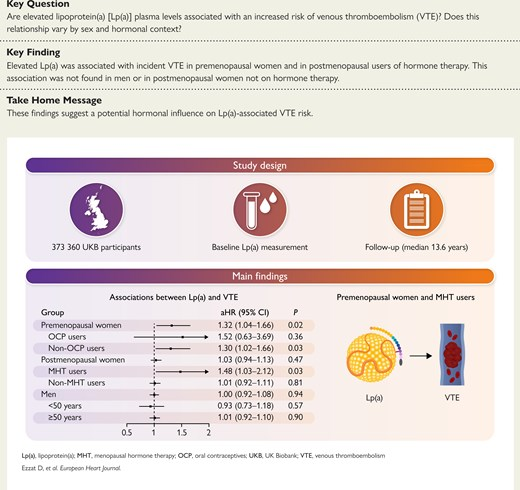
Excited to see this out! Huge thanks to my amazing mentors @mchonig and @mapabonp, and to the whole team!
Michael Honigberg, MD, MPP@mchonig

Now in @ehj_ed #EHJ simutaneous with #ACC26, our analysis of Lp(a) and VTE risk led by ⭐️🇧🇪 @daniel_ezt Take-🏠: Elevated Lp(a) is associated w/ ⬆️ VTE 🩸 in high-estrogen states (premenopausal 👭, + postmenopausal 👭 using hormone therapy) Paper here: academic.oup.com/eurheartj/adva…

English
0
1
5
267
Daniel Ezzat retweetledi
JAMA Cardiology
JAMA Cardiology@JAMACardio·
In a US cohort, higher systolic #BloodPressure genetic risk was associated with new-onset #Hypertension after pregnancy, but elevated postpartum body mass index and hypertensive disorders of pregnancy were stronger risk factors. ja.ma/3NTY26s
JAMA Cardiology tweet media
English
1
6
18
1.6K
Daniel Ezzat retweetledi
Min Seo Kim, MD, MSDH
Min Seo Kim, MD, MSDH@MinSeoKim_MD·
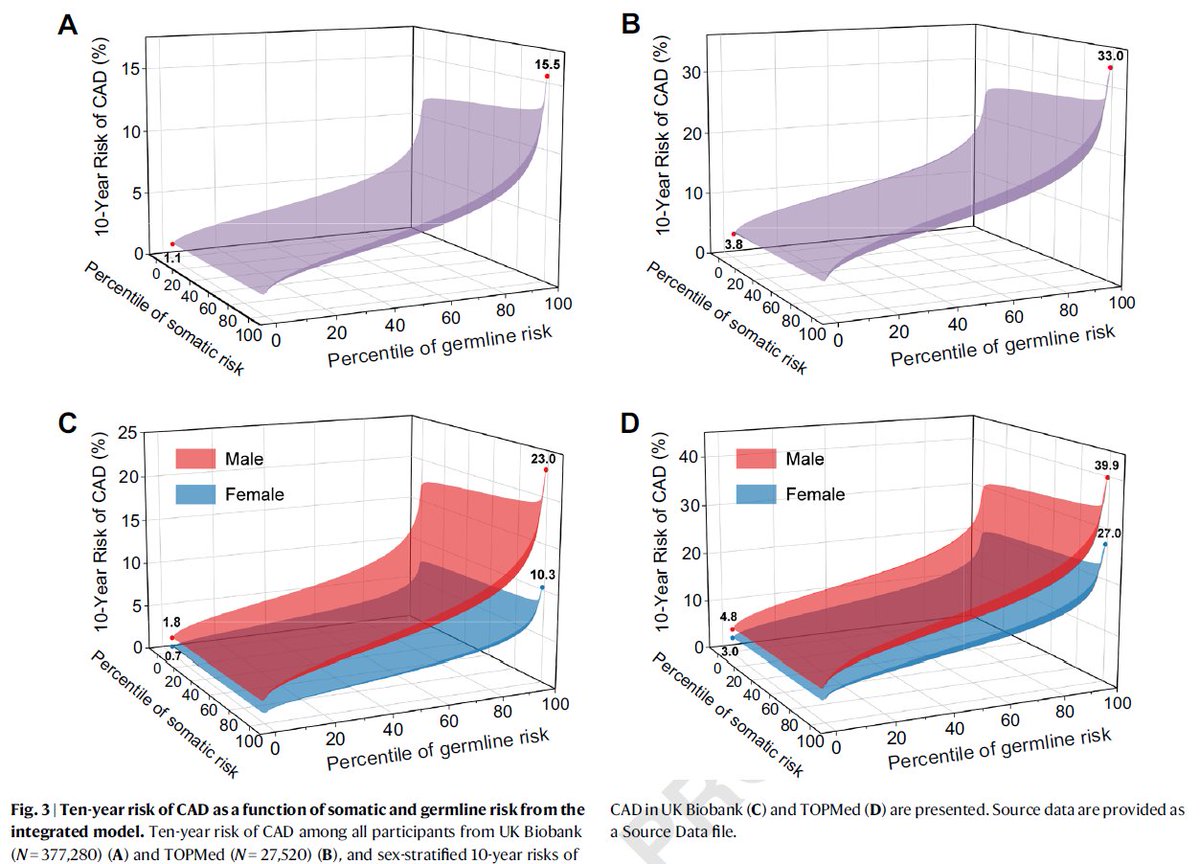
Excited to have one day, two posts on coronary artery diseases😄 🫀Our research on genomics of CAD was published in @NatureComms: An integrated germline and somatic genomic model for coronary artery disease As genomic medicine moves closer to routine clinical use, mixed signals from different genetic tests risk confusing patients and clinicians alike. Our goal was to consolidate all available genomic information into a single, interpretable risk estimate, much like how clinical risk calculators integrate blood pressure, cholesterol, and diabetes into one clinically actionable estimate. We developed an integrated genomic model (IGM) that combines six germline and somatic genetic drivers of coronary artery disease (CAD) into a single risk estimate derived from one DNA sample. Key takeaways: 1️⃣ With integrated genomic model, we identified about 13% of CAD high-risk individuals who would have been missed by polygenic risk score alone. These are people whose risk stems from combinations of familial hypercholesterolemia variants, clonal hematopoiesis, or shortened telomere length. 2️⃣ The IGM captures individuals at high risk who lack any single obvious high-risk genetic factor. Their elevated risk comes from the accumulation of multiple moderate genetic signals across different biological pathways. Conversely, some individuals carrying known high-risk variants (like FH variants) are protected by favorable profiles elsewhere in their genome. 3️⃣When combined with the clinical risk scores (PCE, the guideline-recommended clinical calculator), the IGM provided the strongest risk stratification, reclassifying individuals across every clinical risk category. This work would not have been possible without the @broadinstitute, @MGBResearchNews, @MassGenBrigham , and the @CAS__Science. I am grateful to have co-led this project with Xiong Yang, guided by the exceptional mentorship of @pnatarajanmd, @MinxianWang, and @aklfahed. Special thanks to @hongheeW, @patrick_ellinor, @NakaoTetsushi, @somijemmacho, @skoyamamd (to mention few), and the entire NHLBI TOPMed Consortium for their contributions.
Min Seo Kim, MD, MSDH tweet mediaMin Seo Kim, MD, MSDH tweet mediaMin Seo Kim, MD, MSDH tweet media
Min Seo Kim, MD, MSDH@MinSeoKim_MD

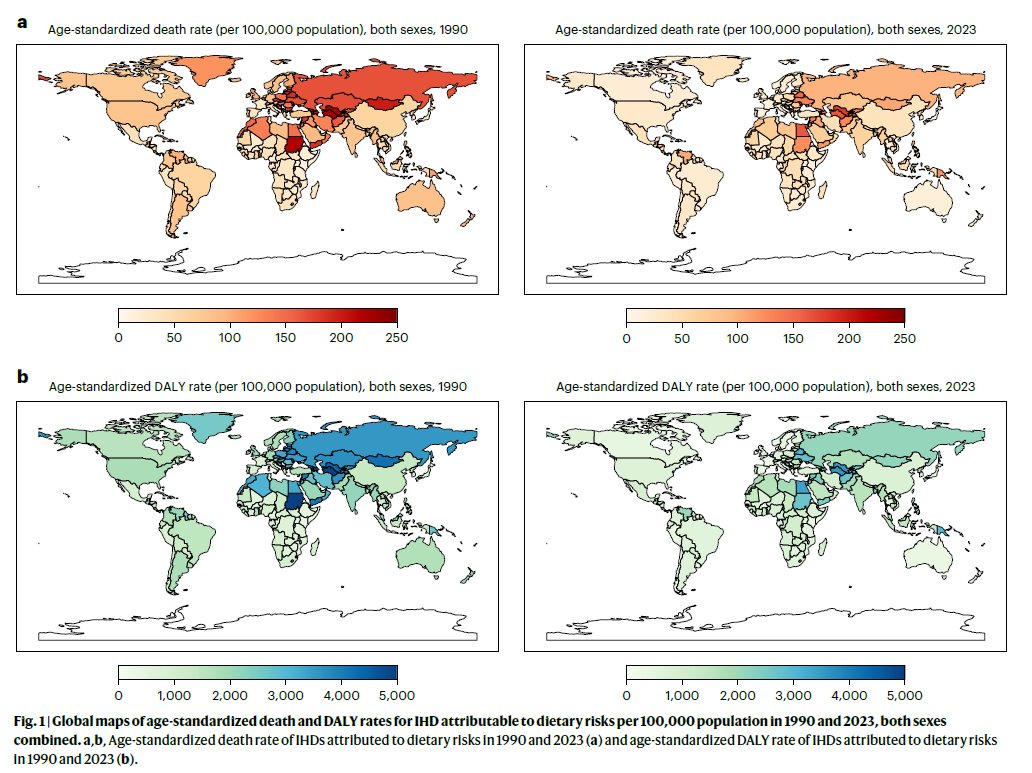
🫀Excited to share research that I supervised as senior author, now published in @NatureMedicine: the largest global analysis of ischemic heart disease burden attributable to suboptimal diet to date. As a researcher in cardiovascular epidemiology, I've always believed that what we eat is one of the most powerful levers we have for preventing heart disease. Our data now quantify just how large that lever is, and the findings are both sobering and actionable. We assessed 13 dietary risk factors across 204 countries from 1990 to 2023. In 2023 alone, suboptimal diet was responsible for an estimated 4.06 million ischemic heart disease deaths worldwide. Key takeaways: 1️⃣ The patterns of suboptimal diet vary substantially across the globe. While developing countries most often face ischemic heart disease burden related to undernutrition and limited access to protective foods (ie, whole grains, fruits, vegetables, omega-3 fatty acids), developed countries are more commonly burdened by overconsumption of harmful dietary components (ie, processed meats, sugar-sweetened beverages). 2️⃣Global efforts have historically targeted sodium, sugar, and fat reduction. Our data suggest that promoting the intake of whole grains, nuts, fruits, and legumes deserves equal, if not greater, priority. Special thanks to the @IHME_UW for enabling this work and to the remarkable #GBD collaborators worldwide. It has been a privilege to supervise and work closely with Sooji Lee, Hayeon Lee, Yejun Son, Jae Il Shin, alongside Prof. Dong Keon Yon. Paper: nature.com/articles/s4159… #CardiovascularHealth #Diet #Nutrition #IHD #CAD #GBD #GlobalHealth #PublicHealth #HeartDisease #FoodIsMedicine @broadinstitute | @MGBResearchNews | @MassGenBrigham | @kh_univ

English
4
14
46
9.9K
Daniel Ezzat retweetledi
Min Seo Kim, MD, MSDH
Min Seo Kim, MD, MSDH@MinSeoKim_MD·
🫀Excited to share research that I supervised as senior author, now published in @NatureMedicine: the largest global analysis of ischemic heart disease burden attributable to suboptimal diet to date. As a researcher in cardiovascular epidemiology, I've always believed that what we eat is one of the most powerful levers we have for preventing heart disease. Our data now quantify just how large that lever is, and the findings are both sobering and actionable. We assessed 13 dietary risk factors across 204 countries from 1990 to 2023. In 2023 alone, suboptimal diet was responsible for an estimated 4.06 million ischemic heart disease deaths worldwide. Key takeaways: 1️⃣ The patterns of suboptimal diet vary substantially across the globe. While developing countries most often face ischemic heart disease burden related to undernutrition and limited access to protective foods (ie, whole grains, fruits, vegetables, omega-3 fatty acids), developed countries are more commonly burdened by overconsumption of harmful dietary components (ie, processed meats, sugar-sweetened beverages). 2️⃣Global efforts have historically targeted sodium, sugar, and fat reduction. Our data suggest that promoting the intake of whole grains, nuts, fruits, and legumes deserves equal, if not greater, priority. Special thanks to the @IHME_UW for enabling this work and to the remarkable #GBD collaborators worldwide. It has been a privilege to supervise and work closely with Sooji Lee, Hayeon Lee, Yejun Son, Jae Il Shin, alongside Prof. Dong Keon Yon. Paper: nature.com/articles/s4159… #CardiovascularHealth #Diet #Nutrition #IHD #CAD #GBD #GlobalHealth #PublicHealth #HeartDisease #FoodIsMedicine @broadinstitute | @MGBResearchNews | @MassGenBrigham | @kh_univ
Min Seo Kim, MD, MSDH tweet mediaMin Seo Kim, MD, MSDH tweet media
English
0
22
54
17.2K
Daniel Ezzat retweetledi
Nieky Mohammadnia, MD
Nieky Mohammadnia, MD@NiekMohamma·
Deeply honored to receive the JACC Parmley Prize 🏆 for our paper on Colchicine & Clonal Hematopoiesis. 🙏🏼to LiYing Xue, all co-authors, and for the amazing mentorship of @mchonig , S.El Messaoudi & J.H.Cornel.@JACCJournals @broadinstitute @radboudumc_weet @ACCinTouch #ACC26
JACC Journals@JACCJournals

Congratulations to the #JACCJournals Awardees, recognized for outstanding research across the JACC family of journals 🎉🎉 Explore the winners and their impactful work: jacc.org/pb-assets/imag…#ACC26

English
2
3
11
1.1K
Daniel Ezzat retweetledi
Tetsushi Nakao, MD PhD
Tetsushi Nakao, MD PhD@NakaoTetsushi·
Excited to share that this work is now officially published in @NatureGenet! rdcu.be/faoX5 Using @AllofUsResearch, with meta-analysis in @uk_biobank, we studied leukocyte telomere length at scale.
Pradeep Natarajan@pnatarajanmd

Our manuscript led by @NakaoTetsushi @skoyamamd - a comprehensive characterization of leukocyte telomere length (LTL), a hallmark of biological aging across the US nature.com/articles/s4158… @NatureGenet Quick summary of lessons learned:

English
5
8
66
10.6K
Min Seo Kim, MD, MSDH
Min Seo Kim, MD, MSDH@MinSeoKim_MD·
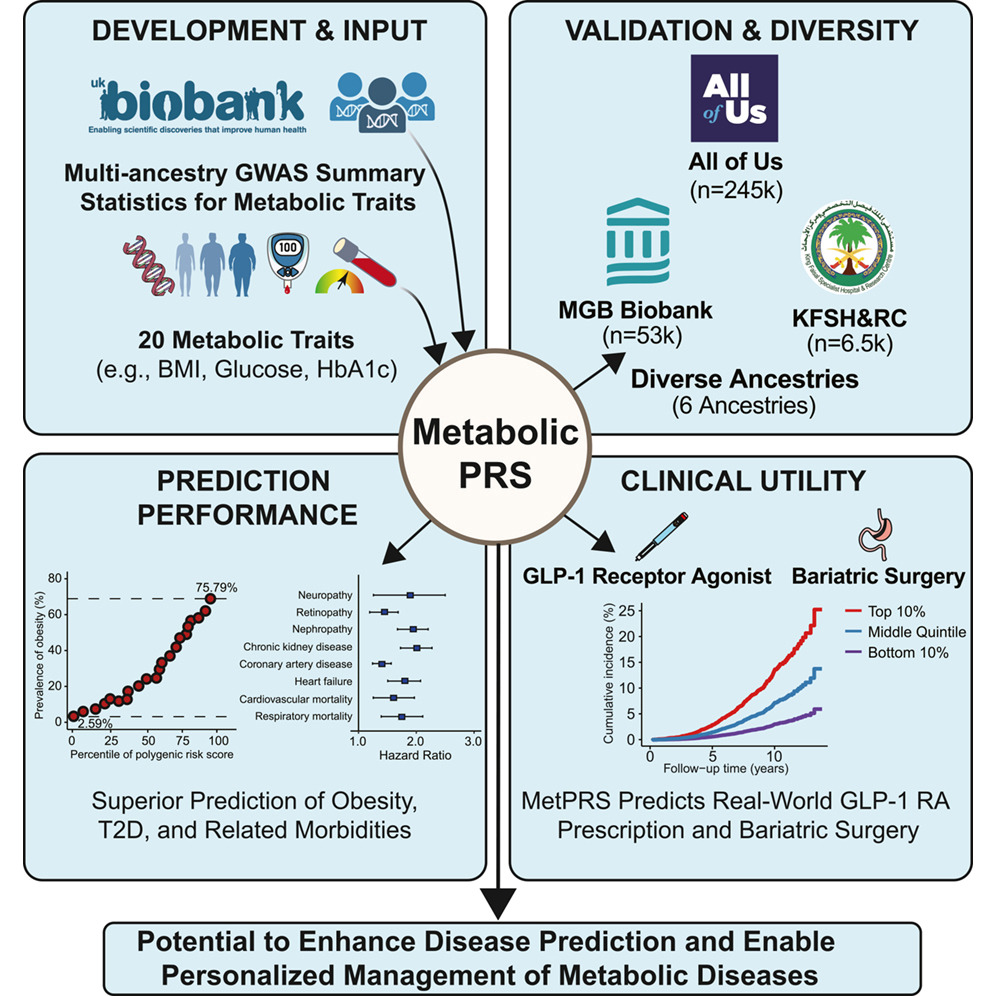
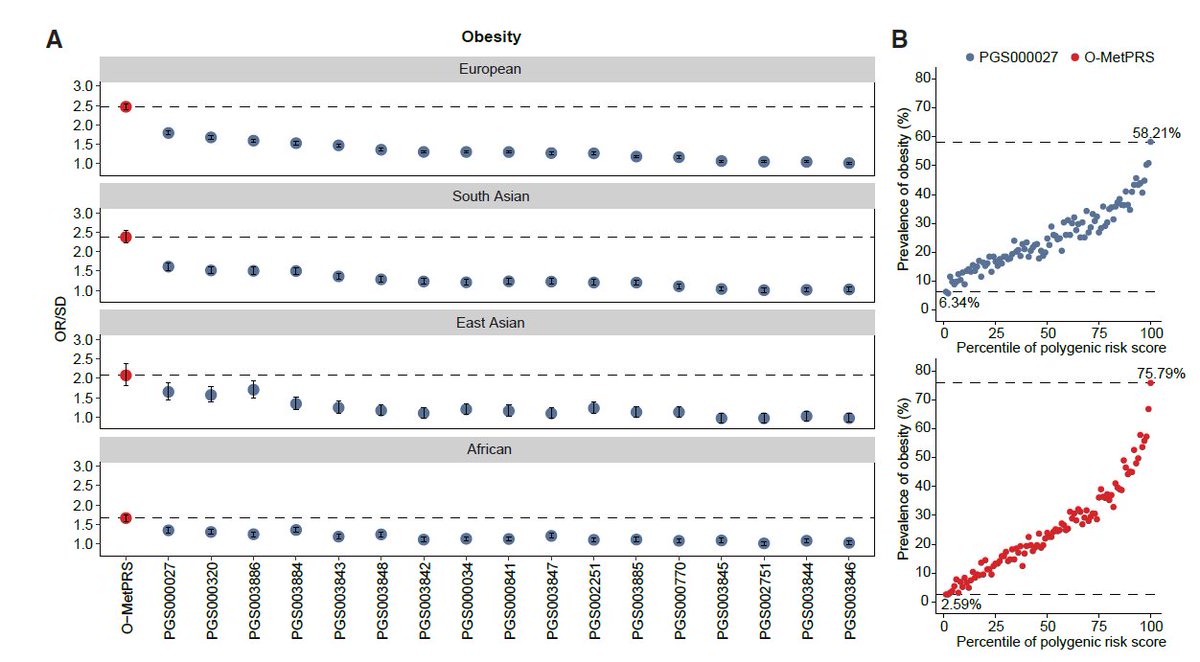
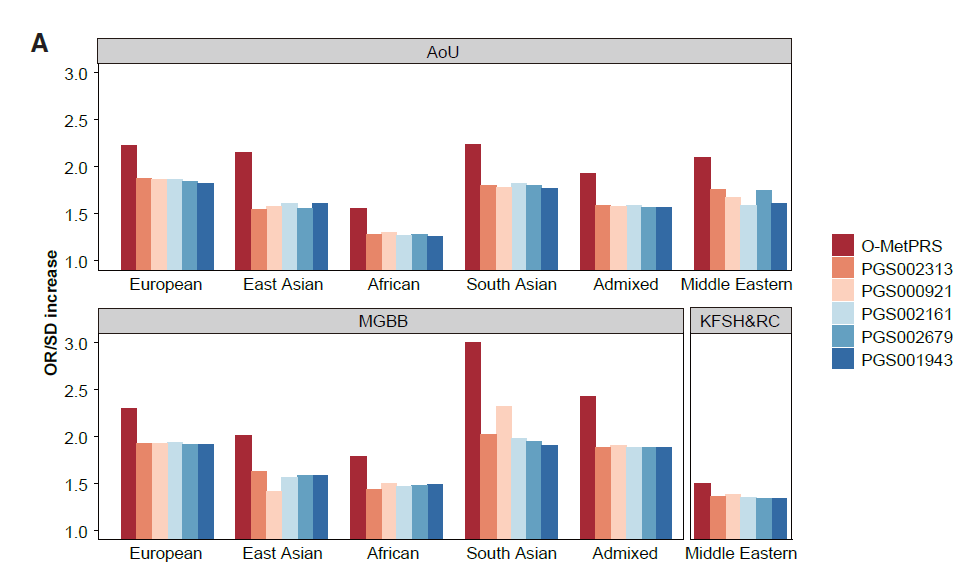
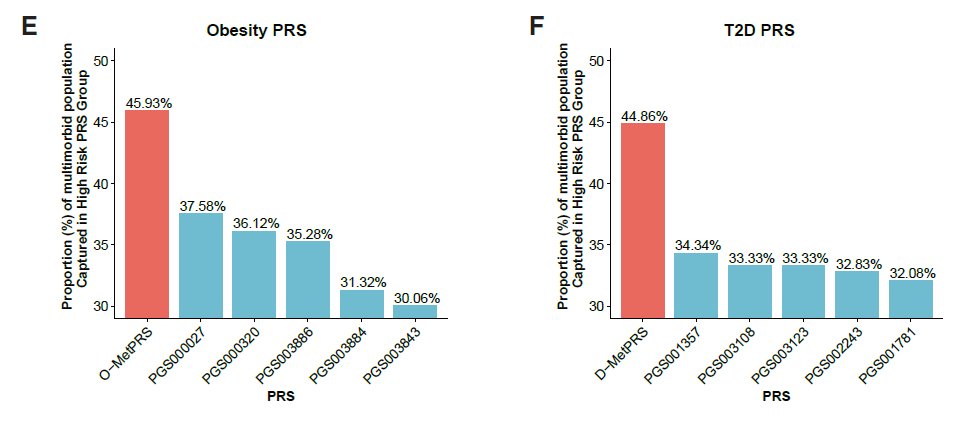
🎉Excited to share our new research published in @Cell_Metabolism on the metabolic polygenic risk score To date, polygenic risk scores (PRS) have been developed and validated against single traits. In this study, we generated a PRS that captures metabolic dysfunction. Key take-aways: 👉 Biologically enriched Metabolic PRS was developed from GWAS of 20 metabolic traits 👉 Metabolic PRS demonstrated superior obesity & diabetes prediction across six ancestries 👉 Beyond predicting future risk of obesity and type 2 diabetes, Metabolic PRS effectively identified individuals at high risk for metabolic multimorbidity, and even likelihood of requiring GLP-1 receptor agonist & bariatric surgery, which proxy the clinical severity of metabolic dysfunction Huge thanks to co-first Qiuli Chen & Yang Sui, and co-seniors @aklfahed, @patrick_ellinor, and Minxian Wang who made this project possible! Deep appreciation to every contributor who helped bring this together: @LuChenWeng, @somijemmacho, @skoyamamd, @pnatarajanmd, and many more! Paper: lnkd.in/esdKX_N5 Support of @MGBResearchNews @MGHMedicine @mghcvrc @broadinstitute
Min Seo Kim, MD, MSDH tweet mediaMin Seo Kim, MD, MSDH tweet mediaMin Seo Kim, MD, MSDH tweet mediaMin Seo Kim, MD, MSDH tweet media
English
9
24
71
8.7K
Daniel Ezzat retweetledi
Zhi Yu
Zhi Yu@ZhiYu_ACGT·
📣My lab at Massachusetts General Hospital and Broad Institute is hiring a postdoctoral fellow: …sgeneralbrigham.wd1.myworkdayjobs.com/MGBExternal/jo… If you have a strong quantitative background & are interested in using large-scale multi-omics🧬to study cardiovascular disease and aging, I hope you apply!
Zhi Yu tweet media
English
6
78
281
36K
Daniel Ezzat retweetledi
Michael Honigberg, MD, MPP
📣 My team at @MGHHeartHealth @broadinstitute is growing: • Postdoc (PhD; human 🧬 & multi-omics) • Research fellow (clinical trials & epi; 2-yr) • Computational associate Join a collaborative, high-impact 🫀 precision medicine team. DM or email (mhonigberg@mgb.org)
English
3
33
160
20.2K