Datacorn
245 posts


Datacorn
@datacorn_io
Synthetic dataset generator. Supporting #developers to test software applications, #DataScience projects or #AI models.







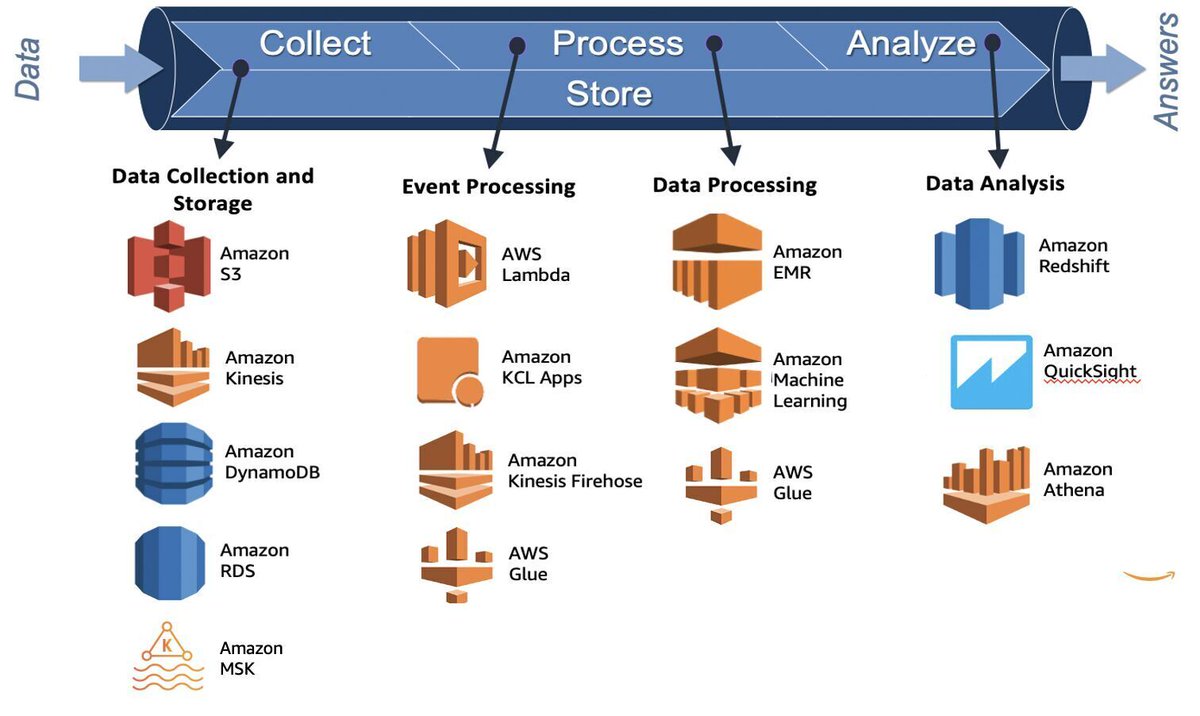
🌟Understanding ETL/ELT: Manage Data wisely 🌟 ETL and ELT are two common methods used by organizations to handle their data efficiently. Both stand for: ✨ E - Extract This is the first step in both ETL and ELT. It involves fetching data from various sources, such as databases, spreadsheets, websites, or applications. Imagine collecting puzzle pieces from different places. ✨ T - Transform After the data is extracted, it often needs some cleaning and organizing. This step is called data transformation. Here, the data is structured and made consistent, just like fitting the puzzle pieces together, so they form a clear picture. ✨ L - Load Once the data is extracted and transformed, it is loaded into a central storage place called a data warehouse or a database. It's like putting the completed puzzle in a safe and easily accessible box. ✨Examples of ETL/ELT 👉 ETL: Your organization is starting to explore more about historical trends and patterns of your data. Currently, the organization only has a transactional database (OLTP) for the product, and running these heavy analytical queries runs the risk of breaking the transactional database for the product. Thus, you decide to replicate the data on a database designed specifically for analytics (OLAP) to power these heavy queries while not risking the production transactions database. You build an ETL pipeline to replicate data from the transactional database to the analytical database, including some data transformations to make it easier to use. 👉 ELT: Your organization purchases third-party data from a vendor to supplement your organization's data. While this third-party data is useful, the vendor provides extremely messy tables(Which is usually the scenario). Since this data is for R&D purposes, there is no defined business logic available. Therefore, you deem it’s okay to dump this data into a data lake and give the data science team access to explore. You build an ELT pipeline that extracts the raw data from the third-party vendor and loads it into the data lake. After a few iterations, the data science team determines which parts of the data are valuable, and build data transformations on top of the data in the data lake for their workflows. --- That's a wrap! Retweet if you liked this post and follow @feest_man for more Thanks!