
Dennis Kahindi
3.8K posts
Dennis Kahindi
@dkahindi
Broadband Director, Airtel Uganda
Kampala, Uganda Katılım Ağustos 2009
3.1K Takip Edilen1.3K Takipçiler

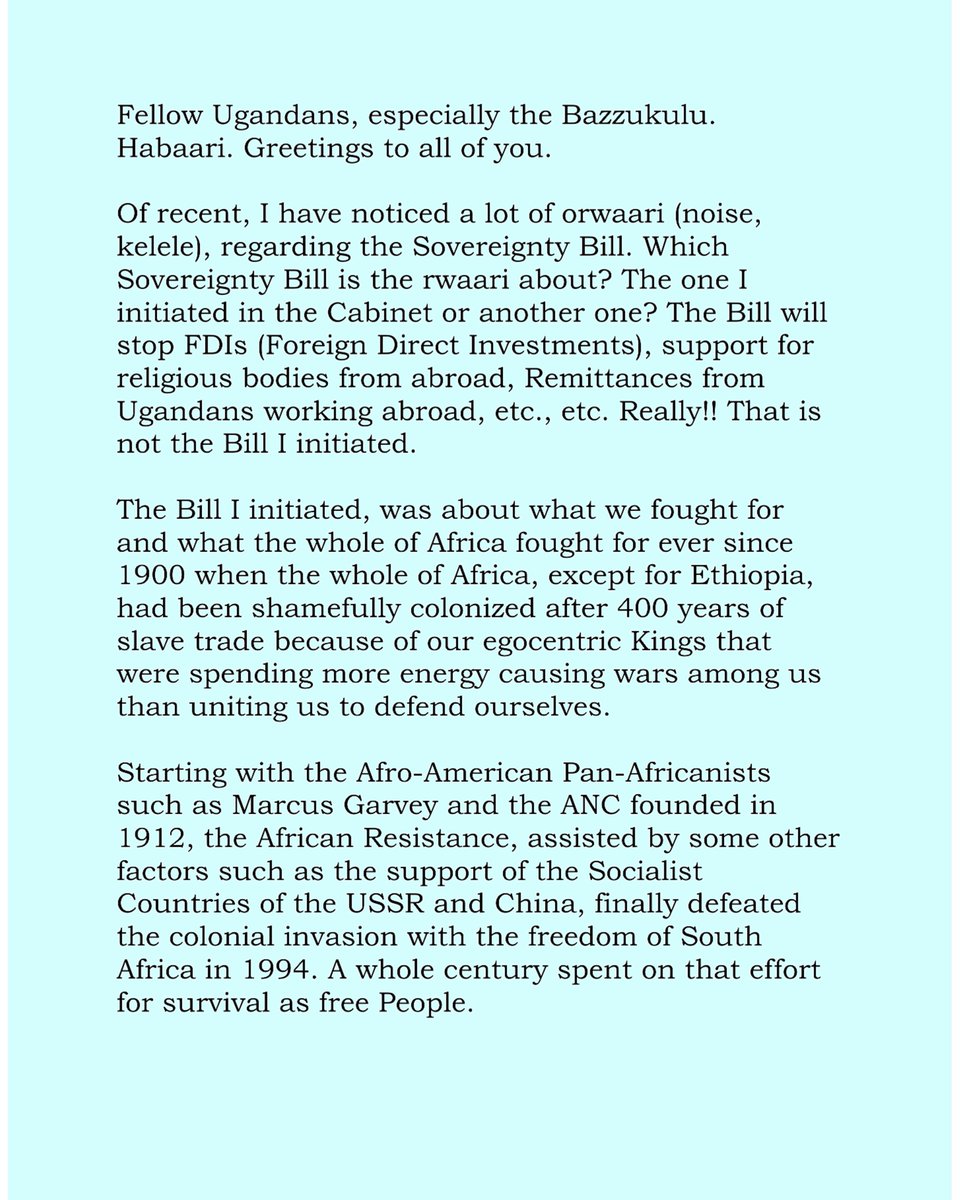
Fellow Ugandans, especially the Bazzukulu. Habaari. Greetings to all of you.
Of recent, I have noticed a lot of orwaari (noise, kelele), regarding the Sovereignty Bill. Which Sovereignty Bill is the rwaari about? The one I initiated in the Cabinet or another one? The Bill will stop FDIs (Foreign Direct Investments), support for religious bodies from abroad, Remittances from Ugandans working abroad, etc., etc. Really!! That is not the Bill I initiated.
Below is clarification on what I initiated.



English
Dennis Kahindi retweetledi

The best CEO advice I received throughout my career:
• trust must be #1 business core value
• customer service is not a department
• sales is the hardest job in any company
• customer focus > competitor focus
• agency (can do) > intelligence (IQ)
• adopt a beginner’s mindset - experts are lifelong learners
• tactics drive strategy - adapt faster
• always try to add value and be helpful
• own it and never point fingers
• influence > authority
• learn and use people’s names
• show up when it matters most to your customers
• earn a seat next to your customer, not across from her
• our job is to educate and inspire
• we are all in sales
• stay accessible, curious and humble
• people do business with people they trust, respect and like
• if you are waiting for a title to lead, you are not ready to lead
• the language of business is finance
• there are no IT projects, only business projects
• pay your best people the very best you can
• hire people based on their good judgment and high rate of learning
• in a celebration lead from the back, in a crisis lead from the front
• you are not a team because you work together - you are a team because you trust, respect and care for each other
• to improve the customer experience, start with the employee experience
• you are not taller by making others look smaller
• revenue growth ahead of expenses
• remove bad apples quickly
• leave your desk and spend time with customers
• culture is what happens when the managers leave the room
• tactics drive strategy
• there is nothing more important than our customers
• if you are waiting for a better title to lead, you are not ready to lead
• business is personal - you can be decisive and also be kind, graceful and empathetic
• recognize effort but reward outcomes
• your company is only as good as the company you keep
• your brand is what people say about you when you’re not in the room
• learn to speak your customer’s language
• often remind people that their work matters
• a zero sum mindset limits your growth
• your company is only as good as the company you keep
• innovation opportunities are found at the edges, not centers (how your customers serve their customers)
English
Dennis Kahindi retweetledi
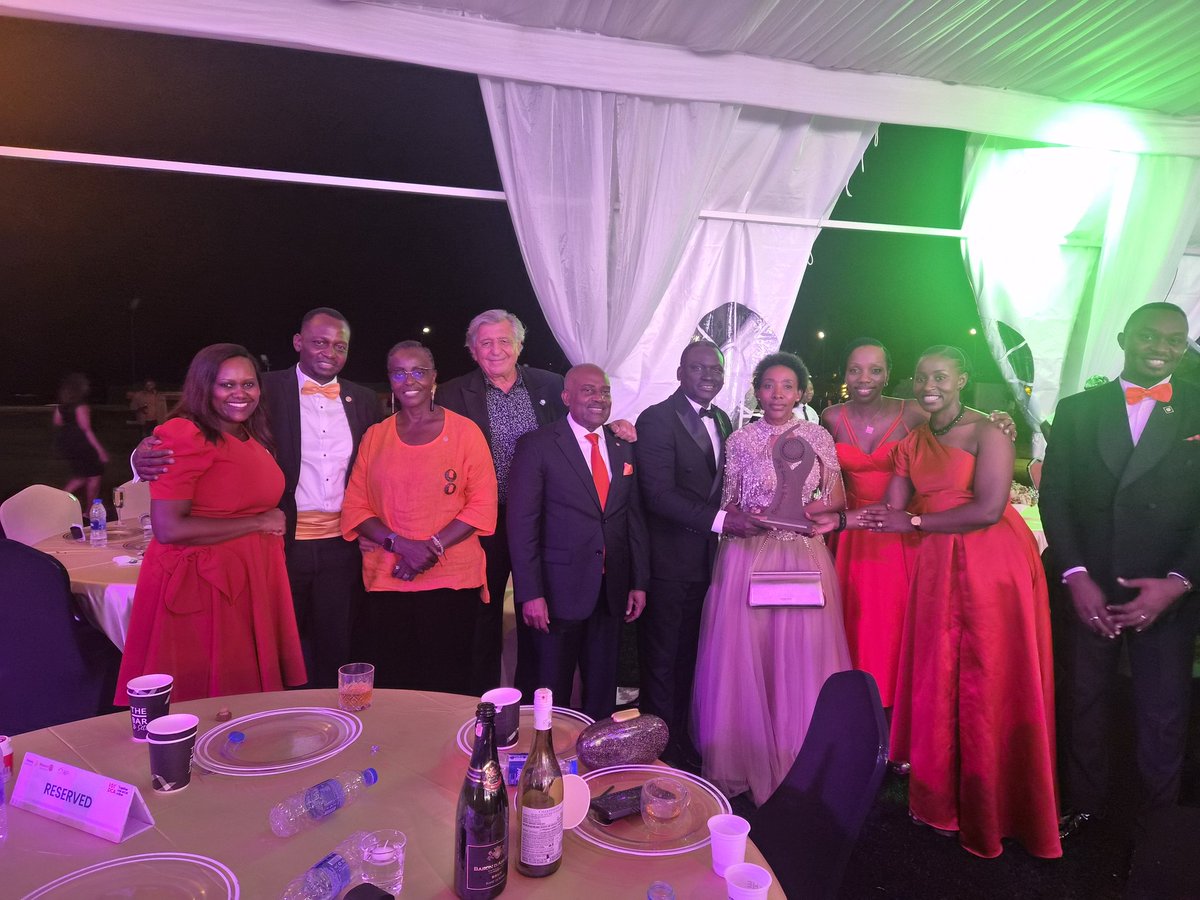
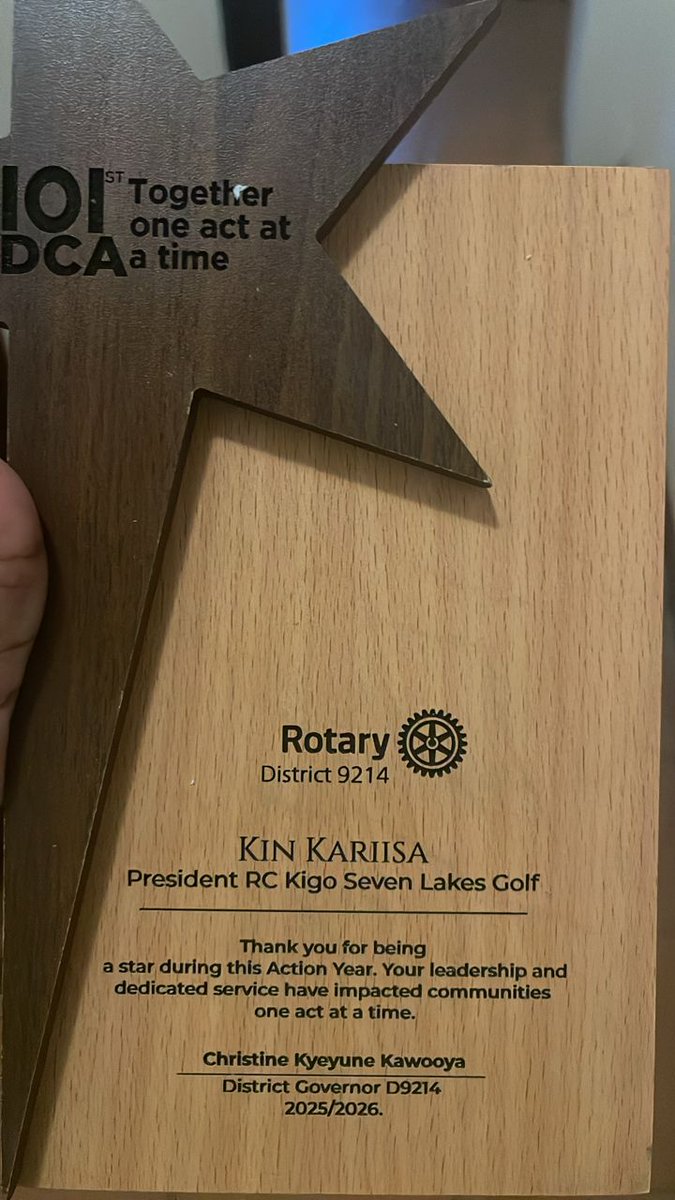
To my fellow Rotarians and the amazing members of Rotary Club of Kigo 7 Lakes Golf, thank you for your commitment and hard work throughout this Rotary year.
We brought home more than 14 club awards and numerous individual recognitions, including the prestigious Club of the Year award.
This is your victory. Well done!


Kampala, Uganda 🇺🇬 English
Dennis Kahindi retweetledi
This is how you get ahead of anyone at anything you do🤯
English
Dennis Kahindi retweetledi
Nvidia CEO: “you cannot show me a task that is beneath me.”
The enemy of continuous growth is arrogance, a zero sum mindset and sense of entitlement.
English
Dennis Kahindi retweetledi

“As long as you are learning and you keep iterating fast and cutting your losses quickly, then when you find the right thing — you have to be optimistic and compound into it.”
— Naval Ravikant
English
Dennis Kahindi retweetledi

We are grateful to have scooped 14 Club Awards and 5 Individual Recognitions at the @Rotary9214dca, a reflection of our collective commitment to excellence in The Rotary Foundation, Membership, Public Image, Community Service among others.
Commitment | Impact
#Kigo7LakesGolf



English
“Africa, there’s enough on this continent for All of Us, but there’s not enough to feed our greed…” James Mwangi, Group CEO Equity Bank
English
Dennis Kahindi retweetledi

The best business partners are the ones you can be completely transparent with.
You can be blunt, share how you feel, and get advice whenever you want without letting your egos take over.
You have to be able to spar intellectually but also support each other wherever we need.
Building businesses at scale with bigger teams and higher expectations becomes stressful but having the right partners makes the journey enjoyable.
The worst thing you can do is build resentment between each other by slowly getting irritated at things they do. If you can't be completely transparent with them and communicate without getting offended, then you've partnered with the wrong person.
English
Dennis Kahindi retweetledi
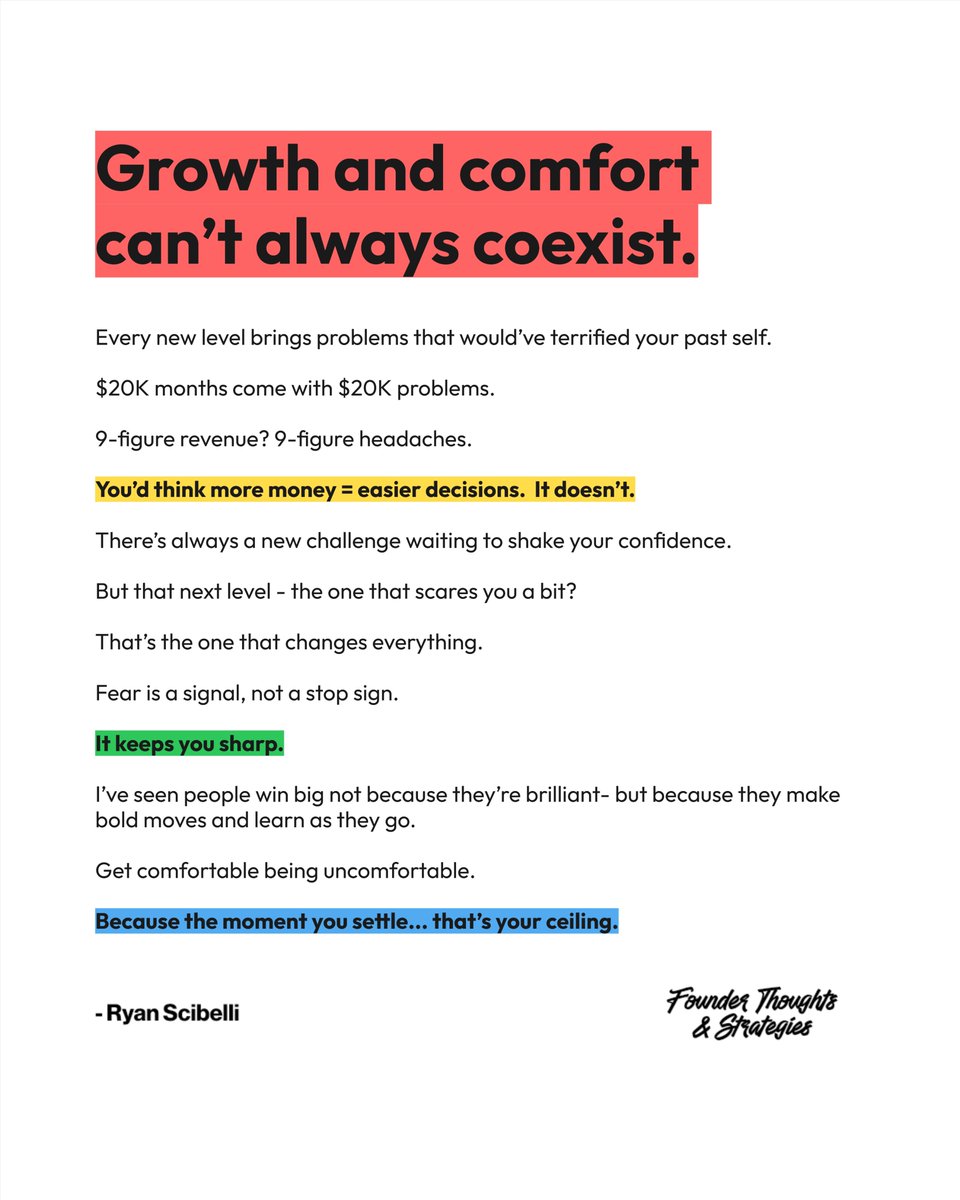
Your income is directly correlated with the amount of stress you can handle:
English
Dennis Kahindi retweetledi
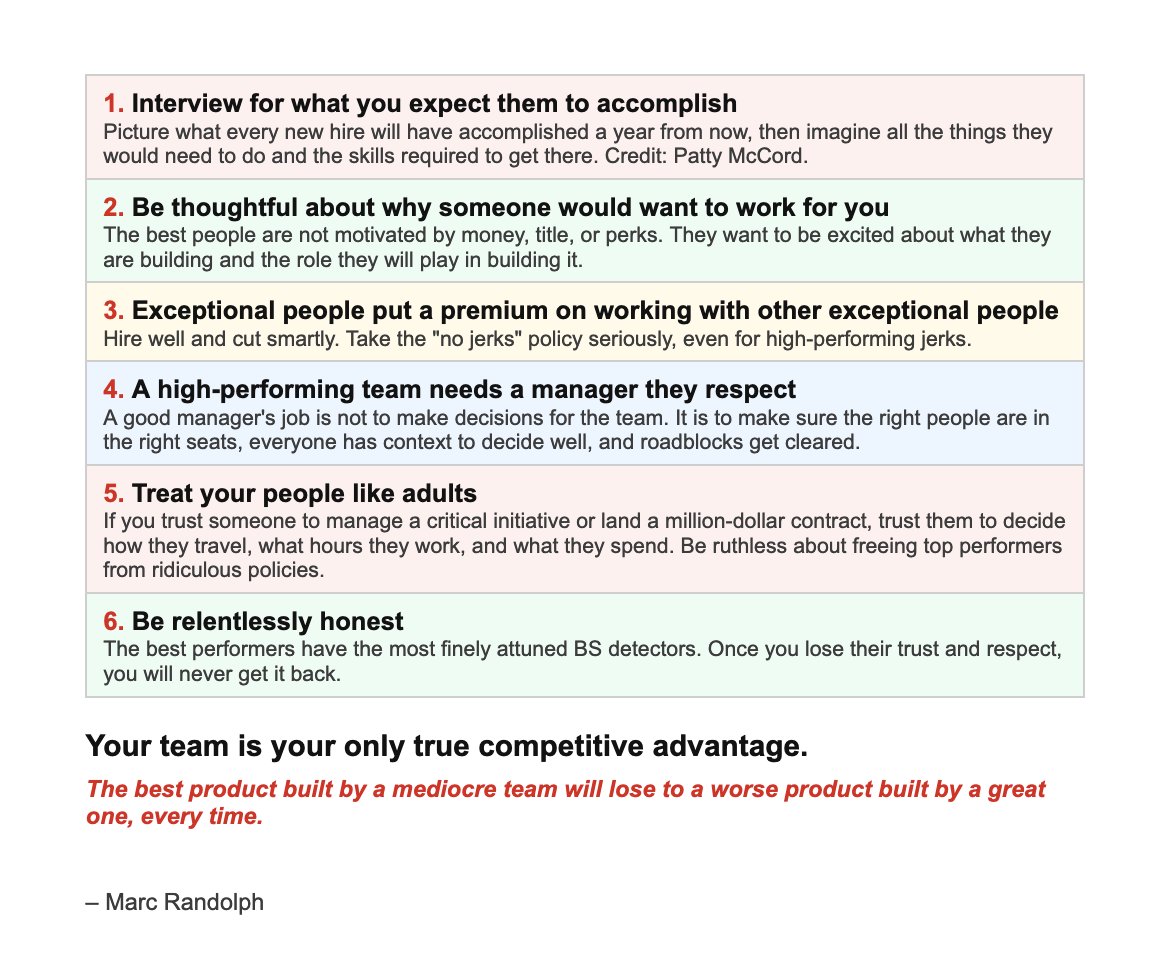
This post literally breaks down the 3 factors that make or break an early-stage company (from Netflix's co-founder):

English
Dennis Kahindi retweetledi

VIDEO: @AbsaUganda has announced strong 2025 financial results, underpinned by balance sheet strength, capital discipline, and customer trust.
Key among the results, which are David Wandera’s first since he became Managing Director, first as interim, in December 2024 and then substantive in May 2025, include:
📌 +46.4% jump in customer deposits to UGX 4.66 trillion
📌 + 7.3% growth in lending to UGX 2.14 trillion
📌 +29.4% growth in total assets to UGX 7.03 trillion
📌 +16.6% growth in total revenue to UGX 637 billion
📌 +25.1% growth in net profit to UGX 222 billion
According to @DavidAWandera, the results “reflect deliberate discipline choices to strengthen the bank and build future capacity”.
#AbsaBankUganda #2025Results #FinancialGrowth #StrongerTogether #UgandaEconomy #CustomerTrust #BankingUganda #PanAfricanBank #DigitalBanking #EconomicGrowthUG #BankingLeadership #UgandaFinance
English
Dennis Kahindi retweetledi

🚨 PRESIDENT TRUMP JUST LAID IT STRAIGHT when asked why China launched a cyberattack on us
He knows something we don't!
Q: We just heard from the FBI recently that there was a major cyber attack attributed to China.
TRUMP: "We do it to them. They do it to us."
Q: Well, what was the last time we did a cyber attack in China?
TRUMP: "I'm not going to tell you that, but we do them. They do us. It's been like that for a long time."
Q: So it's not going to be addressed?
TRUMP: "I'll address things, but you know, it is what it is. Look, China's China, they're never easy, but we're doing great with China. I'm the toughest person in China, anywhere in the world. I put on 100 percent tariff on Chinese cars."
English
Dennis Kahindi retweetledi

Eric Schmidt, former CEO of Google, on the simple weekend habit that transformed his leadership:
Schmidt shares a rule he learned from his legendary coach Bill Campbell, the subject of the book "Trillion Dollar Coach."
"You work really hard during the week as hard as you can — 12 hours, 14-hour days, whatever — and on the weekends when you're at home or with your family or whatever, carve out a few hours to think."
The rule is deceptively simple: put the phone down. No texting, no Instagram, no notifications. Just think and write.
Specifically, Schmidt writes down two things:
1. His honest assessment of what he did the previous week
2. What he needs to do next week to address everything he forgot or left unfinished
@ericschmidt acknowledges it sounds basic:
"I know that that sounds kind of obvious, but it's a good trick because it forces you to take charge of your next week."
And the output isn't a grand strategy session.
It's a practical reckoning, a quiet moment where things surface that got buried in the noise of the week.
"Oh, I forgot that I have a sales problem over there, or I forgot I was supposed to call this person. Oh, I didn't have this proposal and I had this idea, but I didn't get to it."
In a world that rewards constant output, Schmidt's insight is that the highest-leverage hours of the week might be the ones where you stop producing entirely and simply reflect.
The leaders who compound are the ones reviewing, recalibrating, and showing up Monday already ahead.
English

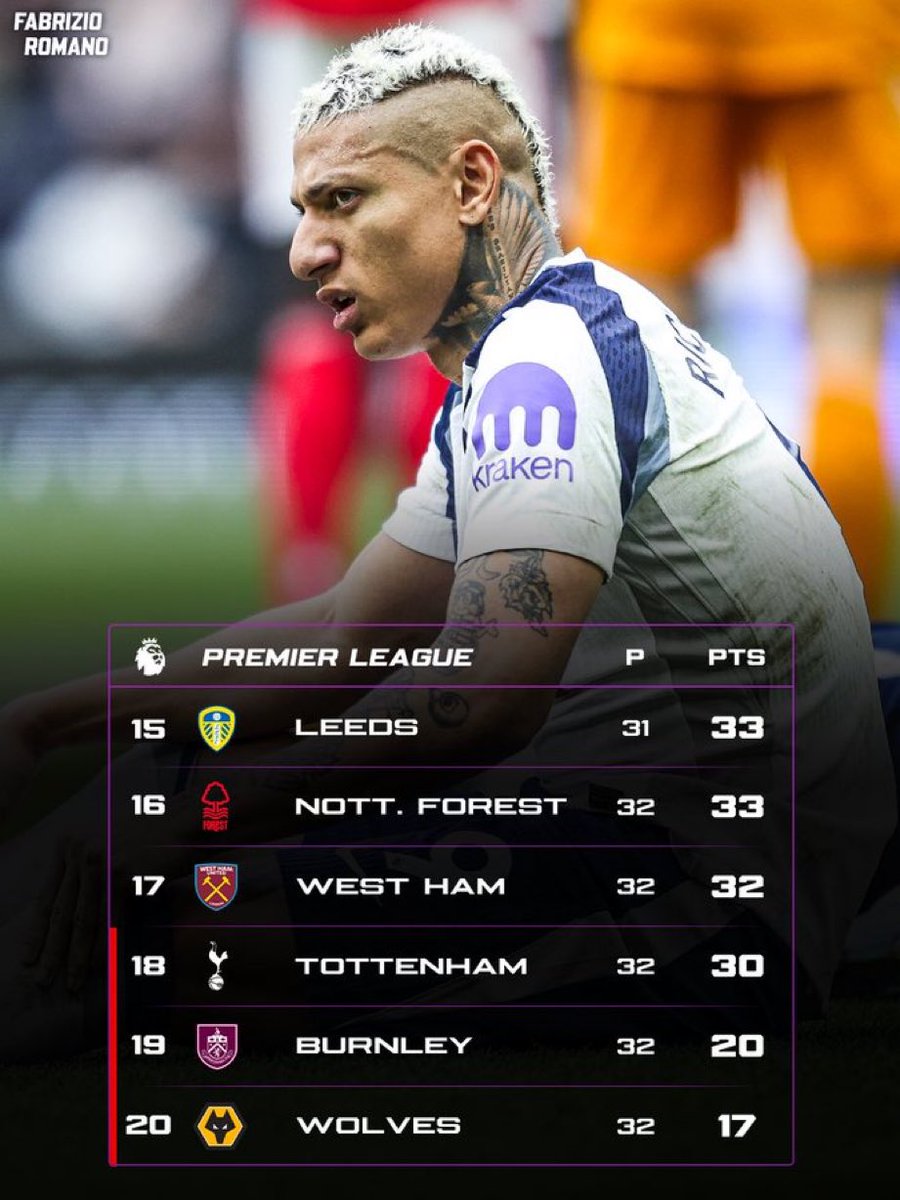
Be honest… do you think Spurs survive?! 😳
English

@chrisatuk you should replace the second equal sign with a plus sign. Put the equal sign after the third picture. Then add a fourth picture of yours truly adorning a Speaker’s gown. You can either make the changes now or wait until after I’m elected Speaker of the 12th Parliament.
Ogon@chrisatuk
English
Dennis Kahindi retweetledi

Drop whatever you're doing and read this @newlinesmag article by the political scientist Hussein Banai, which is the single most incisive — and chilling — piece of analysis I believe has been published, anywhere, on this subject of ultimate urgency.
newlinesmag.com/argument/the-l…
English
Dennis Kahindi retweetledi

Sam Altman just confirmed a world-shaking cyberattack is coming this year and nothing companies can do will stop it.
The Axios co-founder asked him directly if a catastrophic cyber event was realistic in the next 12 months. Altman's answer:
"I think that's totally possible. Yes."
The CEO of the most powerful AI company on Earth just told the world to brace for impact.
And his solution is NOT prevention.
It's "resilience."
That's the language governments use when they've accepted something bad is going to happen and they're now focused on surviving it instead of stopping it.
Because the same AI that writes code for startups is about to write exploits for adversaries.
Altman admitted the frontier models are already dangerously capable at cybersecurity. The next generation will be significantly more so. And once those capabilities leak into open source, the game changes permanently.
But cyber isn't even the scariest thing he said:
The real bomb came a few minutes later when he was talking about biosecurity. He said the models are getting extremely good at advanced biology and wonderful things will happen, like curing diseases that have killed people for centuries.
Then he said this:
"Someone is going to try to misuse those."
And right now, the frontier models are still locked inside responsible companies with safety layers and classifiers. OpenAI can mitigate a lot of the risk because they control the stack.
But open source is catching up FAST. And when it does, any group with an internet connection and enough compute can ask an AI to help them engineer a novel pathogen.
Altman's exact words:
"The needs for society to be resilient to terrorist groups using these models to try to create novel pathogens is no longer a theoretical thing, or it's not going to be for much longer."
Let that sink in.
And this is where the story gets completely insane...
Because Altman's response to all of this isn't just "build better safety classifiers."
His response is a policy blueprint that Axios editors called a "Bernie Sanders fever dream."
He's quietly pitching it to Washington right now:
It calls for rebuilding the social contract, redistributing the gains from AI, new tax structures, and fundamentally rethinking the relationship between labor and capital in an economy where a single person with AI can replace an entire team.
The part nobody saw coming? Republican senators and a senior Trump cabinet secretary told him they agree.
One of them told Altman directly that capitalism needs to be reimagined because "way too much leverage is going to be with capital and not with labor."
The CEO of OpenAI is now selling Bernie Sanders economics to Republican administration officials and they're listening.
Step back and look at the full picture now:
The man building the most powerful technology in human history just admitted 3 things in one interview.
1. A catastrophic cyberattack is likely within 12 months
2. AI-enabled bioterrorism is about to become a real threat
3. The only solution he sees is a radical restructuring of capitalism that nobody in Washington is politically ready for
He's not saying AI will change the world someday.
He's saying the change is already here, the risks are already landing, and the institutions designed to protect us are years behind.
Most people are still debating whether ChatGPT will replace their jobs.
Altman is quietly telling Washington the real question is whether society can HOLD TOGETHER through what's coming next.
English





Indonesia
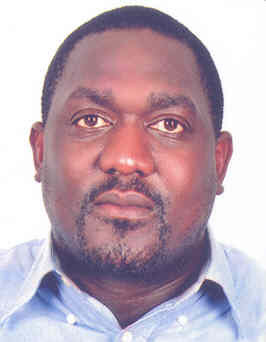
Dear friends, our beloved Allan Ssekamatte has passed on at Kiruddu Hospital. So long my brother, may God take charge.

English