Gitte Pedersen

22.3K posts

Gitte Pedersen banner
Gitte Pedersen

Gitte Pedersen

@DNABARCODE

RNA Platform for Next Generation Cures. By analyzing RNA we can detect disease, monitor health and design next generation cures #RNA #AI #Cancer

Boston, MA Katılım Temmuz 2009
36K Takip Edilen39.1K Takipçiler
Sabitlenmiş Tweet
Gitte Pedersen
Gitte Pedersen@DNABARCODE·
My review of Bruce Ratner's book "Early Detection", it details the profound impact of #cancer screening tests, like the PAP smear, which almost eliminated mortality from cervical cancer - what if we can do that for more cancers ? linkedin.com/posts/proximit…?
Gitte Pedersen tweet media
English
0
1
2
1.1K
Chaz Hong MD PhD 🇺🇸
Chaz Hong MD PhD 🇺🇸@chaz_hong·
I am reminded once again that research matters. My wife’s friend was diagnosed with metastatic ovarian cancer, resistant to our favorite drug Cis/Carboplatin. Genetic testing revealed, among other things, KRAS G12A mutation. She was started on a KRAS inhibitor but unfortunately developed massive myopathy to the point she could barely walk. At that point, she needed bilateral nephrostomy tubes for renal blockage and was given weeks to live. But her mutation panel had also revealed modestly elevated tumor mutation burden (TMB) and CHEK2 mutation, which is involved in DNA damage response. Based on this (though the evidence was limited), she was started on immune checkpoint blockade (ICB) as a last-ditch effort. Since then, her tumors have melted away, and our friend is now strong enough to clear the snow during LAST NIGHT's blizzard in Northeast. Below is a photo she just sent us. I share not just because this is a miracle, but a SCIENCE IN ACTION! #SpartansWill #ResearchSavesLives @MSUMD, @MSU_Medicine, @HFH_MSU_HS
Chaz Hong MD PhD 🇺🇸 tweet media
English
93
522
3.7K
92.3K
Gitte Pedersen retweetledi
Nicholas Fabiano, MD
Nicholas Fabiano, MD@NTFabiano·
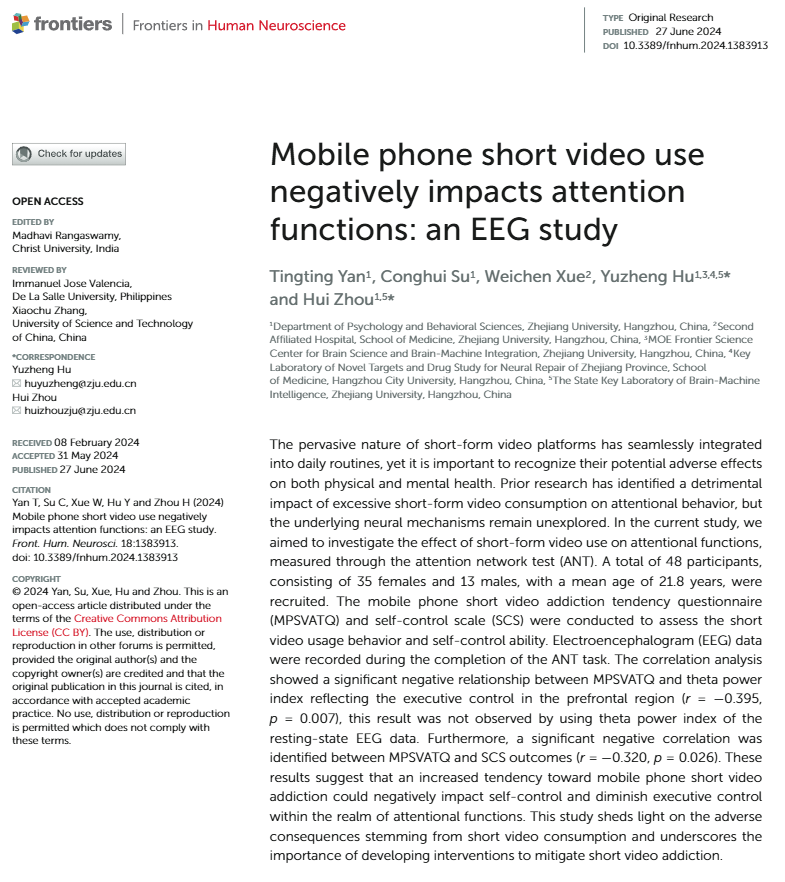
Addiction to short-form videos reduces brain activity in the frontal lobe weakening the ability to focus.
Nicholas Fabiano, MD tweet media
English
760
10.6K
44.6K
9.9M
Gitte Pedersen retweetledi
William A. Wallace, Ph.D.
William A. Wallace, Ph.D.@drwilliamwallac·
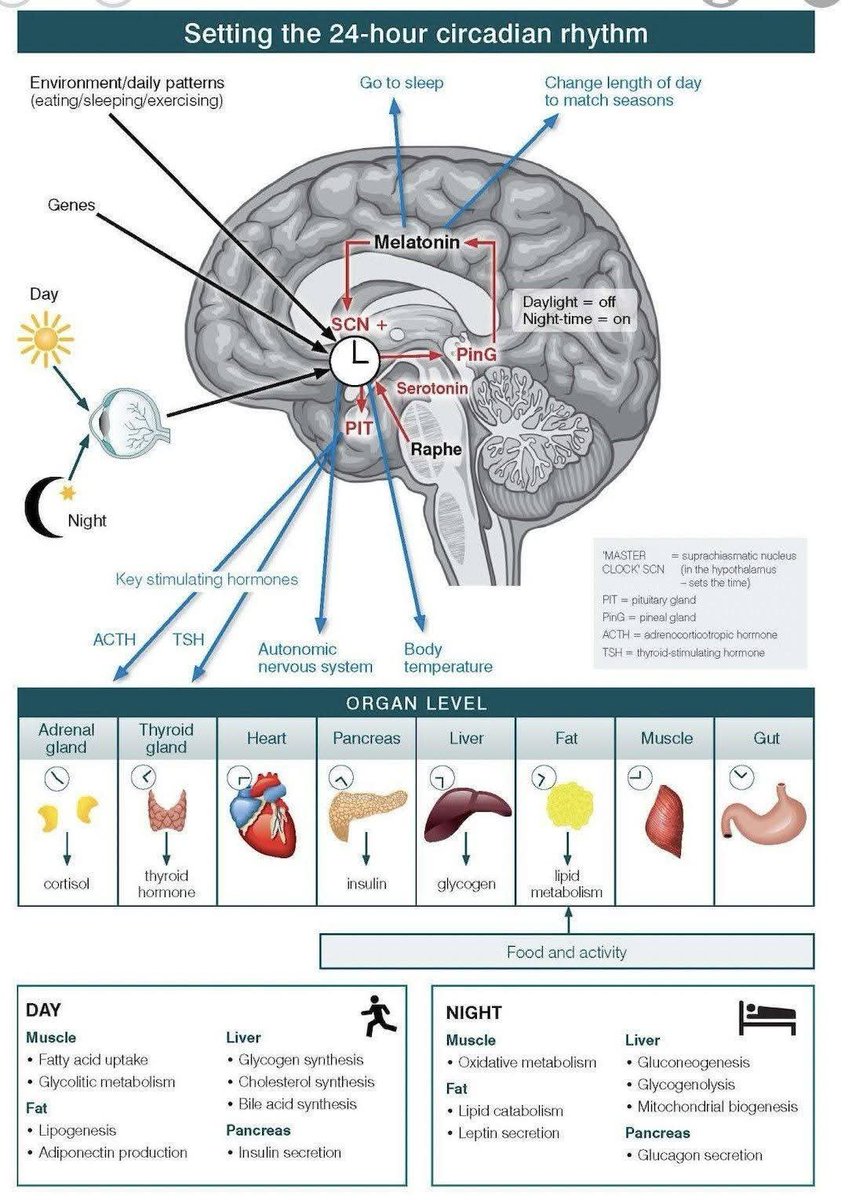
Your body has a master clock hidden deep in the brain, and it quietly controls almost everything you feel during the day. This chart shows what that clock is actually doing, and why your sleep, hunger, hormones, energy, and mood follow the same 24-hour rhythm every single day. Here’s the simple breakdown: ⏰ The “master clock” lives in the "SCN" (as its abbreviated) Located in the hypothalamus, it takes in light from your eyes and uses it to reset your entire system. • Light in the morning tells your brain: wake up, raise cortisol, increase alertness. • Darkness at night flips the switch: make melatonin, lower body temperature, prepare for sleep. 🌙 Melatonin rises only when the SCN says it’s dark The pineal gland releases melatonin to start the sleep process. If light hits your eyes at night (phones, TVs, bright LEDs), that signal can shut off or slow down. 😴 Serotonin and melatonin are linked During the day, serotonin helps regulate mood and alertness. At night, the system converts part of that serotonin into melatonin to drive sleep timing. 🧠 Your organs follow the brain’s schedule Every major organ has its own “clock genes,” and they all sync to the SCN. That’s why timing matters: Daytime: • Muscle: glycolytic metabolism and strength performance peak • Liver: glycogen and cholesterol synthesis • Pancreas: insulin secretion • Fat: lipogenesis and adiponectin production Nighttime: • Muscle: oxidative metabolism and repair • Liver: gluconeogenesis and mitochondrial biogenesis • Pancreas: glucagon secretion • Fat: lipid breakdown and leptin release (signals satiety) In other words: Your biology isn’t the same at 8 AM as it is at 8 PM. 🍽️ Food and activity act as “secondary clocks” Eating late, irregular sleep, shift work, or inconsistent light exposure can confuse these clocks and throw off hormones, metabolism, and mood. This is why: • Morning light improves sleep • Regular mealtimes stabilize metabolism • Late-night eating increases glucose spikes • Consistent sleep strengthens hormone rhythms • Exercise timing can shift circadian signals Your circadian rhythm isn’t just about sleep. It’s a full-body timing system coordinating hormones, temperature, digestion, metabolism, and repair. Get your light, food, and sleep aligned… And the rest of your biology starts working with you instead of against you. Graphic citation: Unknown Research citation: PMID: 11584554
William A. Wallace, Ph.D. tweet media
English
27
283
1K
30.6K
Gitte Pedersen retweetledi
SARS‑CoV‑2 (COVID-19)
SARS‑CoV‑2 (COVID-19)@COVID19_disease·
⚠️ BREAKING: ‘Super-Mutated’ Flu Sweeps Britain NHS Declares Early Crisis, Warns of “Worst Winter Ever” as Experts Urge Mask Use Mandatory masks have been imposed in hospitals in London, Lincolnshire, Shropshire, and Oxfordshire amid alarm at infection numbers.
SARS‑CoV‑2 (COVID-19) tweet media
English
438
1.5K
3.4K
1.2M
Gary Brecka
Gary Brecka@thegarybrecka·
Red light therapy at 660nm penetrates 8-10mm into tissue, directly stimulating mitochondrial cytochrome c oxidase. Translation: Your cells make more energy. Protocol that works: ✅ 10-20 minutes daily ✅ 12-18 inches from skin ✅ Consistent timing (same time daily) ✅ Never through glass or plastic I've seen 30% improvements in muscle recovery, 25% better sleep quality, and 40% faster wound healing.
English
61
110
1.2K
99.1K
Eric Topol
Eric Topol@EricTopol·
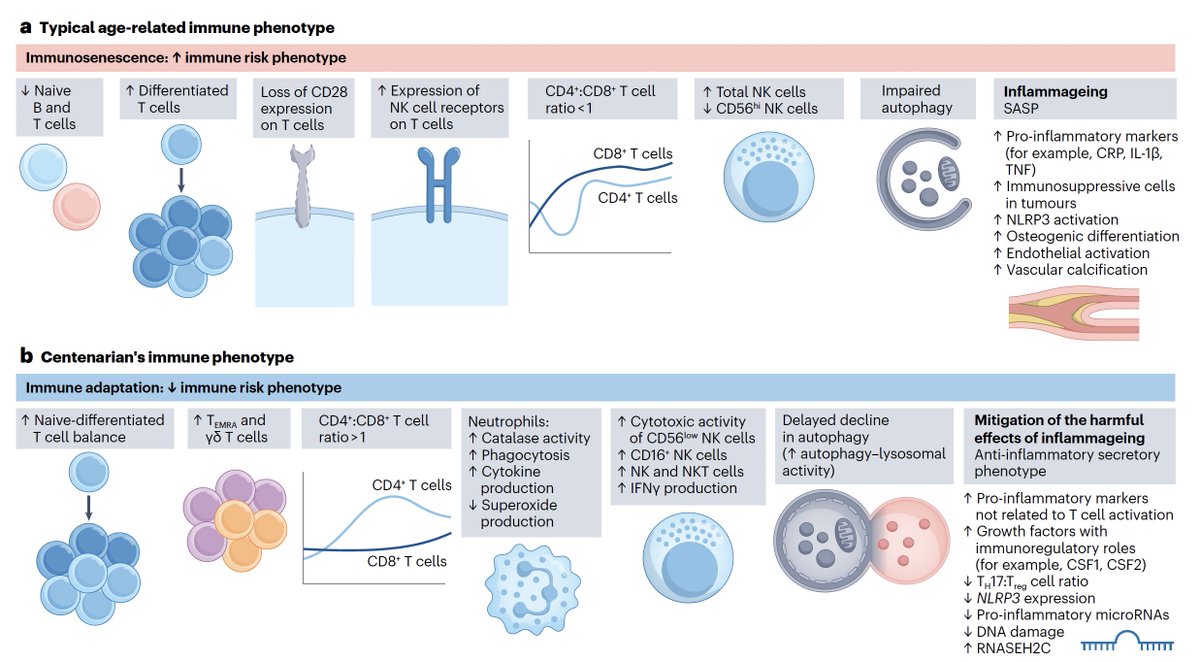
Many clinical studies have shown reduced cancer risk in people with diabetes of obesity taking GLP-1 family of drugs. A new @jclinicalinvest piece makes the case these drugs should be studied to reduce cancer in people without metabolic disease jci.org/articles/view/…
Eric Topol tweet media
English
12
151
575
43K
Gitte Pedersen retweetledi
Eric Topol
Eric Topol@EricTopol·
It worked. Stem cells (mesenchymal) given to patients with a large heart attack reduced major adverse events in a randomized trial vs standard care bmj.com/content/391/bm…
Eric Topol tweet media
English
13
138
637
107.3K
Gitte Pedersen retweetledi
Michael Okun
Michael Okun@MichaelOkun·
Can we build a Parkinson’s lifestyle plan to 'change the game'? Trinh and colleagues describe in a new paper that just dropped in The Lancet Neurology how lifestyle interventions, especially physical activity, nutrition and stress management are quickly emerging as both symptom relieving and possibly even disease modifying for Parkinson’s disease. Key Points: - Sustained lifestyle changes such as exercise, healthy eating and stress reduction can improve motor and non-motor symptoms. - The authors believe this approach may possibly one day be shown to slow disease progression. - Aerobic and resistance exercise, Mediterranean style diets and mindfulness based stress reduction revealed the strongest evidence in association w/ symptom improvement. - The authors argue that future studies should focus on combining lifestyle interventions, enhancing long term adherence and exploring biological mechanisms. My take: This paper reminds me of one of my favorite quotes from Hippocrates that Ray and I included in pdplan.org. “Illnesses do not come upon us out of the blue. They are developed from small daily sins against nature. When enough sins have accumulated, illnesses will suddenly appear.” Here are 5 points that resonated w/ me about this article. 1- Start w/ movement as regular aerobic or resistance exercise at least three times a week can help preserve mobility, balance and mood. 2- Eat smart as a Mediterranean style diet rich in vegetables, nuts and whole grains supports brain and gut health, while balancing protein intake around your levodopa doses. 3- Calm the mind using things like mindfulness and yoga to ease anxiety and depression and to reduce stress hormones. 4-Combine habits gradually and build a personalized plan that includes exercise, diet and stress management. 5-Stay connected as social support and digital tools may make lifestyle changes easier to sustain. thelancet.com/journals/laneu… #parkinson @ParkinsonDotOrg @PdAvengers @SfNtweets @movedisorder
Michael Okun tweet media
English
12
101
349
21.8K
Gitte Pedersen retweetledi
IronSage
IronSage@IronSage_·
Symptoms Of MINERALS Deficiencies ZINC - Acne, Hair thinning, Allergies, Low immunity, Hormonal imbalances, Low testosterone, Low libido IRON - Chest pain, Fatigue, Hair loss, Headaches, Cold hands & feet, Shortness of breath SELENIUM - Hair loss, Slow metabolism, Thyroid issues, Low immunity, Slow wound healing COPPER - Premature greying, Anemia, Osteoporosis, Low WBC, Thyroid problems, Irregular heartbeat PHOSPHORUS - Anemia, Low bone density, Poor appetite, Increased susceptibility to infections, Bone pain POTASSIUM - Muscle cramps, Dizziness, Bloating, Heart palpitations MAGNESIUM - Muscle spasms, Low energy, Insomnia, PMS, Anxiety/ Depression, Frequent headaches IODINE - Feeling cold, Weakness, Low thyroid function,fatigue
IronSage tweet media
English
52
985
5K
336.8K
Gitte Pedersen
Gitte Pedersen@DNABARCODE·
@2StefanMoore Ashley Ashley Ashley Ashley Ashley Ashley Ashley Ashley Ashley Ashley Ashley Ashley Ashley Ashley Ashley Ashley Ashley Ashley Ashley Ashley Ashley Ashley Ashley Ashley Ashley Ashley Ashley Ashley Ashley Ashley Ashley Ashley Ashley Ashley Ashley Ashley Ashley Ashley Ashley
English
0
0
0
7
Stefan Moore ★
Stefan Moore ★@2StefanMoore·
My 13 year old Daughter died from #BrainCancer 4,679 days ago. 💔 I would LOVE to see my Ashley’s name 4,679 times in comments for all the days she’s been missing. When you lose a Child, the most beautiful word you can hear is their name. ❤️ A Repost & Follow would mean the world to us to keep our Ashley’s story alive. 💜 𝒜𝓈𝒽𝓁𝑒𝓎 💜
Stefan Moore ★ tweet media
English
15K
13.9K
113.5K
3.2M