Diego "WebDesign+Writing" 🦻🥚🏴‍☠ Ortuño Rosales

107.1K posts

Diego "WebDesign+Writing" 🦻🥚🏴‍☠ Ortuño Rosales banner
Diego "WebDesign+Writing" 🦻🥚🏴‍☠ Ortuño Rosales

Diego "WebDesign+Writing" 🦻🥚🏴‍☠ Ortuño Rosales

@dortunor

✝ "People: if you need a site made, hire Diego. So good at what he does and so easy to work with" -Alexander Hellene ES/EN Ask for DM Sordo/deaf 🦻

Cumbayá, Ecuador Katılım Aralık 2010
4K Takip Edilen2.1K Takipçiler
Diego "WebDesign+Writing" 🦻🥚🏴‍☠ Ortuño Rosales retweetledi
Historia Española
Historia Española@HistoriaEspanna·
COLÓN ERA GALLEGO. La genética apunta a que Cristóbal Colón era español, descendiente del linaje de los Sotomayor, alta nobleza gallega. Los «hallazgos proporcionan por primera vez un sólido respaldo genético a la hipótesis de una procedencia gallega para Cristóbal Colón». «...este estudio establece un marco coherente que vincula el linaje de Colón con la antigua nobleza gallega y navarra». Los condes de Gelves «son descendientes directos de Cristóbal Colón y comparten una arquitectura genética común con las casas Sotomayor y Zúñiga. En conjunto, estos hallazgos proporcionan por primera vez un sólido respaldo genético a la hipótesis de una procedencia gallega para Cristóbal Colón, sentando una base definitiva dentro del discurso científico para la reevaluación de su identidad histórica».
Historia Española tweet media
Nrken19@nrken19

For the first time robust genetic support for the hypothesis of a Galician provenance for Christopher Columbus, laying a definitive foundation within the scientific discourse for the re-evaluation of his historical identity. “Archaeogenomic and Bioinformatic Analysis of the Columbus Lineage: Evidence from the Counts of Gelves.” biorxiv.org/content/10.648…

Español
33
87
424
33.4K
Diego "WebDesign+Writing" 🦻🥚🏴‍☠ Ortuño Rosales retweetledi
Aristotle Quotes
Aristotle Quotes@SaysAristotle·
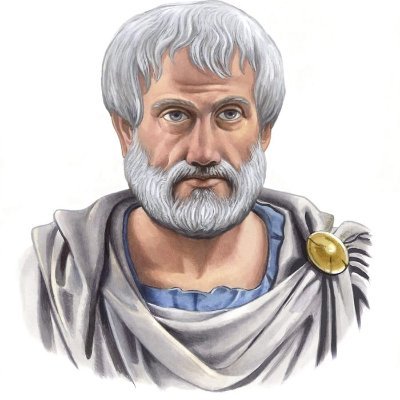
“The educated differ from the uneducated as much as the living differ from the dead.”
English
0
4
9
396
Diego "WebDesign+Writing" 🦻🥚🏴‍☠ Ortuño Rosales retweetledi
Lucía Lobosvilla
Lucía Lobosvilla@LuciaLobosvilla·
Yoda is the Boomer stuck in his ways. Windu/Qui Gon are opposing types of Gen Xers. Obi Wan is the Millennial who followed the rules and did everything he was taught was right only to end up homeless, broke, and single anyway. And Anakin is the fatherless radicalized GenZ.
English
112
1K
9.5K
195K
Diego "WebDesign+Writing" 🦻🥚🏴‍☠ Ortuño Rosales retweetledi
🍂
🍂@Lovandfear·
“Evil cannot create anything new, it can only corrupt and ruin what good forces have invented or made” —J.R.R. Tolkien
🍂 tweet media
English
148
3.1K
14.1K
906.1K
Diego "WebDesign+Writing" 🦻🥚🏴‍☠ Ortuño Rosales retweetledi
Carolus V
Carolus V@CarolusV3·
Uno de los problemas principales de los rojos, y por los que nunca podrán ser realmente cristianos es que no son capaces de entender que cuando Jesús dice "dale todo lo que tienes a los pobres" o "visita a los enfermos" tienes que hacerlo TÚ: no el Estado.
Simón.@MadelnMDE

No saben ni que religión siguen.

Español
112
547
4.1K
63.2K
plagued by concepts
plagued by concepts@eye______candy·
Algo que he aprendido con la edad y la madurez es valorar ser latina.
Español
1
0
2
91
גבריאלה ⚡️
גבריאלה ⚡️@GabyLovaton·
Ese temblor me contó como despertador 😅 edtaba en el quinto sueño hasta q sentí q todo mi cuarto se estaba Hamaqueando.. Me quede: mmmmm hola Dios, wait déjame cambiarme 🥲
Español
1
0
8
252
Diego "WebDesign+Writing" 🦻🥚🏴‍☠ Ortuño Rosales retweetledi
Naanky 🦄♐🧜🏿‍♀️
"Beware of the man who calls for unity when it's time for justice"
English
131
15.8K
49.5K
624.2K
Diego "WebDesign+Writing" 🦻🥚🏴‍☠ Ortuño Rosales retweetledi
Donald J. Trump
Donald J. Trump@realDonaldTrump·
The United States has spent EIGHT TRILLION DOLLARS fighting and policing in the Middle East. Thousands of our Great Soldiers have died or been badly wounded. Millions of people have died on the other side. GOING INTO THE MIDDLE EAST IS THE WORST DECISION EVER MADE.....
English
16.4K
55.7K
158.8K
0
Diego "WebDesign+Writing" 🦻🥚🏴‍☠ Ortuño Rosales retweetledi
John A. Douglas
John A. Douglas@J0hnADouglas·
When I was a newly saved Christian teen in the 90s, I thought it would be great if we had Christian alternatives in genre fiction. When I walked into Christian book stores and went to the book section, you know what I found? Nothing but bonnet fiction. Amish romance. Oh sure we had left behind and Frank Peretti. Frank cranked out two bangers about spiritual warfare before decided he wanted to be Temu Christian Stephen King (because we don’t have enough of those). But never any fantasy. Never any sci-fi. Never any comic books. And it has stayed this way for decades to my immense disappointment.
GIF
Marcus Pittman@ImKingGinger

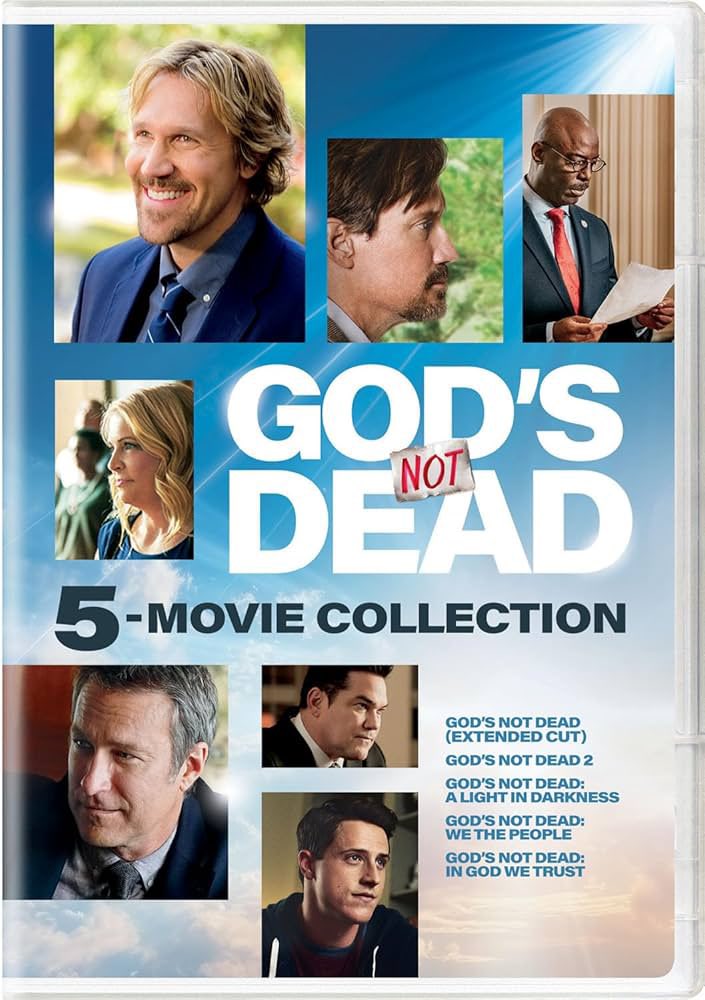
The Truth About Why Christian Movies are So Bad. I’ve spent the last four years building a streaming platform and talking to people at the very top of the faith-based entertainment industry. Studio heads. Distributors. Producers. Investors. And I’ve come to a conclusion that I think is going to make a lot of people uncomfortable. Christian movies are bad on purpose. The talent is out there. I’ve met them. I’ve sat with them at 3am over whiskey and cigars listening to pitches that should have been picked up immediately. So that left a question that any Christian filmmaker could quickly answer. If the talent is there, why is everything so mediocre? It starts with an avatar named Bookstore Betty. I’m not making that up. When the faith-based film industry was being built out, it was done in partnership with Christian bookstore executives. They weren’t asking “how do we make great cinema.” They were asking “who walks into our stores and how do we sell them a movie the same way we sell them a devotional.” The target was a 35 year old woman. The tone, the casting, the conflict resolution, the soft lighting, all of it was reverse-engineered to appeal to Betty. Not to a general audience. Not to men. Not to teenagers. Just Betty. Every major Christian film you can think of relies on distribution deals with secular studios. The same studios that blacklisted almost everyone who worked on The Passion of the Christ and refused to distribute Kirk Cameron's Pro Life movie. Think about that. Passion made over $600 million on a $30 million budget. The most obvious play would have been to duplicate that movie hundreds of times like it was the MCU. But instead of greenlighting more, Hollywood blacklisted the people involved. So what did they do instead? They set up a system where they get to be the gatekeepers. They only greenlight the safest, most formulaic, most non-threatening stuff possible. Because if Christian films ever started consistently competing with mainstream entertainment, those studios would have a real problem. So they make sure that never happens. And the church helps them do it. Christian movies don’t need word of mouth. They don’t need to be good. They need pastors to bulk-buy tickets. You make a movie with a “message,” market it to churches, and pastors subsidize the whole thing by buying hundreds of tickets to hand out on Sunday. You don’t have to compete in a fair market when your distribution model is guilt-driven generosity. And the funding is even more rigged. Most of these films are funded through Donor Advised Funds, which means donors get a tax write-off for their “investment” regardless of whether the movie makes a dollar. There’s no market pressure to make something good. The donors got their deduction. The studio got their budget. And Betty got another movie about a woman who finds a journal in the attic. What would happen if someone actually came along and made faith-based content that created pop culture instead of reacting to it? I think it would instantly expose how low-effort the current industry is. It would be like when Uber showed up and embarrassed the taxi industry overnight. The monopoly only survives because nobody has disrupted it yet. The talent is there. The audience is there. The only thing missing is capital that wants disruption instead of a tax write-off.

English
139
33
472
38.8K
Diego "WebDesign+Writing" 🦻🥚🏴‍☠ Ortuño Rosales retweetledi
Larry Sanger
Larry Sanger@lsanger·
“Christian movies suck because they’re made for Betty.” This is fascinating but, I strongly suspect, only part of the story. When wealthy, powerful people stand to make large sums of money and influence the populace, what happens is deliberate. 🧵👇
Marcus Pittman@ImKingGinger

The Truth About Why Christian Movies are So Bad. I’ve spent the last four years building a streaming platform and talking to people at the very top of the faith-based entertainment industry. Studio heads. Distributors. Producers. Investors. And I’ve come to a conclusion that I think is going to make a lot of people uncomfortable. Christian movies are bad on purpose. The talent is out there. I’ve met them. I’ve sat with them at 3am over whiskey and cigars listening to pitches that should have been picked up immediately. So that left a question that any Christian filmmaker could quickly answer. If the talent is there, why is everything so mediocre? It starts with an avatar named Bookstore Betty. I’m not making that up. When the faith-based film industry was being built out, it was done in partnership with Christian bookstore executives. They weren’t asking “how do we make great cinema.” They were asking “who walks into our stores and how do we sell them a movie the same way we sell them a devotional.” The target was a 35 year old woman. The tone, the casting, the conflict resolution, the soft lighting, all of it was reverse-engineered to appeal to Betty. Not to a general audience. Not to men. Not to teenagers. Just Betty. Every major Christian film you can think of relies on distribution deals with secular studios. The same studios that blacklisted almost everyone who worked on The Passion of the Christ and refused to distribute Kirk Cameron's Pro Life movie. Think about that. Passion made over $600 million on a $30 million budget. The most obvious play would have been to duplicate that movie hundreds of times like it was the MCU. But instead of greenlighting more, Hollywood blacklisted the people involved. So what did they do instead? They set up a system where they get to be the gatekeepers. They only greenlight the safest, most formulaic, most non-threatening stuff possible. Because if Christian films ever started consistently competing with mainstream entertainment, those studios would have a real problem. So they make sure that never happens. And the church helps them do it. Christian movies don’t need word of mouth. They don’t need to be good. They need pastors to bulk-buy tickets. You make a movie with a “message,” market it to churches, and pastors subsidize the whole thing by buying hundreds of tickets to hand out on Sunday. You don’t have to compete in a fair market when your distribution model is guilt-driven generosity. And the funding is even more rigged. Most of these films are funded through Donor Advised Funds, which means donors get a tax write-off for their “investment” regardless of whether the movie makes a dollar. There’s no market pressure to make something good. The donors got their deduction. The studio got their budget. And Betty got another movie about a woman who finds a journal in the attic. What would happen if someone actually came along and made faith-based content that created pop culture instead of reacting to it? I think it would instantly expose how low-effort the current industry is. It would be like when Uber showed up and embarrassed the taxi industry overnight. The monopoly only survives because nobody has disrupted it yet. The talent is there. The audience is there. The only thing missing is capital that wants disruption instead of a tax write-off.

English
13
8
108
19.6K
Diego "WebDesign+Writing" 🦻🥚🏴‍☠ Ortuño Rosales retweetledi
Lucas Botkin
Lucas Botkin@LucasBotkin·
The “wait for evidence” crowd hates the “pattern recognition” crowd.
English
239
5.5K
36.3K
402.3K
Diego "WebDesign+Writing" 🦻🥚🏴‍☠ Ortuño Rosales retweetledi
Marcus Pittman
Marcus Pittman@ImKingGinger·
The Truth About Why Christian Movies are So Bad. I’ve spent the last four years building a streaming platform and talking to people at the very top of the faith-based entertainment industry. Studio heads. Distributors. Producers. Investors. And I’ve come to a conclusion that I think is going to make a lot of people uncomfortable. Christian movies are bad on purpose. The talent is out there. I’ve met them. I’ve sat with them at 3am over whiskey and cigars listening to pitches that should have been picked up immediately. So that left a question that any Christian filmmaker could quickly answer. If the talent is there, why is everything so mediocre? It starts with an avatar named Bookstore Betty. I’m not making that up. When the faith-based film industry was being built out, it was done in partnership with Christian bookstore executives. They weren’t asking “how do we make great cinema.” They were asking “who walks into our stores and how do we sell them a movie the same way we sell them a devotional.” The target was a 35 year old woman. The tone, the casting, the conflict resolution, the soft lighting, all of it was reverse-engineered to appeal to Betty. Not to a general audience. Not to men. Not to teenagers. Just Betty. Every major Christian film you can think of relies on distribution deals with secular studios. The same studios that blacklisted almost everyone who worked on The Passion of the Christ and refused to distribute Kirk Cameron's Pro Life movie. Think about that. Passion made over $600 million on a $30 million budget. The most obvious play would have been to duplicate that movie hundreds of times like it was the MCU. But instead of greenlighting more, Hollywood blacklisted the people involved. So what did they do instead? They set up a system where they get to be the gatekeepers. They only greenlight the safest, most formulaic, most non-threatening stuff possible. Because if Christian films ever started consistently competing with mainstream entertainment, those studios would have a real problem. So they make sure that never happens. And the church helps them do it. Christian movies don’t need word of mouth. They don’t need to be good. They need pastors to bulk-buy tickets. You make a movie with a “message,” market it to churches, and pastors subsidize the whole thing by buying hundreds of tickets to hand out on Sunday. You don’t have to compete in a fair market when your distribution model is guilt-driven generosity. And the funding is even more rigged. Most of these films are funded through Donor Advised Funds, which means donors get a tax write-off for their “investment” regardless of whether the movie makes a dollar. There’s no market pressure to make something good. The donors got their deduction. The studio got their budget. And Betty got another movie about a woman who finds a journal in the attic. What would happen if someone actually came along and made faith-based content that created pop culture instead of reacting to it? I think it would instantly expose how low-effort the current industry is. It would be like when Uber showed up and embarrassed the taxi industry overnight. The monopoly only survives because nobody has disrupted it yet. The talent is there. The audience is there. The only thing missing is capital that wants disruption instead of a tax write-off.
Marcus Pittman tweet media
English
237
303
1.9K
167.7K
Diego "WebDesign+Writing" 🦻🥚🏴‍☠ Ortuño Rosales retweetledi
Adi el Grande
Adi el Grande@icardo8·
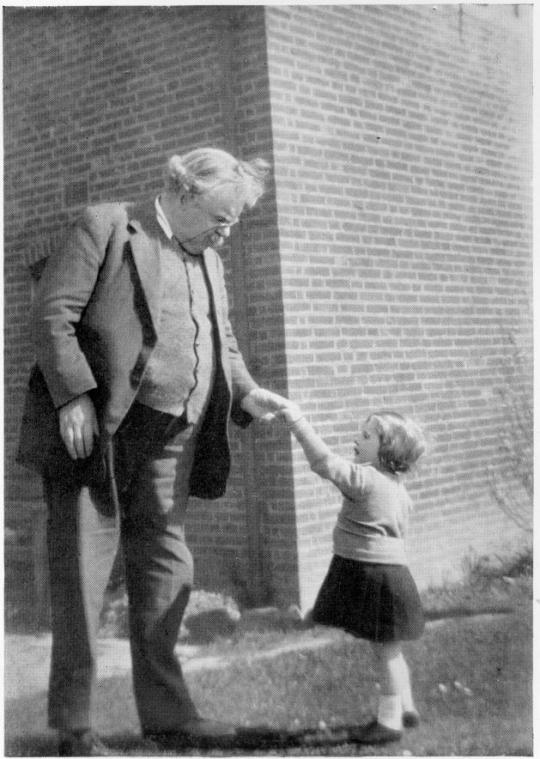
El párrafo más acojonante de la historia de la literatura política Al final de su libro Lo que está mal en el mundo, G. K. Chesterton alude a una ley promulgada en aquel periodo en el Reino Unido según la cual, para evitar las epidemias de piojos en los barrios pobres, los niños de la clase obrera deberían llevar las cabezas rapadas. Los pobres, escribe Chesterton, se encuentran tan presionados desde arriba, en submundos de miseria tan apestosos y sofocantes, que no se les debe permitir tener pelo, pues en su caso eso significa tener piojos. En consecuencia, los médicos sugieren suprimir el pelo. No parece habérseles ocurrido suprimir los piojos. Y es que sería largo y laborioso cortar las cabezas de los tiranos; es más fácil cortar el pelo de los esclavos. En el razonamiento que hila la conclusión de este libro formidable ,Chesterton sostiene que la lección de los piojos de los suburbios es que lo que está mal son los suburbios, no el pelo. Y dice una cosa verdaderamente sorprendente: sólo por medio de instituciones eternas como el pelo podemos someter a prueba instituciones pasajeras como los imperios. Chesterton lleva todo el libro pensando un punto de partida sobre el que construir todo un orden social, un mínimo más allá del cual no tiene sentido defender nada. Y comienza así el último párrafo del libro, el más bello que yo haya leído en mi vida sobre el tema de la revolución: hay que empezar por algún sitio y yo empiezo por el pelo de una niña. Cualquier otra cosa es mala, pero el orgullo que siente una buena madre por la belleza de su hija es bueno. Es una de esas ternuras que son inexorables y que son la piedra de toque de toda época y raza. Si hay otras cosas en su contra, hay que acabar con esas otras cosas. Si los terratenientes, las leyes y las ciencias están en su contra, habrá que acabar con los terratenientes, las leyes y las ciencias. Con el pelo rojo de una golfilla del arroyo prenderé fuego a toda la civilización moderna. Porque una niña debe tener el pelo largo, debe tener el pelo limpio. Porque debe tener el pelo limpio, no debe tener un hogar sucio; porque no debe tener un hogar sucio, debe tener una madre libre y disponible; porque debe tener una madre libre, no debe tener un terrateniente usurero; porque no debe haber un terrateniente usurero, debe haber una redistribución de la propiedad; porque debe haber una distribución de la propiedad, debe haber una revolución. La pequeña golfilla del pelo rojo, a la que acabo de ver pasar junto a mi casa, no debe ser afeitada, ni lisiada, ni alterada; su pelo no debe ser cortado como el de un convicto; todos los reinos de la tierra deben ser mutilados y destrozados para servirle a ella. Ella es la imagen humana y sagrada; a su alrededor la trama social debe oscilar, romperse y caer; los pilares de la sociedad vacilarán y los tejados más antiguos caerán, pero no habrá de dañarse un pelo de su cabeza. [G. K. Chesterton, Lo que está mal en el mundo. Ed. El Acantilado.
Adi el Grande tweet media
Español
30
462
1.1K
48.8K