Eazy Boy

361 posts

Eazy Boy

Eazy Boy

@eazy_boy32001

Content creator | Social Media Manager|Content writer | London is Blue

Katılım Kasım 2025
149 Takip Edilen130 Takipçiler
Sabitlenmiş Tweet
Eazy Boy retweetledi
The ColdRiver
The ColdRiver@the_coldriver·
When I find a product that WORKS WELL and provides an avenue for users to EARN MONEY, I get interested. TIPF does this in a way I like. I've tested it, I've enjoyed it and now I've made a full-length video that explains everything you need to start playing. [TIMESTAMPS] 01:07 - TIPF Intro 01:36 - Aggressive Pool 02:32 - Stable Pool 03:40 - Snippet of interview with @skyL2023 (Founder, TIPF) 04:16 - MagicBlock's VRF 05:49 - The Motherlode 06:28 - TIPF Nodes 08:03 - TIPF Deflationary Flywheel 08:50 - There's more! 09:05 - @FabianoSolana and @fordudesake are mentioned! 09:38 - Guilds and Chats 10:15 - Interactive Quiz 11:12 - Happy Mining cc: @TIPF_AI @superteam @SolanaCollectiv @magicblock
The ColdRiver@the_coldriver

A mining game promising a 96%-win rate feels like a bogus claim, but I've spent the last two weeks interacting with the Token in Pool Fight (TIPF) mining game and the promise holds true. Here's an intro thread to get you started. 🧵

English
5
8
15
103
Eazy Boy retweetledi
Mr Mike
Mr Mike@mr_mike0001·
Day 2 on @UmbraPrivacy Yesterday, I wrote about Shielded Balances and how Umbra helps protect what your wallet reveals before a transaction even begins. Today, I will be exploring Private Transfers. Every blockchain transaction creates a permanent on-chain record. While transactions remain verifiable, that doesn't mean every detail has to be publicly exposed. Umbra uses zero-knowledge cryptography to validate transfers while reducing the amount of information revealed on-chain. Ownership remains in your control. Transactions remain verifiable. But your financial activity doesn't have to become public by default. Privacy isn't just about protecting what you hold. It's also about protecting how you move it. Tomorrow, I'll be taking a closer look at Private Swaps. @UmbraPrivacy
Mr Mike tweet media
Mr Mike@mr_mike0001

A few days ago, I shared my thoughts on why financial privacy deserves a place in Web3 and how @UmbraPrivacy is approaching that challenge differently. One feature that stood out to me is Shielded Balances. On most public blockchains, simply knowing a wallet address is enough to reveal its balances. Over time, that information can paint a surprisingly detailed picture of someone's financial activity. Umbra takes a different approach. Instead of leaving balances permanently visible, users can shield their assets into a private balance while maintaining full self-custody. You still own your funds, but you gain greater control over what your wallet publicly reveals. It's a subtle shift in design, but an important one. Privacy shouldn't begin only when you send a transaction. It should begin the moment your wallet holds value. @UmbraPrivacy

English
2
3
6
108
Eazy Boy
Eazy Boy@eazy_boy32001·
@ActuFoot_ スペインおめでとう!ラミンが優勝するのを見たい!
Mr Mike@mr_mike0001

x.com/mr_mike0001/st… 𝐑𝐞𝐬𝐞𝐚𝐫𝐜𝐡𝐞𝐫𝐬 𝐚𝐧𝐚𝐥𝐲𝐳𝐞𝐝 𝟏𝟎𝟎,𝟎𝟎𝟎 𝐨𝐟 𝐭𝐡𝐞 𝐰𝐨𝐫𝐥𝐝'𝐬 𝐦𝐨𝐬𝐭 𝐯𝐢𝐬𝐢𝐭𝐞𝐝 𝐰𝐞𝐛𝐬𝐢𝐭𝐞𝐬, 𝟔𝟏𝟔 𝐝𝐞𝐜𝐞𝐧𝐭𝐫𝐚𝐥𝐢𝐳𝐞𝐝 𝐚𝐩𝐩𝐥𝐢𝐜𝐚𝐭𝐢𝐨𝐧𝐬, 𝐚𝐧𝐝 𝟏𝟎𝟎 𝐜𝐫𝐲𝐩𝐭𝐨 𝐰𝐚𝐥𝐥𝐞𝐭𝐬 𝐭𝐨 𝐛𝐞𝐭𝐭𝐞𝐫 𝐮𝐧𝐝𝐞𝐫𝐬𝐭𝐚𝐧𝐝 𝐡𝐨𝐰 𝐩𝐫𝐢𝐯𝐚𝐭𝐞 𝐖𝐞𝐛𝟑 𝐫𝐞𝐚𝐥𝐥𝐲 𝐢𝐬. The findings were difficult to ignore. 𝟏,𝟑𝟐𝟓 𝐰𝐞𝐛𝐬𝐢𝐭𝐞𝐬 were actively checking whether users had crypto wallets installed in their browsers. Across those dApps, researchers identified 𝐦𝐨𝐫𝐞 𝐭𝐡𝐚𝐧 𝟐,𝟎𝟎𝟎 𝐰𝐚𝐥𝐥𝐞𝐭 𝐢𝐧𝐟𝐨𝐫𝐦𝐚𝐭𝐢𝐨𝐧 𝐥𝐞𝐚𝐤𝐬 spanning 𝟐𝟏𝟏 𝐚𝐩𝐩𝐥𝐢𝐜𝐚𝐭𝐢𝐨𝐧𝐬, alongside 𝟑𝟎𝟎+ 𝐚𝐝𝐝𝐢𝐭𝐢𝐨𝐧𝐚𝐥 𝐥𝐞𝐚𝐤𝐬 𝐚𝐜𝐫𝐨𝐬𝐬 𝟏𝟑 𝐰𝐚𝐥𝐥𝐞𝐭𝐬. For technology built around ownership and self-custody, it raises an uncomfortable question. 𝐇𝐨𝐰 𝐩𝐫𝐢𝐯𝐚𝐭𝐞 𝐢𝐬 𝐚 𝐰𝐚𝐥𝐥𝐞𝐭 𝐢𝐟 𝐬𝐢𝐦𝐩𝐥𝐲 𝐮𝐬𝐢𝐧𝐠 𝐢𝐭 𝐜𝐚𝐧 𝐫𝐞𝐯𝐞𝐚𝐥 𝐦𝐨𝐫𝐞 𝐭𝐡𝐚𝐧 𝐲𝐨𝐮 𝐢𝐧𝐭𝐞𝐧𝐝𝐞𝐝? Public blockchains were designed to make transactions verifiable, not necessarily private. As the ecosystem grows, that distinction is becoming harder to ignore. The conversation is gradually shifting from "𝐖𝐡𝐨 𝐨𝐰𝐧𝐬 𝐭𝐡𝐞 𝐚𝐬𝐬𝐞𝐭𝐬?" to "𝐖𝐡𝐨 𝐜𝐨𝐧𝐭𝐫𝐨𝐥𝐬 𝐭𝐡𝐞 𝐢𝐧𝐟𝐨𝐫𝐦𝐚𝐭𝐢𝐨𝐧 𝐭𝐡𝐨𝐬𝐞 𝐚𝐬𝐬𝐞𝐭𝐬 𝐠𝐞𝐧𝐞𝐫𝐚𝐭𝐞?" That shift in perspective is exactly where Umbra distinguishes itself. Rather than treating privacy as an optional feature or attempting to make public blockchains private, Umbra starts from a different assumption: 𝐟𝐢𝐧𝐚𝐧𝐜𝐢𝐚𝐥 𝐩𝐫𝐢𝐯𝐚𝐜𝐲 𝐬𝐡𝐨𝐮𝐥𝐝 𝐛𝐞𝐠𝐢𝐧 𝐚𝐭 𝐭𝐡𝐞 𝐰𝐚𝐥𝐥𝐞𝐭 𝐥𝐚𝐲𝐞𝐫. Built natively on Solana, Umbra combines self-custody with zero-knowledge cryptography to give users greater control over what their wallets reveal, without changing the underlying properties that make blockchains transparent and verifiable. Instead of forcing users to choose between ownership and privacy, Umbra is designed to deliver both within a single self-custodial wallet. 𝐇𝐨𝐰 𝐝𝐨𝐞𝐬 𝐢𝐭 𝐚𝐜𝐭𝐮𝐚𝐥𝐥𝐲 𝐰𝐨𝐫𝐤? Umbra approaches privacy as a complete wallet architecture rather than a single feature. Shielded balances, private transfers, private swaps, and built-in security work together to reduce unnecessary on-chain exposure while preserving self-custody. . It starts by protecting what a wallet reveals before any transaction takes place. Rather than leaving balances permanently visible on-chain, Umbra allows users to shield their assets into a private balance. Once shielded, the wallet no longer publicly exposes the amount held, while users retain full ownership and control of their funds. The same principle extends to every transaction. Sending assets doesn't have to reveal the relationship between sender, receiver, and transferred value to everyone observing the blockchain. Umbra uses zero-knowledge cryptography to preserve transaction validity while significantly reducing the amount of information exposed publicly. Privacy shouldn't stop at transfers. Every swap, dApp interaction, and protocol connection adds another layer to a wallet's on-chain identity. Over time, these interactions can reveal far more than a single transaction ever could. That privacy model also extends to swaps. Users can swap assets directly from their shielded balance without publicly revealing their trading activity. Gas abstraction removes the need to constantly hold SOL for transaction fees, creating a smoother wallet experience. Privacy also extends to security. When security becomes a concern, 𝐃𝐢𝐬𝐭𝐫𝐞𝐬𝐬 𝐌𝐨𝐝𝐞 provides an emergency response mechanism that helps secure sensitive assets before an attacker can fully assess or exploit the wallet. Self-custody gave people ownership of their assets. Privacy gives them control over the information those assets generate. As crypto adoption expands beyond early adopters, wallets are no longer used only for trading. They're becoming tools for payments, treasury management, business operations, and everyday financial activity. That changes the conversation. The question is no longer whether transactions should be verifiable. Public blockchains already achieve that remarkably well. The real question is whether verification should require every financial interaction to remain publicly visible by default. 𝐔𝐦𝐛𝐫𝐚 𝐚𝐝𝐝𝐫𝐞𝐬𝐬𝐞𝐬 𝐭𝐡𝐚𝐭 𝐜𝐡𝐚𝐥𝐥𝐞𝐧𝐠𝐞 𝐛𝐲 𝐜𝐨𝐦𝐛𝐢𝐧𝐢𝐧𝐠 𝐭𝐫𝐚𝐧𝐬𝐩𝐚𝐫𝐞𝐧𝐜𝐲 𝐰𝐢𝐭𝐡 𝐮𝐬𝐞𝐫-𝐜𝐨𝐧𝐭𝐫𝐨𝐥𝐥𝐞𝐝 𝐩𝐫𝐢𝐯𝐚𝐜𝐲. 𝐏𝐮𝐛𝐥𝐢𝐜 𝐛𝐥𝐨𝐜𝐤𝐜𝐡𝐚𝐢𝐧𝐬 𝐫𝐞𝐦𝐚𝐢𝐧 𝐯𝐞𝐫𝐢𝐟𝐢𝐚𝐛𝐥𝐞, 𝐰𝐡𝐢𝐥𝐞 𝐮𝐬𝐞𝐫𝐬 𝐠𝐚𝐢𝐧 𝐠𝐫𝐞𝐚𝐭𝐞𝐫 𝐜𝐨𝐧𝐭𝐫𝐨𝐥 𝐨𝐯𝐞𝐫 𝐰𝐡𝐚𝐭 𝐭𝐡𝐞𝐢𝐫 𝐟𝐢𝐧𝐚𝐧𝐜𝐢𝐚𝐥 𝐚𝐜𝐭𝐢𝐯𝐢𝐭𝐲 𝐫𝐞𝐯𝐞𝐚𝐥𝐬. Financial privacy is often mistaken for the opposite of transparency when, in reality, they serve entirely different purposes. Transparency allows networks to be verified. Privacy allows individuals to decide what financial information should become part of a permanent public record. As blockchain technology continues to evolve, the conversation is moving beyond ownership alone. The next challenge is building infrastructure that gives users meaningful control over both their assets and the information those assets generate. Umbra demonstrates that privacy doesn't have to be an added layer, it can be the foundation of the wallet itself. User-controlled privacy is becoming an increasingly important part of blockchain infrastructure as wallets evolve beyond simple asset storage. Ownership changed how we hold value; privacy is changing how we use it. 𝐄𝐱𝐩𝐥𝐨𝐫𝐞 𝐔𝐦𝐛𝐫𝐚 𝐚𝐧𝐝 𝐞𝐱𝐩𝐞𝐫𝐢𝐞𝐧𝐜𝐞 𝐰𝐡𝐚𝐭 𝐩𝐫𝐢𝐯𝐚𝐜𝐲-𝐟𝐢𝐫𝐬𝐭 𝐬𝐞𝐥𝐟-𝐜𝐮𝐬𝐭𝐨𝐝𝐲 𝐥𝐨𝐨𝐤𝐬 𝐥𝐢𝐤𝐞: umbraprivacy.com/?utm_source=su… @UmbraPrivacy @ownershipfm 𝐑𝐞𝐟𝐞𝐫𝐞𝐧𝐜𝐞𝐬: 𝐔𝐒𝐄𝐍𝐈𝐗 𝐒𝐞𝐜𝐮𝐫𝐢𝐭𝐲 '𝟐𝟑; 𝐓𝐡𝐞 𝐃𝐚𝐫𝐤 𝐒𝐢𝐝𝐞 𝐨𝐟 𝐖𝐞𝐛𝟑: 𝐀 𝐌𝐞𝐚𝐬𝐮𝐫𝐞𝐦𝐞𝐧𝐭 𝐒𝐭𝐮𝐝𝐲 𝐨𝐟 𝐂𝐫𝐲𝐩𝐭𝐨𝐜𝐮𝐫𝐫𝐞𝐧𝐜𝐲 𝐖𝐚𝐥𝐥𝐞𝐭 𝐋𝐞𝐚𝐤𝐬 𝐚𝐧𝐝 𝐁𝐫𝐨𝐰𝐬𝐞𝐫 𝐅𝐢𝐧𝐠𝐞𝐫𝐩𝐫𝐢𝐧𝐭𝐢𝐧𝐠: usenix.org/conference/use… 𝐔𝐦𝐛𝐫𝐚 𝐃𝐨𝐜𝐮𝐦𝐞𝐧𝐭𝐚𝐭𝐢𝐨𝐧: docs.umbraprivacy.com 𝐔𝐦𝐛𝐫𝐚 𝐒𝐃𝐊: sdk.umbraprivacy.com/concepts/how-u… 𝐀𝐫𝐜𝐢𝐮𝐦 × 𝐔𝐦𝐛𝐫𝐚 𝐥𝐚𝐮𝐧𝐜𝐡: theblock.co/post/394892/um…

日本語
0
0
1
10
Actu Foot
Actu Foot@ActuFoot_·
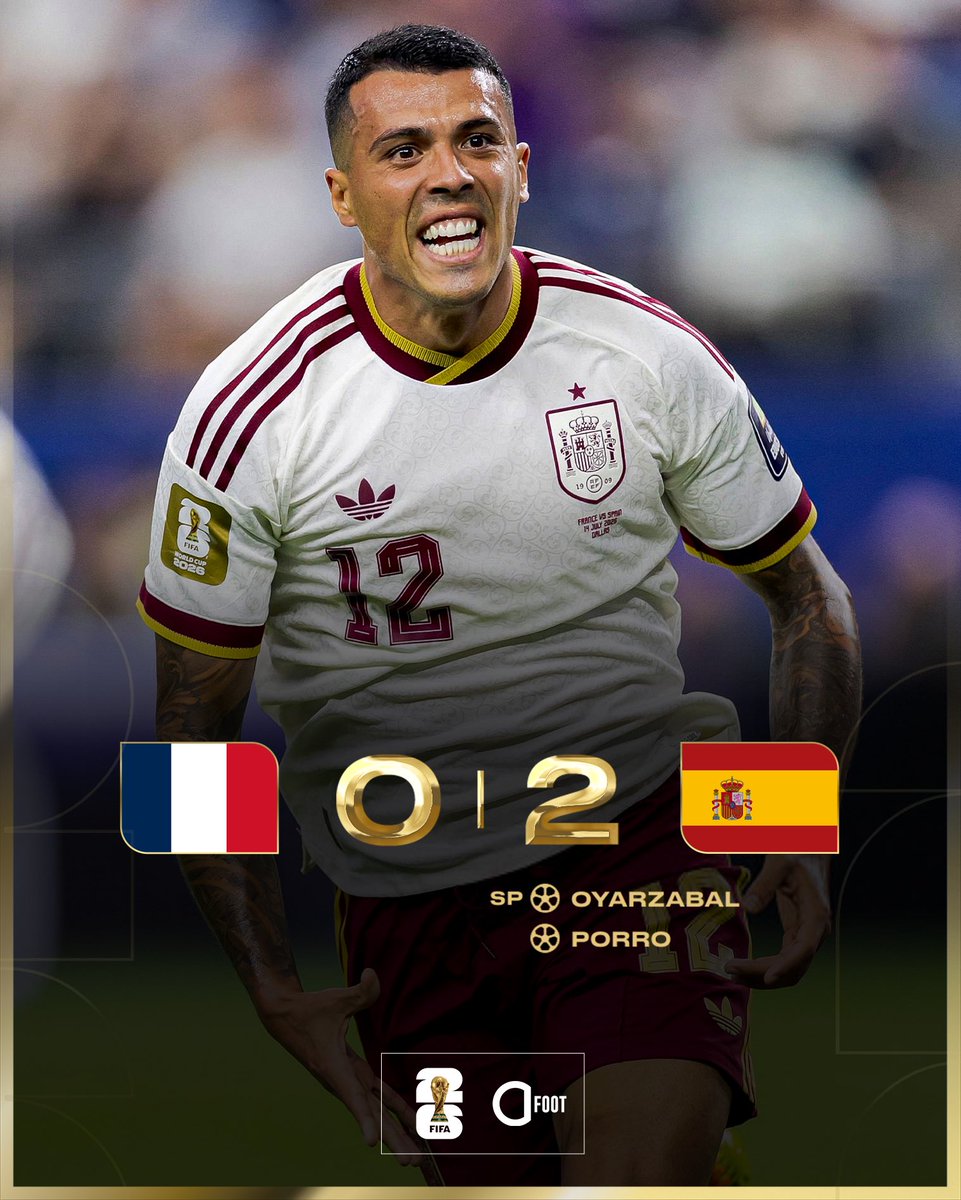
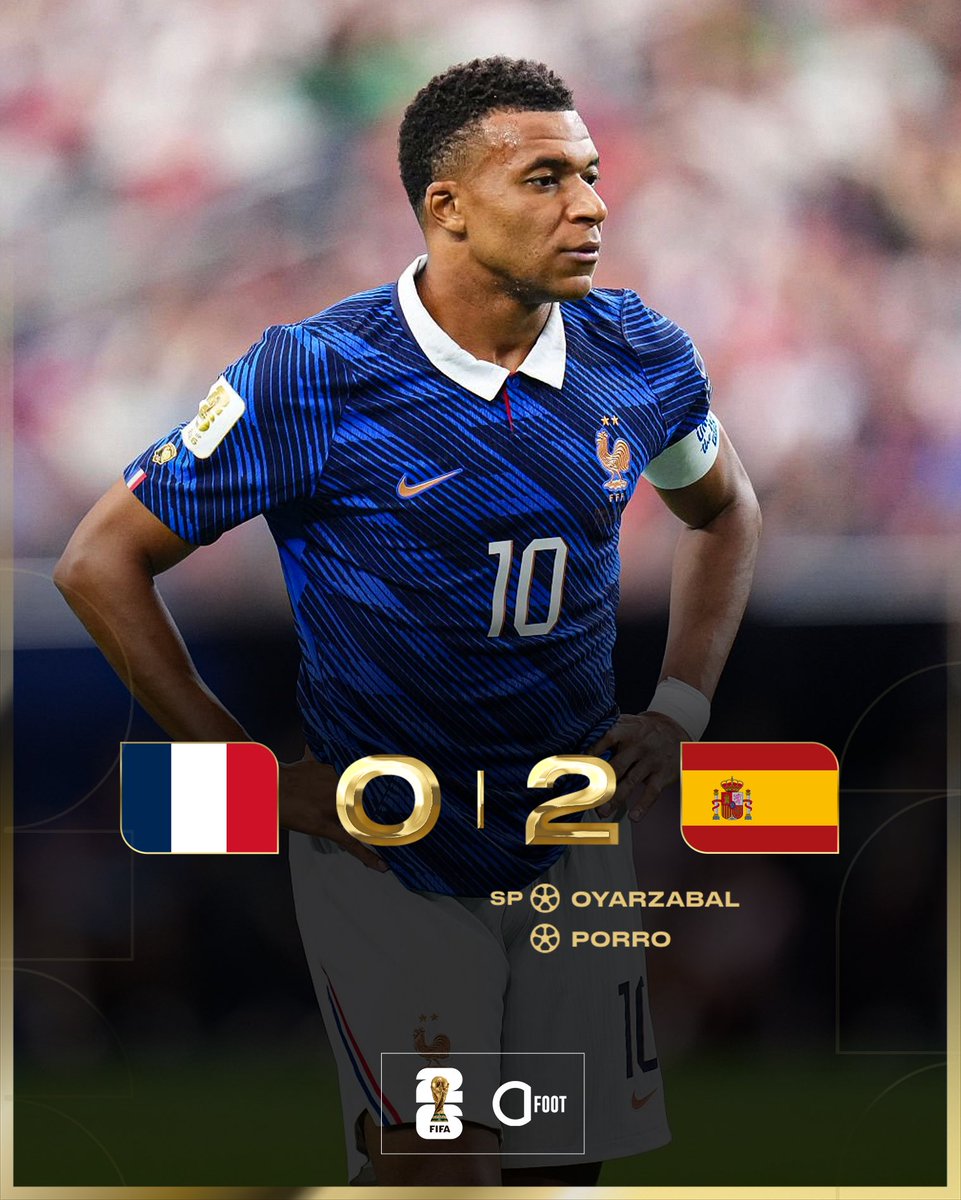
🚨🚨 L’ESPAGNE 🇪🇸 DONNE UNE LEÇON DE FOOTBALL À LA FRANCE 🇫🇷 ET ÉLIMINE ENCORE LES BLEUS EN DEMIES… CETTE FOIS EN COUPE DU MONDE !!!!!! L’ESPAGNE EST EN FINALE DE COUPE DU MONDE 16 ANS APRÈS !!!!!!!!!!!! 🌍🇪🇸 LA FRANCE NE GAGNERA PAS LE MONDIAL 2026 !!!!!!!! ❌ Ceux qui connaissent un peu le pied ballon savaient que cette Espagne est très difficile à jouer et à ne pas prendre à la légère… ÇA N’A PAS LOUPÉ…. LES BLEUS N’ONT PAS ÉTÉ DANGEREUX CE SOIR. ❌
Actu Foot tweet mediaActu Foot tweet media
Français
749
822
8K
593.3K
Eazy Boy
Eazy Boy@eazy_boy32001·
@futebol_info Qごめんよ、次はもっと頑張るかもしれないけど、彼らはこれまでもやってきたし、歴史は繰り返されることもあるからね。
Mr Mike@mr_mike0001

x.com/mr_mike0001/st… 𝐑𝐞𝐬𝐞𝐚𝐫𝐜𝐡𝐞𝐫𝐬 𝐚𝐧𝐚𝐥𝐲𝐳𝐞𝐝 𝟏𝟎𝟎,𝟎𝟎𝟎 𝐨𝐟 𝐭𝐡𝐞 𝐰𝐨𝐫𝐥𝐝'𝐬 𝐦𝐨𝐬𝐭 𝐯𝐢𝐬𝐢𝐭𝐞𝐝 𝐰𝐞𝐛𝐬𝐢𝐭𝐞𝐬, 𝟔𝟏𝟔 𝐝𝐞𝐜𝐞𝐧𝐭𝐫𝐚𝐥𝐢𝐳𝐞𝐝 𝐚𝐩𝐩𝐥𝐢𝐜𝐚𝐭𝐢𝐨𝐧𝐬, 𝐚𝐧𝐝 𝟏𝟎𝟎 𝐜𝐫𝐲𝐩𝐭𝐨 𝐰𝐚𝐥𝐥𝐞𝐭𝐬 𝐭𝐨 𝐛𝐞𝐭𝐭𝐞𝐫 𝐮𝐧𝐝𝐞𝐫𝐬𝐭𝐚𝐧𝐝 𝐡𝐨𝐰 𝐩𝐫𝐢𝐯𝐚𝐭𝐞 𝐖𝐞𝐛𝟑 𝐫𝐞𝐚𝐥𝐥𝐲 𝐢𝐬. The findings were difficult to ignore. 𝟏,𝟑𝟐𝟓 𝐰𝐞𝐛𝐬𝐢𝐭𝐞𝐬 were actively checking whether users had crypto wallets installed in their browsers. Across those dApps, researchers identified 𝐦𝐨𝐫𝐞 𝐭𝐡𝐚𝐧 𝟐,𝟎𝟎𝟎 𝐰𝐚𝐥𝐥𝐞𝐭 𝐢𝐧𝐟𝐨𝐫𝐦𝐚𝐭𝐢𝐨𝐧 𝐥𝐞𝐚𝐤𝐬 spanning 𝟐𝟏𝟏 𝐚𝐩𝐩𝐥𝐢𝐜𝐚𝐭𝐢𝐨𝐧𝐬, alongside 𝟑𝟎𝟎+ 𝐚𝐝𝐝𝐢𝐭𝐢𝐨𝐧𝐚𝐥 𝐥𝐞𝐚𝐤𝐬 𝐚𝐜𝐫𝐨𝐬𝐬 𝟏𝟑 𝐰𝐚𝐥𝐥𝐞𝐭𝐬. For technology built around ownership and self-custody, it raises an uncomfortable question. 𝐇𝐨𝐰 𝐩𝐫𝐢𝐯𝐚𝐭𝐞 𝐢𝐬 𝐚 𝐰𝐚𝐥𝐥𝐞𝐭 𝐢𝐟 𝐬𝐢𝐦𝐩𝐥𝐲 𝐮𝐬𝐢𝐧𝐠 𝐢𝐭 𝐜𝐚𝐧 𝐫𝐞𝐯𝐞𝐚𝐥 𝐦𝐨𝐫𝐞 𝐭𝐡𝐚𝐧 𝐲𝐨𝐮 𝐢𝐧𝐭𝐞𝐧𝐝𝐞𝐝? Public blockchains were designed to make transactions verifiable, not necessarily private. As the ecosystem grows, that distinction is becoming harder to ignore. The conversation is gradually shifting from "𝐖𝐡𝐨 𝐨𝐰𝐧𝐬 𝐭𝐡𝐞 𝐚𝐬𝐬𝐞𝐭𝐬?" to "𝐖𝐡𝐨 𝐜𝐨𝐧𝐭𝐫𝐨𝐥𝐬 𝐭𝐡𝐞 𝐢𝐧𝐟𝐨𝐫𝐦𝐚𝐭𝐢𝐨𝐧 𝐭𝐡𝐨𝐬𝐞 𝐚𝐬𝐬𝐞𝐭𝐬 𝐠𝐞𝐧𝐞𝐫𝐚𝐭𝐞?" That shift in perspective is exactly where Umbra distinguishes itself. Rather than treating privacy as an optional feature or attempting to make public blockchains private, Umbra starts from a different assumption: 𝐟𝐢𝐧𝐚𝐧𝐜𝐢𝐚𝐥 𝐩𝐫𝐢𝐯𝐚𝐜𝐲 𝐬𝐡𝐨𝐮𝐥𝐝 𝐛𝐞𝐠𝐢𝐧 𝐚𝐭 𝐭𝐡𝐞 𝐰𝐚𝐥𝐥𝐞𝐭 𝐥𝐚𝐲𝐞𝐫. Built natively on Solana, Umbra combines self-custody with zero-knowledge cryptography to give users greater control over what their wallets reveal, without changing the underlying properties that make blockchains transparent and verifiable. Instead of forcing users to choose between ownership and privacy, Umbra is designed to deliver both within a single self-custodial wallet. 𝐇𝐨𝐰 𝐝𝐨𝐞𝐬 𝐢𝐭 𝐚𝐜𝐭𝐮𝐚𝐥𝐥𝐲 𝐰𝐨𝐫𝐤? Umbra approaches privacy as a complete wallet architecture rather than a single feature. Shielded balances, private transfers, private swaps, and built-in security work together to reduce unnecessary on-chain exposure while preserving self-custody. . It starts by protecting what a wallet reveals before any transaction takes place. Rather than leaving balances permanently visible on-chain, Umbra allows users to shield their assets into a private balance. Once shielded, the wallet no longer publicly exposes the amount held, while users retain full ownership and control of their funds. The same principle extends to every transaction. Sending assets doesn't have to reveal the relationship between sender, receiver, and transferred value to everyone observing the blockchain. Umbra uses zero-knowledge cryptography to preserve transaction validity while significantly reducing the amount of information exposed publicly. Privacy shouldn't stop at transfers. Every swap, dApp interaction, and protocol connection adds another layer to a wallet's on-chain identity. Over time, these interactions can reveal far more than a single transaction ever could. That privacy model also extends to swaps. Users can swap assets directly from their shielded balance without publicly revealing their trading activity. Gas abstraction removes the need to constantly hold SOL for transaction fees, creating a smoother wallet experience. Privacy also extends to security. When security becomes a concern, 𝐃𝐢𝐬𝐭𝐫𝐞𝐬𝐬 𝐌𝐨𝐝𝐞 provides an emergency response mechanism that helps secure sensitive assets before an attacker can fully assess or exploit the wallet. Self-custody gave people ownership of their assets. Privacy gives them control over the information those assets generate. As crypto adoption expands beyond early adopters, wallets are no longer used only for trading. They're becoming tools for payments, treasury management, business operations, and everyday financial activity. That changes the conversation. The question is no longer whether transactions should be verifiable. Public blockchains already achieve that remarkably well. The real question is whether verification should require every financial interaction to remain publicly visible by default. 𝐔𝐦𝐛𝐫𝐚 𝐚𝐝𝐝𝐫𝐞𝐬𝐬𝐞𝐬 𝐭𝐡𝐚𝐭 𝐜𝐡𝐚𝐥𝐥𝐞𝐧𝐠𝐞 𝐛𝐲 𝐜𝐨𝐦𝐛𝐢𝐧𝐢𝐧𝐠 𝐭𝐫𝐚𝐧𝐬𝐩𝐚𝐫𝐞𝐧𝐜𝐲 𝐰𝐢𝐭𝐡 𝐮𝐬𝐞𝐫-𝐜𝐨𝐧𝐭𝐫𝐨𝐥𝐥𝐞𝐝 𝐩𝐫𝐢𝐯𝐚𝐜𝐲. 𝐏𝐮𝐛𝐥𝐢𝐜 𝐛𝐥𝐨𝐜𝐤𝐜𝐡𝐚𝐢𝐧𝐬 𝐫𝐞𝐦𝐚𝐢𝐧 𝐯𝐞𝐫𝐢𝐟𝐢𝐚𝐛𝐥𝐞, 𝐰𝐡𝐢𝐥𝐞 𝐮𝐬𝐞𝐫𝐬 𝐠𝐚𝐢𝐧 𝐠𝐫𝐞𝐚𝐭𝐞𝐫 𝐜𝐨𝐧𝐭𝐫𝐨𝐥 𝐨𝐯𝐞𝐫 𝐰𝐡𝐚𝐭 𝐭𝐡𝐞𝐢𝐫 𝐟𝐢𝐧𝐚𝐧𝐜𝐢𝐚𝐥 𝐚𝐜𝐭𝐢𝐯𝐢𝐭𝐲 𝐫𝐞𝐯𝐞𝐚𝐥𝐬. Financial privacy is often mistaken for the opposite of transparency when, in reality, they serve entirely different purposes. Transparency allows networks to be verified. Privacy allows individuals to decide what financial information should become part of a permanent public record. As blockchain technology continues to evolve, the conversation is moving beyond ownership alone. The next challenge is building infrastructure that gives users meaningful control over both their assets and the information those assets generate. Umbra demonstrates that privacy doesn't have to be an added layer, it can be the foundation of the wallet itself. User-controlled privacy is becoming an increasingly important part of blockchain infrastructure as wallets evolve beyond simple asset storage. Ownership changed how we hold value; privacy is changing how we use it. 𝐄𝐱𝐩𝐥𝐨𝐫𝐞 𝐔𝐦𝐛𝐫𝐚 𝐚𝐧𝐝 𝐞𝐱𝐩𝐞𝐫𝐢𝐞𝐧𝐜𝐞 𝐰𝐡𝐚𝐭 𝐩𝐫𝐢𝐯𝐚𝐜𝐲-𝐟𝐢𝐫𝐬𝐭 𝐬𝐞𝐥𝐟-𝐜𝐮𝐬𝐭𝐨𝐝𝐲 𝐥𝐨𝐨𝐤𝐬 𝐥𝐢𝐤𝐞: umbraprivacy.com/?utm_source=su… @UmbraPrivacy @ownershipfm 𝐑𝐞𝐟𝐞𝐫𝐞𝐧𝐜𝐞𝐬: 𝐔𝐒𝐄𝐍𝐈𝐗 𝐒𝐞𝐜𝐮𝐫𝐢𝐭𝐲 '𝟐𝟑; 𝐓𝐡𝐞 𝐃𝐚𝐫𝐤 𝐒𝐢𝐝𝐞 𝐨𝐟 𝐖𝐞𝐛𝟑: 𝐀 𝐌𝐞𝐚𝐬𝐮𝐫𝐞𝐦𝐞𝐧𝐭 𝐒𝐭𝐮𝐝𝐲 𝐨𝐟 𝐂𝐫𝐲𝐩𝐭𝐨𝐜𝐮𝐫𝐫𝐞𝐧𝐜𝐲 𝐖𝐚𝐥𝐥𝐞𝐭 𝐋𝐞𝐚𝐤𝐬 𝐚𝐧𝐝 𝐁𝐫𝐨𝐰𝐬𝐞𝐫 𝐅𝐢𝐧𝐠𝐞𝐫𝐩𝐫𝐢𝐧𝐭𝐢𝐧𝐠: usenix.org/conference/use… 𝐔𝐦𝐛𝐫𝐚 𝐃𝐨𝐜𝐮𝐦𝐞𝐧𝐭𝐚𝐭𝐢𝐨𝐧: docs.umbraprivacy.com 𝐔𝐦𝐛𝐫𝐚 𝐒𝐃𝐊: sdk.umbraprivacy.com/concepts/how-u… 𝐀𝐫𝐜𝐢𝐮𝐦 × 𝐔𝐦𝐛𝐫𝐚 𝐥𝐚𝐮𝐧𝐜𝐡: theblock.co/post/394892/um…

日本語
0
0
1
9
Eazy Boy
Eazy Boy@eazy_boy32001·
@RMCF_Minuto93 @FabrizioRomano うわー、もしこれが本当なら大変なことになるね。みんなはどう思う?
Mr Mike@mr_mike0001

x.com/mr_mike0001/st… 𝐑𝐞𝐬𝐞𝐚𝐫𝐜𝐡𝐞𝐫𝐬 𝐚𝐧𝐚𝐥𝐲𝐳𝐞𝐝 𝟏𝟎𝟎,𝟎𝟎𝟎 𝐨𝐟 𝐭𝐡𝐞 𝐰𝐨𝐫𝐥𝐝'𝐬 𝐦𝐨𝐬𝐭 𝐯𝐢𝐬𝐢𝐭𝐞𝐝 𝐰𝐞𝐛𝐬𝐢𝐭𝐞𝐬, 𝟔𝟏𝟔 𝐝𝐞𝐜𝐞𝐧𝐭𝐫𝐚𝐥𝐢𝐳𝐞𝐝 𝐚𝐩𝐩𝐥𝐢𝐜𝐚𝐭𝐢𝐨𝐧𝐬, 𝐚𝐧𝐝 𝟏𝟎𝟎 𝐜𝐫𝐲𝐩𝐭𝐨 𝐰𝐚𝐥𝐥𝐞𝐭𝐬 𝐭𝐨 𝐛𝐞𝐭𝐭𝐞𝐫 𝐮𝐧𝐝𝐞𝐫𝐬𝐭𝐚𝐧𝐝 𝐡𝐨𝐰 𝐩𝐫𝐢𝐯𝐚𝐭𝐞 𝐖𝐞𝐛𝟑 𝐫𝐞𝐚𝐥𝐥𝐲 𝐢𝐬. The findings were difficult to ignore. 𝟏,𝟑𝟐𝟓 𝐰𝐞𝐛𝐬𝐢𝐭𝐞𝐬 were actively checking whether users had crypto wallets installed in their browsers. Across those dApps, researchers identified 𝐦𝐨𝐫𝐞 𝐭𝐡𝐚𝐧 𝟐,𝟎𝟎𝟎 𝐰𝐚𝐥𝐥𝐞𝐭 𝐢𝐧𝐟𝐨𝐫𝐦𝐚𝐭𝐢𝐨𝐧 𝐥𝐞𝐚𝐤𝐬 spanning 𝟐𝟏𝟏 𝐚𝐩𝐩𝐥𝐢𝐜𝐚𝐭𝐢𝐨𝐧𝐬, alongside 𝟑𝟎𝟎+ 𝐚𝐝𝐝𝐢𝐭𝐢𝐨𝐧𝐚𝐥 𝐥𝐞𝐚𝐤𝐬 𝐚𝐜𝐫𝐨𝐬𝐬 𝟏𝟑 𝐰𝐚𝐥𝐥𝐞𝐭𝐬. For technology built around ownership and self-custody, it raises an uncomfortable question. 𝐇𝐨𝐰 𝐩𝐫𝐢𝐯𝐚𝐭𝐞 𝐢𝐬 𝐚 𝐰𝐚𝐥𝐥𝐞𝐭 𝐢𝐟 𝐬𝐢𝐦𝐩𝐥𝐲 𝐮𝐬𝐢𝐧𝐠 𝐢𝐭 𝐜𝐚𝐧 𝐫𝐞𝐯𝐞𝐚𝐥 𝐦𝐨𝐫𝐞 𝐭𝐡𝐚𝐧 𝐲𝐨𝐮 𝐢𝐧𝐭𝐞𝐧𝐝𝐞𝐝? Public blockchains were designed to make transactions verifiable, not necessarily private. As the ecosystem grows, that distinction is becoming harder to ignore. The conversation is gradually shifting from "𝐖𝐡𝐨 𝐨𝐰𝐧𝐬 𝐭𝐡𝐞 𝐚𝐬𝐬𝐞𝐭𝐬?" to "𝐖𝐡𝐨 𝐜𝐨𝐧𝐭𝐫𝐨𝐥𝐬 𝐭𝐡𝐞 𝐢𝐧𝐟𝐨𝐫𝐦𝐚𝐭𝐢𝐨𝐧 𝐭𝐡𝐨𝐬𝐞 𝐚𝐬𝐬𝐞𝐭𝐬 𝐠𝐞𝐧𝐞𝐫𝐚𝐭𝐞?" That shift in perspective is exactly where Umbra distinguishes itself. Rather than treating privacy as an optional feature or attempting to make public blockchains private, Umbra starts from a different assumption: 𝐟𝐢𝐧𝐚𝐧𝐜𝐢𝐚𝐥 𝐩𝐫𝐢𝐯𝐚𝐜𝐲 𝐬𝐡𝐨𝐮𝐥𝐝 𝐛𝐞𝐠𝐢𝐧 𝐚𝐭 𝐭𝐡𝐞 𝐰𝐚𝐥𝐥𝐞𝐭 𝐥𝐚𝐲𝐞𝐫. Built natively on Solana, Umbra combines self-custody with zero-knowledge cryptography to give users greater control over what their wallets reveal, without changing the underlying properties that make blockchains transparent and verifiable. Instead of forcing users to choose between ownership and privacy, Umbra is designed to deliver both within a single self-custodial wallet. 𝐇𝐨𝐰 𝐝𝐨𝐞𝐬 𝐢𝐭 𝐚𝐜𝐭𝐮𝐚𝐥𝐥𝐲 𝐰𝐨𝐫𝐤? Umbra approaches privacy as a complete wallet architecture rather than a single feature. Shielded balances, private transfers, private swaps, and built-in security work together to reduce unnecessary on-chain exposure while preserving self-custody. . It starts by protecting what a wallet reveals before any transaction takes place. Rather than leaving balances permanently visible on-chain, Umbra allows users to shield their assets into a private balance. Once shielded, the wallet no longer publicly exposes the amount held, while users retain full ownership and control of their funds. The same principle extends to every transaction. Sending assets doesn't have to reveal the relationship between sender, receiver, and transferred value to everyone observing the blockchain. Umbra uses zero-knowledge cryptography to preserve transaction validity while significantly reducing the amount of information exposed publicly. Privacy shouldn't stop at transfers. Every swap, dApp interaction, and protocol connection adds another layer to a wallet's on-chain identity. Over time, these interactions can reveal far more than a single transaction ever could. That privacy model also extends to swaps. Users can swap assets directly from their shielded balance without publicly revealing their trading activity. Gas abstraction removes the need to constantly hold SOL for transaction fees, creating a smoother wallet experience. Privacy also extends to security. When security becomes a concern, 𝐃𝐢𝐬𝐭𝐫𝐞𝐬𝐬 𝐌𝐨𝐝𝐞 provides an emergency response mechanism that helps secure sensitive assets before an attacker can fully assess or exploit the wallet. Self-custody gave people ownership of their assets. Privacy gives them control over the information those assets generate. As crypto adoption expands beyond early adopters, wallets are no longer used only for trading. They're becoming tools for payments, treasury management, business operations, and everyday financial activity. That changes the conversation. The question is no longer whether transactions should be verifiable. Public blockchains already achieve that remarkably well. The real question is whether verification should require every financial interaction to remain publicly visible by default. 𝐔𝐦𝐛𝐫𝐚 𝐚𝐝𝐝𝐫𝐞𝐬𝐬𝐞𝐬 𝐭𝐡𝐚𝐭 𝐜𝐡𝐚𝐥𝐥𝐞𝐧𝐠𝐞 𝐛𝐲 𝐜𝐨𝐦𝐛𝐢𝐧𝐢𝐧𝐠 𝐭𝐫𝐚𝐧𝐬𝐩𝐚𝐫𝐞𝐧𝐜𝐲 𝐰𝐢𝐭𝐡 𝐮𝐬𝐞𝐫-𝐜𝐨𝐧𝐭𝐫𝐨𝐥𝐥𝐞𝐝 𝐩𝐫𝐢𝐯𝐚𝐜𝐲. 𝐏𝐮𝐛𝐥𝐢𝐜 𝐛𝐥𝐨𝐜𝐤𝐜𝐡𝐚𝐢𝐧𝐬 𝐫𝐞𝐦𝐚𝐢𝐧 𝐯𝐞𝐫𝐢𝐟𝐢𝐚𝐛𝐥𝐞, 𝐰𝐡𝐢𝐥𝐞 𝐮𝐬𝐞𝐫𝐬 𝐠𝐚𝐢𝐧 𝐠𝐫𝐞𝐚𝐭𝐞𝐫 𝐜𝐨𝐧𝐭𝐫𝐨𝐥 𝐨𝐯𝐞𝐫 𝐰𝐡𝐚𝐭 𝐭𝐡𝐞𝐢𝐫 𝐟𝐢𝐧𝐚𝐧𝐜𝐢𝐚𝐥 𝐚𝐜𝐭𝐢𝐯𝐢𝐭𝐲 𝐫𝐞𝐯𝐞𝐚𝐥𝐬. Financial privacy is often mistaken for the opposite of transparency when, in reality, they serve entirely different purposes. Transparency allows networks to be verified. Privacy allows individuals to decide what financial information should become part of a permanent public record. As blockchain technology continues to evolve, the conversation is moving beyond ownership alone. The next challenge is building infrastructure that gives users meaningful control over both their assets and the information those assets generate. Umbra demonstrates that privacy doesn't have to be an added layer, it can be the foundation of the wallet itself. User-controlled privacy is becoming an increasingly important part of blockchain infrastructure as wallets evolve beyond simple asset storage. Ownership changed how we hold value; privacy is changing how we use it. 𝐄𝐱𝐩𝐥𝐨𝐫𝐞 𝐔𝐦𝐛𝐫𝐚 𝐚𝐧𝐝 𝐞𝐱𝐩𝐞𝐫𝐢𝐞𝐧𝐜𝐞 𝐰𝐡𝐚𝐭 𝐩𝐫𝐢𝐯𝐚𝐜𝐲-𝐟𝐢𝐫𝐬𝐭 𝐬𝐞𝐥𝐟-𝐜𝐮𝐬𝐭𝐨𝐝𝐲 𝐥𝐨𝐨𝐤𝐬 𝐥𝐢𝐤𝐞: umbraprivacy.com/?utm_source=su… @UmbraPrivacy @ownershipfm 𝐑𝐞𝐟𝐞𝐫𝐞𝐧𝐜𝐞𝐬: 𝐔𝐒𝐄𝐍𝐈𝐗 𝐒𝐞𝐜𝐮𝐫𝐢𝐭𝐲 '𝟐𝟑; 𝐓𝐡𝐞 𝐃𝐚𝐫𝐤 𝐒𝐢𝐝𝐞 𝐨𝐟 𝐖𝐞𝐛𝟑: 𝐀 𝐌𝐞𝐚𝐬𝐮𝐫𝐞𝐦𝐞𝐧𝐭 𝐒𝐭𝐮𝐝𝐲 𝐨𝐟 𝐂𝐫𝐲𝐩𝐭𝐨𝐜𝐮𝐫𝐫𝐞𝐧𝐜𝐲 𝐖𝐚𝐥𝐥𝐞𝐭 𝐋𝐞𝐚𝐤𝐬 𝐚𝐧𝐝 𝐁𝐫𝐨𝐰𝐬𝐞𝐫 𝐅𝐢𝐧𝐠𝐞𝐫𝐩𝐫𝐢𝐧𝐭𝐢𝐧𝐠: usenix.org/conference/use… 𝐔𝐦𝐛𝐫𝐚 𝐃𝐨𝐜𝐮𝐦𝐞𝐧𝐭𝐚𝐭𝐢𝐨𝐧: docs.umbraprivacy.com 𝐔𝐦𝐛𝐫𝐚 𝐒𝐃𝐊: sdk.umbraprivacy.com/concepts/how-u… 𝐀𝐫𝐜𝐢𝐮𝐦 × 𝐔𝐦𝐛𝐫𝐚 𝐥𝐚𝐮𝐧𝐜𝐡: theblock.co/post/394892/um…

日本語
0
0
1
282
Madridista 92:48
Madridista 92:48@RMCF_Minuto93·
【速報】 🇫🇷ジダンがフランス代表監督就任へ ソース @FabrizioRomano #ロマーノ
Madridista 92:48 tweet media
日本語
174
1.2K
13.3K
952.4K
Eazy Boy
Eazy Boy@eazy_boy32001·
@Trivela_Futebol 彼は一体何をすべきだったのだろうか?
Mr Mike@mr_mike0001

x.com/mr_mike0001/st… 𝐑𝐞𝐬𝐞𝐚𝐫𝐜𝐡𝐞𝐫𝐬 𝐚𝐧𝐚𝐥𝐲𝐳𝐞𝐝 𝟏𝟎𝟎,𝟎𝟎𝟎 𝐨𝐟 𝐭𝐡𝐞 𝐰𝐨𝐫𝐥𝐝'𝐬 𝐦𝐨𝐬𝐭 𝐯𝐢𝐬𝐢𝐭𝐞𝐝 𝐰𝐞𝐛𝐬𝐢𝐭𝐞𝐬, 𝟔𝟏𝟔 𝐝𝐞𝐜𝐞𝐧𝐭𝐫𝐚𝐥𝐢𝐳𝐞𝐝 𝐚𝐩𝐩𝐥𝐢𝐜𝐚𝐭𝐢𝐨𝐧𝐬, 𝐚𝐧𝐝 𝟏𝟎𝟎 𝐜𝐫𝐲𝐩𝐭𝐨 𝐰𝐚𝐥𝐥𝐞𝐭𝐬 𝐭𝐨 𝐛𝐞𝐭𝐭𝐞𝐫 𝐮𝐧𝐝𝐞𝐫𝐬𝐭𝐚𝐧𝐝 𝐡𝐨𝐰 𝐩𝐫𝐢𝐯𝐚𝐭𝐞 𝐖𝐞𝐛𝟑 𝐫𝐞𝐚𝐥𝐥𝐲 𝐢𝐬. The findings were difficult to ignore. 𝟏,𝟑𝟐𝟓 𝐰𝐞𝐛𝐬𝐢𝐭𝐞𝐬 were actively checking whether users had crypto wallets installed in their browsers. Across those dApps, researchers identified 𝐦𝐨𝐫𝐞 𝐭𝐡𝐚𝐧 𝟐,𝟎𝟎𝟎 𝐰𝐚𝐥𝐥𝐞𝐭 𝐢𝐧𝐟𝐨𝐫𝐦𝐚𝐭𝐢𝐨𝐧 𝐥𝐞𝐚𝐤𝐬 spanning 𝟐𝟏𝟏 𝐚𝐩𝐩𝐥𝐢𝐜𝐚𝐭𝐢𝐨𝐧𝐬, alongside 𝟑𝟎𝟎+ 𝐚𝐝𝐝𝐢𝐭𝐢𝐨𝐧𝐚𝐥 𝐥𝐞𝐚𝐤𝐬 𝐚𝐜𝐫𝐨𝐬𝐬 𝟏𝟑 𝐰𝐚𝐥𝐥𝐞𝐭𝐬. For technology built around ownership and self-custody, it raises an uncomfortable question. 𝐇𝐨𝐰 𝐩𝐫𝐢𝐯𝐚𝐭𝐞 𝐢𝐬 𝐚 𝐰𝐚𝐥𝐥𝐞𝐭 𝐢𝐟 𝐬𝐢𝐦𝐩𝐥𝐲 𝐮𝐬𝐢𝐧𝐠 𝐢𝐭 𝐜𝐚𝐧 𝐫𝐞𝐯𝐞𝐚𝐥 𝐦𝐨𝐫𝐞 𝐭𝐡𝐚𝐧 𝐲𝐨𝐮 𝐢𝐧𝐭𝐞𝐧𝐝𝐞𝐝? Public blockchains were designed to make transactions verifiable, not necessarily private. As the ecosystem grows, that distinction is becoming harder to ignore. The conversation is gradually shifting from "𝐖𝐡𝐨 𝐨𝐰𝐧𝐬 𝐭𝐡𝐞 𝐚𝐬𝐬𝐞𝐭𝐬?" to "𝐖𝐡𝐨 𝐜𝐨𝐧𝐭𝐫𝐨𝐥𝐬 𝐭𝐡𝐞 𝐢𝐧𝐟𝐨𝐫𝐦𝐚𝐭𝐢𝐨𝐧 𝐭𝐡𝐨𝐬𝐞 𝐚𝐬𝐬𝐞𝐭𝐬 𝐠𝐞𝐧𝐞𝐫𝐚𝐭𝐞?" That shift in perspective is exactly where Umbra distinguishes itself. Rather than treating privacy as an optional feature or attempting to make public blockchains private, Umbra starts from a different assumption: 𝐟𝐢𝐧𝐚𝐧𝐜𝐢𝐚𝐥 𝐩𝐫𝐢𝐯𝐚𝐜𝐲 𝐬𝐡𝐨𝐮𝐥𝐝 𝐛𝐞𝐠𝐢𝐧 𝐚𝐭 𝐭𝐡𝐞 𝐰𝐚𝐥𝐥𝐞𝐭 𝐥𝐚𝐲𝐞𝐫. Built natively on Solana, Umbra combines self-custody with zero-knowledge cryptography to give users greater control over what their wallets reveal, without changing the underlying properties that make blockchains transparent and verifiable. Instead of forcing users to choose between ownership and privacy, Umbra is designed to deliver both within a single self-custodial wallet. 𝐇𝐨𝐰 𝐝𝐨𝐞𝐬 𝐢𝐭 𝐚𝐜𝐭𝐮𝐚𝐥𝐥𝐲 𝐰𝐨𝐫𝐤? Umbra approaches privacy as a complete wallet architecture rather than a single feature. Shielded balances, private transfers, private swaps, and built-in security work together to reduce unnecessary on-chain exposure while preserving self-custody. . It starts by protecting what a wallet reveals before any transaction takes place. Rather than leaving balances permanently visible on-chain, Umbra allows users to shield their assets into a private balance. Once shielded, the wallet no longer publicly exposes the amount held, while users retain full ownership and control of their funds. The same principle extends to every transaction. Sending assets doesn't have to reveal the relationship between sender, receiver, and transferred value to everyone observing the blockchain. Umbra uses zero-knowledge cryptography to preserve transaction validity while significantly reducing the amount of information exposed publicly. Privacy shouldn't stop at transfers. Every swap, dApp interaction, and protocol connection adds another layer to a wallet's on-chain identity. Over time, these interactions can reveal far more than a single transaction ever could. That privacy model also extends to swaps. Users can swap assets directly from their shielded balance without publicly revealing their trading activity. Gas abstraction removes the need to constantly hold SOL for transaction fees, creating a smoother wallet experience. Privacy also extends to security. When security becomes a concern, 𝐃𝐢𝐬𝐭𝐫𝐞𝐬𝐬 𝐌𝐨𝐝𝐞 provides an emergency response mechanism that helps secure sensitive assets before an attacker can fully assess or exploit the wallet. Self-custody gave people ownership of their assets. Privacy gives them control over the information those assets generate. As crypto adoption expands beyond early adopters, wallets are no longer used only for trading. They're becoming tools for payments, treasury management, business operations, and everyday financial activity. That changes the conversation. The question is no longer whether transactions should be verifiable. Public blockchains already achieve that remarkably well. The real question is whether verification should require every financial interaction to remain publicly visible by default. 𝐔𝐦𝐛𝐫𝐚 𝐚𝐝𝐝𝐫𝐞𝐬𝐬𝐞𝐬 𝐭𝐡𝐚𝐭 𝐜𝐡𝐚𝐥𝐥𝐞𝐧𝐠𝐞 𝐛𝐲 𝐜𝐨𝐦𝐛𝐢𝐧𝐢𝐧𝐠 𝐭𝐫𝐚𝐧𝐬𝐩𝐚𝐫𝐞𝐧𝐜𝐲 𝐰𝐢𝐭𝐡 𝐮𝐬𝐞𝐫-𝐜𝐨𝐧𝐭𝐫𝐨𝐥𝐥𝐞𝐝 𝐩𝐫𝐢𝐯𝐚𝐜𝐲. 𝐏𝐮𝐛𝐥𝐢𝐜 𝐛𝐥𝐨𝐜𝐤𝐜𝐡𝐚𝐢𝐧𝐬 𝐫𝐞𝐦𝐚𝐢𝐧 𝐯𝐞𝐫𝐢𝐟𝐢𝐚𝐛𝐥𝐞, 𝐰𝐡𝐢𝐥𝐞 𝐮𝐬𝐞𝐫𝐬 𝐠𝐚𝐢𝐧 𝐠𝐫𝐞𝐚𝐭𝐞𝐫 𝐜𝐨𝐧𝐭𝐫𝐨𝐥 𝐨𝐯𝐞𝐫 𝐰𝐡𝐚𝐭 𝐭𝐡𝐞𝐢𝐫 𝐟𝐢𝐧𝐚𝐧𝐜𝐢𝐚𝐥 𝐚𝐜𝐭𝐢𝐯𝐢𝐭𝐲 𝐫𝐞𝐯𝐞𝐚𝐥𝐬. Financial privacy is often mistaken for the opposite of transparency when, in reality, they serve entirely different purposes. Transparency allows networks to be verified. Privacy allows individuals to decide what financial information should become part of a permanent public record. As blockchain technology continues to evolve, the conversation is moving beyond ownership alone. The next challenge is building infrastructure that gives users meaningful control over both their assets and the information those assets generate. Umbra demonstrates that privacy doesn't have to be an added layer, it can be the foundation of the wallet itself. User-controlled privacy is becoming an increasingly important part of blockchain infrastructure as wallets evolve beyond simple asset storage. Ownership changed how we hold value; privacy is changing how we use it. 𝐄𝐱𝐩𝐥𝐨𝐫𝐞 𝐔𝐦𝐛𝐫𝐚 𝐚𝐧𝐝 𝐞𝐱𝐩𝐞𝐫𝐢𝐞𝐧𝐜𝐞 𝐰𝐡𝐚𝐭 𝐩𝐫𝐢𝐯𝐚𝐜𝐲-𝐟𝐢𝐫𝐬𝐭 𝐬𝐞𝐥𝐟-𝐜𝐮𝐬𝐭𝐨𝐝𝐲 𝐥𝐨𝐨𝐤𝐬 𝐥𝐢𝐤𝐞: umbraprivacy.com/?utm_source=su… @UmbraPrivacy @ownershipfm 𝐑𝐞𝐟𝐞𝐫𝐞𝐧𝐜𝐞𝐬: 𝐔𝐒𝐄𝐍𝐈𝐗 𝐒𝐞𝐜𝐮𝐫𝐢𝐭𝐲 '𝟐𝟑; 𝐓𝐡𝐞 𝐃𝐚𝐫𝐤 𝐒𝐢𝐝𝐞 𝐨𝐟 𝐖𝐞𝐛𝟑: 𝐀 𝐌𝐞𝐚𝐬𝐮𝐫𝐞𝐦𝐞𝐧𝐭 𝐒𝐭𝐮𝐝𝐲 𝐨𝐟 𝐂𝐫𝐲𝐩𝐭𝐨𝐜𝐮𝐫𝐫𝐞𝐧𝐜𝐲 𝐖𝐚𝐥𝐥𝐞𝐭 𝐋𝐞𝐚𝐤𝐬 𝐚𝐧𝐝 𝐁𝐫𝐨𝐰𝐬𝐞𝐫 𝐅𝐢𝐧𝐠𝐞𝐫𝐩𝐫𝐢𝐧𝐭𝐢𝐧𝐠: usenix.org/conference/use… 𝐔𝐦𝐛𝐫𝐚 𝐃𝐨𝐜𝐮𝐦𝐞𝐧𝐭𝐚𝐭𝐢𝐨𝐧: docs.umbraprivacy.com 𝐔𝐦𝐛𝐫𝐚 𝐒𝐃𝐊: sdk.umbraprivacy.com/concepts/how-u… 𝐀𝐫𝐜𝐢𝐮𝐦 × 𝐔𝐦𝐛𝐫𝐚 𝐥𝐚𝐮𝐧𝐜𝐡: theblock.co/post/394892/um…

日本語
0
0
1
270
Trivela 🇵🇹🇮🇹🇩🇿ファンタジスタ愛好家🇯🇵
🇨🇭インファンティーノ会長 🇪🇸🇫🇷の試合でカメラに抜かれ 笑顔で手を振ろうとするも… 大ブーイングで 苦笑いに変わる。笑 なぜ自分が世界に望まれてると思うんだろうか。笑 ここでわざと会長を映す カメラマンとスイッチャーも みんなと心は一緒。笑
日本語
16
82
1.1K
267.3K
Eazy Boy
Eazy Boy@eazy_boy32001·
@tsj000 いつもスペインを応援しているけど、ラミンが勝つところを本当に見たい。
Mr Mike@mr_mike0001

x.com/mr_mike0001/st… 𝐑𝐞𝐬𝐞𝐚𝐫𝐜𝐡𝐞𝐫𝐬 𝐚𝐧𝐚𝐥𝐲𝐳𝐞𝐝 𝟏𝟎𝟎,𝟎𝟎𝟎 𝐨𝐟 𝐭𝐡𝐞 𝐰𝐨𝐫𝐥𝐝'𝐬 𝐦𝐨𝐬𝐭 𝐯𝐢𝐬𝐢𝐭𝐞𝐝 𝐰𝐞𝐛𝐬𝐢𝐭𝐞𝐬, 𝟔𝟏𝟔 𝐝𝐞𝐜𝐞𝐧𝐭𝐫𝐚𝐥𝐢𝐳𝐞𝐝 𝐚𝐩𝐩𝐥𝐢𝐜𝐚𝐭𝐢𝐨𝐧𝐬, 𝐚𝐧𝐝 𝟏𝟎𝟎 𝐜𝐫𝐲𝐩𝐭𝐨 𝐰𝐚𝐥𝐥𝐞𝐭𝐬 𝐭𝐨 𝐛𝐞𝐭𝐭𝐞𝐫 𝐮𝐧𝐝𝐞𝐫𝐬𝐭𝐚𝐧𝐝 𝐡𝐨𝐰 𝐩𝐫𝐢𝐯𝐚𝐭𝐞 𝐖𝐞𝐛𝟑 𝐫𝐞𝐚𝐥𝐥𝐲 𝐢𝐬. The findings were difficult to ignore. 𝟏,𝟑𝟐𝟓 𝐰𝐞𝐛𝐬𝐢𝐭𝐞𝐬 were actively checking whether users had crypto wallets installed in their browsers. Across those dApps, researchers identified 𝐦𝐨𝐫𝐞 𝐭𝐡𝐚𝐧 𝟐,𝟎𝟎𝟎 𝐰𝐚𝐥𝐥𝐞𝐭 𝐢𝐧𝐟𝐨𝐫𝐦𝐚𝐭𝐢𝐨𝐧 𝐥𝐞𝐚𝐤𝐬 spanning 𝟐𝟏𝟏 𝐚𝐩𝐩𝐥𝐢𝐜𝐚𝐭𝐢𝐨𝐧𝐬, alongside 𝟑𝟎𝟎+ 𝐚𝐝𝐝𝐢𝐭𝐢𝐨𝐧𝐚𝐥 𝐥𝐞𝐚𝐤𝐬 𝐚𝐜𝐫𝐨𝐬𝐬 𝟏𝟑 𝐰𝐚𝐥𝐥𝐞𝐭𝐬. For technology built around ownership and self-custody, it raises an uncomfortable question. 𝐇𝐨𝐰 𝐩𝐫𝐢𝐯𝐚𝐭𝐞 𝐢𝐬 𝐚 𝐰𝐚𝐥𝐥𝐞𝐭 𝐢𝐟 𝐬𝐢𝐦𝐩𝐥𝐲 𝐮𝐬𝐢𝐧𝐠 𝐢𝐭 𝐜𝐚𝐧 𝐫𝐞𝐯𝐞𝐚𝐥 𝐦𝐨𝐫𝐞 𝐭𝐡𝐚𝐧 𝐲𝐨𝐮 𝐢𝐧𝐭𝐞𝐧𝐝𝐞𝐝? Public blockchains were designed to make transactions verifiable, not necessarily private. As the ecosystem grows, that distinction is becoming harder to ignore. The conversation is gradually shifting from "𝐖𝐡𝐨 𝐨𝐰𝐧𝐬 𝐭𝐡𝐞 𝐚𝐬𝐬𝐞𝐭𝐬?" to "𝐖𝐡𝐨 𝐜𝐨𝐧𝐭𝐫𝐨𝐥𝐬 𝐭𝐡𝐞 𝐢𝐧𝐟𝐨𝐫𝐦𝐚𝐭𝐢𝐨𝐧 𝐭𝐡𝐨𝐬𝐞 𝐚𝐬𝐬𝐞𝐭𝐬 𝐠𝐞𝐧𝐞𝐫𝐚𝐭𝐞?" That shift in perspective is exactly where Umbra distinguishes itself. Rather than treating privacy as an optional feature or attempting to make public blockchains private, Umbra starts from a different assumption: 𝐟𝐢𝐧𝐚𝐧𝐜𝐢𝐚𝐥 𝐩𝐫𝐢𝐯𝐚𝐜𝐲 𝐬𝐡𝐨𝐮𝐥𝐝 𝐛𝐞𝐠𝐢𝐧 𝐚𝐭 𝐭𝐡𝐞 𝐰𝐚𝐥𝐥𝐞𝐭 𝐥𝐚𝐲𝐞𝐫. Built natively on Solana, Umbra combines self-custody with zero-knowledge cryptography to give users greater control over what their wallets reveal, without changing the underlying properties that make blockchains transparent and verifiable. Instead of forcing users to choose between ownership and privacy, Umbra is designed to deliver both within a single self-custodial wallet. 𝐇𝐨𝐰 𝐝𝐨𝐞𝐬 𝐢𝐭 𝐚𝐜𝐭𝐮𝐚𝐥𝐥𝐲 𝐰𝐨𝐫𝐤? Umbra approaches privacy as a complete wallet architecture rather than a single feature. Shielded balances, private transfers, private swaps, and built-in security work together to reduce unnecessary on-chain exposure while preserving self-custody. . It starts by protecting what a wallet reveals before any transaction takes place. Rather than leaving balances permanently visible on-chain, Umbra allows users to shield their assets into a private balance. Once shielded, the wallet no longer publicly exposes the amount held, while users retain full ownership and control of their funds. The same principle extends to every transaction. Sending assets doesn't have to reveal the relationship between sender, receiver, and transferred value to everyone observing the blockchain. Umbra uses zero-knowledge cryptography to preserve transaction validity while significantly reducing the amount of information exposed publicly. Privacy shouldn't stop at transfers. Every swap, dApp interaction, and protocol connection adds another layer to a wallet's on-chain identity. Over time, these interactions can reveal far more than a single transaction ever could. That privacy model also extends to swaps. Users can swap assets directly from their shielded balance without publicly revealing their trading activity. Gas abstraction removes the need to constantly hold SOL for transaction fees, creating a smoother wallet experience. Privacy also extends to security. When security becomes a concern, 𝐃𝐢𝐬𝐭𝐫𝐞𝐬𝐬 𝐌𝐨𝐝𝐞 provides an emergency response mechanism that helps secure sensitive assets before an attacker can fully assess or exploit the wallet. Self-custody gave people ownership of their assets. Privacy gives them control over the information those assets generate. As crypto adoption expands beyond early adopters, wallets are no longer used only for trading. They're becoming tools for payments, treasury management, business operations, and everyday financial activity. That changes the conversation. The question is no longer whether transactions should be verifiable. Public blockchains already achieve that remarkably well. The real question is whether verification should require every financial interaction to remain publicly visible by default. 𝐔𝐦𝐛𝐫𝐚 𝐚𝐝𝐝𝐫𝐞𝐬𝐬𝐞𝐬 𝐭𝐡𝐚𝐭 𝐜𝐡𝐚𝐥𝐥𝐞𝐧𝐠𝐞 𝐛𝐲 𝐜𝐨𝐦𝐛𝐢𝐧𝐢𝐧𝐠 𝐭𝐫𝐚𝐧𝐬𝐩𝐚𝐫𝐞𝐧𝐜𝐲 𝐰𝐢𝐭𝐡 𝐮𝐬𝐞𝐫-𝐜𝐨𝐧𝐭𝐫𝐨𝐥𝐥𝐞𝐝 𝐩𝐫𝐢𝐯𝐚𝐜𝐲. 𝐏𝐮𝐛𝐥𝐢𝐜 𝐛𝐥𝐨𝐜𝐤𝐜𝐡𝐚𝐢𝐧𝐬 𝐫𝐞𝐦𝐚𝐢𝐧 𝐯𝐞𝐫𝐢𝐟𝐢𝐚𝐛𝐥𝐞, 𝐰𝐡𝐢𝐥𝐞 𝐮𝐬𝐞𝐫𝐬 𝐠𝐚𝐢𝐧 𝐠𝐫𝐞𝐚𝐭𝐞𝐫 𝐜𝐨𝐧𝐭𝐫𝐨𝐥 𝐨𝐯𝐞𝐫 𝐰𝐡𝐚𝐭 𝐭𝐡𝐞𝐢𝐫 𝐟𝐢𝐧𝐚𝐧𝐜𝐢𝐚𝐥 𝐚𝐜𝐭𝐢𝐯𝐢𝐭𝐲 𝐫𝐞𝐯𝐞𝐚𝐥𝐬. Financial privacy is often mistaken for the opposite of transparency when, in reality, they serve entirely different purposes. Transparency allows networks to be verified. Privacy allows individuals to decide what financial information should become part of a permanent public record. As blockchain technology continues to evolve, the conversation is moving beyond ownership alone. The next challenge is building infrastructure that gives users meaningful control over both their assets and the information those assets generate. Umbra demonstrates that privacy doesn't have to be an added layer, it can be the foundation of the wallet itself. User-controlled privacy is becoming an increasingly important part of blockchain infrastructure as wallets evolve beyond simple asset storage. Ownership changed how we hold value; privacy is changing how we use it. 𝐄𝐱𝐩𝐥𝐨𝐫𝐞 𝐔𝐦𝐛𝐫𝐚 𝐚𝐧𝐝 𝐞𝐱𝐩𝐞𝐫𝐢𝐞𝐧𝐜𝐞 𝐰𝐡𝐚𝐭 𝐩𝐫𝐢𝐯𝐚𝐜𝐲-𝐟𝐢𝐫𝐬𝐭 𝐬𝐞𝐥𝐟-𝐜𝐮𝐬𝐭𝐨𝐝𝐲 𝐥𝐨𝐨𝐤𝐬 𝐥𝐢𝐤𝐞: umbraprivacy.com/?utm_source=su… @UmbraPrivacy @ownershipfm 𝐑𝐞𝐟𝐞𝐫𝐞𝐧𝐜𝐞𝐬: 𝐔𝐒𝐄𝐍𝐈𝐗 𝐒𝐞𝐜𝐮𝐫𝐢𝐭𝐲 '𝟐𝟑; 𝐓𝐡𝐞 𝐃𝐚𝐫𝐤 𝐒𝐢𝐝𝐞 𝐨𝐟 𝐖𝐞𝐛𝟑: 𝐀 𝐌𝐞𝐚𝐬𝐮𝐫𝐞𝐦𝐞𝐧𝐭 𝐒𝐭𝐮𝐝𝐲 𝐨𝐟 𝐂𝐫𝐲𝐩𝐭𝐨𝐜𝐮𝐫𝐫𝐞𝐧𝐜𝐲 𝐖𝐚𝐥𝐥𝐞𝐭 𝐋𝐞𝐚𝐤𝐬 𝐚𝐧𝐝 𝐁𝐫𝐨𝐰𝐬𝐞𝐫 𝐅𝐢𝐧𝐠𝐞𝐫𝐩𝐫𝐢𝐧𝐭𝐢𝐧𝐠: usenix.org/conference/use… 𝐔𝐦𝐛𝐫𝐚 𝐃𝐨𝐜𝐮𝐦𝐞𝐧𝐭𝐚𝐭𝐢𝐨𝐧: docs.umbraprivacy.com 𝐔𝐦𝐛𝐫𝐚 𝐒𝐃𝐊: sdk.umbraprivacy.com/concepts/how-u… 𝐀𝐫𝐜𝐢𝐮𝐦 × 𝐔𝐦𝐛𝐫𝐚 𝐥𝐚𝐮𝐧𝐜𝐡: theblock.co/post/394892/um…

日本語
0
0
1
118
ドロピザ 守屋凌
🇫🇷フランスよりスペイン🇪🇸 🇪🇸スペインよりイングランド🏴󠁧󠁢󠁥󠁮󠁧󠁿 🏴󠁧󠁢󠁥󠁮󠁧󠁿イングランドよりフランス🇫🇷 のイメージがあるね✊✌️🖐️
日本語
173
74
3.3K
594.6K
Eazy Boy
Eazy Boy@eazy_boy32001·
@Fooootest ムバペには本当に残念です。もう一度決勝で彼の姿を見たかったのですが、ラミンが決勝に進出したことはおめでとうございます。
Mr Mike@mr_mike0001

x.com/mr_mike0001/st… 𝐑𝐞𝐬𝐞𝐚𝐫𝐜𝐡𝐞𝐫𝐬 𝐚𝐧𝐚𝐥𝐲𝐳𝐞𝐝 𝟏𝟎𝟎,𝟎𝟎𝟎 𝐨𝐟 𝐭𝐡𝐞 𝐰𝐨𝐫𝐥𝐝'𝐬 𝐦𝐨𝐬𝐭 𝐯𝐢𝐬𝐢𝐭𝐞𝐝 𝐰𝐞𝐛𝐬𝐢𝐭𝐞𝐬, 𝟔𝟏𝟔 𝐝𝐞𝐜𝐞𝐧𝐭𝐫𝐚𝐥𝐢𝐳𝐞𝐝 𝐚𝐩𝐩𝐥𝐢𝐜𝐚𝐭𝐢𝐨𝐧𝐬, 𝐚𝐧𝐝 𝟏𝟎𝟎 𝐜𝐫𝐲𝐩𝐭𝐨 𝐰𝐚𝐥𝐥𝐞𝐭𝐬 𝐭𝐨 𝐛𝐞𝐭𝐭𝐞𝐫 𝐮𝐧𝐝𝐞𝐫𝐬𝐭𝐚𝐧𝐝 𝐡𝐨𝐰 𝐩𝐫𝐢𝐯𝐚𝐭𝐞 𝐖𝐞𝐛𝟑 𝐫𝐞𝐚𝐥𝐥𝐲 𝐢𝐬. The findings were difficult to ignore. 𝟏,𝟑𝟐𝟓 𝐰𝐞𝐛𝐬𝐢𝐭𝐞𝐬 were actively checking whether users had crypto wallets installed in their browsers. Across those dApps, researchers identified 𝐦𝐨𝐫𝐞 𝐭𝐡𝐚𝐧 𝟐,𝟎𝟎𝟎 𝐰𝐚𝐥𝐥𝐞𝐭 𝐢𝐧𝐟𝐨𝐫𝐦𝐚𝐭𝐢𝐨𝐧 𝐥𝐞𝐚𝐤𝐬 spanning 𝟐𝟏𝟏 𝐚𝐩𝐩𝐥𝐢𝐜𝐚𝐭𝐢𝐨𝐧𝐬, alongside 𝟑𝟎𝟎+ 𝐚𝐝𝐝𝐢𝐭𝐢𝐨𝐧𝐚𝐥 𝐥𝐞𝐚𝐤𝐬 𝐚𝐜𝐫𝐨𝐬𝐬 𝟏𝟑 𝐰𝐚𝐥𝐥𝐞𝐭𝐬. For technology built around ownership and self-custody, it raises an uncomfortable question. 𝐇𝐨𝐰 𝐩𝐫𝐢𝐯𝐚𝐭𝐞 𝐢𝐬 𝐚 𝐰𝐚𝐥𝐥𝐞𝐭 𝐢𝐟 𝐬𝐢𝐦𝐩𝐥𝐲 𝐮𝐬𝐢𝐧𝐠 𝐢𝐭 𝐜𝐚𝐧 𝐫𝐞𝐯𝐞𝐚𝐥 𝐦𝐨𝐫𝐞 𝐭𝐡𝐚𝐧 𝐲𝐨𝐮 𝐢𝐧𝐭𝐞𝐧𝐝𝐞𝐝? Public blockchains were designed to make transactions verifiable, not necessarily private. As the ecosystem grows, that distinction is becoming harder to ignore. The conversation is gradually shifting from "𝐖𝐡𝐨 𝐨𝐰𝐧𝐬 𝐭𝐡𝐞 𝐚𝐬𝐬𝐞𝐭𝐬?" to "𝐖𝐡𝐨 𝐜𝐨𝐧𝐭𝐫𝐨𝐥𝐬 𝐭𝐡𝐞 𝐢𝐧𝐟𝐨𝐫𝐦𝐚𝐭𝐢𝐨𝐧 𝐭𝐡𝐨𝐬𝐞 𝐚𝐬𝐬𝐞𝐭𝐬 𝐠𝐞𝐧𝐞𝐫𝐚𝐭𝐞?" That shift in perspective is exactly where Umbra distinguishes itself. Rather than treating privacy as an optional feature or attempting to make public blockchains private, Umbra starts from a different assumption: 𝐟𝐢𝐧𝐚𝐧𝐜𝐢𝐚𝐥 𝐩𝐫𝐢𝐯𝐚𝐜𝐲 𝐬𝐡𝐨𝐮𝐥𝐝 𝐛𝐞𝐠𝐢𝐧 𝐚𝐭 𝐭𝐡𝐞 𝐰𝐚𝐥𝐥𝐞𝐭 𝐥𝐚𝐲𝐞𝐫. Built natively on Solana, Umbra combines self-custody with zero-knowledge cryptography to give users greater control over what their wallets reveal, without changing the underlying properties that make blockchains transparent and verifiable. Instead of forcing users to choose between ownership and privacy, Umbra is designed to deliver both within a single self-custodial wallet. 𝐇𝐨𝐰 𝐝𝐨𝐞𝐬 𝐢𝐭 𝐚𝐜𝐭𝐮𝐚𝐥𝐥𝐲 𝐰𝐨𝐫𝐤? Umbra approaches privacy as a complete wallet architecture rather than a single feature. Shielded balances, private transfers, private swaps, and built-in security work together to reduce unnecessary on-chain exposure while preserving self-custody. . It starts by protecting what a wallet reveals before any transaction takes place. Rather than leaving balances permanently visible on-chain, Umbra allows users to shield their assets into a private balance. Once shielded, the wallet no longer publicly exposes the amount held, while users retain full ownership and control of their funds. The same principle extends to every transaction. Sending assets doesn't have to reveal the relationship between sender, receiver, and transferred value to everyone observing the blockchain. Umbra uses zero-knowledge cryptography to preserve transaction validity while significantly reducing the amount of information exposed publicly. Privacy shouldn't stop at transfers. Every swap, dApp interaction, and protocol connection adds another layer to a wallet's on-chain identity. Over time, these interactions can reveal far more than a single transaction ever could. That privacy model also extends to swaps. Users can swap assets directly from their shielded balance without publicly revealing their trading activity. Gas abstraction removes the need to constantly hold SOL for transaction fees, creating a smoother wallet experience. Privacy also extends to security. When security becomes a concern, 𝐃𝐢𝐬𝐭𝐫𝐞𝐬𝐬 𝐌𝐨𝐝𝐞 provides an emergency response mechanism that helps secure sensitive assets before an attacker can fully assess or exploit the wallet. Self-custody gave people ownership of their assets. Privacy gives them control over the information those assets generate. As crypto adoption expands beyond early adopters, wallets are no longer used only for trading. They're becoming tools for payments, treasury management, business operations, and everyday financial activity. That changes the conversation. The question is no longer whether transactions should be verifiable. Public blockchains already achieve that remarkably well. The real question is whether verification should require every financial interaction to remain publicly visible by default. 𝐔𝐦𝐛𝐫𝐚 𝐚𝐝𝐝𝐫𝐞𝐬𝐬𝐞𝐬 𝐭𝐡𝐚𝐭 𝐜𝐡𝐚𝐥𝐥𝐞𝐧𝐠𝐞 𝐛𝐲 𝐜𝐨𝐦𝐛𝐢𝐧𝐢𝐧𝐠 𝐭𝐫𝐚𝐧𝐬𝐩𝐚𝐫𝐞𝐧𝐜𝐲 𝐰𝐢𝐭𝐡 𝐮𝐬𝐞𝐫-𝐜𝐨𝐧𝐭𝐫𝐨𝐥𝐥𝐞𝐝 𝐩𝐫𝐢𝐯𝐚𝐜𝐲. 𝐏𝐮𝐛𝐥𝐢𝐜 𝐛𝐥𝐨𝐜𝐤𝐜𝐡𝐚𝐢𝐧𝐬 𝐫𝐞𝐦𝐚𝐢𝐧 𝐯𝐞𝐫𝐢𝐟𝐢𝐚𝐛𝐥𝐞, 𝐰𝐡𝐢𝐥𝐞 𝐮𝐬𝐞𝐫𝐬 𝐠𝐚𝐢𝐧 𝐠𝐫𝐞𝐚𝐭𝐞𝐫 𝐜𝐨𝐧𝐭𝐫𝐨𝐥 𝐨𝐯𝐞𝐫 𝐰𝐡𝐚𝐭 𝐭𝐡𝐞𝐢𝐫 𝐟𝐢𝐧𝐚𝐧𝐜𝐢𝐚𝐥 𝐚𝐜𝐭𝐢𝐯𝐢𝐭𝐲 𝐫𝐞𝐯𝐞𝐚𝐥𝐬. Financial privacy is often mistaken for the opposite of transparency when, in reality, they serve entirely different purposes. Transparency allows networks to be verified. Privacy allows individuals to decide what financial information should become part of a permanent public record. As blockchain technology continues to evolve, the conversation is moving beyond ownership alone. The next challenge is building infrastructure that gives users meaningful control over both their assets and the information those assets generate. Umbra demonstrates that privacy doesn't have to be an added layer, it can be the foundation of the wallet itself. User-controlled privacy is becoming an increasingly important part of blockchain infrastructure as wallets evolve beyond simple asset storage. Ownership changed how we hold value; privacy is changing how we use it. 𝐄𝐱𝐩𝐥𝐨𝐫𝐞 𝐔𝐦𝐛𝐫𝐚 𝐚𝐧𝐝 𝐞𝐱𝐩𝐞𝐫𝐢𝐞𝐧𝐜𝐞 𝐰𝐡𝐚𝐭 𝐩𝐫𝐢𝐯𝐚𝐜𝐲-𝐟𝐢𝐫𝐬𝐭 𝐬𝐞𝐥𝐟-𝐜𝐮𝐬𝐭𝐨𝐝𝐲 𝐥𝐨𝐨𝐤𝐬 𝐥𝐢𝐤𝐞: umbraprivacy.com/?utm_source=su… @UmbraPrivacy @ownershipfm 𝐑𝐞𝐟𝐞𝐫𝐞𝐧𝐜𝐞𝐬: 𝐔𝐒𝐄𝐍𝐈𝐗 𝐒𝐞𝐜𝐮𝐫𝐢𝐭𝐲 '𝟐𝟑; 𝐓𝐡𝐞 𝐃𝐚𝐫𝐤 𝐒𝐢𝐝𝐞 𝐨𝐟 𝐖𝐞𝐛𝟑: 𝐀 𝐌𝐞𝐚𝐬𝐮𝐫𝐞𝐦𝐞𝐧𝐭 𝐒𝐭𝐮𝐝𝐲 𝐨𝐟 𝐂𝐫𝐲𝐩𝐭𝐨𝐜𝐮𝐫𝐫𝐞𝐧𝐜𝐲 𝐖𝐚𝐥𝐥𝐞𝐭 𝐋𝐞𝐚𝐤𝐬 𝐚𝐧𝐝 𝐁𝐫𝐨𝐰𝐬𝐞𝐫 𝐅𝐢𝐧𝐠𝐞𝐫𝐩𝐫𝐢𝐧𝐭𝐢𝐧𝐠: usenix.org/conference/use… 𝐔𝐦𝐛𝐫𝐚 𝐃𝐨𝐜𝐮𝐦𝐞𝐧𝐭𝐚𝐭𝐢𝐨𝐧: docs.umbraprivacy.com 𝐔𝐦𝐛𝐫𝐚 𝐒𝐃𝐊: sdk.umbraprivacy.com/concepts/how-u… 𝐀𝐫𝐜𝐢𝐮𝐦 × 𝐔𝐦𝐛𝐫𝐚 𝐥𝐚𝐮𝐧𝐜𝐡: theblock.co/post/394892/um…

日本語
0
0
2
224
Fooootest(サッカーブログ)
エンバペがW杯決勝に出場しないのはキャリア初の出来事🇫🇷💥 ✅ 2018年:決勝進出(🏆) ✅ 2022年:決勝進出 ❌ 2026年:準決勝敗退
Fooootest(サッカーブログ) tweet media
日本語
197
249
5.5K
453.3K
Eazy Boy retweetledi
Mr Mike
Mr Mike@mr_mike0001·
🗓️ Day 7 on @TIPF_AI It's been about a week since I started exploring @TIPF_AI , and one thing I've noticed is how different my approach to mining is now compared to Day 1. When I first joined, my focus was simple: mine and hope for the best. After spending more time on the platform, I've realized there's a lot more to think about. Mining isn't just about clicking a button. Your pool, guild participation, rankings, staking, referrals, and the broader ecosystem all contribute to the experience. The more I learn, the more I understand that TIPF isn't trying to turn mining into pure chance. It's trying to build an ecosystem where knowledge and consistent participation become part of the strategy. That's probably been my biggest takeaway so far. Still learning. Still mining. Excited to see what's next. ⛏️ @TIPF_AI
Mr Mike@mr_mike0001

🗓️ Day 6 on @TIPF_AI Why $TIPF Matters Most mining games reward you with a token. TIPF does something slightly different. Instead of treating $TIPF as just another reward, it sits at the centre of the ecosystem, connecting mining, guild participation, referrals, governance, and future game mechanics. Every mining round contributes to an economy designed around activity rather than speculation alone. As the ecosystem expands with features like guild battles, tournaments, and new game modes, the role of the token naturally expands alongside it. That means mining isn't just about today's rewards—it's participation in an ecosystem that's still being built. The strongest on-chain economies aren't created by hype. They're created by giving a token meaningful reasons to exist. That's the direction @TIPF_AI is building toward. ⚒️

English
3
4
10
394
Eazy Boy retweetledi
TIPF
TIPF@TIPF_AI·
Key benefits of the MagicBlock ER upgrade: 1.Faster round settlement VRF runs on ephemeral rollups instead of direct on-chain calls, slashing latency. Miners get near-instant round results with no dead time between cycles.
TIPF tweet media
English
8
6
26
3.8K
Eazy Boy retweetledi
Mr Mike
Mr Mike@mr_mike0001·
🚨 𝐁𝐈𝐆 𝐔𝐏𝐃𝐀𝐓𝐄: 𝐓𝐈𝐏𝐅 𝐉𝐮𝐬𝐭 𝐑𝐞𝐛𝐮𝐢𝐥𝐭 𝐈𝐭𝐬 𝐌𝐢𝐧𝐢𝐧𝐠 𝐈𝐧𝐟𝐫𝐚𝐬𝐭𝐫𝐮𝐜𝐭𝐮𝐫𝐞. @TIPF_AI has 𝐦𝐢𝐠𝐫𝐚𝐭𝐞𝐝 𝐢𝐭𝐬 𝐕𝐑𝐅 𝐬𝐲𝐬𝐭𝐞𝐦 𝐭𝐨 𝐌𝐚𝐠𝐢𝐜𝐁𝐥𝐨𝐜𝐤'𝐬 𝐄𝐩𝐡𝐞𝐦𝐞𝐫𝐚𝐥 𝐑𝐨𝐥𝐥𝐮𝐩𝐬, and while it may sound like a backend improvement, the impact is anything but. Here's the breakdown: ➢ 𝐅𝐚𝐬𝐭𝐞𝐫 𝐫𝐨𝐮𝐧𝐝 𝐬𝐞𝐭𝐭𝐥𝐞𝐦𝐞𝐧𝐭; near-instant results with virtually no dead time between mining rounds. ➢ 𝐙𝐞𝐫𝐨 𝐫𝐞𝐜𝐮𝐫𝐫𝐢𝐧𝐠 𝐕𝐑𝐅 𝐨𝐫𝐚𝐜𝐥𝐞 𝐟𝐞𝐞𝐬; lower protocol overhead means more value remains within the ecosystem instead of being spent on infrastructure. ➢ 𝐆𝐫𝐞𝐚𝐭𝐞𝐫 𝐬𝐜𝐚𝐥𝐚𝐛𝐢𝐥𝐢𝐭𝐲; the upgraded infrastructure is built to support significantly more concurrent miners without congestion or failed transactions. Ready for what's next; this upgrade also lays the foundation for upcoming features like guild battles, mining tournaments, and new game modes. Mining is currently paused while main net testing is completed, but this is more than just a maintenance update. It's the infrastructure that will power the next phase of TIPF.
Mr Mike tweet mediaMr Mike tweet media
TIPF@TIPF_AI

Key benefits of the MagicBlock ER upgrade: 1.Faster round settlement VRF runs on ephemeral rollups instead of direct on-chain calls, slashing latency. Miners get near-instant round results with no dead time between cycles.

English
1
3
5
70
Eazy Boy retweetledi
Mr Mike
Mr Mike@mr_mike0001·
Thanks you @vel0citymarkets another win bagged, keep building and staying consistent
Velocity Markets@vel0citymarkets

superteam.fun/earn/listing/v… The Velocity Markets x @SuperteamEarn Bounty has wrapped, and the winners are in. We asked the community to experience the platform, get into the race weekend pools, and write about it. A number of you showed up and delivered. This one is for you. To everyone who participated, Whether you made the top spots or not, thank you genuinely. You took the time to engage with the platform, back your reads on the race weekend pools, and put your experience into words. That means something and it doesn't go unnoticed.

English
3
1
5
61
Eazy Boy retweetledi
G𝓻𝓮𝓪𝓽
G𝓻𝓮𝓪𝓽@dfwgreat·
You can't just walk into a bank and ask for a stranger's balance. They'd tell you to get lost... unless you had a subpoena and a valid reason. On Solana, it's a different story. All it takes is a wallet address, typed into Solscan and anyone can see the balance and transaction history behind it. This happens often in trading groups. Someone posts a screenshot of a big win, another person copies the wallet address from the transaction link, and by morning that person's entire portfolio is open for anyone to inspect. It happened on a much bigger scale in 2022. During the Celsius bankruptcy, more than 29,000 pages of court filings exposed the wallet addresses and transaction histories of roughly 600,000 people. Nobody hacked anything. The courts simply dragged private financial lives into the open. This is exactly what shielded wallets are built to protect you from, and the easiest way to see it is to compare the same wallet on Solscan before and after shielding. Before shielding: → Balance is visible → Every trade is visible → Wallet interactions are visible After shielding: Solscan only records a single outgoing transfer. From there, the trail ends. That second version is what privacy with @UmbraPrivacy looks like Umbra takes your balance out of a wallet anyone can peek into and moves it into a shielded state only you can see. When you send money, it first goes into a shared pool, then comes back out through a completely different wallet with no link back to the original. Swaps work the same way. People watching the chain can tell something moved, they just can't tell how much or which direction you're positioned. Solscan can't follow it, and neither can anyone casually looking. The only time this privacy can be broken is through proper legal channels. Umbra keeps a private link between your shielded wallet and your public one, that link only gets revealed if there's an actual legal reason to ask for it. Then there's the worst-case scenario: Someone gets access to your phone and demands you unlock your wallet. They don't need a subpoena. They don't need permission. They just need the password. That's why Umbra lets you set up two passwords. ╰⪼ The first opens your normal wallet. ╰⪼ The second opens a decoy wallet instead, with a small, visible balance that reveals nothing about what's protected underneath. Your real funds stay shielded. Which brings us back to where this started. A bank won't hand a stranger your balance for free. Now, neither will your wallet. Umbra is live wherever you need it, on the web, iOS, Android and as a browser extension. @UmbraPrivacy @ownershipfm ps: subpoena - a court order that requires someone to hand over information.
G𝓻𝓮𝓪𝓽 tweet media
English
10
6
30
1.2K
Eazy Boy retweetledi
Mr Mike
Mr Mike@mr_mike0001·
🗓️ Day 6 on @TIPF_AI Why $TIPF Matters Most mining games reward you with a token. TIPF does something slightly different. Instead of treating $TIPF as just another reward, it sits at the centre of the ecosystem, connecting mining, guild participation, referrals, governance, and future game mechanics. Every mining round contributes to an economy designed around activity rather than speculation alone. As the ecosystem expands with features like guild battles, tournaments, and new game modes, the role of the token naturally expands alongside it. That means mining isn't just about today's rewards—it's participation in an ecosystem that's still being built. The strongest on-chain economies aren't created by hype. They're created by giving a token meaningful reasons to exist. That's the direction @TIPF_AI is building toward. ⚒️
Mr Mike tweet media
Mr Mike@mr_mike0001

Day 5 on @TIPF_AI It's been 7 days since I published my deep dive on @TIPF_AI, and I'm still exploring the ecosystem. Today, I decided to go beyond the mining page and explore the rest of the platform. One thing that genuinely caught my attention was how much information is available on-chain through the dashboard. From the Mining page to Staking, Nodes, Guilds, Trading, Rankings, and Referrals, every section adds another layer to understanding how the protocol works. The leaderboards were probably the biggest surprise. You can see rankings for miners, referral performance, guilds, holdings, and other ecosystem activity, making participation feel much more transparent and measurable. I also noticed the built-in Trading section, where users can buy and sell TIPF within the platform, alongside the Staking section for users looking to participate beyond individual mining rounds. The more I explore TIPF, the more it feels like a complete ecosystem rather than just a mining application. Still learning. Still mining. On to Day 6. ⛏️ @TIPF_AI

English
2
3
11
537
Eazy Boy retweetledi
Mr Mike
Mr Mike@mr_mike0001·
A few days ago, I shared my thoughts on why financial privacy deserves a place in Web3 and how @UmbraPrivacy is approaching that challenge differently. One feature that stood out to me is Shielded Balances. On most public blockchains, simply knowing a wallet address is enough to reveal its balances. Over time, that information can paint a surprisingly detailed picture of someone's financial activity. Umbra takes a different approach. Instead of leaving balances permanently visible, users can shield their assets into a private balance while maintaining full self-custody. You still own your funds, but you gain greater control over what your wallet publicly reveals. It's a subtle shift in design, but an important one. Privacy shouldn't begin only when you send a transaction. It should begin the moment your wallet holds value. @UmbraPrivacy
Mr Mike tweet media
Mr Mike@mr_mike0001

x.com/mr_mike0001/st… 𝐑𝐞𝐬𝐞𝐚𝐫𝐜𝐡𝐞𝐫𝐬 𝐚𝐧𝐚𝐥𝐲𝐳𝐞𝐝 𝟏𝟎𝟎,𝟎𝟎𝟎 𝐨𝐟 𝐭𝐡𝐞 𝐰𝐨𝐫𝐥𝐝'𝐬 𝐦𝐨𝐬𝐭 𝐯𝐢𝐬𝐢𝐭𝐞𝐝 𝐰𝐞𝐛𝐬𝐢𝐭𝐞𝐬, 𝟔𝟏𝟔 𝐝𝐞𝐜𝐞𝐧𝐭𝐫𝐚𝐥𝐢𝐳𝐞𝐝 𝐚𝐩𝐩𝐥𝐢𝐜𝐚𝐭𝐢𝐨𝐧𝐬, 𝐚𝐧𝐝 𝟏𝟎𝟎 𝐜𝐫𝐲𝐩𝐭𝐨 𝐰𝐚𝐥𝐥𝐞𝐭𝐬 𝐭𝐨 𝐛𝐞𝐭𝐭𝐞𝐫 𝐮𝐧𝐝𝐞𝐫𝐬𝐭𝐚𝐧𝐝 𝐡𝐨𝐰 𝐩𝐫𝐢𝐯𝐚𝐭𝐞 𝐖𝐞𝐛𝟑 𝐫𝐞𝐚𝐥𝐥𝐲 𝐢𝐬. The findings were difficult to ignore. 𝟏,𝟑𝟐𝟓 𝐰𝐞𝐛𝐬𝐢𝐭𝐞𝐬 were actively checking whether users had crypto wallets installed in their browsers. Across those dApps, researchers identified 𝐦𝐨𝐫𝐞 𝐭𝐡𝐚𝐧 𝟐,𝟎𝟎𝟎 𝐰𝐚𝐥𝐥𝐞𝐭 𝐢𝐧𝐟𝐨𝐫𝐦𝐚𝐭𝐢𝐨𝐧 𝐥𝐞𝐚𝐤𝐬 spanning 𝟐𝟏𝟏 𝐚𝐩𝐩𝐥𝐢𝐜𝐚𝐭𝐢𝐨𝐧𝐬, alongside 𝟑𝟎𝟎+ 𝐚𝐝𝐝𝐢𝐭𝐢𝐨𝐧𝐚𝐥 𝐥𝐞𝐚𝐤𝐬 𝐚𝐜𝐫𝐨𝐬𝐬 𝟏𝟑 𝐰𝐚𝐥𝐥𝐞𝐭𝐬. For technology built around ownership and self-custody, it raises an uncomfortable question. 𝐇𝐨𝐰 𝐩𝐫𝐢𝐯𝐚𝐭𝐞 𝐢𝐬 𝐚 𝐰𝐚𝐥𝐥𝐞𝐭 𝐢𝐟 𝐬𝐢𝐦𝐩𝐥𝐲 𝐮𝐬𝐢𝐧𝐠 𝐢𝐭 𝐜𝐚𝐧 𝐫𝐞𝐯𝐞𝐚𝐥 𝐦𝐨𝐫𝐞 𝐭𝐡𝐚𝐧 𝐲𝐨𝐮 𝐢𝐧𝐭𝐞𝐧𝐝𝐞𝐝? Public blockchains were designed to make transactions verifiable, not necessarily private. As the ecosystem grows, that distinction is becoming harder to ignore. The conversation is gradually shifting from "𝐖𝐡𝐨 𝐨𝐰𝐧𝐬 𝐭𝐡𝐞 𝐚𝐬𝐬𝐞𝐭𝐬?" to "𝐖𝐡𝐨 𝐜𝐨𝐧𝐭𝐫𝐨𝐥𝐬 𝐭𝐡𝐞 𝐢𝐧𝐟𝐨𝐫𝐦𝐚𝐭𝐢𝐨𝐧 𝐭𝐡𝐨𝐬𝐞 𝐚𝐬𝐬𝐞𝐭𝐬 𝐠𝐞𝐧𝐞𝐫𝐚𝐭𝐞?" That shift in perspective is exactly where Umbra distinguishes itself. Rather than treating privacy as an optional feature or attempting to make public blockchains private, Umbra starts from a different assumption: 𝐟𝐢𝐧𝐚𝐧𝐜𝐢𝐚𝐥 𝐩𝐫𝐢𝐯𝐚𝐜𝐲 𝐬𝐡𝐨𝐮𝐥𝐝 𝐛𝐞𝐠𝐢𝐧 𝐚𝐭 𝐭𝐡𝐞 𝐰𝐚𝐥𝐥𝐞𝐭 𝐥𝐚𝐲𝐞𝐫. Built natively on Solana, Umbra combines self-custody with zero-knowledge cryptography to give users greater control over what their wallets reveal, without changing the underlying properties that make blockchains transparent and verifiable. Instead of forcing users to choose between ownership and privacy, Umbra is designed to deliver both within a single self-custodial wallet. 𝐇𝐨𝐰 𝐝𝐨𝐞𝐬 𝐢𝐭 𝐚𝐜𝐭𝐮𝐚𝐥𝐥𝐲 𝐰𝐨𝐫𝐤? Umbra approaches privacy as a complete wallet architecture rather than a single feature. Shielded balances, private transfers, private swaps, and built-in security work together to reduce unnecessary on-chain exposure while preserving self-custody. . It starts by protecting what a wallet reveals before any transaction takes place. Rather than leaving balances permanently visible on-chain, Umbra allows users to shield their assets into a private balance. Once shielded, the wallet no longer publicly exposes the amount held, while users retain full ownership and control of their funds. The same principle extends to every transaction. Sending assets doesn't have to reveal the relationship between sender, receiver, and transferred value to everyone observing the blockchain. Umbra uses zero-knowledge cryptography to preserve transaction validity while significantly reducing the amount of information exposed publicly. Privacy shouldn't stop at transfers. Every swap, dApp interaction, and protocol connection adds another layer to a wallet's on-chain identity. Over time, these interactions can reveal far more than a single transaction ever could. That privacy model also extends to swaps. Users can swap assets directly from their shielded balance without publicly revealing their trading activity. Gas abstraction removes the need to constantly hold SOL for transaction fees, creating a smoother wallet experience. Privacy also extends to security. When security becomes a concern, 𝐃𝐢𝐬𝐭𝐫𝐞𝐬𝐬 𝐌𝐨𝐝𝐞 provides an emergency response mechanism that helps secure sensitive assets before an attacker can fully assess or exploit the wallet. Self-custody gave people ownership of their assets. Privacy gives them control over the information those assets generate. As crypto adoption expands beyond early adopters, wallets are no longer used only for trading. They're becoming tools for payments, treasury management, business operations, and everyday financial activity. That changes the conversation. The question is no longer whether transactions should be verifiable. Public blockchains already achieve that remarkably well. The real question is whether verification should require every financial interaction to remain publicly visible by default. 𝐔𝐦𝐛𝐫𝐚 𝐚𝐝𝐝𝐫𝐞𝐬𝐬𝐞𝐬 𝐭𝐡𝐚𝐭 𝐜𝐡𝐚𝐥𝐥𝐞𝐧𝐠𝐞 𝐛𝐲 𝐜𝐨𝐦𝐛𝐢𝐧𝐢𝐧𝐠 𝐭𝐫𝐚𝐧𝐬𝐩𝐚𝐫𝐞𝐧𝐜𝐲 𝐰𝐢𝐭𝐡 𝐮𝐬𝐞𝐫-𝐜𝐨𝐧𝐭𝐫𝐨𝐥𝐥𝐞𝐝 𝐩𝐫𝐢𝐯𝐚𝐜𝐲. 𝐏𝐮𝐛𝐥𝐢𝐜 𝐛𝐥𝐨𝐜𝐤𝐜𝐡𝐚𝐢𝐧𝐬 𝐫𝐞𝐦𝐚𝐢𝐧 𝐯𝐞𝐫𝐢𝐟𝐢𝐚𝐛𝐥𝐞, 𝐰𝐡𝐢𝐥𝐞 𝐮𝐬𝐞𝐫𝐬 𝐠𝐚𝐢𝐧 𝐠𝐫𝐞𝐚𝐭𝐞𝐫 𝐜𝐨𝐧𝐭𝐫𝐨𝐥 𝐨𝐯𝐞𝐫 𝐰𝐡𝐚𝐭 𝐭𝐡𝐞𝐢𝐫 𝐟𝐢𝐧𝐚𝐧𝐜𝐢𝐚𝐥 𝐚𝐜𝐭𝐢𝐯𝐢𝐭𝐲 𝐫𝐞𝐯𝐞𝐚𝐥𝐬. Financial privacy is often mistaken for the opposite of transparency when, in reality, they serve entirely different purposes. Transparency allows networks to be verified. Privacy allows individuals to decide what financial information should become part of a permanent public record. As blockchain technology continues to evolve, the conversation is moving beyond ownership alone. The next challenge is building infrastructure that gives users meaningful control over both their assets and the information those assets generate. Umbra demonstrates that privacy doesn't have to be an added layer, it can be the foundation of the wallet itself. User-controlled privacy is becoming an increasingly important part of blockchain infrastructure as wallets evolve beyond simple asset storage. Ownership changed how we hold value; privacy is changing how we use it. 𝐄𝐱𝐩𝐥𝐨𝐫𝐞 𝐔𝐦𝐛𝐫𝐚 𝐚𝐧𝐝 𝐞𝐱𝐩𝐞𝐫𝐢𝐞𝐧𝐜𝐞 𝐰𝐡𝐚𝐭 𝐩𝐫𝐢𝐯𝐚𝐜𝐲-𝐟𝐢𝐫𝐬𝐭 𝐬𝐞𝐥𝐟-𝐜𝐮𝐬𝐭𝐨𝐝𝐲 𝐥𝐨𝐨𝐤𝐬 𝐥𝐢𝐤𝐞: umbraprivacy.com/?utm_source=su… @UmbraPrivacy @ownershipfm 𝐑𝐞𝐟𝐞𝐫𝐞𝐧𝐜𝐞𝐬: 𝐔𝐒𝐄𝐍𝐈𝐗 𝐒𝐞𝐜𝐮𝐫𝐢𝐭𝐲 '𝟐𝟑; 𝐓𝐡𝐞 𝐃𝐚𝐫𝐤 𝐒𝐢𝐝𝐞 𝐨𝐟 𝐖𝐞𝐛𝟑: 𝐀 𝐌𝐞𝐚𝐬𝐮𝐫𝐞𝐦𝐞𝐧𝐭 𝐒𝐭𝐮𝐝𝐲 𝐨𝐟 𝐂𝐫𝐲𝐩𝐭𝐨𝐜𝐮𝐫𝐫𝐞𝐧𝐜𝐲 𝐖𝐚𝐥𝐥𝐞𝐭 𝐋𝐞𝐚𝐤𝐬 𝐚𝐧𝐝 𝐁𝐫𝐨𝐰𝐬𝐞𝐫 𝐅𝐢𝐧𝐠𝐞𝐫𝐩𝐫𝐢𝐧𝐭𝐢𝐧𝐠: usenix.org/conference/use… 𝐔𝐦𝐛𝐫𝐚 𝐃𝐨𝐜𝐮𝐦𝐞𝐧𝐭𝐚𝐭𝐢𝐨𝐧: docs.umbraprivacy.com 𝐔𝐦𝐛𝐫𝐚 𝐒𝐃𝐊: sdk.umbraprivacy.com/concepts/how-u… 𝐀𝐫𝐜𝐢𝐮𝐦 × 𝐔𝐦𝐛𝐫𝐚 𝐥𝐚𝐮𝐧𝐜𝐡: theblock.co/post/394892/um…

English
4
4
12
274
Mr Mike
Mr Mike@mr_mike0001·
x.com/mr_mike0001/st… 𝐑𝐞𝐬𝐞𝐚𝐫𝐜𝐡𝐞𝐫𝐬 𝐚𝐧𝐚𝐥𝐲𝐳𝐞𝐝 𝟏𝟎𝟎,𝟎𝟎𝟎 𝐨𝐟 𝐭𝐡𝐞 𝐰𝐨𝐫𝐥𝐝'𝐬 𝐦𝐨𝐬𝐭 𝐯𝐢𝐬𝐢𝐭𝐞𝐝 𝐰𝐞𝐛𝐬𝐢𝐭𝐞𝐬, 𝟔𝟏𝟔 𝐝𝐞𝐜𝐞𝐧𝐭𝐫𝐚𝐥𝐢𝐳𝐞𝐝 𝐚𝐩𝐩𝐥𝐢𝐜𝐚𝐭𝐢𝐨𝐧𝐬, 𝐚𝐧𝐝 𝟏𝟎𝟎 𝐜𝐫𝐲𝐩𝐭𝐨 𝐰𝐚𝐥𝐥𝐞𝐭𝐬 𝐭𝐨 𝐛𝐞𝐭𝐭𝐞𝐫 𝐮𝐧𝐝𝐞𝐫𝐬𝐭𝐚𝐧𝐝 𝐡𝐨𝐰 𝐩𝐫𝐢𝐯𝐚𝐭𝐞 𝐖𝐞𝐛𝟑 𝐫𝐞𝐚𝐥𝐥𝐲 𝐢𝐬. The findings were difficult to ignore. 𝟏,𝟑𝟐𝟓 𝐰𝐞𝐛𝐬𝐢𝐭𝐞𝐬 were actively checking whether users had crypto wallets installed in their browsers. Across those dApps, researchers identified 𝐦𝐨𝐫𝐞 𝐭𝐡𝐚𝐧 𝟐,𝟎𝟎𝟎 𝐰𝐚𝐥𝐥𝐞𝐭 𝐢𝐧𝐟𝐨𝐫𝐦𝐚𝐭𝐢𝐨𝐧 𝐥𝐞𝐚𝐤𝐬 spanning 𝟐𝟏𝟏 𝐚𝐩𝐩𝐥𝐢𝐜𝐚𝐭𝐢𝐨𝐧𝐬, alongside 𝟑𝟎𝟎+ 𝐚𝐝𝐝𝐢𝐭𝐢𝐨𝐧𝐚𝐥 𝐥𝐞𝐚𝐤𝐬 𝐚𝐜𝐫𝐨𝐬𝐬 𝟏𝟑 𝐰𝐚𝐥𝐥𝐞𝐭𝐬. For technology built around ownership and self-custody, it raises an uncomfortable question. 𝐇𝐨𝐰 𝐩𝐫𝐢𝐯𝐚𝐭𝐞 𝐢𝐬 𝐚 𝐰𝐚𝐥𝐥𝐞𝐭 𝐢𝐟 𝐬𝐢𝐦𝐩𝐥𝐲 𝐮𝐬𝐢𝐧𝐠 𝐢𝐭 𝐜𝐚𝐧 𝐫𝐞𝐯𝐞𝐚𝐥 𝐦𝐨𝐫𝐞 𝐭𝐡𝐚𝐧 𝐲𝐨𝐮 𝐢𝐧𝐭𝐞𝐧𝐝𝐞𝐝? Public blockchains were designed to make transactions verifiable, not necessarily private. As the ecosystem grows, that distinction is becoming harder to ignore. The conversation is gradually shifting from "𝐖𝐡𝐨 𝐨𝐰𝐧𝐬 𝐭𝐡𝐞 𝐚𝐬𝐬𝐞𝐭𝐬?" to "𝐖𝐡𝐨 𝐜𝐨𝐧𝐭𝐫𝐨𝐥𝐬 𝐭𝐡𝐞 𝐢𝐧𝐟𝐨𝐫𝐦𝐚𝐭𝐢𝐨𝐧 𝐭𝐡𝐨𝐬𝐞 𝐚𝐬𝐬𝐞𝐭𝐬 𝐠𝐞𝐧𝐞𝐫𝐚𝐭𝐞?" That shift in perspective is exactly where Umbra distinguishes itself. Rather than treating privacy as an optional feature or attempting to make public blockchains private, Umbra starts from a different assumption: 𝐟𝐢𝐧𝐚𝐧𝐜𝐢𝐚𝐥 𝐩𝐫𝐢𝐯𝐚𝐜𝐲 𝐬𝐡𝐨𝐮𝐥𝐝 𝐛𝐞𝐠𝐢𝐧 𝐚𝐭 𝐭𝐡𝐞 𝐰𝐚𝐥𝐥𝐞𝐭 𝐥𝐚𝐲𝐞𝐫. Built natively on Solana, Umbra combines self-custody with zero-knowledge cryptography to give users greater control over what their wallets reveal, without changing the underlying properties that make blockchains transparent and verifiable. Instead of forcing users to choose between ownership and privacy, Umbra is designed to deliver both within a single self-custodial wallet. 𝐇𝐨𝐰 𝐝𝐨𝐞𝐬 𝐢𝐭 𝐚𝐜𝐭𝐮𝐚𝐥𝐥𝐲 𝐰𝐨𝐫𝐤? Umbra approaches privacy as a complete wallet architecture rather than a single feature. Shielded balances, private transfers, private swaps, and built-in security work together to reduce unnecessary on-chain exposure while preserving self-custody. . It starts by protecting what a wallet reveals before any transaction takes place. Rather than leaving balances permanently visible on-chain, Umbra allows users to shield their assets into a private balance. Once shielded, the wallet no longer publicly exposes the amount held, while users retain full ownership and control of their funds. The same principle extends to every transaction. Sending assets doesn't have to reveal the relationship between sender, receiver, and transferred value to everyone observing the blockchain. Umbra uses zero-knowledge cryptography to preserve transaction validity while significantly reducing the amount of information exposed publicly. Privacy shouldn't stop at transfers. Every swap, dApp interaction, and protocol connection adds another layer to a wallet's on-chain identity. Over time, these interactions can reveal far more than a single transaction ever could. That privacy model also extends to swaps. Users can swap assets directly from their shielded balance without publicly revealing their trading activity. Gas abstraction removes the need to constantly hold SOL for transaction fees, creating a smoother wallet experience. Privacy also extends to security. When security becomes a concern, 𝐃𝐢𝐬𝐭𝐫𝐞𝐬𝐬 𝐌𝐨𝐝𝐞 provides an emergency response mechanism that helps secure sensitive assets before an attacker can fully assess or exploit the wallet. Self-custody gave people ownership of their assets. Privacy gives them control over the information those assets generate. As crypto adoption expands beyond early adopters, wallets are no longer used only for trading. They're becoming tools for payments, treasury management, business operations, and everyday financial activity. That changes the conversation. The question is no longer whether transactions should be verifiable. Public blockchains already achieve that remarkably well. The real question is whether verification should require every financial interaction to remain publicly visible by default. 𝐔𝐦𝐛𝐫𝐚 𝐚𝐝𝐝𝐫𝐞𝐬𝐬𝐞𝐬 𝐭𝐡𝐚𝐭 𝐜𝐡𝐚𝐥𝐥𝐞𝐧𝐠𝐞 𝐛𝐲 𝐜𝐨𝐦𝐛𝐢𝐧𝐢𝐧𝐠 𝐭𝐫𝐚𝐧𝐬𝐩𝐚𝐫𝐞𝐧𝐜𝐲 𝐰𝐢𝐭𝐡 𝐮𝐬𝐞𝐫-𝐜𝐨𝐧𝐭𝐫𝐨𝐥𝐥𝐞𝐝 𝐩𝐫𝐢𝐯𝐚𝐜𝐲. 𝐏𝐮𝐛𝐥𝐢𝐜 𝐛𝐥𝐨𝐜𝐤𝐜𝐡𝐚𝐢𝐧𝐬 𝐫𝐞𝐦𝐚𝐢𝐧 𝐯𝐞𝐫𝐢𝐟𝐢𝐚𝐛𝐥𝐞, 𝐰𝐡𝐢𝐥𝐞 𝐮𝐬𝐞𝐫𝐬 𝐠𝐚𝐢𝐧 𝐠𝐫𝐞𝐚𝐭𝐞𝐫 𝐜𝐨𝐧𝐭𝐫𝐨𝐥 𝐨𝐯𝐞𝐫 𝐰𝐡𝐚𝐭 𝐭𝐡𝐞𝐢𝐫 𝐟𝐢𝐧𝐚𝐧𝐜𝐢𝐚𝐥 𝐚𝐜𝐭𝐢𝐯𝐢𝐭𝐲 𝐫𝐞𝐯𝐞𝐚𝐥𝐬. Financial privacy is often mistaken for the opposite of transparency when, in reality, they serve entirely different purposes. Transparency allows networks to be verified. Privacy allows individuals to decide what financial information should become part of a permanent public record. As blockchain technology continues to evolve, the conversation is moving beyond ownership alone. The next challenge is building infrastructure that gives users meaningful control over both their assets and the information those assets generate. Umbra demonstrates that privacy doesn't have to be an added layer, it can be the foundation of the wallet itself. User-controlled privacy is becoming an increasingly important part of blockchain infrastructure as wallets evolve beyond simple asset storage. Ownership changed how we hold value; privacy is changing how we use it. 𝐄𝐱𝐩𝐥𝐨𝐫𝐞 𝐔𝐦𝐛𝐫𝐚 𝐚𝐧𝐝 𝐞𝐱𝐩𝐞𝐫𝐢𝐞𝐧𝐜𝐞 𝐰𝐡𝐚𝐭 𝐩𝐫𝐢𝐯𝐚𝐜𝐲-𝐟𝐢𝐫𝐬𝐭 𝐬𝐞𝐥𝐟-𝐜𝐮𝐬𝐭𝐨𝐝𝐲 𝐥𝐨𝐨𝐤𝐬 𝐥𝐢𝐤𝐞: umbraprivacy.com/?utm_source=su… @UmbraPrivacy @ownershipfm 𝐑𝐞𝐟𝐞𝐫𝐞𝐧𝐜𝐞𝐬: 𝐔𝐒𝐄𝐍𝐈𝐗 𝐒𝐞𝐜𝐮𝐫𝐢𝐭𝐲 '𝟐𝟑; 𝐓𝐡𝐞 𝐃𝐚𝐫𝐤 𝐒𝐢𝐝𝐞 𝐨𝐟 𝐖𝐞𝐛𝟑: 𝐀 𝐌𝐞𝐚𝐬𝐮𝐫𝐞𝐦𝐞𝐧𝐭 𝐒𝐭𝐮𝐝𝐲 𝐨𝐟 𝐂𝐫𝐲𝐩𝐭𝐨𝐜𝐮𝐫𝐫𝐞𝐧𝐜𝐲 𝐖𝐚𝐥𝐥𝐞𝐭 𝐋𝐞𝐚𝐤𝐬 𝐚𝐧𝐝 𝐁𝐫𝐨𝐰𝐬𝐞𝐫 𝐅𝐢𝐧𝐠𝐞𝐫𝐩𝐫𝐢𝐧𝐭𝐢𝐧𝐠: usenix.org/conference/use… 𝐔𝐦𝐛𝐫𝐚 𝐃𝐨𝐜𝐮𝐦𝐞𝐧𝐭𝐚𝐭𝐢𝐨𝐧: docs.umbraprivacy.com 𝐔𝐦𝐛𝐫𝐚 𝐒𝐃𝐊: sdk.umbraprivacy.com/concepts/how-u… 𝐀𝐫𝐜𝐢𝐮𝐦 × 𝐔𝐦𝐛𝐫𝐚 𝐥𝐚𝐮𝐧𝐜𝐡: theblock.co/post/394892/um…
Mr Mike tweet media
Mr Mike@mr_mike0001

➢ 𝐘𝐨𝐮𝐫 𝐖𝐚𝐥𝐥𝐞𝐭 𝐈𝐬𝐧'𝐭 𝐏𝐫𝐢𝐯𝐚𝐭𝐞. 𝐌𝐨𝐬𝐭 𝐏𝐞𝐨𝐩𝐥𝐞 𝐉𝐮𝐬𝐭 𝐃𝐨𝐧'𝐭 𝐍𝐨𝐭𝐢𝐜𝐞. One of cryptocurrency's greatest achievements has been giving people direct ownership over their assets. Instead of relying on banks or financial institutions, users now control their own wallets, hold their own keys, and move value across open networks without asking for permission. That shift fundamentally changed the relationship between people and money. 𝐘𝐞𝐭 𝐨𝐰𝐧𝐞𝐫𝐬𝐡𝐢𝐩 𝐭𝐞𝐥𝐥𝐬 𝐨𝐧𝐥𝐲 𝐩𝐚𝐫𝐭 𝐨𝐟 𝐭𝐡𝐞 𝐬𝐭𝐨𝐫𝐲. Every time we use a public blockchain, we leave behind a trail of information. Wallet balances, transaction history, token holdings, and interactions with decentralized applications all become part of a public record that anyone can inspect with nothing more than a wallet address. For years, this has been accepted as one of the trade-offs of blockchain technology. But should it be? That question sits at the centre of a much larger conversation, one that is becoming increasingly relevant as crypto moves beyond early adopters into everyday finance. It's also the question Umbra was built to answer. Rather than treating privacy as something users need to add later, Umbra approaches it as part of the wallet itself. Built natively for Solana, it combines self-custody with zero-knowledge cryptography to give users greater control over what their financial activity reveals, while preserving the speed and accessibility that define the network. But before exploring how Umbra works, it's worth understanding why this problem exists in the first place. ➢ 𝐕𝐞𝐫𝐢𝐟𝐢𝐜𝐚𝐭𝐢𝐨𝐧 𝐃𝐨𝐞𝐬𝐧'𝐭 𝐇𝐚𝐯𝐞 𝐭𝐨 𝐌𝐞𝐚𝐧 𝐕𝐢𝐬𝐢𝐛𝐢𝐥𝐢𝐭𝐲 Public blockchains were designed around a simple but powerful idea: anyone should be able to independently verify transactions without relying on a central authority. That transparency made decentralized networks trustworthy by design. Over time, however, transparency evolved into something much broader. A wallet address gradually became more than an account identifier. It became a financial profile. Balances. Token holdings. Past transactions. DeFi activity. NFT collections. Each individual interaction may seem insignificant, but together they create a detailed picture of how someone participates on-chain. For some users, that level of visibility may not matter. For many others, it does. A freelancer receiving crypto payments may not want every client seeing the rest of their holdings. A trader may prefer not to broadcast every position before it's fully executed. A DAO managing community funds may have legitimate reasons for separating operational activity from public scrutiny. None of these situations involve hiding wrongdoing. They simply illustrate that 𝐯𝐞𝐫𝐢𝐟𝐢𝐜𝐚𝐭𝐢𝐨𝐧 and 𝐯𝐢𝐬𝐢𝐛𝐢𝐥𝐢𝐭𝐲 are not the same thing. Being able to confirm that a transaction is valid doesn't necessarily require exposing every financial detail connected to the people involved. That's the distinction Umbra is built around. ➢ 𝐏𝐫𝐢𝐯𝐚𝐜𝐲 𝐒𝐭𝐚𝐫𝐭𝐬 𝐚𝐭 𝐭𝐡𝐞 𝐖𝐚𝐥𝐥𝐞𝐭 𝐋𝐚𝐲𝐞𝐫 Most discussions around on-chain privacy focus on individual transactions. Umbra approaches the problem from a different direction. Instead of asking how a single transfer can become private, it asks a broader question: 𝐖𝐡𝐚𝐭 𝐢𝐟 𝐩𝐫𝐢𝐯𝐚𝐜𝐲 𝐛𝐞𝐜𝐚𝐦𝐞 𝐩𝐚𝐫𝐭 𝐨𝐟 𝐭𝐡𝐞 𝐰𝐚𝐥𝐥𝐞𝐭 𝐢𝐭𝐬𝐞𝐥𝐟? That shift changes the conversation. Rather than treating privacy as an extra step users need to think about before every transaction, Umbra builds a dedicated privacy layer directly into the wallet experience. From the moment assets are managed inside the wallet, users gain greater control over what information becomes publicly visible and what remains private. Importantly, this doesn't change the fundamental properties of the blockchain. Transactions are still processed on Solana. Consensus still works exactly as intended. The network continues verifying that every transaction is legitimate. What changes is the amount of financial information unnecessarily exposed to outside observers. That distinction is made possible through 𝐳𝐞𝐫𝐨-𝐤𝐧𝐨𝐰𝐥𝐞𝐝𝐠𝐞 𝐜𝐫𝐲𝐩𝐭𝐨𝐠𝐫𝐚𝐩𝐡𝐲. Instead of proving a transaction is legitimate by exposing every detail publicly, zero-knowledge proofs allow the network to confirm that a transaction is valid without revealing the information users would naturally expect to remain private. In other words, the blockchain still verifies the transaction. It simply doesn't need to expose your financial activity to do so. The objective isn't to hide transactions from the blockchain. The objective is to prevent blockchain transparency from becoming personal financial surveillance. That privacy layer becomes the foundation for everything else Umbra offers. ➢ 𝐏𝐫𝐢𝐯𝐚𝐜𝐲 𝐒𝐡𝐨𝐮𝐥𝐝𝐧'𝐭 𝐃𝐢𝐬𝐚𝐩𝐩𝐞𝐚𝐫 𝐭𝐡𝐞 𝐌𝐨𝐦𝐞𝐧𝐭 𝐘𝐨𝐮 𝐔𝐬𝐞 𝐘𝐨𝐮𝐫 𝐖𝐚𝐥𝐥𝐞𝐭𝐞𝐭 𝐋𝐚𝐲𝐞𝐫 Moving assets is only one part of how people interact with blockchain networks. Managing balances, swapping tokens, participating in DeFi, or simply checking a portfolio all generate on-chain activity. If privacy only existed during transfers, users would still expose much of their financial behaviour the moment they continued using their wallet. Umbra addresses this through 𝐏𝐫𝐢𝐯𝐚𝐭𝐞 𝐌𝐨𝐝𝐞. Rather than assuming every interaction should remain publicly visible, Private Mode gives users greater control over what information their wallet reveals while they continue using the Solana ecosystem. The decision moves back to the individual instead of being dictated by the default behaviour of the network. That idea extends beyond a single feature. It reflects a broader design philosophy: privacy should accompany users throughout their on-chain experience, not disappear after one transaction. The same thinking can be seen in Umbra's approach to convenience. One of the more common frustrations for newer Solana users is receiving tokens but being unable to move them immediately because they don't hold enough SOL to cover transaction fees. Umbra's 𝐆𝐚𝐬𝐥𝐞𝐬𝐬 𝐓𝐫𝐚𝐧𝐬𝐟𝐞𝐫𝐬 remove much of that friction by allowing supported token transfers without first requiring users to acquire SOL. On its own, this may appear to be a small usability improvement. In practice, it makes onboarding considerably smoother while ensuring privacy doesn't come at the expense of simplicity. That same privacy model extends beyond transfers. Swapping assets is one of the easiest ways to reveal trading behaviour on-chain. A sequence of swaps can expose portfolio allocation, market positioning, and even investment strategy. Umbra's Private Swaps allow users to trade through its privacy layer, reducing the amount of information exposed while preserving the seamless experience expected from Solana. Taken together, these features reveal something larger than convenience. Umbra isn't attempting to create a separate private ecosystem. It's bringing privacy into the ecosystem people already use. ➢ 𝐒𝐞𝐜𝐮𝐫𝐢𝐭𝐲 𝐈𝐬𝐧'𝐭 𝐀𝐥𝐰𝐚𝐲𝐬 𝐚 𝐓𝐞𝐜𝐡𝐧𝐢𝐜𝐚𝐥 𝐏𝐫𝐨𝐛𝐥𝐞𝐦 When people think about wallet security, the conversation usually revolves around phishing attacks, malicious software, compromised private keys, or unsafe smart contracts. Those risks deserve attention. They are also only part of the picture. Sometimes the greatest risk isn't digital. It's human. Someone may be pressured into unlocking their wallet, revealing their balances, or proving ownership of assets under circumstances where technology alone cannot provide protection. That is the problem 𝐃𝐢𝐬𝐭𝐫𝐞𝐬𝐬 𝐌𝐨𝐝𝐞 was designed to address. Instead of exposing a user's actual holdings, Distress Mode allows a secondary wallet view with a limited, decoy balance to be presented when personal safety becomes a concern. It's a feature that stands out because it recognises something many security discussions overlook. Protecting assets is important. Protecting the person who owns those assets is equally important. In many ways, Distress Mode reflects Umbra's broader philosophy. Security is not only about defending against malicious code. It's also about designing for real people living in real situations. ➢ 𝐏𝐫𝐢𝐯𝐚𝐜𝐲 𝐎𝐧𝐥𝐲 𝐌𝐚𝐭𝐭𝐞𝐫𝐬 𝐈𝐟 𝐘𝐨𝐮 𝐑𝐞𝐦𝐚𝐢𝐧 𝐢𝐧 𝐂𝐨𝐧𝐭𝐫𝐨𝐥 A wallet can promise privacy. It can promise security. It can promise better protection for your financial activity. But none of those promises mean very much if users have to surrender control in return. That's why Umbra's privacy model begins with self-custody. Your private keys never leave your device. They aren't stored by Umbra, transmitted to external servers, or held by a third party on your behalf. Every sensitive cryptographic operation happens locally, ensuring that ownership of the wallet remains exactly where self-custody intended it to be with the person using it. This distinction is easy to overlook, but it's fundamental. Privacy and ownership are often discussed as separate ideas, yet they reinforce one another. Controlling your assets while exposing every financial action leaves an incomplete form of ownership. Equally, claiming to protect privacy while asking users to trust someone else with their keys simply replaces one dependency with another. Umbra is designed around the principle that both should exist together. Ownership over assets. Ownership over information. Ownership over how those two intersect. ➢ 𝐏𝐫𝐢𝐯𝐚𝐜𝐲 𝐒𝐡𝐨𝐮𝐥𝐝𝐧'𝐭 𝐃𝐞𝐩𝐞𝐧𝐝 𝐨𝐧 𝐁𝐥𝐢𝐧𝐝 𝐓𝐫𝐮𝐬𝐭 There is another challenge every privacy-focused product eventually faces. How do users know the privacy claims are genuine? In traditional software, the answer is often, "Trust the company." Privacy infrastructure demands a higher standard. Users should be able to understand how the system is designed, examine the principles behind it, and have confidence that privacy is grounded in verifiable cryptography rather than marketing language. For a wallet built around privacy, trust shouldn't come from promises alone. It should come from transparency. That's why Umbra embraces open development, allowing its privacy approach to be understood, examined, and verified rather than simply taken at face value. Privacy shouldn't require blind trust. It should earn trust through transparency. ➢ 𝐀 𝐖𝐚𝐥𝐥𝐞𝐭 𝐁𝐮𝐢𝐥𝐭 𝐟𝐨𝐫 𝐭𝐡𝐞 𝐖𝐚𝐲 𝐏𝐞𝐨𝐩𝐥𝐞 𝐀𝐜𝐭𝐮𝐚𝐥𝐥𝐲 𝐔𝐬𝐞 𝐂𝐫𝐲𝐩𝐭𝐨 What becomes clear after exploring Umbra is that its features aren't isolated additions to a wallet. They are connected parts of a broader design philosophy. Viewed individually, these features solve different problems. Together, they solve one much larger challenge. How can people participate fully in public blockchain networks without making every financial decision permanently visible? That question connects every part of Umbra's design from shielding and private transfers to self-custody, Distress Mode, gasless transactions, and open development. Rather than existing as isolated features, they work together as different layers of the same privacy-first architecture. So, 𝐰𝐡𝐚𝐭 𝐬𝐡𝐨𝐮𝐥𝐝 𝐟𝐢𝐧𝐚𝐧𝐜𝐢𝐚𝐥 𝐩𝐫𝐢𝐯𝐚𝐜𝐲 𝐥𝐨𝐨𝐤 𝐥𝐢𝐤𝐞 𝐨𝐧 𝐚 𝐩𝐮𝐛𝐥𝐢𝐜 𝐛𝐥𝐨𝐜𝐤𝐜𝐡𝐚𝐢𝐧? ➢ By now, it's probably clear that Umbra isn't built for one specific type of user. Whether it's traders protecting market positions, freelancers receiving crypto payments, businesses managing treasury funds, or anyone who simply believes financial privacy should remain part of digital ownership, the underlying need is the same: Greater control over what financial activity becomes public. The conversation around blockchain privacy is still evolving. For years, the industry has understandably focused on solving problems like decentralization, scalability, and self-custody. Those conversations laid the foundation for the ecosystem we have today. Privacy is beginning to emerge as the next layer of that discussion. Not because transparency is flawed, but because transparency was never meant to eliminate personal financial boundaries. Public verification and personal privacy can exist together, provided the underlying infrastructure is designed with both in mind. That's the direction Umbra is exploring. Rather than asking users to choose between participating in Solana's ecosystem and protecting their financial activity, it attempts to bring those two ideas together within a single wallet experience. From shielding and private transfers to gasless transactions, Distress Mode, self-custody, and open development, every part of the wallet reflects the same design principle: users should have greater control over what their financial activity reveals. Whether privacy-first wallets become the standard for blockchain infrastructure remains to be seen. What seems increasingly clear, however, is that as millions more people begin using public blockchains, conversations around ownership will naturally expand into conversations around privacy. The question is no longer whether users should control their assets. It's whether they should also control the information those assets generate. Umbra represents one possible direction for how privacy can evolve alongside public blockchain infrastructure. If you're interested in exploring how privacy can become a more natural part of the Solana experience, you can learn more here: umbraprivacy.com/?utm_source=su… @UmbraPrivacy@ownershipfm 𝐑𝐄𝐅𝐄𝐑𝐄𝐍𝐂𝐄 Official Umbra docs & architecture: docs.umbraprivacy.com How Umbra Works (key features): sdk.umbraprivacy.com/concepts/how-u… Arcium integration & public launch: theblock.co/post/394892/um…

English
118
25
147
2.4K