Ruben Sanchez retweetledi
Ruben Sanchez
11.6K posts

Ruben Sanchez
@ecocuore
libro :voxel en cardiologia/ imagen cardiovascular. cardiologo
Mexico Katılım Haziran 2010
812 Takip Edilen954 Takipçiler
Ruben Sanchez retweetledi

🟥 #Guerrero | La Organización Campesina de la Sierra del Sur (OCSS), de la comunidad de Tepetixtla, municipio de Coyuca de Benítez, señaló que el gobierno federal mantiene la narrativa de que los recientes ataques con explosivos a poblados indígenas de Chilapa de Álvarez, que provocaron el desplazamiento de familias, se debe a disputas entre grupos criminales y no al intento de mineras extranjeras para apropiarse del territorio y sus recursos naturales.
Lee más aquí 👇
jornada.com.mx/noticia/2026/0…

Español
Ruben Sanchez retweetledi

🔱Documento de consenso ESC @escardio 2026 sobre las Complicaciones Mecánicas del IAM. 🫀💥
🟥Rotura de pared libre ventricular, pseudoaneurisma ventricular y rotura del músculo papilar. Aunque hoy ocurren en <1% de los IAM gracias a la reperfusión temprana, siguen siendo complicaciones devastadoras, con mortalidad intrahospitalaria de 30–40%. ⚠️📈☠️
🔺️Rotura de pared libre ventricular (RPLV): suele aparecer entre las primeras 24–48 h, aunque clásicamente se describía a los 5–7 días post-IAM. Puede manifestarse con dolor torácico, disnea, choque cardiogénico, taponamiento o paro cardíaco. Factores de riesgo: presentación tardía, IAM extenso, sexo femenino, edad avanzada e hipertensión.
🔺️Pseudoaneurisma ventricular
Es una ruptura contenida por pericardio o trombo, con alto riesgo de ruptura franca. Su incidencia actual es 0.1–0.3%. Suele localizarse en pared inferior o posterolateral y puede debutar semanas o meses después del IAM. El riesgo de ruptura espontánea puede alcanzar 30–45%. Datos clásicos: cuello estrecho (relación cuello/fondo <0.5) y flujo turbulento Doppler. El riesgo de ruptura espontánea puede alcanzar 30–45%.
📜🆓️⤵️
doi.org/10.1093/eurhea…
t.me/medicinaintern…

Español

Ruben Sanchez retweetledi

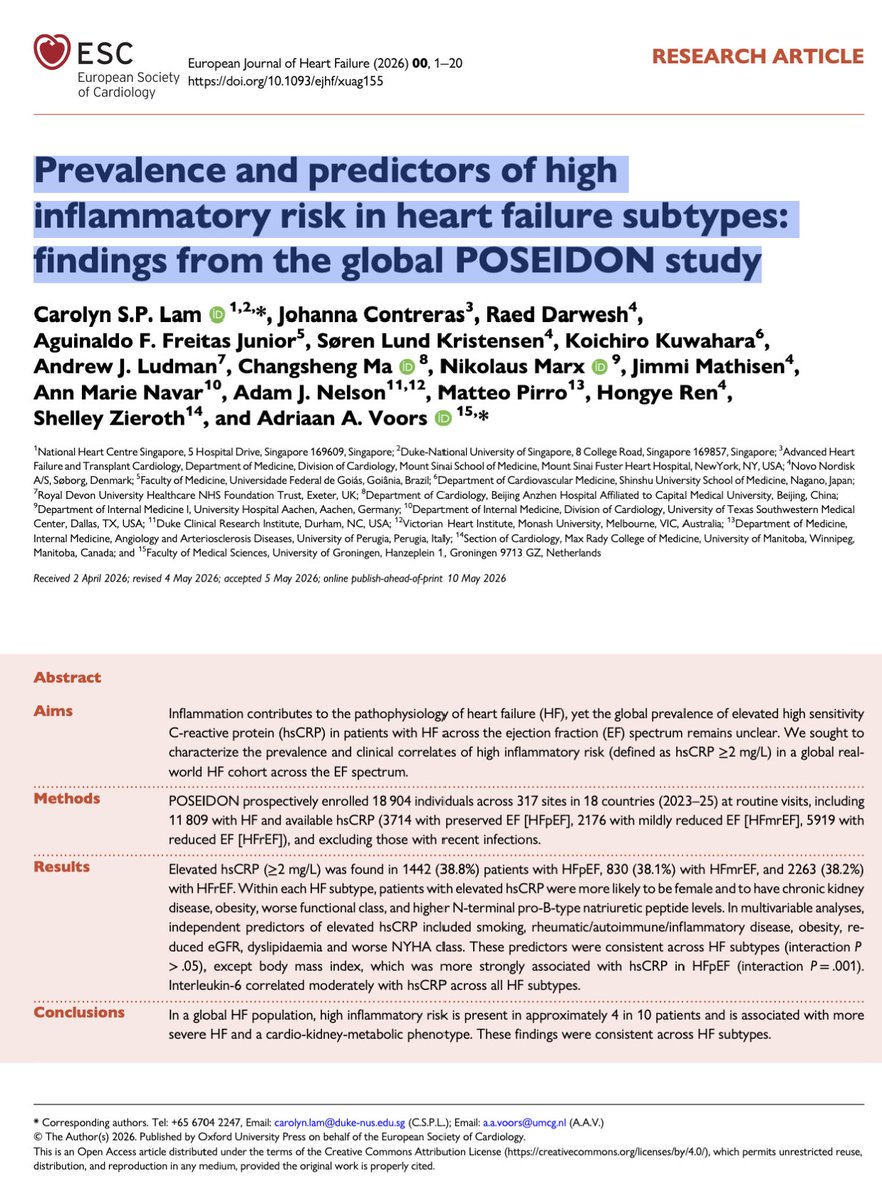
👉 Inflammation in heart failure is not subtype-specific.
It’s phenotype-driven.
And that quietly dismantles years of conceptual shortcuts.
What the study actually shows
From a global, real-world cohort (n = 11,809 HF patients):
~38% of patients have high inflammatory risk (hsCRP ≥2 mg/L)
This is identical across HFpEF, HFmrEF, HFrEF
Let that sink in:
👉 No meaningful difference across EF spectrum.
The old narrative (that this paper challenges)
We were taught:
HFpEF → inflammation from comorbidities
HFrEF → inflammation from myocardial damage
Sounds elegant.
Also… likely wrong (or at least incomplete).
The new reality
Inflammation clusters around a cardio–kidney–metabolic phenotype:
- Obesity
- CKD
- Dyslipidemia
- Diabetes
- Worse NYHA class
And this is consistent across all HF types
Translation (clinically)
EF is:
👉 a functional descriptor
Inflammation is:
👉 a systemic biological state
And the two are only loosely related
The uncomfortable implication
We may have been stratifying the wrong way.
Instead of: 👉 HFpEF vs. HFrEF
We should think: 👉 Inflammatory vs non-inflammatory HF phenotype
Why this matters (a lot)
1. Trial design
If inflammation is not subtype-specific:
👉 anti-inflammatory trials should not be EF-restricted
Current approach risks:
- underpowering
- signal dilution
- wrong conclusions
2. Patient selection
hsCRP ≥2 mg/L:
👉 identifies ~4/10 HF patients globally
That’s not a niche subgroup.
That’s:
👉 a therapeutic population
3. Therapeutic targeting
IL-6 axis:
moderately correlated with hsCRP (r ~0.55–0.58 across all HF types)
biologically consistent signal
This is not noise.
This is a coherent inflammatory pathway.
My take
This paper reinforces something we don’t say enough:
👉 Heart failure is not one disease.
And EF is a poor organizing principle for biology.
We keep slicing patients by:
- EF
- volumes
- function
But the real drivers are:
- inflammation
- metabolism
- microvascular dysfunction
If you connect this with imaging, this is where it gets interesting.
Because:
👉 hsCRP is a crude systemic marker
But imaging—especially advanced CT:
plaque phenotype
perivascular inflammation (FAI)
tissue characterization (PCCT potential)
…can localize the biology.
Bottom line
This is not “another inflammation paper”.
It’s a quiet statement that:
👉 The HF classification system is lagging behind biology.
And once you see it…
you can’t unsee it.

English
Ruben Sanchez retweetledi

📊 JAMA Clinical Guidelines Synopsis: #HelicobacterPylori infection is a leading cause of chronic #gastritis, #peptic #ulcers, and #gastric #cancer.
The American College of Gastroenterology guideline for adults in North America recommends bismuth quadruple therapy for 14 days as first-line treatment in treatment-naive patients, due to superior eradication rates compared with proton pump inhibitor (PPI) triple therapy.
ja.ma/4tq1d4x

English
Ruben Sanchez retweetledi

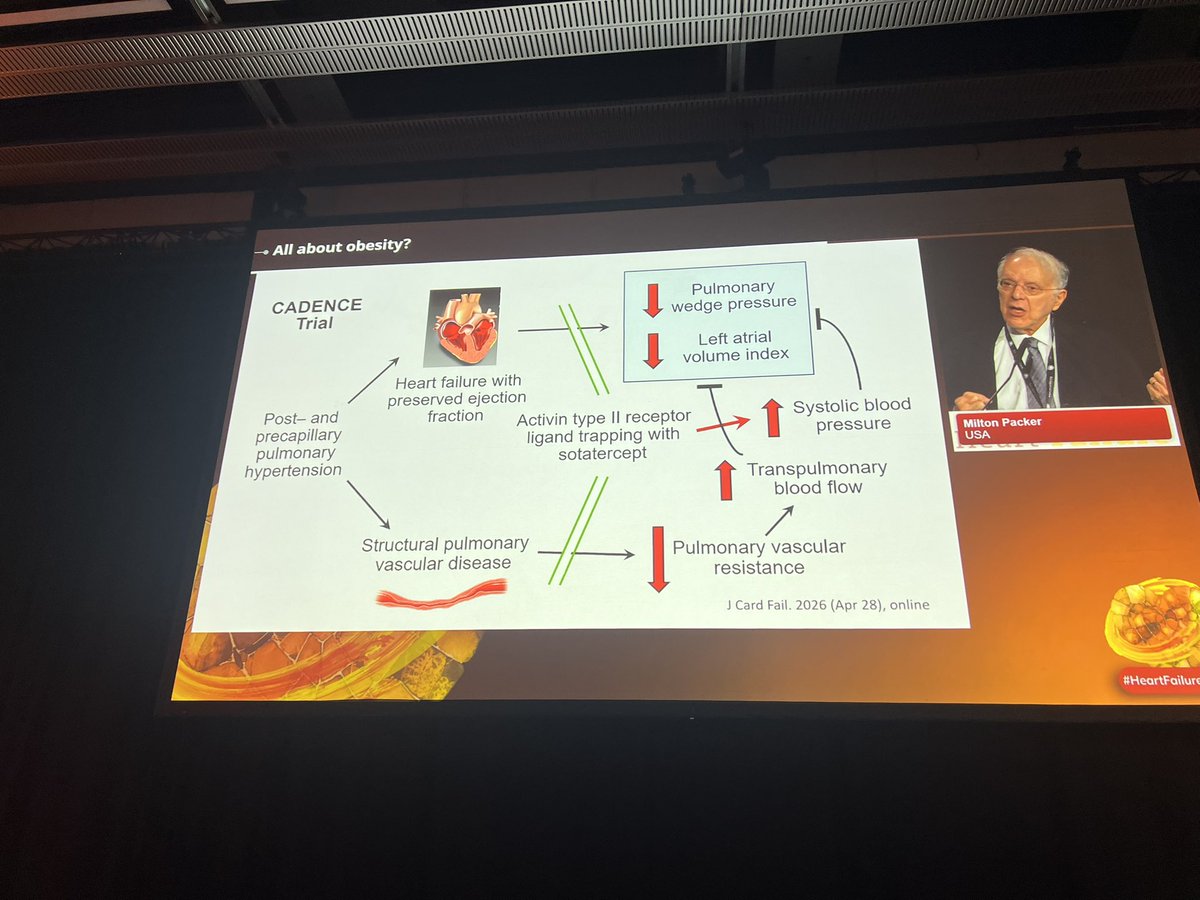
At #HeartFailure26 congress: interesting mechanistic slide from the CADENCE trial discussion on obesity-related HFpEF and pulmonary hypertension.
Key takeaway: activin type II receptor ligand trapping with sotatercept may improve both post-/pre-capillary pulmonary hypertension and structural pulmonary vascular disease by:
↓ pulmonary wedge pressure
↓ left atrial volume index
↓ pulmonary vascular resistance
↑ transpulmonary blood flow
↑ systolic blood pressure
Presented by Milton Packer. Fascinating cardio-pulmonary-hemodynamic interplay in obesity-associated HFpEF. #CardioTwitter #HFpEF #PulmonaryHypertension
#HeartFailure26

English
Ruben Sanchez retweetledi

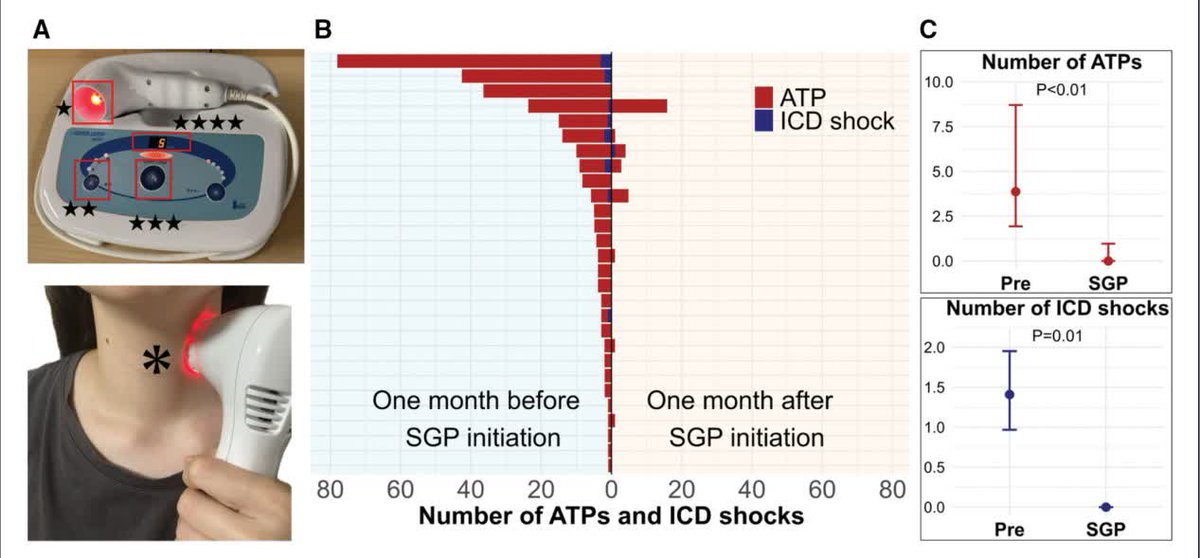
Daily home-based stellate ganglion phototherapy reduced ATP/ICD shock burden from 3.9 to 0.0 events/month (P<0.01) in 28 patients with refractory VT — no serious adverse events. A novel outpatient neuromodulation strategy ahajrnls.org/3PiETvA

English
Ruben Sanchez retweetledi

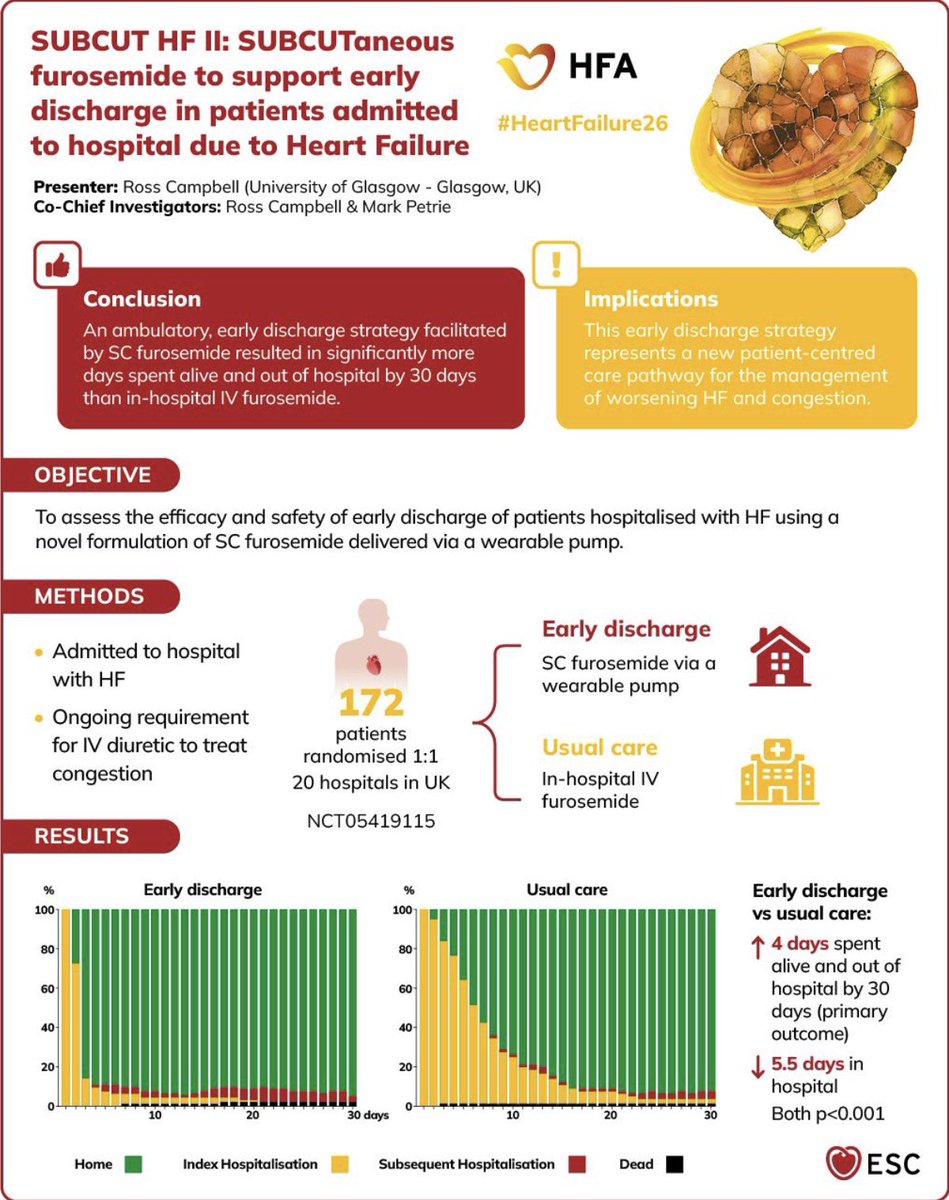
SUBCUT HF II is a glimpse of where heart failure care may be heading: treating congestion at home instead of prolonging hospitalization.#HeartFailure26
In 172 patients across 20 UK hospitals, early discharge with wearable SC furosemide vs continued in-hospital IV diuretics led to:
• +4 more days alive & out of hospital at 30 days
• 5.5 fewer hospital days
• p<0.001
A patient-centered shift in worsening HF management. #HeartFailure26 #CardioTwitter #HeartFailure #HFpEF #HFrEF
@hfcollaboratory @SJGreene_md @gcfmd @MartaCoboMarcos @ShelleyZieroth @DrMarthaGulati @hvanspall

English
Ruben Sanchez retweetledi

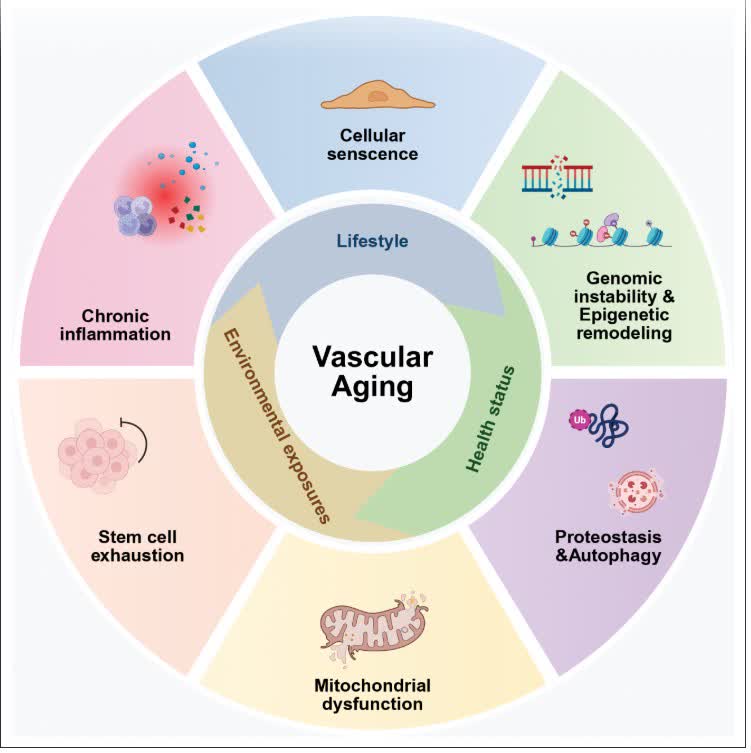
Age-related vascular changes contribute to disease. What drives vascular aging and how can these insights lead to new therapies? @AgingPitt ahajrnls.org/4d4CRbC

English
Ruben Sanchez retweetledi

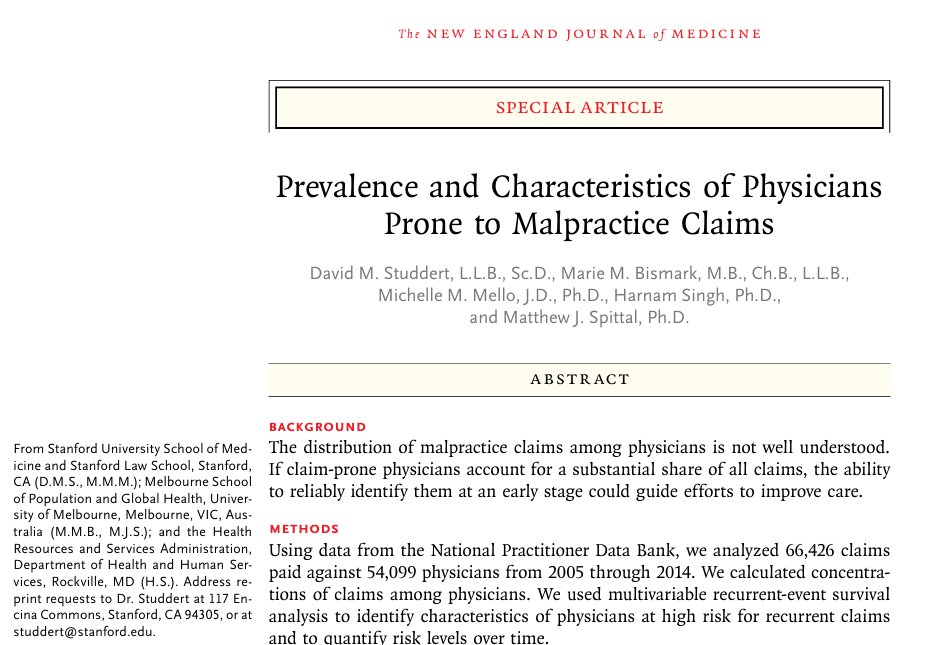
NEJM: New research reveals a massive concentration in medical malpractice: just 1% of all physicians account for 32% of all paid claims🩺⚖️
It seems risk isn't random—it's highly concentrated among a small group of practitioners.
Full study: nejm.org/doi/pdf/10.105… @EricTopol

English
Ruben Sanchez retweetledi

La adopción de la
inteligencia artificial en
las Administraciones
públicas
Oportunidades y retos para
una gobernanza algorítmica
1drv.ms/b/c/a176902dca…

Español

Ruben Sanchez retweetledi

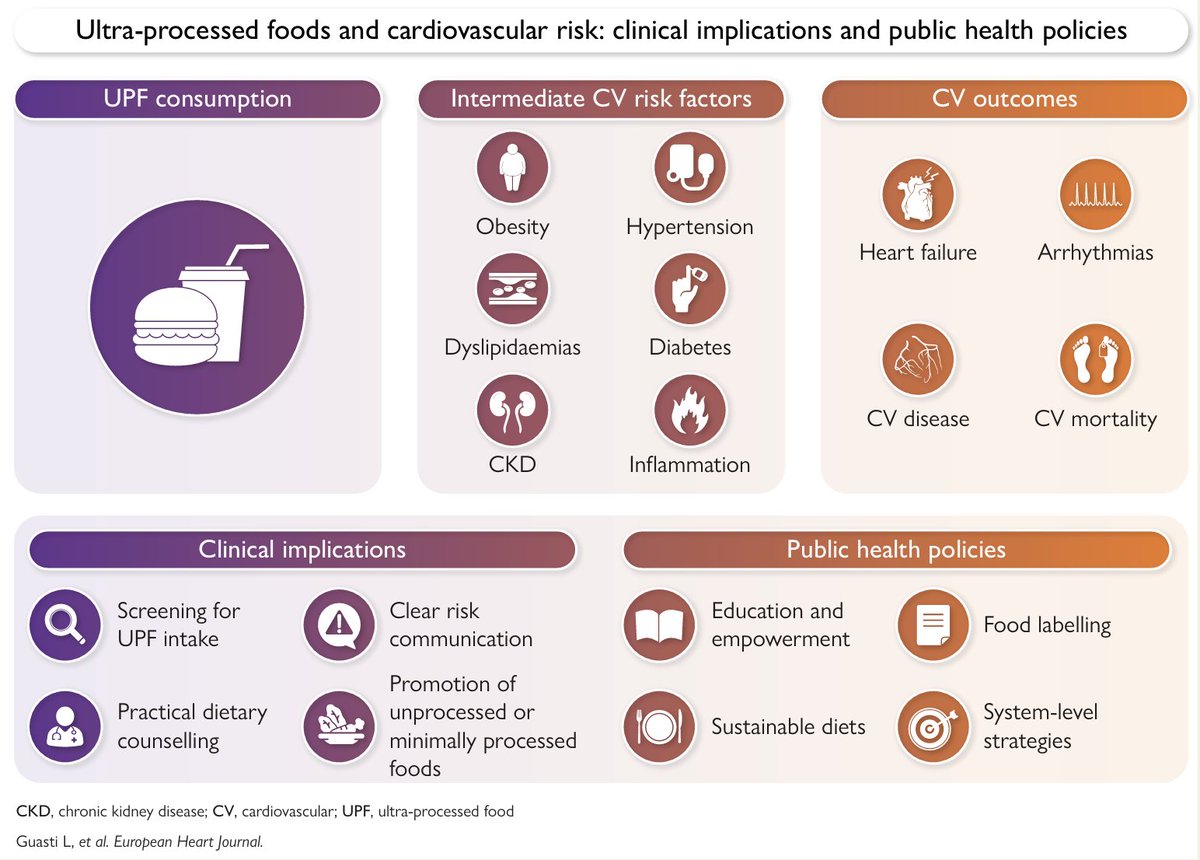
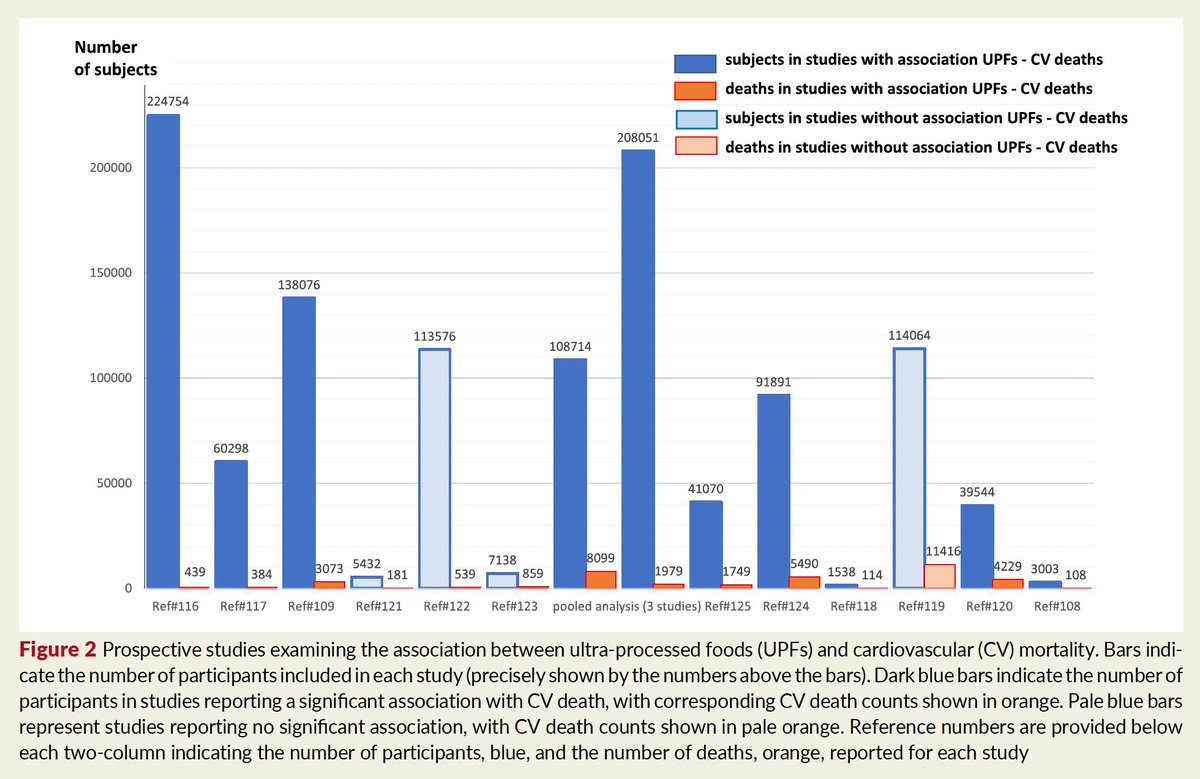
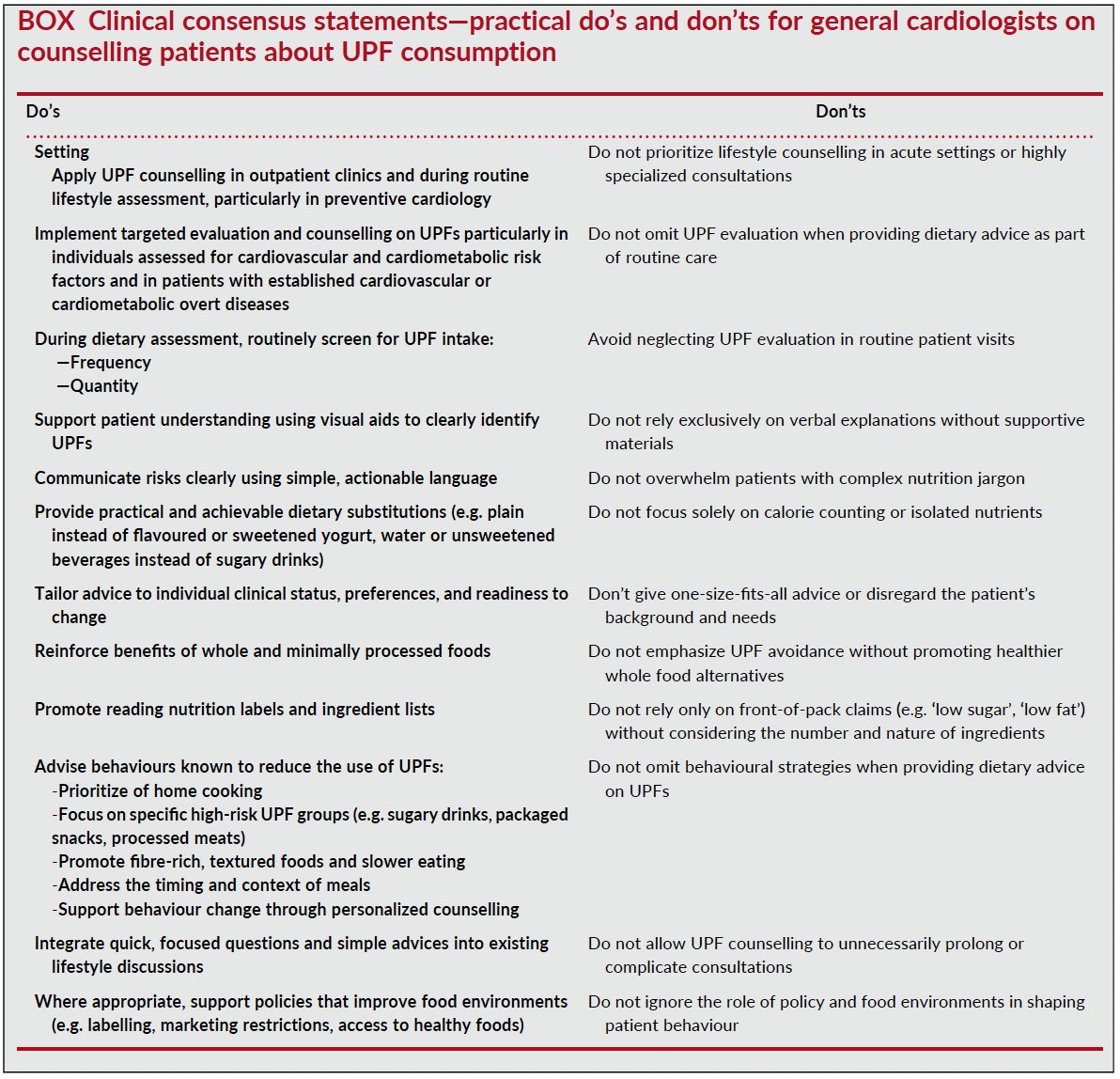
ALIMENTOS ULTRAPROCESADOS Y ENFERMEDAD CARDIOVASCULAR - Consenso @escardio
La evidencia científica encontró asociación de UPF con riesgo de desarrollar:
🔴Obesidad
🔴Hipertensión arterial
🔴Diabetes tipo 2
🔴Insuficiencia renal
🔴Enf. hígado graso no alcohólico
🔴Insuficiencia renal
🔴Fibrilación auricular
🔴Enfermedad CV
🔴Muerte CV
Vía @ESC_Journals
academic.oup.com/eurheartj/adva…


Español
Ruben Sanchez retweetledi

2026 ACC/AHA/AACVPR/ABC/ACPM/ADA/AGS/APhA/ASPC/NLA/PCNA Guideline on the Management of Dyslipidemia: A Report of the American College of Cardiology/American Heart Association Joint Committee on Clinical Practice Guidelines | JACC jacc.org/doi/10.1016/j.…
English
Ruben Sanchez retweetledi

Ruben Sanchez retweetledi

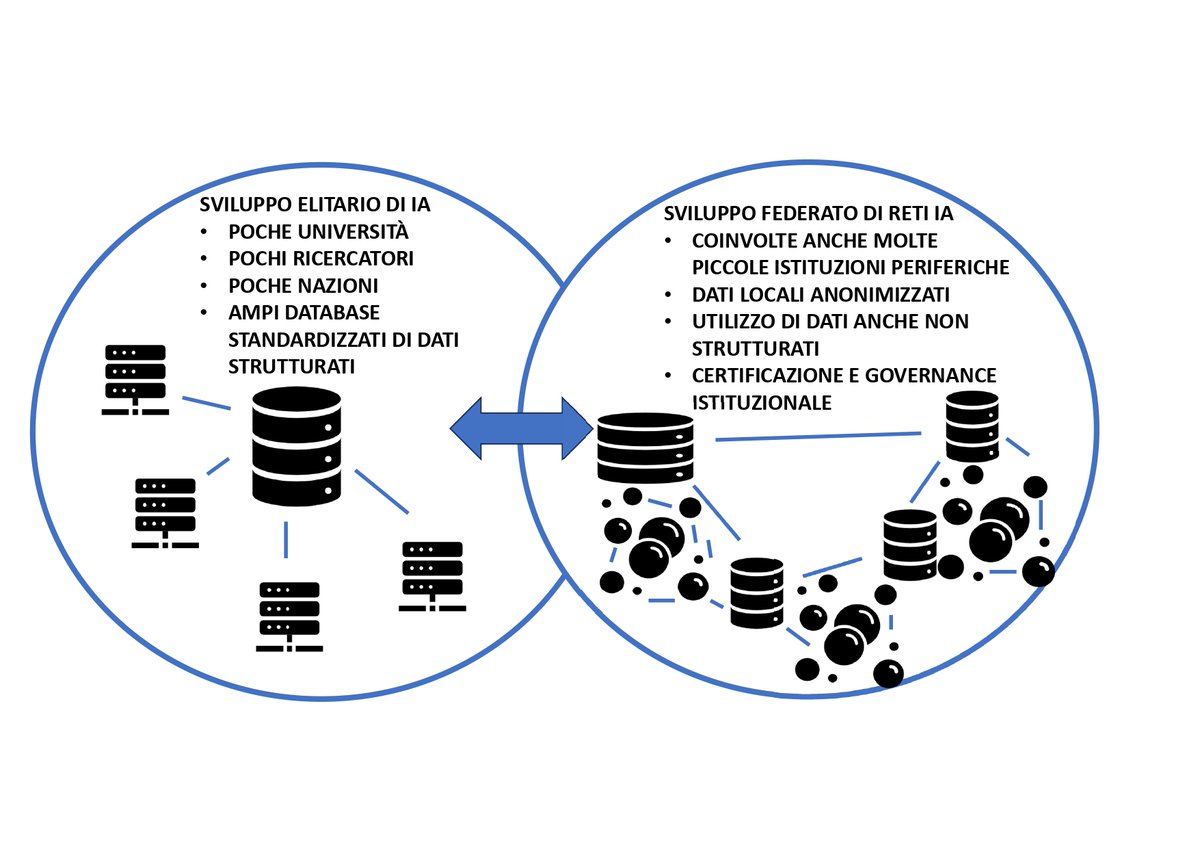
🧠 L’IA sta davvero cambiando la cardiologia… o siamo ancora agli albori? Nicolosi analizza potenzialità e limiti attuali per un impatto reale nella pratica clinica quotidiana.
giornaledicardiologia.it/archivio/4687/…

Italiano
Ruben Sanchez retweetledi

🫀⚡ CCTA is no longer “just a test.”
It is becoming the operating system of modern cardiology.
This review makes something very clear: Coronary CT has crossed a threshold.
It is no longer simply about detecting stenosis.
It is now integrating:
👉 anatomy
👉 physiology
👉 plaque biology
👉 inflammation
👉 procedural planning
👉 AI-driven prediction
—all inside one examination.
For years, cardiac imaging was fragmented:
- stress test for ischemia
- angiography for anatomy
- IVUS/OCT for plaque
- separate risk scores for prognosis
Now CCTA is starting to merge all of these layers together.
The paradigm shift is obvious
From: ❌ “Is there obstructive CAD?”
To: 👉 “What is the biological trajectory of this patient?”
The paper highlights how modern CCTA now provides:
✅ plaque characterization
✅ quantitative plaque burden
✅ CT-FFR
✅ PCAT inflammatory analysis
✅ radiomics
✅ AI-driven phenotyping
And Photon Counting CT accelerates everything.
Because PCCT is solving one of the oldest problems in coronary imaging:
👉 blooming
👉 limited spatial resolution
👉 poor stent evaluation
👉 calcium interference
With PCCT:
⚡ spatial resolution approaches ~0.25 mm
⚡ calcium blooming is dramatically reduced
⚡ stent lumen visualization improves substantially
But here’s the deeper implication
We are moving away from: ❌ lumen-centric cardiology
toward: 👉 multi-dimensional atherosclerosis phenotyping
And AI becomes critical here.
Not because it “replaces” physicians.
But because humans cannot realistically integrate:
✅ plaque texture
✅ morphology
✅ inflammation
✅ radiomics
✅ flow dynamics
✅ longitudinal progression
at scale.
My take
The future cardiac CT exam will not answer:
👉 “Is there a stenosis?”
It will answer:
👉 “How dangerous is this artery biologically?”
👉 “How will this patient evolve?”
👉 “Which therapy changes the trajectory most?”
Bottom line
CCTA is evolving from:
👉 diagnostic imaging
to:
👉 computational cardiovascular phenotyping
⚡ And once imaging becomes biology + AI + prediction…
the entire architecture of cardiology changes.
#CCTA #Cardiology #PhotonCounting #AI #PrecisionMedicine #Atherosclerosis #CardiacCT #PlaqueImaging #yesCCT

English