Aime Patrick Irakiza 🇷🇼@AimePatrickIra1
GREEN FODDER IN DAIRY FARMING: A CRITICAL NUTRITIONAL STRATEGY
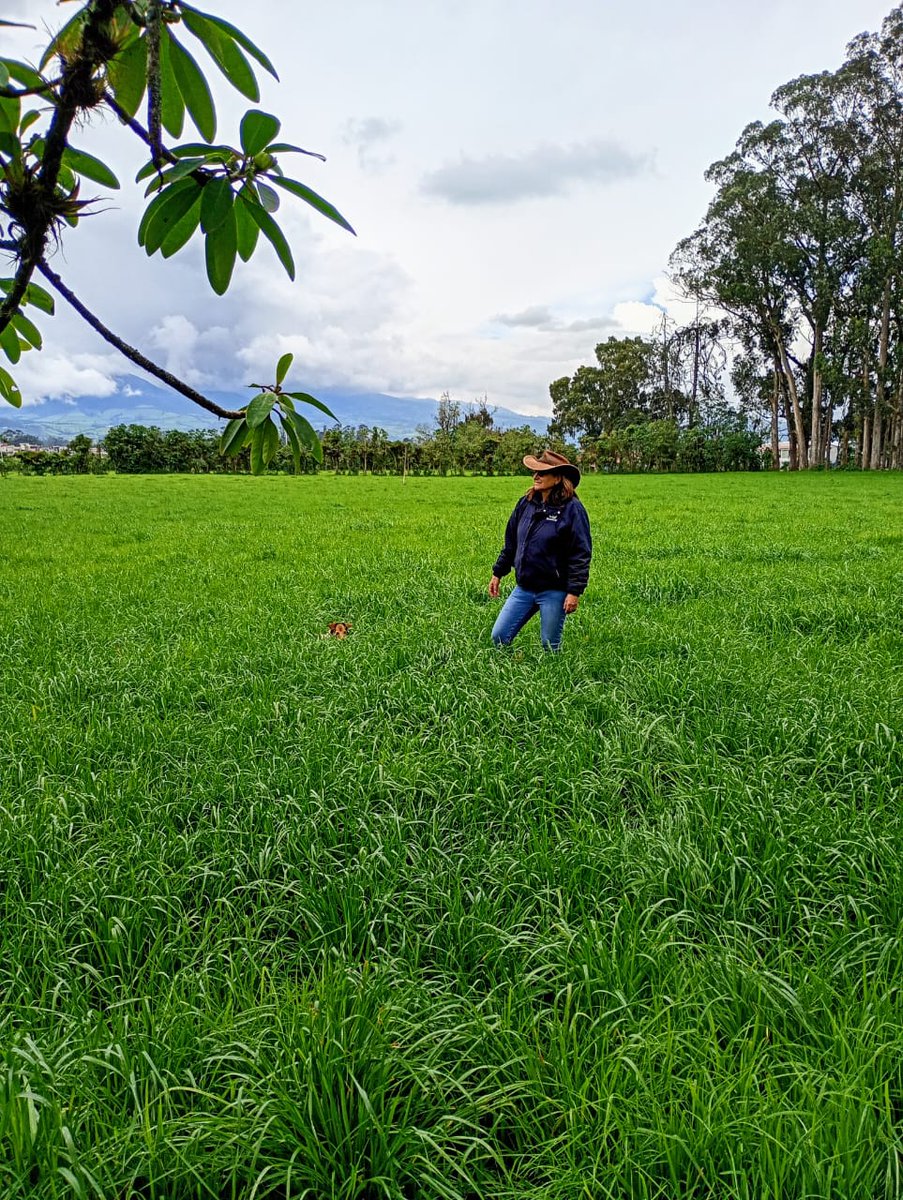
The image beautifully illustrates a well-organized dairy farm where green fodder crops Maize, Sorghum, Napier Grass, Hydroponic Grass, and more are grown alongside dairy cattle, emphasizing the critical role of fresh green feed in modern dairy production.
What Is Green Fodder?
Green fodder refers to fresh, succulent plant material grown specifically to feed livestock, particularly dairy cattle. Unlike dry hay or processed concentrates, green fodder provides animals with a rich, natural, and balanced nutritional profile including water, fiber, protein, vitamins, and essential minerals all in one fresh feed source.
Types of Green Fodder Shown in the Image
Maize Fodder is one of the most widely used green feeds globally. It is high in digestible energy, starch, and fiber, making it ideal for boosting milk production. Maize can be fed fresh or preserved as silage in the storage silos visible in the image, ensuring year-round feed availability.
Sorghum is a drought-tolerant fodder crop that thrives in hot, dry climates where maize struggles. It provides excellent energy and fiber content and recovers quickly after cutting, offering multiple harvests per season making it highly economical for farmers.
Napier Grass (Elephant Grass) is arguably the most popular green fodder in African dairy farming. It grows rapidly, produces enormous biomass, and is extremely high in protein and digestible nutrients. One acre of Napier grass can sustain several dairy cows year-round when managed properly.
Hydroponic Grass represents the future of green fodder production. Grown without soil using nutrient-enriched water in controlled systems, hydroponic fodder produces highly nutritious green feed in just 7–8 days, using up to 90% less water and land than conventional fodder farming. It is ideal for urban dairy farms and drought-prone regions.
Benefits of Green Fodder in Dairy Farming
Green fodder delivers transformational benefits to dairy operations. It significantly increases milk yield and quality by providing easily digestible nutrients that directly stimulate milk synthesis. It reduces feed costs substantially since farmers grow their own feed rather than purchasing expensive concentrates. Green fodder improves animal health, fertility, and coat condition through natural vitamins and minerals. It also reduces heat stress in cattle due to its high moisture content, keeping animals hydrated and productive during hot seasons.
Conclusion
Integrating green fodder systems into dairy farming is one of the smartest and most profitable decisions any dairy farmer can make. Fresh, homegrown fodder means healthier cows, higher milk yields, lower costs, and greater long-term farm sustainability.