
Eddie Fishman

2.5K posts

Eddie Fishman banner
Eddie Fishman

Eddie Fishman

@edwardfishman

Author of Chokepoints: American Power in the Age of Economic Warfare | Senior Fellow & Director of the Greenberg Center for Geoeconomic Studies @CFR_org

Katılım Haziran 2009
3.5K Takip Edilen16.3K Takipçiler
Sabitlenmiş Tweet
Eddie Fishman
Eddie Fishman@edwardfishman·
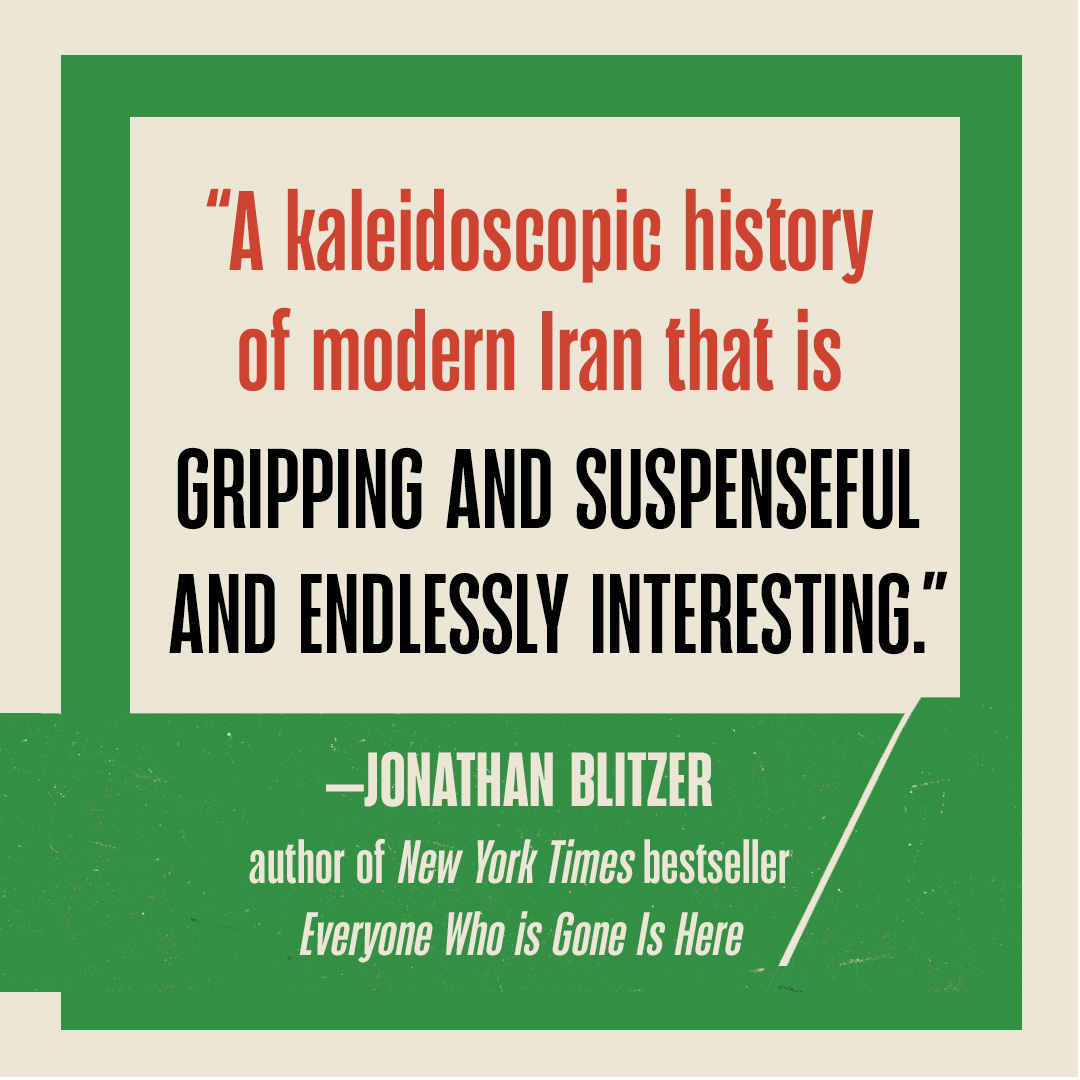
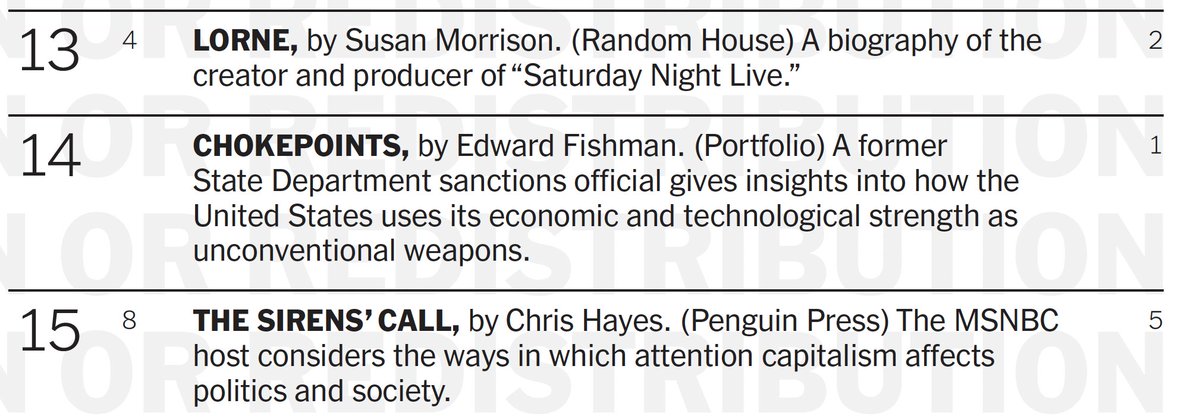
"Chokepoints" made the New York Times bestseller list! I’m deeply grateful to everyone who made this possible—your support means the world to me. I can’t wait to share the book with even more readers in the weeks and months ahead
Eddie Fishman tweet media
English
14
20
133
49.8K
Eddie Fishman retweetledi
Lynn Thoman
Lynn Thoman@LynnThoman·
Projecting global power used to require ships, troops, or military force. But today, sometimes it only takes paperwork. In this clip from 3 Takeaways, @ColumbiaUEnergy @ColumbiaSIPA scholar and former U.S. State Department official @edwardfishman explains how a few paragraphs from the U.S. Treasury in 2022 created a traffic jam of oil tankers halfway around the world in the Bosphorus. In the 1990s, stopping oil sales required warships patrolling the Persian Gulf 24/7. Today, regulatory language can achieve the same result. For more on The Quiet War: How Countries Fight Without Firing a Shot -> 🎬 Watch the full episode on YouTube: youtube.com/watch?v=dOlgg_… -> 🎧 Listen on 3 Takeaways, the top 1% podcast, listened to in over 190 countries and territories: 3takeaways.com/episodes/choke… -> Read Eddie's book Chokepoints amzn.to/4skfY8W 💬 What do you think about economic war vs military war? #GlobalEconomy #Geopolitics #economicpower #sanctions #podcastFor
YouTube video
YouTube
English
0
1
3
701
Eddie Fishman retweetledi
Ilan Goldenberg
Ilan Goldenberg@ilangoldenberg·
Three weeks into the war with Iran, a number of observations as someone who spent years war-gaming this scenario. 1. The U.S. and Israel may have produced regime transition in the worst possible way. Ali Khamenei was 86 and had survived multiple bouts of prostate cancer. His death in the coming years would likely have triggered a real internal reckoning in Iran, potentially opening the door to somewhat more pragmatic leadership, especially after the protests and crackdown last month. Instead, the regime made its most consequential decision under existential external threat giving the hardliners a clear upperhand. Now we appear to have a successor who is 30 years younger, deeply tied to the IRGC, and radicalized by the war itself – including the killing of family members. Disastrous. 2. About seven years ago at CNAS, I helped convene a group of security, energy, and economic experts to walk through scenarios for a U.S.--Iran war and the implications for global oil prices. What we’re seeing now was considered one of the least likely but worst outcomes. The modeling assumed the Strait of Hormuz could close for 4–10 weeks, with 1–3 years required to restore oil production once you factored in infrastructure damage. Prices could spike from around $65 to $175–$200 per barrel, before eventually settling in the $80–$100 range a year later in a new normal. 3. One surprising development: Iran is still moving oil through the Strait of Hormuz while disrupting everyone else. In most war games I participated in, we assumed Iran couldn’t close the Strait and still use it themselves. That would have made the move extremely self-defeating. But Iran appears capable of harassing global shipping while still pushing some of its own exports through. That changes the calculus. 4. The U.S. now finds itself in the naval and air equivalent of the dynamic we faced in Iraq and Afghanistan. It’s a recipe for a quagmire where we win every battle and lose the war. We have overwhelming military dominance and are exacting a tremendous cost. But Iran doesn’t need to win battles. They just need occasional successes. A small boat hitting a tanker. A drone slipping through defenses in the Gulf. A strike on a hotel or oil facility. Each incident creates insecurity and drives costs up while remind everyone that the regime is surviving and fighting. 5. The deeper problem is that U.S. objectives were set far too high. Once “regime change” becomes the implicit or explicit goal, the bar for American success becomes enormous. Iran’s bar is simple: survive and keep causing disruption. 6. The options for ending this war now are all bad. You can try to secure the entire Gulf and Middle East indefinitely – extremely expensive and maybe impossible. You can invade Iran and replace the regime, but nobody is seriously going to do that. Costs are astronomical. You can try to destabilize the regime by supporting separatist groups. It probably won’t work and if it does you’ll most likely spark a civil war producing years of bloody chaos the U.S. will get blamed for. None of these are good outcomes. 7. The other escalatory options being discussed are taking the nuclear material out of Esfahan or taking Kargh Island. Esfahan is not really workable. Huge risk. You’d have been on the ground for a LONG time to safely dig in and get the nuclear material out in the middle of the country giving Iran time to reinforce from all over and over run the American position. 8. Kharg Island can be appealing to Trump. He’d love to take Iran’s ability to export oil off the map and try to coerce them to end the war. It’s much easier because it’s not in the middle of IRan. But it’s still a potentially costly ground operation. And again. Again, the Iranian government only has to survive to win and they can probably do that even without Kargh. 9. The least bad option is the classic diplomatic off-ramp. The U.S. declares that Iran’s military capabilities have been significantly degraded, which is how the Pentagon always saw the purpose of the war. Iran declares victory for surviving and demonstrating it can still threaten regional actors. It would feel unsatisfying. But this is the inevitable outcome anyway. Better to stop now than after five or ten more years of escalating costs. Remember in Afghanistan we turned down a deal very early in the war with the Taliban that looked amazing 20 years later. Don’t need to repeat that kind of mistake. 10. The U.S. and Israel are not perfectly aligned here. Trump just needs a limited win and would see long-term instability as a negative whereas for Netanyahu a weak unstable Iran that bogs the U.S. down in the MIddle East is a fine outcome. If President Trump decided he wanted Israel to stop, he likely has the leverage to push it in that direction just as he pressured Netanyahu to take a deal last fall on Gaza. 11. When this is over, the Gulf states will have to rethink their entire security strategy. They are stuck in the absolute worst place. They didn’t start this war and didn’t want it and now they are taking with some of the worst consequences. Neither doubling down with the U.S. and Israel nor placating the Iranians seems overwhelmingly appealing. 12. One clear geopolitical winner so far: Russia. Oil prices are rising. Sanctions are coming off. Western attention and military resources are shifting away from Ukraine. From Moscow’s perspective, this war is a win win win. 13. At some point China may have a role to play here. It is the world’s largest oil importer, and much of that supply comes from the Middle East. Yes they are still getting oil from Iran. But they also buy from the rest of the Middle East, and a prolonged disruption in the Gulf hits Beijing hard. That gives China a real incentive to help push toward an end to the conflict.
English
456
2.3K
7.3K
2M
Eddie Fishman
Eddie Fishman@edwardfishman·
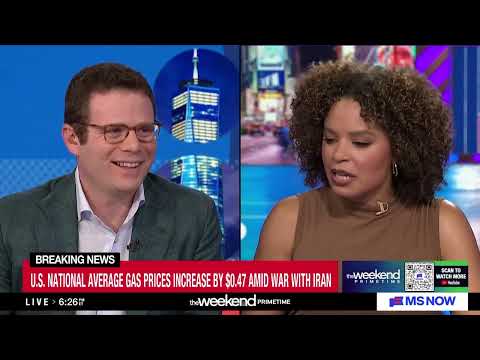
Enjoyed my conversation with @MartinSoong and @cherykang on Squawk Box Asia @CNBCi about the war in Iran. We discussed what it will take to reopen the Strait of Hormuz, and how Russia and China are benefiting from the conflict. Check it out here: cnb.cx/4sJFSTv
English
0
2
9
613
Eddie Fishman retweetledi
Janis Kluge
Janis Kluge@jakluge·
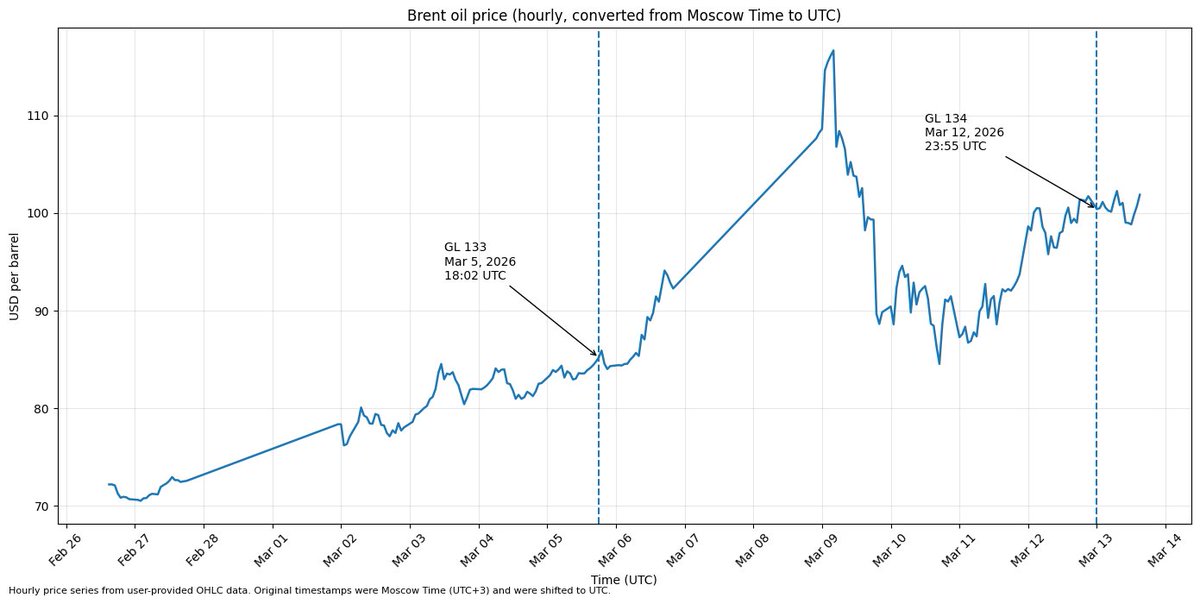
Lifting of sanctions on Russian oil on March 5 (India/GL 133) and March 13 (global/GL 134) appears to have had little effect on oil prices.
Janis Kluge tweet media
English
11
32
130
7.4K
Eddie Fishman
Eddie Fishman@edwardfishman·
Highly recommend this discussion between @dsternoff and Mike Knights on what it will take to reopen the Strait of Hormuz Bottom line: It will be very hard—and perhaps prohibitively risky—to accomplish militarily
Center on Global Energy Policy@ColumbiaUEnergy

In episode 1 of the #ColumbiaEnergyExchange's Iran Conflict Brief, CGEP fellow Daniel Sternoff sits down with Mike Knights, Gulf security expert and head of research at Horizon Engage. They break down what's actually happening in the Strait of Hormuz and what it will take to reopen it. 🎧 Listen now: energypolicy.columbia.edu/iran-conflict-…

English
0
17
48
16.7K
Eddie Fishman
Eddie Fishman@edwardfishman·
The Trump administration is systematically dismantling sanctions on Russia to try to tame an oil price spike of its own making. And to make matters worse, it won’t even work to tame prices ofac.treasury.gov/media/935191/d…
English
14
170
512
97.7K
Eddie Fishman retweetledi
Wydawnictwo Prześwity
Wydawnictwo Prześwity@Przeswity·
Celem ''epickiej furii'' USA jest trwała niezdolność Iranu do zagrożenia Izraelowi. Operacja jest niezgodna ze strategią i interesami Amerykanów, ale to nie Waszyngton, a TelAviv zadecydował o tej wojnie - analizuje @MazurKrzysztof w najnowszym filmie na kanale #Geoekonomia. Wśród źródeł izraelskiego wpływu na amerykańską politykę, @MazurKrzysztof wymienia presję Izraela na konkretnych urzędników Białego Domu. Kontekst tego mechanizmu doskonale opisany jest na blisko stu stronach w ''Punktach krytycznych'' @edwardfishman - o wypowiedzianej w 2006 roku wojnie ekonomicznej USA z Iranem i diabelsko skutecznym odcięciu Teheranu od globalnego systemu finansowego. Kto stał za konstrukcją sankcji, które uczyniły Iran ekonomicznym pariasem mimo posiadania ogromnych złóż naturalnych? To m. in. Stuart A. Levey oraz Adam Szubin. Obaj są częścią diaspory żydowskiej w USA i byli aktywnie popierami przez takie organizacje jak AJC. Więcej w filmie i książce, gorąco polecamy. Linki i zdjęcia w komentarzach.
Polski
5
3
23
2.7K
Eddie Fishman
Eddie Fishman@edwardfishman·
Physically guaranteeing the flow of oil thru the strait is near impossible, as Iran has many cheap ways to disrupt traffic (drones, mines, small boats) Our best strategy has always been deterrence. But we’re already attacking Iran full tilt - so what do they have left to fear?
Phil Gordon@PhilGordonDC

For decades our best plan to keep Strait open was to threaten use of force against Iran in case of closure--and it worked. By launching the war, Trump removed that threat and is left with very poor fallbacks. Threat of "fire and fury" not working because we're already doing that.

English
2
5
19
2.9K
Eddie Fishman
Eddie Fishman@edwardfishman·
Highly illuminating conversation with @Rory_Johnston on the cascading effects of the closure of the Strait of Hormuz There is a big difference between vague “geopolitical risk” and a serious supply disruption
Joe Weisenthal@TheStalwart

HOW OIL COULD SURGE TO $200 AND BEYOND @tracyalloway and I talk with @Rory_Johnston -- typically one of the least-alarmist people in oil -- about how the longer the Straight of Hormuz is shut, the greater the likelihood of an almost unimaginable disaster podcasts.apple.com/us/podcast/ror…

English
1
8
37
12.9K
Eddie Fishman
Eddie Fishman@edwardfishman·
TACO dynamics in a real war are different from a trade war In a trade war, Trump can suspend tariffs unilaterally In a real war, Trump is just one part of the equation. Israel gets a vote, and Iran does too. Iran can threaten shipping in the strait as long as it wants
English
5
18
63
6.9K