
Sabitlenmiş Tweet
federico
734 posts


@milkygoons @ionfwnuin wouldn’t hustling be each of them delivering individually?
English




Notorious vagrant known as 'Pee Pee Poo Poo Man' arrested on horrifying new charges trib.al/TUMWWan

English
federico retweetledi


@iaindunning Do you guys support swes going into it. Or is it a specialized track?
English

New role! We're adding people to our LLM team, ASAP.
We already build some of the best models of markets. For LLMs, one must ask in 2026, why another one? We think we have a (unique) story, and are hiring for the full training stack - pre-to-post. Big resources, big ownership.
English
@finn_hulse way more auro farming when you simply do not react to things
English

how to get irl superpowers
example: mentally condition yourself to pick up fallen objects on total reflex, regardless of circumstance. if it's near you and it falls, you do not think—just act
this allows you to systematically shave a second off your reaction time, especially if you're naturally explosive
with enough reps, you will eventually start to move towards falling objects (forks, papers, phones, etc.) as they are still in the air
the upside is that you will oftentimes be able to perform heroic acts of kindness. if implemented correctly however, the downside will also involve lurching towards totally inaccessible or stupid calamities like fallen ice cream
English
English

federico retweetledi

1/5 stars
Appalling service! We checked in to room 1, and then went out for dinner. When we returned there was someone in our room. The manager said we were now in room 6 due to new arrrivals. Throughout our stay our room number kept increasing! Avoid Hilberts Hotel at all costs!
English


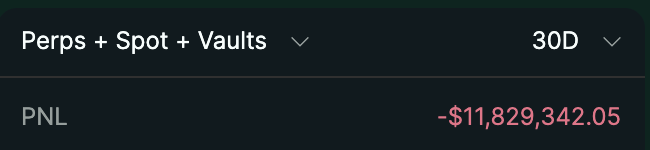

"we want institutions"
(Wall Street comes and does what they do)
"we have to stop this, we'll never attract Wall Street like that"
...what?
Jess | CEO @ Blockus@theweb3jess
1/ This year’s official @consensus2026 closing party by @CoinDesk was a massive step backward. Hosting the flagship event at E11even — a strip club — wasn't just inappropriate; it was incredibly low-brow for an industry trying to grow up. 2/ Let’s be clear: I’m all for alcohol, music, and a good time. Hire a world-class DJ. Throw a massive rave. Go to Club Space. But choosing a strip club as the official venue for a global conference is a choice that reflects poorly on all of us. 3/ Just because this happened in 2021 doesn't mean it should happen in 2026. Back then, Coinbase, FTX and Binance execs were there, but the industry has evolved. We are supposed to be moving toward institutional maturity, not leaning into "bro-culture" clichés. 4/ I’ve always been an advocate for sex work. I have zero issue with women making $40k–$80k on their own terms. The issue is the context. 5/ When an official event for a top-tier conference — filled with institutional partners and people of all genders and religions — centres on women shaking for dollars, it diminishes women to sexual objects and enforces a stale, exclusionary culture. 6/ It’s honestly boring. I guarantee brands like @MetaMask and CoinDesk will one day look back at their logos plastered on those walls with genuine embarrassment. 7/ We had international attendees flying in from across the globe. Is this really the best US crypto has to offer? Working the pole is a skill, but watching it in a professional context just left most people looking dazed and awkward. 8/ The vibe was off. I ran into my banker and some mid-tier hedge fund guys there. We can talk millions on Wall Street or over steak, but meeting at a strip club is unnecessary. We could’ve hit a polo club, a baseball box, or played padel. 9/ Even the economics were a "bear market" vibe. Most people were just watching with a mix of shock and intrigue. The girls weren't making much. They used to take crypto; now they don't. The floor was dry. No fiat moving. Why were we even there? 10/ Seeing a banker film the stage (until security stepped in) while seeing my bankers logos walk around in a strip club is the peak of industry cognitive dissonance. 11/ This industry is capable of so much more, yet we keep tripping over our own feet. We want to be taken seriously on the world stage, but we’re still acting like we’re in a basement. We must do better. Special shoutout to @SolanaFndn, @amystreet, and @SuperteamUSA. Your Accelerate vibe was immaculate, paired with the best Mario Kart-themed afterparty. 🏎️💨 It was the perfect illustration that "crypto culture" doesn’t have to mean "bro culture." You can have high-energy, high-intelligence fun without… whatever E11even was. Let’s talk economics: A single sponsorship for that E11even event costed roughly $90k. The entire Mario Kart event? Maybe $50k. Using a massive brand budget to alienate half your audience is a spectacular waste of capital. 📣📣📣 Conference organizers and sponsors: we have to do better. If we want to move millions on Wall Street, we need to stop acting like we belong in a basement. ✌️
English
@guywuolletjr *can get you on guest list in tribe room at Gospel on short notice
English


can anyone confirm if the consensus attendees are showing up to e11even in their backpacks and men's wearhouse suits with their lanyards on
English
@f73f73f73 @nic_carter i’m always confused what taking my pfp and replying to me means
English

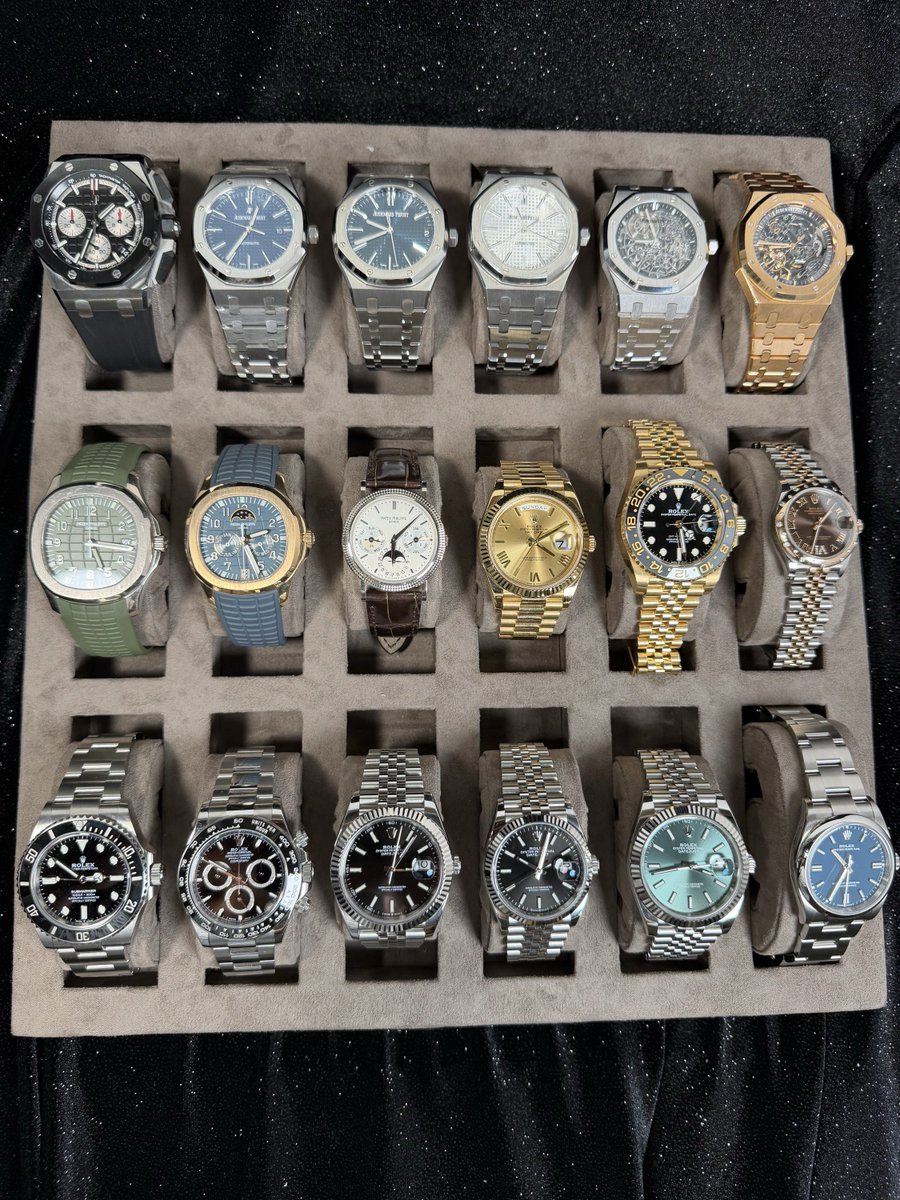
@nic_carter how poor are consensus attendees if they're wearing mens wearhouse suits
English