Le Huu Tin

81 posts

Le Huu Tin

Le Huu Tin

@fightforeo

Việt Nam Katılım Eylül 2016
865 Takip Edilen32 Takipçiler
Le Huu Tin retweetledi
Muthukrishnan Dhandapani
“Warren and I have never made an investment without a substantial margin of safety. Not once. We do not buy with the idea that the business will grow into the valuation in five or ten years. We buy only when the price is so low that almost anything plausible that can happen will still give us a good result. That is why our batting average is so high and why our biggest mistakes have still made money. The world can take away your margin of safety in a heartbeat by bidding prices to the moon. When that happens we do nothing. Doing nothing is a legitimate investment activity when prices are absurd.” - Charlie Munger
English
15
56
367
24.7K
Le Huu Tin retweetledi
The Factor Report
The Factor Report@PeterLBrandt·
I am a Bayesian. Look it up. Google it For any given market for about two dozen markets I have binary narratives rolling around in my head Truly binary For example, I have a narrative for $200,000 Bitcoin and $30,000 Bitcoin. I take both narratives seriously but may not be willing to place the same amount of money on each of them But my get size on each changes over time based primarily on how price behaves relative to the fundamentals that emerge. If bullish news produces price weakness I add to the probability of the narrative for price decline There comes a point when as a Bayesian I might give one narrative a 60 or 70% probability ranking. That is about as high as I ever go. And I do not immediately enter a trade when the 70% level is reached. Instead, I wait until I see an asymmetric R:r point on the chart with a defined risk. By defined risk I mean some adverse price level that if reached would move my Bayesian gear box back into neutral And when I place a bet, I never risk more than 8/10th of 1% of my capital pot. The above explains how I think about markets and trading. I trade primarily futures markets, selected etf and Bitcoin. I monitor about 40 to 50 different markets and trade each maybe 3 times per year on average I consider myself first and foremost to be a risk manager I write about this process every week for members of my private community
English
29
75
937
102K
Le Huu Tin retweetledi
纯洁的微笑
纯洁的微笑@ityouknows·
一个人能不能赚到钱,就看他能不能出去学习,去破圈! 这两天在北京出差,见了很多年入千万的创业者,大家聊到一个有趣的话题。 那些真正能赚到大钱的人,都有什么特质? 总结下来就是,经常去突破自己圈层的人,不断的去打破自己的认知边界。 因为本质上,99% 的人都无法做出超越他出身、圈层和认知的结果。 为什么? 因为你的脑子里根本就没有那个“选项”。一个人想赚 1000 万,前提是他必须亲眼见过别人是怎么赚到这 1000 万的。 没有见过“具体的路径”,你的大脑就无法模拟,更无法执行。 所谓的“破圈”,其实就是去安装这个“赚钱的驱动程序”。 具体怎么破? 想年入 50 万,就别只混在年入 10 万的圈子里求答案;想年入 100 万,就得想办法靠近那些真正在这个段位的人。 哪怕先花钱买一张门票,先去看看他们在聊什么。 越是普通人,越要逼自己多出去学习、多出去见人、多出去破圈。 因为对我们来说, 最便宜的改变,就是先换一个信息环境。
纯洁的微笑 tweet media
纯洁的微笑@ityouknows

《从零到500万实操指南》- 落地版本 昨天写了一个简单的框架,今天直接来直接实操版本。 还是先说核心观点: 1、挣第一个100万的时候,最好的策略,是挣,也就是通过劳动换来的——这是最稳的。 我身边身价百万以上的朋友一大把,第一个 100 万 99% 以上都是上班或者创业积累出来了,而不是所谓的投资、炒股、炒币,炒出来了。 2、但从 100 万-500万,如果还是靠以前的路径确实有点慢了,你的学会成为一个组织的分配者,要利用人的杠杆或者利用钱的杠杆(投资),来放大你的财富增长到500万。 再来和大家聊聊,具体怎么来执行: 第一阶段:从 0 到 10 万(积累本金) 核心逻辑:做大“主动收入”,极度克制消费。 这个阶段,你手里没有钱,去谈“钱生钱”是没意义的。假设你有1万块,哪怕你是股神巴菲特,年化20%,一年也才赚2000块,不够吃顿好的。 具体做什么呢? 不是做项目,不是搞投资,是找一家公司好好上班去积累自己人生的第一个 10 万,其它都不要想了这个阶段就是通过劳动力来换钱。 当然了选择赛道很重要,最好是有红利增长到赛道,比如 AI、Web、跨境等。 第二阶段:从 10 到 100 万(构建多渠道收入) 在你总资产<100 万之前,最值钱的投资是:你自己,建立“睡后收入”意识,开始滚雪球。 10万到100万,要分两步走:1、找一个靠谱的副业,创建财富增长到第二个曲线;2、可以开始定投,慢慢建立一点投资的体感。 1)怎么找一个靠谱的副业? 一定是付费找一个靠谱的副业,而不是自己去瞎找,因为太浪费时间了,那么怎么去找一个靠谱的副业项目呢?这里也有一些技巧。 就是赚钱,一定要在大多数人都能赚钱的领域去赚钱,而不是找哪些小众的项目。 怎么找到好项目去学呢? 第一、付费找一个靠谱的人带,这个赛道资格最老的,至少他是赚到过大钱的;第二,加入几个社群,如果这个项目靠谱,至少有很多人会有分享;第三,投入不需要太大。 目前我知道的几个不错领域:AI代写、AI跨境、AI Youtube、AI产品出海(成功率低,上限高) 2)同时建立“睡后收入”意识,开始滚雪球。 当你手头有了一些积蓄(比如10-20万),你就要开始启动“投资”这个轮子了。不要等有100万再投资,要从现在开始建立手感。 3)注意选赛道 一定要选择有复利效应的,可以复制 100 次的生意,而不是做一次就付出一次的低维度挣钱模式。 其实写作、视频内容 / IP 类生意、SaaS、会员、社群、教育 / 培训 / 咨询体系都是有复利效应的,也都是比较成熟的赛道,强烈推荐。 4)投资自己 付费链接高人:20多岁时,花钱进一些高质量的圈子,一个信息差(Information Gap)可能就值几十万。 保持好奇心,任何新兴的赛道都可以了解一下,不要完全沉溺在过去的路径中。 第三阶段:从 100 到 500 万(资产爆发) 核心逻辑:利用杠杆,放大收益。 100万是人生很大的一个门槛,如果你能通过自己努力挣到100万,恭喜你已经一脚迈入了财富的门口,人生第一个 100 万太难了。 但如果你一旦买进了这个门槛,那就意味着从各个角度来看,你的综合实力已经达标了,你的第二个 100 万,第三个 100万将很快到来。 以我为例;我的人生第一个 100 万用了 10 年;第二个 100 万用了 2 年;第三个 100 万只用了 1 年。 想从100万到500万,一定要学会用杠杆,最常见的有两种,第一种是人力杠杆,第二种是投资杠杆。 1)人力杠杆的意思,就是你要组建团队了,靠自己挣到100万,那就意味着你把之前的挣钱模型跑通了,后面只需要复制前面100万的经验即可。 靠你一个人是不行的,要想办法把工作拆解开了,你只做核心的内容,其它都杂事都请人来帮你完成,一般这步能搭建好,很容易赚到第二个100万、第三个100万。 利用你在第一阶段积累的技能和人脉,寻找细分领域的痛点;这时候你手里有本金,可以雇人帮你干活,你负责系统搭建。 2)资金杠杆 前期的投资只是为了试水,让你感受到资本市场是什么样的,这个阶段就可以适当多元化,以及稍稍加大投资的占比。 这里的资产不仅仅是股票,可能是处于估值低洼的固定资产(不一定是国内),或者是某种能够产生持续现金流的数字资产(比如一个盈利的网站、账号矩阵)。 如果你嫌麻烦,也不太愿意在这方面花费太多的经历,就直接定投大类即可,比如 黄金、比特币、纳斯达克100等,也会有不错的收益。 最后保持耐心,在资产大周期来的时候卖出获利。 最后:“大多数人高估了自己一年能做的事,却低估了自己十年能做的事。” 20岁出头,你最大的敌人是急躁,不要看到别人炒币一夜暴富就眼红,不要看到别人做网红月入百万就焦虑。 只要你: - 保持极强的执行力(想到就做)。 - 保持持续的学习(认知升级)。 - 保持定投的习惯(强制储蓄)。 100万是必然的,500万只是时间问题。 你的财富等级永远和你的综合能力是直接相关的,所以在任何阶段一定不要忘记提升(投资)自己,哪些投资厉害的人,往往也都是成功的创业者。

中文
15
92
516
188.6K
Le Huu Tin retweetledi
vivienna.btc
vivienna.btc@viviennaBTC·
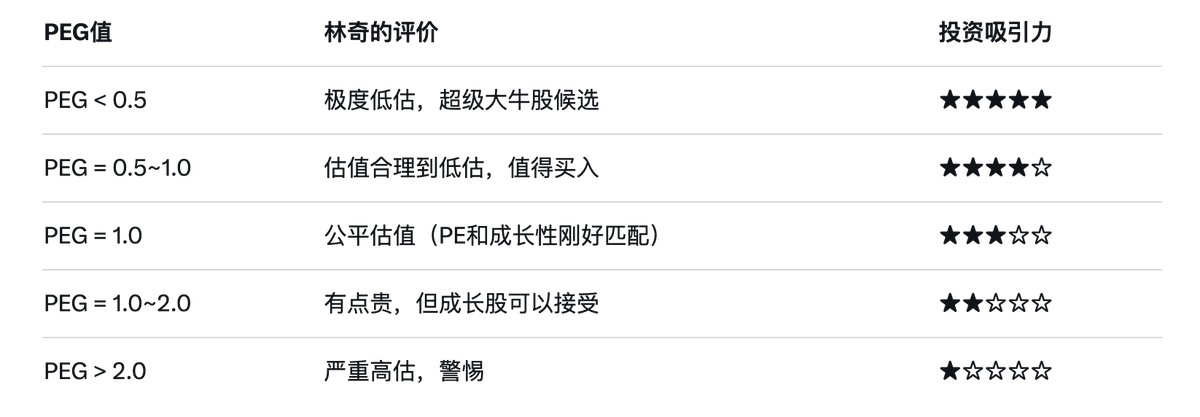
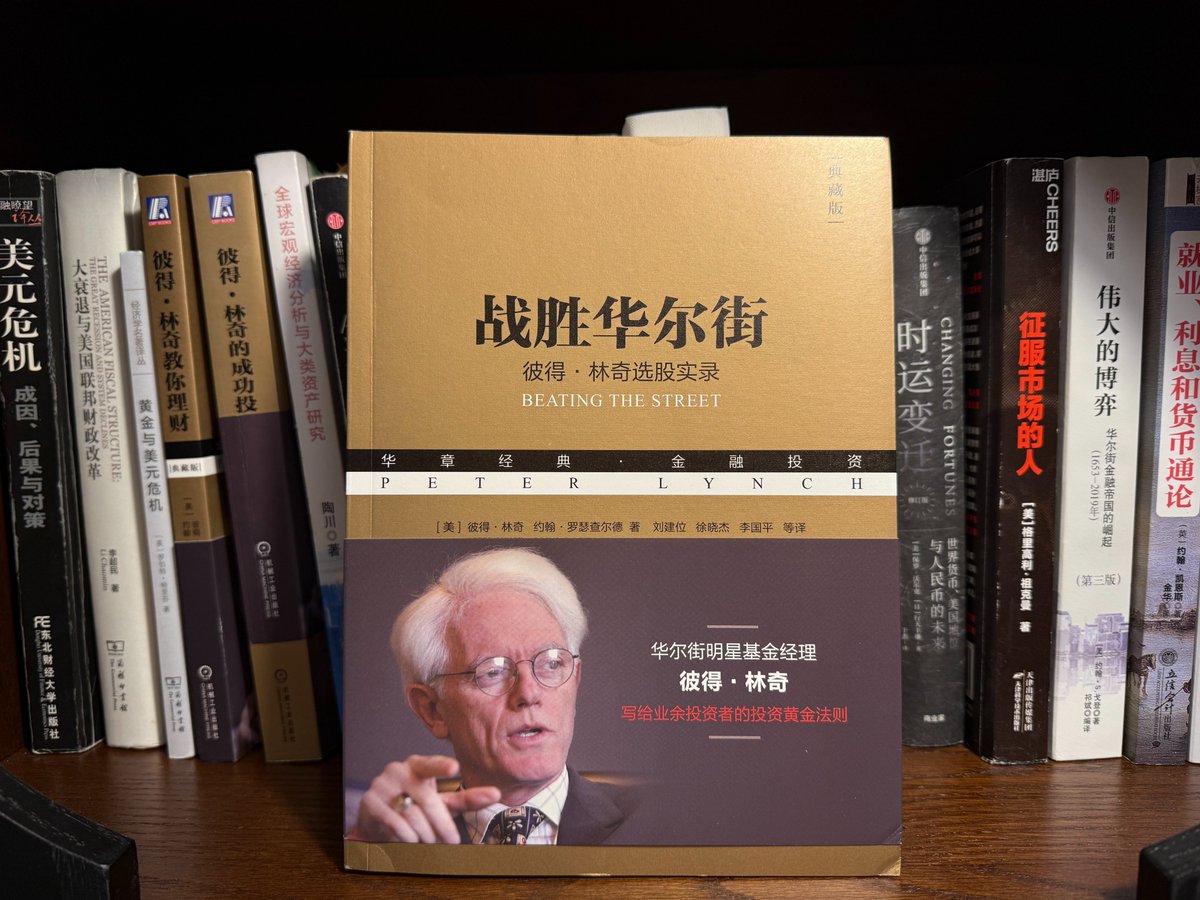
彼得·林奇的【PEG】指标与25条股票投资黄金法则 彼得·林奇(Peter Lynch,1944年1月19日出生)是美国历史上最著名的基金经理之一,被誉为“历史上最成功的主动型股票基金经理”和“华尔街股神”之一。 主要成就: 1977年至1990年担任富达(Fidelity)公司旗下的麦哲伦基金(Magellan Fund)经理,这13年间,他将基金资产从1800万美元管理到140亿美元(增长约777倍)。 年平均复合回报率达到29.2%,是同期标普500指数的近3倍,被称为“投资界的传奇业绩”。 他管理的麦哲伦基金一度成为全球资产规模最大的主动管理股票基金。 彼得·林奇发明的、也是他最常用、最喜欢的一个选股指标就是 PEG(有时候也叫“林奇PEG”)。 PEG的定义 PEG = 市盈率(PE) ÷ 每股收益年增长率(EPS Growth Rate) 市盈率(PE)= 当前股价 ÷ 每股收益(越低越便宜) 每股收益增长率(G)= 公司未来3-5年预计的年化盈利增长率(单位:%) 公式写出来就是: PEG = PE ÷ G 彼得·林奇对PEG的判断标准(他书中明确写过的) 他最经典的一句话是: “PEG低于1的股票,我几乎从没亏过钱。” “理想的股票是PEG在0.5以下的成长股。” 林奇使用PEG时的几个关键提醒(他反复强调) - 增长率要“合理可预期”,不能用分析师最乐观的数字,要用自己判断的保守数字。 - 最好用于成长股利不高的成长型公司(成长率15%-50%之间最理想)。 - 对周期性公司要特别小心,盈利大起大落会导致PEG失真。 - PEG不是唯一指标,还要结合负债率、现金流、竞争优势一起看。 ~~~~~~~~~~~~~~~~~~~~~~ 彼得·林奇在书中为读者列举的25条股票投资黄金法则: 1. Investing is fun, exciting, and dangerous if you don’t do any work. 投资很有趣、很刺激,但如果你不做功课,也很危险。 2. Your investor’s edge is not something you get from Wall Street experts. It’s something you already have. You can outperform the experts if you use your edge by investing in companies or industries you already understand. 你的投资优势不是华尔街专家给你的,而是你已经拥有的。只要投资你熟悉的公司或行业,你就能胜过专家。 3. Over the past three decades, the stock market has come to be dominated by a herd of professional investors. Contrary to what you might think, this great rotation has had no negative effect on the performance of individual investors. 过去30年,股市被职业投资人组成的“羊群”主导。但和你想的不同,这并没有让散户表现更差。 4. Every year there are several surprises in the stock market. In a good year, half the surprises are pleasant ones. 每年股市都会有几件意想不到的事。好年景里,有一半是好惊喜。 5. If you don’t study any companies, you have the same success buying stocks as you do in a poker game if you bet without looking at your cards. 如果你不研究公司,买股票的胜率就跟打扑克不看牌一样。 6. Time and again you hear that “you can’t time the market. But nobody can predict the economy, interest rates, or the stock market, so drop that cliché from your repertoire. 老是说“没人能预测市场”,但既然没人能准确预测经济、利率和股市,那就别再拿这句话当借口了。 7. If you study 10 companies, you’ll find 1–2 bargains; if you study 50 companies, you’ll find 4–5 bargains. The more companies you study, the better the bargains you can discover. 研究10家公司,你能找到1–2个便宜货;研究50家,你能找到4–5个。研究越多,发现的机会越多。 8. Behind every stock there is a company. Find out what it’s doing. 每只股票后面都有一家公司,搞清楚它在干什么。 9. Companies that no analyst follows often bring the greatest returns. 没人跟踪的公司,往往带来最大回报。 10. If you find a stock with little or no institutional ownership, you’ve found a potential winner. 机构持股很少甚至没有的股票,往往是潜在的大赢家。 11. Never invest in any company before you’ve done the homework on the company’s earnings prospects, financial condition, competitive position, etc. 在没做功课(盈利前景、财务状况、竞争地位等)之前,绝不要投资任何公司。 12. The extravagance of any corporate office is in direct proportion to the stupidity of the corporation’s management. 公司办公室越奢华,管理层越蠢。(相关度极高) 13. When insiders are buying, it’s a good sign—unless they happen to be buying because they’re being forced to buy by the company’s stock-option plan. 高管大量买入是好信号——除非他们是被强制认股权计划逼着买的。 14. Never invest in a company without understanding its financial statements. 不懂财报的公司,绝不投。 15. Avoid hot stocks in hot industries. Great companies in cold or lukewarm industries often produce better returns. 避开热门行业里的热门股,冷门或不被看好的行业里的伟大公司往往回报更高。 16. When yields on long-term government bonds exceed the dividend yield of the S&P 500 by 6 percent or more, sell stocks and buy bonds. 当长期国债收益率比标普500股息率高6%或以上时,卖股票买债券。(这条是林奇自己标注的“最不靠谱的一条”) 17. Small companies (micro-caps) often produce the best returns, but you have to be able to find the good ones. 小盘股往往回报最高,但前提是你得能挑到好公司。 18. The best stock to buy may be the one you already own. 最好买的股票,可能就是你已经持有的那只。 19. A sure cure to take the fun out of investing is to try to make it into a full-time job. 把投资当成全职工作,是让它失去乐趣的最快方法。 20. Never fall in love with a stock; always have an open mind. 永远不要爱上一只股票,要保持开放心态。 21. It’s not a sin to sell a winner to take profits. 卖掉赢家落袋为安不是罪过。 22. The bigger the company, the less likely it is to grow rapidly. 公司越大,越难高速成长。 23. In business, competition is never as healthy as total domination. 对企业来说,竞争永远不如完全垄断“健康”。 24. All else being equal, a 20-percent decline in the market is a buying opportunity. 其他条件不变时,市场下跌20%就是买入机会。 25. There’s no shame in losing money on a stock. Everybody does it. What is shameful is to hold on to a stock, or, worse, to buy more of it, when the fundamentals are deteriorating. 在一只股票上亏钱没什么丢人的,谁都会亏。最丢人的是基本面已经恶化了,你却死抱不放,甚至越跌越买。
vivienna.btc tweet mediavivienna.btc tweet media
中文
12
41
189
24.7K
Le Huu Tin retweetledi
Dr.Wang
Dr.Wang@HotmailfromSH·
「10个身体信号说明你压力太大了」 工作生活中中,很多压力是长期、慢性、“低浓度”刺激的,此时身体可能不会有显著改变,而是以我们难以察觉的方式“表达”。 当你近一两个月有以下表现时,说明你的心力正被耗尽,需要及时减压。 ①健忘,经常想不起来要说什么; ②很轻的噪音也会觉得烦,难以集中注意力; ③拖延症更严重了,几分钟内能办的事也不想动手; ④经常忍受身上的疼痛,比如牙疼了不着急治、脚磨破了不抹药等; ⑤懒得打电话找客服解决问题、网购不适合的东西也懒得退回和处理; ⑥游玩都成了麻烦的事; ⑦认路时要花更多时间; ⑧说话条理性降低,做事效率低; ⑨爱吃高热量、高脂肪食物; ⑩不愿接受他人好意,对别人的提醒感到恼火。 以上这些,都是压力过大导致认知功能受损、疏于自我照顾、行动力和生命力被抑制的表现。 如果察觉自己压力过大,建议: ①每天抽15~30分钟做个冥想,闭眼专注于呼吸,让身心静下来; ②每周安排2~3次运动,慢跑30分钟或跳操20分钟都可以,让身体释放内啡肽,调动积极情绪; ③定期和亲友聚会、分享感受,也能从他们那里获得鼓励,帮助自己恢复状态。
Dr.Wang tweet media
中文
9
210
793
149.4K
Le Huu Tin retweetledi
Kevin Dahlstrom
Kevin Dahlstrom@Camp4·
Today I turn 55. I’m the fittest, sharpest, and happiest I’ve ever been. If I’m an outlier, it’s not because I’m built different or discovered a secret formula. The truth is far less glamorous: It’s a million tiny choices, compounded over decades. Here are 55 of them: 1. Walk 15+ miles a week, even if you do other exercise. Humans are uniquely made to move slowly over long distances—it’s critical to longevity. 2. Develop a writing practice. It’s the single best way to sharpen your mind. And remember, you don’t have to be a good writer to write. Start with 10 minutes a day. 3. Swap out your toothpaste, deodorant, lotions, soap, shampoo, and other personal care products for natural versions. Here’s a rule of thumb: Don’t put anything on your skin that you couldn’t safely eat. 4. If you have a positive thought about someone, don’t keep it to yourself—share it immediately. Encouragement defies the laws of physics: When you give energy, you also receive it. 5. Wear shoes with a wide forefoot (I like Topo Athletic) and wear toe spreaders around the house (search “yoga toes” on Amazon). Spine health begins with the feet. 6. Get sunlight regularly. Moderate sun exposure (without sunscreen) is hugely important for overall health. 7. Do a 3-minute deep (“ass to grass”) squat every morning. Deep squats are often called the anti-aging exercise. It’s been said that, “It’s not that you can’t do deep squats because you’re old, it’s that you’re old because you can’t do deep squats.” 8. Explore minimalism (it’s not what you think it is). 9. Set boundaries on toxic relationships. We tend to cling to relationships past their expiration date, and it takes a bigger toll on our health than we recognize. 10. Eat real food. Not too much. Don’t eat garbage. Binge occasionally. Fast occasionally. That’s the diet. 11. Learn about FIRE. It’s a great framework for financial success. 12. Don’t take antibiotics except in emergency situations. They’re massively over-prescribed and aren’t needed in most cases. Antibiotics have done untold damage to our guts, which is where health begins. Great natural alternatives are out there. 13. Get 8 hours of quality sleep each night. To optimize sleep: —Don’t eat after 6pm —Get blackout shades and cover LEDs with black tape —No screens 2 hours before bed —Try ashwagandha (an herb) to calm the nervous system 14. Stop drinking, even in moderation. People find all sorts of ways to justify drinking, but there’s no escaping the simple fact that alcohol is a toxin and it limits your potential. 15. Travel as much as possible. Nothing expands the mind like seeing the world. And travel doesn’t have to be expensive—the best experiences happen outside of fancy resorts, when you live like a local. 16. Let go of resentment. When you forgive someone, you release the prisoner, and the prisoner isn’t them… it’s you. 17. Show up on time, every time. Poor time management limits success more than most people realize. If you struggle with punctuality, stop everything else and fix that first. 18. Spend lots of time in nature and touch the earth. Humans evolved over 300k years to live in harmony with nature, and only recently have we retreated indoors. If you don’t spend time outside, you’re fighting biology (hint: You won’t win.) 19. Stop doing dumb things. As Leo Tolstoy said, “People try to do all sorts of clever and difficult things to improve life instead of doing the simplest, easiest thing—refusing to participate in activities that make life bad.” 20. Find your happy place and (eventually) move there. Most people live where they live because... that's where they live. We are products of our environment—choose yours carefully. 21. Find a hobby and pursue mastery. You can’t have a happy life without a passionate pursuit that isn’t your vocation. Your work—even if you enjoy it—isn’t enough. 22. Avoid mainstream medicine except as a last resort. The results are in—our healthcare (or more appropriately, sick care) system is badly broken and only makes people sicker. 23. Have a mindset of abundance. There is no advantage to being a pessimist—even if you’re right, it’s a miserable way to live. In a very real way… whatever you believe, you’re right! 24. Do hard things. Choose courage over comfort. Everything you want is on the other side of fear and hard work. As Jerzy Gregorik said, “Hard choices, easy life. Easy choices, hard life.” 25. Ignore haters. Hurt people hurt people. Negative/toxic people live in a prison of their own design. Don’t join them! 26. Say no. Protect your time and energy like it’s your most precious asset… because it is. 27. Become a water snob. As an alien said on Star Trek, humans are “ugly bags of mostly water.” You are what you drink—literally! We have Mountain Valley Spring water delivered in glass 5-gallon jugs and also have whole-house water filter (Aquasana Rhino). 28. Stop drinking sodas and sugary energy drinks. After a few weeks you won’t miss them, and a few months later they’ll seem disgusting. Refined sugar causes inflammation, which is the root of most disease. 29. If you’re over 35, find a good functional/longevity medicine doctor and start tracking your hormones. Modern life is hell on the endocrine system and restoring healthy hormone levels can change your life. As we get older, we either accept a slow decline in performance or we do something about it—choose the latter! 30. Develop a morning routine and follow it faithfully. Win the morning, win the day! 31. Invest in experiences, not things. People frequently regret buying things, but rarely regret investing in great experiences (especially when shared with loved ones). Remember, there’s nothing you can buy in a mall that you’ll remember in ten years. 32. Explore spirituality. It’s arrogant and small-minded to believe there’s nothing going on in our universe that is beyond our comprehension. We know less about our universe than an ant meandering on a sidewalk understands about this planet. 33. Have a strong bias toward action—doing rather than talking. If you ask a bunch of old people about their regrets, they’ll talk about the things they *didn't* do—the shots they didn’t take—more than the things they did do (even if it went wrong). As Wayne Gretzky famously said, “You miss 100% of the shots you don’t take.” Most people don’t take enough shots. 34. Stay lean. Men in particular are obsessed with muscle mass these days, but bulk doesn’t age well. The goal is to be strong but lean. The fittest guys in their 50s and beyond aren’t meatheads, they’re lean guys who are serious about a sport. 35. Curate your inner circle carefully. Surround yourself with people you admire and who challenge you to grow. Remember, we’re the average of our 5 closest relationships. 36. Be the fittest version of yourself. Your body is your only vessel for experiencing life—so treat it as such. Fitness isn’t working out a few times a week, it’s a lifestyle. The older you get, the more time you need to devote to your health. 37. Take the time to appreciate art and beauty in all its forms. 38. Think globally, but act locally. Too many people put their energy into far-away problems they don’t understand and can’t impact, while ignoring problems right under their nose. Want to change the world? Start at home. 39. Try psychedelics. It’s one of those things everyone should do at least once, and it might be the breakthrough you’ve been looking for. 40. Limit bad habits, including unhealthy thought patterns. We all have them—practice avoidance and find substitutes. Get professional help if needed. 41. Be a lifelong learner. Your brain is just like a muscle—if you don’t feed and flex it regularly, it will atrophy. 42. Find your purpose. People with a strong sense of purpose are happier and live longer. Lack of purpose sucks energy and magnifies depression. 43. Only take advice from people who embody the traits you want to have. Talk is cheap—emulate those who have DONE it. 44. The goal is not to retire and do nothing, it’s to build a great day-to-day life that you don’t need to escape. A life of leisure is a slow death. Happiness isn’t possible without a little struggle, uncertainty, and skin in the game. 45. Have fun! Do frivolous and silly things that make you smile. As George Bernard Shaw famously said, “We don't stop playing because we grow old; we grow old because we stop playing.” 46. Whatever you want to do or achieve in life, start NOW. Don’t fall victim to “someday thinking” because someday never comes. 47. Accumulate assets—things that grow in value over time. It’s the #1 habit of rich people, and it can be done in tiny chunks. Instead of spending $100 on an impulse purchase that has no lasting value, put that money into an index fund or Bitcoin. It becomes addictive (in a good way). 48. Don’t ignore the big 3 canaries in the coal mine for health: —Low libido (and ED) —Frequent sinus & respiratory issues —Depression These usually aren’t medical conditions in themselves, they’re symptoms of an underlying problem. Find a good doc (outside of the mainstream) and figure out the root cause. 49. Have a clear vision for your future. How can you decide which direction to go if you haven’t clearly defined the destination? It sounds obvious, but 95% of people haven’t defined their “Ideal End State” in detail and in writing. (Check out my thread on this topic.) 50. Make your own decisions. We live in an era where most of what society tells us is wrong. Don’t be afraid to break from societal norms—if people say you’re crazy, it’s a sign that you’re doing something right. 51. Get hardcore about mobility exercise. As you age, it’s usually the knees, hips, and lower back that limit physical performance. 30 min a couple times a week can spare you a lifetime of pain. YouTube is a great resource. 52. Go all in on family. Get married, stay married, have kids. Burn the boats. In the end, family is all that matters. 53. Be ruthless with your time. Money comes and goes. Time only goes. Audit your calendar ruthlessly—cut the trivial, double down on the meaningful, and spend your hours like your life depends on it. (Because it does.) 54. Have a strong bias toward action. Be curious, try things, meet people—it’s how you increase your surface area for serendipity, the most powerful unseen force in our lives. 55. Reinvent yourself every decade. Over time, we slowly drift off course from our priorities, values, and true identity. Take stock and don’t be afraid to hit the reset button. Bold, calculated moves made for the right reasons almost always pay off—usually even more than you can imagine. 🎁 P.S. If you enjoyed this post, would you give me a birthday gift? Repost or comment with the item number(s) you liked best?
Kevin Dahlstrom tweet media
English
1.3K
4.8K
28.9K
8.5M
Le Huu Tin retweetledi
Reads with Ravi
Reads with Ravi@readswithravi·
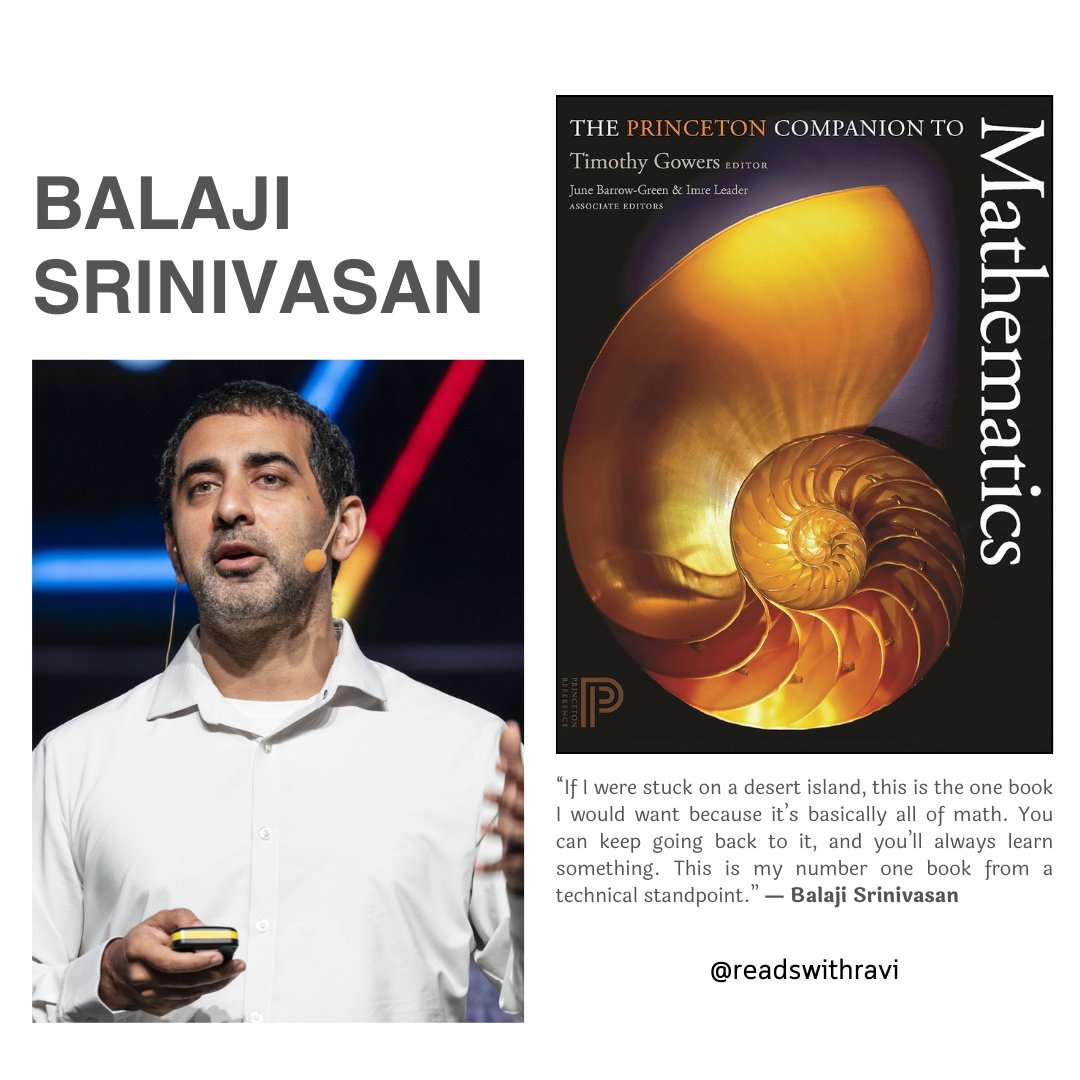
“The newest technical papers and the oldest books are the best sources of arbitrage. They contain the least popular facts and the most monetizable truths”, says Balaji Srinivasan. 25 books recommended by @balajis: 1) The Princeton Companion to Mathematics by Timothy Gowers
Reads with Ravi tweet media
English
44
395
3.3K
557.8K
Le Huu Tin retweetledi
Bloomberg
Bloomberg@business·
Here's everything you need to know about the tools that China uses to manage the yuan trib.al/GrJzitx
English
4
3
24
21.6K
Le Huu Tin retweetledi
Zhu Su
Zhu Su@zhusu·
Highly recommend this non-fiction book A Greek writer’s journey through Imperial Japan and wartime China
Zhu Su tweet media
English
26
8
108
25.2K
Le Huu Tin retweetledi
Sahil Bloom
Sahil Bloom@SahilBloom·
This week, The Free Press published a beautiful piece on redefining what it means to live a wealthy life. It’s a great read as you start the year to define your priorities and plan your actions to build your future. Read it here: thefp.com/p/sahil-bloom-… Worth your time this weekend!
Sahil Bloom tweet media
English
18
43
237
80.8K
Le Huu Tin retweetledi
Mohnish Pabrai
Mohnish Pabrai@MohnishPabrai·
One of my all time favorite books!
Preeth@pchutke1234

@MohnishPabrai … Grateful for your wonderful book recommendation 🙏. It has been truly insightful and transformative!

English
46
79
789
74K
Le Huu Tin retweetledi
Arjun Khemani
Arjun Khemani@arjunkhemani·
.@naval: If I look back on my life, almost everything great that I managed to pull off—great by my own definition, not by the world’s definition—has come from following my own natural intellectual obsessions. So I think if you can get obsessed over something, and if you can dive into it, just let yourself go and learn everything about it with no motivation other than just wanting to know the answer, that becomes the basis for all of the so-called “self-improvement” out there. You have @bryan_johnson here somewhere. He’s obsessed with not dying and aging. Well, he’s obsessed, and that’s great. He’s following his intellectual obsession, and we all get to learn from that. You’re following your obsession with the network state, and there are people out there following their obsession on AI, on crypto, and on history—Roman history, whatever it is. But if you get obsessed with something, you can figure it out to a detail that other people don’t. You can satisfy yourself. If you go deep enough into anything, you find the same commonalities, you find the same philosophies. As a weird aside, I’ve gotten into photography recently. Don’t ask me why, but it’s just a way of combining art and science, being social and antisocial, doing something utilitarian. But sure enough, I’m obsessed with photography. I’m reading all the philosophical photography blogs where the authors talk about the meaning of life, art, science, and so on. If you go deep into anything, you’ll find the same common threads. And so, I think self-improvement really just comes from letting yourself be who you are—following the things you truly want to follow, figuring out what you want to figure out—not worrying about what others want or think. And then, you kind of find yourself in the same place at the end, no matter which route you take.
English
68
892
6.3K
728.7K
Le Huu Tin retweetledi
Adam Michael
Adam Michael@sixbetbluff·
@_falsi1ke When it comes to making big life decisions, don’t listen to the people closest to you. Listen to the people closest to your goals.
English
179
2.7K
47K
955.7K
Le Huu Tin retweetledi
Brian Roemmele
Brian Roemmele@BrianRoemmele·
Meet Alex. He has built a working Ironman suit in his garage. Yes, a working version with a working reactor.
English
1.5K
17.2K
150.6K
13.2M
Le Huu Tin retweetledi
Reads with Ravi
Reads with Ravi@readswithravi·
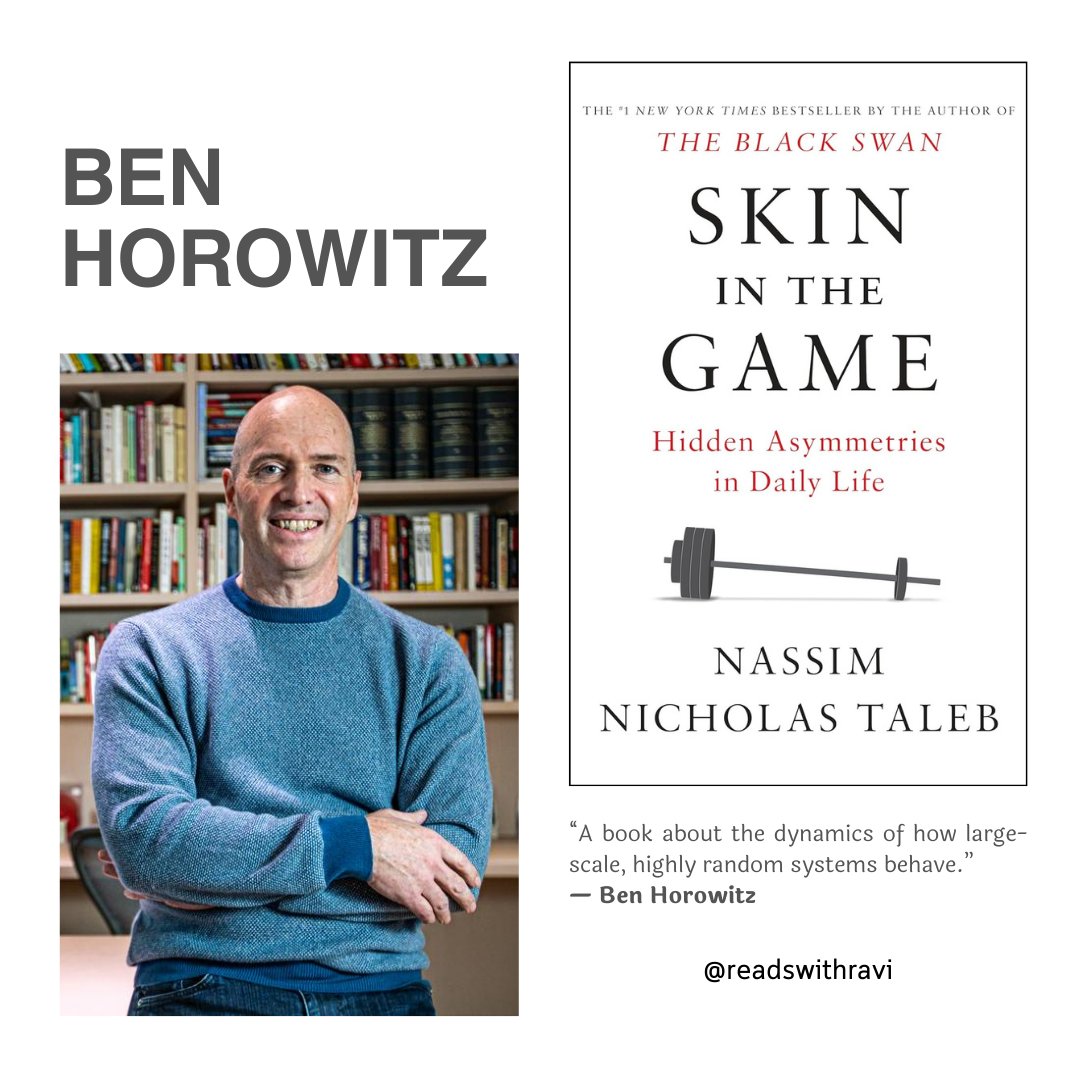
15 books recommended by Ben Horowitz: 1) Skin in the Game by Nassim Nicholas Taleb
Reads with Ravi tweet media
English
11
261
2.1K
297K
Le Huu Tin retweetledi
∩
@zachpogrob·
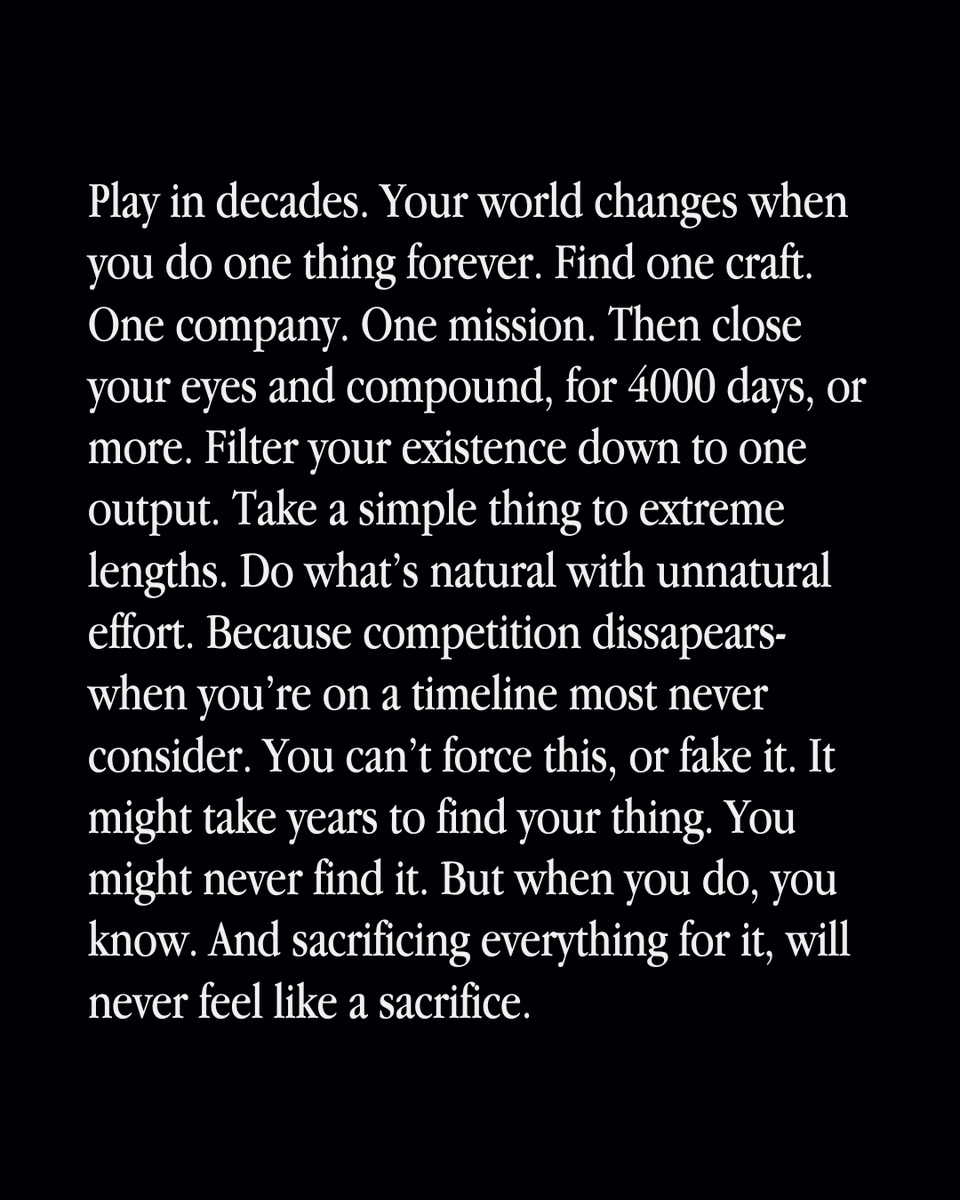
Play in decades.
∩ tweet media
English
36
724
6K
379.9K
Le Huu Tin retweetledi
orph
orph@orphcorp·
my 20s are soon coming to an end, and there's one (1) thing I would absolutely tell my younger self if I had the chance: be 10x more stubborn, and 10x more trusting of your gut and your convictions; better to die on your sword than to hang it on your wall and see it rust away
English
38
1K
9.7K
261.6K
Le Huu Tin retweetledi
High Signal AI
High Signal AI@HighSignal_AI·
Jeff Bezos explains one-way and two-way door decisions:
English
7
442
2.4K
175K
Le Huu Tin retweetledi
Mckay Wrigley
Mckay Wrigley@mckaywrigley·
“Will AI replace programmers?” Perfect take by Lex.
English
168
781
5.2K
620.8K