@Fawad__Ahmed @Fawad__Ahmed AJK inka hometown hai aur ap logon k mutabiq wo pahari hain tou kashmir se inka koi lena daina nahi hai🤣🤣🤣
हिन्दी
free
42 posts

Breaking: Over 50 UK MPs have signed a letter questioning Pakistani repression and blackouts in Pakistan-occupied Kashmir


265 gets chased down so easily in a T20. The game of cricket has changed forever today!


Found such a picturesque golf course on top of a mountain in Murree, Pakistan. You know, just in case President Trump decides to come to Islamabad.🤣(Only teasing!)



I think there is a very good chance Araghchi and Ghalibaf will be assassinated in Islamabad




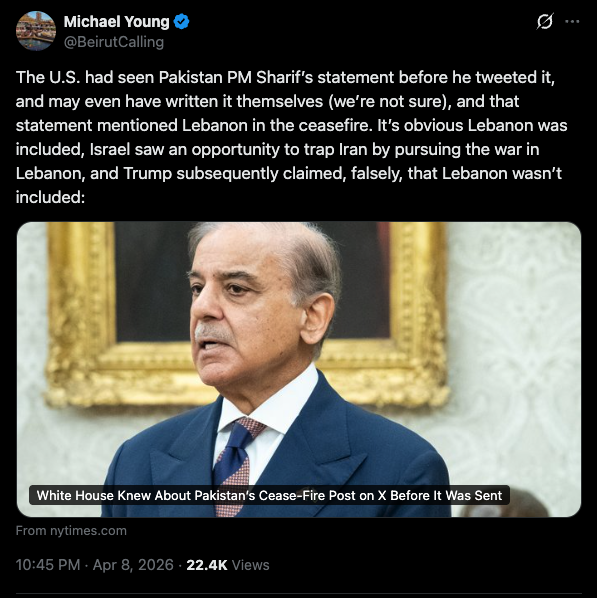
Oh, this is unbelievable. The edit history on this tweet shows that Pakistan Prime Minister Shehbaz Sharif originally copied and pasted everything he was sent, including: "*Draft - Pakistan's PM Message on X*" Now, obviously, Sharif's own staff don't call him "Pakistan's PM," they would just call him prime minister. The U.S. and Israel, of course, would call him "Pakistan's PM." Would be funny if the fate of the world wasn't hanging in the balance.

پی ٹی آئی کے آفیشل ہینڈل سے ایسا بدنیتی پر مبنی پروپیگنڈہ شیئر کیا جانا انتہائی افسوسناک ہے


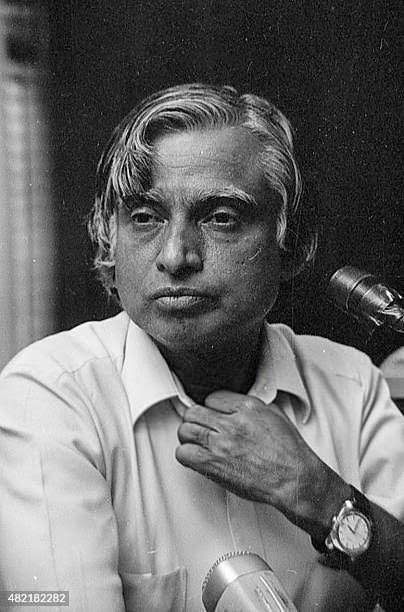
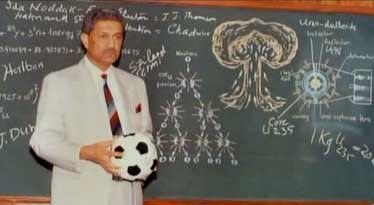
The main reason why Muslims lag so far behind others in academia lies in the fall of Indian Muslims and systematic destruction of their institutions, who/which had long served as the intellectual powerhouse of the Ummah, from the aftermath of the fall of Khwarezm (1221) to the very eve of the creation of Pakistan in 1947. Muslims (and we ourselves) never talk about this. Aligarh Muslim University, Osmania, and Jamia once stood among the leading secular centres of learning in the entire Islamicate world. In the wake of Partition, an estimated 60–80% of their academic staff migrated to Pakistan, triggering an intellectual rupture of lasting consequence. What remained was a diminished faculty that gradually became mired in corruption, administrative decay & declining academic standards. Institutions once likened to a "Muslim Harvard," which had attracted the sons of nobility, landed elites, and refined gentry, lost the very social and intellectual milieu that had sustained their prestige. Over time, these institutions were absorbed into mass education frameworks and, under shifting political and funding structures, saw their elite character erode into that of ordinary state universities, increasingly reliant on their inherited reputation rather than renewed excellence. Yet, it is equally important to note that those who migrated did not succeed in recreating institutions of comparable stature in Pakistan. While many contributed meaningfully within their individual capacities, their efforts did not crystallize into enduring centres of excellence. Nor did the Pakistani or later Bangladeshi establishments manage to build institutions commanding similar intellectual authority or global prestige. There are, of course, multiple factors behind this broader academic decline, and what I have written is merely one of those.