

Fullystaked
2.5K posts
Fullystaked
@fullystaked_
Level Up Your Mindset & Income 💰🧠750K+ Network | 🌏 | Grow Your Socials 👇🏻
Manchester Katılım Şubat 2023
53 Takip Edilen60 Takipçiler

I made >$2.8M in the last 6 months selling digital products
Here's how in 15 steps:
1. make X account (5 sec)
2 get verified with blue checkmark $8/mo
3. pick topic: ecom, websites, sales, etc (5 sec)
4. find #1 influencer in that niche (10 sec)
5. gather their tweets, AI generate 300 tweets with claude
6. Use tweethunter to auto post 10 per day
7 Set up auto DM upon reply/like
8. you get 1M+ views minimum per month
9. automatically DM link to product to 500+ people daily
10. AI generate 5x 200 page ebooks in 35 minutes
11. ~400 people view the checkout page
12. u get 20 sales for $500 each. $10K/month profit
13 Upsell for a $2K package after that
14 Add 3-5 affiliate links to generate additional $7K per month passively
15 retire from your job
obviously there is more details to this business
if u want the full 130 page blueprint on how, comment "PDF" and i'll send.
Must be following + Retweet


English
Fullystaked retweetledi

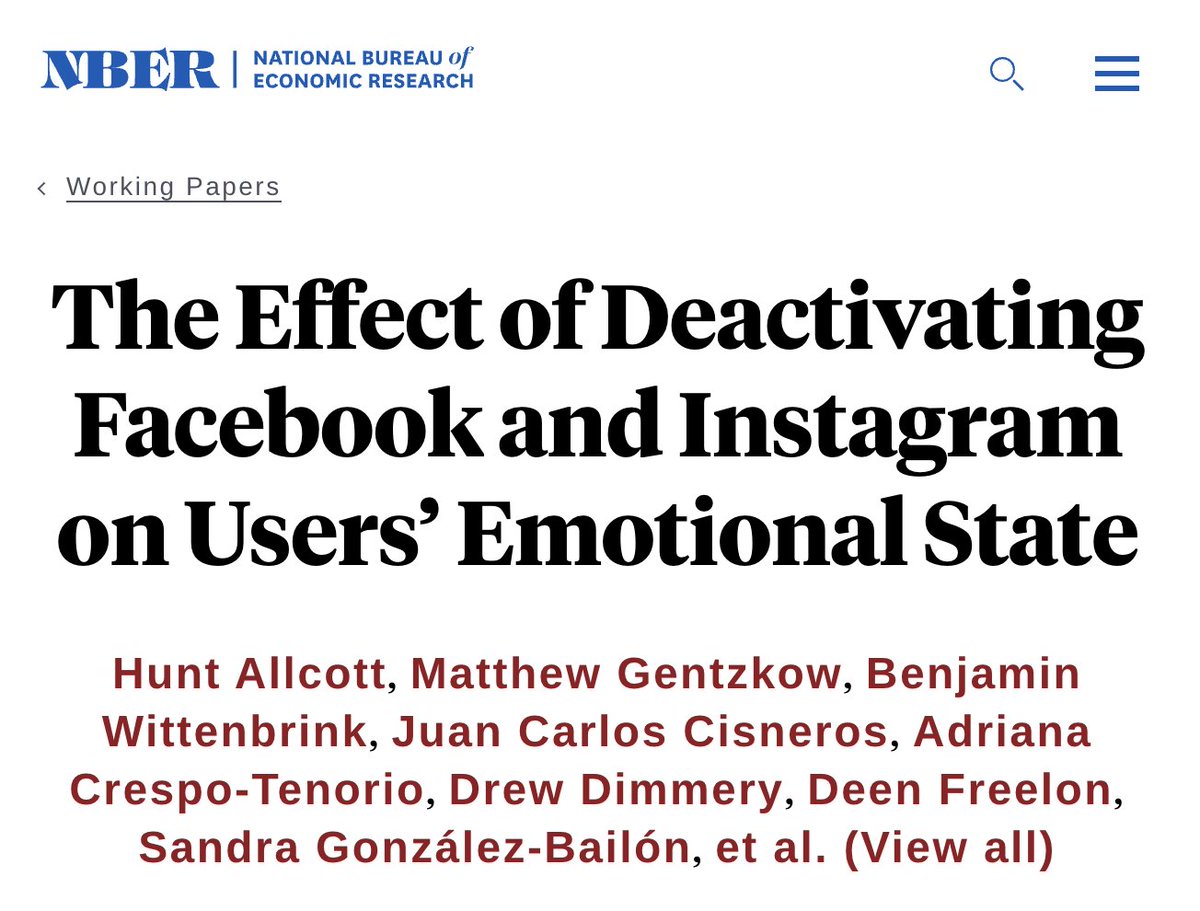
Stanford paid 35,000 people to quit Facebook and Instagram for 6 weeks
Depression dropped. Anxiety dropped. Happiness went up. Women under 25 on Instagram saw the biggest gains
That was 6 weeks. I'm going a full year.
English
Fullystaked retweetledi


Fullystaked retweetledi

🚨 BREAKING: A solo dev just fired the entire SEO content industry with one GitHub repo.. 💀
It’s called SEO machine. one API key replaces the strategist, the writer, the editor, and the $5k invoice.
It is a fully autonomous pipeline from keyword to published post. zero humans. zero retainers.

English
Fullystaked retweetledi

Nigeria is ranked #1 in global USDT and USDC ownership.
Not the US. Not the UK. Not Singapore.
Nigeria.
59% of Nigerian crypto users hold USDT. 48% hold USDC. More than any other country surveyed. India is third. Brazil close behind.
The reason is obvious once you see it: in countries where local currency loses 20–40% of value annually, stablecoins aren't a crypto product. They're a savings account. A dollar-denominated store of value that doesn't require a US bank account.
Here's what the data doesn't show: most of those stablecoin holders can't use their USDT to buy anything.
No merchant acceptance. No subscription billing. No automatic payment. No way to pay a supplier. They hold the dollars. They can't spend the dollars. They convert back to fiat every time they need to transact.
The gap between stablecoin adoption and stablecoin utility is most visible not in San Francisco or Singapore. It's in Lagos, Jakarta, São Paulo.
$308B in circulation. The people who need stablecoin commerce most have the fewest tools to access it.
That's not a distribution problem. That's an infrastructure problem. The rails exist everywhere. The billing layer doesn't exist anywhere.
That's who we're building for.
English
Fullystaked retweetledi

You did everything they told you to do...
- Good grades in school for 12 years ✓
- Another 4 years in college ✓
- Picked the "right" major ✓
- Took on $100k+ in debt ✓
- Did the unpaid internship ✓
- Graduated ✓
- Sent 200 job applications ✓
- Paying $800/month in loans ✓
…and there’s still a 1 in 2 chance you’ll wind up underemployed.
You are now well-educated, underwater, and underpaid.
College is officially the worst deal in the world.
English
Fullystaked retweetledi
· Take risks
· Sell every day
· Wake up at 6am
· Relentlessly cut distractions
· Do what you say you are going to do
Do this for 2 years & people will say you got lucky.
English
Fullystaked retweetledi

A new law coming to California. You must watermark an A.I video letting it be known it’s A.I or you could be fined hundreds to thousands of dollars.


English
Fullystaked retweetledi

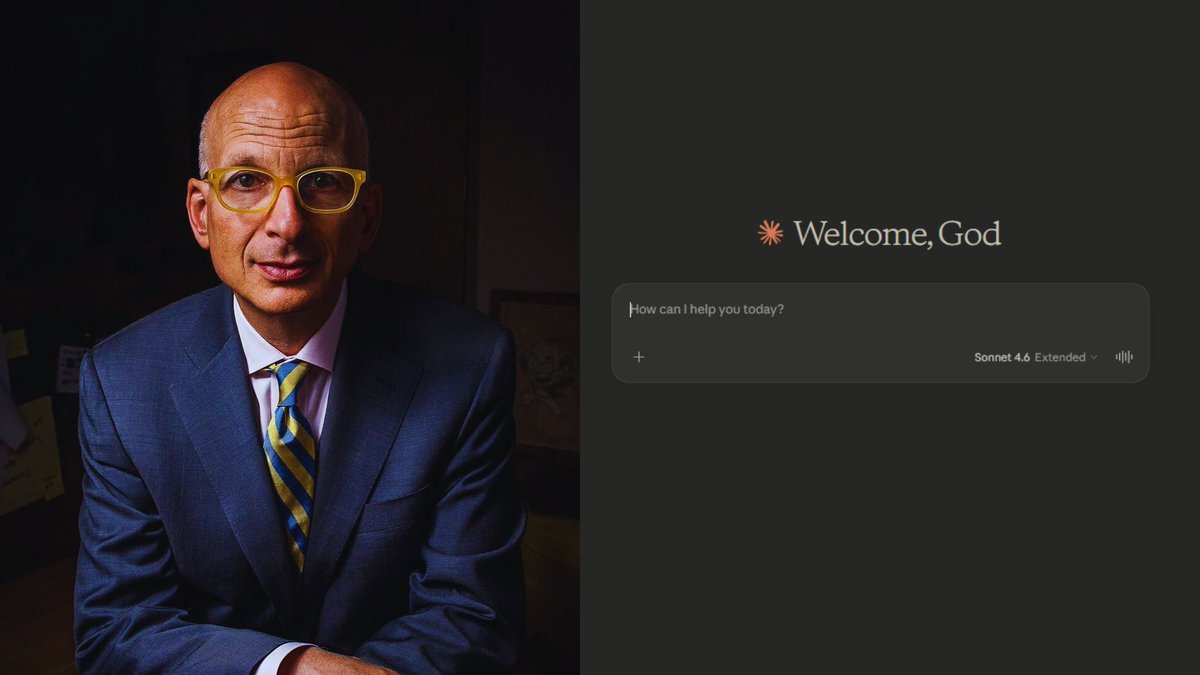
🚨 BREAKING: Claude can now build your personal brand like Seth Godin built a $100M empire with zero ads (for free).
Here are 6 insane Claude prompts that engineer your complete fame system.
(Save for later)
English
Fullystaked retweetledi

THIS IS CRAZYY!!!!🤯
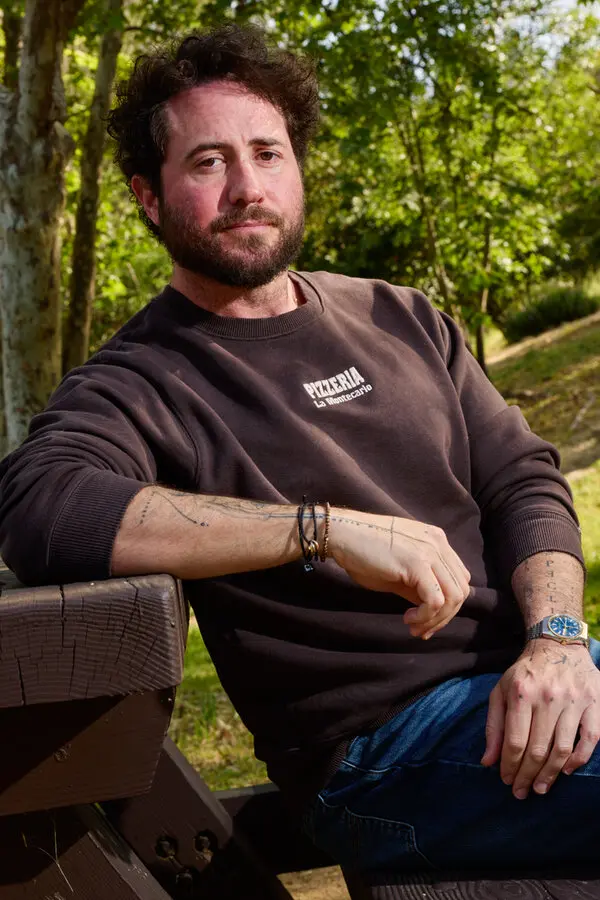
A guy just built a $1.8 billion company with two employees. Him and his brother. Using AI.
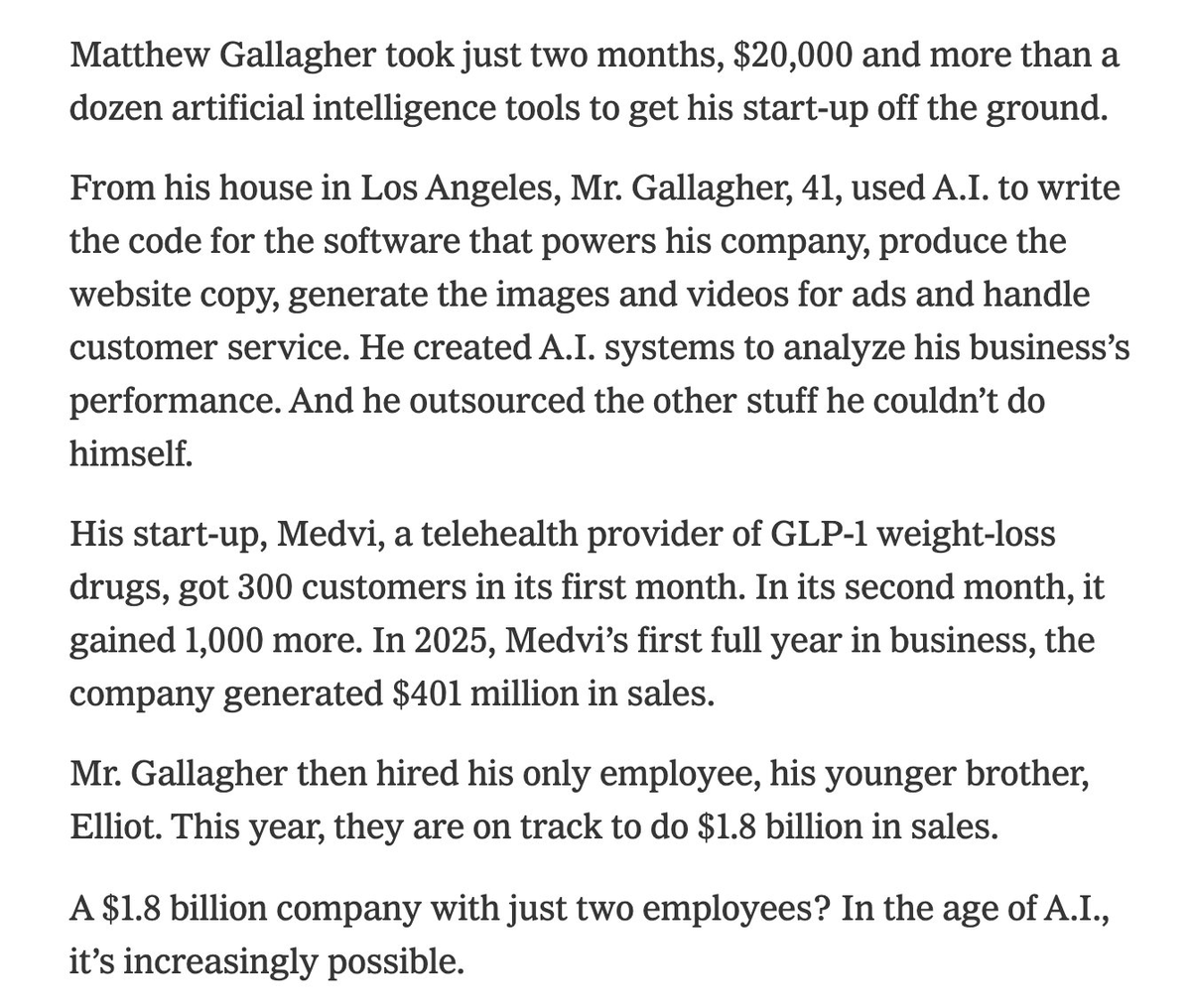
Matthew Gallagher started Medvi from his house in Los Angeles. Spent $20,000 and two months. AI wrote the code. AI made the website. AI made the ads. AI handled customer service.
First month. 300 customers. Second month. 1,000 more. First full year. $401 million in sales. This year on track for $1.8 billion.
His only hire? His younger brother. That's the entire company.
The New York Times verified the numbers. $65 million profit last year. More than $3 million coming in every single day.
Now compare this. Hims & Hers sells weight loss drugs online. 2,442 employees. $2.4 billion revenue. 5.5% profit margin. This guy is doing nearly the same with two people and triple the margins.
He grew up living in motels and cars. Taught himself to code on a laptop his uncle gave him. Sold samurai swords on eBay as a teenager. Didn't finish college. Moved to LA to become an actor.
Now he's running the fastest growing company nobody has heard of.
When his website broke during a hike he had to sprint home because there was nobody else to fix it. Lost 200 customers in one hour. That's the reality of a two person company doing $1.8 billion.
A VC told him don't raise money. He listened. Zero outside funding. He owns 100% of it.
Two brothers. $20,000. A laptop. And every AI tool they could get their hands on. That's all it took.
English
Fullystaked retweetledi

🚨: High school student, 18, invents water filter that eliminates 95.5% of microplastics


English
Fullystaked retweetledi
Coinbase just announced it will launch crypto-backed mortgages for over 100,000,000 americans.
You can buy and own a house without selling your crypto. 🏠


English
Fullystaked retweetledi

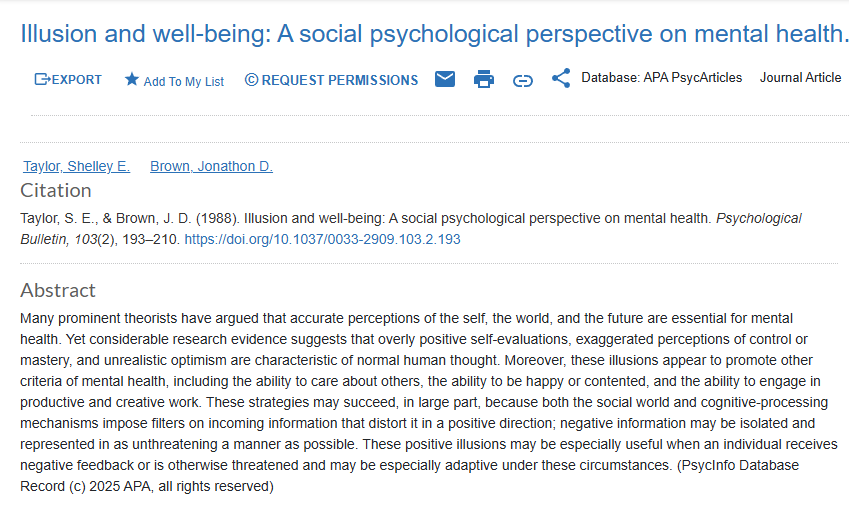
Mentally healthy people are often delusionally optimistic.
English
Fullystaked retweetledi
I’m convinced 90% of the founders job is to just do 3 things:
- be delusional in your optimism
- push everyone to move faster
- make it crystal clear what to work on
English
Fullystaked retweetledi

Fullystaked retweetledi

the first step is CASHFLOW. You need a source that vomits cash predictably and frequently. No matter how small
English

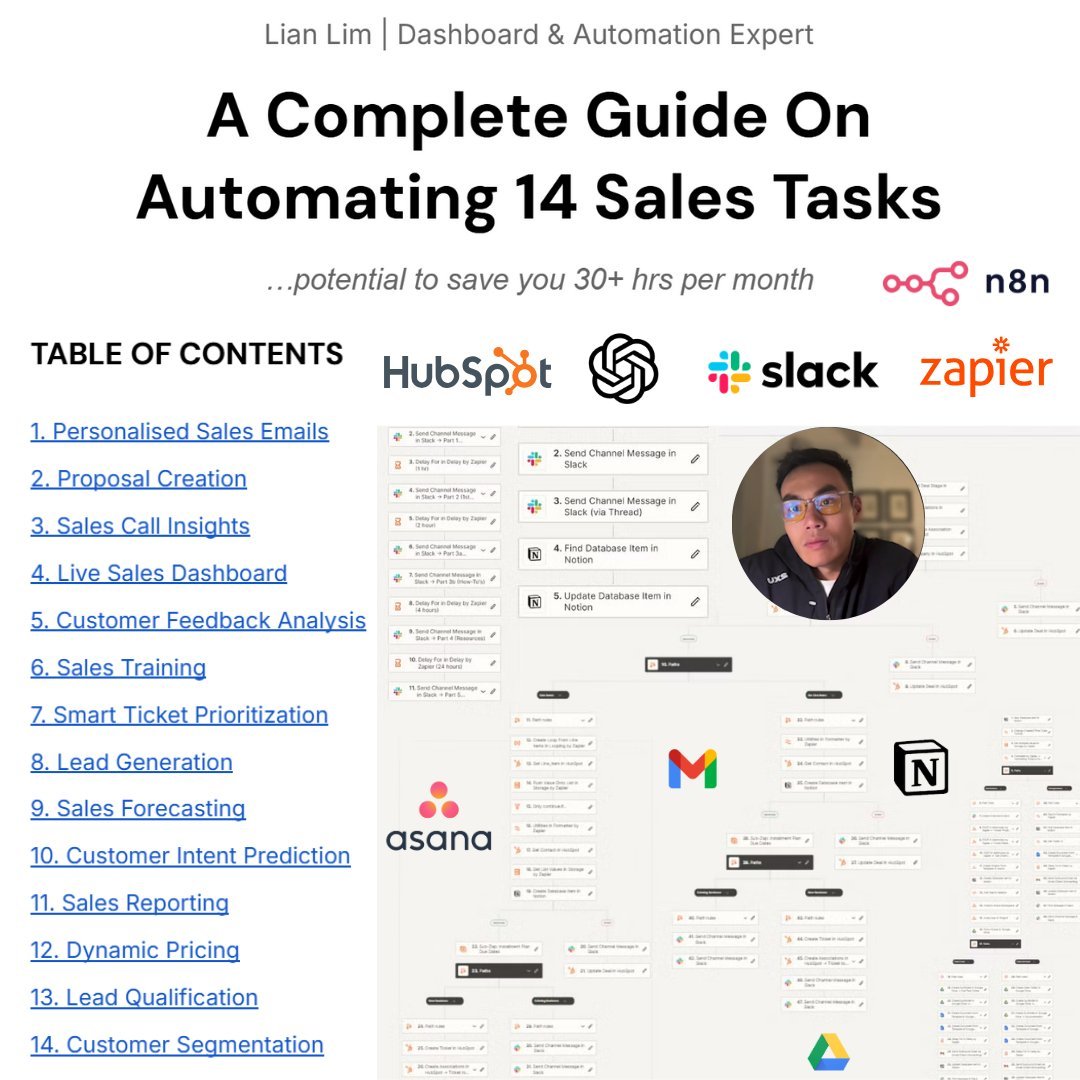
I've created a full guide on how to automate 14 sales tasks
Covered from lead capture and follow-ups to proposals, CRM updates, sales training, forecasting, and more
All these will save you so many hrs/mo
Like + Comment "AUTOMATE" and I'll DM you the guide
English
Fullystaked retweetledi

“Do not use your energy to worry. Use your energy to believe, to create, to learn, to think and to grow.”

English
Fullystaked retweetledi
The invisible Glass experiment
Scientists once placed a transparent glass barrier inside an aquarium.
On one side was a fierce pike, and on the other side were several smaller fish swimming freely.
When the hungry pike saw the smaller fish, it immediately rushed forward to attack.
Bang. It slammed straight into the glass and bounced back.
Confused, the pike kept trying again and again, but every attempt ended the same way.
The repeated collisions injured its head and knocked off some of its scales. Eventually, the pike became frightened and retreated to a corner of the tank.
After some time, the scientists quietly removed the glass barrier. The smaller fish now swam freely throughout the aquarium, even brushing against the pike’s mouth.
But the pike never tried to eat them again.
Even though it was hungry, it refused to attack. In its mind, the invisible wall was still there.
A few days later, the pike reportedly died of starvation, surrounded by food. This phenomenon is often referred to as the Pike Effect or Pike Syndrome.
It’s often used as a metaphor for how repeated failure can create invisible limits in the mind.
English