Garfield
193 posts
Garfield
@garfield_wu
Rector at St Luke’s Palermo Anglican Church; Missioner in Oakville area and beyond;
Oakville, Ontario Katılım Eylül 2014
174 Takip Edilen72 Takipçiler
中文
1/2. @Terenceshen has provided an excellent example of modern exclusion. His post is a catalogue of conjecture and insinuation designed to demonize supporters of @CUAMECANADA The clincher is in his last sentence:
Terence Shen@Terenceshen
EXCLUSIVE: A Chinese Group Facing Questions Over Foreign Influence Is Now Fundraising in Canada Tomorrow in Scarborough, a group called CUAME — Canadians United Against Modern Exclusion — is throwing a fundraising gala at Casa Deluz Banquet Hall. Tickets run $188 a head, $1,880 for a table of ten, $5,000 for a VIP table. The event has already been picked up by at least two Chinese-language media outlets. One report comes from a Toronto-based correspondent affiliated with Chinese Communist Party's Central Television, while another appears on a news website that features columns by Michael Chan, a Canadian politician often described as China-friendly, as well as coverage of community organizations such as the Chinese Canadian Alliance for the Promotion of Peaceful Reunification of China (Toronto Area), which has been described as part of a broader united front or pro-Beijing network, and related events. On paper, it looks like any other community fundraiser. It’s also the kind of event a group that may have links to foreign governments can use to build networks, win access, and expand its footprint in Canada. CUAME was launched last year by a number of well-known figures in the Chinese Canadian community. It pitches itself as a civil liberties shop pushing back against “foreign interference hysteria,” “national security overreach,” and fear of “the other.” But once you start reading what the group actually publishes — and look at who’s behind it — the pitch starts to wobble. Among the figures reportedly tied to CUAME are Senator Yuen Pau Woo and former senator Victor Oh, both long viewed by critics as among the most Beijing-friendly voices in Canadian politics, alongside former MP Paul Chiang, who stepped down after a controversy over remarks related to China. Read their public statements side by side and a pattern emerges: a lot of the arguments line up neatly with talking points you’d recognize from China-related policy debates in Canada. That isn’t proof of coordination. But it’s a pattern worth asking about. CUAME’s central pitch is straightforward. Canada, the group argues, isn’t really dealing with foreign interference — it’s dealing with “modern exclusion.” People are being unfairly targeted, the argument goes, just for having “benign ties” to foreign entities. Canada does have a real history of discrimination, from the Chinese Exclusion Act to the internment of Japanese Canadians. That history matters. But it shouldn’t be used to blur a different question: how does a country deal with covert or undisclosed political activity tied to foreign actors? That distinction is the whole game. Canada’s foreign interference rules are about transparency, not identity. They’re aimed at undisclosed political activity linked to foreign governments — not at people because of where they come from. When every conversation gets reframed as Sinophobia or exclusion, it gets harder to ask basic questions without getting branded a bigot for asking them. And that’s where the deeper issue sits. Influence today is rarely loud or obvious. More often it’s about shaping how a debate gets talked about — which words people reach for, what becomes uncomfortable to question. Push the conversation off “foreign interference” and onto “exclusion,” and you’re not just joining the debate. You’re rewriting its terms. CUAME’s own report leans heavily on historical injustice — racism against Black Canadians, Indigenous communities, and Muslims, particularly after 9/11. These are serious histories that deserve serious engagement on their own merits. But mapping them directly onto today’s national security debate isn’t a neutral move. It’s a rhetorical pivot, and a powerful one. There’s a well-documented pattern in how foreign governments — China most prominently — try to shape political outcomes outside their borders. Analysts and official reports have repeatedly described the use of community organizations, business associations, and cultural groups to do outreach, cultivate political relationships, and steer public debate around elections and policy. That work isn’t always direct, and it isn’t always visible. It often runs through narratives, networks, and advocacy that look completely independent on the surface but track closely with the interests of a foreign state. Which is exactly why transparency matters. Set against that backdrop, CUAME’s framing — and the network it’s building — raises real questions. Recasting foreign interference as “modern exclusion” is a powerful rhetorical move on its own. Building the donor base and political proximity that a $188-a-head gala generates is another kind of move entirely. CUAME has also brought one or two Muslim and Iranian participants into its public-facing roster, which lets the group present itself as a broader coalition of minority communities defending shared interests. That framing runs into trouble pretty quickly. Concerns about the presence and activities of actors linked to the Iranian regime, including the Islamic Revolutionary Guard Corps, have already produced real unease, and real opposition, inside parts of the Iranian Canadian community. Many of those voices are themselves calling for stronger safeguards against foreign state influence. That’s the contradiction. CUAME frames the issue as exclusion and fear of the other. Voices from inside the very communities it claims to speak for are raising the opposite concern: that foreign state influence is bleeding into Canada’s democratic space, and that the country isn’t paying enough attention. Against that, CUAME’s claim to broadly represent minority communities and their interests gets harder to square with what those communities actually sound like. One last detail worth noting: the venue for this fundraiser, Casa Deluz Banquet Hall, has also served as a regular location for Chinese consulate events, including Communist China's National Day receptions.
English
Garfield retweetledi

This November marks the 150th anniversary of the Synod of the Diocese of Niagara. To celebrate, Bishop Susan is hosting a special anniversary dinner at the Burlington Convention Centre and you're invited!
Purchase your tickets and learn more bit.ly/3U3swCI

English
Garfield retweetledi

Please join us for Evening Prayer here:
stlukesburlington.blogspot.com
PLEASE SHARE SO YOUR FRIENDS CAN JOIN US
Photo: PCStratman on Flickr.com
@StLukesBurl #stlukesburl #burlon #niagaraanglican #canadiananglican #eveningprayer #spirituality #KingdomOfGod #SSJE #Pentecost

English
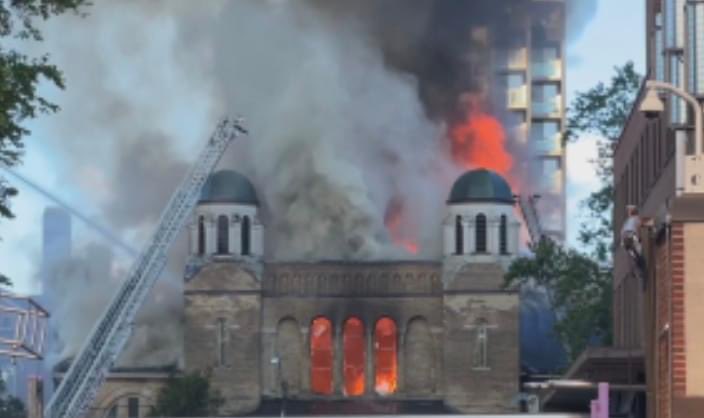
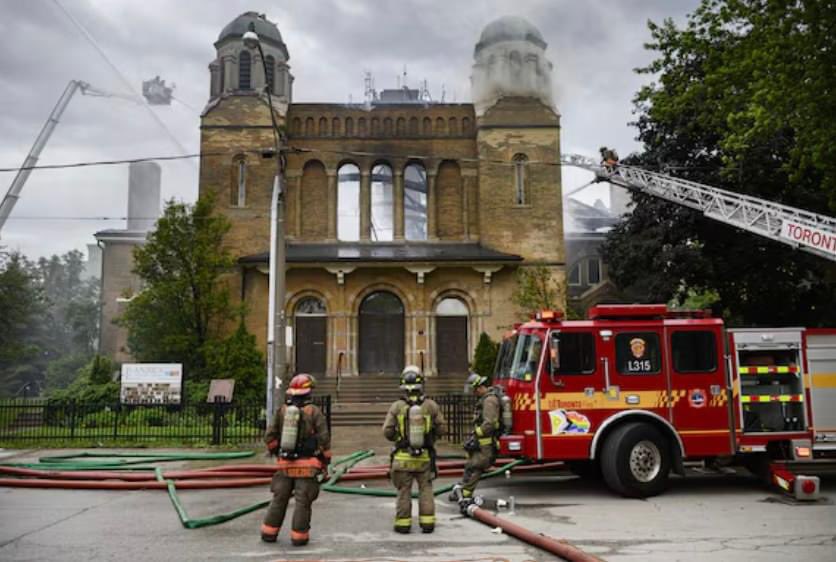
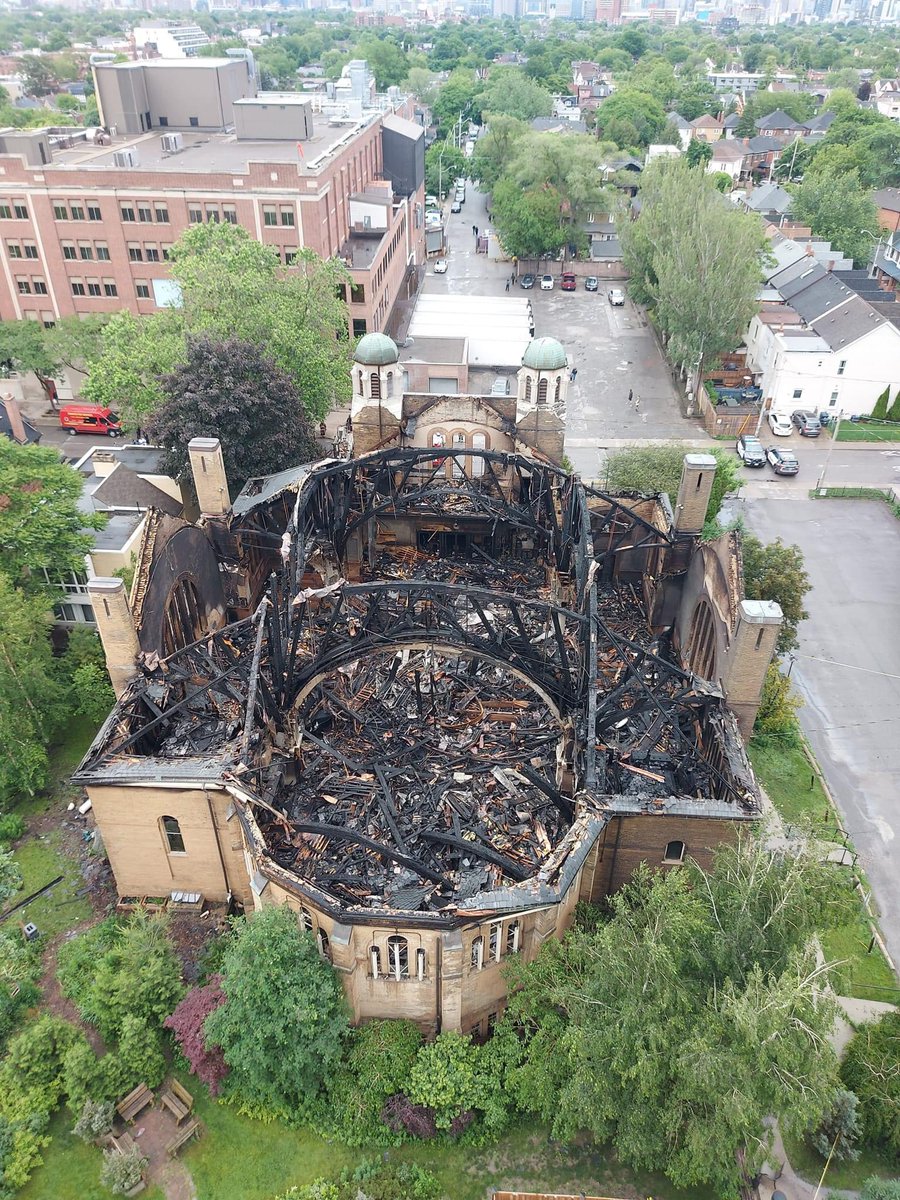
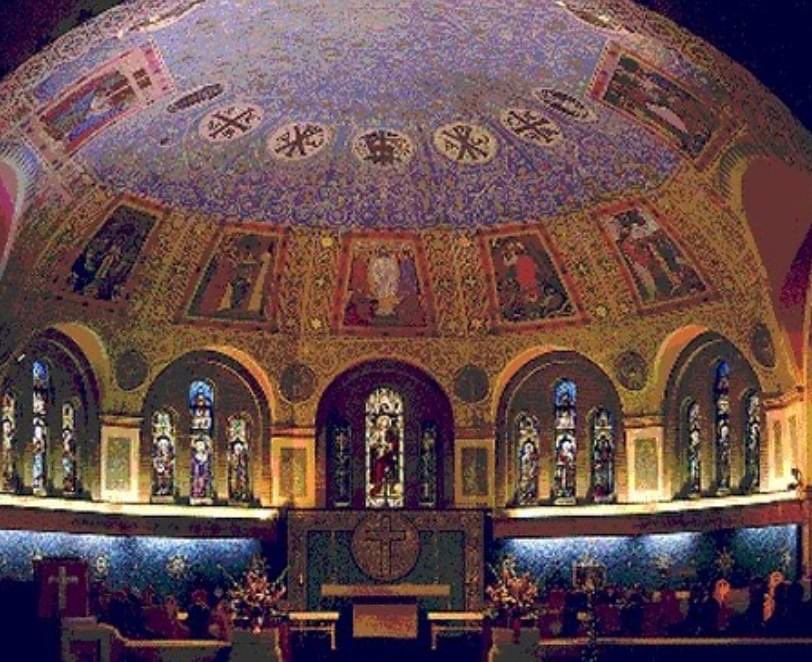
Heartbroken news today. My very first church when I arrived in Canada many years ago—St. Anne’s church has been devastated by fire. It was a beautiful church which served multiple generations of people.Canada and the world have certainly lost an irreplaceable art gem.
English
Garfield retweetledi
The Diocese of Niagara is seeking a full-time Treasurer and Director of Finance to provision its ministry and oversee finance and accounting functions.
Visit the link below to apply or share it with your friends!
charityvillage.com/jobs/treasurer…

English
Garfield retweetledi
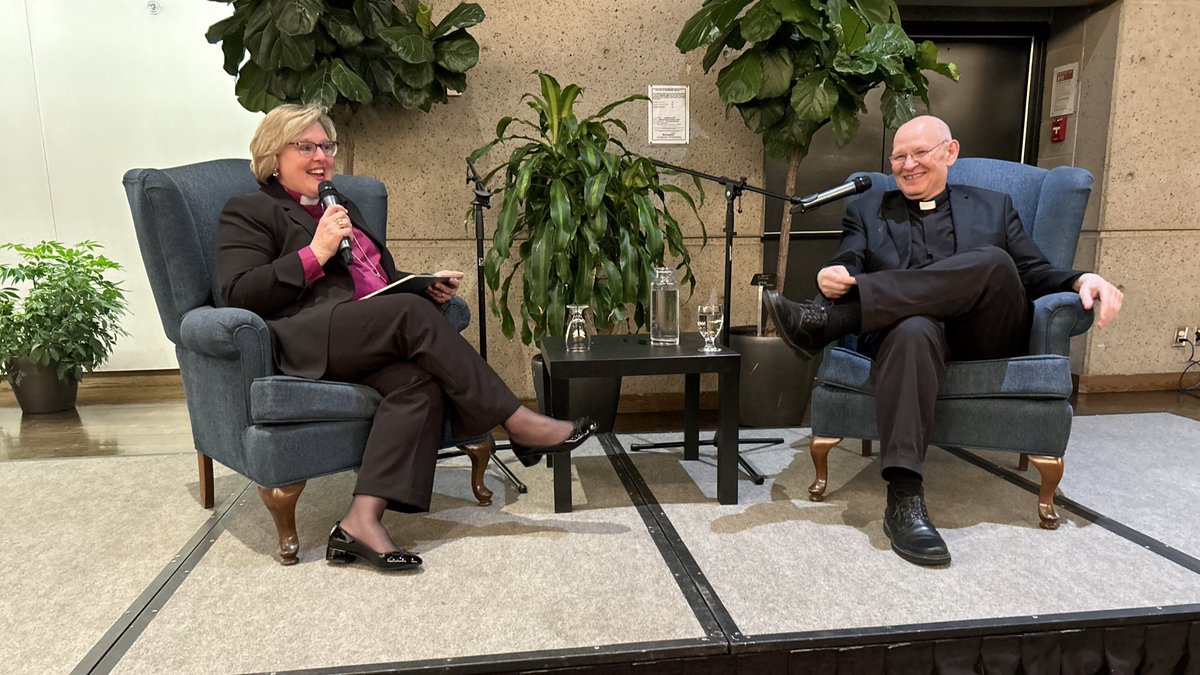
Members of the Bishop's Company and their guests enjoyed a lovely evening together on Tuesday at The Royal Botanical Gardens, featuring a captivating conversation between @BishopSBell and @michaelcoren. All funds raised support clergy and layworkers who are in extraordinary need.
English
Garfield retweetledi
"While Jesus blessed them, he parted from them and was carried up into heaven." - The Gospel of Luke
Today, on Ascension Day we celebrate the joyful moment Jesus appeared to his disciples and ascended into heaven to prepare a place for us.

English
Garfield retweetledi

.@PrimateLinda has announced that she will step down from her role on September 15, 2024. “The greatest joy has been to share in the relationship between God and God’s people through..." (1/2) anglican.ca/news/primate-o…
English
Garfield retweetledi
Funeral arrangements for Bishop Terry Brown have now been confirmed.
A service to celebrate his life will be held on Friday, May 3 at 1 pm at Christ’s Church Cathedral, Hamilton, with visitation beginning at Noon. A reception will follow in the narthex.

English
Garfield retweetledi
We are Hiring A Payroll Benefits and Pension Administrator for the Anglican Diocese of Niagara. To Learn the full details of the job and to apply visit ca.indeed.com/job/payroll-be…

English
Garfield retweetledi
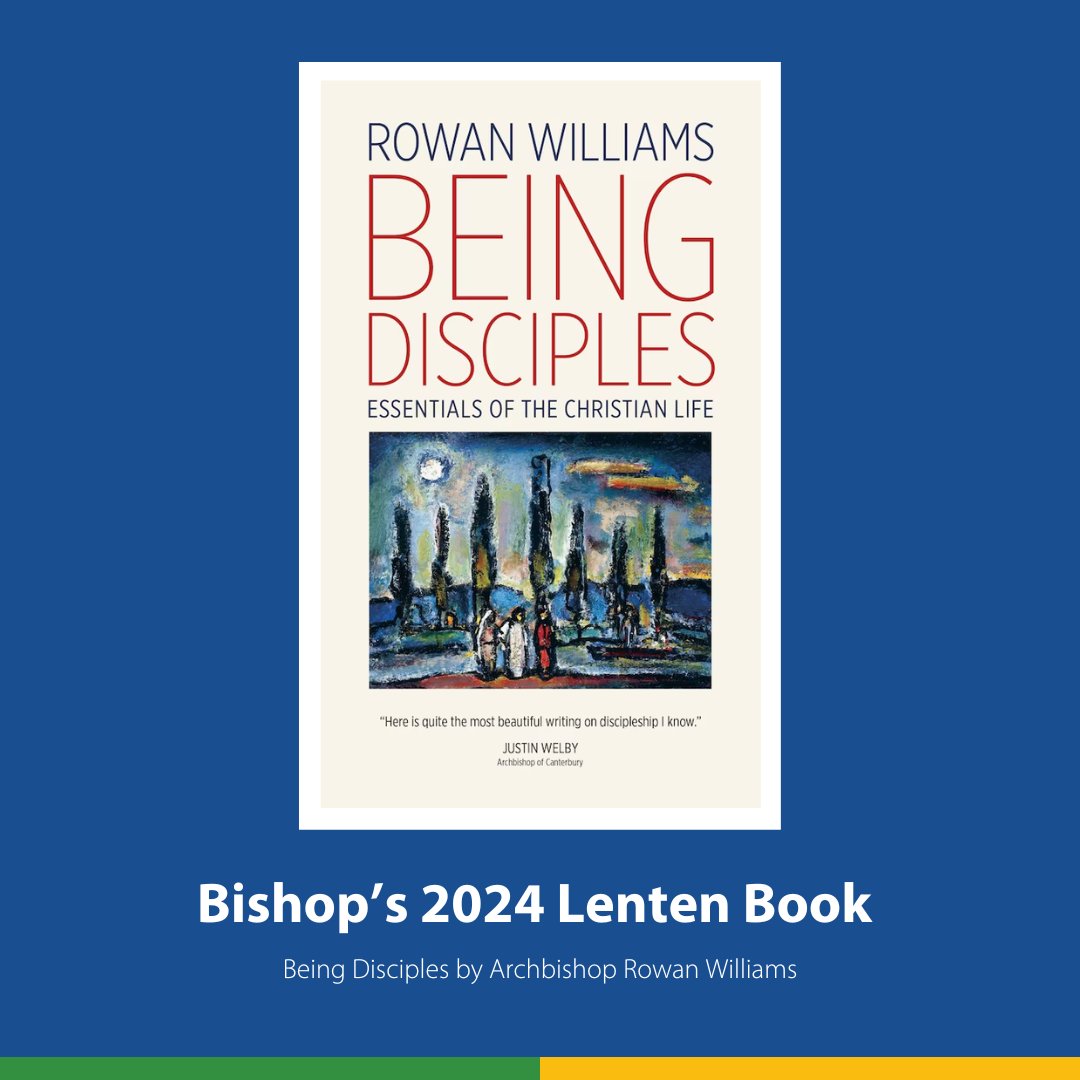
Bishop Susan Bell has chosen Archbishop Rowan Williams' book “Being Disciples: Essentials of Christian Life” as her 2024 Lenten Book.
niagaraanglican.ca/news/bishops-2…
English
Garfield retweetledi
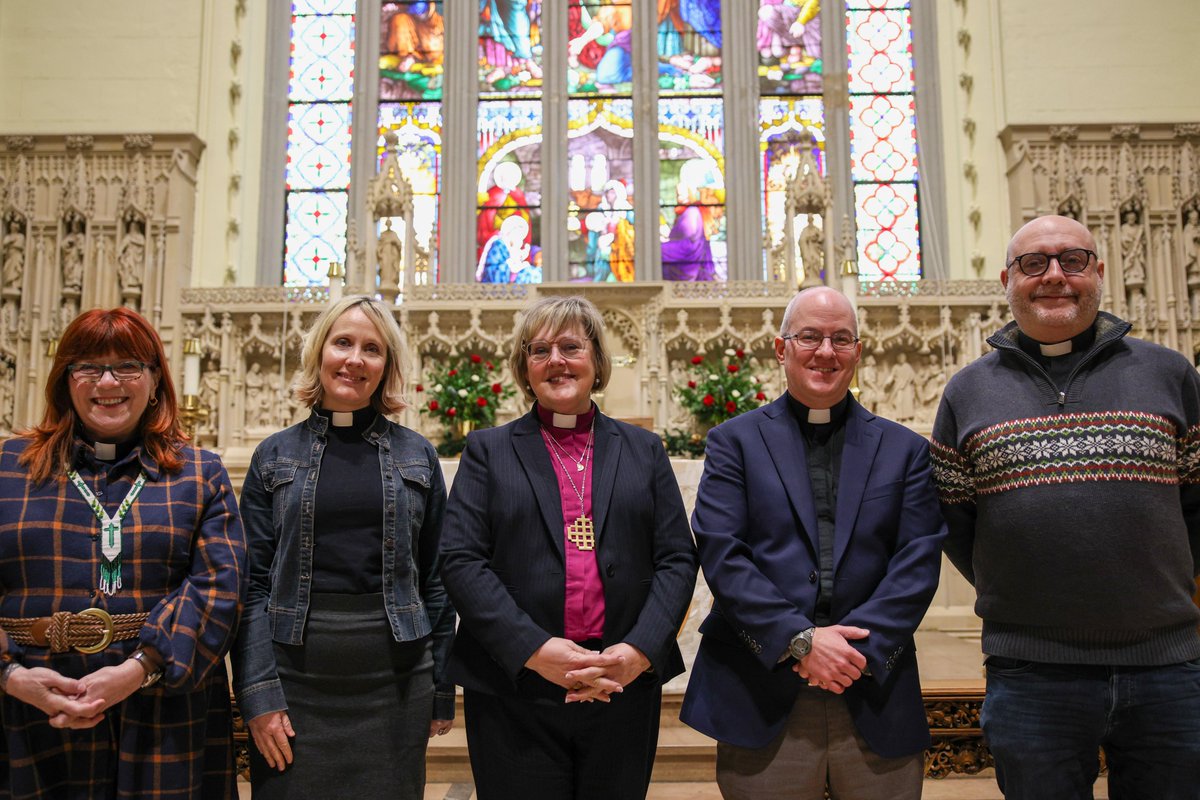
Today Jann Brooks, Martha Tatarnic, Tom Vaughan, & Ian Mobsby were instituted to their respective roles by @BishopSBell. Jann serves as the rector of St. Paul's in Caledonia, Martha & Tom as co-rectors of St. George's St. Catharines, & Ian as diocesan Community Missioner.
English
Garfield retweetledi

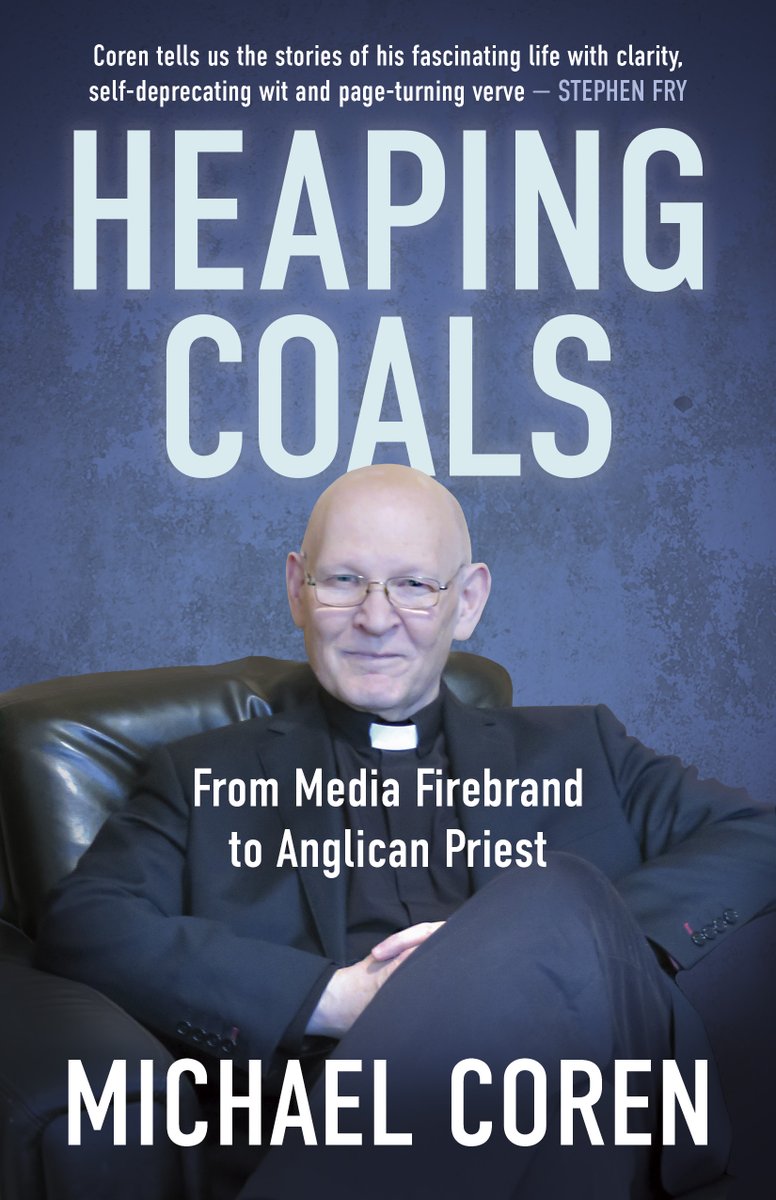
Writing a memoir exposed many memories - some good, some not. One thing I realised was that my worst work experiences often came in Christian media, liberal as well as conservative. That's so very sad. By the way, the book isn't published until October.
English
Garfield retweetledi
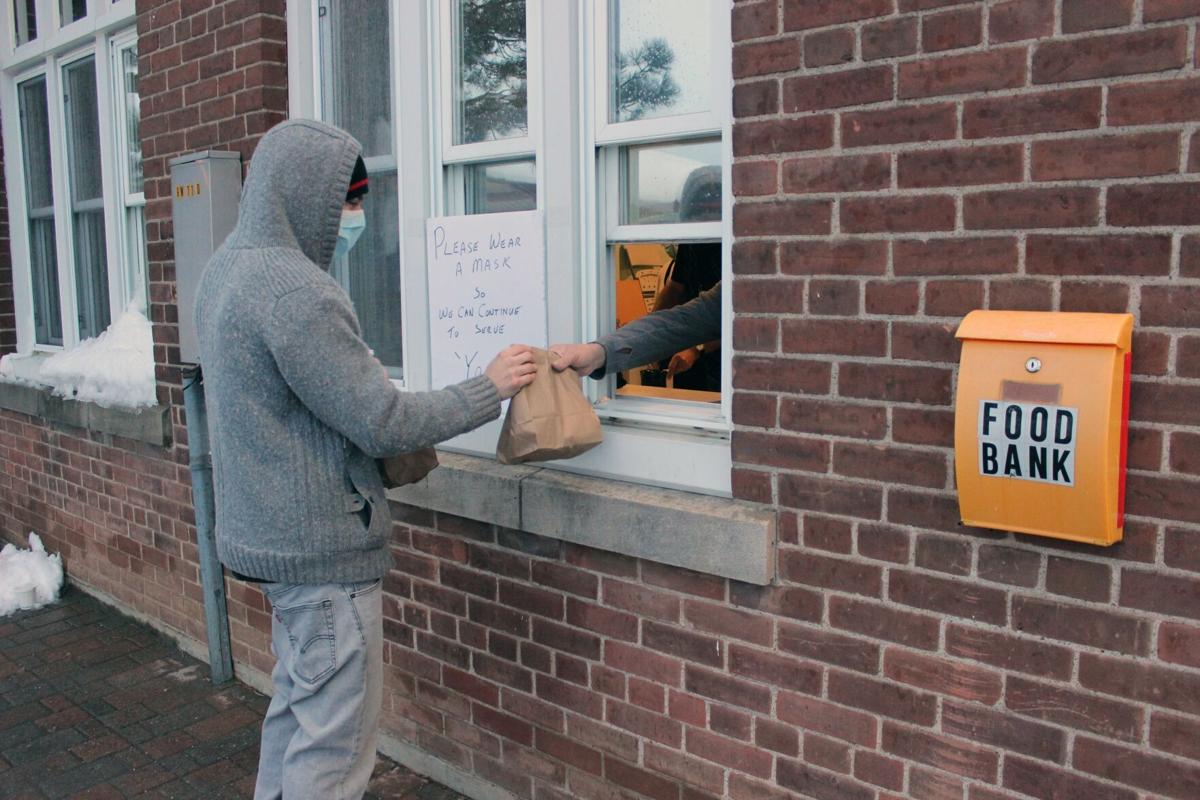
Last month you raised $10,000 for food security ministries across the diocese, matched by a generous donor, totaling $20,000 dollars spread to 22 parishes across the diocese!
niagaraanglican.ca/news/appeal-su…
English

@michaelcoren It broke my heart to read this news. 💔, Prayers for the brothers and sisters and their families. 🙏
English
Garfield retweetledi
I confidently expect the far left and young Muslims to march and protest throughout Europe and North America against this atrocity, the latest in a series of such gruesome slaughters.
christianpost.com/news/160-chris…
English