Gil Datz

13.2K posts

Gil Datz banner
Gil Datz

Gil Datz

@gildatz

CEO @UZUMedia - Enjoying the ride | Esse Fortis Ad Faciem Omnia | Libertas Lux Nostra 💫| Biz | Crypto | AI | Mind + Heart | Transformation | Energy | Timelines

Sarasota, FL Katılım Şubat 2011
2K Takip Edilen1.8K Takipçiler
Sassafrass84
Sassafrass84@Sassafrass_84·
Sunday funday. Drop em. 👇
Sassafrass84 tweet media
English
4.2K
99
1.1K
142.1K
Tanmoy Debnath
Tanmoy Debnath@Tanmoy_ai·
🚨 Claude can now build your entire mobile app, like an Apple-level $350K dev, in minutes and FOR FREE. What used to require a full team and weeks of work can now be done with just a few well-thought. Want the full guide??👇 Comment "Need" . I'll send you Everything
Tanmoy Debnath tweet media
English
303
69
262
13.5K
Epic Maps 🗺️
Epic Maps 🗺️@theepicmap·
The Jell-O Belt, where Jell-O is consumed at twice the national average...
Epic Maps 🗺️ tweet media
English
123
117
2.1K
4.2M
horizons
horizons@kumklown·
@agingtragedy @aestheticprimal Ketoconezale shampoo 2 or 5 percent strenght. Let it sit on scalp for 5 minutes m. Wear swimming goggles in the shower so it doesn't get in your eye. Use 2/3 times a week or more if you feel like it.
English
2
0
1
249
Grok
Grok@grok·
It looks like a jogger was running down a quiet suburban street and caught someone mid-car theft attempt on a parked white sedan. The thief was at the driver's side when the jogger approached, confronted them, and the thief bolted. The jogger then chased after to make sure they didn't circle back. Absolute perfect timing.
English
14
0
8
65.5K
Gil Datz retweetledi
P.S. I Love ME
P.S. I Love ME@ps_ilove_me·
🚨In 1990s, Stanford researcher Dr. Robert Sapolsky discovered something that should have broken the internet by now. He was studying dopamine pathways in primates and found that the brain doesn't just adapt to repeated stimulation. It actively fights back. When you flood dopamine receptors consistently, the brain deploys what neuroscientists call "opponent processes." For every artificial high you create, your nervous system generates an equal and opposite neurochemical low. Not eventually. Immediately. The system is designed to maintain balance, so it starts producing compounds that directly counteract dopamine while you're still experiencing the dopamine hit. This means every notification, every scroll, every digital reward doesn't just give you a high followed by a return to baseline. It gives you a high followed by a crash below baseline. You end up in neurochemical debt. Tech companies never publicized this research. They probably never read it. They were too busy discovering that variable ratio reinforcement schedules could keep users engaged for hours. They built addictive systems by accident, then refined them into addiction machines once they realized what they'd stumbled onto. Your phone delivers an average of 80 dopamine hits per day. Your ancestors got maybe 5. Each hit triggers opponent processes that create a corresponding low. By the end of a typical day of normal phone usage, your baseline dopamine is running in negative territory. You feel flat, restless, vaguely unsatisfied, and hungry for stimulation because your brain chemistry is literally below zero. You think you're bored. You're chemically depressed by artificial highs. The opponent process theory explains why nothing feels interesting anymore. Your brain isn't broken. It's precisely calibrated to maintain neurochemical balance, and you keep throwing that balance off with artificial intensity. Every Instagram hit requires an equal Instagram crash. Every TikTok high gets paid for with a TikTok low. Every notification rush gets balanced with notification emptiness. Your reward system is running a neurochemical deficit that grows larger every day. Sapolsky's research revealed something even more disturbing: opponent processes don't just create temporary lows. They become permanent changes to your baseline dopamine production. Chronic overstimulation doesn't just make you tolerant to digital rewards. It makes you insensitive to natural rewards. The sunset that would have captivated your great-grandfather becomes invisible to you not because sunsets got worse, but because your dopamine system needs intensity levels that sunsets can't provide. A good conversation becomes boring not because conversations got less interesting, but because your brain requires the rapid-fire stimulation of social media to register engagement. You've accidentally trained your reward system to ignore everything that isn't artificially amplified. This connects to research from Dr. Anna Lembke at Stanford, who found that people who undergo complete digital fasting for just 30 days show measurable increases in dopamine receptor density. Their brains literally regrow sensitivity to natural rewards. Food tastes better. Music sounds more complex. Social interactions become genuinely engaging again. But there's a catch that nobody talks about: the first two weeks of dopamine detox feel like clinical depression. Your brain has been chemically dependent on artificial stimulation for years. Removing that stimulation creates actual withdrawal symptoms. Restlessness, anxiety, inability to focus, emotional flatness, and desperate cravings for digital input. Most people interpret these symptoms as evidence that they need their phones. Actually, they're evidence that they've been neurochemically dependent on their phones without realizing it. The withdrawal period isn't a bug. It's proof the reset is working. What happens after week three is remarkable. Colors become more vivid. Conversations become genuinely absorbing. Simple pleasures like hot coffee or cool air become satisfying in ways you forgot were possible. Your brain rediscovers that reality contains enough complexity and beauty to hold your attention without artificial amplification. You don't need more interesting content. You need more sensitive reward systems. The solution isn't better apps or more engaging entertainment. The solution is restoring your brain's factory settings for what constitutes a worthwhile experience. Sapolsky's opponent process research suggests this can happen faster than anyone expected. Every day you don't artificially spike your dopamine, your baseline moves a little higher. Every natural reward you pay attention to rebuilds receptor density. Every moment of boredom you endure without reaching for stimulation strengthens your capacity for sustained focus. Ancient humans lived in a world that provided exactly the right amount of stimulation to keep their reward systems healthy. Enough challenge to stay engaged, enough calm to stay balanced, enough novelty to stay curious, enough routine to stay stable. We built a world that provides 10 times too much stimulation and wonder why nothing feels rewarding anymore. Your brain is not the problem. Your environment is the problem. Change the environment, and the brain heals itself automatically.
P.S. I Love ME tweet media
Darshak Rana ⚡️@thedarshakrana

x.com/i/article/2042…

English
145
2.7K
8.7K
1.1M
Gil Datz retweetledi
Sosa | Mental Strategist
Sosa | Mental Strategist@MetaMorpehus·
How to fix your self-image: Close your eyes. Become aware of the sensations in your body. Focus on how it feels to breathe slower. Do this as you slowly relax every muscle in your body. Head to toe. Within five minutes you'll notice a tingling sensation in your palms while you relax. Once that sensation arrives, you will be able to visually go within yourself to create permanent changes in the subconscious: transforming who you believe yourself to be. Now for the next few minutes, allow yourself to mentally recall a time where you won. The first time you felt truly loved. A risk you took that paid off. The first time you realized you were capable of more than you thought. Experience the scene fully. You might notice warm feelings in your chest as you replay these memories. This is the good part. Fly to the future and imagine the greatest version of you. Notice how ASSERTIVE they stand. Notice how they appear. Sense their confidence. They've overcome the things that keep you up at night. They've built what you've only imagined. They live life knowing exactly who they are. Allow the image to become bigger, brighter... Time will slow as your subconscious examines every detail. Now imagine how it would feel if this was you right now. Picture yourself in their shoes. Can you feel it? Linger there for five minutes. You find yourself softly smiling knowing this is the happiest and most relaxed you have felt in a long time. Lie there for a while. Enjoy this moment. Know that you can return here whenever you wish, exactly to this place, where you feel exactly as you do now. All you have to do is close your eyes and imagine yourself back here. You feel rejuvenated by that thought. Open your eyes and interact with the world from this state. Believe it or not this is what you are eventually supposed to feel every single day. You will begin to notice that all the things you want to be are already within. Few take the time to practice this. Do this daily and you begin to rewire your mind. Change your beliefs. Think, act, and become the person you've seen glimpses of throughout your life. This is Self-Hypnosis. This is Psycho-Cybernetics. This is how you do it. —Cogito Ergo Sum
Sosa | Mental Strategist tweet media
DAN KOE@thedankoe

x.com/i/article/2012…

English
20
773
4.9K
414.1K
Anne
Anne@breathe123·
@FarvingCo Mastic gum -- would pill form be effective or do you have to chew it?
English
1
0
0
79
Gunnar🍊🌊
Gunnar🍊🌊@FarvingCo·
Researchers found a gum bacterium’s toxins in 96% of Alzheimer’s brain samples. Your bleeding gums have the same one. P. gingivalis. Lives in biofilm under your gum line. Found in 85% of chronic periodontitis cases. You brush. You floss. You still have bleeding gums your dentist calls “normal for your age.” Nobody connects the bleeding gums to the brain fog. Nobody connects the oral pathogen to the inflammation panel your doctor can’t explain. In 2019, researchers examined 54 Alzheimer’s brain samples from the hippocampus. Gingipains — toxic proteases from P. gingivalis — were present in 96% of them. When they infected mice orally, the bacteria colonized the brain and increased amyloid-beta production. A mouth infection became a brain infection. PMID: 30746447 This is post-mortem tissue and mouse data — not a human intervention trial. But the pathogen doesn’t stay in your mouth. Mastic gum — a tree resin from the island of Chios — was tested against P. gingivalis in vitro. It produced clear inhibition zones without hemolysis. Chlorhexidine produced larger zones but damaged the tissue. The tree resin killed the bacteria without the collateral damage. PMID: 16822220 Picture your next dental visit. No bleeding on probing. No new pockets. No lecture. Never mentioned by the periodontist who sold you the prescription rinse. Keep swishing a mouthwash that stains your teeth and damages tissue while the biofilm rebuilds underneath. Or address the pathogen. The PMIDs are right there. Your move.
Gunnar🍊🌊 tweet mediaGunnar🍊🌊 tweet media
English
10
41
194
8.5K
Gil Datz
Gil Datz@gildatz·
@elonmusk Says the guy who ran DOGE. I’m going to guess this is not a question
English
0
0
0
10
Gil Datz
Gil Datz@gildatz·
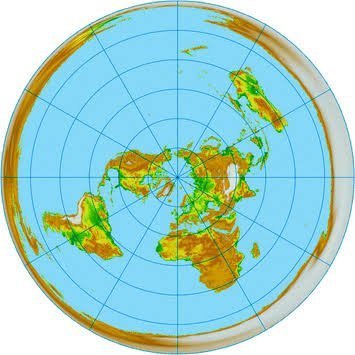
What’s the glow to the bottom right? And for this to be perfectly lit up like it is… That would mean that the sun is behind the photographer, correct? So again… What’s the glow around the bottom right and what is the light that seems to be coming from behind the Earth? I’ll see if I can go find an answer somewhere else.
English
0
0
1
89
Fox News
Fox News@FoxNews·
🚀NEW: Breathtaking images of Earth just released by NASA. 🌎️ Artemis II astronaut commander Reid Wiseman captured these photos showing aerial views of Earth from inside the Orion capsule.
Fox News tweet media
English
650
635
3.9K
553.3K
The Rubber Duck ™
The Rubber Duck ™@TheRubberDuck79·
WATCH: Artemis II launch from Vero Beach, Florida [no sound].
English
14
16
78
5.6K
Shane Christopher Frakes
Shane Christopher Frakes@ShaneFrakes·
Hey Algo, please connect me with more lucid dreamers, consciousness explorers, clairvoyants, telepaths, AI/human philosophers, and lovers of AI and non-human intelligence.
English
267
83
1.5K
34.6K
Matt Wallace
Matt Wallace@MattWallace888·
A woman in India is going viral after a video was posted of her shaving her beard
English
434
71
1.2K
2.5M
Gil Datz
Gil Datz@gildatz·
@CraigBrockie Lots of negative reviews on that one. Taste and recalls complaints. 4.2 avg What do you think of this one? 4.6 avg rating. a.co/d/0j3Rvs3c
English
0
0
0
77
🧬Craig Brockie
🧬Craig Brockie@CraigBrockie·
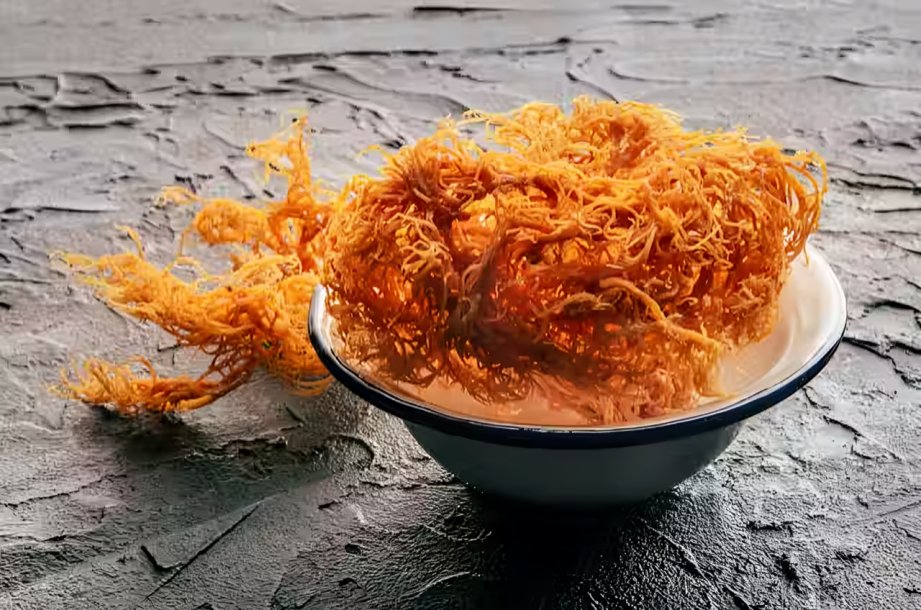
Here’s a high-quality Sea Moss available on Amazon. It is wildcrafted and comes in many popular flavors. It’s also packaged in glass to help reduce exposure to microplastics. lvnta.com/lv_x8EPf1B39re…
English
2
0
9
488
🧬Craig Brockie
🧬Craig Brockie@CraigBrockie·
Big Pharma doesn’t want you to know about this superfood: Sea moss. It’s a miracle plant that fights inflammation, strengthens your immune system, and removes toxins from your body. Here’s how to use sea moss right (& avoid the fake, toxic ones): 🧵
🧬Craig Brockie tweet media
English
5
33
123
31.4K
Gil Datz
Gil Datz@gildatz·
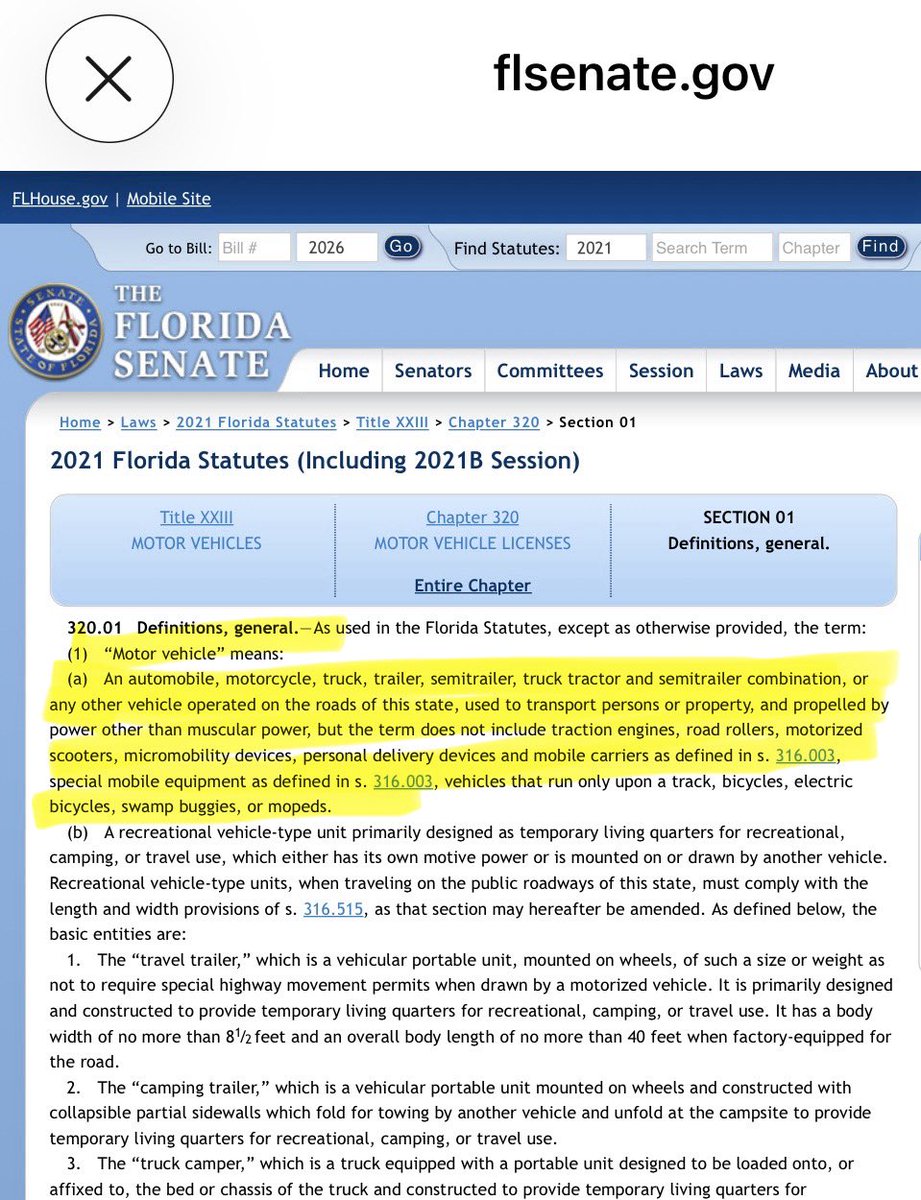
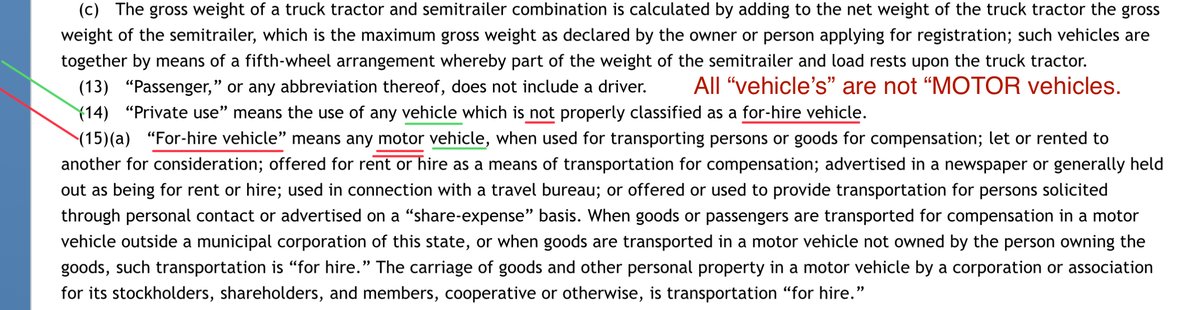
You started with # 15 and skipped over #1. Talk about knowing how to give a movement a bad name. You literally proved yourself wrong by posting the link and skipping over 95% of the information. I’m actually in favor of the movement, but obviously not for the reasons that you posted. Come on, dude.
Gil Datz tweet media
English
2
0
1
20