𝖌ĭ𝖒𝖘𝖍𝖑
396 posts

𝖌ĭ𝖒𝖘𝖍𝖑
@gimshl
formerly @dixiecatholic (Abram), nuked my account in 2022.


Minimalism is evil. This is how man is meant to live. Everything you have and touch should be teeming with life and character.


.@POTUS: The first Americans saw themselves as free men, carrying forward the ancestral liberties and ancient rights of the Anglo-Saxons into this New World. In the eyes of America’s Founders, our War for Independence was fought not to reject this heritage, but to reclaim it and perfect it.


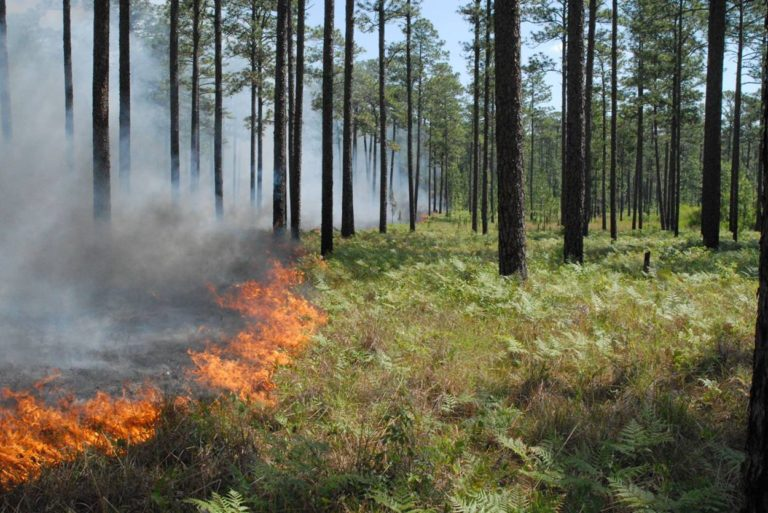
So, the reason I'm a little bit excited (despite RIP like 100 houses and counting) is exactly this. What you see burning there, despite its incredible beauty-- the scorching pine forests, an incredible sight-- is the possibility of Longleaf. What's burning is timberstock loblolly, and the longleafs can basically *only* grow after a heavy burn. Loblollies and slash pines grow fast enough that Scirrhia acicola infections don't get to them, but unless the area has been absolutely fucking scorched, longleaf pines will get infected as saplings and die.


“Iran fired two intermediate-range ballistic missiles at Diego Garcia… Neither of the missiles hit the base, but the move marked a significant attempt by Iran to reach far beyond the Middle East and threaten U.S. interests… One of the missiles failed in flight, and a U.S. warship fired an SM-3 interceptor at the other…” wsj.com/livecoverage/i…

The Worst Possible Moment About 50% of the nitrogen applied to U.S. corn goes in during spring planting. A vessel loaded in the Persian Gulf today takes 30 days to reach a U.S. port And another 3 to 4 weeks to reach interior farm markets. The American Farm Bureau Federation sent an urgent letter to the White House on March 9th. And their message was direct: fertilizer is stranded in the Middle East during the most critical window of the agricultural calendar. Agriculture Secretary Brooke Rollins confirmed publicly that roughly 25% of American farmers have not yet secured their fertilizer for this spring. The choice facing those farmers is ugly. They can reduce nitrogen application, switch from corn (which needs heavy nitrogen) to soybeans. Or, absorb the cost and bet on crop prices recovering. None of those options are good. One Iowa corn grower put the math in plain terms. Anhydrous ammonia cost him $492 a ton in 2021. By January 2025, it was $745. Corn prices barely moved. Now add the current shock on top of that. At current levels, it takes roughly 133 bushels of corn to buy one ton of urea, the highest ratio since the 2022 spike.

If the Iranian missile program was getting to the point of being able to hit Diego Garcia, suddenly the timing and urgency of this war makes a lot more sense.


Inflation coming to a grocery store near you