Rob Waft retweetledi
Rob Waft
10.7K posts

Rob Waft retweetledi

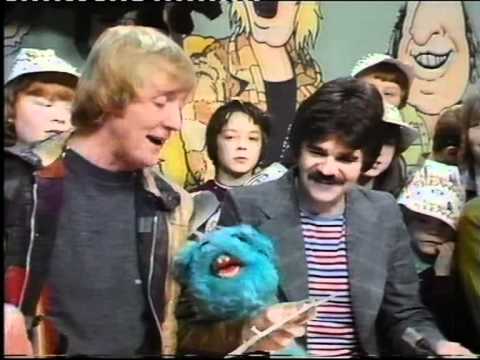
@realrossnoble Bob Carolgees had a cat called...Cough the Cat.
(And the third tenor was José Carter's)

English

@LaikaTone They do a Tracked 72 service, but they still call it Tracked 48.
English
Rob Waft retweetledi

It is Holocaust Remembrance Day and I would like to post some thoughts. My first thought is that we do not remember anymore. My second thought is that we have never remembered well enough.
People have become quiet, perhaps fearing that remembering 6 million dead entails some other thought. It is a gruesome fact that this entailment has been created in so many minds. That good people stay silent out of fear. That there is this ugly cloud around remembrance itself. This should all be rejected. We should remember what happened because it happened.
Here is what I would like people to know: We never have truly remembered the Holocaust because we never truly knew the Holocaust. The depths of that evil are truly undiscoverable.
People say this insulting thing--that we place Holocaust remembrance above all else. I say we most certainly have not. We do not even know the Holocaust enough to remember it, much less elevate it. And once you learn it, it is a unique event in human history.
When the camps were liberated, there was little mention of Jews specifically. The Nazis were so depraved to so many. The world was an antisemitic place. The initial news reports were of the horrific treatment of POWs. People could not comprehend what had happened to these men in these camps. It broke the human mind.
General Patton vomited when he visited Ohrdruf. Eisenhower wrote that "the visual evidence and the verbal testimony of starvation, cruelty and bestiality were so overpowering as to leave me a bit sick." Soldiers doubled over, throwing up. At Dachau, soldiers could smell death and decay five miles before they reached the camp. One liberator recalled seeing soldiers vomiting, crying, experiencing disbelief and rage. Nurses wrote of seeing "human wreckage, living skeletons, diseased, infested with lice and maggots."
That is what happened to the POWs; What happened to the Jews was worse.
And that greater suffering of the Jews? That is another part of this story many of us have never known well enough to properly "remember."
So many in Europe had suffered so horrifically that they resented the Jews for suffering worse. After liberation, Jews were forced into displaced persons camps alongside antisemites and individuals who had harmed Jews during the war--housed together with displaced Germans and Austrians, many of whom had been Nazi collaborators, until Earl Harrison's 1945 report led to separate Jewish camps. Harrison wrote that "we appear to be treating the Jews as the Nazis treated them except that we do not exterminate them."
When Jews returned to their homes after liberation, much of the rest of Europe turned on them. Stealing their clothes and their homes. Beating them to death. Telling them the Germans should have made soap from their bodies. These are things we do not remember because we never knew them in the first place.
Another thing we never knew: the safest place in Europe for European Jews after the war was Germany, where Allied Forces could protect them. These Jewish survivors lived in worse conditions than any other group of survivors. They were not recognized as special. They were recognized as lesser. Their pain was held against them. Their lack of statehood, too. The horror of these conditions led the Americans to eventually pressure the British to open greater immigration gates to British Mandated Palestine. Millions of displaced people; the Jews were treated as the least among them. That is the aftermath of the Holocaust. A history we do not know enough to remember.
We have never truly held this history in our popular imagination. The sardine packing used by the Einsatzgruppen in Lithuania and other Soviet territories; the death camps in Poland. Everyone calls everything else "The Holocaust" these days, but few things are like the Holocaust. Josef Mengele conducted experiments on twins, sewing children together to create conjoined twins. Prisoners were subjected to bone grafting experiments without anesthesia. Mengele injected dye into the eyes of children attempting to change their eye color. Prisoners were deliberately infected with typhus, malaria, and other diseases to test treatments. Limbs were amputated and doctors watched them attempt to heal, or transplanted bones to observe nerve regeneration.
Women were subjected to sterilization experiments. They did the sardine packing—forcing naked people to lie facedown in rows in deep pits, then shooting them, with the next group ordered to lie on top of the bodies and then shot, layer upon layer. They kept a list of every Jew in Europe, including the youngest children, and hunted them all down across the entire continent until 6 million were murdered. They became more and more psychopathic as time went on. Augmenting each other in their lust for Jewish death and suffering.
When you actually learn about the Holocaust, it is a human horror story unlike many others, at least in our direct domain of experience in this Western world. Jews were ignored at best after the Holocaust; at worst, murdered by their neighbors. Formal Holocaust remembrance days weren't established until the late 1970s in the United States. Even then, this word, "Holocaust," was opposed by many survivors. "Holo" means "whole." "Caust" is from the Greek kaustós, meaning "burnt." "To burn in whole."
Many Jews, including survivors, fought against the term; it felt sacrificial. It was only in the late 1980s and 1990s that "Holocaust" remembrance itself became a "thing." Schindler's List was, at the time, revolutionary; yet people treat this all now as if it had been forced upon them. Now, with this history we do not remember and/or malign, we march around the world and say, "Oh, this is like the Holocaust."
Were children hunted down across a continent? Were people injected with disease? Were limbs amputated to watch them heal? Were they packed into "sardines" to be executed—generations upon generations removed from this earth? When one method of mass murder--shooting--proved insufficient for the scale of murder desired--were more "efficient" mechanisms adopted? Are the names of millions still missing because literally no one was left to remember they ever existed at all?
I do not think we remember well now. I do not think we have ever remembered well at all. Because I do not think we have ever really understood what happened there, in Europe, to Jews. It is a very sad thing, I believe, if we turn back time so far that we bring ourselves to 1945, when the rest of Europe said to the Jews who survived: "I hate your survival. I hate your suffering, too." We should do better, for the sake of history, if nothing else.
English
Rob Waft retweetledi

🚨As of yesterday, the Islamic regime opened up the Internet at around 30% connectivity. Forced to do it for their own interests as the country was near to complete paralysis.
As such, hundreds of videos have now come through on the telegram channels. I’ve seen about 10% of them. I have now stopped.
We always knew what this regime was capable of. The cruelty, savagery and barbarism that I am seeing now is on a different level. It is not just the foreign militias hired by the regime from Iraq and Afghanistan to do their dirty work. It is also Iranian security forces against their fellow countrymen, unarmed civilians.
The numbers being killed each day is increasing at such an alarming rate it is beyond shocking. Bodies are piled up on the streets of the major cities in black bags like garbage. Equally staggering is the silence and inaction by the international community.
Hitler tried to exterminate the Jews. What we are witnessing in Iran in real time is a government trying exterminate a segment of their own population that that does not agree with them. Even if it’s the majority, there is no stopping them.
What gives people in Iran hope is us not looking away. But most importantly - in the brief moments the internet allows them - to glimpse messages of support from people on here. Because it make them feel less lonely.
All eyes on Iran.
#R2PforIran (responsibility to protect R2P)
#IranMassacre
English

@Neko_Akage @holly @Baddiel It's true. You'd walk in and if it wasn't sleeping, it would lift it's head and look directly at you, "Yes?" #Catcierge
English
Rob Waft retweetledi

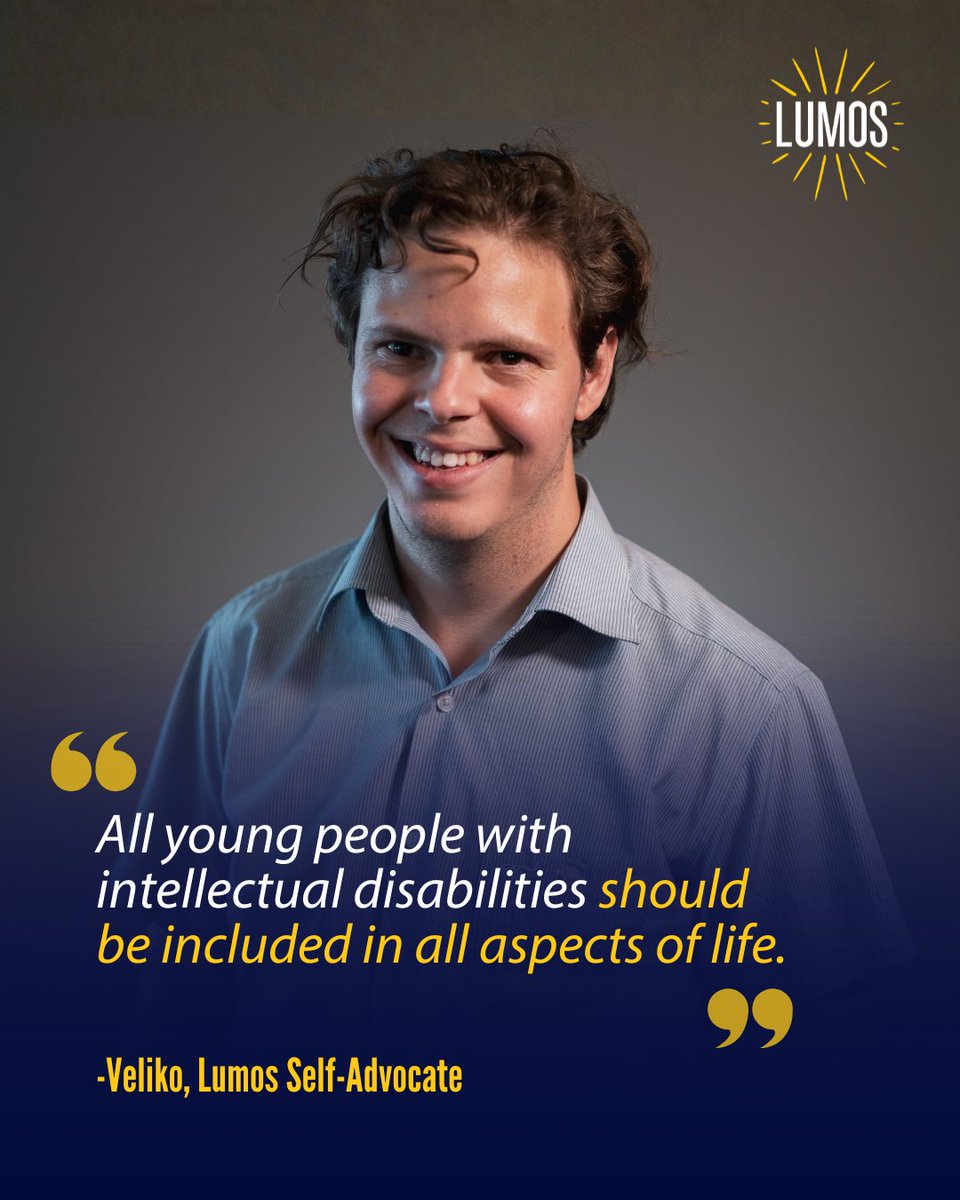
Veliko was just 12 when he began speaking up for classmates in Bulgaria who were experiencing violence and bullying at school.
That early act of self-advocacy sparked a journey that led him to help campaign for the rights of children living in institutions and for young people to have a say in decisions that affect their lives.
By 2015, Veliko joined Lumos to represent these issues on the international stage at the UNESCO Youth Forum. His advocacy helped reduce violence at his own school, and he later became the first young person with an intellectual disability to sit on Bulgaria’s National Youth Parliament.
Now aged 26 and a graduate in Social Services and Social Management, Veliko remains committed to supporting children with disabilities and challenging the harms of institutionalisation.
He dreams of more opportunities to advocate for children with disabilities growing up without parental care in institutions.
Learn more about the impact of institutions on children, including children with disabilities, and why this model of care is wrong ➡️ wearelumos.org/why-were-here/…


English
Rob Waft retweetledi

🚨News of the horrendous crimes against humanity in Iran over the last 48 hours.
🚨 An estimated 7,000 killed by regime forces. Western outlets and human rights groups outside the country put it at 650 but news from inside have it closer to the number above. Many of them young girls and teenagers, I’ve seen the videos and they are too horrific to share. Yet STILL they are out on the streets in massive numbers.
This situation is unprecedented. The most remarkable story of revolution I’ve ever seen. Berlin Wall 1989 comes close - and I was there - but this is different. Very different.
The people on the streets are ordinary civilians, some of them sick, some even in wheel chairs. But the majority are young and they are fighting with all they have. And if they’re to have any kind of life ahead of them, they know there’s no way back from this. It’s a war of attrition never seen before with little to compare it to. In layman’s terms it’s do or die.
With 5 days of internet shut down and black outs so the regime can kill at will, it’s time for us to speak up. The world needs to act. We are on the precipice of something seismic.
#IranRevoIution2026
English

All true, Gerard. But the insight and complexity of your answer is more evidence of - as I say - the profundity of the question.
Gerard Sans | Axiom 🇬🇧@gerardsans
A shadow is not the light or the object, but a pattern that arises from their interaction. As the light moves or the object changes, the shadow shifts. Thought works the same way. It is not atoms themselves, but an emergent pattern shaped by many changing variables. Physiology alters the conditions, like changes in light, while education and life experience shape the object casting the shadow. The so called hard problem is an artefact of an older way of thinking, rooted in reductionism and dualism that forced reality into false categories. When we let go of those constraints, thought no longer appears mysterious, but as a natural consequence of complex, dynamic systems.
English
Rob Waft retweetledi

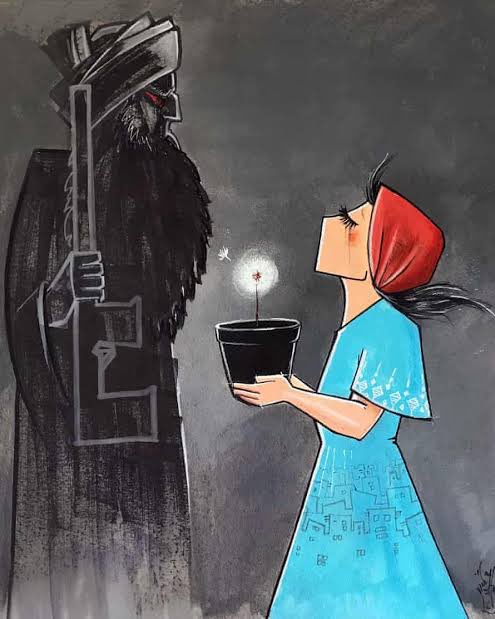
Message from Afghan woman
Please read and share:-
Life for a woman in Afghanistan is beyond belief. Many people may not know what happens outside the home — but what happens inside, behind closed doors, is even worse.
We are forced to endure abuse from both husbands and mothers-in-law. I cook, clean, and wash all day, but I’m still mistreated. My husband beats me.
Once, my mother-in-law told him that I was secretly studying on my phone — and he took my phone away. I feel completely trapped.
Sometimes I think about ending my life, but when I look at my little daughter, I stop — for her. Still, I feel powerless.
Yet whenever my husband is not home, I study in secret.
I want to share my voice with the world.
Please read my message, support me, and be the voice for Afghan women.
@jk_rowling

English
Rob Waft retweetledi

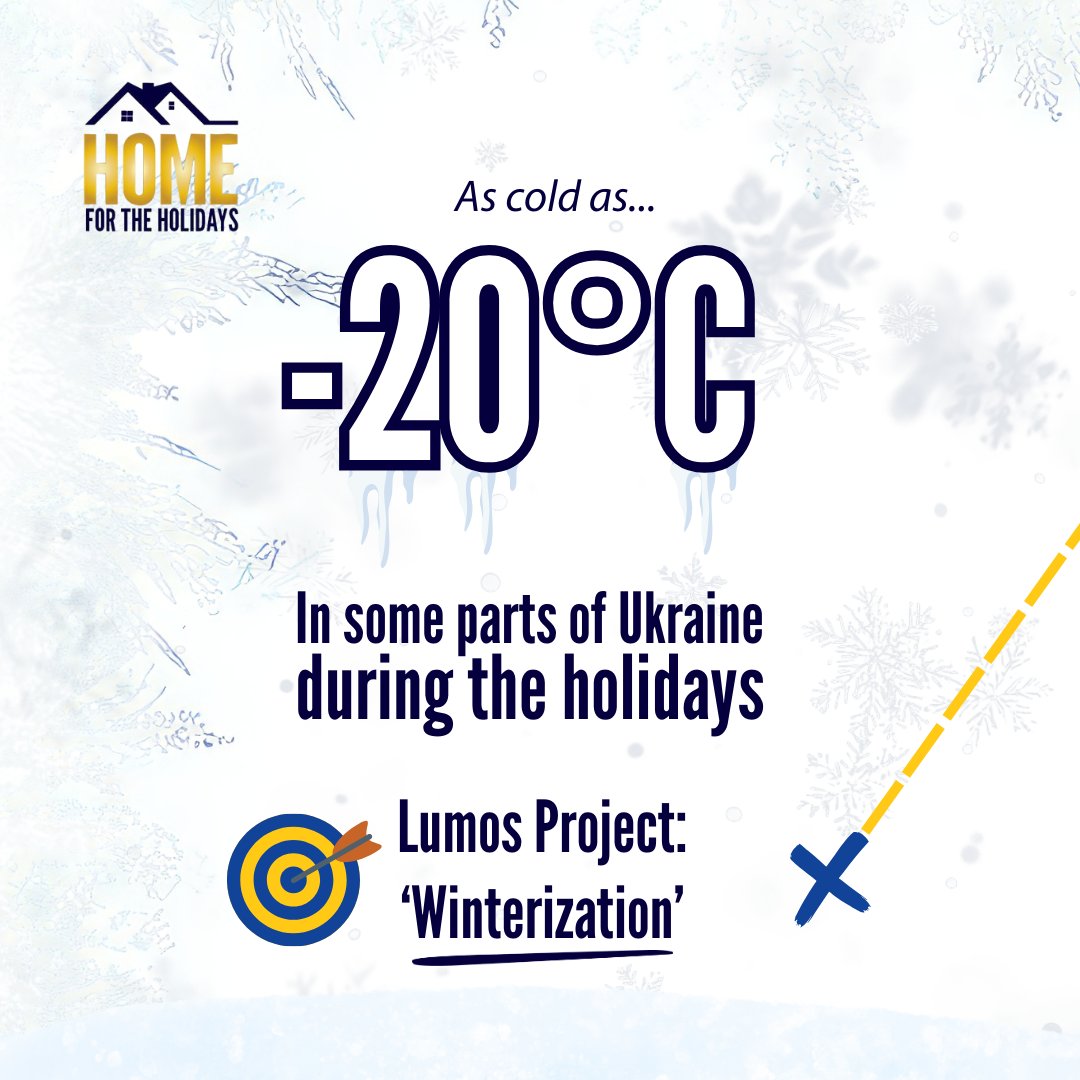
Winter can be especially harsh in countries like Ukraine, where we’ve worked for more than 10 years.
As temperatures drop, displaced families, those living in conflict-affected areas, and families caring for children with disabilities face serious risks.
We've completed a Winterisation project so over 5,000 Ukrainian households can access energy and heating kits to stay warm and safe at home.
As a part of our Home for the Holidays Appeal, we're helping children and their families in Ukraine and beyond when they need it most.
You can be part of this life-changing work: wearelumos.org/how-you-can-he…


English
Rob Waft retweetledi