Harshith Chandrakumar

231 posts

Harshith Chandrakumar

Harshith Chandrakumar

@harshithpriyan

IC Bound | Chief Cardiology Fellow @ SUNY Downstate medical center ‘24 - ‘26 | Kelley Physician MBA | IM Chief Resident ‘23-‘24 | Food & Fitness enthusiast

Katılım Ağustos 2021
327 Takip Edilen86 Takipçiler
Sunil E. Saith, MD, MPH, FACP
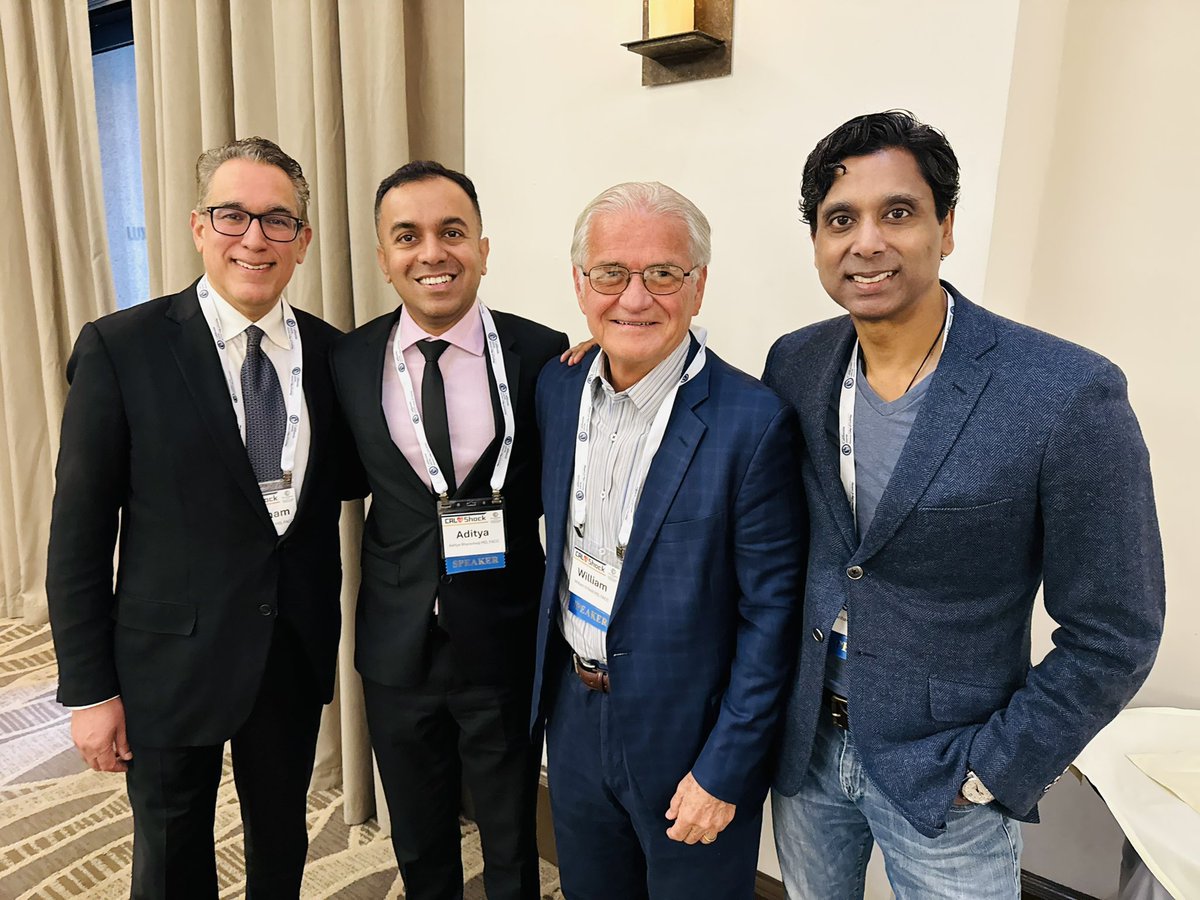
My takeaways from #SCAI2026 as a first year attg + photos 🧵: - Greater appreciation for CT-guided PCI and how it may be useful for pre-procedural planning. - Opportunity to connect with past @sunydownstate Fellows before my time, bridging past with present.
English
2
1
10
536
Harshith Chandrakumar retweetledi
Salman Arain
Salman Arain@realarainmd·
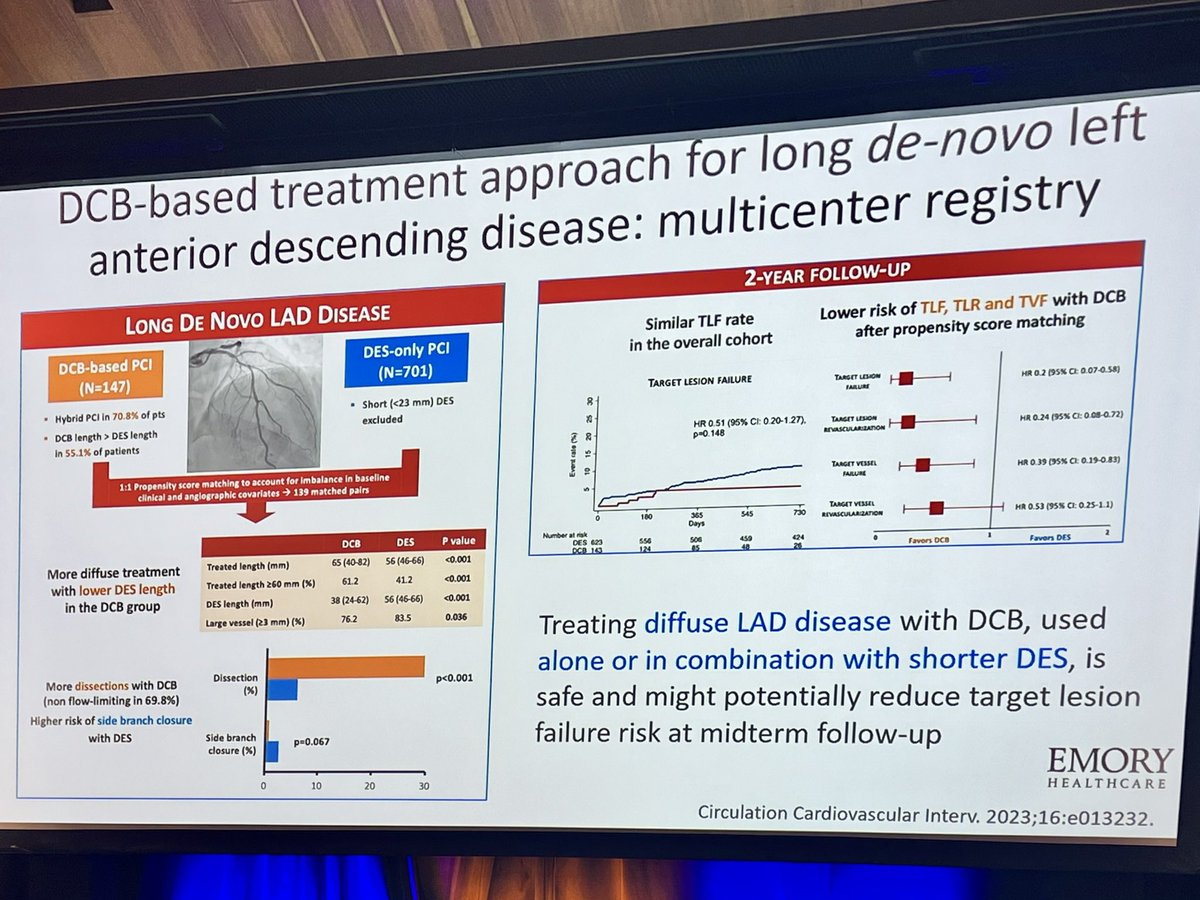
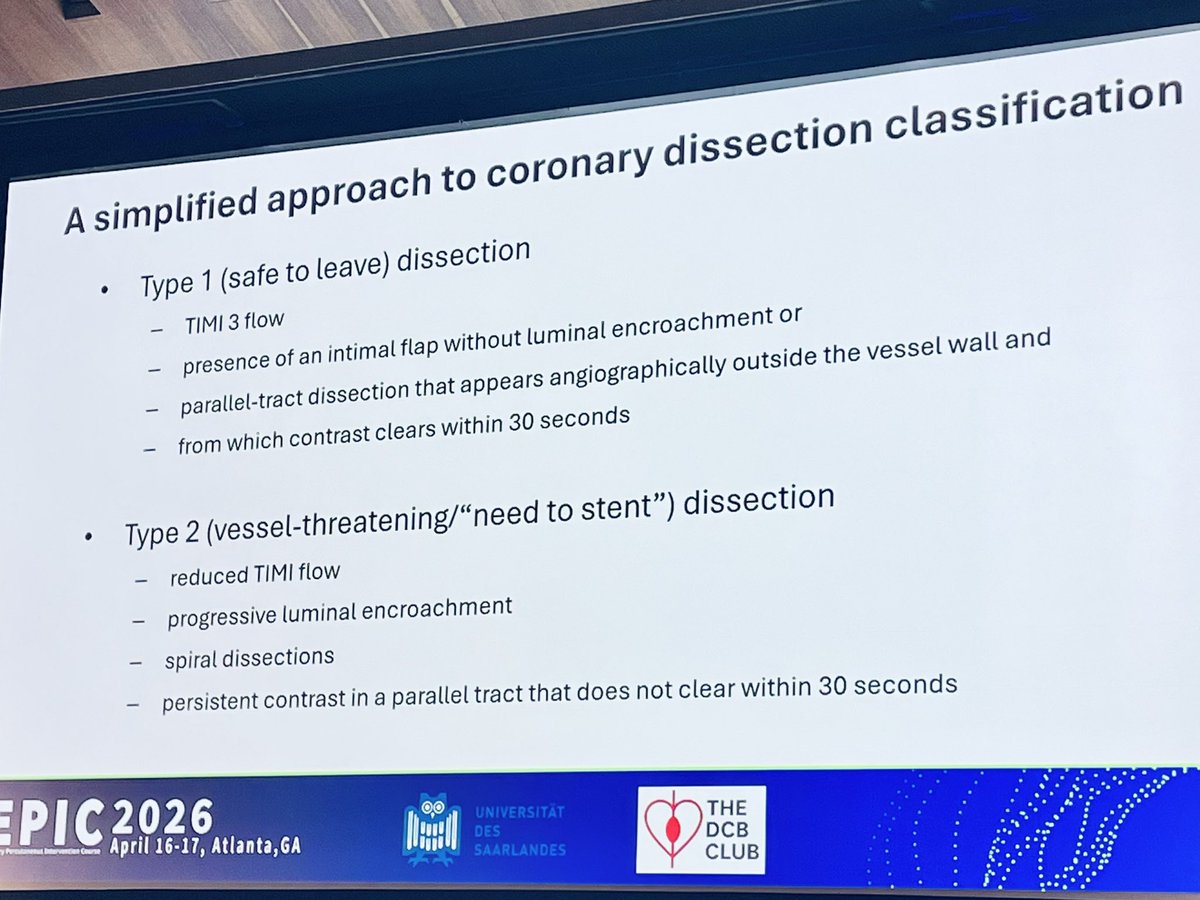
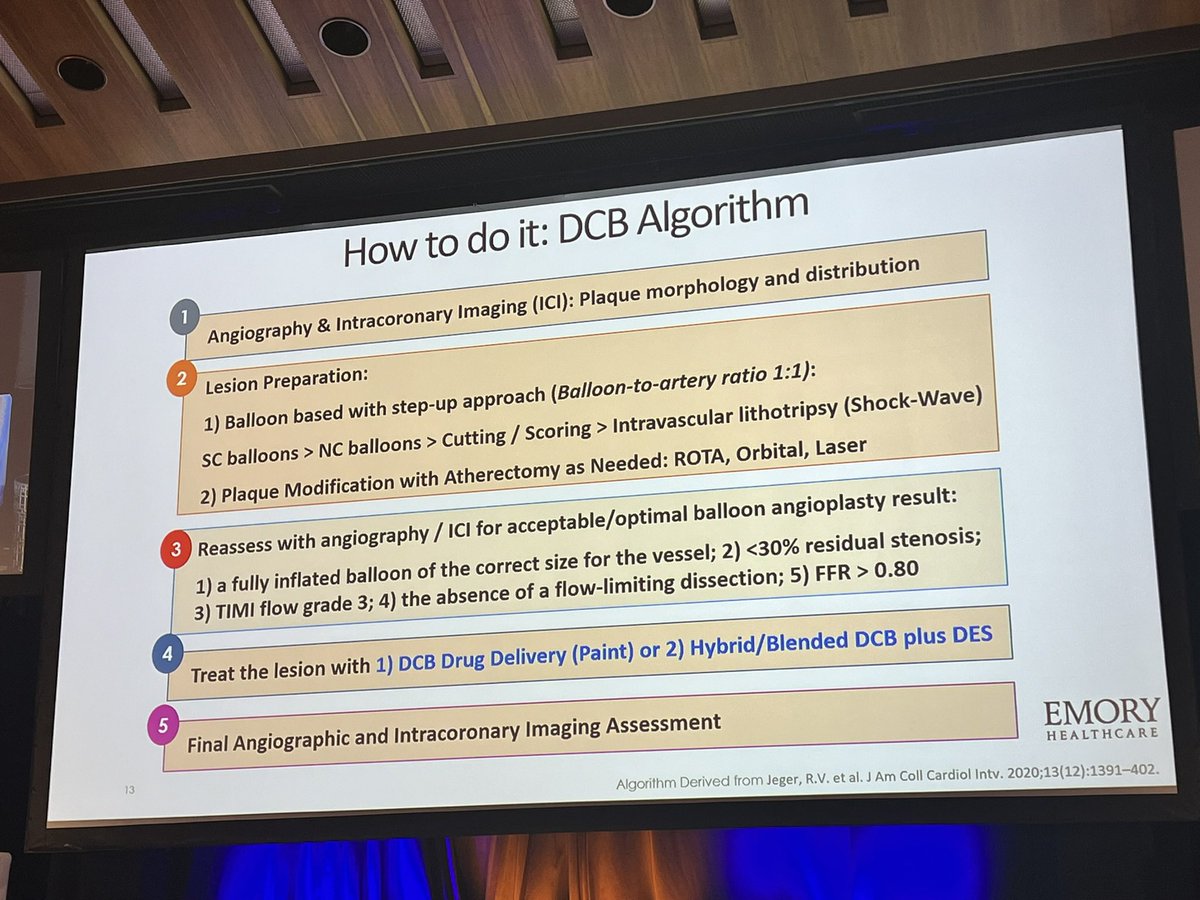
The idea behind DCBs is not to eradicate stents, but to limit their use to situations where: a) a vascular scaffold is absolutely needed, and b) they are most likely to stay open. Vascular biology makes the rules, and 3 facts are (hopefully!) undeniable: 1. Lumen gain in a closed vessel requires disruption of plaque, i.e. dissections are necessary for PCI to work, 2. Not all dissections need a scaffold, and 3. Dissections heal. The goal of DCBs is to limit late lumen loss.
Salman Arain tweet mediaSalman Arain tweet mediaSalman Arain tweet media
English
2
3
8
1.2K
Harshith Chandrakumar retweetledi
Aditya Bharadwaj
Aditya Bharadwaj@adityadoc1·
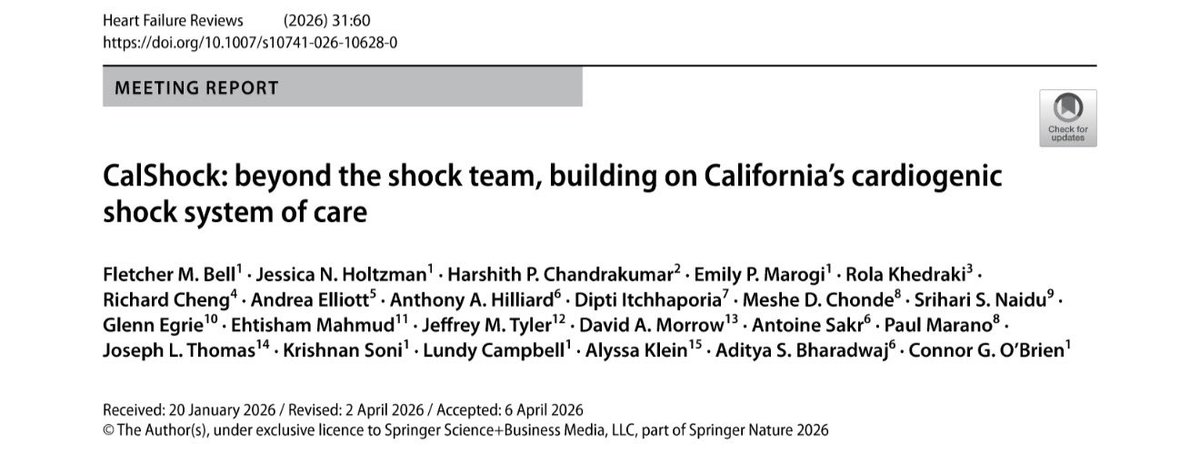
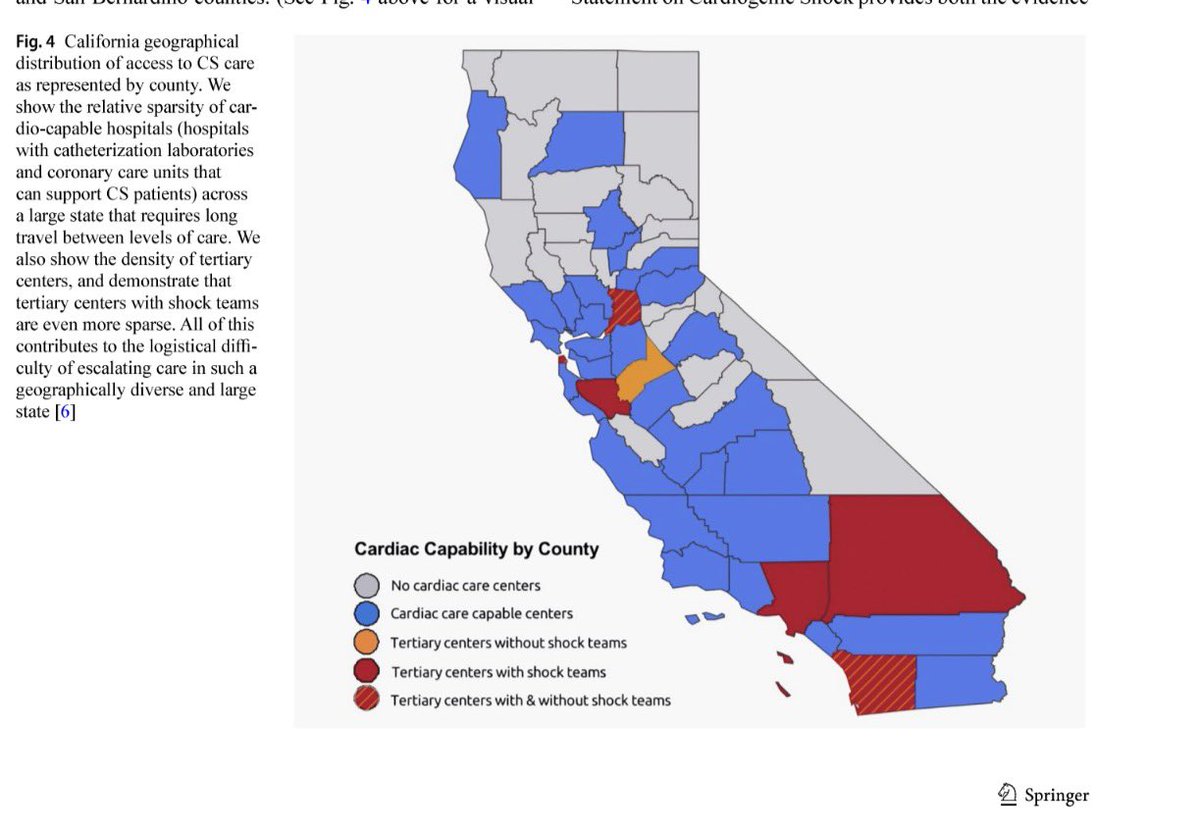
Our publication summarizing CalShock 2025 & call to action in California to streamline care of patients in Cardiogenic Shock link.springer.com/article/10.100… @ditchhaporia @SrihariNaiduMD @AAHilliardMD @AndreaElliottUM @pjmarano1 @harshithpriyan @jefftylermd It was so much fun organizing this conference with @ConnorObrienMD @RolaKhedrakiMD @LiannaCollinge @CaliforniaACC @JanetWeiMD
Aditya Bharadwaj tweet mediaAditya Bharadwaj tweet mediaAditya Bharadwaj tweet mediaAditya Bharadwaj tweet media
Connor O'Brien@ConnorObrienMD

Congratulations to Fletcher Bell and the publication team on their manuscript summarizing CalShock 2025. Thank you @LiannaSC, @CaliforniaACC, @RolaKhedrakiMD, and @adityadoc1 for your partnership and support without which this would not have been possible.link.springer.com/article/10.100…

English
0
6
18
3.9K
Harshith Chandrakumar retweetledi
SREEVATSA NADIG DM FSCAI FESC
SREEVATSA NADIG DM FSCAI FESC@nadig_cardio·
One catastrophic unforeseen complication that can happen during any PCI and how to handle it 👉 WITHOUT MESSING UP #cardiotwitter #PCI #cathlab_nightmare 50 y 👨 AWMI LV 35 CAG Ostial LM mild , patio prod alas 50-60 , mid LAD total block Looks straightforward right?! (1/n)
English
9
10
82
12.6K
Harshith Chandrakumar retweetledi
Salman Arain
Salman Arain@realarainmd·
5/ Final Thoughts Can we eliminate acute vessel closure completely? Probably not. Will we ever have RCT data for physiology or IVI to predict vessel closure? Probably not. So, we are left to our own devices (pun intended!). 😅 Here is a suggested 3 point check list of when to walk away vs. place a stent 👉🏼 Angio: >TIMI-2 flow, absent recoil, absent major dissection 👉🏼 IVUS: absent large IMH 👉🏼 Physio*: Pd/Pa >0.9, QFR/FFR >0.8 *Consider repeating in 15 minutes if flow less than TIMI-2 at baseline!
Salman Arain tweet mediaSalman Arain tweet mediaSalman Arain tweet media
English
2
2
8
599
Harshith Chandrakumar retweetledi
Salman Arain
Salman Arain@realarainmd·
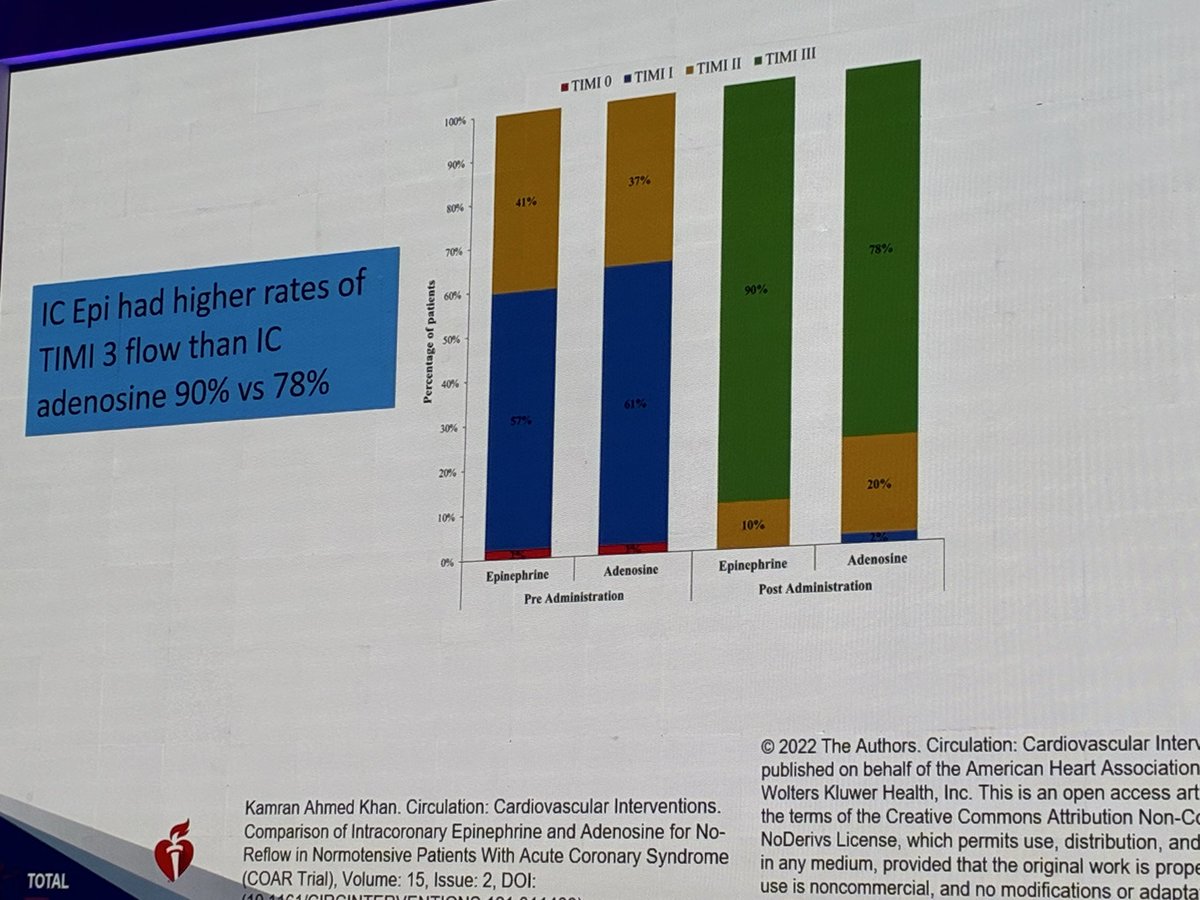
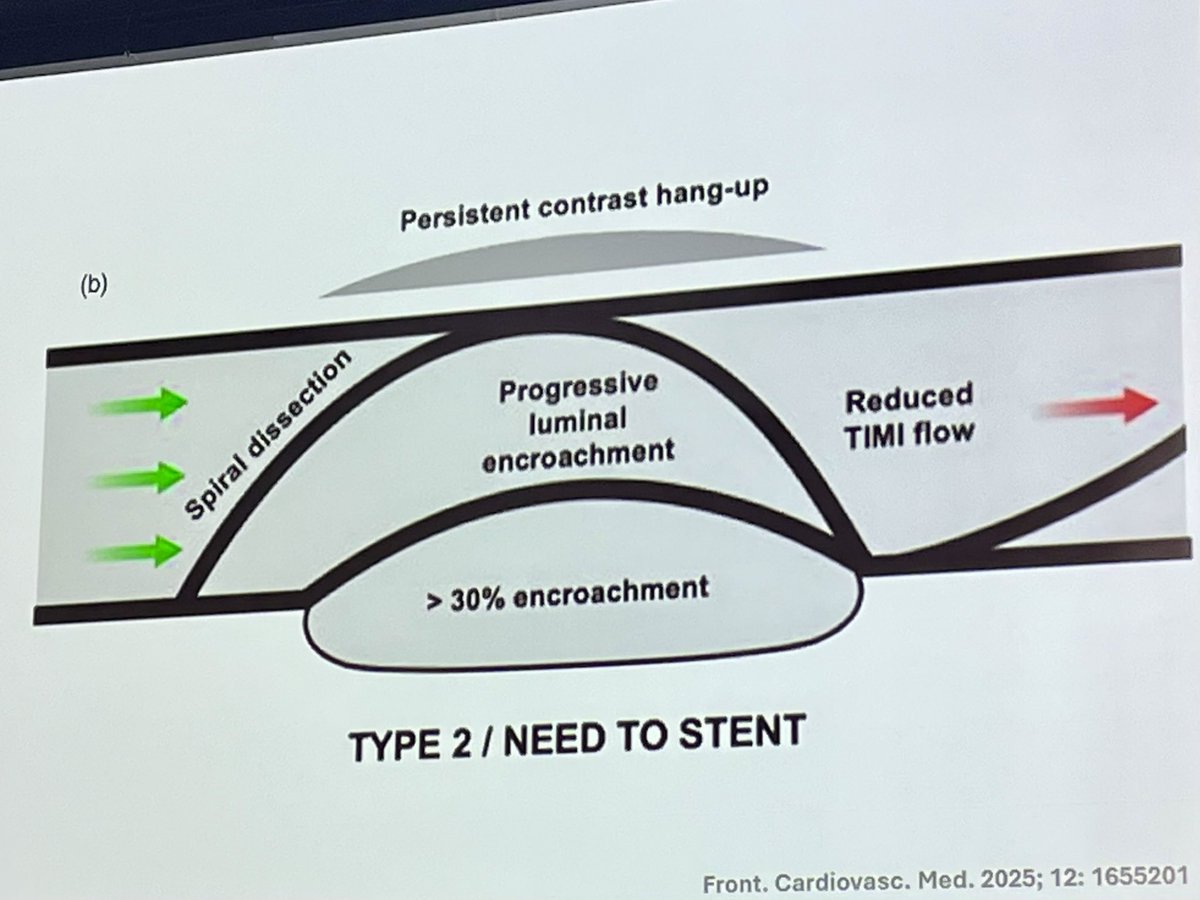
Why Do Vessels Closely Acutely After DCB PTCA? Still processing the lessons learned at EPIC 2026. 🧐 Ziyad Ghazzal gave a nice talk on antiplatelet therapy after PTCA. Here is the opening slide. Acute vessel closure is infrequent but it happens! How to predict it? 🤔
Salman Arain tweet media
English
4
17
51
4.2K
Harshith Chandrakumar retweetledi
Salman Arain
Salman Arain@realarainmd·
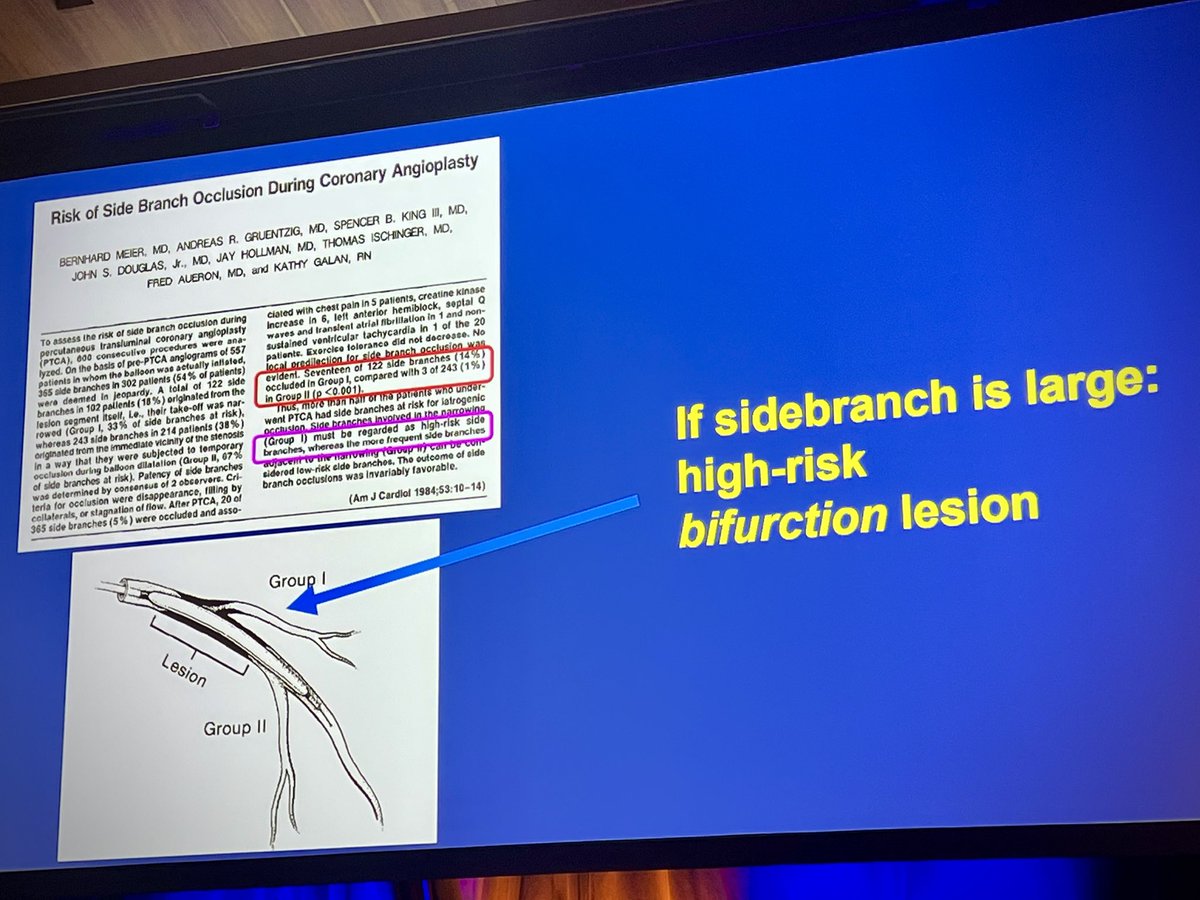
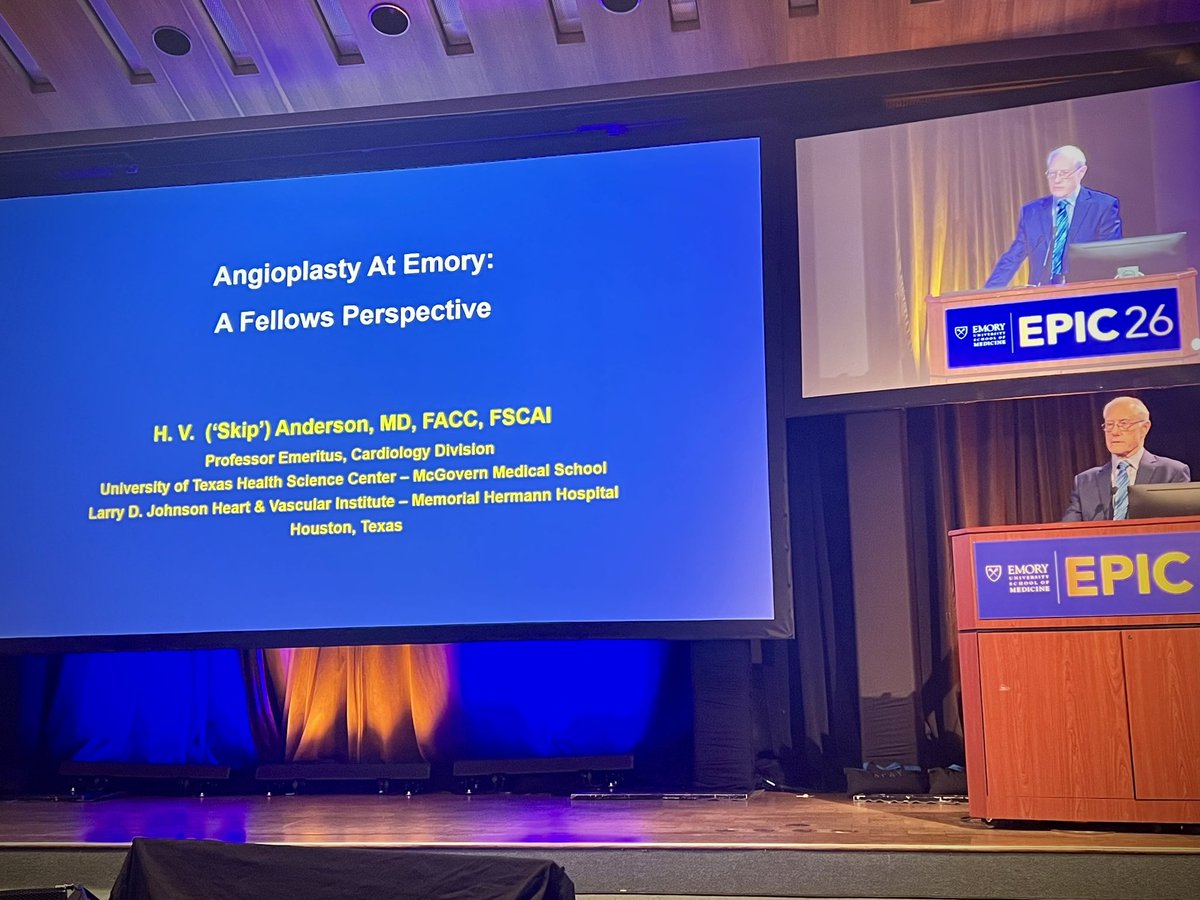
The Origin Story of CHIP, as told by Skip! Skip Anderson that is. Before he joined UT in Houston, he was one of 23 fellows to train under Grüntzig. Here he talks about the birth of complex high risk PCI, aka CHIP! BTW, this may well be the earliest use of ping-pong guides! 😀
Salman Arain tweet mediaSalman Arain tweet media
English
1
9
27
2.8K
Harshith Chandrakumar retweetledi
Aaysha Cader
Aaysha Cader@aayshacader·
When to use smaller burr 💥Guide wire bias💥concept Rota wires-reasonble support,so that burr can track-Unable2take curves as not soft Know how burr behaves #angulated #tortuous vessel- burr ablates preferentially on 1 side,may perf ▶️Take smaller burr initially,then upsize
Aaysha Cader tweet media
English
2
10
31
0
Harshith Chandrakumar retweetledi
Michael Megaly
Michael Megaly@MichaelMegalyMD·
A back table illustration of the technique published by @PCRonline to remove a stuck perclose footplate in the vessel! Simple and I believe can get us out of trouble! pcronline.com/Cases-resource… #CardioX peeps, comments welcome
English
14
99
486
70.1K
Harshith Chandrakumar retweetledi
Markz Sinurat
Markz Sinurat@markzroland·
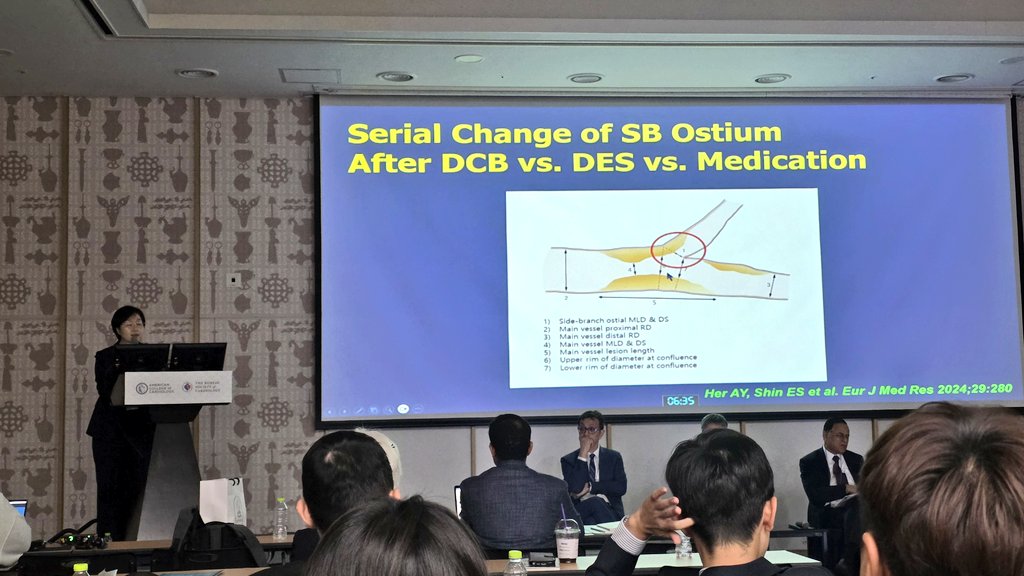
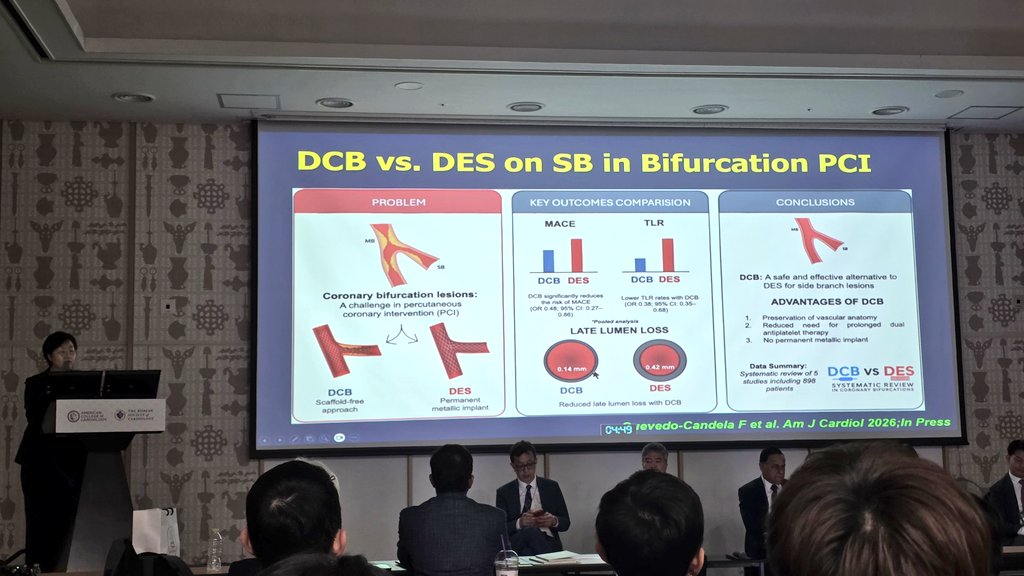
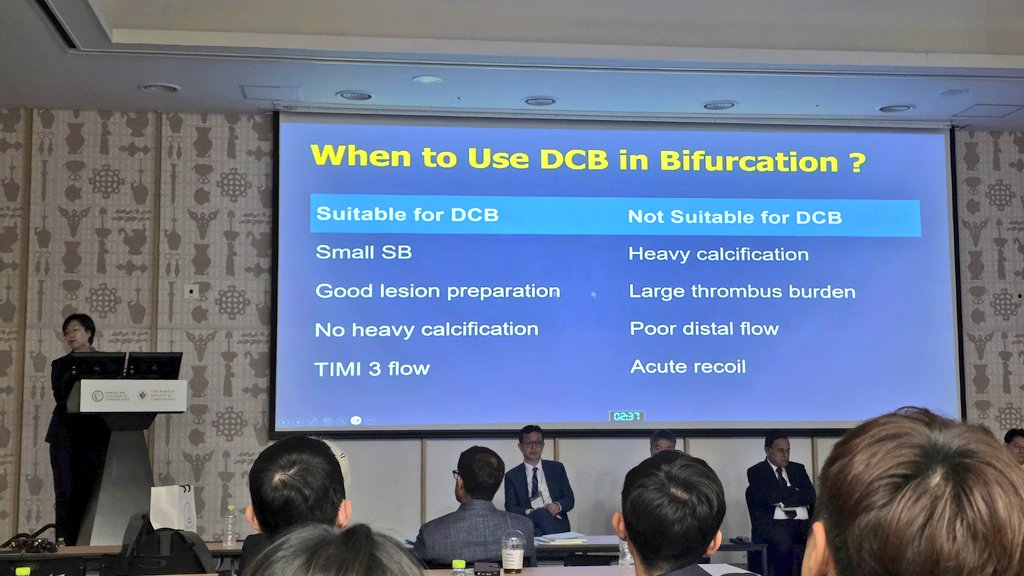
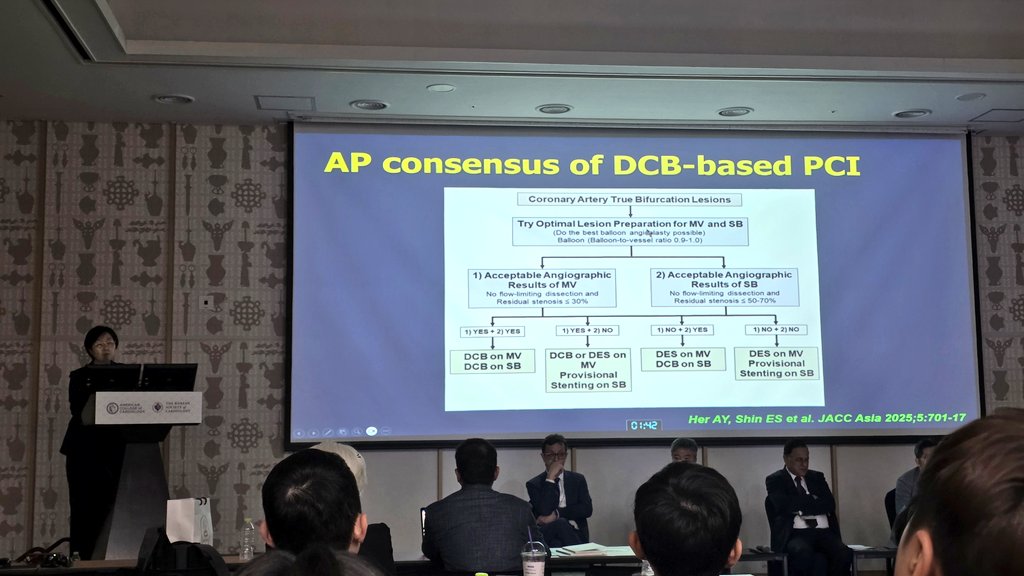
DCB in bifurcation PCI 🎯 (when to use?) Use DCB if: • Small side branch • Good lesion prep ✅ • No heavy calcium • TIMI 3 flow Avoid DCB if: • Heavy calcification ⚠️ • Large thrombus • Poor flow • Acute recoil 💡 DCB = no metal, less DAPT 🫀 Select carefully → outcomes ≈ DES #ACCAsia @JACCJournals @ACCinTouch
Markz Sinurat tweet mediaMarkz Sinurat tweet mediaMarkz Sinurat tweet mediaMarkz Sinurat tweet media
Gyeongju-si, Republic of Korea 🇰🇷 English
1
30
83
7.1K
Harshith Chandrakumar retweetledi
AsiaIntervention
AsiaIntervention@AsiaInterv·
In-stent restenosis remains a persistent challenge in #PCI🫀 When choosing a drug-coated balloon, does the drug matter? Comparative evidence between limus and paclitaxel continues to shape clinical decisions. 🔗 brnw.ch/21x1FO2 @APSIC6 @EuroInterventio @PCRonline
AsiaIntervention tweet media
English
1
28
61
6.1K
Harshith Chandrakumar retweetledi
PCRonline 🫀
PCRonline 🫀@PCRonline·
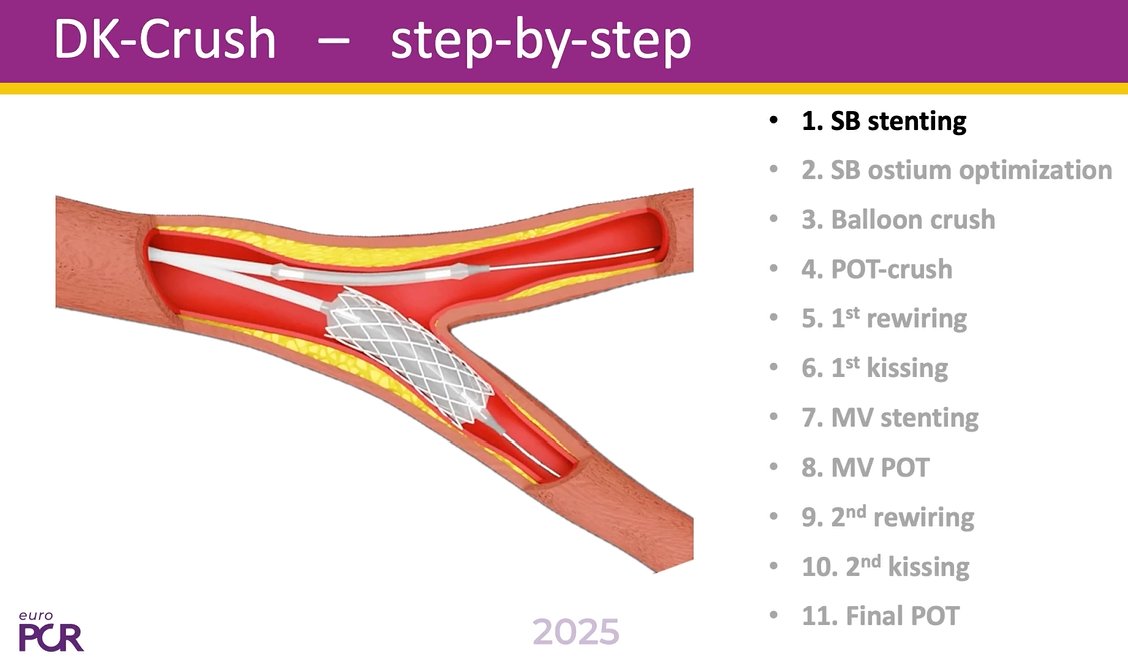
📢DK Crush like you’ve never seen it before! Episode 1⃣ of this series on "How to perform DK-Crush for left main bifurcation stenting" now online 📺pcronline.com/Cases-resource… In this episode, learn about: 🟣Multi-modality simulation to unveil the hidden parts & small obstacles that can result in complications 🟣Angioscopy directly inside the coronary artery to provide a better understanding of 3D stent configuration In-depth commentary and perspective and perspective provided by @GoranEBC & William Wijns. @twj1974 @NievesGonzalo1 @BURZOTTA_F @M_Lesiak @gabor_gt @RhianEDavies1 @esbrilakis @VisibleHeartLab #interventionalcardiology #CardioEd #EuroPCR
PCRonline 🫀 tweet media
English
1
73
208
12.3K
Harshith Chandrakumar retweetledi
NEJM
NEJM@NEJM·
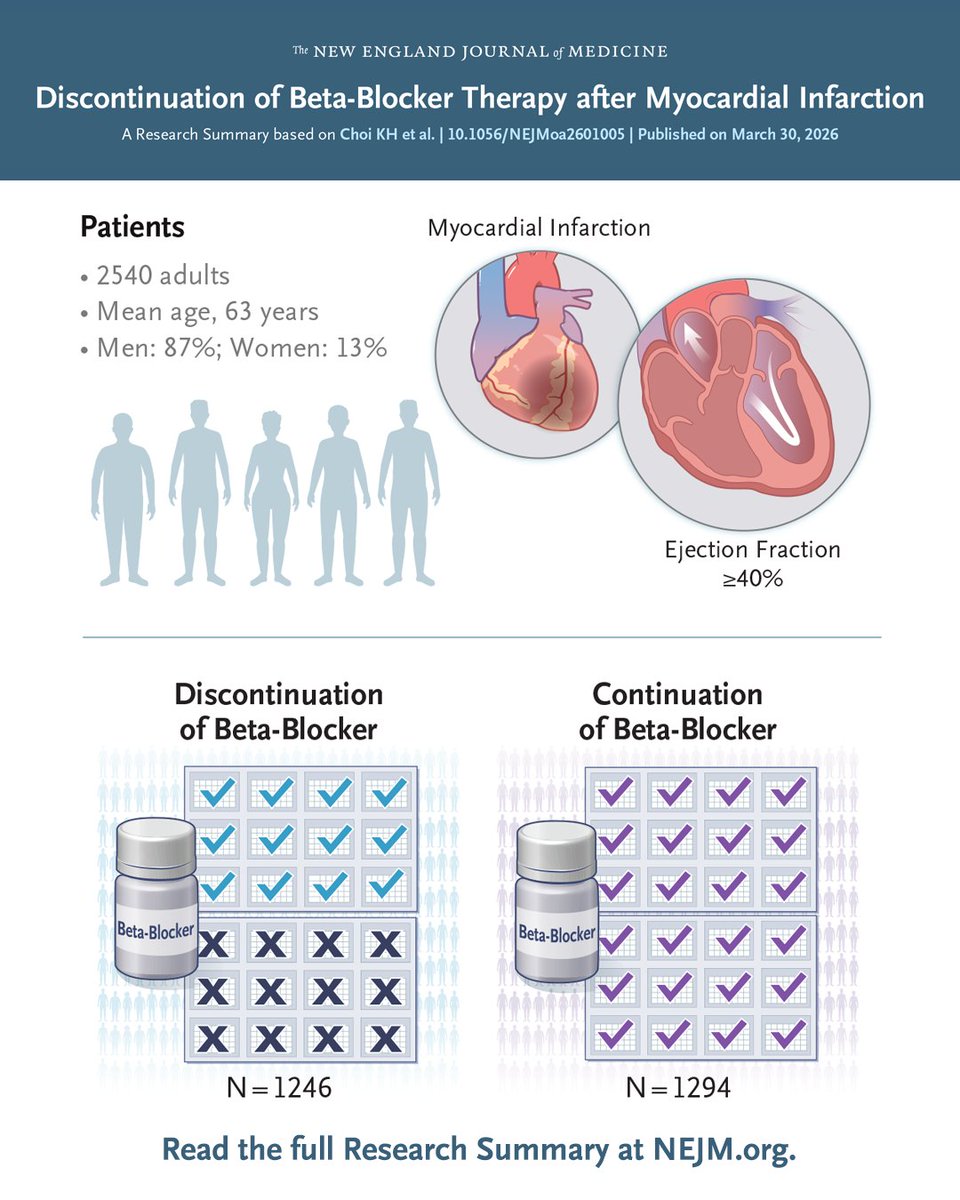
Among patients with a preserved ejection fraction at least 1 year after myocardial infarction, stopping beta-blockers was noninferior to continuing therapy with respect to major clinical outcomes. Full SMART-DECISION trial results and Research Summary: nejm.org/doi/full/10.10…
NEJM tweet media
English
2
78
251
20.8K
Harshith Chandrakumar retweetledi
Murmur MD
Murmur MD@Murmur_MD·
How aggressive are you with TAVR predilation sizing? And which balloon (NC vs. SC)? @nfrogge's approch: Size to mean annulus Avoid going over the valve waist (even though IFU allows waist +1) If calcium is modest, we go a little smaller to preserve oversizing (Evolute target ~13–33%) #CardioTwitter
English
0
6
12
2K
Harshith Chandrakumar retweetledi
Salman Arain
Salman Arain@realarainmd·
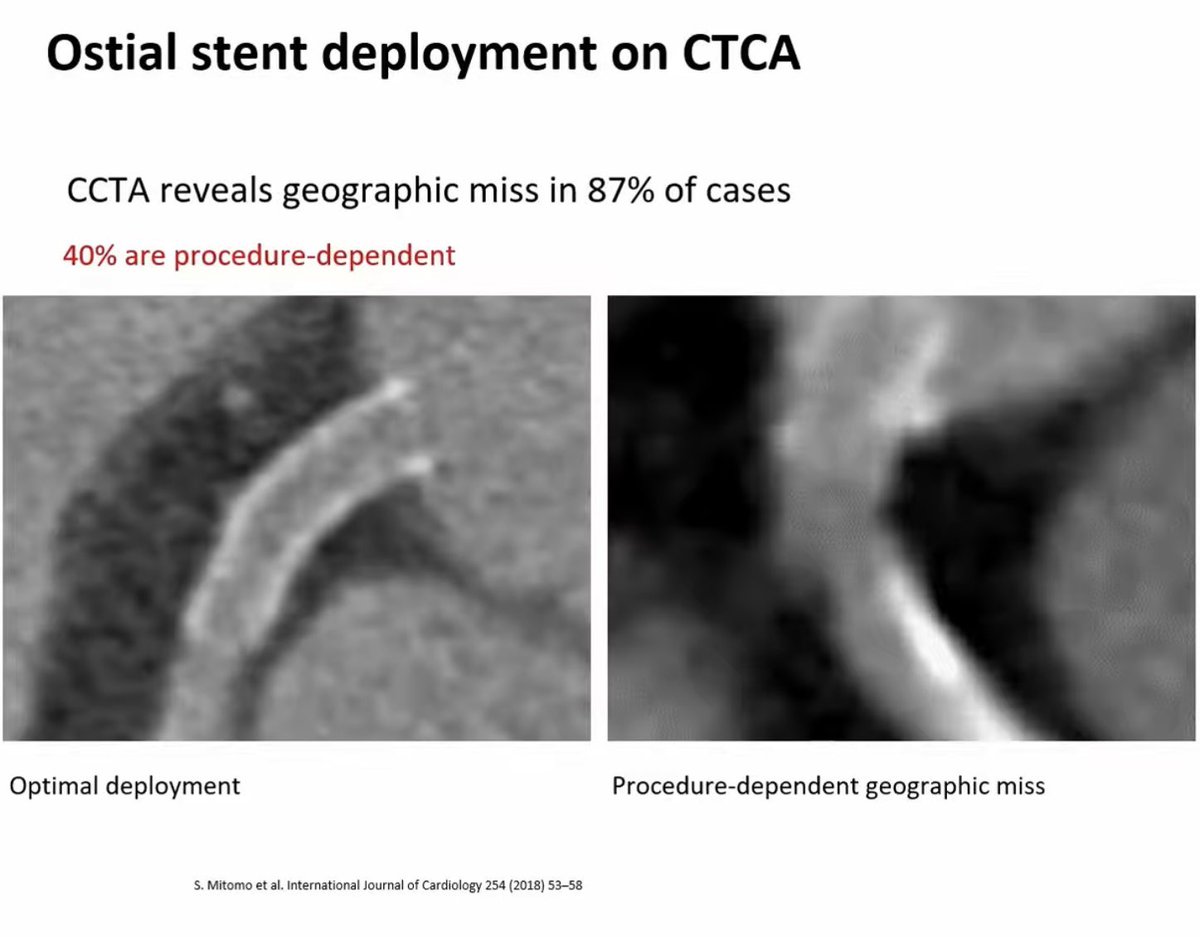
An Real Time IVUS Guided PCI Primer! Here is a ‘must watch’ video for anyone who uses IVUS regularly. RTIG ostial PCI is a 🔥 topic and @SarahFairley7 is one of the best in the business. She is both a skilled operator and a gifted teacher! I could listen to her talk about RTIG - or anything really - for hours! 🤩
Salman Arain tweet mediaSalman Arain tweet mediaSalman Arain tweet mediaSalman Arain tweet media
Sarah Fairley@SarahFairley7

JACC Asia video on RTIG stenting for anyone who might find it helpful. Tips and tricks / steps / ivus interpretation jacc.org/digital-conten…

English
1
24
85
14.5K
Harshith Chandrakumar retweetledi
Luai Tabaza
Luai Tabaza@Tabaza·
How the data emerging from #ACC26 will shape my thinking No single trial should redefine practice. Decisions remain anchored in the totality of evidence and the realities we face at the bedside. Axial mechanical support trials including PROTECT IV trial and CHIP-BCIS3 trial reinforce that high risk PCI is not a uniform entity. The signal is not universal. The opportunity lies in identifying the specific hemodynamic and anatomic subsets most likely to benefit from upfront support. LAAC data remind us that stroke risk in atrial fibrillation is not eliminated with closure. Contemporary anticoagulants carry a low risk of non major bleeding, a threshold that may fall further with emerging factor XI agents. Outcomes with WATCHMAN FLX appear favorable in selected lower risk patients, but potentially at the cost of higher stroke rates. Caution remains warranted before committing low bleeding risk patients to a permanent implant. IVUS in PCI continues to show incremental benefit, yet outcomes in high risk PCI appear similar with or without imaging. This is not unexpected. Operators who routinely use IVUS tend to internalize principles of sizing and optimization. The more relevant comparison may be between low and high IVUS utilization, and between early career operators with robust imaging training and those without. Catheter directed thrombolysis using EKOS system remains a sound option for intermediate risk pulmonary embolism when bleeding risk is acceptable, as supported by HI-PEITHO trial. While recent momentum has favored mechanical thrombectomy, it is reassuring to see continued support for CDT. In patients undergoing TAVI, routine PCI of stable coronary disease is not supported. A selective approach focused on lesions with clear prognostic relevance is more appropriate, though the field has yet to precisely define this threshold. AngioFFR is emerging as a practical method for ischemia assessment. Wire based physiology remains reliable and essential in specific settings. However, unlike wire based tools, angiography derived algorithms will continue to evolve with iterative learning, much like CT-FFR, and are likely to become increasingly central in routine practice. ORBITA-CTO trial adds an important perspective. CTO PCI offers meaningful improvement in symptoms and quality of life in carefully selected patients. There is a clear signal of benefit. For patients with refractory angina despite optimal therapy, CTO PCI should be viewed as a legitimate escalation strategy. @ACCinTouch @SCAI @TCTMD @RowanVirtuaSOM @SVM_tweets @TCTConference @TCT_ME_ @American_Heart @AHANewJersey @AHAPennsylvania @mmamas1973 @mirvatalasnag @djc795 @MichaelMegalyMD @GPAngioClub
English
0
5
31
5.7K