
Pippa
14.7K posts


Pippa
@hatoff2you
“Truth does not mind being questioned. A lie does not like being challenged.”
USA Katılım Aralık 2022
66 Takip Edilen227 Takipçiler


I now understand why people bathe with bar soap instead of body wash.
English

Let’s do something fun.
Drop the name of any city or town in the world. I’ll reply with a photo or short video of it. Hidden gems. Famous icons. Tiny villages. Doesn’t matter.
Let’s see where this goes... 👇

English
Pippa retweetledi

Surprising Signs Your Liver Is Quietly Doing a Phenomenal Job:
1. Your whites of the eyes are bright and crystal clear: The liver processes bilirubin efficiently,when it's overwhelmed, bilirubin builds up and turns the eyes yellow.
2. You digest fatty meals without feeling heavy or nauseous afterward: Your liver is producing the right amount of bile to break down dietary fats smoothly and completely.
3. You rarely wake up between 1am and 3am for no reason: In traditional medicine and modern research alike, that window is when the liver does its heaviest overnight detox work disruption there signals strain.
4. Your skin tone is even and relatively clear most of the time: The liver filters hormones and toxins that cause skin inflammation,a clear complexion often reflects a clean internal filter.
5. Alcohol affects you proportionately and predictably: Your liver enzymes are metabolizing alcohol at a healthy rate neither too sensitively nor suspiciously tolerantly.
6. You don't feel nauseous in the morning without a reason: Morning nausea without illness or pregnancy can signal liver congestion ,its absence is actually a very good sign.
7. Your urine is consistently light yellow during the day: The liver regulates waste pigments that color urine the right shade means it's processing and excreting at perfect capacity.
8. You rarely experience right-side discomfort under your ribs: Your liver sits there, and when it's healthy and the right size, you simply never feel,it silence from that area is golden.
9. Your energy doesn't crash dramatically in the afternoon: The liver regulates blood sugar by releasing stored glucose,a healthy liver keeps your afternoon energy from falling off a cliff.
10. You handle medications without unusual side effects: Your liver's cytochrome P450 enzymes are metabolizing drugs at textbook speed neither too fast nor dangerously slow.
11. Your cholesterol numbers stay in reasonable range without extreme dieting: The liver manufactures and clears cholesterol balanced levels often mean it's managing that process without outside help.
12. You heal from bruises relatively quickly: The liver produces clotting factors that determine how fast your blood stops flowing and tissue repair begins after an injury.
13. Your hormones feel relatively balanced throughout the month: The liver breaks down excess estrogen and other hormones when it's working well, hormone swings are far less dramatic.
14. You rarely feel itchy skin without an obvious cause: Unexplained skin itching is often caused by bile salts accumulating under the skin when the liver struggles no itch means no buildup.
15. You feel genuinely well most of the time without knowing why: The liver performs over 500 functions silently when it's thriving, you simply feel good and never think about it once.
English
Pippa retweetledi

They replaced beef tallow with cheap seed oils and called it progress. Three ingredients. Zero industrial oils. One chip that fights back.
English
Pippa retweetledi

Your medical records belong to YOU. No more clip boards. No more fax machines.
Learn more about how we’re getting it done: cms.gov/priorities/hea…
English
@dr_ericberg Recently started making my own chocolate bars using a top-rated cocoa powder proven to be low in lead/heavy metals. Even the taste is better.
English

Think you’ve heard it all? These bizarre health tricks may be the strangest yet most effective health hacks that actually work. Find out how to improve your health with these 7 mind-blowing health tips!
If you like this video, check this one out next: drbrg.co/4miK62q
English
Pippa retweetledi

Low vitamin A intake and low sIgA both contribute to increased intestinal permeability (leaky gut) and low vitamin A makes the gut barrier more susceptible to damage by heavy metals. And the leaky gut caused by very low Vitamin A leads to more absorption of heavy metals. Low dairy, low calcium, low vitamin C foods, low polyphenols/tannins and you are more susceptible to absorption of heavy metals. It's not a new problem. It's something caused by a restrictive low vitamin A diet.
English
Pippa retweetledi

Osteoarthritis Of The Knee... Thread #1... of 4
"Bone on bone."
"Your cartilage is worn away."
"You have the knee of a 90 year old."
I've heard these phrases bantered about thousands of times in 25 years. They are very common explanations patients get for their arthritic knee pain.
They cause harm.
Xray findings do not correlate with symptoms... they just don't.
... and those descriptions lead to decisions that might not be the proper treatment at that point in time. 🧵
English
Pippa retweetledi
20 RULES EVERY GUEST SHOULD FOLLOW WITHOUT BEING TOLD:
1. Arrive within ten minutes of the time you were given, early is as disruptive as being significantly late.
2. Never show up completely empty-handed because a bottle, flowers, or dessert communicates genuine appreciation for being invited.
3. Offer to help in the kitchen rather than sitting comfortably while the host runs back and forth serving everyone.
4. Keep your voice at a volume that matches the energy of the space rather than commanding the entire room.
5. Never open a door, cupboard, or drawer in someone's home unless you have been specifically directed to do so.
6. Leave your shoes at the entrance unless the host explicitly tells you that keeping them on is perfectly fine.
7. Do not bring uninvited guests without asking first because a host planned for the number of people they invited.
8. Stay off your phone for the majority of the visit because presence is the greatest gift you can bring anyone.
9. Keep your children or pets under control because your host should not have to manage your responsibilities for you.
10. Never criticise the food, the home, or the décor because someone's space is a direct extension of who they are.
11. Eat what you are served graciously and mention dietary restrictions well before the day of the gathering itself.
12. Do not overstay the welcome read the room, recognise the signals, and begin wrapping up before you are tired out.
13. Clean up after yourself immediately rather than leaving cups, plates, and wrappers for the host to collect after you leave.
14. Never rifle through the host's belongings, medications, or personal items even if you stumble across them by accident.
15. Keep conversations inclusive rather than pulling one person into a long private exchange that excludes everyone else at the gathering.
16. Thank the host specifically and genuinely rather than a vague that was lovely as you are already walking out the door.
17. Follow up the next day with a message that acknowledges the effort because gratitude sent later lands just as meaningfully.
18. Never compare this gathering unfavourably to another host's event even as a joke because it always lands worse than intended.
19. Respect the atmosphere the host has created rather than trying to redirect the energy toward what you personally would prefer.
20. Be the guest that makes the host feel the effort was completely worth it before you even reach the door.
English

DONALD TRUMP IS NOW RANKED AMONG THE TOP THREE PRESIDENTS IN U.S. HISTORY
DO YOU AGREE WITH THIS RANKING?
YES OR NO
English
@JustinMihaly THANK YOU! <—-all caps = yelling. Well, I’m not yelling, but just thanking you out loud!! :)
English
Pippa retweetledi

Your doctor told you it's IBS.
It's NOT IBS.
There's a 98% chance it's SIBO.
(IBS is a fake diagnosis anyways)
And it's quietly destroying your brain, your hormones, your skin, your energy, and your immune system while mainstream medicine hands you another antacid.
Here's the ULTIMATE guide to understanding and conquering SIBO.
Let me hit you with the numbers they don't put on billboards.
At least HALF of everyone who's ever taken PPIs or antibiotics has SIBO.
Most people eating the Standard American Diet have it.
Up to 78% of people with an IBS diagnosis...
Actually just have SIBO.
And 50% of hypothyroid patients have it lurking in their gut.
This is not rare.
This is an EPIDEMIC hiding behind misdiagnoses.
So what actually IS SIBO?
Small Intestinal Bacterial Overgrowth.
Your small intestine — the duodenum, jejunum, and ileum — is built for one thing: ABSORBING nutrients.
Not fermentation.
Normally it hosts fewer than 1,000 bacteria per mL.
Your colon? Trillions.
When bad bacteria — firmicutes, bacteroidetes, proteobacteria — colonize your small intestine, they start FERMENTING your food before you can absorb it.
They produce hydrogen, methane, and hydrogen sulfide gases.
Those gases slow your gut motility, destroy your gut lining, and trigger systemic inflammation.
SIBO is not just a gut problem.
It is a WHOLE BODY problem.
Here's how to know if SIBO is running your life...
Bloating and gas that hits 30-60 minutes after eating.
That timing is not random.
That's exactly how long it takes food to travel from your stomach into your small intestine — right where the bacterial party is happening.
Other signs:
Constipation or diarrhea that never fully resolves.
Sudden food intolerances that didn't exist before.
Acid reflux and nausea.
Low B12 and high folate.
Chronic fatigue and brain fog that no amount of sleep fixes.
Skin issues — eczema, acne, rosacea.
Autoimmune conditions getting dramatically worse.
Histamine intolerance or MCAS.
If you have 3 or more of these...
You need to test, not guess.
Here's the mechanism behind those symptoms — because you deserve to UNDERSTAND your body.
That 30-60 minute bloating window?
Bacteria in your small intestine ferment incoming food and produce methane and hydrogen gas.
Methane specifically PARALYZES gut motility.
It literally slows the electrical activity of your intestinal smooth muscle.
That's why methane-dominant SIBO causes severe constipation.
Food intolerances develop because bacterial overgrowth damages your gut lining.
Undigested food antigens leak into your bloodstream.
Your immune system sees them as invaders and mounts an IgG response.
Now you're "intolerant" to foods you used to eat fine.
And the acid reflux?
When your gut is compromised, stomach emptying slows.
Acid backs up.
GERD is not a disease of too much acid.
It's a disease of MISPLACED acid caused by dysfunctional gut motility.
Testing is non-negotiable.
Stop guessing and get the data.
1.SIBO breath test — measures hydrogen, methane, and hydrogen sulfide gases. Gold standard.
2.Organic Acids Test (OAT) — reveals microbial metabolites from bacteria, yeast, and mold that standard labs completely miss.
3.Basic bloodwork — ferritin, B12, magnesium. Low levels are a massive red flag.
4.Inflammatory markers — CRP, eosinophils, liver enzymes, folate. Elevated levels point directly at gut pathology.
Functional labs tell you what is ACTUALLY happening.
Conventional labs tell you nothing is wrong while you feel like you're dying.
Now let's talk ROOT CAUSES.
Because treating SIBO without fixing the root cause is like bailing out a sinking boat without plugging the hole.
ROOT CAUSE 1: Impaired gut motility.
Your migrating motor complex (MMC) is the gut's self-cleaning cycle.
It fires during fasting and sweeps bacteria out of your small intestine.
Hypothyroidism, diabetes, and vagal nerve dysfunction DESTROY MMC function.
And here's the vicious cycle nobody talks about...
Methanogenic bacteria like Methanobrevibacter smithii produce methane that further slows motility.
Slow motility feeds SIBO.
SIBO produces more methane.
More methane slows motility further.
Round and round it goes.
ROOT CAUSE 2: Low stomach acid.
This one is MASSIVE and almost universally overlooked.
Your stomach acid (HCl) is your first line of defense against pathogens.
At a pH of 1.5-3.5, it denatures bacterial cell walls, viral envelopes, and fungal membranes.
It activates pepsin for protein digestion.
It ionizes minerals like iron, zinc, magnesium, and calcium for absorption.
It triggers intrinsic factor for B12 absorption.
When HCl drops — which happens from chronic stress, aging, PPIs, H. pylori, and poor diet — pathogens survive gastric transit and colonize your small intestine.
That's SIBO.
That's H. pylori.
That's SIFO.
That's parasites.
And your doctor is prescribing you MORE acid-suppressing medication.
The irony would be funny if it wasn't destroying people's health.
ROOT CAUSE 3: Poor bile flow.
Bile is your gut's natural antimicrobial detergent.
Produced by the liver, stored in the gallbladder, released into the small intestine.
It doesn't just digest fats.
It kills bacteria.
When bile flow is impaired — from liver dysfunction, gallbladder issues, or deficiencies in taurine, glycine, and vitamin C — bacteria accumulate unchecked in the small intestine.
Bitter foods, adequate protein, and liver support are not optional.
They are ESSENTIAL.
ROOT CAUSE 4: Immune dysfunction.
Secretory IgA (sIgA) is the antibody that coats your gut lining and neutralizes pathogens before they can colonize.
Low sIgA = open door for SIBO.
And what destroys sIgA?
Zinc deficiency.
Vitamin D deficiency.
B vitamin deficiencies.
Chronic stress.
The things most people are deficient in.
ROOT CAUSE 5: Chronic stress.
Stress is not just a mental health issue.
It is a GUT health issue.
Chronic stress suppresses vagal tone — the nerve that controls gut motility, enzyme production, and immune surveillance.
It lowers stomach acid.
It reduces sIgA.
It slows the MMC.
Every stress response you have is a direct attack on your gut ecosystem.
ROOT CAUSE 6: Environmental toxins.
Antibiotics — even a single course — can disrupt your gut microbiome for YEARS.
Glyphosate acts as a broad-spectrum antibiotic in your gut, obliterating beneficial bacteria by inhibiting the EPSP synthase enzyme in the shikimic acid pathway.
That pathway is responsible for producing aromatic amino acids and vitamins.
Disrupt it and you disrupt neurotransmitters, antioxidant enzymes, and gut barrier integrity simultaneously.
Heavy metals, mold, and PPIs compound this destruction.
ROOT CAUSE 7: Coexisting conditions.
Hypothyroidism slows peristalsis, reduces immune function, and prolongs carbohydrate exposure in the small intestine — literally feeding the bacteria.
Insulin resistance does the same.
Low T3 and T4 reduce neutrophil and macrophage activity, making it harder for your immune system to clear the overgrowth.
You cannot fix SIBO if your thyroid is tanking.
ROOT CAUSE 8: Micronutrient deficiencies.
A zinc deficiency ALONE reduces neutrophil phagocytosis by 50%.
Vitamin D deficiency cuts antimicrobial peptide (hBD-2) expression by 40% and doubles Candida colonization risk.
Selenium deficiency impairs glutathione peroxidase — your primary antioxidant defense in the gut.
B vitamin deficiencies slow transit time by impairing neurotransmitter production and bile release.
This is why people with gut issues respond so dramatically to B1, B6 (as P5P), and B8.
The gut runs on micronutrients.
Deplete them and the whole system collapses.
Now let's talk about FIXING it.
Step 1: First, do NO harm.
Remove the inputs that are actively destroying your gut:
Processed foods — emulsifiers and preservatives alter bacterial composition and drive inflammation.
Refined sugars — fuel for pathogenic bacteria and yeast.
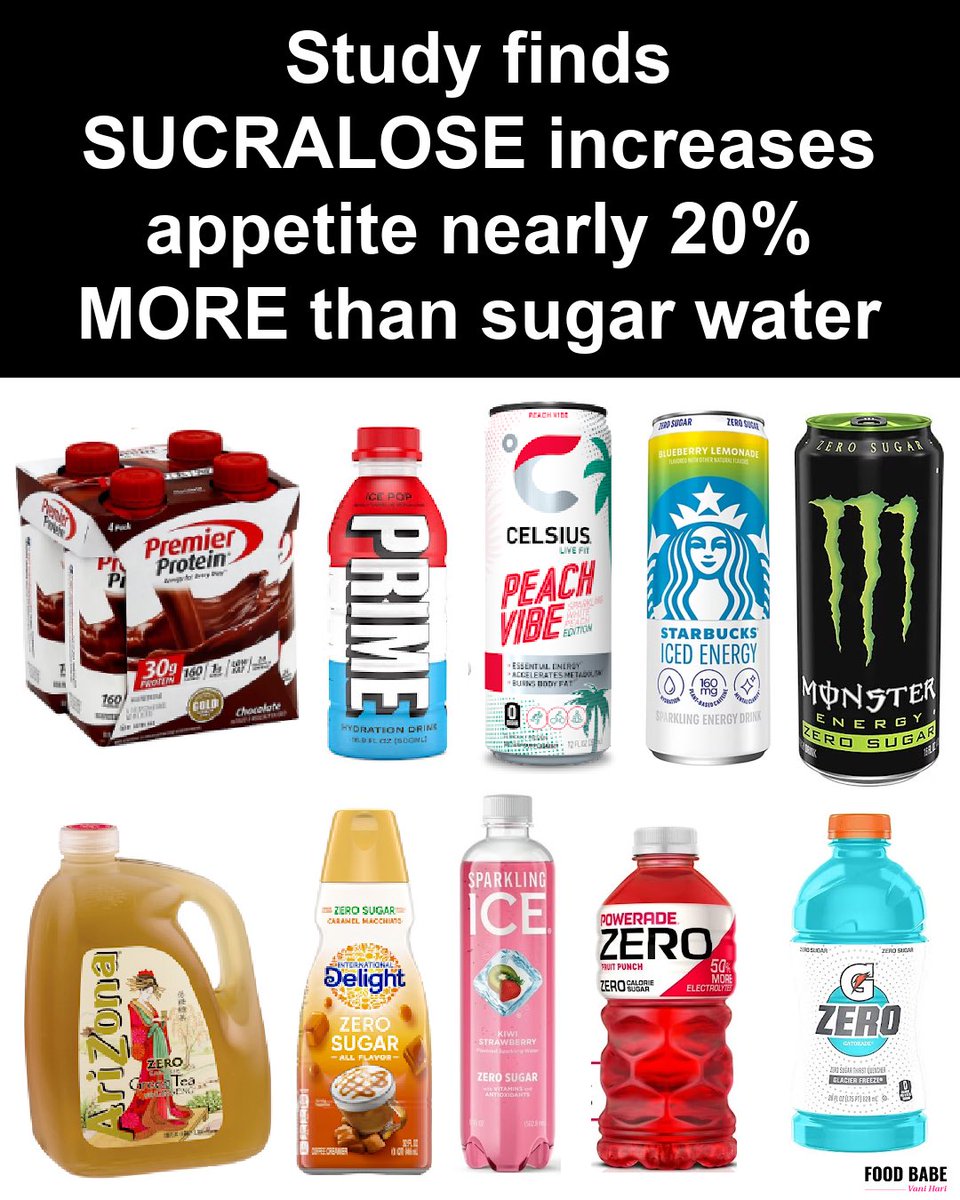
Artificial sweeteners — aspartame, sucralose, saccharin, acesulfame K — they alter gut bacterial diversity even in small amounts, reducing Bifidobacterium and increasing pro-inflammatory species.
Seed oils and trans fats — linoleic acid drives gut inflammation and destroys the mucosal lining.
Alcohol — disrupts tight junctions, wipes out microbial diversity, and overloads the liver.
Hybridized grains — post-1960 wheat hybrids are loaded with glyphosate, anti-nutrients like phytic acid, and gluten that triggers zonulin release and opens your gut barrier like a floodgate.
A1 dairy — the histidine at position 67 of the beta-casein chain makes A1 dairy a mast cell and inflammation trigger. Switch to A2.
Excessive high-FODMAP foods — rapid fermentation in an already compromised gut makes symptoms worse.
Phytates and oxalates — mineral thieves that strip zinc, iron, and calcium from your system.
Constant snacking — eating every 1-2 hours prevents the MMC from firing. Your gut NEEDS fasting windows to clean itself.
Step 2: Rebuild your natural defenses.
GET SUN.
Vitamin D upregulates LL-37 — a cathelicidin antimicrobial peptide that kills bacteria, fungi, and viruses directly in your gut.
It modulates T-cells, B-cells, and macrophages in your gut-associated lymphoid tissue.
It seals your gut barrier.
It is not optional.
MOVE.
Exercise stimulates the enteric nervous system, increases vagal tone, promotes MMC activity, boosts SCFA production (butyrate), and shifts your microbiome toward Lactobacillus and Bifidobacterium.
Name one pharmaceutical that does all of that.
I'll wait.
SLEEP.
Your entire GI tract runs on a circadian clock.
Gastric emptying, peristalsis, enzyme secretion, and bacterial populations all follow a 24-hour cycle.
Disrupted sleep elevates cortisol, reduces microbial diversity, increases gut permeability, and shuts down immune surveillance.
Melatonin repairs the gut mucosa and regulates motility.
Fix your sleep or stay sick.
LOAD UP on key nutrients.
Zinc for tight junctions, immune defense, and gastric acid production.
Selenium for glutathione peroxidase and T-cell function.
Magnesium and B vitamins for motility and glucose metabolism.
Glutamine for gut lining repair.
Vitamin C for bile production and immune function.
Step 3: Restore gut motility with prokinetics.
Prokinetics stimulate the MMC and coordinated gut contractions through the enteric nervous system.
They are FAR superior to laxatives which just force movement without addressing the underlying dysfunction.
Lifestyle prokinetics first:
Vagal nerve stimulation — deep diaphragmatic breathing, cold exposure, humming.
Regular movement.
Stress reduction — even yoga has been shown to significantly improve IBS and gut motility.
Herbal prokinetics:
Ginger, dandelion root, artichoke leaf, peppermint, licorice root, and myo-inositol.
Pharmaceutical options only under medical supervision:
Erythromycin, metoclopramide, domperidone, prucalopride, tegaserod.
Step 4: Seal your gut barrier — tight junctions are EVERYTHING.
Tight junctions are the protein complexes that form the selective barrier between your gut lumen and your bloodstream.
Claudins, occludin, junction adhesion molecules, and tricellulin hold this barrier together.
When they fail, you get leaky gut.
Leaky gut means bacterial endotoxins, undigested food particles, and pathogens entering systemic circulation.
That is the gateway to autoimmunity, neuroinflammation, and hormonal chaos.
Seal tight junctions with:
Zinc, glutamine, and retinol — the foundational repair nutrients.
Polyphenols — upregulate ZO-1 and claudin-1 expression.
Lactobacillus rhamnosus GG — produces biosurfactants that protect the mucosal barrier.
Sunlight — directly upregulates claudin and occludin.
DGL, ginger, aloe vera, zinc carnosine, slippery elm, sprouted chia seeds, quercetin, and BPC-157 (oral).
Step 5: Optimize bile flow.
Bile is antimicrobial and essential for clearing bacteria from the small intestine.
Support it with bitter foods, taurine, glycine, vitamin C, and liver support like bileboost and glutathione.
Step 6: Break down biofilms.
This is where most SIBO protocols FAIL.
Pathogens don't just float around in your gut.
They build FORTRESSES.
Biofilms are organized communities of bacteria and fungi embedded in a matrix of polysaccharides, proteins, and extracellular DNA.
This matrix makes them up to 1,000 times more resistant to antibiotics and antifungals.
They communicate via quorum sensing — a chemical signaling system that coordinates their defense.
You have to disrupt the biofilm BEFORE you can kill what's inside it.
Best biofilm disruptors with the lowest risk of backfiring:
Apolactoferrin — the iron-free form of lactoferrin. It starves iron-dependent pathogens like Candida albicans, blocks adhesins, and inhibits quorum sensing.
Lactobacillus reuteri (DSM 17938 and ATCC PTA 5289) — produces reuterin, a broad-spectrum antimicrobial that disrupts biofilm extracellular polysaccharides.
Curcumin — inhibits quorum sensing and disrupts bacterial membranes.
NAC — breaks disulfide bonds in biofilm matrix.
Berberine — disrupts DNA replication and quorum sensing signaling.
Step 7: Kill the pathogens and manage die-offs.
This is where oregano oil, PHGG, manuka honey, activated charcoal, and rifaximin come in.
But here's what nobody tells you about die-offs...
When pathogens die, they release endotoxins, acetaldehyde, and mycotoxins.
If your liver detox pathways (phase I cytochrome P450 and phase II conjugation) are already compromised, those toxins recirculate.
If your immune system is overactive — Th1/Th17 dominance or MCAS — the inflammatory response gets amplified.
If your gut barrier is leaky, toxins flood into systemic circulation.
Die-offs can last DAYS.
Do not rush this process.
Manage die-offs with:
Activated charcoal (500mg, 2 hours away from meals and supplements) — absorbs LPS, acetaldehyde, and mycotoxins.
Bentonite clay (half a teaspoon on an empty stomach) — binds cationic toxins.
NAC (300mg twice daily) — boosts glutathione and inhibits NF-κB inflammation.
Milk thistle (silymarin) — activates Nrf2 antioxidant pathways.
Quercetin — calms mast cell degranulation and downregulates NF-κB.
Pantethine — enhances phase II liver detoxification.
B3, molybdenum, magnesium, and zinc — support aldehyde dehydrogenase activity.
Thiamine (B1) — prevents acetaldehyde formation from pyruvate.
Step 8: Restore and rebuild.
After the war, you rebuild the ecosystem.
Retest to confirm SIBO clearance.
Then restore the gut barrier with glutamine, PEA, quercetin, tributyrin, colostrum, zinc, B1, and B2.
Reintroduce targeted probiotics.
Maintain the lifestyle foundations — sleep, movement, sunlight, nutrient density, stress management.
This is a PROCESS.
Not a pill.
Not a quick fix.
A systematic, root-cause protocol that actually heals.
If you've been dealing with bloating, brain fog, fatigue, food intolerances, or gut issues that no doctor has been able to fix...
This is why.
And this is how you fix it FOR REAL.
Comment "GUT" below.
My team will reach out via DM.
We do 1:1 root-cause health coaching and we will get to the BOTTOM of what's actually driving your gut issues.
No more guessing.
No more band-aids.
Just real answers and a real protocol built specifically for you.
English
Pippa retweetledi

"You're just lazy"
No. Your cells are producing less energy than they need and your brain is conserving what's left
That feeling where you KNOW what you need to do. You can see the task. You understand exactly how to start. But your body won't move. There's a wall between intention and action that willpower can't break through
That's not a character flaw. That's an energy deficit at the cellular level
Your mitochondria produce ATP. ATP is the currency your brain spends to initiate action, sustain focus, and regulate emotion. When mitochondria are damaged by chronic inflammation, endotoxin, or nutrient depletion, ATP output drops. Your brain can't fund voluntary action. So it cuts spending
What gets cut first: motivation. Initiative. Willingness to start. Creative thinking. Social energy
What gets preserved: breathing, digestion, threat detection, survival
You're not lazy. Your brain is rationing power because the grid is failing
The usual causes:
> Gut inflammation producing endotoxin that damages mitochondrial membranes directly
> Low CoQ10 (the molecule that shuttles electrons through the energy production chain)
> Low magnesium (every ATP molecule must bind to magnesium to be usable. without it, the energy exists but can't be spent)
> Chronic cortisol suppressing mitochondrial biogenesis (your body stops building new mitochondria under prolonged stress)
> Seed oils replacing cardiolipin in mitochondrial membranes with structurally inferior fats that impair electron transport
The guy who wakes up at 5am and works 12 hours without caffeine doesn't have more discipline than you. His mitochondria produce enough ATP to fund that output. Yours don't. Same brain. Different power supply
Fix the gut. Lower the inflammation. Restore CoQ10, magnesium, and B vitamins. Remove the seed oils. Eat enough
The motivation returns when the power returns. Not before
full mitochondrial restoration protocol on my substack. link in bio
English
@DiaryofaSickGrl I find it makes the flavor of rice richer. However, without salt it is still bland. Of course, butter and your fav spices make it even better.
English

Does anyone make their rice with chicken broth instead of water? Is it good? Bland?
English
@ElieJarrougeMD Endometriosis: surgeries early on, but still had issues. For 40 years now, have learned how to keep the pain down and put endo into remission: avoid ALL foods that have estrogenic effects. One by one: soy, tuna, injected beef/pork, and more. Skeptics abound.
English

Comment below if and how you fixed, cured, improved or put in remission a medical condition using diet and lifestyle without medications.
I can preach all day long, but real life examples are more powerful!
Tell the skeptics what you did ✍️
English
Pippa retweetledi

Eggs contain retinol.
The supplement aisle sells retinol capsules.
Beef contains CoQ10.
The supplement aisle sells CoQ10 capsules.
Salmon contains EPA and DHA.
The supplement aisle sells omega-3 capsules.
Sardines contain selenium.
The supplement aisle sells selenium tablets.
Egg yolk contains choline.
The supplement aisle sells choline capsules.
Bone broth contains glycine and collagen.
The supplement aisle sells glycine powder and collagen sachets.
Beef contains carnitine.
The supplement aisle sells carnitine capsules.
The supplement aisle is just an animal.
Taken apart.
Put in capsules.
Sold back to you at forty times the price.
By the same institutions that told you not to eat the animal.
English
@DrKristieLeong This is great benefit to me. Can’t tell you how much I appreciate you taking the time to write!
English

Good question, Pippa! Herbal teas like lemon balm, chamomile, and dandelion are naturally low in tannins compared to traditional teas made from Camellia sinensis.
Lemon balm has rosmarinic acid and other phenolic compounds, not tannins. Chamomile has flavonoids and phenolic acids dominating its profile. Dandelion has been tested directly and shows only trace tannins, with its real activity coming from chicoric acid, caftaric acid, flavonoids, and inulin.
Most of the components in herbal teas don't reduce mineral absorption and have various health benefits.
English
You might be drinking your way to a nutrient deficiency—while trying to be "healthy."🫖
If you drink tea with your meals, the tannins act like a magnet in your gut. They bind to minerals like iron and calcium before your body can absorb them.
The damage? Thry can slash plant-based iron absorption by 20% to 50%.
The Fix:
Wait at least 60 minutes after eating before you brew that cup.
Don't let your "healthy" habit cancel out your nutrition.
#NutritionTips
#HealthCheck
#IronDeficiency
English
Pippa retweetledi

@oaksandlions Not to mention, naming your homes/estates is totally romantic!
English

There is a distinct British habit that often confuses outsiders.
We name our houses.
Not numbers, but names.
“Rose Cottage.”
“The Willows.”
“Sea View.”
“Elm House.”
The tradition dates back to medieval England, long before street numbering began to appear in the 18th century.
A name was easier to remember and more personal.
Often tied to the land, the view, or the history of the building itself.
Even when numbers were later introduced, many people kept the names.
Because a house was not just a location.
It was an identity.
A small reminder that in Britain, even the ordinary can carry a sense of place and continuity.
What’s the most unusual or memorable house name you’ve seen in Britain?
Want more posts like this? Follow @oaksandlions
@VisitEngland @HistoricEngland #BritishHeritage #EnglishHistory

English