

CJ
753 posts

The 50-Year Arrangement
In 1974, Henry Kissinger made a secret deal that shaped every financial market on earth for the next 50 years It's called the Petrodollar System.
1-To understand the petrodollar, you first have to understand what existed before it. After World War II, the world needed a new monetary order. Europe was in ruins. The U.S. held 2/3 of the world's gold.
In 1944, 44 nations met at Bretton Woods, New Hampshire and agreed on a simple architecture: -
— Every currency would be pegged to the U.S. dollar
— The U.S. dollar would be pegged to gold at $35/oz
— Any country could exchange dollars for gold at that fixed rate
The system worked because the U.S. had the gold, the military, and the industrial dominance to back it. The dollar became the world's reserve currency not by decree, but because it was literally backed by something real.
2-But there was a fatal flaw built into the system from day one. Economist Robert Triffin identified it in 1960. It became known as the Triffin Dilemma the problem for the dollar to function as the world's reserve currency, the U.S. had to supply enough dollars globally to lubricate world trade. But to supply that many dollars, the U.S. had to run persistent trade deficits spending more than it earned, sending dollars abroad. The more dollars it sent abroad, the more its gold reserves were at risk of being drained if foreign nations decided to convert. In other words, being the world's banker required America to slowly bankrupt itself relative to its gold backing. It was only a matter of time.
3-The Vietnam War accelerated the collapse.
Throughout the 1960s, the U.S. spent massively financing both the Great Society social programs at home and the Vietnam War abroad simultaneously.
President Johnson called it the "guns and butter" policy.
The result: the U.S. printed far more dollars than it had gold to back.
by the late 1960s, foreign central banks particularly France under De Gaulle started noticing. France began aggressively converting its dollar reserves into gold, physically shipping gold bars from New York to Paris.
De Gaulle even held a press conference in 1965 calling for a return to the gold standard and describing dollar dominance as an "exorbitant privilege" that America exploited unfairly.
4-On August 15, 1971, President Nixon went on television and made an announcement that changed the world he closed the gold window.
Effective immediately, the U.S. would no longer exchange dollars for gold at any price. The Bretton Woods system 27 years old was dead. Nixon called it a "temporary" measure. It was never reversed.
In a single Sunday evening broadcast the dollar became a pure fiat currency backed by nothing but the -credibility and military power of the United States government.
The world had a dollar problem. Every country's reserve and trade were denominated in a currency that was now backed by nothing. Washington needed a new reason for the world to keep using dollars.
5- The deal
In 1974, Secretary of State Henry Kissinger negotiated a secret agreement with Saudi Arabia. The details weren't publicly confirmed until Bloomberg reported them in 2016.The terms were straightforward
Saudi Arabia agreed to - Price all oil sales exclusively in U.S. dollars Invest surplus oil revenues (petrodollars) back into U.S. Treasury bonds Support U.S. interests within OPEC.
The United States agreed to- Provide military protection to the Saudi royal family Supply Saudi Arabia with weapons Guarantee Saudi security against regional threats. One deal. Two signatures. And the dollar problem was solved.
6-The mechanics of what Kissinger created were elegant and self-reinforcing here's how the loop worked
Step 1- Saudi Arabia (and eventually all OPEC members) sell oil only in dollars
Step 2- Every country on earth that imports oil Japan, Germany, India, Brazil, everyone must first acquire U.S. dollars to buy that oil.
Step 3-Oil exporters accumulate massive dollar surpluses they can't spend domestically.
Step 4: Those surplus dollars get "recycled" invested back into U.S. Treasury bonds, U.S. equities, and U.S. real estate.
Step 5- This creates a permanent, structural global demand for both dollars AND U.S. government debt.
Step 6-The U.S. can borrow cheaply forever, run trade deficits indefinitely, and project military power globally all financed by the world's need for its currency.
De Gaulle's "exorbitant privilege" didn't die with Bretton Woods. It was reborn bigger, and this time without even needing gold.
7-To grasp the scale of this privilege, consider a simple comparison.
When Germany wants to buy oil, it must first earn dollars by exporting goods, attracting investment, or borrowing. When the United States wants to buy oil, it prints dollars. That asymmetry is the petrodollar system in one sentence. It meant the U.S. could maintain a permanent current account deficit without the currency crisis that would destroy any other nation. It meant the U.S. could finance wars, deficits, and entitlements by issuing debt that the world was structurally obligated to absorb. It meant interest rates on U.S. Treasuries were suppressed below what they would otherwise be -making everything from mortgages to corporate borrowing cheaper for Americans. Every American has benefited from this system for 50 years without knowing it existed.
8-OPEC became the system's enforcement arm -whether it knew it or not.
By controlling global oil supply, OPEC ensured that oil remained priced in dollars. Any country that tried to buy oil in another currency faced the same problem their counterparties demanded dollars anyway.
The network effect was total. By the 1980s, the petrodollar system wasn't just a bilateral U.S.-Saudi agreement. It was the operating system of global finance. Dollar-denominated oil pricing meant:
— Dollar-denominated commodity markets (copper, wheat, iron ore priced in USD)
— Dollar-denominated shipping contracts
— Dollar-denominated trade finance
— Dollar-denominated debt across emerging markets
One deal in 1974 created a web that entangled every economy on earth.
9-And when countries tried to break the web they paid a catastrophic price.
Iraq, 2000: Saddam Hussein announced he would price Iraqi oil in euros. He called the dollar "the currency of the enemy." In November 2000 he switched Iraq's oil-for-food reserves to euros. In March 2003 the U.S. invaded Iraq. Within weeks of the invasion, Iraqi oil sales were switched back to dollars.
Libya, 2009: Muammar Gaddafi proposed a pan-African gold dinar a single African currency backed by gold that would replace the dollar for oil sales across the continent. He was actively lobbying African and Arab nations to join.
In 2011, a NATO coalition led by the U.S., UK, and France intervened militarily. Gaddafi was killed. The gold dinar proposal died with him.
Hillary Clinton's leaked emails from 2011 specifically mentioned concern about Libya's gold reserves and its threat to French financial interests in Africa.
Correlation is not causation, but the pattern is hard to ignore.
10-The system also shaped every major geopolitical conflict of the last 50 years in ways most analysts never connect to the dollar.
The U.S. Fifth Fleet is permanently stationed in Bahrain -in the Persian Gulf, guarding the Strait of Hormuz.
Not because America needs Gulf oil for itself. The U.S. has been energy independent since 2019.
The fleet is there because the global dollar system requires that oil flows smoothly, priced in dollars, through that chokepoint.
The moment the Gulf stops pricing oil in dollars, the structural demand that props up U.S. Treasuries begins to erode. America's military presence in the Middle East is, at its core, a defence of the monetary system not just a security alliance. That's how deeply the petrodollar runs through everything.
11-By the 1990s and early 2000s, the system was at its peak.
The Cold War was over. The U.S. was the sole superpower. Dollar dominance looked permanent.
In 2001, the U.S. dollar represented approximately 72% of global foreign exchange reserves.
U.S. Treasuries were considered the ultimate risk-free asset. The 10-year yield was the global benchmark for pricing everything from mortgages to emerging market debt. The petrodollar recycling mechanism was working perfectly.
Gulf states earned billions in oil revenues → recycled into Treasuries → suppressed U.S. borrowing costs → allowed the U.S. to run massive deficits → which funded the military that protected the Gulf states.
A perfect circle. Self-sustaining. Apparently eternal.
And then three events — spaced over 15 years — began to crack the foundation.
12- Crack 1- The 2008 Financial Crisis
When Lehman Brothers collapsed in September 2008, the world discovered something disturbing.
The "risk-free" assets at the heart of the dollar system — U.S. mortgage-backed securities, AAA-rated bonds — were not risk-free. They were fraudulent.
The dollar itself surged during the crisis (flight to safety), but confidence in U.S. financial institutions and regulatory credibility was shattered.
More importantly: the Federal Reserve responded by creating $3.5 trillion in new money between 2008 and 2014 through quantitative easing.
Three rounds of money printing. Interest rates at zero for seven years. Foreign central banks and sovereign wealth funds watched and took note: the U.S. would not let financial discipline constrain its monetary policy. The dollar's value was a political variable, not an anchor.
The first serious conversations about alternatives began in 2009 - when China publicly called for a new global reserve currency to replace the dollar at a G20 meeting.
13-Crack 2- The 2022 Russian Reserve Freeze
This was the moment everything changed. After Russia invaded Ukraine in February 2022, the U.S. and Europe took an unprecedented step they froze approximately $300 billion in Russian central bank reserves held in Western financial institutions.
Dollars. Euros. Held in Western banks. Gone. Inaccessible overnight.
Russia had followed the textbook hold reserves in liquid, safe, yield-bearing assets. Diversified across currencies. Managed responsibly. It didn't matter.
The message received by every central bank on earth was unambiguous.
Dollar reserves are not neutral stores of value. They are political instruments.
If Washington disagrees with your government's actions, your reserves can be frozen. Confiscated. Weaponized against you. For the first time, holding dollars felt like a geopolitical risk rather than a safe haven.
14-What happened after 2022 was a quiet but historic reallocation.
Central bank gold purchases hit the highest levels in over 50 years in 2022 and 2023.
The buyers: China, India, Turkey, Poland, Singapore, Saudi Arabia nations either non-aligned with Washington or actively hedging against U.S. financial coercion. The logic was simple. Gold cannot be frozen. Gold has no counterparty. Gold doesn't require SWIFT access or a correspondent bank. Gold doesn't care about sanctions. By 2026, central banks globally hold more gold than U.S. Treasuries on an adjusted basis.
That sentence would have been inconceivable in 2005.
Meanwhile the dollar's share of global FX reserves continued its long decline.
2001: ~72%
2016: ~65%
2022: ~58%
2026: ~50%
Each percentage point represents hundreds of billions in reduced structural demand for U.S. debt. Each percentage point is a quiet tax on American living standards paid in the form of slightly higher borrowing costs, slightly weaker purchasing power, slightly less privilege.
15-Crack 3-The 50-Year Deal Expires
On June 10, 2024 with almost no media coverage the original 1974 Saudi-U.S. petrodollar agreement expired.
Fifty years Done. Saudi Arabia did not renew it.
In the months preceding expiration, Saudi officials had already stated publicly they were "open to trading in other currencies." The kingdom had begun accepting yuan for Chinese oil purchases. It had joined the MBridge project a cross-border digital currency settlement system developed by China, UAE, Hong Kong, and Thailand explicitly designed to bypass the dollar.
The formal agreement that Kissinger built the modern financial world on had quietly lapsed.
What replaced it? Nothing formal. Just a shifting web of bilateral arrangements, yuan deals, and the slowly growing understanding that the petrodollar was now held together by inertia and network effects not a contract.
16-Now the historical comparison that puts all of this in perspective.
The British pound was once what the dollar is today.
In 1900, sterling was the world's dominant reserve currency. The British Empire controlled global trade, finance, and shipping. Pound-denominated bonds were the world's risk-free asset. London was the centre of global capital. Then came World War I. Britain borrowed massively primarily from the United States. The war destroyed British wealth and transferred it to American creditors. Then World War II More borrowing More transfer. By 1944, Bretton Woods made the dollar the official global reserve currency. But here's what most textbooks miss: the pound didn't collapse overnight. It remained widely used in international trade throughout the 1950s. The real death came in 1956 — the Suez Crisis.
Britain and France invaded Egypt to reclaim the Suez Canal. The U.S., fearing Soviet escalation, threatened to dump British pound reserves and crash sterling.
Britain withdrew within days. Not because it lost militarily. Because the U.S. had financial leverage over it.
That humiliation marked the definitive end of sterling's global role. Not a crash. Not hyperinflation. A geopolitical moment that revealed the underlying shift in power had already happened.
The transition from pound to dollar took roughly 30-40 years slow, grinding, partially invisible until it wasn't.
17-The dollar transition, if it follows the same path, will not be a single catastrophic moment.
— Slow erosion of dollar's share in global reserves (already happening)
— Bilateral trade deals settled in yuan, rupees, rubles (already happening)
— Commodity contracts oil, iron ore, agriculture — repriced outside the dollar (already happening)
— Central banks diversifying into gold, SDRs, and alternative currencies (already happening)
— Rising U.S. Treasury yields as structural demand erodes (already happening)
No single replacement currency is ready. The yuan is not fully convertible. The euro lacks the political coherence. Gold is not a modern payment system.
What comes next is not a dollar collapse. It's a dollar demotion from unchallenged monopoly to dominant but contested reserve currency. Like sterling from 1918 to 1944. Still used. Still respected. But no longer the only game in town.
18-What does this mean for gold?
In the Bretton Woods era: gold was the anchor.
In the petrodollar era: gold was suppressed dollar demand replaced it.
In the post-petrodollar era: gold is being re-monetized.
Central banks are not buying gold because they expect to return to a gold standard.
They're buying gold because in a world where the dominant reserve currency can be weaponized, gold is the only major reserve asset with no sovereign counterparty.
Historically, every time reserve currency dominance has shifted, gold has significantly outperformed. During the decline of the pound (1930s-1950s), gold rose substantially in both sterling and dollar terms.
The FFTT metric an adjusted Buffett Indicator accounting for federal debt currently sits at the same extreme levels seen at the 2000 and 2021 peaks. Both prior peaks were followed by 25-47% equity declines. In both cases, gold significantly outperformed equities through the drawdown.
If the petrodollar truly is in structural decline, gold isn't just a hedge. It's the asset most directly positioned to benefit from the transition.
19-What does this mean for bonds and interest rates?
This is where the real systemic risk sits.
The petrodollar system suppressed U.S. interest rates for decades by creating captive buyers of Treasuries — Gulf sovereign wealth funds, Asian central banks, OPEC recyclers who had no choice but to hold dollars and needed somewhere to park them.
As that structural demand erodes, the natural clearing rate for U.S. Treasuries rises. Higher yields mean-
— More expensive government borrowing on $34 trillion in existing debt
— Higher mortgage rates, auto loan rates, corporate borrowing costs
— Greater proportion of tax revenue consumed by debt service alone
— Less fiscal space for the government to respond to the next crisis
Japan offers a preview. When the Bank of Japan lost control of its yield curve control policy in 2022-2024, it revealed how fragile a heavily indebted sovereign's bond market can be when structural buyers step back.
The U.S. is not Japan. But the direction of travel rising yields, rising debt service, declining foreign appetite for Treasuries rhymes closely.
20-What does this mean for inflation?
The petrodollar system exported American inflation.
When the U.S. printed money, the dollars flowed out to buy oil, goods, and services globally. Because the world structurally needed those dollars, much of the inflation was absorbed abroad rather than returning home as price pressure. In economic terms the dollar's reserve status gave the U.S. a massive inflation subsidy.
As that status erodes, the subsidy shrinks.
Dollars that previously stayed in foreign reserves or recycled into Treasuries begin returning to the U.S. economy. They bid for goods and services domestically. The inflation that was exported comes home.
This is one structural reason why many macro analysts believe the U.S. faces a persistently higher inflation baseline in the coming decade than in the previous three decades regardless of what the Federal Reserve does with interest rates.
The 1970s are the historical analog. After Nixon closed the gold window, the inflation buffer was lost. Prices rose. The Fed had to raise rates to 20% before it was broken.
The transition we're in now is slower and more complex. But the directional dynamic is similar less exorbitant privilege, more domestic inflation pressure.
21-What does this mean for the economy broadly?
The honest answer is the transition redistributes wealth globally on a massive scale.
Winners in a post-petrodollar world-Gold and hard asset holders — Commodity-rich nations (Middle East, Russia, Brazil, Africa) — China and yuan-aligned trade blocs — Countries holding physical gold reserves
Losers in a post-petrodollar world: — U.S. consumers, whose purchasing power rested partly on dollar privilege — Nations with dollar-denominated debt (particularly vulnerable emerging markets) — Fixed income investors holding long-duration U.S. Treasuries
For the U.S. specifically: the loss of reserve currency monopoly doesn't mean economic collapse. The U.S. remains the world's largest economy, its most innovative, and its most militarily dominant.
But it does mean the end of borrowing cheaply without consequences. The end of running deficits without discipline. The end of exporting inflation without limit.
Living within your means, as a nation, feels a lot like austerity when you've been living far beyond them for 50 years.
22-what makes this moment different from every prior scare about dollar decline.
Every decade since the 1970s has produced predictions that the dollar's dominance was ending. Every time, those predictions were wrong.
The dollar survived the 1970s stagflation. It survived the 1985 Plaza Accord. It survived the 1997 Asian crisis. It survived 2008. It survived QE1, QE2, QE3.
So why is this time different?
Because this time, the cracks are structural and simultaneous.
— The formal legal agreement underpinning petrodollar pricing has expired
— The 2022 reserve freeze demonstrated to every central bank that dollar assets carry
— China has built credible alternative settlement infrastructure (mBridge, CIPS, yuan swap lines in 40+ countries)
— Gold is being re-monetized by central banks at the fastest pace in 50 years
— The U.S. debt load is now so large that the Fed cannot raise rates aggressively without triggering a fiscal crisis
— Gulf states are openly diversifying away from the dollar for the first time in history
Any one of these alone would be manageable. Together, they represent a structural shift not a cyclical one
23-The bottom line.
The petrodollar system was one of the most ingenious financial constructs in history. A secret deal that gave a country the ability to print the world's money, run unlimited deficits, and project military power globally all while the rest of the world willingly financed it.
It worked for 50 years because it served everyone's interests well enough. Gulf states got security. The U.S. got cheap borrowing. The world got a stable reserve currency and liquid financial markets. China got access to dollar markets to fund its rise. But that compact is fraying because the interests have diverged.
— Gulf states now want currency optionality, not dollar dependency
— China wants to settle trade in its own currency, not its rival's
— Central banks want reserves that can't be frozen
— The world wants a monetary system that doesn't give one country unlimited advantage
What comes next won't be announced. It won't arrive in a single crisis. It will be a slow transition measured in decades, visible in data, felt in prices.
But we are, unambiguously, in the middle of it now.
24-The petrodollar era is not ending with a bang.
It's ending with a series of quiet decisions in Riyadh boardrooms, Beijing summits, central bank vaults, and commodity trading desks each one small, each one logical, each one incrementally reducing the world's dependency on the dollar. Individually, they look like routine transactions. Together, they are the rewriting of the global monetary order. The pound didn't fall in a day. Neither will the dollar. But the investors who understood what was happening in 1944 — and positioned accordingly — captured one of the greatest wealth transfers of the 20th century. We may be at that same kind of inflection point now. Pay attention.
That was a long one I won't lie😫🥱
But you made it to the end, and that says everything about the kind of person you are.
Curious. Patient. Probably dangerous at a dinner table now that you know how the global monetary system actually works. 😆😆👊
Genuinely thank you for reading. It means more than you know. 🙏
English
Why the economic still hasn’t being collapsed ?🤔🧐📉📈
This is the most important macro story👇
1-Look at the data and tell me this isn't 1973 all over again.
• Private credit funds gating redemptions for the 1st time in history
• -133K jobs in February (revised from -92K)
• Oil at $110+ from the Hormuz closure
• SPR almost empty
• National debt: $38.6 TRILLION
Every recession indicator is RED.
So why hasn't the system broken yet?🤔
2-Because the Treasury still has ONE move left.
And almost nobody is talking about it.
The U.S. government holds 261.5 million ounces of gold in Fort Knox, West Point, and Denver. On the official books, it's valued at $42.22/oz. That's not a typo. That's the price from 1973.
3-Today gold trades at ~$4,672/oz
Do the math🧮
• Book value: ~$11 BILLION
• Real value: ~$1.22 TRILLION
That's a $1.21 TRILLION unrealized gain sitting on the federal balance sheet doing absolutely nothing. The Treasury can revalue it overnight. With an accounting entry. No printing required.
4-That sounds like a conspiracy theory.
It's not the U.S. has done it THREE TIMES already: -
•1934 — FDR: $20.67 → $35 (+69%).
•1972 — Nixon: $35 → $38 (+8.6%).
•1973 — Nixon: $38 → $42.22 (+11.1%).
🤯2026? —Trump: $42.22 → ~$4,672 (+11,000%)?🤔
It's a tool they've used it before they'll use it again.
5-And it's not just goldbugs saying this
In August 2025, the FEDERAL RESERVE itself published a working paper titled "Official Reserve Revaluations the International Experience" the Fed is literally studying the mechanics of how to do this. When has the Fed ever published research on something they're NOT thinking about?
6-Treasury Secretary Scott Bessent has already said the quiet part out loud
We're going to monetize the asset side of the U.S. balance sheet. He later walked it back to mobilize.
But Treasury Secretaries don't pre-announce moves like this. They deny them until the morning they don't.
7-Now here's where it gets interesting
A gold revaluation isn't just a fiscal trick to plug a budget hole. There's a second use that nobody's talking about and it could solve the oil crisis without printing a single dollar. It's called the petrodollar bypass.
8-Quick refresher on how the petrodollar works
1-OPEC prices oil in dollars
2-They recycle dollar profits into U.S. Treasuries
3-The U.S. provides military protection
This deal was struck in the 's the ONLY reason the dollar is the global reserve currency. And it's slowly breaking.
9-China stopped being a net buyer of Treasuries years ago. Saudi Arabia has been quietly diversifying. The BRICS are building alternatives (mBridge, BRICS Unit, CIPS). The oil producers don't want dollars anymore. They want something that holds its value Something like… gold.
10-Now imagine this conversation
US: -Hey Saudi Arabia. We'll buy your oil at $50/barrel.
SA: -That's half the current price. No deal
US: -But we'll pay you in gold valued at $10,000/oz.
SA:-…go on.
At those ratios Saudi gets MORE real purchasing power than they get today at $100 cash.
11-The second-order effects are massive
• Oil prices drop on global markets
• Inflation cools
• Fed gets room to cut
• Recession risk falls
• U.S. pays with an asset it ALREADY OWNS
• Zero new dollars printed
No QE No money printer Just an accounting entry on a vault in Kentucky.
12-Here's the wildest part of this story
In 1973 after the Arab Oil Embargo, several European central banks proposed doing exactly this revaluing their gold and using it to pay OPEC the U.S. blocked them.
Why? Because the petrodollar was being built and oil HAD to settle in dollars.
13-53 years later the U.S. itself may need the very tool it once denied to its allies.
The historical rhyme is too perfect to ignore.1973 stagflation isn't just an analogy anymore. It's becoming a literal repeat including the policy response.
14-So the question isn't IF the Treasury still has options
The question is WHEN they pull the lever
Watch for these 5 signals-
1-More private credit gates in Q2
2-Central bank gold buying accelerating
3-Bessent shifting from no plans to studying options
4-Gold rising faster than oil
5-Any draft legislation on gold reserve repricing
15/ The TLDR
The economy hasn't collapsed because the people running it still have ONE MORE MOVE
• 261.5M oz of gold
• Frozen at $42.22 since 1973
• Worth $1.22 TRILLION at market
• Done 3 times before
• Fed is studying it
• Treasury Secretary hinted at it
This is the trade of the decade.
16- Most investors are watching the wrong thing
•They're watching stocks
•They should be watching the oldest most boring asset on the federal balance sheet
•The one that's been sitting in a vault since 1937
•The one nobody's repriced in 53 years
•The one that changes everything
17-Why is oil such a powerful recession indicator?
Because oil is what economists call an (input cost) for basically everything in the economy.
•Food production- Uses oil (tractors, fertilizer, transport)
•Manufacturing- Uses oil
•Shipping-Uses oil
•Airlines-Uses oil
•Plastics, chemicals and packaging-All use oil
When oil goes up, the cost of making and moving every physical thing in the economy goes up too.
That squeezes corporate profit margins. It eats real wages It forces central banks into an impossible choice fight inflation OR support growth They can't do both.
This isn't psychological It's mechanical Oil up = recession follow Every Single Time.
18-So where are we today?
On February 28, 2026, the U.S. and Israel went to open war with Iran. Within days traffic through the Strait of Hormuz the 100-mile waterway where 20% of the world's oil flows through collapsed.
The IEA called it "the largest oil supply disruption in the history of the global oil market."
Not one of the largest THE largest Bigger than 1973. Bigger than 1979.Bigger than anything we've ever seen.
And here's the part that makes 2026 different from every prior oil shock
The Strategic Petroleum Reserve America's emergency oil stockpile is almost EMPTY.
Biden drained it in 2022 to fight post-Ukraine inflation. It was never fully refilled. The U.S. and allies have already released ~400 million barrels (the largest release on record) and that buffer runs out in mid-April.
In every prior oil shock, the SPR was the safety net This time, there is no net.
19-the Federal Reserve
In 2008 and 2020 the Fed did massive QE printed trillions of dollars to bail out the economy It worked WITHOUT causing inflation.
Why?
Because in BOTH cases, oil was COLLAPSING at the same time
Falling oil prices gave the Fed cover the deflationary pressure from cheap energy offset the inflationary pressure from money printing. That's literally the only reason QE worked
Today-oil is RISING not falling.
If the Fed launches QE now to bail out the credit markets it's printing money INTO an inflation shock the result wouldn't be 2009-style asset reflation. It would be 1973-style stagflation the absolute worst-case outcome.
The Fed knows this that's why they're trapped. They CAN'T cut, They CAN'T QE.They have to sit and watch (that's my opinion)
Every normal tool the U.S. uses to escape a crisis like this is broken or unavailable. 🤯🤯
There's ONE tool left It's been sitting in a vault since 1937 And the U.S. government is the only entity in the world that can use it.
10-The U.S. Treasury holds 261.5 million ounces of gold
That's 8,133 metric tons the largest sovereign gold reserve in the world.
On the OFFICIAL books of the U.S. Treasury that gold is valued at $42.22 per ounce.
That is not a typo That is the actual statutory price. It was set by Richard Nixon in 1973 (53 years ago) and has never been updated.
Meanwhile the REAL market price of gold today is approximately $4,672 per ounce.
• Book value: ~$11 BILLION
• Real market value: ~$1.22 TRILLION
The gap between those two numbers $1.21 TRILLION is just sitting there Unrealized Doing nothing.
The U.S. Treasury can change that with an accounting entry. That sounds like a conspiracy theory It's not The U.S. has done it THREE TIMES before.
Then nothing Crickets For 53 years. The price has been frozen at $42.22 while the market price went to $400, $1,000, $2,000, $3,000, and now $4,672.
If they did it in 2026? It would be a +11,000% revaluation Not 11%. ELEVEN THOUSAND PERCENT.
This is the largest accounting trick in U.S. history just waiting to be used.
The American economy in 2026 is being held together by inertia. The credit system is cracking. The labour market is weakening. The oil shock has no historical precedent the Fed is trapped.
If you read this far you now see what almost no one else sees every clue in the case points to the same answer.
The economy hasn't collapsed because the people running it still have one move left.
The question is when?.........
Thank you for reading this thread. I hope you found it valuable😇👊👌
English
Every Major DXY Collapse in History And Why This Time Is Different
The dollar just hit 97, down 15% from its 2022 highs. People are panicking. But here’s what history actually shows👇🏾
1-THE SHIFT IS REAL
The dollar's share of global reserves has fallen from 73% (2001) to 58% (today). This isn't noise it's a structural decline that accelerated dramatically after the 2022 Russian sanctions. Every emerging market central banker took notice when the West froze Russia's dollar reserves.
2-THE ROOT CAUSE WEAPONISATION
When you freeze a country’s dollar denominated assets you send a message to every other nation “Holding dollars means accepting political risk.”
China, Saudi Arabia, India and Brazil all heard this message loud it clearly. Their response was simple build alternatives.
3-THE TWIN DEFICITS TRAP
The U.S. now runs $2+ trillion in combined trade and fiscal deficits every year. Normally this would crush a currency but reserve status demand has kept the dollar afloat.
The problem? This is the Triffin Dilemma the U.S. must run deficits to supply global liquidity but those same deficits eventually erode trust in the currency.
We’re now moving closer to that tipping point.
4-DE-DOLLARIZATION IN ACTION
🏆 Central banks are buying record amounts of gold (1,136 tonnes in 2022).
🇨🇳 China now has currency swap lines with 40+ countries (4 trillion yuan).
🌍 BRICS nations representing 45% of the global population are building alternative payment systems.
🏛 Even long standing U.S. allies are increasingly calling for greater “monetary sovereignty.”
These aren’t proposals they’re happening now.
5-THE REAL GAME CHANGER TECHNOLOGY
💻Digital currency infrastructure is removing the old barriers that kept the world locked into a single dominant system.
🇨🇳 China’s digital yuan already processes billions in transactions, and 🏛 the Bank for International Settlements is developing mBridge for real time multi currency settlement.
The dollar’s “infrastructure lock in”one of its strongest advantages is now disappearing.
6-WHO’S BUYING U.S. DEBT?
China’s Treasury holdings peaked at $1.3T in 2013 and are now below $800B and still falling.
Foreign buyers overall have become net sellers for the first time in decades.
So who’s absorbing the issuance?
✨The Federal Reserve through QE and reinvestments
✨Domestic institutions pressured by regulation (banks, pensions, insurers)
This isn’t healthy market demand it’s financial repression.
what’s different THIS time 🕰️
Previous declines were policy crisis driven and eventually reversed.
The current decline is structural de-dollarization and may be permanent. Why?
Russia sanctions showed that dollar reserves aren’t fully safe.
1-BRICS is building alternatives
2-CBDCs are eliminating the dollar’s infrastructure lock-in
3-Central banks are buying gold and selling Treasuries
4-China has cut Treasury holdings from $1.3T - $775B
The pattern Every major decline historically combined
fiscal stress + trade deficits + rising alternatives.
All three are present now but a 4th factor never existed before weaponization risk.
History suggests DXY 70–75 is possible (another 25% down).
That’s not bearish that’s normal.
What’s not normal:
There is no reversal catalyst.
The world isn’t trying to stabilize the dollar system it’s trying to replace it.
The dollar has survived 40–50%crashes before but it has never faced deliberate, coordinated abandonment.
That’s the difference.

English
Indonesia


BITCOIN (BTC)
3 scenarios midee isleedahay waa dhici kartaa 2026 ?


Indonesia

Dhamaadka waxwalba & Bilawga marxalad Cusub: kuso wajahan dhamaan suuqyada dhaqaalaha
End Of December Q4 ~ End of Retail 4 year cycle ~ End of Fed balance sheet 🤔~ End of Jerone Powel~ End of QT(Quantitative of Tightening)
Ma hubi sida aad u aqrin doontid, xlda aad ku aqrin doontid & Goorta aad aqrin doontid, waxaase hubaal ah in ay jeclaan doonan qaar bdn in ay xilli hore arki lahaayeen Postigaan.
Macquul in qoraalka dheerado ~ soo qaado ☕
Mid kamid ah su'aasha qofwalba~ haduu ahaan lahaa kan lacagta ugu yar ay suuqan ka taalo & mid kalaba maskaxiisa ka dhex guuxaysa waqti xaadirkan waa, " jihadee ayu aadi doonaa suuqa, talow xageen ku wajahanahay mustaqbalka marka u dhamaado 2025 ee aan galno 2026.
💢 Si aad ufahantid mawduucan aan iskukaa xiro dhinacyada Fundamentalka & whale Narratives 🐳 Filashooyinka suuqlayda.
Markaan fiirino dhinaca fundamentalka suuqlayda dhexdooda diirada waxay saarantahay, Xogaha shaqooyinka kala duwan, xalada sicir-bararka, go'aanada xiga Fedka iwm, waana muhiim lasocoshadoda marwalba, balse halkaan waxay u muuqata in la il-duufay ama khatarta ay leedahay lagu bararuugin Miinada 💣 ay ku taaganyihin dhamaan suuqyada dhaqaalaha🦠taaso ah xaalada kala guurka QT➡️QE*
Marxalad noqon doonta:-
🦫The Most Dangerous Narrative of 2026🦫
x.com/Maryooley7/sta…
Sawabto ah waa wax iska fudud saacad walba qofwalba sharxi karo, sidu doonana udhigi karo run & been ~ mala-awaal & Filashooyin 👉 waa halkaasa mesha wawaynka Mmska 🐳 qorshooda ku saleeysanyahay, iswaydiinta sida u ekaan doono, xaaladasa kala guurka marka aan ku jirno weli & sida u isku qabadsiin doonan suuqyada Risk on assetska sidak Crypto & stockska iwm 🔛 VS Risk 📴
Dib u raac tan & marki Fed ayku dhawaaqeen in ay siyaasada adkaynta maaliyada dhamayn donaan bisha December o markaa waqti naga xigtay, illa & wixi markaa ka dambeeyay sida suuqa xaalkiisa aha x.com/intocryptovers…
Waan ogahay qaarkin waxad iswaydiinaysaan suuqa wuxu so daatay % aad uwayn 🩸o maxaan ugu baahanahay inan ka wawalo 2026, ama macquul waxad aaminsantahay intaan kabadan masii daadan doono, o maxaa iga galay waxa dhici doona cml ~ aanku xasuusiyo arinka dadaasho & duulintaan midna kuma saabsana, waxa jira qorshe ka wayn doodaasa o ah qalqal gelinta wawaynka ayku samayn doonan dhamaan ra'yu caamka Majority.
Waxay u muuqata in suuqa loosii diyaariyay markale retailska in jab wayn markale lakulmaan 2026, fiiri akoonada wawaayn big influencers x.com/WatcherGuru/st…
~ Exchange-yada~ Cz x.com/WatcherGuru/st…
Macquul in la ilaaway sida narrative-yada kuwa lamidka ah loso dhisay 2025 in u noqon doono very bullish year gaar ahaan Q4. x.com/Maryooley7/sta…
Coinbase positive view🏣
x.com/CoinbaseInsto/…
Only after laguso baraarugay xilli dambe, o la bilaaway in ay cidwalbahi ka hadasho~ waa goorma 🩸 📯 mar wixi dhici lahaa dhaceen 🪤 wawaynko daagalay, sailor moon 🌚 iwm qofwalba!!
Ma umalaysaa in xldaha o idil in ay iska ahaayeen wax iska dhacay, o aan ku tala gal ahayn in lamarin hawaawiyo retailsk!!
No.
It was the perfect market ~for market makers🐳
Sawabto ah They control 🛂
✨ Loquidity-ga ➡️ suuqyada lagu dhaqaajiyo.
✨ Narrative-ka ➡️ suuqlayda sentimentkoda lagu badalo iwm.
Diyaar garow, kana gudub mindsetka idaha 🐑... Qorshooda kaliya marwalba kusalaysan yahay narrativeyada~ waxa socoda la hadal-haayo & filashooyinka aan aaminayn weligeed. Waayo:- sidaa maahan sida suuqa ushaqeeyo:-
❌ Narrative change but 💢 Cycle remains.
Dhanka kale Billooyinki udambeeyay, Waxaan in muddo ah ku jirnay kangaroo market 🦘. x.com/Maryooley7/sta…
Waqti Markale suuqa ku cadeeyay in u jahwareerin doono retailska,. Altcoinskana u ku socdo slow 🦥 rug.
❌ No 15 indicators can save.
🧠 No daily bias changes required.
Hadii inta xldaan lagu jiray ka indha la'ayd, samir aadan yeelan, aad iska raacaaysay filashooyinka rajada leh in suuqa so noqon donaan taniyo October ~ fahansanayn cycle-ka meesha aanka marayno, ogoow weli waqti kaama tagin
Q1 2026, macquul illa January -February 🤳 wuxu markale noqon doona midka ugu challenge badan tan & bilawgi cycle-kaan.
Cabsida markaan waxay dhaafi doonta xadkeeda, coin walba, Chart walba, suuqa walba
strong, powerful move to the downside 📉.
Waa marka whaleska 🐳 markale qorshahooda marxaladan kaga faaidaysan donaan suuqa, emotions jira awgeed, waa marka qofwalbo xld kale filaayay tan & October markale hoos ka gariiri doono, Bearish narrative-ka meel walba gaari doono, rajo walbo suuqa kuso noqon karana ka hadalkeeda god dheer ku dhici doono..
Waa halkaa daaqada 🪟 kaso gali lahayd marka dhamaan chart 📉 hitgareeyn doono HTF 🗝️ reversal level🔖
Nasiib wanaag ➡️marka aan halkaa gaarno, wadada kaliya qasaarada loguso kabsado waxay noqon doontaa~ accurate timing ⌚ o micnaheda tahay xageed ka joogi doonta suuqa markaa, siduna xaalkaaga noqon doona. Positioning Matters 👑
Waa sawabta aan u lahaa tan & dhamaadkii Q3 sanadkaan qofwalba markale suuqa wuuku khaldanaan donaan, waayo majiri doonto wax loogu yeero Bullish & Bearish marka aan halkaa gaaro.
Get ready Set your orders & alerts from now 🚨
Marka aan gaarno halkaa, ma awoodi doontid xldaasa in aad talaabo qaadid, fiiri qaar kamid ah akoonada wawaayn big influencers marhore waxay kusii hormariyeen Bad narrative, qiyaas sidi xaalka noqon doono markaa.
x.com/coinbureau/sta…
Suuqlayda dhexdooda waxaa dhamaan la isku diyaariyay in Cycle-ka dheeran doono, iyado badi aysan fahansanayn sawabta cycle-ka ku dheeran karo↩️. Waa mawduuc kale si aan isugu khasan aan halkaa ku hakino.
↪️ Maxaa yeelay qalqal badan o kajira cycle-kaan dhanwalb, tusaale arinta go'aanada Fed~ dhinacyada siyaasada maamulka maaliyada & is-waafijinta dheela-tirka sicirbararka.
Markaa fiirisid Halkaan X & guud ahaan crypto community filashada joojinta la joojiyay QT~ siyaasada adkaynta maaliyada, way fahansanyihiin in Technically arinta joojinta sax tahay, sidokalana aysan la mid ahayn QE~ in fududaynta lagali doonin.
Balse waxaysan 95% fahansanayn in kala guurkaan uyahay .... the narrative that will nuke millions of portfolios next year💣 ~ hadal horaa wuxu ahaa hadii sanadka 2025 kula muuqday sanad jahwareer bdn ~ fiiri sidii noqon doono 2026.
Gunaanadka
💢 Xusuusnow QE/QT lawadaba uma shaqeeyaan badi sida internetka lagu daawaco ~ & sida dadka badankiisa umaleeyaan.
suuqa wuxu lakulmi doona jahwareerin, khalkhal gelin qorshayaal pumb & dump dad bdn ula muuqan doono balse aanan ahayn. Meaning cycle 📈 within cycle 📉
💢 Halka badi sanadka 2026, jahwareerka noqon doono strategy-da ugu wayn, si lamid ah narrative-yada & news-yadana 📰 wawaynka 🐳 ay ka dhigan doonan targetkooda ugu wayn 🪤, qofwalba o aan fahansanayn jihada saxda ah, fundamental mechanics ~ loola jeedo sida suuqa & fundamentalska iskula falgalaan, uu qaadan doono xanuunki ugu wayna Cycle-ka
Halka whales-ka 🐳 marhore sii diyaarsanayaan hawlgalkooda ugu muhiimsana ayku waajihi lahayeen 2026 💥 Whether you're on the right side of the drustuction depends entirely on you 🫵
Get ready ⚔️ QE will hit like tsunami before & after the event comes.
Inta waxay sida caadada ahaydba inaan kuso gudbiyo o aanku tuso waxa indhahayga meel fog 🌫️ ka arkaan.... Kahor inta aysan imaan ~ qaarkiin wad arki doontaan, badi waad ilaawi ~ Maadama waqti dheer kaso wareegan doonto.
Waxaase sheegi doona waqtiga sida xaalka noqon doono. Xusuusnow qofna kuma dhihi buy or Sell, waxwalba aan kor kuso sheegay meelaha qaar waxaa ku dhici kara invalidation ❌ waxaanse idin siin doona update hadii aan arko in si degdeg wax isku badalaan.
Waa intaa.. Guulaysta 👋
Ashkar
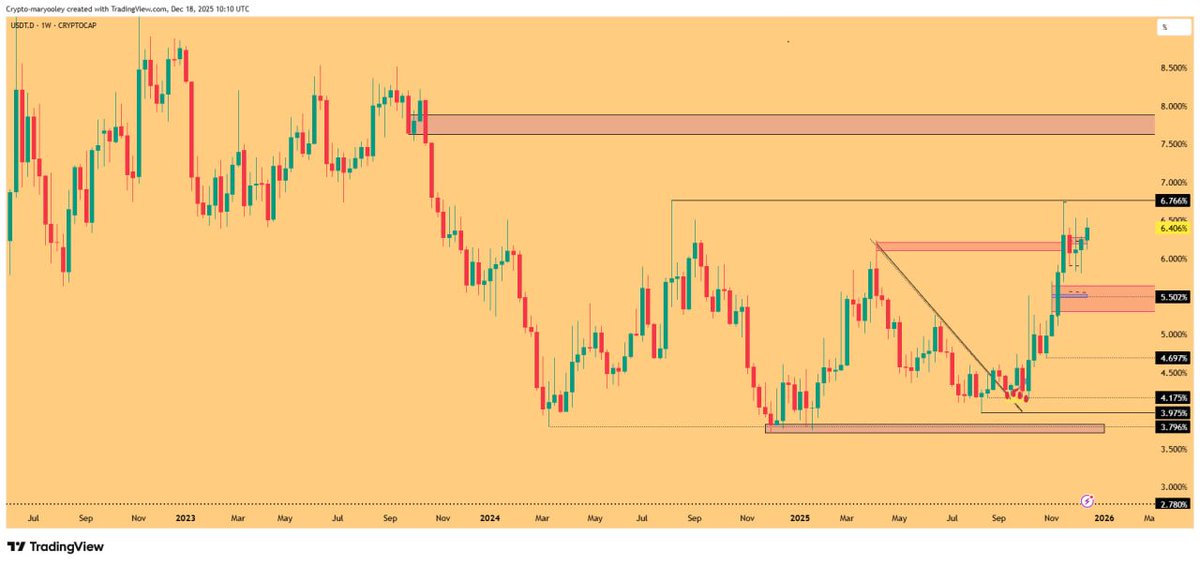
Filipino
CJ retweetledi
Bitcoin (BTC) : Update
tradingview.com/chart/BTCUSD/I…
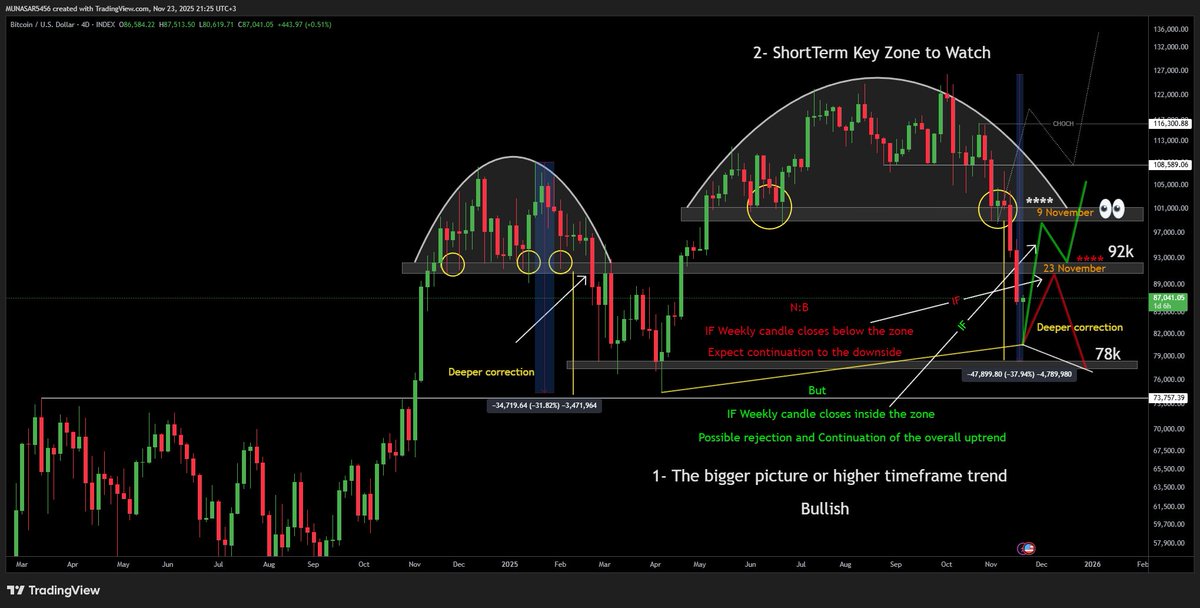
Munasar Moha@MunasarMoh
BITCOIN (BTC) Maxaa argti kala dhex bixi karnaa Chart Bitcoin uu sheegaya ? ka aniga ahaan aragtideeda in hada xaalada Normal tahy Pullback suuqa u baahnaa inee dhacday meesha hada la taagan yahy waa meel xasaasi ah📈📉 meesha laga aadi karo waxa inuu xaqiijin doono weekly candle waxa uu ku xirmo. hadii ee dhacdo xitaa zone 92k ,78k la tago waxa dhacay deeper correction ma aha bear market. tradingview.com/chart/BTCUSD/I…
English

@HirsiJemo @ivar_x47 Who are you markaa sidaa dhahaysid 😂 booto
Hooy dhiiqaa lugaha laguu galinooyaa maa ka joogtid
Eesti
Waxan so bandhigi donta Rag ban o aad idin ustaad tidhaahdin lkn o scamers ah oo Advance course iyo dadka lacgtoda moye aan suqa lacag ka sameyn oo ugu horeeyo Tuga wayn @ivar_x47
Ninka kaliya ee somali comunity u hadhaya wa ninka chalenge aqbalo wixi kle wa laga nadifinaya
Filipino
@kaledsahal @ivar_x47 Horta halmid ogow anigu bila aadan uma naageeyo ragaasna bilaadanka ay u naageeyaan marka cidna uguma af duubni iyagooda challenge gareenaa haday rabaan waayo waxay u badan yihin dad wada taxi le yaal ah oo kule entertainment aa meesha u joogna isi soo maydha dhahayaaa 🤣🤣
Filipino
CJ retweetledi
Filipino
@HirsiJemo @ivar_x47 Cj challenge trade public miyaa bilaawday sxb🤣🤣
Filipino
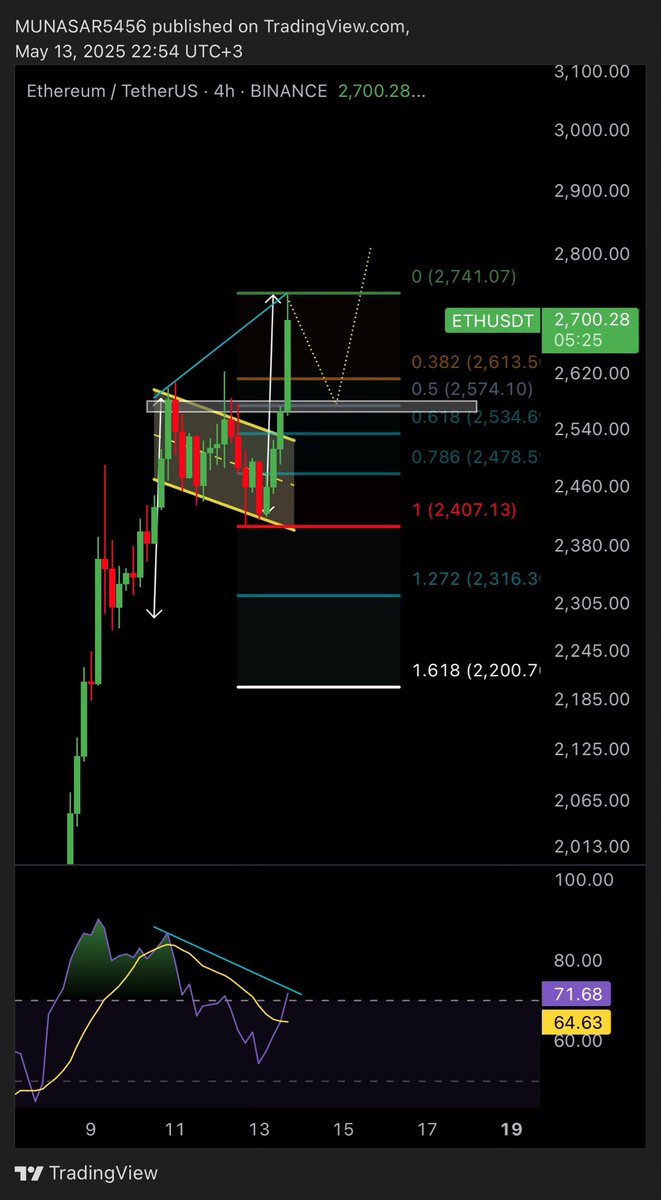

Coins-ka aad ku jirtaan ii soo qora si gaar aan ula socon doona in sha allah
comments-ka ku soo qora ✔️
Indonesia
Maalin🩸cajiib ah, shaki kuma jiro, laakiin wali waxaan haysanaa 30 maalmood inta ka dhiman bisha.
Waxaan rajeyna inay noqoto Uptober ,iyo faa'iidooyinka taariikhiga ah ee Bitcoin ay sameyn jirtay 🔜
cabsi ama fursad aday kugu xiran tahay saad u aragto

Filipino