Sabitlenmiş Tweet

Prof Alejandro Bimbo Diaz,MD
1.1K posts
@hyperneuro
Professor,Dept of Neurosciences and Behavioral Medicine, University of Santo Tomas, President, Philippine Society of Hypertension 2025-2027
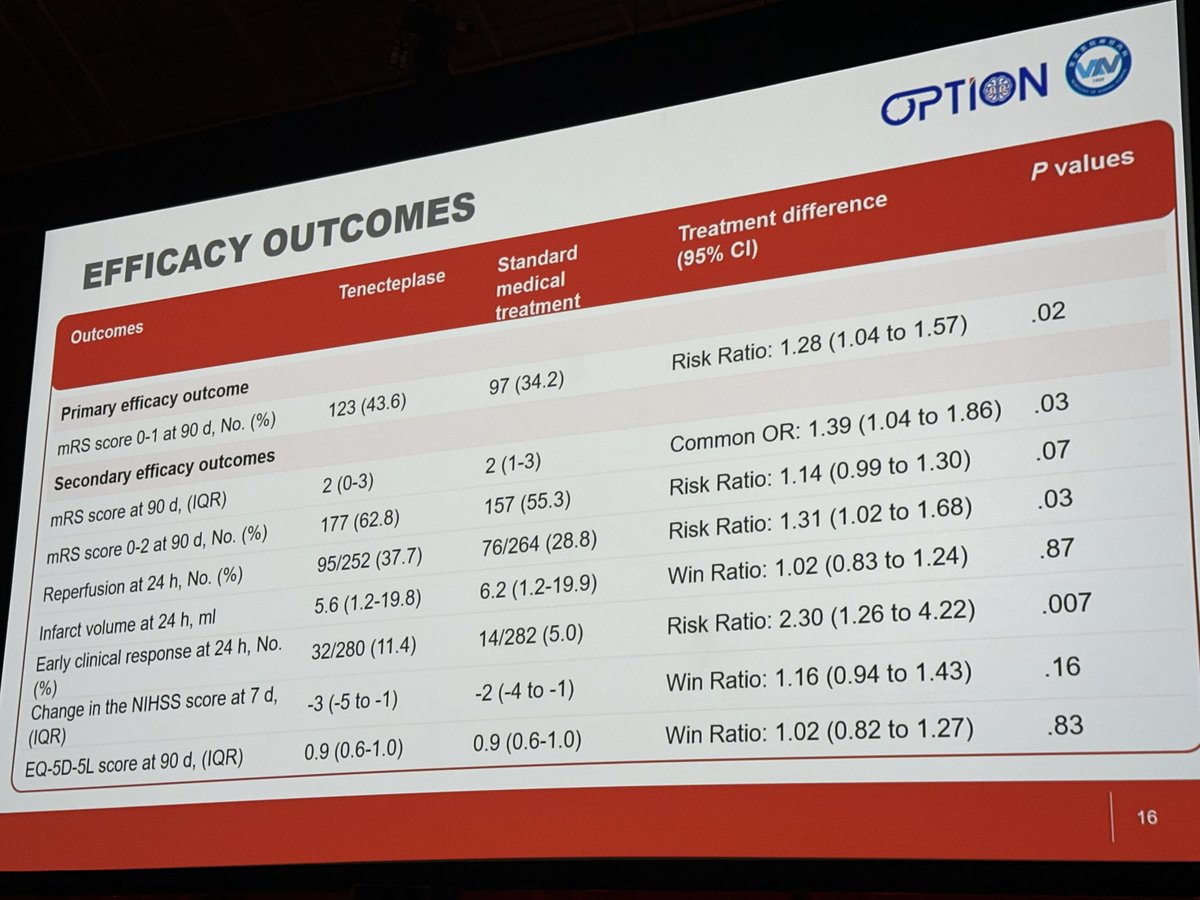
📊Exploratory analyses of TRACE‑III 💉Tenecteplase (4.5–24h) may benefit late-window stroke patients without thrombectomy 👉❗️Effect depends on infarct growth rate Read more here👇 journals.sagepub.com/doi/10.1177/17…



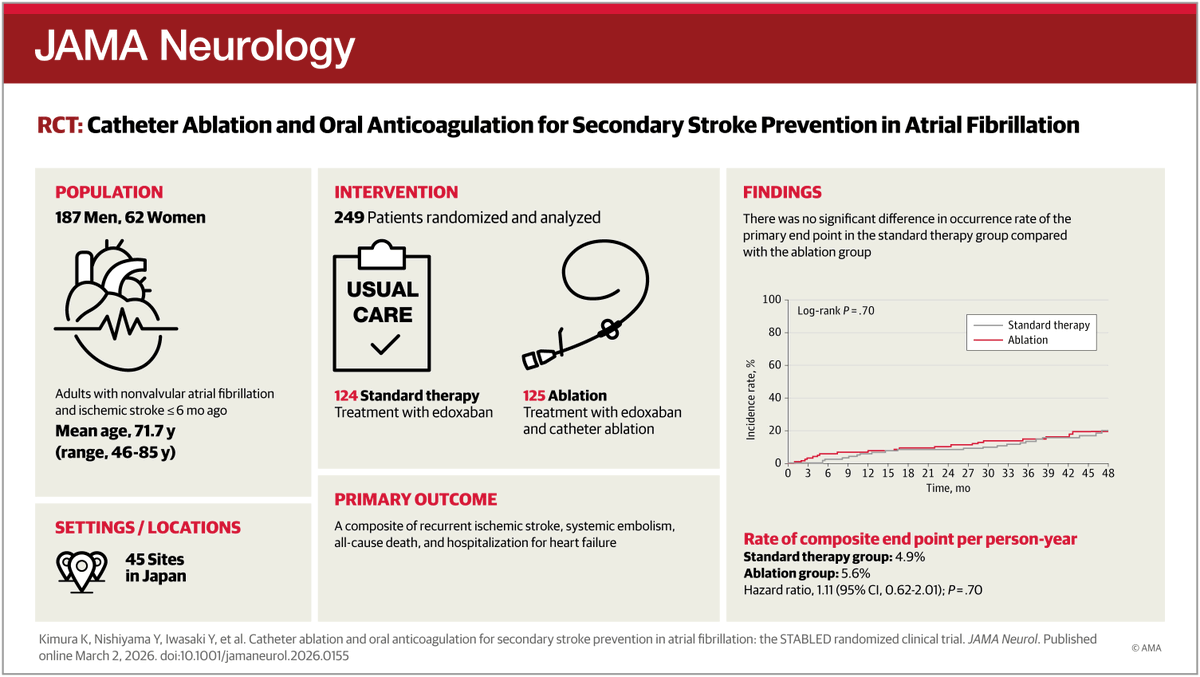
The age illusion in medicine: why your number may not reflect your biology. Biologic age refers to how your body functions and adapts to stress, which may differ from the number of years you have lived. Lee and colleagues describe in a new viewpoint in the New England Journal of Medicine how relying on chronologic age can mislead clinical decision making. Key Points: - Chronologic age is frequently used as a shortcut for health status, despite large differences in function between individuals of the same age. - Biologic measures such as physiological reserve, inflammation and epigenetic markers better predict outcomes than age alone. - Overreliance on age can lead to missed treatments in older adults and missed prevention in younger adults. My take: This is a powerful reminder that medicine is still too focused on a number instead of on the person. If we want precision care, we need to measure what truly matters which is resilience, function and biology. Here are 5 points that resonated w/ me: 1- Age alone is a poor proxy for health and may lead to wrong decisions. 2- Two folks the same age can have very different brain and body resilience. 3- Biologic markers may better guide treatment decisions than simple age cutoffs. 4- Personalized care will require moving beyond age based algorithms. 5- The future of medicine will focus on function, biology and reserve rather than just years lived. nejm.org/doi/full/10.10… #parkinson #alzheimer #dementia






Induced Hypertension Shows Promise for Managing Early Neurological Deterioration in Stroke Care In this #BloggingStroke post, @romilsingh1892 discusses #Stroke article by Kim et al. @KimBJstroke ahajournals.org/do/10.1161/blo…